
REVIEW · SARANGKOT SUNRISE TOURS
Pokhara: Private City Tour and Sarangkot Sunrise
Pokhara morning magic starts with one view. This tour pairs Sarangkot sunrise with a private Pokhara city tour, so you get both sky-high panoramas and the lakeside culture in a single 5 to 8 hour window. I love how the stops are spaced so you can actually enjoy them, not just rush from one signboard to another, and how the day includes hands-on time on Phewa Lake by boat.
The main thing to watch is timing clarity for the sunrise start. One experience noted the departure time wasn’t confirmed until close to departure, and that can matter when you’re coordinating breakfast and getting everyone ready early.
In This Review
- Quick, practical takeaways
- Sarangkot sunrise, the kind that fixes your whole day
- Early pickup, private driving, and the paragliding choice
- Devi’s Falls and the cave stop you won’t forget
- Phewa Lake by boat, then the Barahi Temple you reach from water
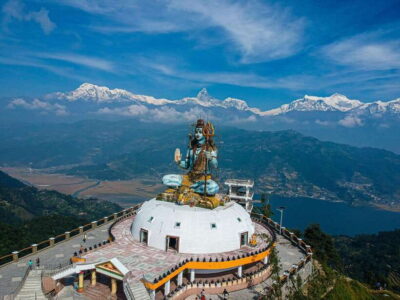
- World Peace Pagoda viewpoints and Bindhya Basini Temple balance the day
- The International Mountain Museum and why it matters in a mountain town
- Price and what you actually get for $85
- Group size, pacing, and who this tour suits best
- Should you book this Pokhara private city tour and Sarangkot sunrise?
- FAQ
- What is the duration of the Pokhara private city tour and Sarangkot sunrise?
- Is hotel pickup and drop-off included?
- What is included for Sarangkot in the morning?
- Is paragliding included?
- Do I get to go boating during the tour?
- Which sites are visited in the Pokhara city portion?
- What languages are available for the guide and audio?
- What is the cancellation policy?
Quick, practical takeaways
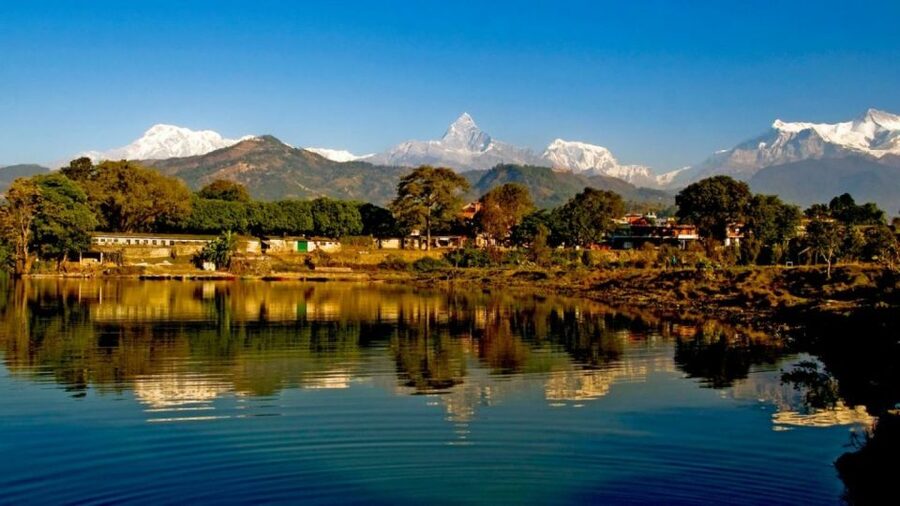
- Sarangkot sunrise over Pokhara Valley and Himalayas: you get a front-row seat to the region’s classic early morning views.
- Optional 30-minute paragliding at Sarangkot: choose it if you want the perspective shift, not if you’re chasing strict comfort.
- Devi’s Falls tunnel and Gupteshwor Mahadev Cave: the tour balances major sights with a spiritually focused cave visit.
- Boat time on Phewa Lake to Barahi Temple: you see the temple the way it’s meant to be seen, from the water.
- World Peace Pagoda viewpoints plus Bindhya Basini Temple: you’ll get both scenic elevation and a key temple in the city.
- Small group up to 15, with audio support: easier pacing, and audio guidance available in several languages.
Other early climbs above Phewa
Sarangkot sunrise, the kind that fixes your whole day
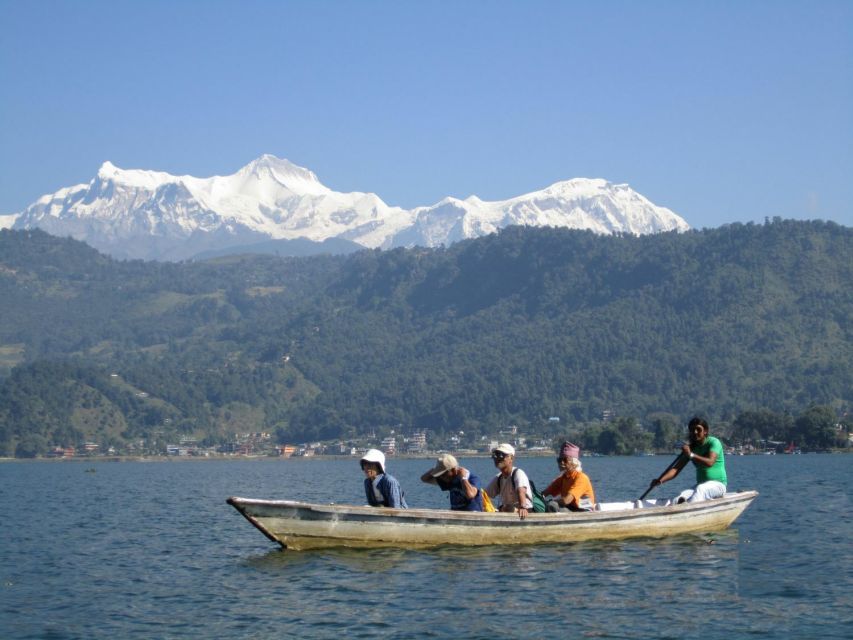
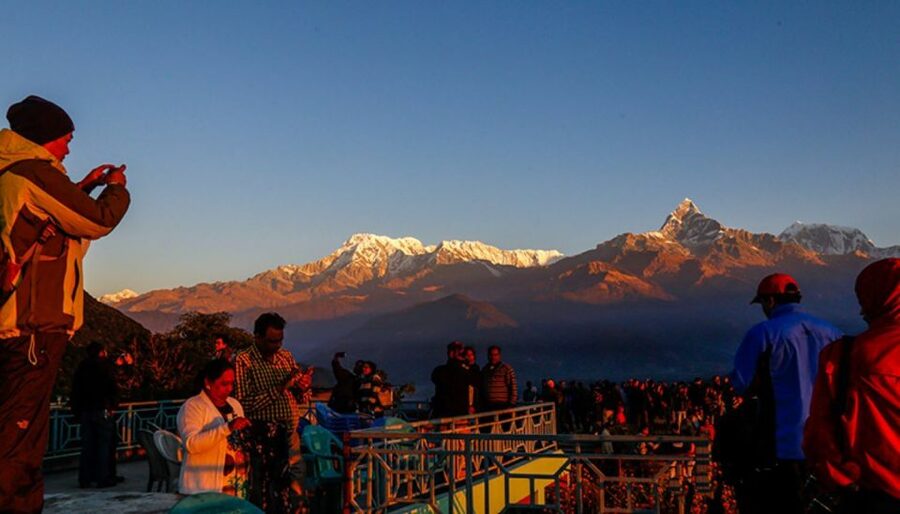
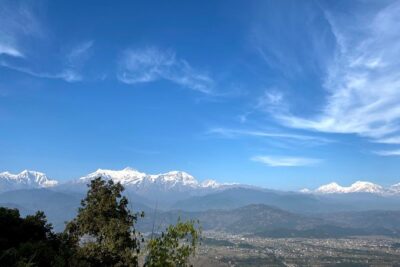
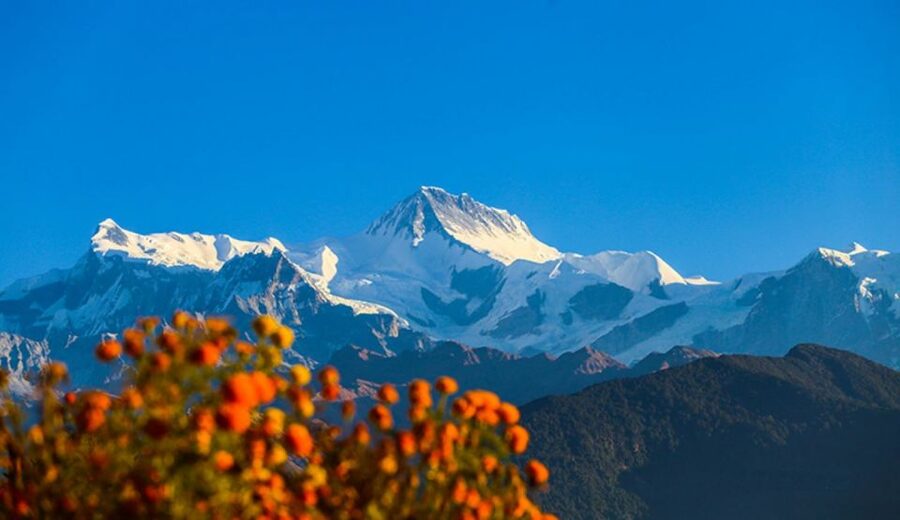
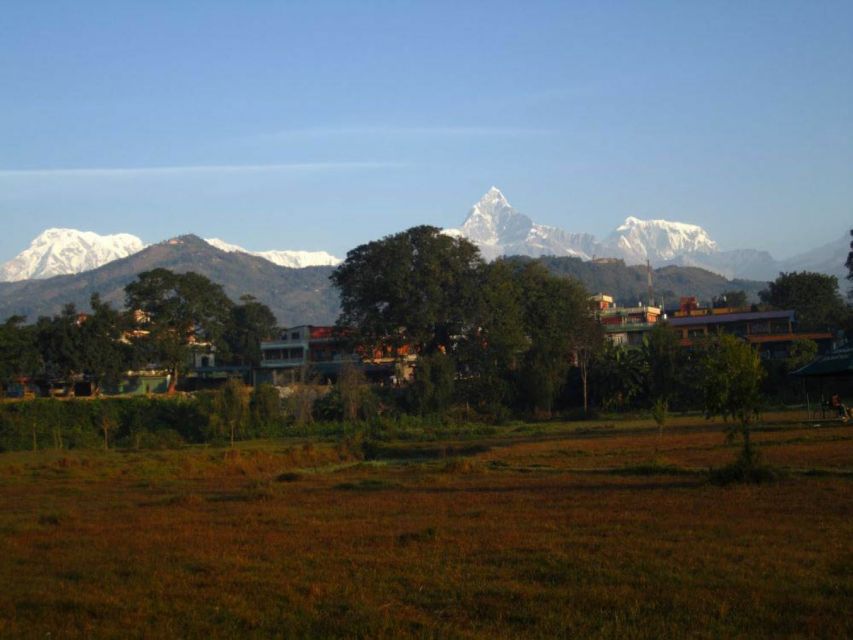
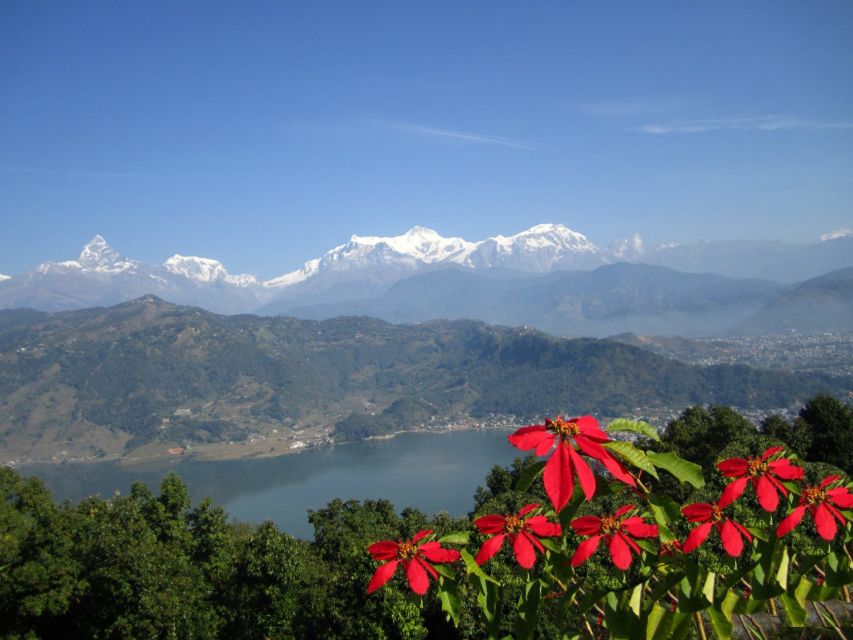
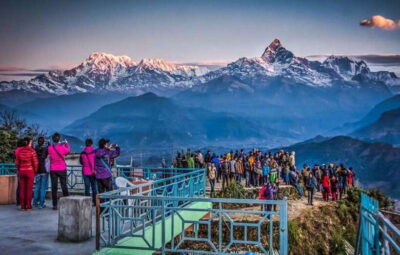
If you only have a short stay in Pokhara, Sarangkot is the big move. The tour drives you about 45 to 60 minutes from your hotel to Sarangkot for sunrise, aiming you at views over the Himalayas, the Pokhara Valley, and even Phewa Lake. That combo matters because you see the valley as a whole, not just isolated landmarks.
I also like that the morning block is built around time outdoors. You’ll have a window to walk and take in the view, not just stand for a photo and flee. Expect it to be cool and dim early. Dress in layers, and bring something for your hands, since comfort makes sunrise viewing way easier.
One more reality check: sunrise quality depends heavily on weather. On a clear morning, the views can be dramatic; on a hazy one, you still get the experience, just with less definition across the peaks.
Early pickup, private driving, and the paragliding choice
The day starts early, with pickup from your hotel lobby in Pokhara, and a guide holding a sign with your name. That simple detail can save you from the usual chaos of meeting points in a new city.
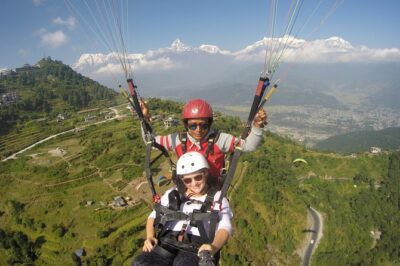
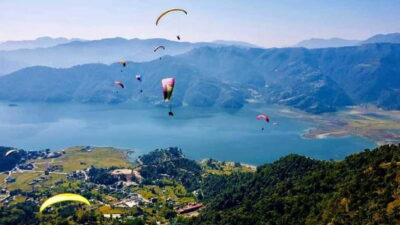
You also have a clear fork in the road after sunrise. The tour includes the chance to book a 30-minute paragliding session at Sarangkot (if you choose the option). The advertised idea is panoramic mountain views from up to around 8,000 meters, which tells you the goal is serious altitude and big-air scenery, not a gentle glide around town.
Here’s how to think about the decision:
- If you want adrenaline and a different angle, paragliding is the most memorable add-on.
- If you’re sensitive to height, cold early mornings, or you just want to keep the day calm, skip it and use the time to enjoy the view on firm ground.
Either way, the day flows into a return drive back to Pokhara for a break, which helps if you’re also planning a city loop that includes caves and temples later.
Devi’s Falls and the cave stop you won’t forget
After the morning viewing, the tour keeps momentum with major Pokhara sights. Devi’s Falls is one of those places that looks simple until you learn what’s happening inside. You’ll see the falls and its tunnel, described as about 500 feet (150 m) long, running roughly 100 feet (30 m) below ground level. That “water disappears, then reappears” feeling is why this spot sticks in your head.
Nearby, you’ll also get traditional Nepali houses and a series of statues of Nepali figures. This isn’t just decoration. It gives your brain a sense of place, showing the city’s local character alongside the dramatic natural feature.
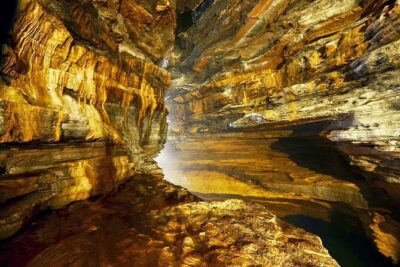
Next comes Gupteshwor Mahadev Cave, opposite Devi’s Falls. This stop is a nice change of pace because it’s not just about sightseeing from a distance. The tour focuses on a giant stalagmite that’s honored as a Shiva lingam and used for prayers. Even if you’re not making a religious visit, the atmosphere is practical to understand: this is a living sacred space, not a museum set.
One small consideration: caves can feel cooler and more humid than outside. Wear shoes with solid grip, and keep an eye on your footing so you can enjoy the details without rushing.
Phewa Lake by boat, then the Barahi Temple you reach from water
The Phewa Lake part of this tour is where Pokhara becomes more human-scale. You’ll go boating at Phewa Lake, then visit the Barahi Temple, built in the middle of the lake with a two-storied pagoda.
Seeing it from a boat matters. You don’t just hear about the temple, you understand why it’s iconic for the lake. It’s also a rare moment in a day full of walking and viewpoints where you get to sit, breathe, and let your legs recover.
A practical heads-up: the provided tour info lists boating as included, but one real-world snag was that money was requested for the boat during the day. I can’t say why that happened in that specific case, but you should treat it as a reminder to confirm what’s fully covered before you get on the boat.
If you want value, ask your guide a simple question before you depart: what exactly is included for boating, and is anything extra due on the day?
Other Pokhara town days on our list
World Peace Pagoda viewpoints and Bindhya Basini Temple balance the day
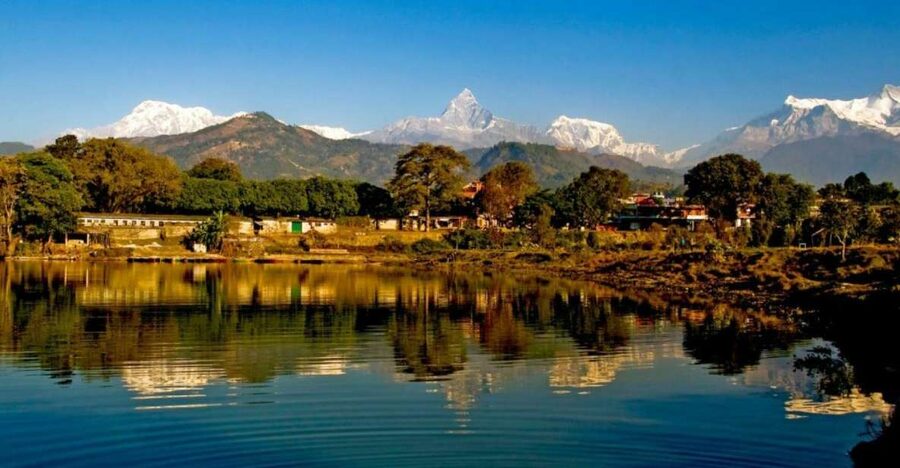
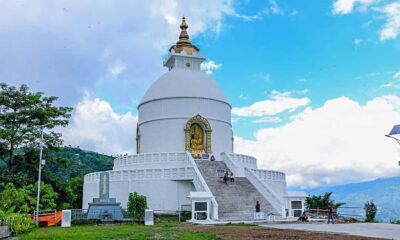
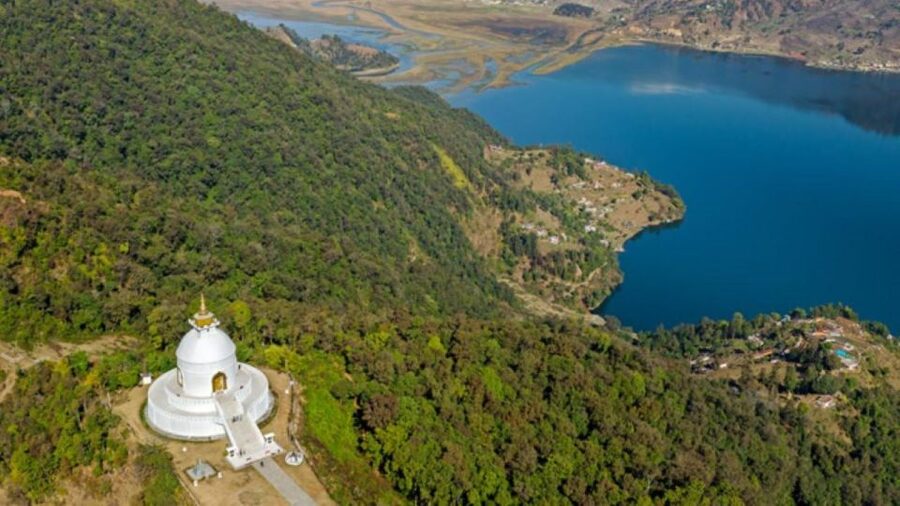
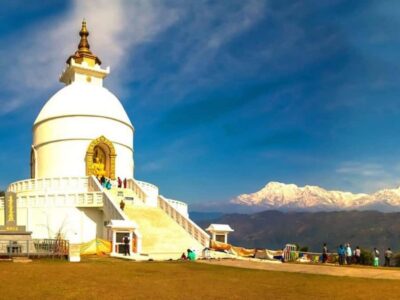
After the lake, the tour heads toward viewpoints and key religious stops. The World Peace Pagoda is next, and you’ll be there for the view: mountain scenery, Phewa Lake, and the Pokhara city and surroundings. This is the classic “see the map in your head” moment, when you connect what you saw on the lake with what you saw earlier from Sarangkot.
Then you’ll visit Bindhya Basini Temple, described as the most sacred temple in Pokhara city. Temple visits work best when you treat them as more than a checklist. Even if you don’t know the names of all the religious details, you can still read the atmosphere, watch how people behave respectfully, and understand that this is part of everyday spiritual life in Pokhara.
The biggest advantage of including both the pagoda and the temple is contrast. You get scenery from above, then you step into a more grounded, local rhythm. That mix is what makes a half-day tour feel fuller than it sounds on paper.
The International Mountain Museum and why it matters in a mountain town
Many Pokhara visitors come for views, but the International Mountain Museum adds context. The museum chronicles the past and present development of mountaineering activities in general, which helps you understand why the Himalayas hold cultural meaning far beyond scenic postcards.
This stop is also a good “weather insurance” piece. If the morning clouds roll in or you just want a change from outdoor lighting, a museum break gives you something structured and indoor to look at.
A smart move for you here is to go in with one question: what kind of relationship do humans have with the mountains, beyond climbing? The museum’s focus on mountaineering history and evolution is likely to help you frame that in a more meaningful way than the usual “big peaks are tall” take.
Price and what you actually get for $85
At $85 per person, this tour sits in the midrange for a private-day format in Pokhara. The value comes from the combination:
- Sarangkot sunrise with guide time
- A guided Pokhara city tour
- Hotel pickup and drop-off
- Boating at Phewa Lake
- An included tour guide, plus audio guide support in multiple languages
It’s also important that the tour duration is flexible, listed at 5 to 8 hours. That range usually reflects sunrise timing, traffic, and whether you choose the paragliding option.
What’s not included matters for your budgeting. Food and drinks are not included, and entrance fees are not listed as included. Before you go, set aside a buffer for whatever admission costs come up during the day.
Finally, language support is a genuine part of value here. You can get a live guide in English, Japanese, French, Dutch, German, or Chinese, and the tour also includes audio guidance for several of those languages. One real-world highlight was a guide, Raju Sharma, who put a lot of effort into Japanese guidance for a long stretch. That’s not a guarantee, but it tells you the standard aim is communication that actually helps you enjoy the stops.
Group size, pacing, and who this tour suits best
This is a small group experience, limited to 15 participants, even though the day includes private vehicle movement. That size usually makes it easier for your guide to manage timing and keep you from being packed in like a commuter train.
The pacing works well if you want a “best of Pokhara” day without planning. You’ll move through natural and religious highlights in a logical flow: sunrise, then waterfalls and caves, then lake and temples, then museum and city wrap-up.
This tour is especially a fit if:
- You’re short on time and want sunrise and major Pokhara icons in one go
- You prefer a guided day that handles logistics like pickup and driving
- You like mixing scenery with culture, not just taking photos
It might be less ideal if:
- You hate early mornings, since Sarangkot starts you very early
- You want full control of every stop and duration, because the schedule is structured
- You get sensitive about last-minute timing, since one person noted the sunrise departure time wasn’t clear until close to departure
Should you book this Pokhara private city tour and Sarangkot sunrise?
I’d book it if you want the classic Pokhara experience in one clean package: Sarangkot sunrise, the lake temples, and the city’s key religious and natural sights, all with a guide and pickup handled for you.
Before you confirm, do two quick checks:
- Ask your guide to confirm the sunrise departure time clearly in advance, so you can plan breakfast and clothing layers.
- Ask what part of the Phewa Lake boating is included, to avoid any surprise payment on the day.
If those two points are handled, this is a strong option for a first-time Pokhara visit. You get big views early, then a well-rounded city day that doesn’t leave you guessing what to do next.
FAQ
What is the duration of the Pokhara private city tour and Sarangkot sunrise?
The tour runs about 5 to 8 hours, depending on the starting time and the day’s flow.
Is hotel pickup and drop-off included?
Yes. Pickup and drop-off are included in Pokhara.
What is included for Sarangkot in the morning?
Sarangkot sunrise is included, with guided sightseeing and time to walk and view the sunrise.
Is paragliding included?
Paragliding is optional. A 30-minute paragliding session is included if you select that option.
Do I get to go boating during the tour?
Yes, the tour includes boating at Phewa Lake.
Which sites are visited in the Pokhara city portion?
The tour includes Devi’s Falls and its tunnel, Gupteshwor Mahadev Cave, Barahi Temple (via the lake boat), World Peace Pagoda, Bindhya Basini Temple, and the International Mountain Museum.
What languages are available for the guide and audio?
The live tour guide and audio support are available in English, Japanese, French, Dutch, German, and Chinese.
What is the cancellation policy?
You can cancel up to 24 hours in advance for a full refund.
Everything Bookable Around Pokhara


The Rest of Our Pokhara Write Ups
Early Up Sarangkot
Everything else we have reviewed around Pokhara
- Pokhara: Cable Car Tour – Bird Eye View of Mountain & Lake
★ 4.4 · 3 reviews - Jomsom Muktinath Tour by 4WD SUV 2 Days
★ 5.0 · 3 reviews - Ghorepani Poonhill Private Trek – 2 nights / 3 days
★ 4.5 · 3 reviews - Pokhara: 30-Minute Paragliding Adventure with pick up/drop off
★ 4.5 · 3 reviews - Pokhara: 7-Day Annapurna Base Camp Trek via Ghandruk
★ 4.3 · 3 reviews - Pokhara Group Joining Sarangkot Sunrise Himalayas Tour
★ 5.0 · 3 reviews
Sarangkot Sunrise Tours worth a second look.
 ★ 4.7Sarangkot Sunrise Himalayas TourFrom $8218 reviews
 ★ 4.8Sarangkot Sunrise with Half or Full-Day City TourFrom $8100 reviews
 ★ 5.0The Best of Pokhara: Full-Day Private Tour with Sarangkot SunriseFrom $6866 reviews
 ★ 5.0Paragliding at Sarangkot PokharaFrom $8050 reviews
 ★ 4.8Sarangkot Sunrise And Private Full-Day TourFrom $4332 reviews
 ★ 5.0Sarangkot Village Coffee Culture and Authentic Local Life TourFrom $6029 reviews
 ★ 4.5Group Joining Sarangkot Sunrise Himalayas TourFrom $1223 reviews
 ★ 5.0Day Hiking from Sarangkot to World Peace Stupa from LakesideFrom $13020 reviews
Lists this tour sits in