
REVIEW · TIBETAN CULTURE TOURS IN NEPAL
Full Day Tibetan Cultural Tour
Tibet comes to Pokhara. This day is packed with refugee settlements, monastery moments like chanting and symbol talks, plus real Tibetan food breaks like butter tea and thenthuk. One thing to plan for, it is a full 8 hours and it is not wheelchair-friendly.
I like that this is built around conversation, not just photo stops. You get time to ask questions and to see how Tibetan life continues in Nepal, especially through faith, study, work, and medicine.
In This Review
- Key highlights worth your attention
- A full day of Tibetan life near Pokhara
- Two refugee settlements, how identity stays alive
- Monasteries, symbols, and why chanting matters
- Carpet workshop to showroom, the work behind the design
- Tibetan medicine and a doctor’s pulse reading
- Tibetan lunch, momos, thenthuk, and butter tea breaks
- How the schedule flows, and what you should plan for
- Price and value for $82 per person
- Should you book this Tibetan cultural tour?
- FAQ
- FAQ
- Where is pickup and drop-off included?
- How long is the Tibetan cultural tour?
- Is the tour led by an English-speaking guide?
- What meals and drinks are included?
- Is a Tibetan doctor consultation included?
- Is this tour suitable for wheelchair users or small children?
Key highlights worth your attention
- Two Tibetan refugee settlements near Pokhara, with a sense of how community life keeps traditions alive
- Mr. Thupten Gyatso’s English explanations, focused on symbols, daily routines, and what matters in Tibetan culture
- Monastery time with prayer chanting, plus a chance to talk with a monk and hear instruments used in ceremony
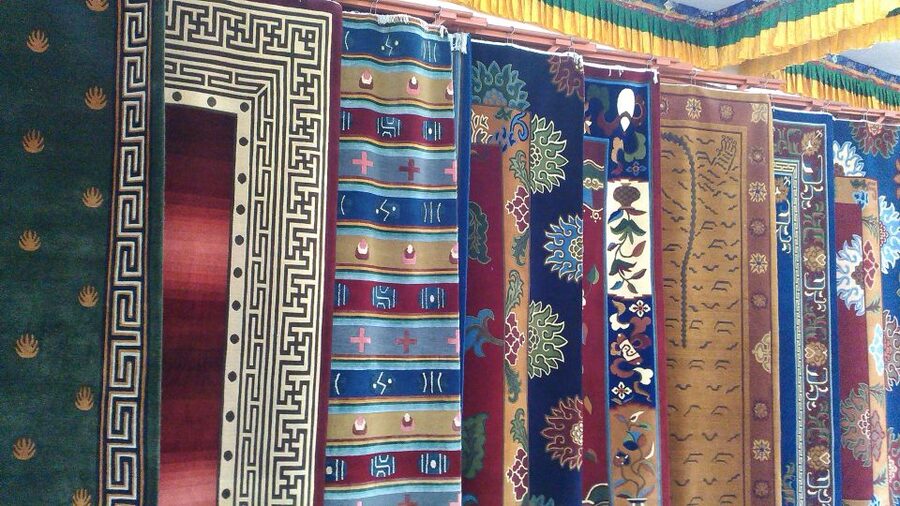
- Carpets made by hand, from watching the process at a workshop to browsing designs in a showroom
- A Tibetan doctor consultation, including pulse reading, with traditional medicine ideas you can actually ask about
- Food and tea breaks that feel local, including butter tea, tsampa, momos, and thenthuk
More Tibetan settlement visits
A full day of Tibetan life near Pokhara
This tour is designed for people who want more than a quick taste of culture. You start with pickup around Lakeside, then you spend the day moving between Tibetan settlements, religious sites, and community spaces where Tibetan traditions are practiced daily.
The group stays small, limited to 8 people. That matters, because the best moments on this kind of trip are the conversations: what someone studies, what someone believes, and how a community keeps its identity.
You also get an unusually food-forward schedule for a cultural tour. Instead of one bland lunch stop, you get multiple snack and tea moments, plus an afternoon tea at a local Tibetan family home.
Two refugee settlements, how identity stays alive
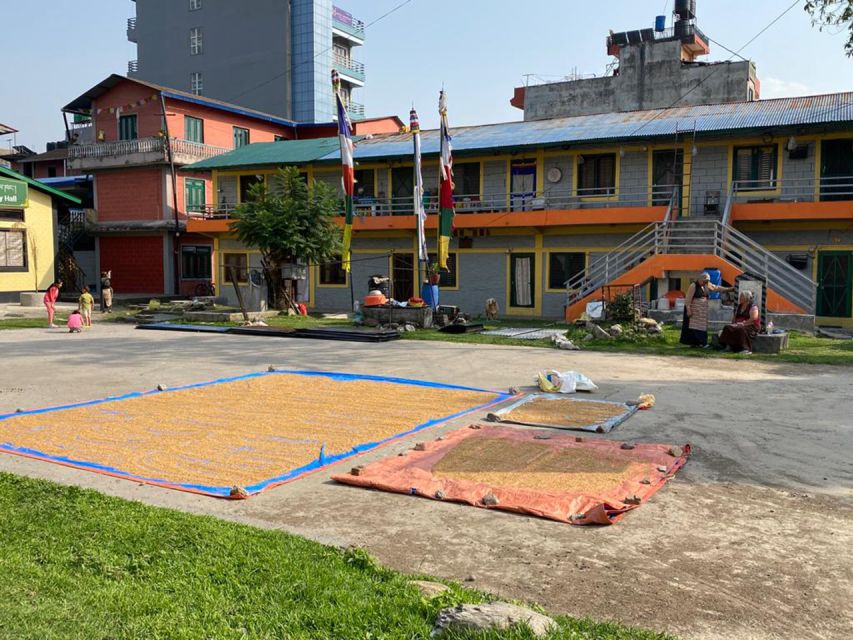
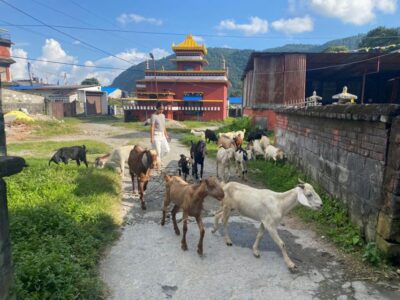
The day includes visits to two different Tibetan refugee settlements in the Pokhara valley area. You are not just passing through. You are learning how language, Buddhist practice, and daily routines continue in a new country.
One settlement stop includes a guided walk and sightseeing time, with coffee and tea along the way. You also get chances to taste local items, and you’ll likely notice how community spaces are organized around study, worship, and practical work.
The second settlement visit adds more rhythm to the day. It includes tea, brunch, guided touring, and another walk. You’ll also spend time in a photo gallery that connects present-day life to earlier years, showing how Tibetan refugees and their community structures formed after exile in the 1960s, and how the Dalai Lama’s journey is remembered in these communities.
What I like here is the balance between daily life and bigger context. It is hard to remember that refugee stories are not just history. They are neighbors, teachers, and doctors, all doing what they can each day.
Monasteries, symbols, and why chanting matters
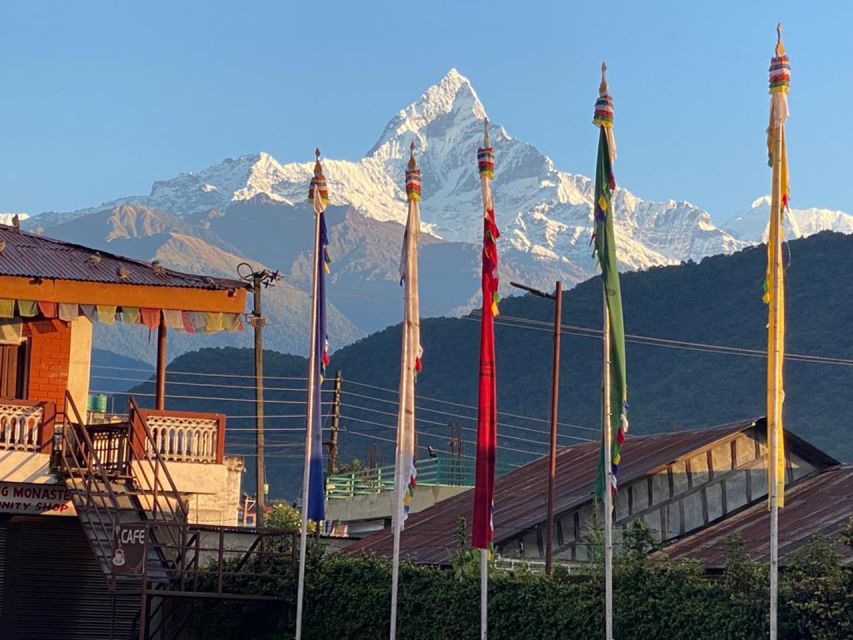
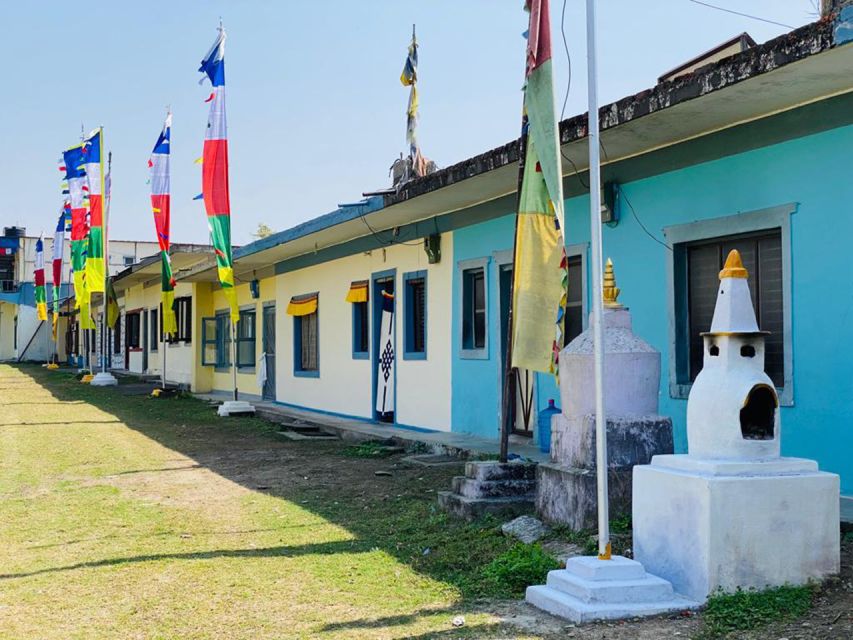
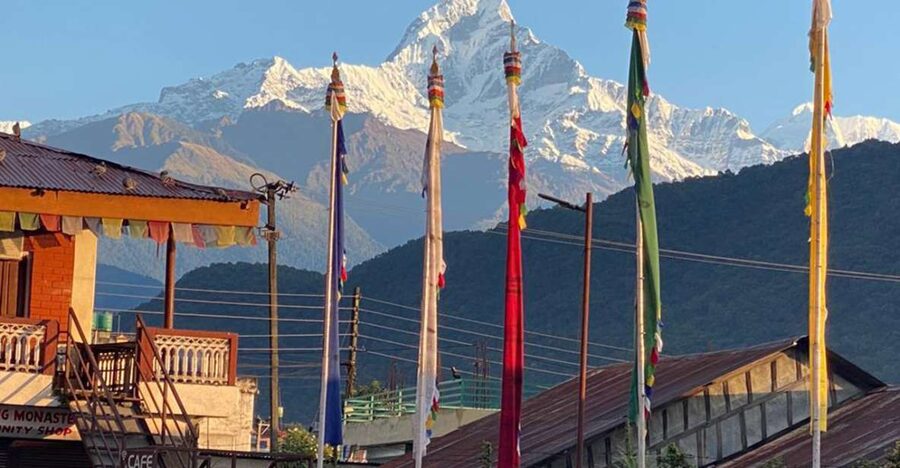
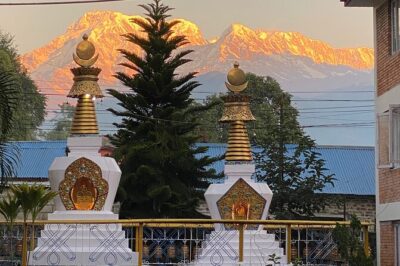
Religion is the spine of many Tibetan community days, and you feel that in multiple ways. You’ll visit a Buddhist monastery where you learn the meaning behind common symbols and signs used in everyday practice. Prayer wheels, prayer flags, and stupas are part of what you will be guided through, so you can look at them and understand why people treat them as meaningful, not decorative.
Later in the day, you attend an afternoon group prayer chanting session. This is not presented as a performance for tourists. You experience the sound of instruments used in ceremony, and you get a sense of how the chanting builds the tone of the space.
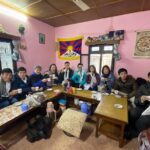
There is also time to interact with a monk. You’ll get conversation time that supports questions about monastic studies and daily activities, including what life looks like inside monastic walls.
A practical note: chanting time can be quiet and focused. If you are the type who always needs full commentary, bring a few questions. When you can ask directly, the experience becomes much more personal.
Carpet workshop to showroom, the work behind the design
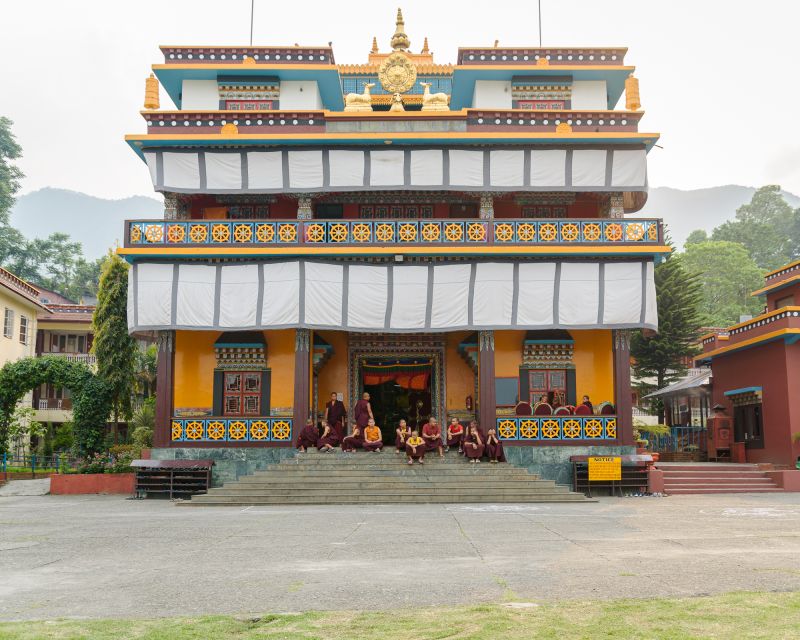
Tibetan carpets are not just patterns. They are labor, skill, and tradition turned into something you can live with for years.
You start by visiting a carpet workshop, where you can see how Tibetan carpets are made by hand. The guide, Mr. Thupten Gyatso, walks you through the process step by step. That’s the difference between just looking at carpets and understanding what you are seeing.
After the workshop, you visit a carpet showroom where you can browse a range of designs and colors. This is where the morning’s learning pays off. You are better able to notice what makes styles different, and why certain color choices and motifs can carry meaning.
If you’re shopping at all, this is the best time to do it. You will know what questions to ask, like materials and what makes one design feel different from another. And even if you are not buying, watching skilled hands work gives you a real appreciation for why these textiles matter in Tibetan life.
More old stones and living temples
Tibetan medicine and a doctor’s pulse reading
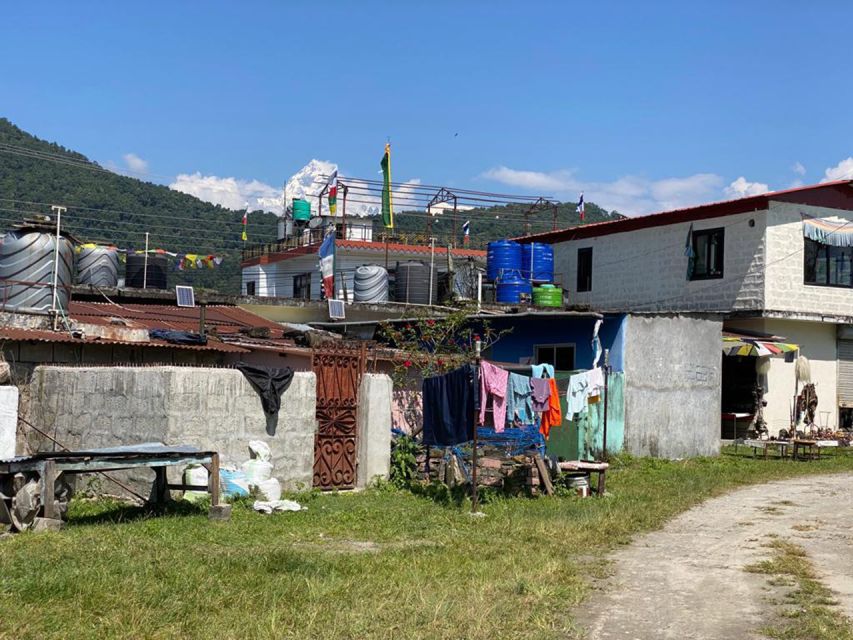
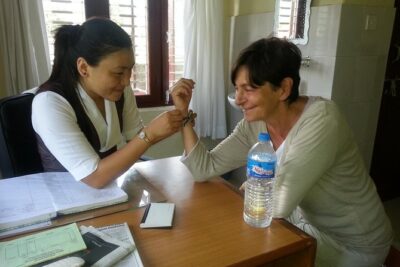
One of the most thought-provoking parts of the day is the visit to a Tibetan medical center and the meeting with a Tibetan doctor. Your consultation is included, and it includes pulse reading.
This matters because Tibetan medicine is not explained as a concept only. You get a chance to ask practical questions about diagnosis and treatments within their traditional system. If you want to purchase medicines, that part is separate.
What I like about including this in the same day as monasteries and symbols is that it shows a complete picture. In Tibetan communities, religion, daily practice, and health traditions often support the same way of viewing the world: as something learned, maintained, and cared for with intention.
If you do not know what to ask, keep it simple. You can ask how pulse reading works in their approach, or what kinds of issues they commonly discuss. The value is in seeing how a traditional system thinks, not just collecting facts.
Tibetan lunch, momos, thenthuk, and butter tea breaks
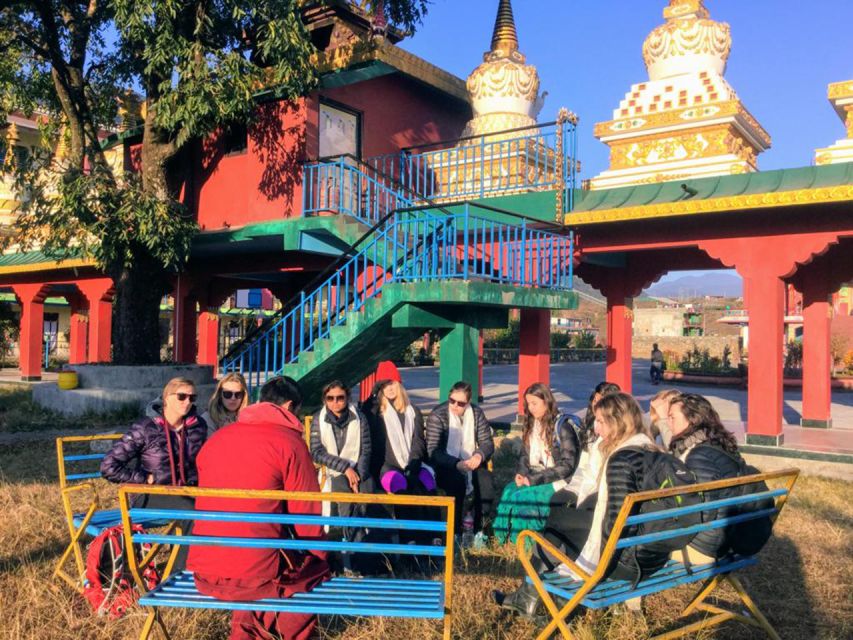
Food here is not an afterthought. It is part of cultural storytelling.
For lunch, you’ll enjoy authentic Tibetan cuisine at a local Tibetan restaurant. Momos are on the menu, and thenthuk is included as a nourishing soup made with freshly kneaded dough, meat, and vegetables. There are both vegetarian and non-vegetarian options, so you can match your preferences.
On top of lunch, you get other snack and tea moments. You might taste local snacks during settlement walks, and tea shows up more than once during the day. This is where butter tea becomes central.
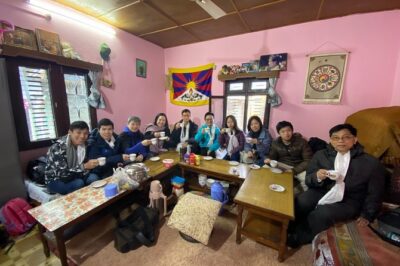
At a local Tibetan family home, you’ll have a traditional afternoon tea tasting. The menu includes salted butter tea, tsampa (roasted barley flour), and Tibetan bread served with honey, butter, and peanut butter. This is the kind of experience you remember because it’s hands-on and sensory. You see what is served, you try it, and you get context for why it’s part of the daily rhythm.
Small practical tip: if you’re sensitive to salty drinks, take it slow with butter tea. You can sample and still enjoy the full experience without feeling overloaded.
How the schedule flows, and what you should plan for
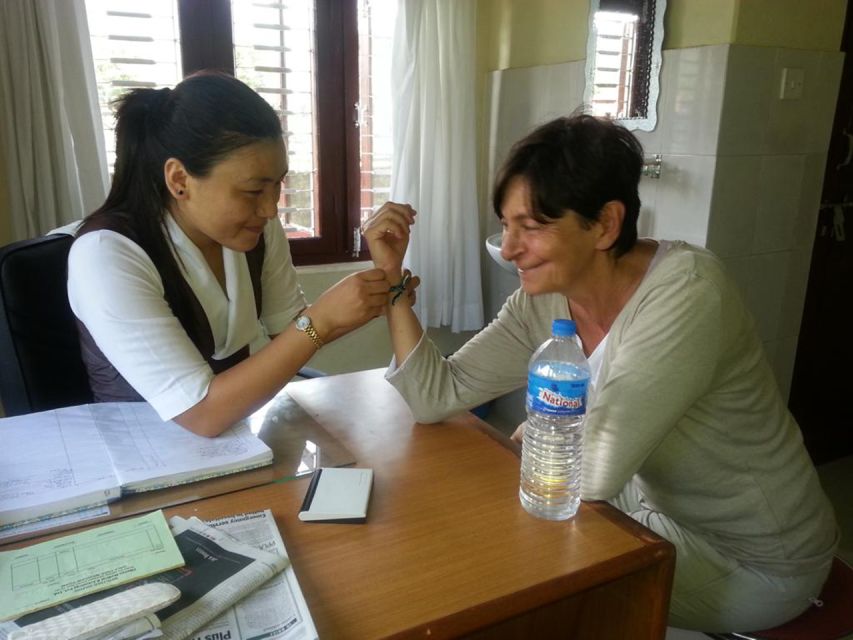
The day is built around short shifts that keep momentum: photo stops, guided touring, short walks, and then a food or tea break to reset.
You start at Lakeside and spend time at Tashiling Tibetan settlement. That stop includes guided sightseeing, a walk, coffee and tea, lunch, and food tasting. Then you move on to the Pema Ts’al Sakya Monastic Institute area for sightseeing and another guided visit, with scenic views on the way.
After that, the Hemja Tibetan refugee camp visit comes with tea, brunch, guided tour time, sightseeing, and another walk, plus local snack tasting. You finish back at Lakeside.
Because you cover a lot in one day, you’ll want to be comfortable walking at a steady pace and sitting for guided discussions. The tour is not described as wheelchair accessible, so if mobility is an issue, you may want to look at alternatives.
Price and value for $82 per person
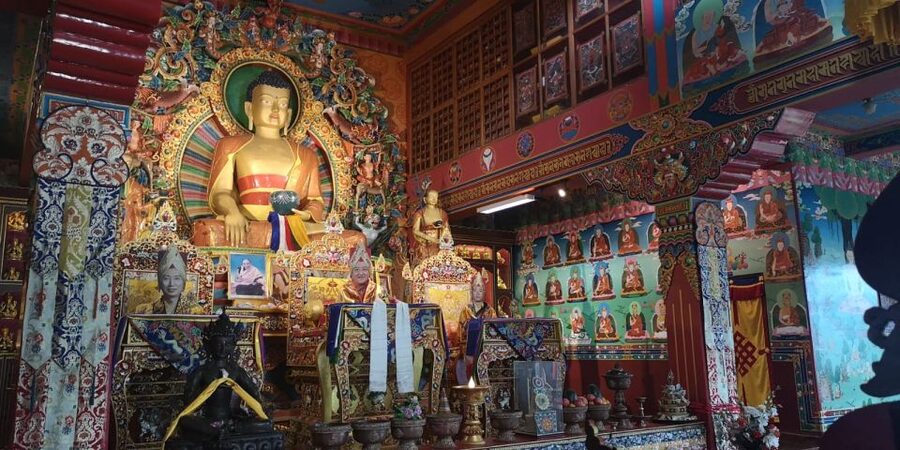
At $82 per person for 8 hours, the value comes from what you get bundled together. You are paying for a live English guide, pickup and drop-off around Lakeside, multiple guided visits to two settlements, monastery time including prayer chanting, a carpet workshop plus showroom access, and a Tibetan doctor consultation with pulse reading.
It is also not just “time with a guide.” You get specific cultural access points. That includes interactions with a monk, tea and snack tastings at a local family home, and a meal built around Tibetan dishes like momos and thenthuk.
If you would otherwise hire separate services, the package starts to make sense. You are essentially consolidating religion, crafts, medicine, and food into one day with a single guide who can explain what you’re seeing in real time.
The only extra cost to watch for is transportation if your hotel is outside the Lakeside area. The tour provider notes an additional transportation fee based on your hotel location.
Should you book this Tibetan cultural tour?
Book it if you want a day that connects Tibetan culture to real people in Nepal, not just a checklist of sights. This tour works especially well if you like asking questions and you value specific experiences like prayer chanting, a doctor meeting with pulse reading, and watching carpet-making by hand.
Skip it if you need wheelchair accessibility, or if an 8-hour schedule feels too long for your comfort level. Also consider whether you truly want multiple food tastings and tea moments. This day leans into that side of culture, which is great if you enjoy it, and less great if you prefer fewer stops.
If you’re staying near Lakeside in Pokhara, it is an easy choice. Pickup and drop-off are included there, and the day is built to run smoothly from start to finish.
FAQ
FAQ
Where is pickup and drop-off included?
Pickup and drop-off are included around the Lakeside area. If your hotel is outside Lakeside, there is an additional transportation fee depending on your hotel location.
How long is the Tibetan cultural tour?
The tour runs for 8 hours.
Is the tour led by an English-speaking guide?
Yes. There is a live tour guide who speaks English.
What meals and drinks are included?
You get an afternoon lunch with Tibetan food at a local Tibetan restaurant, plus tea and other drink stops during the day. The family-home tea includes salted butter tea, tsampa, and Tibetan bread with honey, butter, and peanut butter. There are vegetarian and non-vegetarian options for the lunch.
Is a Tibetan doctor consultation included?
Yes. A consultation with a Tibetan doctor is included, and it includes pulse reading. If you are interested in medicines, those are available for separate purchase.
Is this tour suitable for wheelchair users or small children?
No. It is not suitable for wheelchair users, and it is not suitable for children under 2 years old.
Everything Bookable Around Pokhara

The Rest of Our Pokhara Write Ups
The Tibetan Settlements
Everything else we have reviewed around Pokhara
- Pokhara: Cable Car Tour – Bird Eye View of Mountain & Lake
★ 4.4 · 3 reviews - Jomsom Muktinath Tour by 4WD SUV 2 Days
★ 5.0 · 3 reviews - Ghorepani Poonhill Private Trek – 2 nights / 3 days
★ 4.5 · 3 reviews - Pokhara: 30-Minute Paragliding Adventure with pick up/drop off
★ 4.5 · 3 reviews - Pokhara: 7-Day Annapurna Base Camp Trek via Ghandruk
★ 4.3 · 3 reviews - Pokhara Group Joining Sarangkot Sunrise Himalayas Tour
★ 5.0 · 3 reviews
Tibetan Culture Tours in Nepal worth a second look.
 ★ 5.0Full-Day Tibetan Cultural Tour to Tibetan Settlements PokharaFrom $85184 reviews
 ★ 5.0Afternoon Tibetan Cultural Tour to Tibetan Settlements PokharaFrom $60106 reviews
 ★ 5.0Morning Tibetan cultural tour to Tibetan settlements PokharaFrom $8566 reviews
 ★ 5.0Afternoon Tibetan cultural tourFrom $5641 reviews
 ★ 5.0Half Day Tibetan Cultural tour PokharaFrom $6336 reviews
 ★ 5.0Morning Half Day Tibetan cultural tour to Tibetan SettlementsFrom $6026 reviews
 ★ 3.8Private Half-Day Tour and Tibetan Culture TourFrom $2414 reviews
 ★ 5.0Sarangkot Sunrise with a half day Tibetan cultural tourFrom $9113 reviews
Lists this tour sits in