
REVIEW · TIBETAN CULTURE TOURS IN NEPAL
Afternoon Tibetan cultural tour
Buddhist symbols start making sense quickly. This afternoon Tibetan cultural tour in Pokhara pairs a visit to a Tibetan monastic institute and a refugee settlement with guided meaning-making, then adds the human part: a chat with a young Buddhist monk and afternoon prayer chanting. I love how Mr. Thupten Gyatso explains what you are seeing in day-to-day terms, not just in theory.
I also love the food ending, especially salted butter tea with Tibetan snacks at a local family home. One consideration: pickup and drop-off are included around Lakeside, and you may pay an extra transportation fee if your hotel is outside that area.
In This Review
- Key things to know before you go
- Why Mr. Thupten Gyatso’s guide style matters more than you think
- Pema Ts’al Sakya Monastic Institute: prayer wheels, symbols, and respectful walking
- Tashi Palkhel Tibetan Settlement: learning identity through everyday routines
- How the monk conversation turns Buddhism from theory into daily life
- Afternoon prayer chanting: hearing instruments and feeling the group rhythm
- Tibetan butter tea and snacks at a local family home
- Price and value: is $56 fair for 4 hours?
- Who this tour is best for, and who should skip it
- Quick tips to make your afternoon smoother
- Should you book this afternoon Tibetan cultural tour in Pokhara?
- FAQ
- How long is the afternoon Tibetan cultural tour?
- Is the tour offered in English?
- How many people are in the group?
- Where do you pick up and drop off?
- Do I pay extra transportation if my hotel is outside Lakeside?
- Is a conversation with a monk included?
- Do you attend afternoon prayer chanting?
- What food and drink are included?
- Is the tour suitable for children or wheelchair users?
Key things to know before you go
- Mr. Thupten Gyatso leads the tour, bringing Tibetan roots and a clear, story-driven style
- Two monastic experiences include guided time and afternoon group prayer chanting
- You learn the meaning of Buddhist signs and symbols used in daily life, including prayer wheels, prayer flags, and stupas
- A conversation with a young Buddhist monk gives you real answers about monastic study and daily routine
- Tibetan tea and food stop includes butter tea plus snacks like tsampa and bread
- Small group size (up to 8) makes it easier to ask questions and slow down when something sparks curiosity
More Tibetan settlement visits
Why Mr. Thupten Gyatso’s guide style matters more than you think
On a lot of culture tours, you get photos, facts, and a quick “next stop.” Here, the guide’s role feels more like a translator between worlds. Mr. Thupten Gyatso is a Tibetan native with deep ties to the region, and that comes across in how he connects symbols to everyday life.
You are not just told what Buddhist items are called. You are guided to understand why they matter. For example, prayer wheels and prayer flags are not treated like decorations. You learn how they fit into practice, rhythm, and belief. That changes how you look at what you see, even when you are just walking through a monastery courtyard or along a settlement lane.
And because the group is limited to 8 people, questions do not get pushed to the end. That matters for this type of tour, because you will likely have personal curiosity, not just textbook curiosity.
Pema Ts’al Sakya Monastic Institute: prayer wheels, symbols, and respectful walking
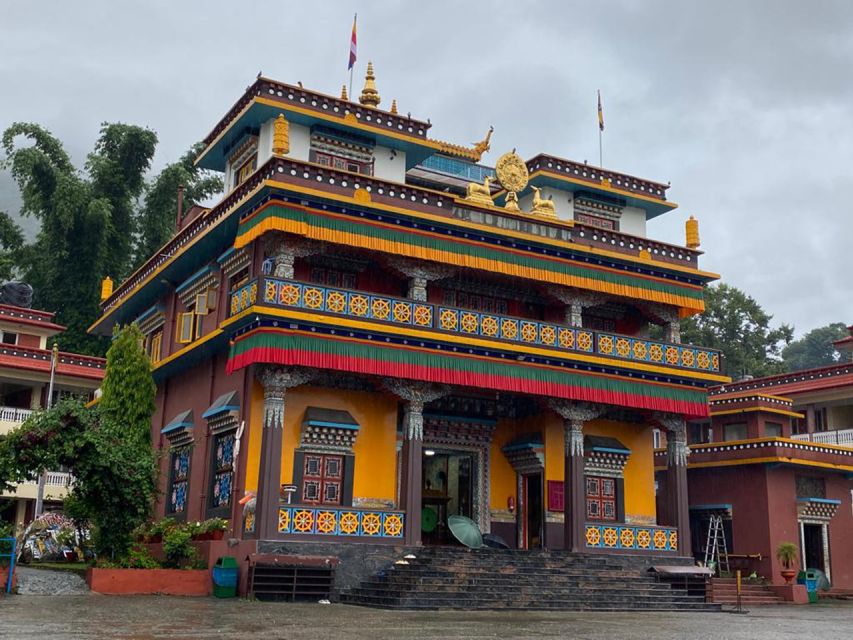
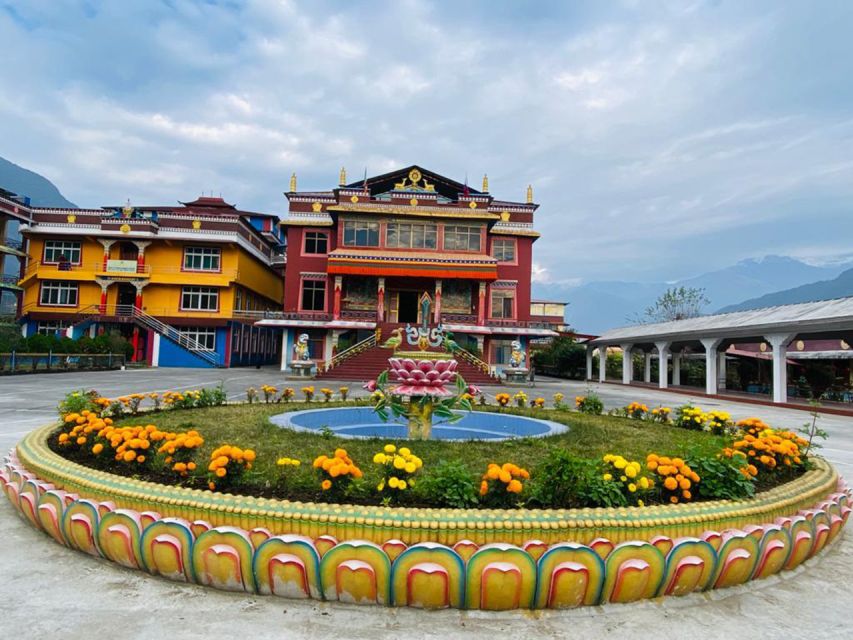
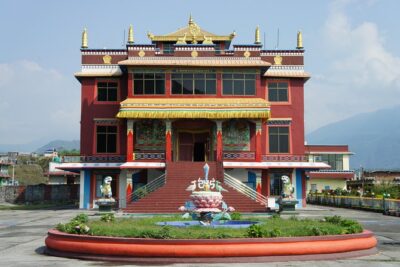
The tour starts with pickup from Lakeside, then a scenic drive toward the Pema Ts’al Sakya Monastic Institute. At the monastery, you get a photo stop and then a guided visit with walking time and sightseeing moments. The pace is built for looking and listening, not rushing.
This is where the symbolism lesson begins in a concrete way. You will learn what different Buddhist signs and symbols mean in daily life. Items you might have seen in photos or on shop stalls start to click when someone explains how practitioners relate to them.
What I like about this monastery stop is that it prepares you for the later, more emotional parts of the day. If you arrive knowing a little about prayer objects and basic meaning, the later chanting and monk conversation feel less like performance and more like living practice.
Practical note: monasteries often require a quieter, more respectful demeanor. You do not need to be overly formal, but plan to keep your voice down and let people move at a calm tempo.
Tashi Palkhel Tibetan Settlement: learning identity through everyday routines
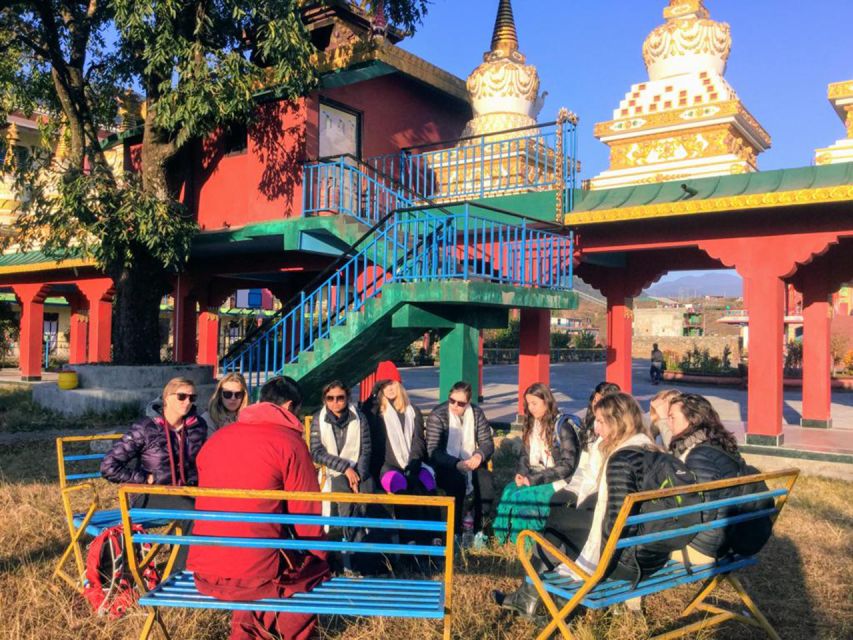
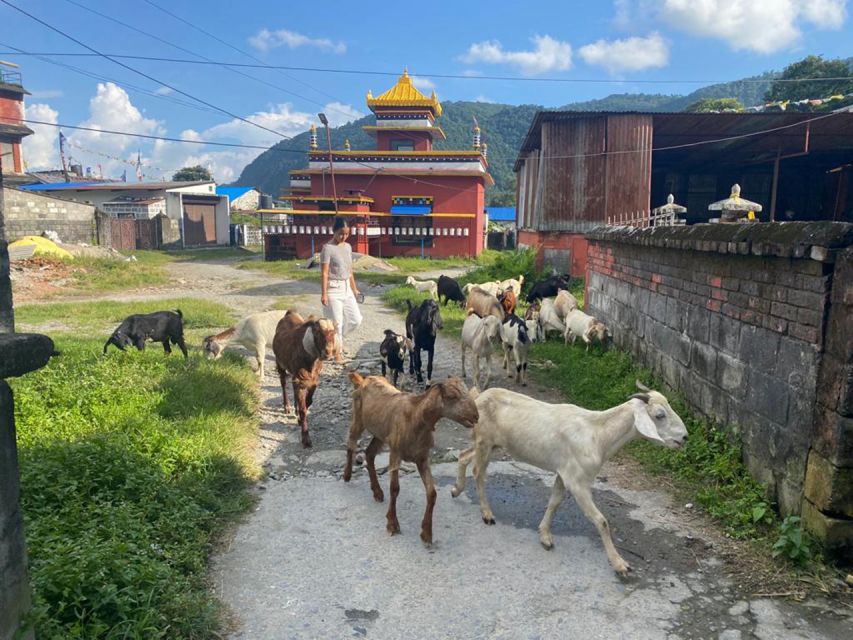
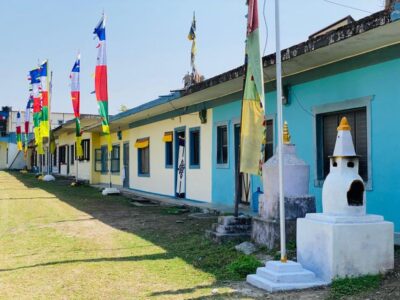
After the first monastery, you head to the Tashi Palkhel Tibetan Settlement near the Pokhara Valley. This section includes a photo stop and a guided tour, plus time to walk around and take in local snacks and food tasting. You also get tea here, which makes the whole experience feel less like a museum trip and more like a community visit.
What makes this stop valuable is the focus on how Tibetan refugees have maintained language, identity, and Buddhist traditions in Nepal. It is one thing to hear that Tibetans rebuilt their lives after displacement. It is another to see how community education and faith show up in ordinary routines.
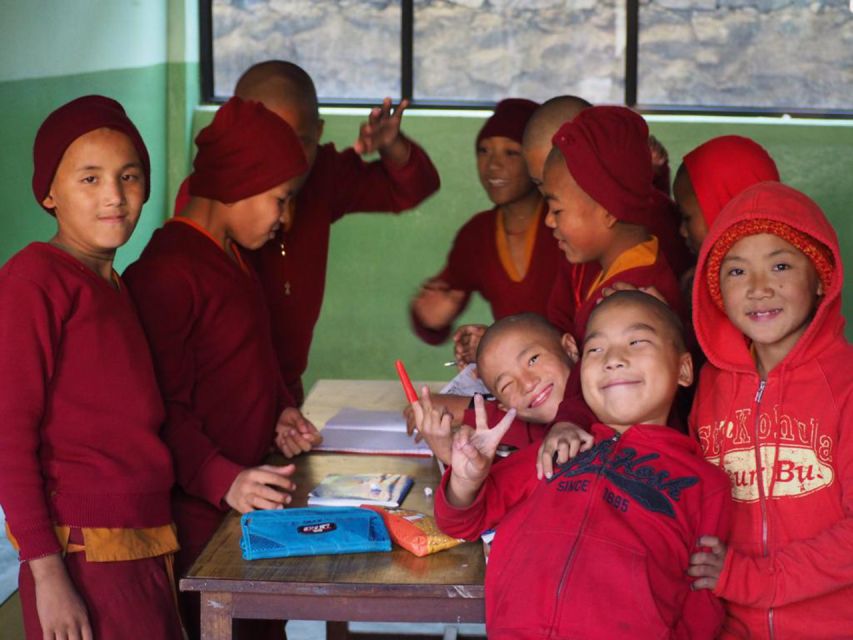
There is also a strong education angle. The tour highlights Tibetan schools and their educational system, which gives you a useful lens on how culture survives across generations. You are not only learning about the past. You are learning how the future is being planned.
If you are the type who likes to ask, bring your questions. People on this tour format tend to ask about monastic life, cultural preservation, and how belief stays steady when the environment changes. That is exactly the kind of topic this settlement stop supports.
How the monk conversation turns Buddhism from theory into daily life
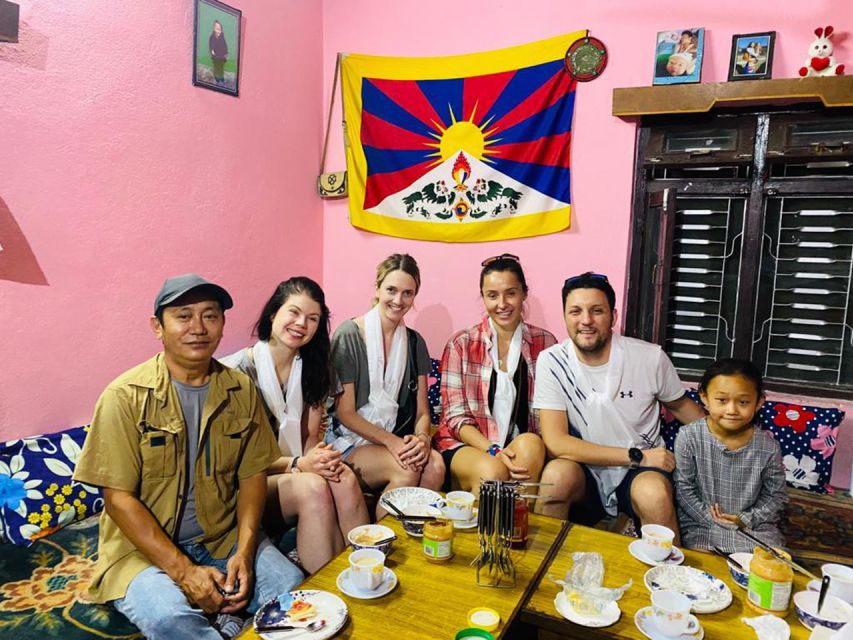
One of the most praised parts of the experience is the conversation with a young Buddhist monk. This is not a timed Q and A where you ask one question and move on. It is a chance to understand monastic life through someone who is living it.
You learn about the monk’s studies, monastic routine, and day-to-day activities in the monastery. Just as important, you get a human perspective on what questions look like for someone inside the tradition.
A detail that sticks from the way these tours are described is that the discussion can go beyond basics into how monastic students think. For example, one monk shared that debating Buddhist philosophy is a favorite part of study. That kind of answer helps you see learning as active practice, not passive recitation.
Conversation also tends to be where this tour can get emotional in a good way. Mr. Thupten Gyatso’s storytelling includes the realities of Tibetan refugees in Nepal, and having a monk’s perspective alongside that context makes the day feel grounded, not abstract.
Tip: prepare one or two questions that start with why. Why do they practice this? Why does a symbol matter? Those usually lead to the clearest answers.
More old stones and living temples
Afternoon prayer chanting: hearing instruments and feeling the group rhythm
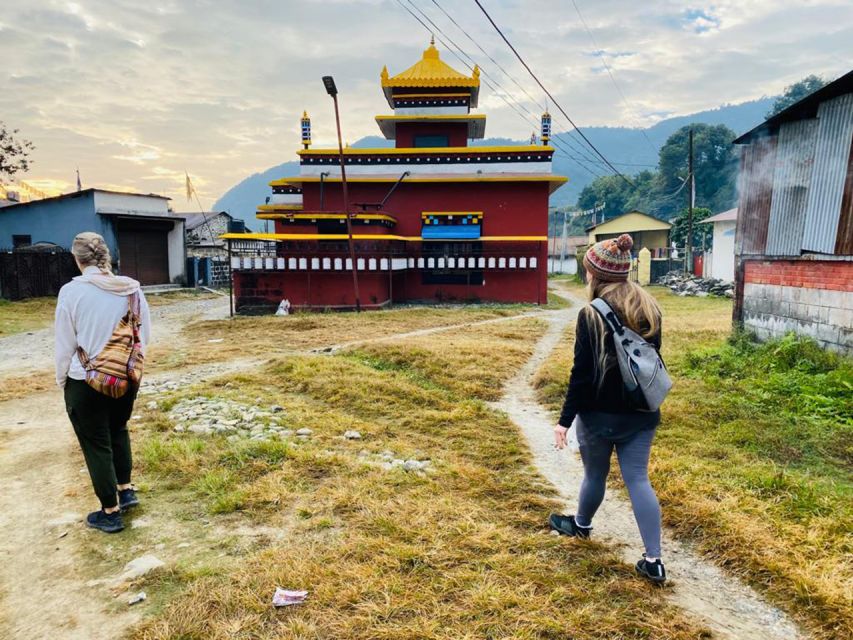
Later in the afternoon, you join group prayer chanting with the monks at a monastery. This part includes the chance to hear many instruments, and you may feel the vibration of the prayers. If you have never attended chanting in a monastic context, this is the moment when you will likely stop thinking and start listening.
What makes prayer chanting so worth it here is that it is not explained like a show. It is presented as a real communal practice, tied to the monastery’s routine and the monks’ devotion.
Depending on the day, you might also catch a special event. Some departures are timed to celebrations, like Tibetan New Year, which can add extra meaning to what you hear and see.
Practical tip: keep your phone on silent. Use your eyes first, record only if that feels respectful to you. If you struggle to sit still, you can still participate fully by focusing on sound and breath.
Tibetan butter tea and snacks at a local family home
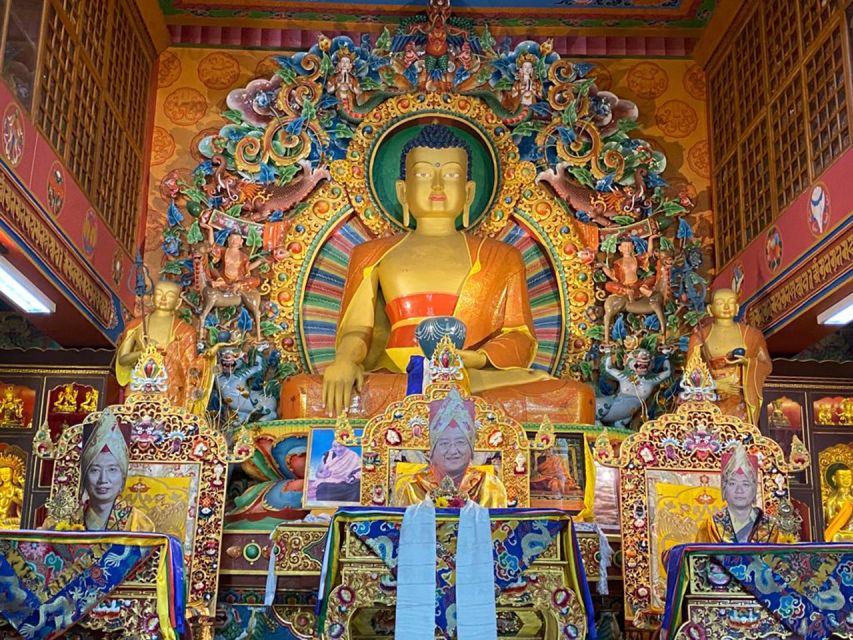
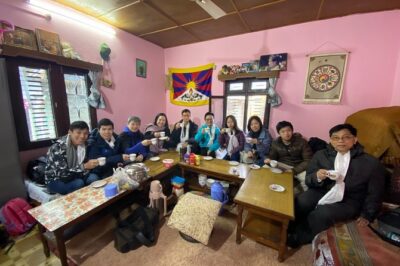
Every good culture tour needs a food moment that actually connects you to people. Here, you visit a local Tibetan family home and taste afternoon snacks of Tibetan food. The tour includes traditional Tibetan butter tea and food like tsampa, which is roasted barley flour, plus Tibetan homemade bread with honey, butter, and peanut butter.
Salted butter tea is the headline for most first-timers. It can be surprisingly comforting once you taste it and learn why it is made the way it is. If you are curious about how food supports community life and daily rhythm, this stop gives you that.
One small warning, just from a practical standpoint: plan your dinner timing. If you eat tsampa, bread, and butter tea, you may not want a heavy meal right after.
If you have dietary restrictions, ask what is possible in advance. The tour is built around a family home meal, so flexibility may depend on what the household has prepared that day.
Price and value: is $56 fair for 4 hours?
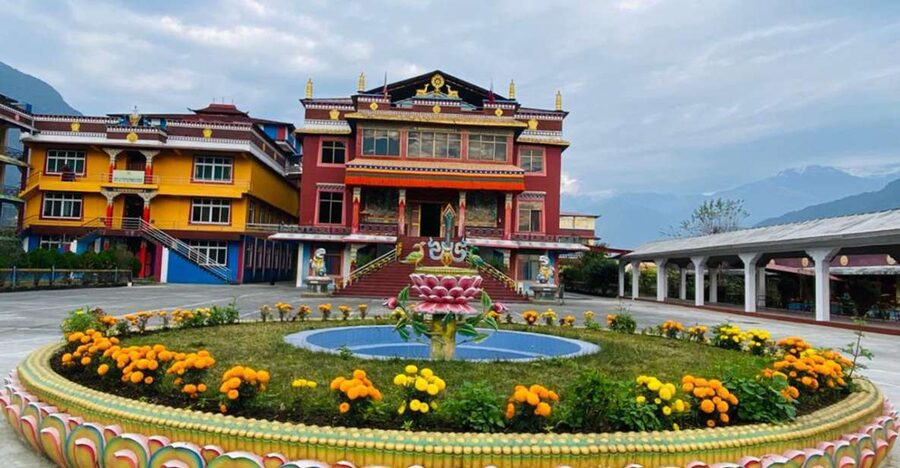
At $56 per person for a 4-hour tour, this pricing is competitive if you care about more than sightseeing. Here is what you are paying for, in straightforward terms:
- A Tibetan tour guide, Mr. Thupten Gyatso
- Round-trip pickup and drop-off around Lakeside
- Visits to a Tibetan refugee settlement and monastic sites
- Afternoon prayer chanting with monks
- Conversation time with a young Buddhist monk
- Tibetan snacks and tea at a local family home
- Mineral water
In other words, you are not only touring buildings. You are getting multiple cultural touchpoints, plus structured time to talk to a monk and hear prayers. The small group size (up to 8) helps you get more from that included time.
The one cost wrinkle is transportation outside Lakeside. If your hotel is farther away from the Lakeside pickup area, you should expect an additional transportation fee based on location. For best value, choose a Lakeside base or budget for the extra ride.
Who this tour is best for, and who should skip it
This tour fits well if you want a cultural and educational experience built around real context: Tibetan life in Nepal, Buddhist symbols, monastic practice, and community resilience.
You will likely enjoy it most if you:
- Like conversations and questions, not just photo stops
- Want to understand meaning, including why symbols show up in daily life
- Appreciate religious practice as something lived, not only observed
It is not suitable for children under 5 years, and wheelchair users cannot join. If you are traveling with mobility constraints, you will want to choose a different activity with different access conditions.
Also, because this includes prayer chanting, it is a calmer, more focused tour than an action sightseeing loop. If your ideal day is fast and loud, this may feel too quiet.
Quick tips to make your afternoon smoother
- Bring a light layer. Monastery visits and time outside can feel cooler than you expect.
- Wear shoes you can walk in. You get walking time at multiple stops.
- Come with one question about Buddhism that is personal, not just factual.
- Plan to take your time during the tea and snack stop. That part is part of the learning.
- If you are staying outside Lakeside, ask about your extra transport fee before you commit.
Should you book this afternoon Tibetan cultural tour in Pokhara?
I think you should book it if you want a short, high-impact cultural experience that connects monasteries, refugee community life, and Buddhist practice in one flow. The tour’s biggest strength is not the number of stops. It is the combination of guided meaning, conversation with a young monk, and a real chance to hear chanting, then end with Tibetan tea and food in a family setting.
If your budget is tight and you only want one or two photo moments, skip it. But if you care about understanding the why behind what you see, this $56 half-day format is a solid value, especially with a small group and a guide like Mr. Thupten Gyatso.
FAQ
How long is the afternoon Tibetan cultural tour?
The tour duration is 4 hours.
Is the tour offered in English?
Yes, the live tour guide provides English.
How many people are in the group?
The tour is limited to a small group of up to 8 participants.
Where do you pick up and drop off?
Pickup and drop-off are included around the Lakeside area.
Do I pay extra transportation if my hotel is outside Lakeside?
Yes. If your hotel is outside the Lakeside area, an additional transportation fee is charged depending on your hotel location.
Is a conversation with a monk included?
Yes. You get conversation time with a young Buddhist monk.
Do you attend afternoon prayer chanting?
Yes. You attend afternoon Buddhist prayer chanting with the monks at a monastery.
What food and drink are included?
You visit a local Tibetan family home for afternoon snacks, including authentic Tibetan butter tea and traditional items like tsampa and Tibetan bread.
Is the tour suitable for children or wheelchair users?
It is not suitable for children under 5 years, and it is not suitable for wheelchair users.
Everything Bookable Around Pokhara

The Rest of Our Pokhara Write Ups
The Tibetan Settlements
Everything else we have reviewed around Pokhara
- Pokhara: Cable Car Tour – Bird Eye View of Mountain & Lake
★ 4.4 · 3 reviews - Jomsom Muktinath Tour by 4WD SUV 2 Days
★ 5.0 · 3 reviews - Ghorepani Poonhill Private Trek – 2 nights / 3 days
★ 4.5 · 3 reviews - Pokhara: 30-Minute Paragliding Adventure with pick up/drop off
★ 4.5 · 3 reviews - Pokhara: 7-Day Annapurna Base Camp Trek via Ghandruk
★ 4.3 · 3 reviews - Pokhara Group Joining Sarangkot Sunrise Himalayas Tour
★ 5.0 · 3 reviews
Tibetan Culture Tours in Nepal worth a second look.
 ★ 5.0Full-Day Tibetan Cultural Tour to Tibetan Settlements PokharaFrom $85184 reviews
 ★ 5.0Afternoon Tibetan Cultural Tour to Tibetan Settlements PokharaFrom $60106 reviews
 ★ 5.0Morning Tibetan cultural tour to Tibetan settlements PokharaFrom $8566 reviews
 ★ 5.0Half Day Tibetan Cultural tour PokharaFrom $6336 reviews
 ★ 5.0Morning Half Day Tibetan cultural tour to Tibetan SettlementsFrom $6026 reviews
 ★ 3.8Private Half-Day Tour and Tibetan Culture TourFrom $2414 reviews
 ★ 5.0Sarangkot Sunrise with a half day Tibetan cultural tourFrom $9113 reviews
 ★ 5.0Full Day Tibetan Cultural TourFrom $8212 reviews
Lists this tour sits in