
REVIEW · TIBETAN CULTURE TOURS IN NEPAL
Half Day Tibetan Cultural tour Pokhara
A Tibetan cultural tour in Pokhara feels personal fast. You walk through a Tibetan refugee settlement, visit a monastery to learn the meaning behind Buddhist symbols, and see traditional crafts up close, all with Mr. Thupten Gyatso as your guide. It is a short day, but it connects you to real life, faith, and community.
I especially like two parts. First, you get hands-on Tibetan carpet weaving by hand, then you can actually see designs in a showroom. Second, the day includes Tibetan cuisine like momos and thukpa, plus a lunch stop that helps you slow down and digest what you just learned.
The main drawback to consider is time. At about 4 hours 30 minutes, it packs in a lot of stops, so if you want long, quiet temple moments, you may crave more time in Pokhara after the tour.
In This Review
- Key things I’d watch for on this tour
- Why this Tibetan cultural tour works so well in Pokhara
- Getting started with hotel transfers and a small-group pace
- Walking the Tibetan refugee settlement: daily life over big claims
- Buddhist monastery time: prayer wheels, flags, and stupas with meaning
- Tibetan schools and the role of education in identity
- Carpets made by hand: workshop steps plus a real showroom
- History of Tibetan refugees through a photo gallery
- Meeting a Tibetan doctor: pulse reading as a cultural window
- Lunch of momos and thukpa, plus real diet options
- Price and value: what $63.52 buys in real time
- Who should book this half-day Tibetan cultural tour
- Should you book this tour in Pokhara?
- FAQ
- What time does the Half Day Tibetan Cultural tour in Pokhara start?
- What time does the tour return?
- How long is the tour?
- How much does the tour cost?
- Is pickup or hotel transfer included?
- How many people are in the group?
- Who is the guide for this tour?
- What is included in the tour stops?
- Are vegetarian or gluten-free meals available?
- Is there free cancellation?
Key things I’d watch for on this tour
- Mr. Thupten Gyatso’s perspective, as a Tibetan community member guiding the story in plain language
- Buddhist symbols in context, like prayer wheels, prayer flags, and stupas in daily life
- A refugee settlement walk, designed to show routines, not just sightseeing
- Carpet weaving craft work, plus time in a showroom after you learn the process
- Tibetan medicine demo with pulse reading, paired with a real conversation
- Diet-friendly meals, with vegetarian and gluten-free options available when requested
More Tibetan settlement visits
Why this Tibetan cultural tour works so well in Pokhara
Pokhara is often about lakes, mountains, and paragliding. This tour adds a different angle that still fits the rhythm of a visit to the city: it focuses on Tibetan community life inside Nepal. You end the half day with more than photos, you get a clearer sense of how religion, schooling, crafts, and health traditions shape everyday choices.
What makes it practical is the format. You start at 9:00 am and return around 2:00 pm, so you still keep most of your day. You are also not doing a big multi-day schedule that eats your energy before trekking or relaxing on the Lakeside.
The other reason it makes sense is the guide. Mr. Thupten Gyatso is part of the Tibetan community himself, which changes the tone. Instead of a script about a faraway culture, you get a day built around explanations that feel grounded in lived experience.
Getting started with hotel transfers and a small-group pace
This tour is built for people who want the day to run without friction. Hotel transfers are included, and pickup is offered, which matters in Pokhara where plans can get messy if you have to coordinate your own rides. You also get a confirmation at booking, so you know the tour is locked in before you show up.
The small-group size is a big part of the value. The experience lists a maximum of 8 in a small group, while the general activity limit is up to 15 travelers. Either way, the point is the same: you are not stuck behind a large crowd. That usually means more chances to ask questions and to hear answers clearly, especially during the monastery and the doctor stop.
On the pacing, this is a half day that still includes several different types of stops: daily life in a village setting, religion at a monastery, craft work at a carpet workshop and showroom, a photo gallery about refugees, and then a health-related moment at a Tibetan doctor. It is not just one theme, it’s multiple threads, tied together by a guide who can connect them.
Walking the Tibetan refugee settlement: daily life over big claims
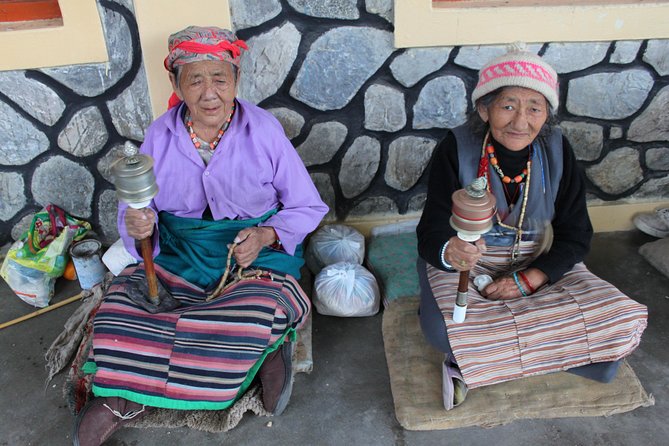
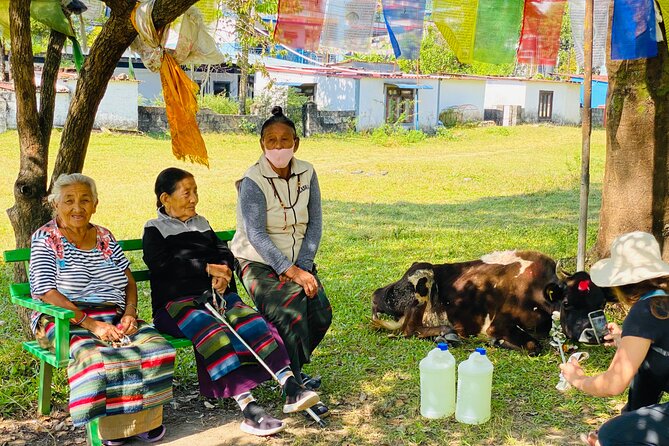
One of the strongest parts of the day is the walk around a Tibetan refugee settlement. The goal is simple: you see how people live their daily lives, and you get chances to meet local people instead of only looking at landmarks.
This is the part where you can slow down mentally. When you walk through the settlement, notice routines, not just scenery. Look at how spaces support everyday work, how community life is structured, and how religious and cultural identity shows up in small details. Even when you do not speak the language, you can still read the rhythm of the place.
It also helps that the tour is explicitly designed to explain present-day life for Tibetans in Nepal. You are not just getting sympathy, you are learning context, including what refuge life can look like over time. That context matters for understanding the rest of the day, especially the photo gallery and the education stop later on.
Buddhist monastery time: prayer wheels, flags, and stupas with meaning
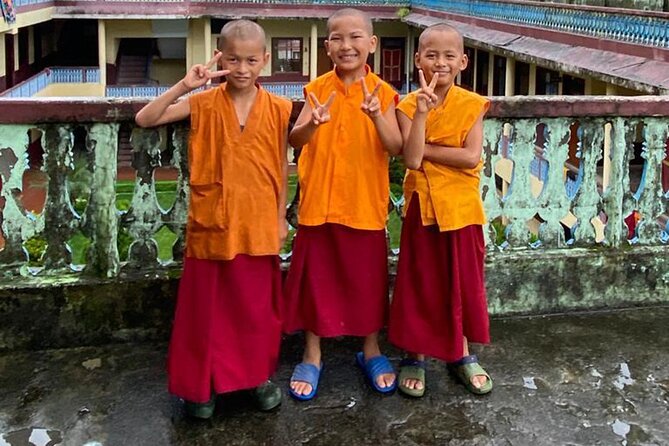
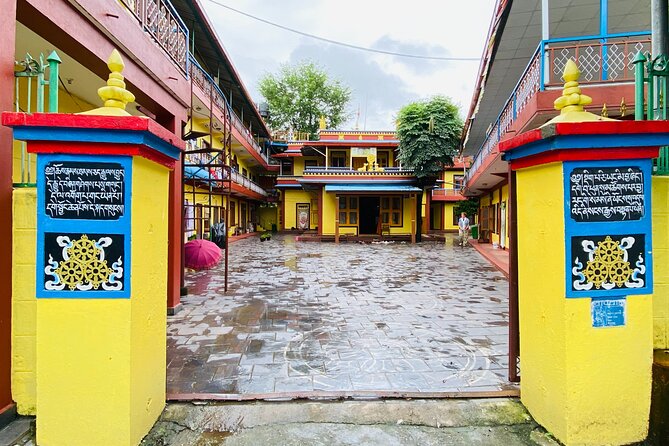
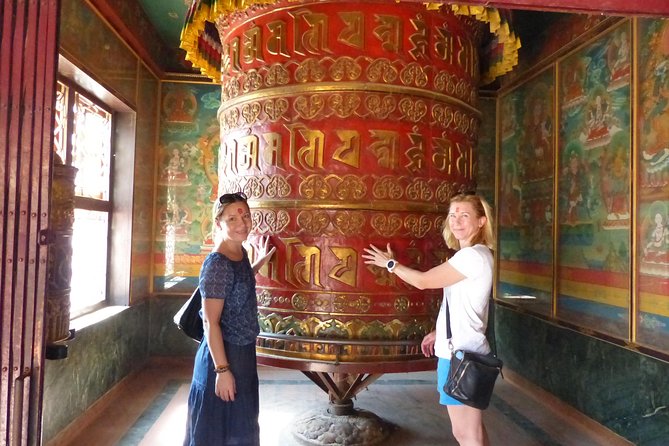
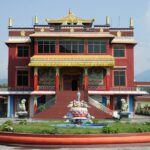
The monastery visit is not just a walk through a pretty building. You go in to understand what Buddhist signs and symbols mean in daily life, and you specifically encounter items like prayer wheels, prayer flags, and stupas.
Here is what I think you should do during this stop: ask yourself what each symbol is doing for the community. Some symbols are about prayer and intention, some are about belief made visible, and some are about continuity. When your guide points out the meaning behind them, it turns the symbols from decoration into a language you can read.
This also connects to how culture stays alive. In this kind of setting, religion is not only a background practice. It is part of how people teach, remember, and make decisions together.
If you like history that actually explains people, not dates, this monastery stop will feel like a turning point. It gives you a framework to understand why education, crafts, and community health have cultural weight, not only practical purpose.
More old stones and living temples
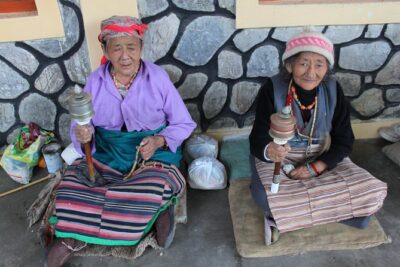
Tibetan schools and the role of education in identity
A standout inclusion is a stop where you learn about Tibetan schools and their educational system. Education might sound like a minor detail on a cultural day trip, but here it acts like the bridge between past and future.
When you understand how schools work, you understand why cultural traditions can survive and continue across generations. It is also one of the more practical topics. People need classrooms, teachers, and daily structure, not just ceremonies. Learning this helps you see that Tibetan identity in Nepal is not only about religion, it is about building a stable life.
This is also the time where questions can be especially useful. If you are the type who likes to understand how systems function, you will likely enjoy asking about what students learn and how community support shapes school life. You are not stuck guessing, the guide is there to explain.
Carpets made by hand: workshop steps plus a real showroom
If you want something tangible from the tour, this is it. You visit a carpet workshop where you see Tibetan carpets made by hand. Then you follow up in a carpet showroom where you can explore designs and colors.
What makes this craft stop valuable is the sequence. You do not only see finished products. You also hear the process explained step by step. That changes how you look at the rugs. Once you understand the work involved, you can appreciate design choices more honestly, and you can ask better questions if you want to buy.
Here is a practical tip: treat the workshop as your learning phase and the showroom as your decision phase. In the workshop, focus on materials, technique, and how the craft is done. In the showroom, focus on what patterns and colors mean to you, and what feels worth your money.
One other thing: carpet workshops can sometimes feel like a shopping event in other places. Here, the structure is more balanced because the carpet work is part of cultural storytelling, not just sales. The showroom visit is still there, but it sits after you understand how the craft is made.
History of Tibetan refugees through a photo gallery
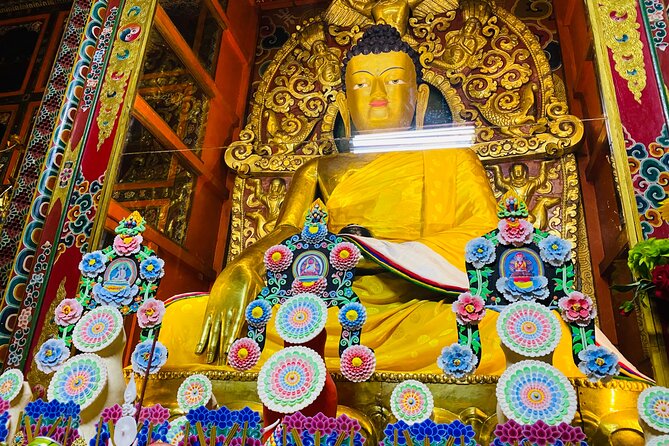
You also get a photo gallery that covers the history of Tibetan refugees. This matters because it anchors the whole day in something real and time-based.
Photos help you make sense of what you hear elsewhere in the tour. When you later see monastery symbols or learn about schools, you understand it through the lens of continuity. The community you are visiting is not an abstract concept, it is a response to history.
As you look through the photos, try to connect them to the other stops. Ask yourself how the community life you saw in the settlement might have been shaped by displacement. Your guide can help with that connection, especially since the tour is framed around present-day life in Nepal.
Meeting a Tibetan doctor: pulse reading as a cultural window
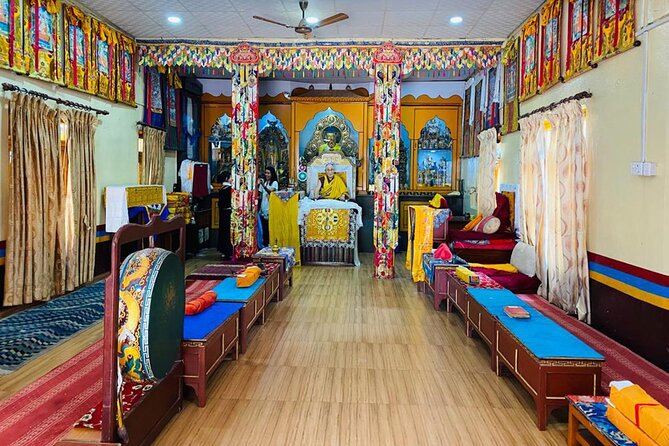
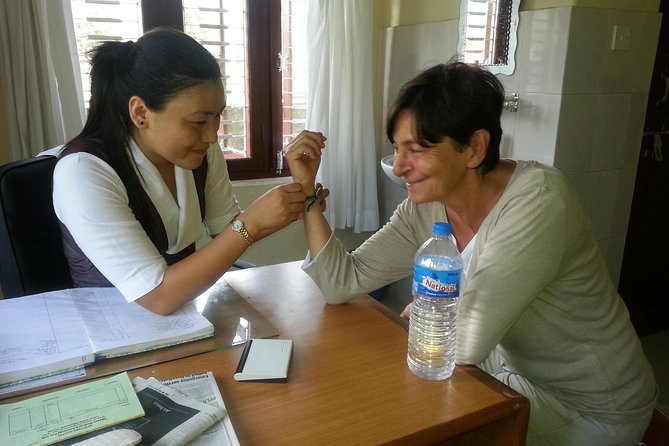
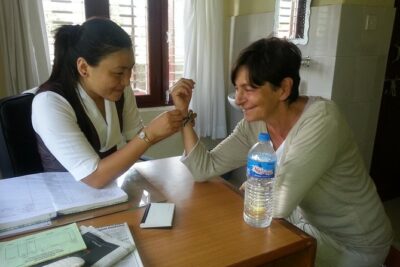
The tour includes a visit with a Tibetan doctor and, importantly, a firsthand experience with pulse reading. This is one of those experiences that tends to stay in your mind because it shifts the day from observation into interaction.
Even if you are skeptical, approach it as cultural learning. Your goal is not to judge, it is to see how traditional medicine works in this community. Pulse reading also gives you a chance to ask questions in a respectful way, and many visitors find that the doctor’s explanations are where the cultural story becomes very human.
This stop pairs well with everything earlier in the day. In a monastery, you see symbols and belief. In a school, you see identity building. Here, you see how health and healing traditions fit into everyday life.
If you are the type who likes one-on-one learning moments, keep your attention here. The day’s small-group size can make it easier to get your questions answered, not rushed.
Lunch of momos and thukpa, plus real diet options
You finish with an authentic Tibetan lunch at a local Tibetan restaurant, and the tour specifically calls out sampling Tibetan food like momos and thukpa. This is not a snack stop, it is part of the cultural experience.
Food is also where you can settle into the day’s meaning. You can talk with your guide in a relaxed setting, and it gives your brain a break after monastery symbolism and craft technique talk.
Diet options are clearly addressed in the tour details:
- Vegetarian option is available if you request it at booking.
- Gluten-free food is available, including plain rice plus veg or non-veg curry.
If you have strict dietary needs, do yourself a favor and request them when you book. That is the only way to make sure you get the right meal without last-minute guessing.
Price and value: what $63.52 buys in real time
At $63.52 per person, this is priced like a high-value half day, not a bare-bones tour. The big reasons it feels worth it are the inclusions that reduce your extra costs.
You are getting:
- Hotel transfers included (so you are not budgeting extra ride fees)
- A guided monastery visit tied to meaning, not just entry
- A village settlement walk with community context
- Crafts instruction at the carpet workshop, plus a showroom visit
- A photo gallery history element
- A Tibetan doctor visit with pulse reading
- Lunch at a local Tibetan restaurant
- Food sampling during the day (including momos and thukpa)
- Vegetarian and gluten-free options available when requested
Now, one honest note: because it is only about 4.5 hours, it cannot be a long, slow course. If you want deep follow-up, you should plan to ask more questions during the stops you care about most, especially the doctor and the workshop.
In other words, treat this as a focused cultural snapshot with a human guide. If you approach it like that, $63.52 starts to look like a fair price for a day that is more than sightseeing.
Who should book this half-day Tibetan cultural tour
This tour fits best if you want cultural context more than scenic thrills. It is a strong pick if you care about how communities maintain identity through religion, education, crafts, and health traditions.
It also makes sense for:
- Solo travelers who want a small-group format and the chance to ask questions
- People who like hands-on craft learning, especially Tibetan carpet weaving
- Travelers who are curious about Tibetan Buddhism symbols in everyday use
- Anyone who enjoys respectful conversations with community members
If you are short on time in Pokhara and still want something meaningful beyond lakes and viewpoints, this is a practical choice. And if you are traveling with a flexible appetite for tradition, the food and medicine stop give the day variety without feeling chaotic.
Should you book this tour in Pokhara?
I would book this tour if you want a half-day that connects you to real Tibetan life in Nepal, not just surface culture. The standout advantages are the range of experiences packed into a manageable time window, and the fact that you get meaning behind what you are seeing, especially during the monastery visit and the pulse reading stop.
Skip it only if you want a slow-paced, quiet day with minimal interaction. This is structured, guided, and designed to cover several topics in one run. If that sounds like your style, you’ll likely leave Pokhara with a better understanding of Tibetan community life and why these traditions matter.
In short: for about 4.5 hours, with lunch and transfers included, this is a solid way to add depth to your trip to Pokhara.
FAQ
What time does the Half Day Tibetan Cultural tour in Pokhara start?
The tour starts at 9:00 am.
What time does the tour return?
It returns at around 02:00 pm.
How long is the tour?
The duration is approximately 4 hours 30 minutes.
How much does the tour cost?
The price is $63.52 per person.
Is pickup or hotel transfer included?
Yes. Pickup is offered, and hotel transfers are included.
How many people are in the group?
It is listed as a small group with a maximum of 8 travelers, and the activity also notes a maximum of 15 travelers.
Who is the guide for this tour?
The tour is led by Mr. Thupten Gyatso.
What is included in the tour stops?
You visit a Tibetan refugee settlement, a Buddhist monastery, a carpet workshop and showroom, learn about Tibetan schools, see a photo gallery about Tibetan refugees, and meet a Tibetan doctor for pulse reading. You also have lunch at a local Tibetan restaurant.
Are vegetarian or gluten-free meals available?
Yes. Vegetarian options are available if you advise at booking. Gluten-free food such as plain rice and veg or non-veg curry is also served.
Is there free cancellation?
Yes. You can cancel for free up to 24 hours in advance for a full refund.
Everything Bookable Around Pokhara

The Rest of Our Pokhara Write Ups
The Tibetan Settlements
Everything else we have reviewed around Pokhara
- Pokhara: Cable Car Tour – Bird Eye View of Mountain & Lake
★ 4.4 · 3 reviews - Jomsom Muktinath Tour by 4WD SUV 2 Days
★ 5.0 · 3 reviews - Ghorepani Poonhill Private Trek – 2 nights / 3 days
★ 4.5 · 3 reviews - Pokhara: 30-Minute Paragliding Adventure with pick up/drop off
★ 4.5 · 3 reviews - Pokhara: 7-Day Annapurna Base Camp Trek via Ghandruk
★ 4.3 · 3 reviews - Pokhara Group Joining Sarangkot Sunrise Himalayas Tour
★ 5.0 · 3 reviews
Tibetan Culture Tours in Nepal worth a second look.
 ★ 5.0Full-Day Tibetan Cultural Tour to Tibetan Settlements PokharaFrom $85184 reviews
 ★ 5.0Afternoon Tibetan Cultural Tour to Tibetan Settlements PokharaFrom $60106 reviews
 ★ 5.0Morning Tibetan cultural tour to Tibetan settlements PokharaFrom $8566 reviews
 ★ 5.0Afternoon Tibetan cultural tourFrom $5641 reviews
 ★ 5.0Morning Half Day Tibetan cultural tour to Tibetan SettlementsFrom $6026 reviews
 ★ 3.8Private Half-Day Tour and Tibetan Culture TourFrom $2414 reviews
 ★ 5.0Sarangkot Sunrise with a half day Tibetan cultural tourFrom $9113 reviews
 ★ 5.0Full Day Tibetan Cultural TourFrom $8212 reviews
Lists this tour sits in