
REVIEW · TIBETAN CULTURE TOURS IN NEPAL
Morning Half Day Tibetan cultural tour to Tibetan Settlements
Early mornings in Pokhara have a purpose. This half-day cultural route gives you a clear look at Tibetan refugee life through prayer, monasteries, and a family breakfast with a guide from the community.
I especially love two parts. First, you get context from Mr. Thupten Gyatso, who shares perspective from the Tibetan refugee community, not just facts from a guidebook. Second, breakfast and tea with a local Tibetan family makes the culture feel lived-in, not staged.
One consideration: it starts at 05:30 a.m. and ends around 09:00 a.m., so if you hate early starts or want a longer day, this may feel short.
In This Review
- Key things that make this tour worth your time
- A 5:30 a.m. start, and why that matters
- Mr. Thupten Gyatso and the refugee lens you won’t get elsewhere
- Stop 1: Jangchub Choeling Tibetan Monastery and morning group prayer
- Stop 2: Tashi Palkhel settlement, breakfast in a Tibetan family home
- Stop 3: Pema Ts’al Sakya Monastic Institute and meeting a young monk
- Price and logistics: what you get for $60 in this morning window
- How to prepare so the tour feels respectful, not rushed
- Who this tour suits best
- Should you book this Tibetan cultural morning in Pokhara?
- FAQ
- What time does the tour depart and return?
- How long is the Tibetan cultural tour?
- Where does the tour go during the morning?
- Who is the guide?
- What is included in the price?
- Is lunch included?
- What is the price and typical booking timing?
Key things that make this tour worth your time
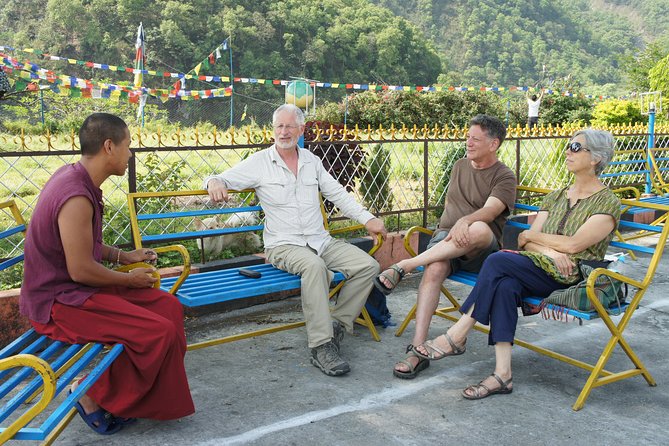
- Mr. Thupten Gyatso brings a refugee-community perspective, especially when you’re hearing about life since leaving Tibet
- A focused 3 to 4 hour morning schedule that includes a monastery, a settlement, and a second monastic site
- Hotel pickup and drop-off makes it easy to fit this in without dealing with transport on your own
- Breakfast and tea with a Tibetan family, plus time to see daily rhythms in the settlement
- Morning group prayer at the monastery gives you a spiritual snapshot with time to ask questions
More Tibetan settlement visits
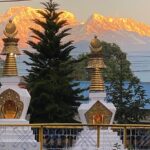
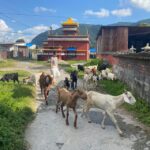
A 5:30 a.m. start, and why that matters
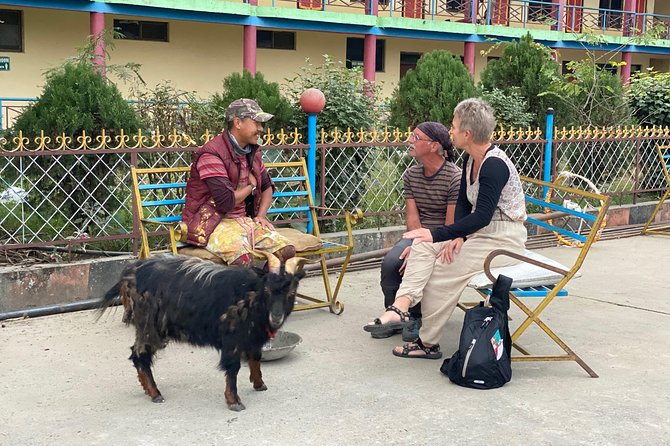
This is a true morning tour, departing at 05:30 a.m. and returning by about 09:00 a.m. That early timing is not random. It helps you catch the morning tone at the monastery when group prayer is part of daily life, not just a visit with a checklist.
The reward is that you still get the rest of your day in Pokhara. You can pair this with sightseeing, lake time, or a relaxed lunch later, without losing your whole day to transportation and long site-hops. For $60 per person, the biggest value is that your time is packed efficiently, and the tour includes hotel pickup and drop-off, which saves effort and cost compared to piecing it together.
Mr. Thupten Gyatso and the refugee lens you won’t get elsewhere
A standout feature here is the guide, Mr. Thupten Gyatso. The tour is framed around learning from Tibetan refugees who have made Nepal home. That matters, because you’re not only looking at religious art and architecture. You’re also meeting residents, including monks and community members, many of whom are refugees from Tibet.
Practically, this means the explanations tend to connect symbols in Tibetan Buddhism to real life. When you hear about images, rituals, and monastery culture, you also get the human layer: what it means to preserve identity, faith, and daily routine while living in a settlement.
If you like learning that is grounded in real relationships, this is a strong fit. It also helps you ask better questions, because the guide’s background is part of the story.
Stop 1: Jangchub Choeling Tibetan Monastery and morning group prayer
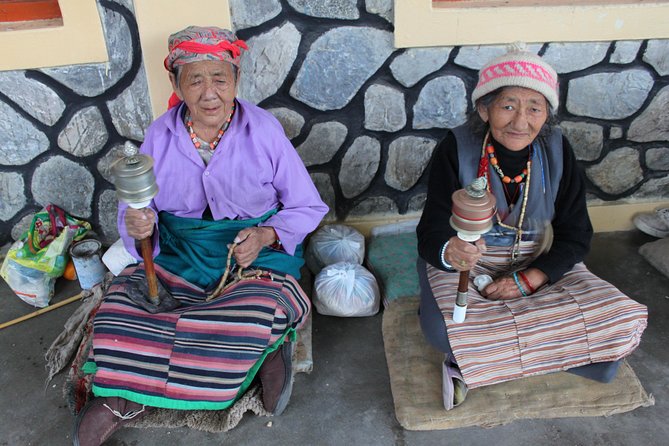
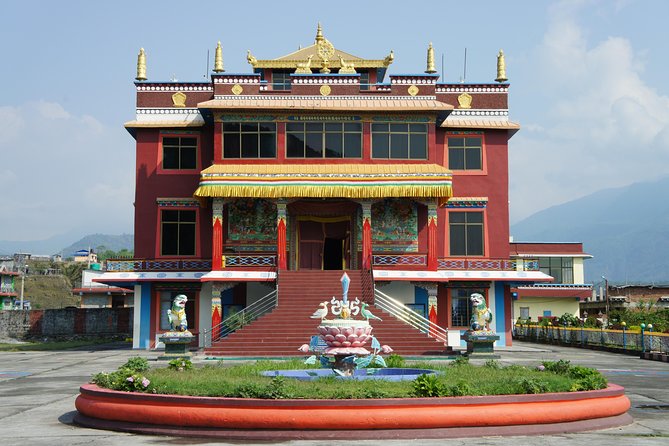
Your first stop is Jangchub Choeling Tibetan Monastery. You’ll spend about an hour here, and the tour includes time for morning group prayer.
What I like about starting at a monastery is how quickly you get oriented to what matters. Even if you’re not an expert in Tibetan Buddhism, group prayer gives you a rhythm to watch. You notice the pace, the focus, and the way the space is used. It’s not just sightseeing. It’s a functioning spiritual practice.
A practical tip: because you’re going early, dress like you’ll be outside for a while. Bring layers, even if Pokhara feels warm in the afternoon. Also, keep your camera ready but don’t let it block your attention. The most useful part of monastery time is the guide’s explanations, especially when he walks you through what you’re seeing.
Also, note the tour states admission is free at this stop, so the value is less about ticket costs and more about the experience and guidance you get on site.
Stop 2: Tashi Palkhel settlement, breakfast in a Tibetan family home
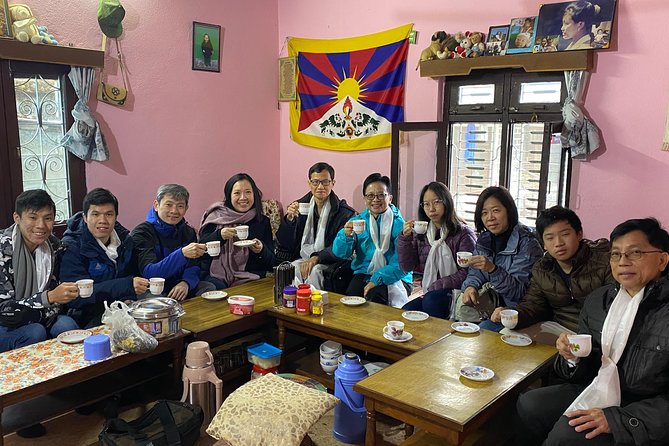
Next up is Tashi Palkhel Tibetan Settlement, and this is where the tour becomes more personal. You visit a Tibetan family’s home and share a traditional Tibetan breakfast.
This is a key difference from many cultural tours that only show you buildings or performance-style demonstrations. Having breakfast with a local family puts the culture into a normal, everyday frame. It’s also one of the simplest ways to understand community life in a settlement: food, conversation, and small routines.
What you can realistically expect during this stop is cultural context from Mr. Thupten Gyatso, including an introduction to Tibetan food and how it fits into history and culture. The exact menu isn’t listed, but the tour clearly emphasizes the breakfast experience and the guide’s role in making sense of what you eat.
Why this matters for value: the tour includes breakfast, coffee and/or tea, plus bottled water. So you are not paying extra on top of the $60 to eat or stay hydrated while on the move. It turns a half-day into something you don’t have to re-plan mid-route.
A gentle consideration: home visits can be quiet and structured. You’ll likely be guided in where to stand, when to listen, and when questions are best. Go in with a respectful, unhurried mindset, and you’ll get more out of it.
More old stones and living temples
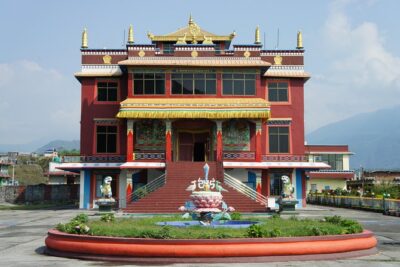
Stop 3: Pema Ts’al Sakya Monastic Institute and meeting a young monk
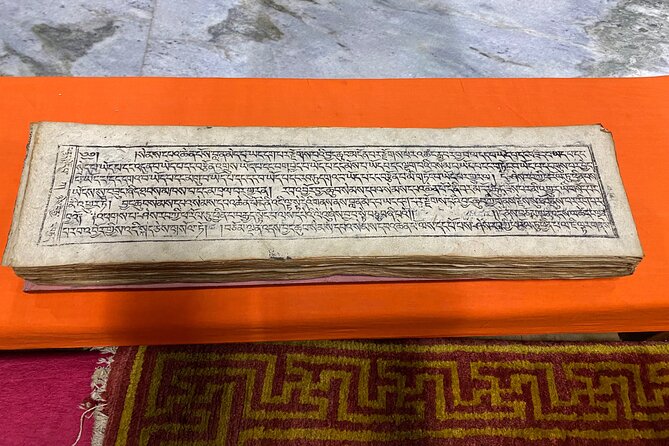
For the final stop, you head to Pema Ts’al Sakya Monastic Institute. Like the first monastery, this is about an hour, and admission is also free here.
This stop includes a meeting with a young monk who is eager to share insights about monastic life and education. That part is gold if you want more than surface-level descriptions. Instead of only hearing theory about Buddhism, you get a living, youthful explanation from someone who studies and learns in the institution itself.
What I find useful is that monastic education is often misunderstood by visitors. Here, the tour’s framing focuses on monastic life and education, which helps you understand the daily purpose behind the monastery setting.
Practical advice: come ready with at least one simple question. For example, you can ask what a typical learning day feels like or how the institute supports students. Don’t worry about having perfect wording. A basic question, asked respectfully, goes a long way.
Price and logistics: what you get for $60 in this morning window
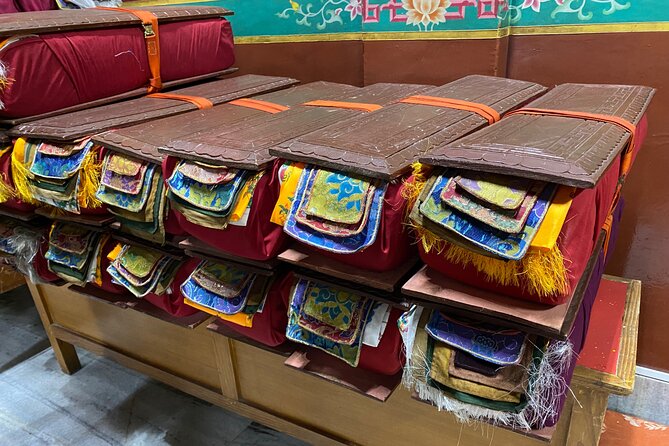
The tour costs $60 per person. It’s often booked about 5 days in advance on average, which suggests a steady demand for this kind of morning cultural experience.
Here’s the value breakdown based on what’s included:
- Hotel pickup and drop-off from your Pokhara hotel, so you avoid arranging transport
- Professional guide plus driver/guide
- Breakfast and tea, and also bottled water
- Morning spiritual and cultural stops with admission listed as free for each site
And here’s what you should plan for:
- Lunch is not included
- A DVD may be available for purchase, but it’s not part of the tour price
So for $60, you’re paying mostly for guided access, morning timing, transport, and included food. If you were to separately pay for a driver, guide time, and breakfast, the total would usually creep higher. This tour keeps the morning effort low, and it gives you multiple stops without you needing to manage coordination.
Also, group discounts and a mobile ticket are mentioned. Those help with ease, especially if you’re traveling with others or you like having a digital option ready.
How to prepare so the tour feels respectful, not rushed
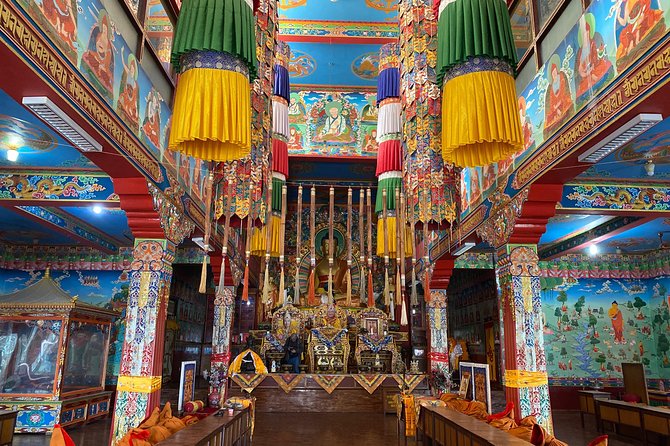
This experience is built around spiritual sites and community life, so your attitude matters.
Here’s what helps:
- Wear modest clothing that covers shoulders and knees. Even if you’re not told explicitly, it tends to make monastery visits smoother.
- Bring a light layer for the early morning. You’ll depart at 05:30 a.m. and spend time outdoors before and between stops.
- Keep a small amount of patience for quiet moments. Prayer and home visits are often structured, and the best moments can be the ones where you don’t fill every second with questions or photos.
And a small mindset shift: treat this as learning about people, not collecting photos of places. The guide’s refugee-community context is the thread that makes the whole tour hang together.
Who this tour suits best
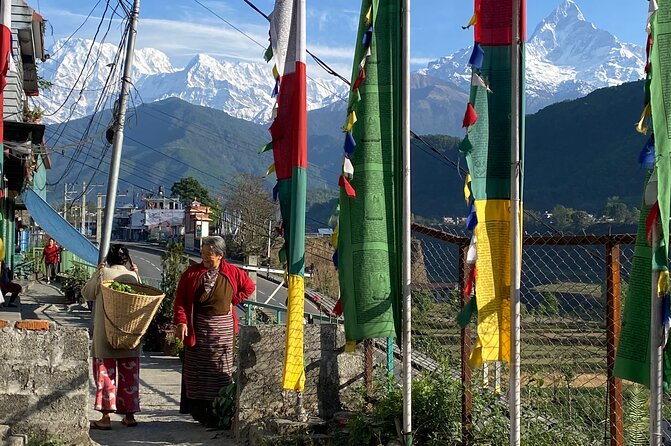
I’d point this tour toward you if:
- You want Tibetan culture and spirituality with a human, refugee-community lens
- You prefer a morning plan that ends by about 09:00 a.m.
- You like guided explanations tied directly to what you’re seeing at the monastery and in the settlement
- You value included breakfast and tea, so you’re not scrambling for food right after a prayer visit
I’d think twice if:
- You hate early wake-up times
- You want a longer, slower day with more stops and more time per location
Should you book this Tibetan cultural morning in Pokhara?
If you’re choosing between a quick cultural overview and a more grounded morning, I’d lean toward booking. This tour gives you three different angles in a short window: monastery prayer, a Tibetan family breakfast in the settlement, and a monastic institute with a chance to meet someone learning and teaching there.
For best results, go in expecting respect, listening, and questions. The experience is strongest when you treat it like a conversation shaped by community life, not a sightseeing checklist.
If early starts are your only big worry, then try to solve that first. Bring layers, set an alarm you trust, and plan your afternoon as recovery time. If you do that, this half-day becomes one of the more meaningful ways to understand Tibetan culture while you’re in Pokhara.
FAQ
What time does the tour depart and return?
The tour departs at 05:30 a.m. and returns at about 09:00 a.m.
How long is the Tibetan cultural tour?
The duration is 3 to 4 hours (approx.).
Where does the tour go during the morning?
You visit Jangchub Choeling Tibetan Monastery, Tashi Palkhel Tibetan Settlement, and Pema Ts’al Sakya Monastic Institute.
Who is the guide?
The tour guide is listed as Mr. Thupten Gyatso.
What is included in the price?
Included items are bottled water, driver/guide, professional guide, hotel pickup and drop-off, breakfast, and coffee and/or tea.
Is lunch included?
No, lunch is not included.
What is the price and typical booking timing?
The price is $60.00 per person, and it is booked about 5 days in advance on average.
Everything Bookable Around Pokhara

The Rest of Our Pokhara Write Ups
The Tibetan Settlements
Everything else we have reviewed around Pokhara
- Pokhara: Cable Car Tour – Bird Eye View of Mountain & Lake
★ 4.4 · 3 reviews - Jomsom Muktinath Tour by 4WD SUV 2 Days
★ 5.0 · 3 reviews - Ghorepani Poonhill Private Trek – 2 nights / 3 days
★ 4.5 · 3 reviews - Pokhara: 30-Minute Paragliding Adventure with pick up/drop off
★ 4.5 · 3 reviews - Pokhara: 7-Day Annapurna Base Camp Trek via Ghandruk
★ 4.3 · 3 reviews - Pokhara Group Joining Sarangkot Sunrise Himalayas Tour
★ 5.0 · 3 reviews
Tibetan Culture Tours in Nepal worth a second look.
 ★ 5.0Full-Day Tibetan Cultural Tour to Tibetan Settlements PokharaFrom $85184 reviews
 ★ 5.0Afternoon Tibetan Cultural Tour to Tibetan Settlements PokharaFrom $60106 reviews
 ★ 5.0Morning Tibetan cultural tour to Tibetan settlements PokharaFrom $8566 reviews
 ★ 5.0Afternoon Tibetan cultural tourFrom $5641 reviews
 ★ 5.0Half Day Tibetan Cultural tour PokharaFrom $6336 reviews
 ★ 3.8Private Half-Day Tour and Tibetan Culture TourFrom $2414 reviews
 ★ 5.0Sarangkot Sunrise with a half day Tibetan cultural tourFrom $9113 reviews
 ★ 5.0Full Day Tibetan Cultural TourFrom $8212 reviews
Lists this tour sits in