
REVIEW · POON HILL & GHOREPANI TREKS
Pokhara: 3-Day Ghorepani, Poon Hill and Ghandruk Guided Trek
Hitting the trail from Pokhara with a trained guide turns this short trek into a real taste of the Annapurnas. You start low, climb through rhododendron forests, and reach high enough for a sunrise viewpoint at 3,210m. I like the way this route mixes mountain views with day-to-day village life, so you are not only checking peaks off a list.
The best part for me is how the pacing still lets you enjoy the scenery: Day 2 brings the Poon Hill sunrise, and then you spend the second half of the day walking down toward Ghandruk, a Gurung community village. I also like that meals during the trek are included in the full package, which takes one big planning headache off your plate.
One possible drawback to keep in mind: Poon Hill sunrise can get crowded and a bit noisy on the trail, and lodging in Ghandruk can vary a lot in quality. If you are sensitive to comfort, you will want to ask what exact hotel or room you are getting before you commit.
In This Review
- Key highlights worth marking on your plan
- Why Poon Hill and Ghandruk make sense for a 3-day intro
- Day 1: Pokhara to Ghorepani through Modi Khola, Tikhedhunga, and Ulleri
- Day 2: Poon Hill sunrise at 3,210m, then the steep descent to Ghandruk
- Day 3: Ghandruk morning culture, then walking out to Nayapul and Pokhara
- Price and value: what $207 covers, and what you should budget for
- The guide and pacing factor on a short, high-impact trek
- Altitude and effort at 3210m: practical advice that actually helps
- What to pack for rhododendron forest days and pre-dawn sunrise
- Lodging reality: tea houses in Ghorepani, and a hotel choice in Ghandruk
- Should you book this Pokhara to Poon Hill and Ghandruk trek?
- FAQ
- How high do we climb on this trek?
- What is the duration and overall route?
- Is this trek private or shared?
- What kind of accommodation is included?
- Are meals included in the price?
- Is a porter included?
- What is included in the trek price?
- What is not included?
- Is this trek suitable for everyone?
Key highlights worth marking on your plan
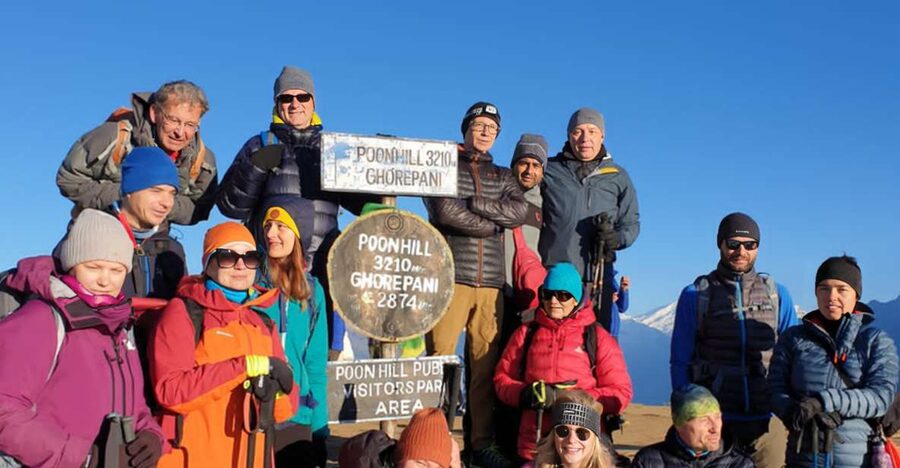
- Poon Hill sunrise at 3,210m with wide Annapurna views, early start vibes, and serious photo potential
- Rhododendron-forest trekking that feels lush and cool, especially on the ascent routes
- Ghandruk Gurung culture with stone houses, monasteries and temples, plus an easy way to interact locally
- Private guided experience with an English or Hindi guide who sets the pace and keeps things organized
- A realistic 3-day format that balances altitude, stairs, and time on the ground without a week-long commitment
Shorter Ghorepani options worth weighing
Why Poon Hill and Ghandruk make sense for a 3-day intro
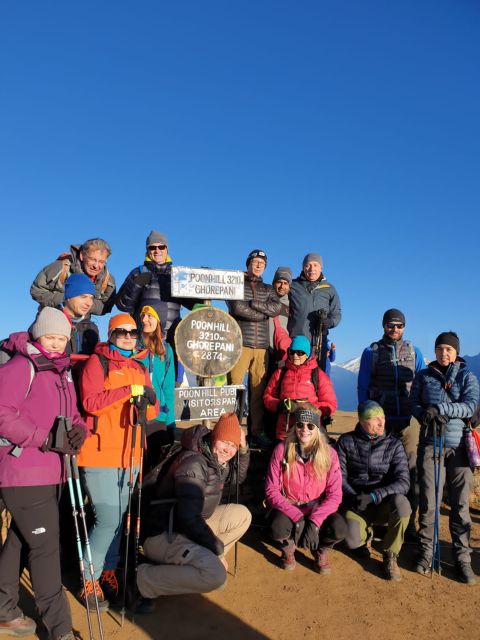
This is one of those trek options that works even if you do not have much time in Nepal. In three days you get classic viewpoints, a meaningful altitude bump, and a real cultural stop, without needing to sign up for a longer multi-day circuit.
On the mountain side, you climb from Tikhedhunga at 1,570m up to Ghorepani around 2,840m, then push to Poon Hill at 3,210m. That is enough elevation to feel the difference in air and temperature, especially before sunrise, but it is still a short trek where you can recover between hiking days.
On the culture side, Ghandruk gives you the Annapurna range without the isolated feeling. You will be walking into a village primarily inhabited by the Gurung community, with places to visit like monasteries and temples, plus the chance to see traditional stone houses with intricate woodwork. For many people, that is the memory that lasts beyond the photos.
Day 1: Pokhara to Ghorepani through Modi Khola, Tikhedhunga, and Ulleri
Day 1 starts with a scenic drive from Pokhara to Nayapul, then you shift into trekking mode at the river valley. You will ride in a 4-wheel jeep for a portion of the journey, which matters because it turns this start into something you enjoy, not just logistics.
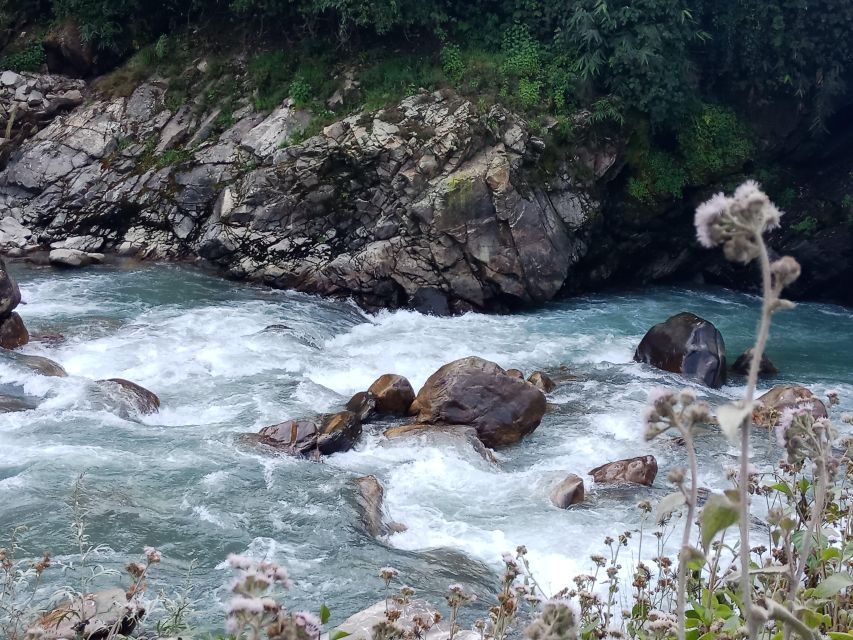
From Nayapul the route follows the Modi Khola area, with views of mountains, rivers, green fields, and forest stretches. Past the river road sections, the walking begins at Tikhedhunga (1,570m), then you climb toward Ulleri (2,000m). This is where the trek earns its reputation for steps, because Ulleri is part of the classic stair-heavy approach.
From Ulleri you continue up to Ghorepani, reaching about 2,840m after roughly five hours on foot in the standard plan. The trail runs through rhododendron forests, and the color and smell can be a highlight when the weather cooperates.
At the end of the day you sleep in a tea house in Ghorepani. Expect basic comforts, not hotel standards. The upside is that tea houses give you something you cannot replicate from a bus window: the mountain night rhythm, warm tea, and a simple base where you can rest up for Poon Hill.
Practical note: the real trekking time can feel different from the timetable depending on your exact start and the pace set by your guide. I would treat Day 1 as a warm-up plus a leg-builder, not as a chill stroll, even though it is only day one.
Day 2: Poon Hill sunrise at 3,210m, then the steep descent to Ghandruk
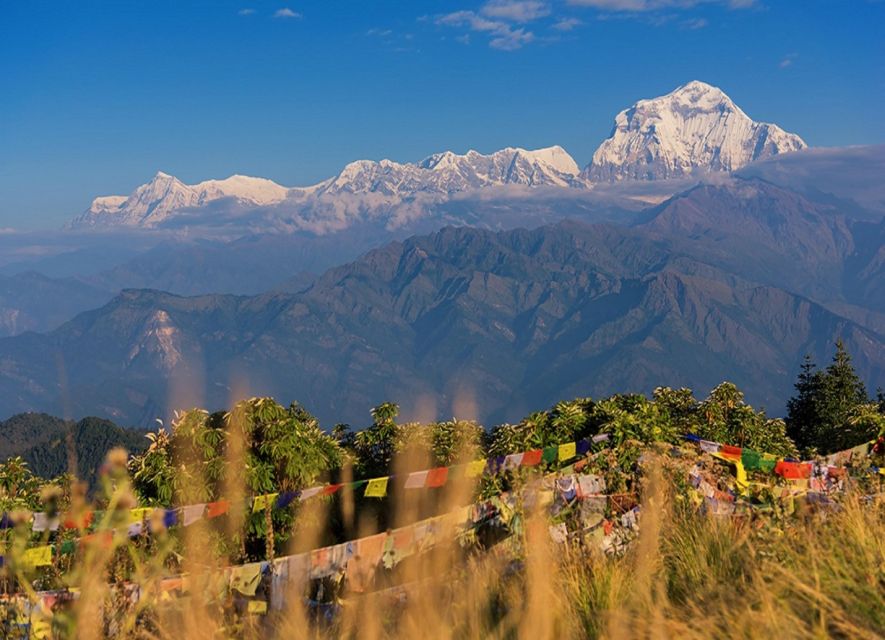
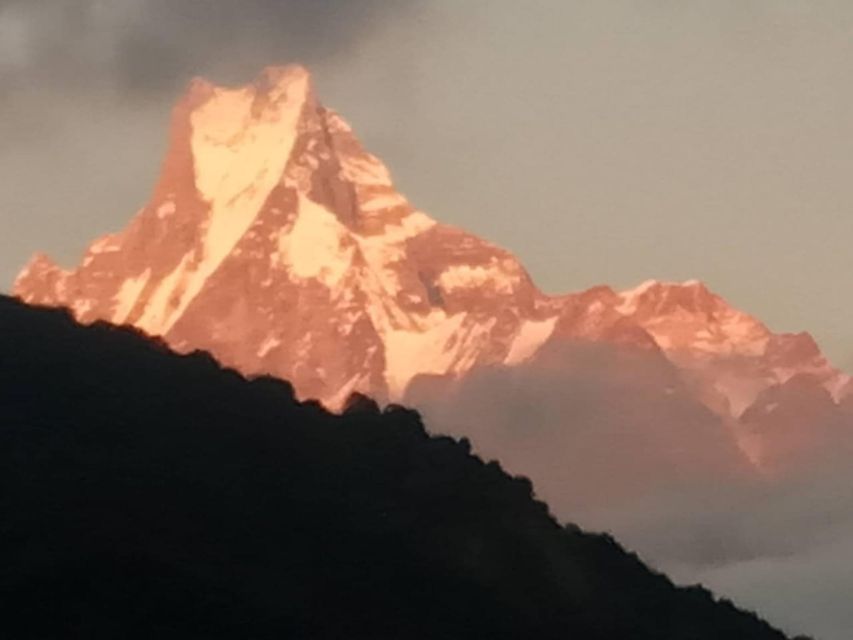
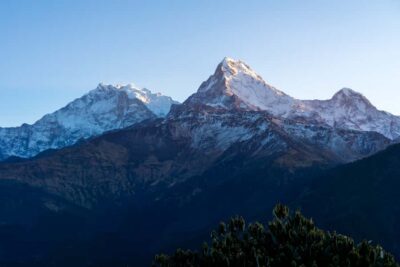
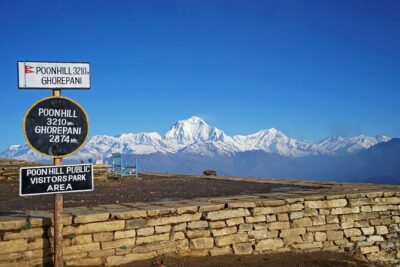
Day 2 is the money day for most people. You climb up toward Poon Hill and then you watch the sunrise from a high viewpoint at 3,210m. The payoff is the wide view over the Annapurna range, plus the chance to see major peaks like Dhaulagiri in the panorama when conditions are clear.
This is also the day that teaches you one very important trekking habit: start early and keep your pace steady. Sunrise hikes can be cold at first, and you do not want to burn your legs before the light show. A headlamp and warm layers are not optional in real life, because you will likely be moving in low light while others are getting ready.
One thing to plan around: Poon Hill can be crowded and noisy during sunrise. That does not mean you will not get the view. It just means your experience may be more about managing people flow and taking photos between stops than it is about quiet solitude.
After sunrise, you trek down toward Ghandruk via Tadapani. This portion is described as a steep descent, so your knees will feel it. The upside is that the descent brings you through forest scenes and gives you a chance to see the Modi River area from different angles as you make your way back into village elevation.
You finish Day 2 in Ghandruk at around 2,000m. You then stay overnight in a hotel in Ghandruk. Here is the balanced truth: the village itself has many good lodging options, but the specific place you get can strongly affect how you feel about the whole trek. If comfort matters to you, ask what hotel is included and confirm what the room is like, because accommodation quality in Ghandruk can be uneven.
Day 3: Ghandruk morning culture, then walking out to Nayapul and Pokhara
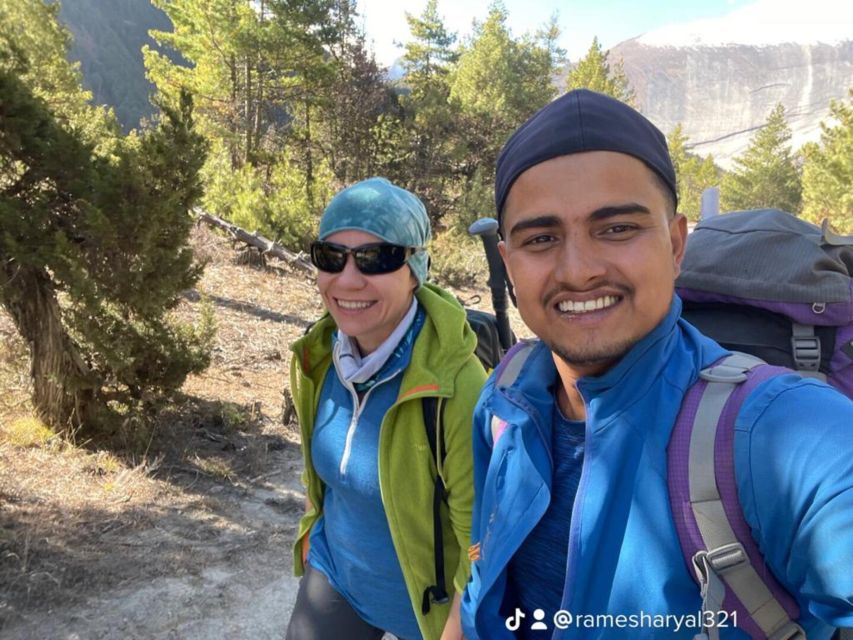
Day 3 starts early again. You wake up to hike to a viewpoint or simply explore from your hotel terrace, then you catch the sunrise over the Himalayas. If you already felt the morning cold on Day 2, you will notice it is a repeat, but you are moving with more confidence now.
Then comes what I think is the best use of Day 3 time: slowing down to understand the village. Ghandruk is primarily Gurung, and the experience is designed around that. You can explore traditional stone houses with intricate wood carvings, visit ancient monasteries and temples, and interact with locals who are used to visitors.
You can also try on authentic local dress for photos. That is not about buying souvenirs, it is about getting a simple, respectful way to connect with what you see. When I travel, I love cultural stops that are hands-on but still optional, and this fits that pattern.
After the village time, the trek heads back down to Nayapul along the Modi River that flows from the Annapurna Base Camp area. You end with a drive back to Pokhara, where you get time to reflect on the whole arc of the trip.
A thoughtful detail in this package: you also have a farewell Nepalese typical dinner in Lakeside Pokhara. That gives your last evening a sense of closure, rather than just taking a shower and moving on to the next thing.
Practical note on timing: like Day 1, the actual hiking time can end up shorter than the schedule. That is not automatically bad, but it does affect how you plan energy and expectations on the last day.
Price and value: what $207 covers, and what you should budget for
At $207 per person for 3 days, this trek can be good value, mainly because it bundles the stuff that usually costs extra when you book piecemeal.
The included items that matter most:
- Transfers with hotel pickup and drop-off in Pokhara
- A licensed, English-speaking guide for the trek
- Two nights accommodation during the trek, in tea house or lodge style, plus the last night in Pokhara at Hotel Orchid
- Meals during the trek (full package)
- Trekking permits and paperwork, including the TIMS fee
- Guide and staff costs, including meals and accommodation
- A farewell Nepalese dinner in Lakeside Pokhara
What you should plan to pay for separately:
- Soft and hard drinks
- Porter service (not included)
- Travel and rescue insurance
- Personal expenses like phone calls, laundry, bar bills, battery recharge, and shower costs
- Any extra nights in Pokhara if you need to adjust your schedule beyond the planned itinerary
One more logistics item to keep in mind: the package mentions a luxury sofa seater tourist AC bus from Pokhara to Kathmandu. Your exact use of that depends on the rest of your travel plan, but it is part of the overall transport picture.
If you want a private guided trek with meals, permits, and lodging handled, this price can feel fair. If your top priority is luxury rooms every night, you might find the mountain lodging basics frustrating, since tea houses and village hotels are not the same as city comfort.
The guide and pacing factor on a short, high-impact trek
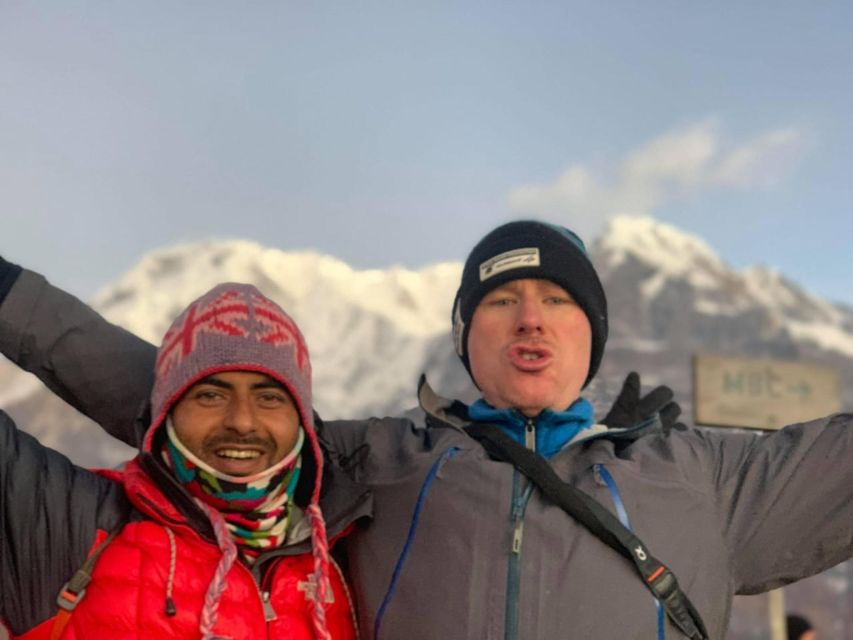
For a 3-day plan, your guide is not just company. They are the difference between a trek that feels manageable and one that feels chaotic. This trip is run as a private group, and your guide speaks English or Hindi, which makes it easier to adjust in real time.
Based on how the trek is described and how guides typically run these routes, your guide’s job includes:
- Keeping your pace realistic for altitude and stairs
- Handling the daily route flow so you reach key points on time
- Helping with photo moments at viewpoints
- Managing what to do if someone is tired, slower, or not feeling well
I have seen firsthand how a strong guide can change everything on a short trek. If you tell them early that you are struggling, they can often adjust the rhythm, which is the safest kind of problem-solving. If someone gets sick, the guide and the agency leadership are expected to respond quickly and care about options, including reorganizing the plan so you can still finish comfortably.
You also need to bring your end of the deal:
- Be smart about effort, especially on the climbs
- Drink water regularly
- Let your breathing slow you down on steep stairs
- Do not treat altitude like a numbers game, it is a comfort game
Also, this trek is listed as not suitable for pregnant women. If that applies to you, you should pick a different option with more appropriate support and lower physical demands.
Altitude and effort at 3210m: practical advice that actually helps
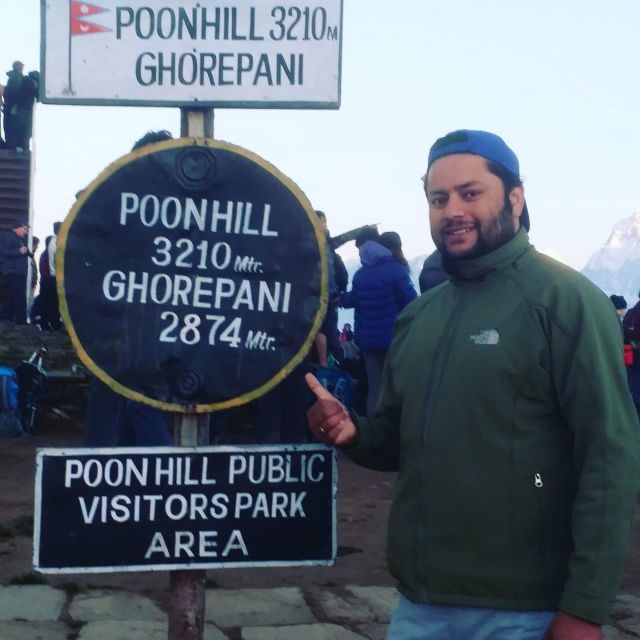
You will reach up to Poon Hill at 3,210m. That is high enough to make mornings feel colder and climbs feel slower. The good news is that this trek includes descending segments and overnight rests, so you are not continuously climbing without breaks.
Here is the real-world take I would give you before you go:
- Expect your legs to feel it, especially after sunrise climbs and during the steep descent toward Ghandruk
- Take frequent short stops, not long dramatic breaks
- Keep your pack light, because you will feel every extra item on stair sections
A key thing: the route is known for steps and steep sections. Even if the trek is only three days, you should train for walking uphill and downhill. Comfortable shoes matter more than fashion. If your footwear is wrong, your day turns into knee management.
What to pack for rhododendron forest days and pre-dawn sunrise
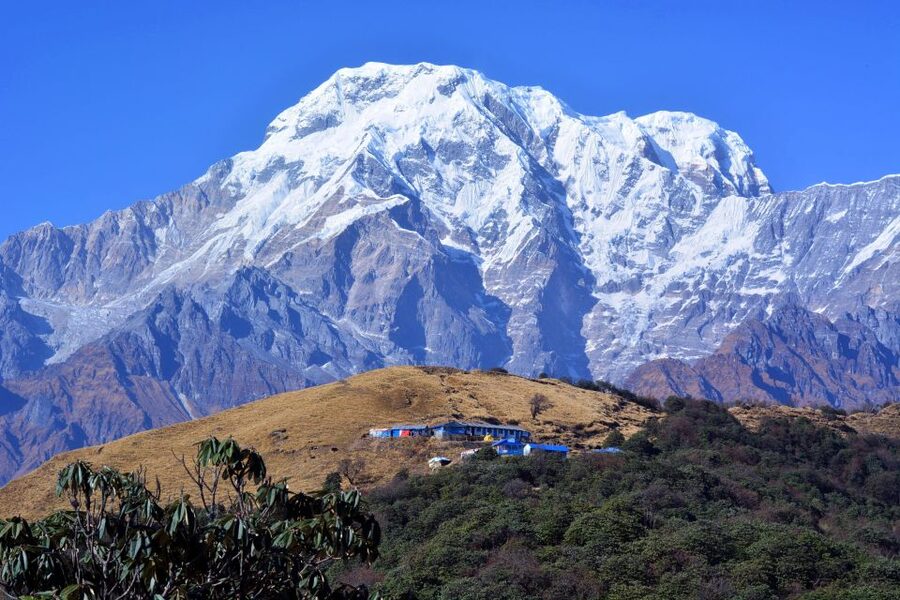
You will be moving through forests, villages, and viewpoint areas, with a big temperature swing between early morning and midday. Use this packing list as your baseline:
- Passport or ID card
- Comfortable shoes with good grip
- Warm clothing and a jacket for sunrise cold
- Sunglasses and sunscreen
- Towel
- Sunscreen
- A headlamp
- Trekking poles (useful for both climbs and descents)
- A water bottle
Also plan for the small costs that can creep in on the trail. Drinks are not included, and personal extras are on you. If you want a smooth time, keep a bit of cash for bottled or purchased water and for drinks you feel like adding.
Lodging reality: tea houses in Ghorepani, and a hotel choice in Ghandruk
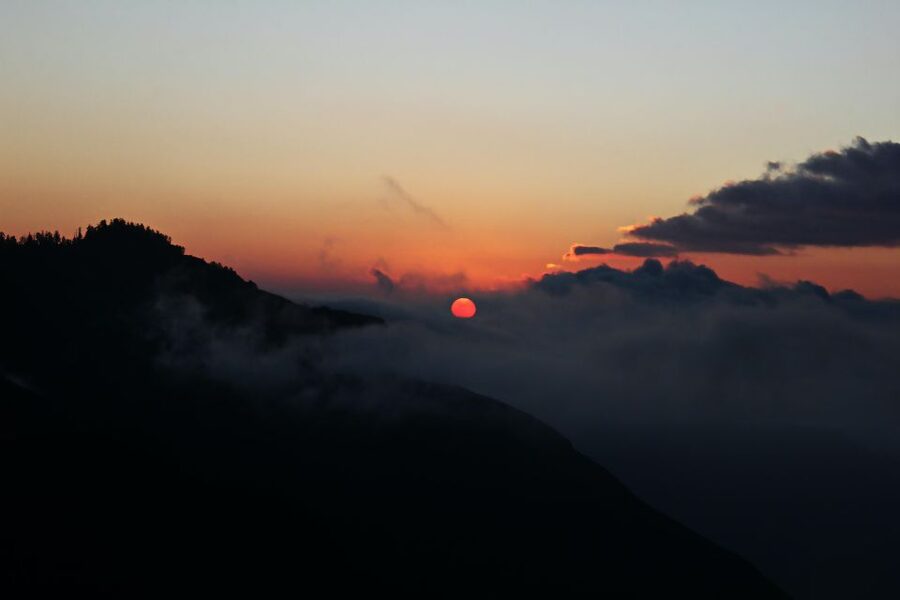
Your nights on the trail are described as basic tea house or lodge style for two nights, with the last night in Pokhara at Hotel Orchid. Tea house stays are part of the charm, but you should not expect modern amenities.
The Ghandruk night is the wildcard. The trek includes a hotel in Ghandruk, and the quality can vary. That does not mean you should fear the village. It means you should treat lodging as a real decision point on this trip.
If your comfort needs are high, I suggest you ask the agency to confirm:
- The exact hotel name
- Whether the room is clean and functional
- What the bedding situation is like
That one question can save you from an unpleasant surprise, especially on a short trek where one bad night affects your whole mood.
Should you book this Pokhara to Poon Hill and Ghandruk trek?
If you want a 3-day guided introduction to the Annapurna region, with sunrise views, rhododendron forests, and a Gurung village experience, this trek is a strong match. It is also a good choice if you like having meals, permits, and key logistics handled, so your focus stays on walking and learning the route.
I would be cautious if:
- You are very comfort-sensitive and hate uncertainty around hotel quality
- You dislike crowds on sunrise viewpoints
- You expect the walking times to match the plan exactly every day
If you are a first-time trekker, a fit walker, or a couple who wants a private guide and a memorable morning routine, this is an efficient way to get the Annapurnas into your trip.
FAQ
How high do we climb on this trek?
You reach Poon Hill at about 3,210m, after trekking from Ghorepani at about 2,840m.
What is the duration and overall route?
The trek runs for 3 days, starting from Pokhara and moving through Nayapul, Tikhedhunga, Ulleri, Ghorepani, Poon Hill, Tadapani, and ending at Ghandruk before returning to Nayapul and Pokhara.
Is this trek private or shared?
It is listed as a private group experience.
What kind of accommodation is included?
You get accommodation for two nights during the trek in tea house or lodge style, plus one last night in Pokhara at Hotel Orchid.
Are meals included in the price?
Meals during the trek are included as part of the full package, with breakfast, lunch, and dinner.
Is a porter included?
No, a porter is not included.
What is included in the trek price?
The package includes hotel pickup and drop-off, a licensed English-speaking guide, trek permits and paperwork including TIMS fees, accommodations during the trek and the final Pokhara hotel night, transport as per the itinerary and group size, a farewell Nepalese dinner in Lakeside Pokhara, and guide/staff expenses.
What is not included?
Not included are soft and hard drinks, porter service, travel and rescue insurance, and personal expenses like phone calls, laundry, bar bills, battery recharge, and shower-related costs.
Is this trek suitable for everyone?
It is not suitable for pregnant women.
Naya Pul, Someone Setting the Pace
The Rest of Our Naya Pul Write Ups
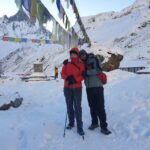
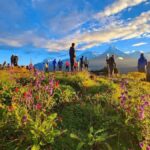
Ghorepani and the Poon Hill Ridge
Everything else we have reviewed around Naya Pul
- Pokhara: 5-Day Annapurna Base Camp Trek with Hot Spring
★ 5.0 · 3 reviews - Pokhara: 3-Day Ghorepani, Poon Hill and Ghandruk Guided Trek
★ 4.4 · 4 reviews - Pokhara: Amazing 7-Day ABC Trek with Natural Hot Spring
★ 5.0 · 5 reviews - Pokhara: 2-Day Short & Sweet Ghorepani Poon Hill Guided Trek
★ 5.0 · 6 reviews - Pokhara: 7-Day Annapurna Base Camp Via PoonHill & Hot Spring
★ 5.0 · 6 reviews
Poon Hill & Ghorepani Treks worth a second look.
 ★ 5.0Poon hill Trek 3 daysFrom $230176 reviews
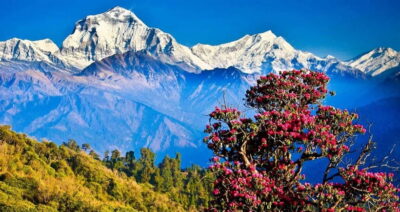 ★ 5.04-Day Ghorepani, Poonhill & Ghandruk Mountain TrekFrom $181132 reviews
 ★ 5.0Ghorepani – Poon Hill Trek 3N-4DFrom $321125 reviews
 ★ 5.04 Days Poon Hill TrekFrom $40594 reviews
 ★ 5.0Ghorepani(Poonhill Trek)From $60081 reviews
 ★ 5.04-day Poon Hill TrekFrom $40074 reviews
 ★ 4.93-Day Ghorepani Poon Hill Trek with GuideFrom $16268 reviews
 ★ 5.0Ghorepani Poon Hill TrekFrom $39961 reviews
Lists this tour sits in