
REVIEW · ANNAPURNA BASE CAMP TREKS
Pokhara: 5-Day Annapurna Base Camp Trek with Hot Spring
Annapurna Base Camp, with a hot springs payoff. This 5-day trek is a classic Pokhara-to-Himalayas route that mixes real mountain time with a satisfying finish at Jhinu Dada Hot Springs. You climb through forests and villages, reach Annapurna Base Camp for glaciers-and-peaks views, then let your legs recover.
I really like that the tour is run with a licensed, English-speaking guide, and it shows in the pacing and in how you’re kept safe when conditions turn. In two separate guest experiences, guides named Jeet and Kaji were praised for being attentive and steady, with Kaji specifically helping the group through tough conditions during the descent.
One thing to watch: 5 days can feel intense, especially if you go in off-season weather, when snow or ice can make the trail harder and colder. One trekker wished they had gone longer, like 7 days, to enjoy the mountain views with less rush.
In This Review
- Key reasons this trek makes sense
- Where you start: Lakeside Pokhara to Samrung-style countryside energy
- The climb to Deurali: forests, rhododendrons, and a real altitude jump
- Annapurna Base Camp at 4,130m: the day the views hit hard
- The long descent back to Lower Sinuwa: where your knees will vote
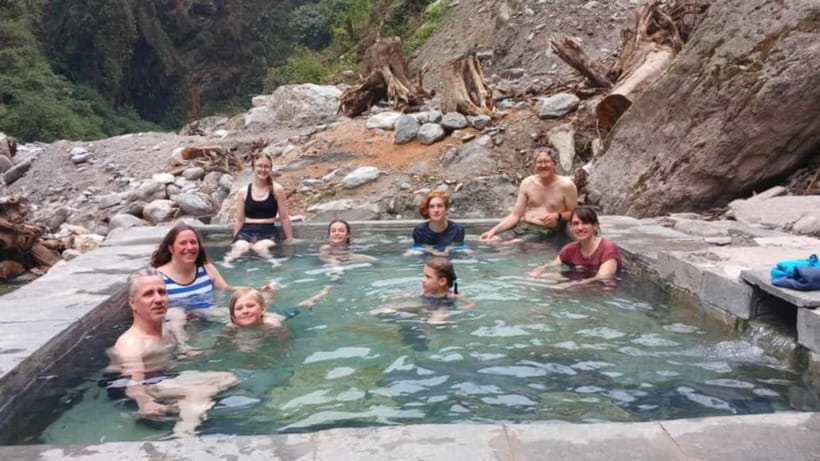
- Jhinu Dada Hot Springs: the recovery payoff you can actually feel
- Guides, permits, and the logistics you want handled
- Price and what you really get for about $150
- Pace, altitude, and when 5 days feels too tight
- What to bring: don’t show up under-packed
- Meal options and staying fueled on summit day
- Who should book this trek, and who should reconsider?
- Should you book? My practical recommendation
- FAQ
- Are trekking permits included?
- What languages does the guide speak?
- Is Annapurna Base Camp part of the trek?
- Does the tour include meals?
- Is hot springs included at the end?
- What trekking gear is provided?
Key reasons this trek makes sense
- Annapurna Base Camp at 4,130m in a tight, well-supported 5-day plan
- Licensed English-speaking guide to help with pacing, paperwork, and trail decisions
- Hot springs at Jhinu Dada on the last day, built for recovery
- All permits handled including TIMS paperwork and the required fees
- Private accommodation during the trek, so you sleep with less crowd stress
- A trekking gear package included (poles, sleeping bag, duffle bag), plus luggage storage
Other approaches to the Sanctuary gate
Where you start: Lakeside Pokhara to Samrung-style countryside energy
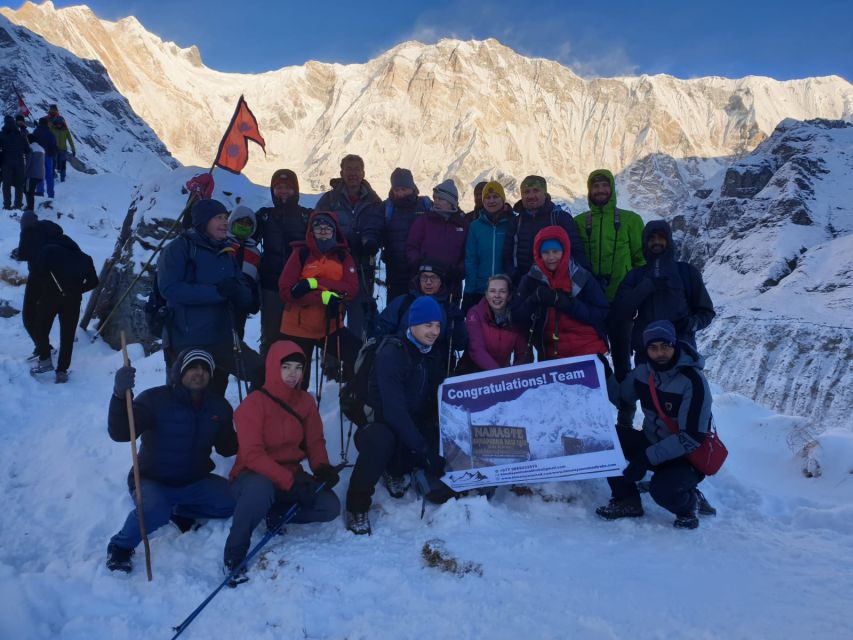
I like that your trek doesn’t begin with straight uphill. You start from Lakeside Pokhara early, then spend the first push on a scenic road ride. According to the itinerary, day one combines about 3 hours by jeep with around 4 hours of trekking to Sinuwa at roughly 2,200m.
This matters because you get time to get oriented. The Seti River views and the patchwork of fields help you understand what Nepal’s mid-hills look like before you step into the bigger mountain zone. It also makes the first day feel like a warm-up rather than a wall of altitude.
Overnighting in Sinuwa is part of the charm. You’re not in a big resort town here. You’re in a mountain village setting, where your day ends with the rhythm of locals and basic tea-house life.
The climb to Deurali: forests, rhododendrons, and a real altitude jump
Day two is where the trek starts to feel serious. You’re looking at a long day of trekking, about 7 hours, rising from Sinuwa up to Deurali at around 3,200m.
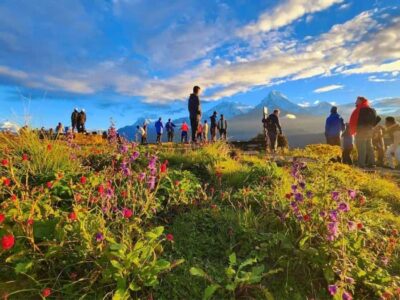
You’ll go through forests and, when the season lines up, rhododendron blooms. Even when flowers aren’t the headline, that forest stretch is a gift for your body. Trees break wind, shade your hike, and reduce that stark sun-and-rock feeling that can make high routes exhausting.
The big thing to plan for is the altitude jump. Going from 2,200m to 3,200m in one day means you’ll want to move steadily, not fast. This is also a day where having a guide you trust matters. In past departures, guides were specifically praised for watching your rest, your condition, and your confidence as the hike got tougher.
If you’re the type who takes quick photo stops and then keeps sprinting, this day will correct that habit. Slow, steady steps win.
Annapurna Base Camp at 4,130m: the day the views hit hard
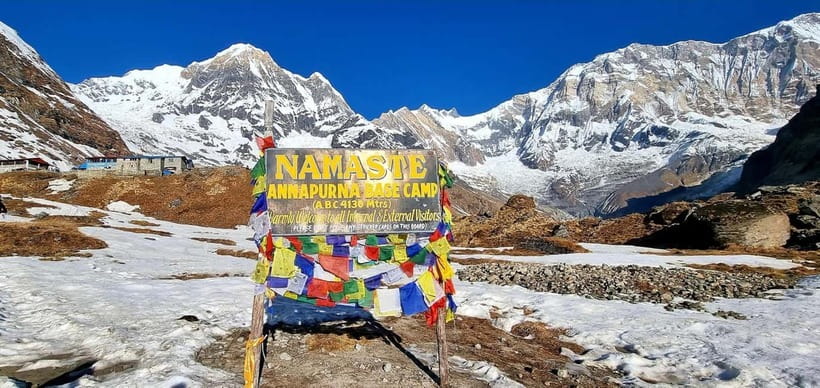
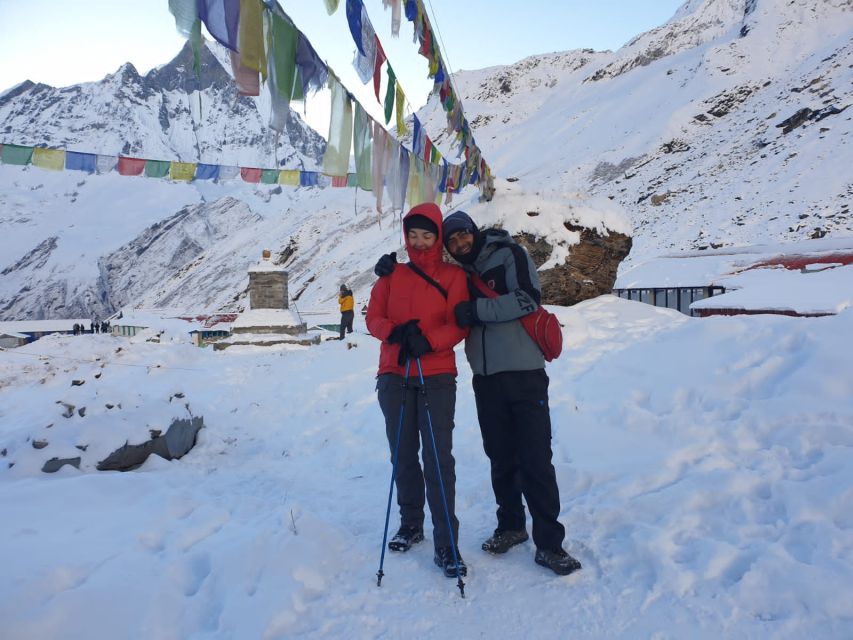
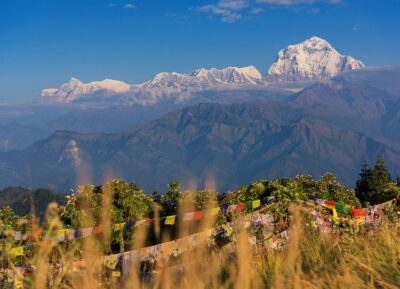
Day three runs roughly 5 hours of trekking, from Deurali to Annapurna Base Camp at about 4,130m. This is the core thrill day: the hike up to that famous amphitheater of peaks and glaciers.
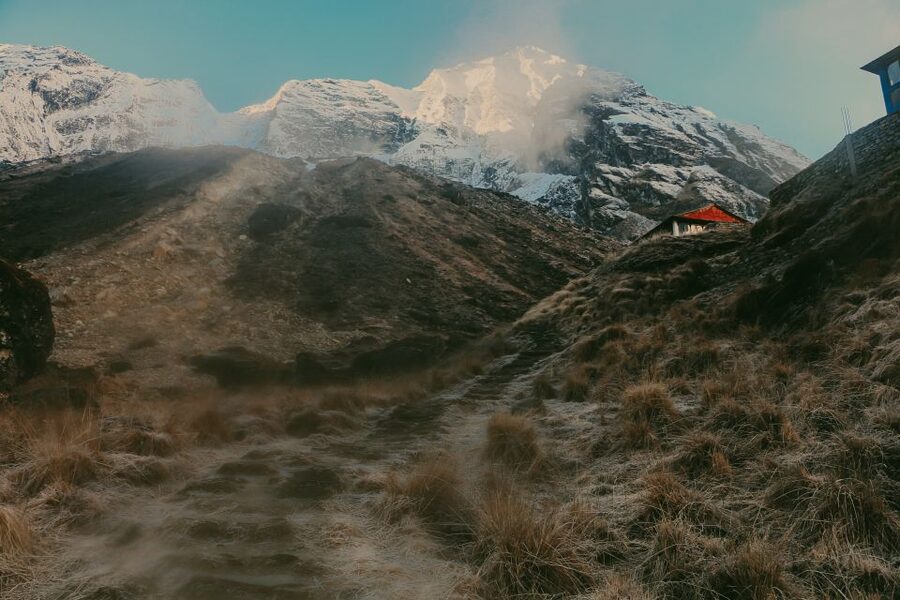
This is where expectations should be honest. Annapurna Base Camp is not a viewpoint you stroll into. It’s a destination you earn, and the air feels thinner as you work upward. When you reach the base camp area, the sense of scale can be almost unreal. You’re surrounded by towering mountains, and the glaciers look close enough to feel physical.
You’ll spend the night at Annapurna Base Camp. That’s a key practical point. Sleeping at that altitude means you should be ready for cold and for a different breathing feel. You’ll likely want to pace your eating and water, then keep warm before sleep.
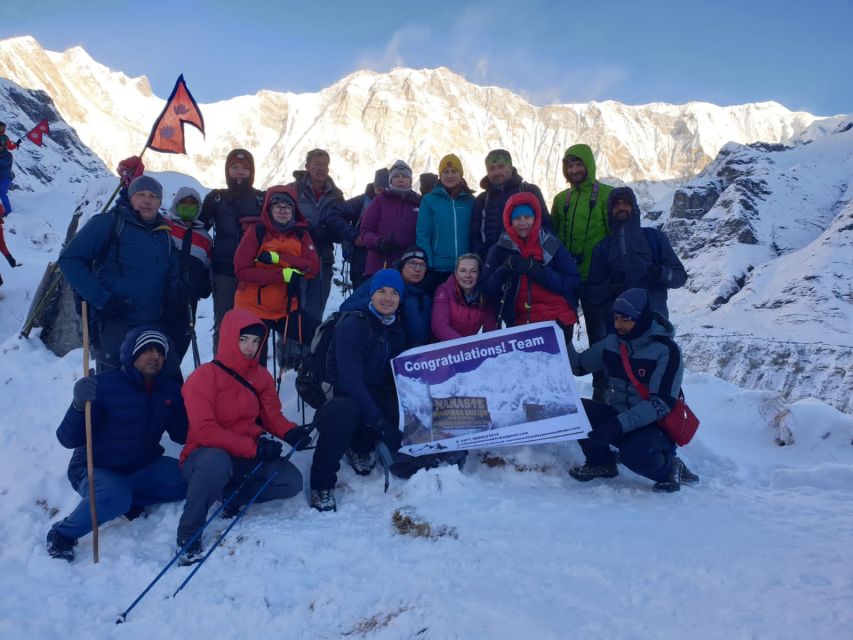
If the weather turns, you’ll also notice. Off-season conditions can mean more snow or ice on the trail, and that can change footing and safety. One guest report described a descent that included climbing over four avalanche paths, with the guide handling the situation. That’s a reminder to treat weather and trail conditions as part of the experience, not an afterthought.
The long descent back to Lower Sinuwa: where your knees will vote
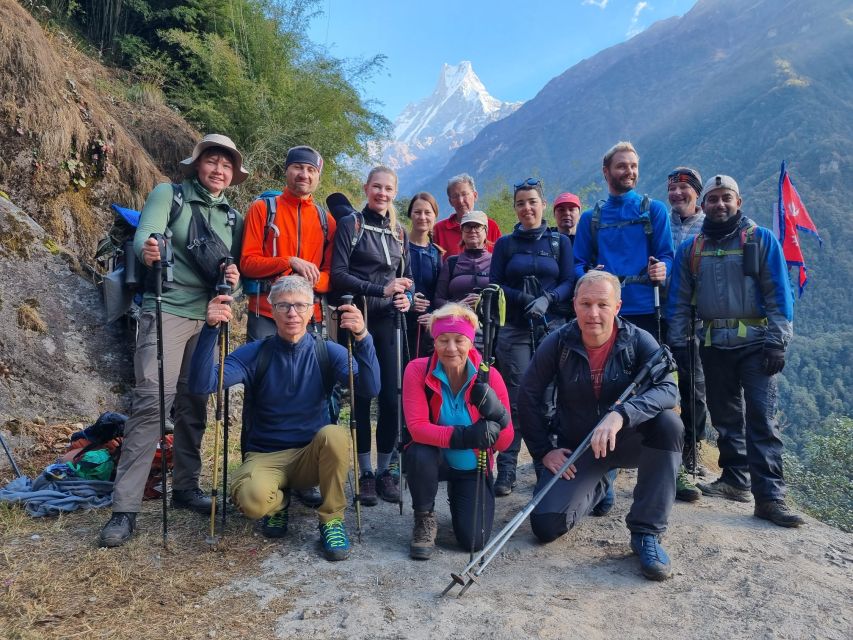
Day four is the longest stretch on the return. The itinerary lists about 8 hours of trekking, descending from Annapurna Base Camp back to Lower Sinuwa at around 2,200m.
This is the day many people underestimate. Yes, the altitude drops, so the air is easier. But descending for hours can be brutal on knees, ankles, and quads. The trail also tends to be mentally demanding because you’re tired, and you’re focused on simply getting to the next safe section.
I like that the route takes you back through the same kind of terrain you climbed through, including serene forest sections. It helps your brain reset. But still, come ready to use trekking poles and to take breaks before your legs fully protest.
Also, sunrise and early views are a major part of day four’s experience. You’ll witness sunrise over the peaks before the descent. That early, cold light is one of the best moments of the trek. Then you switch modes: less wow, more footwork.
Other lodge to lodge routes near Naya Pul
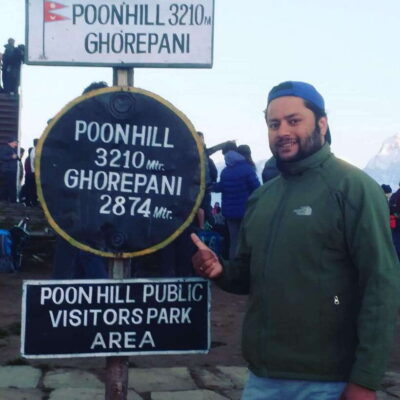
Jhinu Dada Hot Springs: the recovery payoff you can actually feel
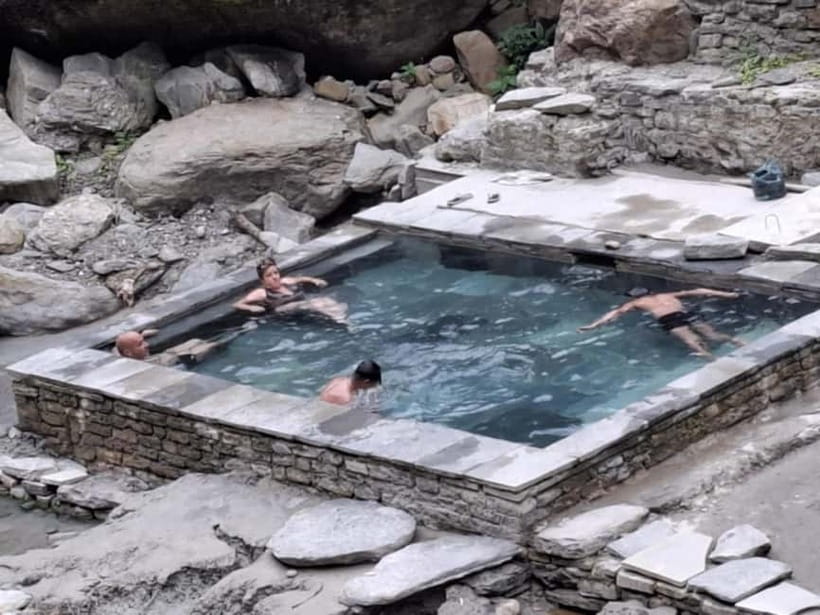
Day five gives you a clean ending. You trek from Lower Sinuwa down to Jhinu Dada Hot Springs, then ride back to Lakeside Pokhara.
The itinerary shows about 4 hours of trekking and around 3 hours by jeep to Pokhara. The hot springs soak happens along the way, and that’s not just a nice extra. After a steep climb up and a long descent down, a geothermal soak is one of the smartest ways to help your body recover.
In real terms, this is where you appreciate the design of the route. Many short Himalayan treks leave you sore with nothing to show for it. Here, the last day hands you a built-in reset. You can sit, soak, warm up, and let your muscles cool down the right way before you head back to normal life.
Even the drive back feels different when you’ve just finished. You’ll have that quiet satisfaction, the kind that comes from finishing something hard and seeing real mountains up close.
Guides, permits, and the logistics you want handled
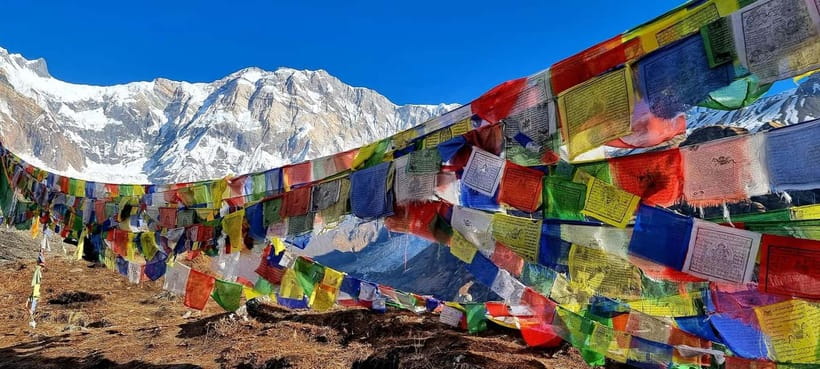
This is one of the most practical reasons to pick this trek. The package includes a licensed, authorized guide who speaks English, Hindi, and Nepali. It also includes trekking permits and the required paperwork, plus the TIMS (Trekkers Information Management System) fee(s).
Why I think this matters: permits and paperwork can be confusing when you’re busy trying to stay healthy and plan each day’s hike. Having it handled reduces stress. It also makes the day-by-day plan more consistent.
You also get hotel pickup and drop-off in Pokhara, plus deluxe transportation as per the itinerary based on group size. That is a real value add in Nepal, where the difference between a smooth transfer and a chaotic one can make or break your first and last day.
From the gear angle, you get trekking poles, a sleeping bag, and a duffle bag. Plus there’s a luggage storage facility. Porters are not included, though they can be arranged on request for an additional cost. If you’re worried about carrying even a small daypack, consider a porter early rather than negotiating late when you’re already tired.
Price and what you really get for about $150
The listed price is $150 per person for a 5-day trek. That’s a low number for something that includes a guide, permits, private accommodation, and multiple days of guided hiking.
Here’s the honest value read: part of the cost control comes from how meals are handled. The tour offers two options: a standard option where you can purchase meals along the way, and an enhanced all-inclusive full package that includes meals (breakfast, lunch, dinner) during the trek.
So the real question for you is meal preference. If you like planning and choosing meals each stop, you can go with standard. If you want fewer decisions, fewer cash moments, and a more predictable day rhythm, the all-inclusive option is where the value shows.
Also remember what’s included: guides and staff expenses, accommodations during the trek, trekking gear items, and the necessary paperwork. When all of that is bundled, a price like this can be a good deal, as long as you’re comfortable with the trek pace and the season conditions.
Pace, altitude, and when 5 days feels too tight
Let’s talk reality about time. Day two is around 7 hours. Day four is around 8 hours. Day three is the big push to base camp at 4,130m, and then you sleep that altitude.
Even for fit hikers, 5 days is a compact schedule. If you like lingering at viewpoints, moving slowly, and taking extra time to enjoy mountain views, you might wish you had more days. One guest specifically said 5 days felt intense and that they would have preferred 7 to slow it down.
Altitude also deserves respect. The itinerary climbs from about 2,200m to 3,200m and then to 4,130m in a matter of days. That’s manageable for many people when paced well, but you still need smart hiking behavior: steady steps, no sprinting, and listening to your body.
Season can push difficulty up or down. Off-season weather can bring worse conditions than you hoped for, and colder snow or ice can change how safe each section feels. If you’re not comfortable with long hikes or possible snow and ice, extending the trek to a longer, lower-stress schedule (like a 7-day plan) is the safer move in spirit, and a better way to enjoy the mountains without rushing.
What to bring: don’t show up under-packed
The tour provides poles, a sleeping bag, and a duffle bag, which is helpful. Still, you should plan to bring what the tour asks for, especially your personal layers and comfort items.
Bring: passport or ID card, camera, sunscreen, hiking shoes, daypack, jacket, change of clothes, comfortable clothes, hat, socks, sunglasses, trekking gear, and cash.
One note I’d take seriously: the trek environment can change fast with weather, so layering is everything. Your jacket should handle cold mornings and chilly evenings. Your socks need to be trail-ready. Sunscreen matters even in cloudier stretches because altitude and sun glare can sneak up on you.
Also bring a camera if you’re into morning light and the kind of glacier-and-peak views that make you stop hiking just to stare. This trek is built around those moments.
Meal options and staying fueled on summit day
You have two choices: standard lets you buy meals along the way, while the enhanced all-inclusive full package includes meals during the trek.
Either way, fuel matters most on day three and day four. Day three ends with an altitude-heavy night at Annapurna Base Camp. Day four is a long descent day. Your best strategy is simple: eat what’s available, but don’t skip meals because you think you’re too tired. Snack regularly. Drink water consistently.
If you pick standard and plan to buy meals, keep some cash ready. Cash for small purchases is always useful on mountain routes.
Who should book this trek, and who should reconsider?
This trek is a strong fit if you want a classic Annapurna Base Camp experience with a guided plan, permits handled for you, and a recovery-focused hot springs finish.
It’s also a good fit if you value a private group and prefer not to share the experience with strangers. Private groups often feel calmer and more flexible day to day.
Consider a different pace or longer itinerary if:
- You’re not comfortable with 7 to 8 hour hiking days
- You want more time to sit, photograph, and rest
- You’re worried about winter-like trail conditions, snow, or ice
- You have a knee or joint limitation that makes long descents harder
If you’re a confident hiker, this is a very doable 5-day target. If you’re new to trekking, you’ll want to be extra honest about comfort and endurance before you commit.
Should you book? My practical recommendation
I’d recommend booking this trek if you want an efficient, guided shot at Annapurna Base Camp, and you appreciate a thoughtful end plan with Jhinu Dada Hot Springs. The included permits, licensed guide, private accommodation, trekking gear package, and transport add up in a way that makes $150 feel more realistic.
I’d reconsider if you know 5 days feels too tight for you, or if you’re sensitive to cold and winter trail conditions. In that case, a longer trek gives you the same magic with less strain and more time to absorb the views without racing the clock.
Either way, pick a guide you trust, pack layers like it matters, and treat the mountain as the main character, not the schedule.
FAQ
Are trekking permits included?
Yes. The trek includes trekking permits and the required paperwork, including the TIMS fee(s).
What languages does the guide speak?
The guide speaks English, Hindi, and Nepali.
Is Annapurna Base Camp part of the trek?
Yes. The itinerary includes reaching Annapurna Base Camp at about 4,130m and spending the night there.
Does the tour include meals?
Meals depend on the package you choose. The all-inclusive full package includes breakfast, lunch, and dinner during the trek. The standard option allows you to purchase meals along the way.
Is hot springs included at the end?
Yes. Day five includes a visit to Jhinu Dada Hot Springs for a relaxing soak before returning to Lakeside, Pokhara.
What trekking gear is provided?
The package includes trekking poles, a sleeping bag, and a duffle bag, plus luggage storage during the trek. Porters are not included but can be arranged on request for an extra cost.
Lodge to Lodge Around Naya Pul
The Rest of Our Naya Pul Write Ups
Through the Sanctuary Gate
Everything else we have reviewed around Naya Pul
- Pokhara: 5-Day Annapurna Base Camp Trek with Hot Spring
★ 5.0 · 3 reviews - Pokhara: 3-Day Ghorepani, Poon Hill and Ghandruk Guided Trek
★ 4.4 · 4 reviews - Pokhara: Amazing 7-Day ABC Trek with Natural Hot Spring
★ 5.0 · 5 reviews - Pokhara: 2-Day Short & Sweet Ghorepani Poon Hill Guided Trek
★ 5.0 · 6 reviews - Pokhara: 7-Day Annapurna Base Camp Via PoonHill & Hot Spring
★ 5.0 · 6 reviews
Annapurna Base Camp Treks worth a second look.
 ★ 5.0Annapurna base camp trek 5 DaysFrom $699252 reviews
 ★ 5.0Annapurna Base Camp TrekFrom $935111 reviews
 ★ 5.0Kathmandu to Annapurna Base Camp (ABC) 5-Day TrekFrom $99102 reviews
 ★ 5.0Annapurna Base Camp Trek 12 DaysFrom $80085 reviews
★ 5.0Annapurna Base Camp TrekFrom $92580 reviews
 ★ 4.95-Day Annapurna Base Camp (ABC) TrekFrom $9672 reviews
★ 5.0Annapurna Base Camp TrekFrom $69959 reviews
 ★ 5.011-Day Hike Tour to Annapurna Base Camp Bliss in KathmanduFrom $1,30052 reviews
Lists this tour sits in