
REVIEW · POKHARA CITY TOURS & LAKESIDE SIGHTS
Pokhara Day Tour (Private car)
Sarangkot sunrise makes you forgive the early wake-up. This private 8 hour car day strings together Pokhara highlights, from the Annapurna view up high to caves and temples down in town. I especially like Sarangkot at first light and the mix of spiritual stops with big Pokhara scenery. One consideration: it is long and walk-heavy in places, including caves, so it is not a fit for everyone.
I also like how the day is paced so you are not just rushing through photo spots. You get a real order to the madness, starting with sunrise, then temples, then water and limestone caves, and finishing with Peace Pagoda and Phewa Lake. The private-car setup is practical, but go in knowing it is more “transport between landmarks” than a guided lecture.
A possible drawback is information may be limited at each site since the driver waits in the car. Also, the schedule can get adjusted by traffic, and one stop like Mahendra Cave may not happen exactly as planned, so it helps to confirm the day-of priorities.
In This Review
- Key Points That Matter Before You Go
- Sarangkot Sunrise: A Big View for a Small Price of Sleep
- Bindabasini Temple and a Realistic Breakfast Break
- Seti River Gorge: The Morning Water Stop People Actually Remember
- Mahendra Cave: Limestone Formations and a Cave Time Budget
- International Mountain Museum: A Smart Pause Between Outdoor Hits
- Davis Fall: The Underground Tunnel Detail
- Gupteshwor Mahadev Cave: Sacred Rock Formations and Spiritual Atmosphere
- Lunch or Snacks: Keep It Flexible, Keep It Simple
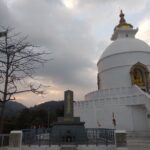
- Peace Pagoda and Pumdikot Viewpoint: A Calm Finishing Angle
- Phewa Lake, Aarati by the Shore, and Tal Barahi by Boat
- Price and What You Actually Get for $68 Per Person
- Driver Waiting Time, Limited On-Site Narration, and How to Fix It
- What to Bring, Wear, and Expect in a Caves and Temples Day
- Who This Pokhara Day Car Tour Suits Best
- Should You Book This Pokhara Day Tour?
Key Points That Matter Before You Go
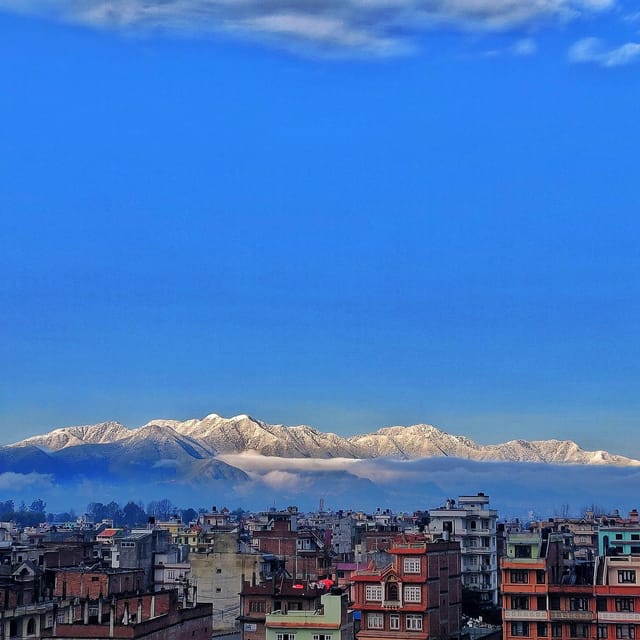
- Sarangkot sunrise gives you the best shot at a clear view over the Annapurna range and Pokhara Valley.
- Ancient caves add a very different Pokhara mood, with religious significance built into the experience.
- Seti River Gorge and Davis Fall are dramatic water stops, and you will spend time looking, not shopping.
- International Mountain Museum is a smart midday break when your legs need a reset.
- Peace Pagoda and Pumdikot viewpoint close out the day with a calmer, scenic tone.
- Phewa Lake with boat to Tal Barahi Temple plus a Hindu lakeside ritual is a memorable ending.
Other slow days along the Phewa shore
Sarangkot Sunrise: A Big View for a Small Price of Sleep
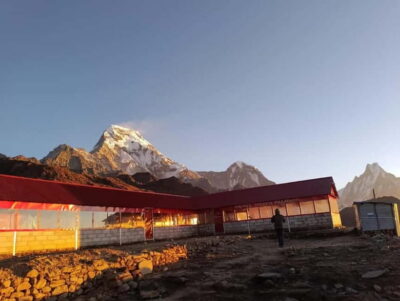
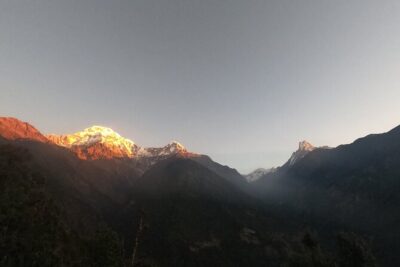
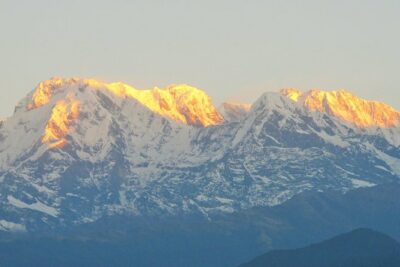
Your day starts early, with pickup around 5:00 AM from Pokhara Lakeside. Then you roll up to Sarangkot for sunrise, typically around 5:30 AM to 7:00 AM. This is the part of the tour that feels worth the alarm, because Sarangkot is known for sweeping views over Pokhara and the Annapurna range.
The best way to enjoy it is simple. Arrive with a warm layer, even if you think you will be fine. Sunrise viewing can be chilly, and you will likely stand and look for a while while light changes fast.
You might be hoping for perfect visibility. If weather clouds the peaks, you still get a beautiful Pokhara valley glow and a satisfying sense of place. I love that this stop is not just about one photo, it is about watching the morning shift.
Bindabasini Temple and a Realistic Breakfast Break
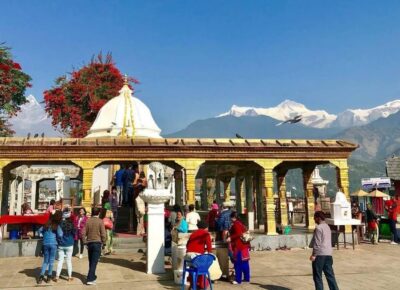
After sunrise, the schedule moves you into the city. Around 7:30 AM to 8:00 AM, you visit Bindabasini Temple, an important religious site in Pokhara.
This is a good “reset” stop after the hill climb. You are moving from wide views to human scale, prayer, and local rhythms.
By about 8:30 AM to 9:00 AM, you return for breakfast back at your hotel. Note the important detail here: breakfast is not included, so you will pay for it yourself. If you want to keep the whole day smooth, eat something filling and simple, then keep water handy for later.
Seti River Gorge: The Morning Water Stop People Actually Remember
The full sightseeing portion begins around 10:00 AM. First up is Seti River Gorge, with time roughly 10:00 AM to 10:30 AM. The story of Seti River here is dramatic, with the river cutting through a gorge and creating sharp, scenic views.
On request, you can also visit the Seti River Hanging Bridge. This matters because it changes the feel of the stop from “look from a viewpoint” to “feel the scale a little more.” If you want that bridge moment, tell your driver or operator early so they can build it into the day without rushing.
Practical tip: wear shoes you trust. You will be on uneven ground around viewpoints, and you do not want to think about your footing while your brain is trying to take in the gorge.
Mahendra Cave: Limestone Formations and a Cave Time Budget
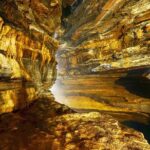
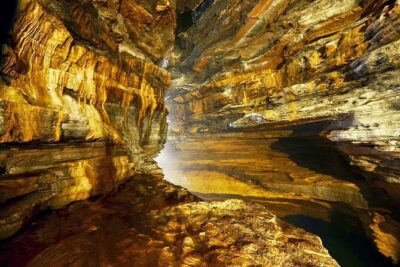
Around 11:00 AM to 11:30 AM, you visit Mahendra Cave, a popular limestone cave with fascinating formations. Expect a cave experience to be more about time management than comfort.
Caves can be tricky if you do not like enclosed spaces. The tour is not suitable for people with claustrophobia or respiratory issues, and it also lists not suitable for motion sickness and several mobility and health conditions. If you fall into any of those categories, I would skip caves entirely and consider a different Pokhara plan.
If you are fine with caves, you will probably enjoy how the rock shapes create a different kind of “Pokhara cool.” It is a break from sun, and it is visually unique compared to the outdoor water stops happening later.
Private guides for Pokhara, a few more
International Mountain Museum: A Smart Pause Between Outdoor Hits
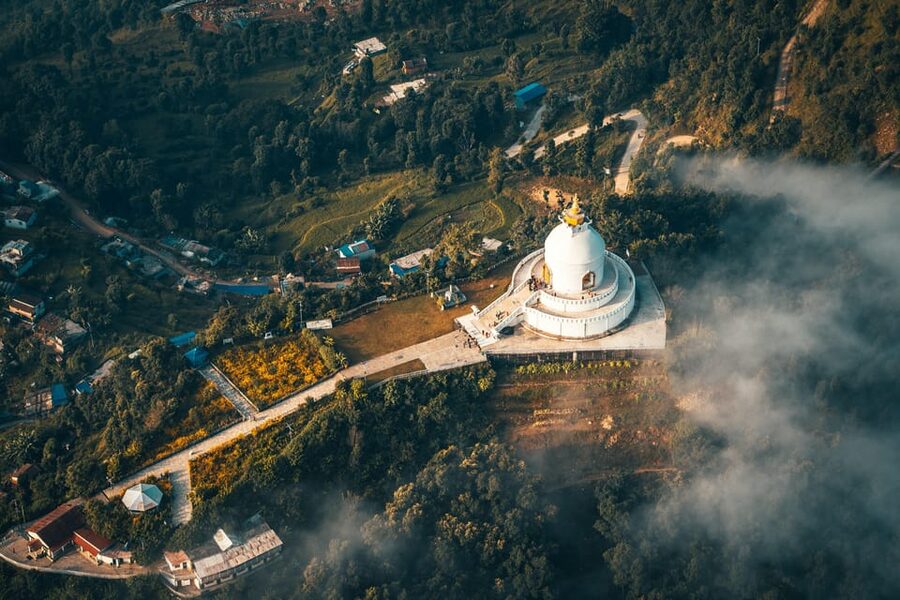
From about 12:00 PM to 1:30 PM, you visit the International Mountain Museum. This is a cultural and mountaineering-history stop that changes the tone of the day.
Why this is valuable: after sunrise, temples, and outdoor viewpoints, your brain can use something that explains the region instead of just showing it. A museum stop also helps you avoid the “all highlights, no context” problem that happens in jam-packed day tours.
It is also a stamina saver. You get a place to sit, walk at a slower pace, and recharge before you head into caves and waterfalls later.
Davis Fall: The Underground Tunnel Detail
Around 2:00 PM to 2:15 PM, you get Davis Fall, known for its beauty and the underground tunnel running beneath it.
Davis Fall is one of those places where the setting does the storytelling. You do not need a guide to point out the main idea, you just watch water disappear and imagine where it goes. It is short on the schedule, so keep your eyes open and your camera ready.
If you are prone to motion sickness or feel off in certain environments, Davis Fall is usually straightforward. The bigger caution is often the caves later, not the open-air waterfall viewpoints.
Gupteshwor Mahadev Cave: Sacred Rock Formations and Spiritual Atmosphere
Next, around 2:20 PM to 3:00 PM, you visit Gupteshwor Mahadev Cave. This is sacred, with unique natural rock formations and religious significance.
This is one of the most interesting stops on the day because it connects geology to faith in a way that feels real. You will see religious activity tied to the cave space, so it is not just a sightseeing checkbox.
Again, this is a cave stop, so take the safety and comfort notes seriously. If enclosed spaces are a problem for you, you will not enjoy Gupteshwor Mahadev Cave.
Lunch or Snacks: Keep It Flexible, Keep It Simple
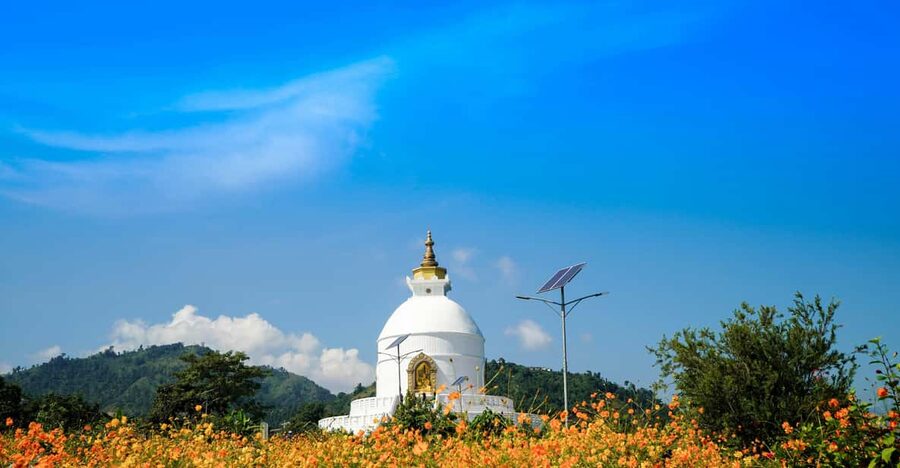
Lunch or snacks happen roughly 3:00 PM to 3:30 PM, and timing can adjust based on what you prefer. Meals are not included, so you will pay on your own.
I recommend going for something you can eat fast and still feel good in the afternoon. Also, since entry fees are not included, it is smart to keep some cash accessible for later site charges.
Peace Pagoda and Pumdikot Viewpoint: A Calm Finishing Angle
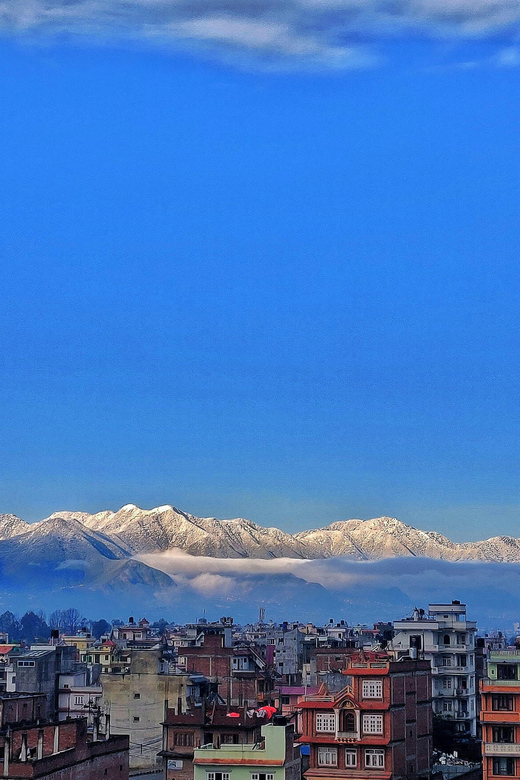
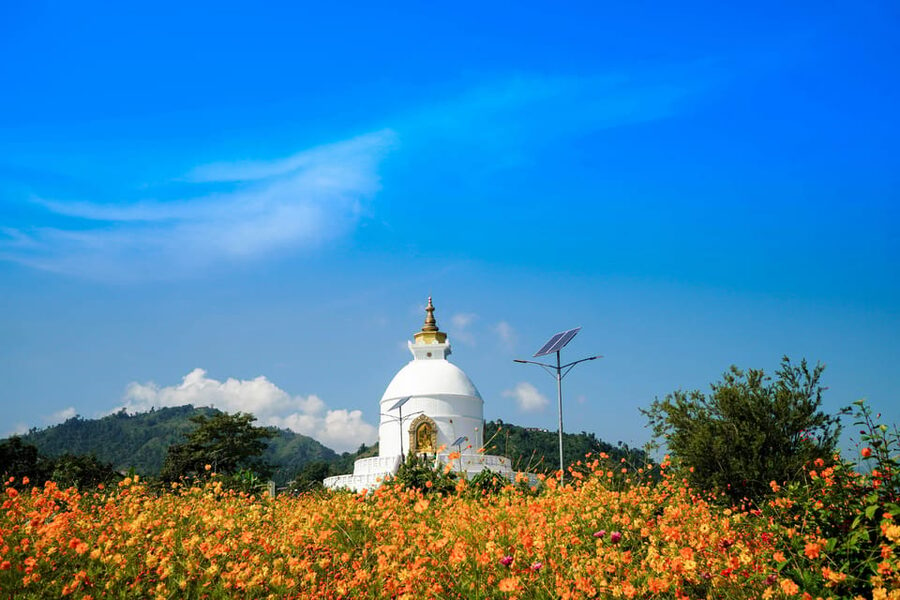
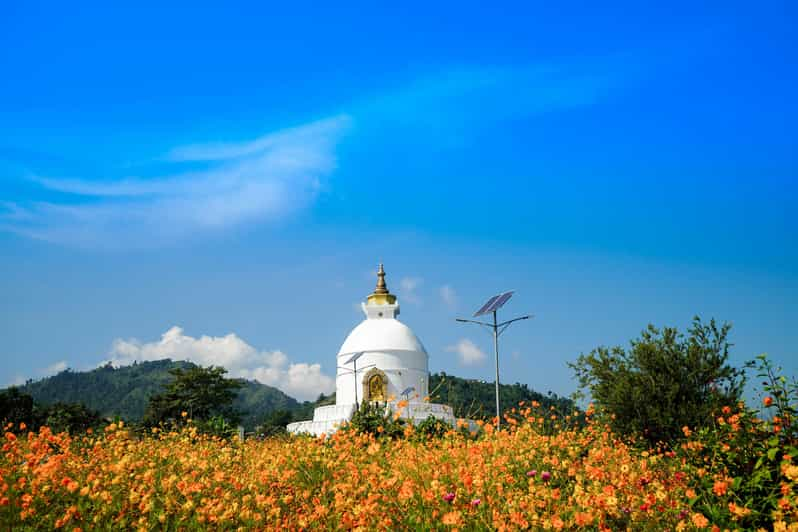
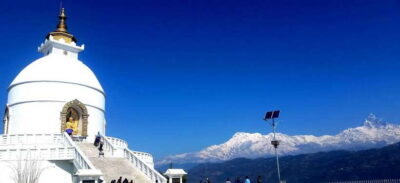
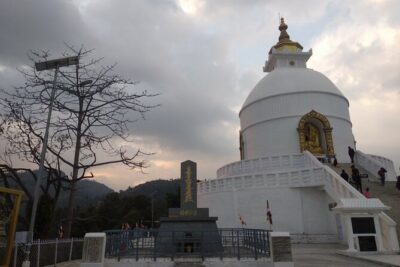
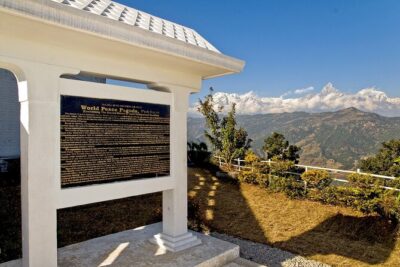
Around 4:00 PM to 5:00 PM, you drive to the Peace Pagoda. After a brief visit, you proceed to Pumdikot for a scenic viewpoint.
This section is a nice tone shift. Up to this point you have had sunrise, temples, caves, waterfalls. Peace Pagoda plus the Pumdikot viewpoint gives you space to breathe, take photos without rushing, and enjoy the day’s fading light.
If you like viewpoints but hate long climbs, this is still worth it because you get the payoff without turning the day into a full hiking mission.
Phewa Lake, Aarati by the Shore, and Tal Barahi by Boat
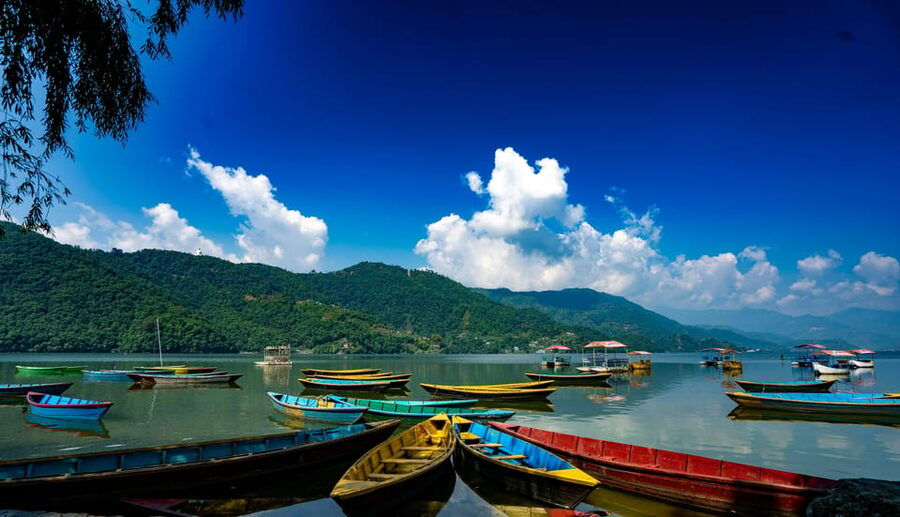
The day ends on Phewa Lake, starting around 5:30 PM. You visit Phewa Lake, attend the Aarati ceremony at the lakeside, and take a boat ride to Tal Barahi Temple in the middle of the lake.
This is the “Pokhara feels like Pokhara” moment for me. Sunrise gives you scale at the top, and Phewa Lake gives you daily life down by the water. The Aarati ceremony adds something special, because it is not a staged performance. It is a Hindu ritual where you can watch devotion in motion.
The boat ride to Tal Barahi Temple is also a classic move. If the water is calm, it feels peaceful. If the wind picks up, you just bundle your jacket, accept it, and enjoy the view anyway.
Then you return to your hotel for drop-off at the end of the evening.
Price and What You Actually Get for $68 Per Person
At $68 per person for an 8 hour private car day, the value comes from one big thing: convenient transport that connects far-flung spots in a single sweep.
You are not paying for a guide who narrates every stop in detail. You are paying for time and logistics, which matters in Pokhara where distances add up. The driver is experienced, and communication from the operator side is a strong point, including WhatsApp contact and day-of check-ins from Arith Shrestha of Holyland Adventure Tours.
That said, one practical expectation shift is important. The experience is often more like a shuttle between landmarks than a guided tour with commentary at every location. If you want deep explanations at each stop, ask ahead of time what the driver can cover, and be ready to use your own curiosity.
Also remember: entry fees are not included and you pay on-site. The cost of admissions can change what feels like a bargain, so bring cash and plan for those added expenses.
Driver Waiting Time, Limited On-Site Narration, and How to Fix It
The private car means the driver waits while you go inside or explore outside. That setup keeps your day moving, but it also means you may not get extra context at each site.
Here is how I would handle it. Ask the operator or driver at the start of the day what each stop’s key facts are, then decide whether you want a quick, practical overview before you step out. If you care about specific details, do not assume you will get them without asking.
Also, if you have a strong priority, such as Mahendra Cave, confirm the plan early. The schedule can be affected by timing, and in at least one case the day did not go exactly as expected. I would treat the itinerary as a great outline and still verify the must-do items on the day.
What to Bring, Wear, and Expect in a Caves and Temples Day
This tour is outdoors-heavy plus cave-heavy. Pack like you are going to walk, stand, and change light conditions.
Bring:
- Comfortable shoes with good grip
- Water
- Comfortable clothes
- Cash for on-site entry fees
- A camera, because sunrise and Phewa Lake give you real photo moments
Wear:
- Layers for early morning at Sarangkot
- Clothing appropriate for religious sites at Bindabasini Temple and cave temples
The tour also has clear rules, like no smoking in the vehicle, and no alcohol or drugs. If you are sensitive to timing, also note the itinerary may adjust based on traffic and your preferences.
Who This Pokhara Day Car Tour Suits Best
This is a great fit if you want a fast, efficient sampler of Pokhara’s top sights without dealing with multiple taxis or complicated routing. It is also a strong option if you are traveling as a private group and want a driver you can coordinate with directly.
It may not be a fit if you have:
- Back problems or mobility impairments
- Claustrophobia or respiratory issues (caves)
- High blood pressure or heart problems
- Recent surgeries
- Motion sickness
- Visual impairment needs that require extra support
- A weight above 220 lbs (100 kg)
- Wheelchair use
If you match the “can handle caves and uneven ground” profile, you’ll likely enjoy the day. If not, consider a more relaxed lakeside and viewpoint plan that avoids cave interiors.
Should You Book This Pokhara Day Tour?
Book it if you want a private-car day that hits Sarangkot sunrise, major Pokhara landmarks, and an end at Phewa Lake with Aarati plus a boat ride to Tal Barahi Temple. At $68 per person, it is solid value for the amount of driving and the number of iconic stops packed into 8 hours.
Skip or choose another style of tour if you want detailed on-site guiding at every stop, or if caves and enclosed spaces are a concern for you. Also, if you have one must-do cave, confirm it early so you do not end the day wishing one item had stayed on the list.
Everything Bookable Around Pokhara


The Rest of Our Pokhara Write Ups
Pokhara, Lakeside and Above
Everything else we have reviewed around Pokhara
- Pokhara: Cable Car Tour – Bird Eye View of Mountain & Lake
★ 4.4 · 3 reviews - Jomsom Muktinath Tour by 4WD SUV 2 Days
★ 5.0 · 3 reviews - Ghorepani Poonhill Private Trek – 2 nights / 3 days
★ 4.5 · 3 reviews - Pokhara: 30-Minute Paragliding Adventure with pick up/drop off
★ 4.5 · 3 reviews - Pokhara: 7-Day Annapurna Base Camp Trek via Ghandruk
★ 4.3 · 3 reviews - Pokhara Group Joining Sarangkot Sunrise Himalayas Tour
★ 5.0 · 3 reviews
Pokhara City Tours & Lakeside Sights worth a second look.
 ★ 4.1Full-Day Sharing Bus Tour on 7 Iconic DestinationFrom $12179 reviews
 ★ 4.8Full-Day Private Tour on 7 Iconic DestinationFrom $53108 reviews
 ★ 5.0The Best of Pokhara: Full-Day Private Tour with Sarangkot SunriseFrom $6866 reviews
 ★ 5.0Guided Tour to explore the entire Pokhara CityFrom $7051 reviews
 ★ 4.1City Sightseeing Group Bus TourFrom $837 reviews
 ★ 4.5Private Half Day Tour Highlights of Pokhara by CarFrom $8036 reviews
 ★ 5.0Pokhara Valley Mountain Bike Adventure Private TourFrom $18530 reviews
 ★ 5.0Half-Day Private Pokhara TourFrom $6727 reviews
Lists this tour sits in