
REVIEW · POKHARA CITY TOURS & LAKESIDE SIGHTS
Pokhara Sightseeing By Bus: Day Trip
A Pokhara day trip that costs less. This shared bus route is packed with standout viewpoints and religious sites, plus big-name natural sights like Devi Falls and the Seti Gorge.
I like that it is straightforward and wallet-friendly, with hotel pickup from Lakeside and a full day of stops (so you are not paying for one-off taxis all day). I also like the mix of Pokhara Valley highlights, from temple views to caves, so the day feels like more than just one photo stop. One thing to keep in mind: this is a sharing bus style tour, so interpretation can be minimal, and you may rely on a local assistant or your own questions rather than a detailed English commentary at every location.
In This Review
- Key things to know before you go
- The value of a Pokhara Valley sightseeing bus day
- Your 9:40 AM start from Lakeside
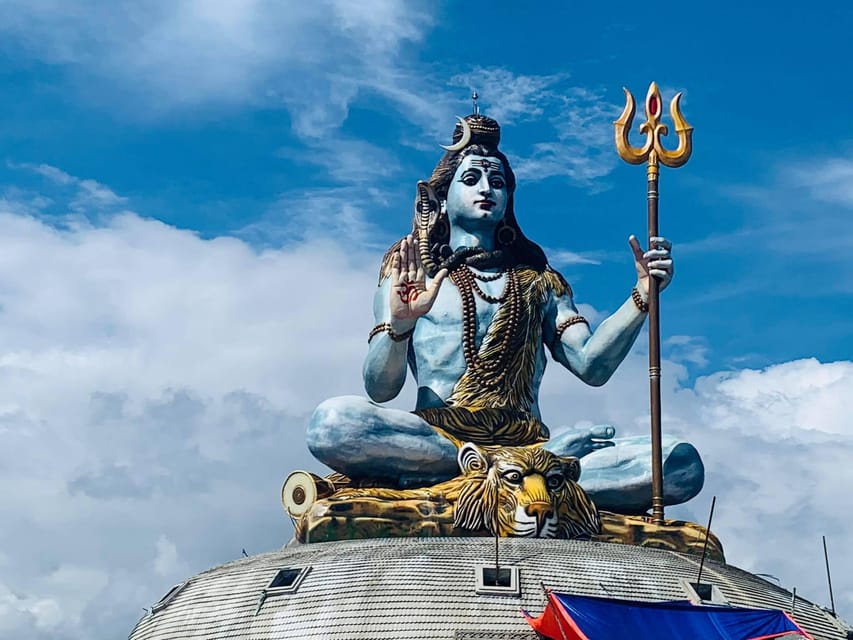
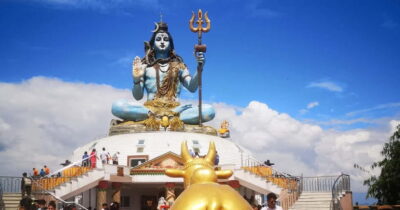
- Pumdikot Mahadev View Point: where the day’s first views usually land
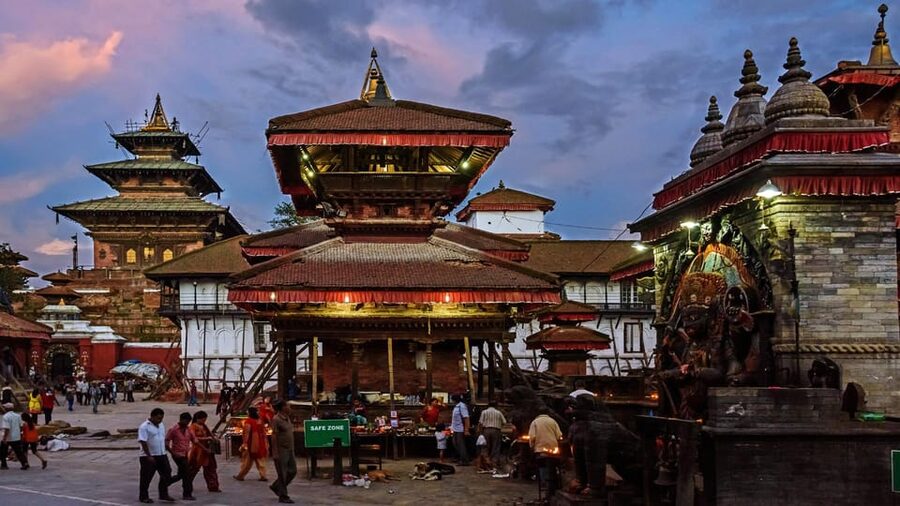
- Bindyabashini Temple: a quick cultural stop that changes the feel
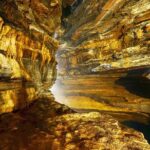
- Mahendra Cave: cool, dark, and worth your attention
- Seti River Gorge: the dramatic water and rock story
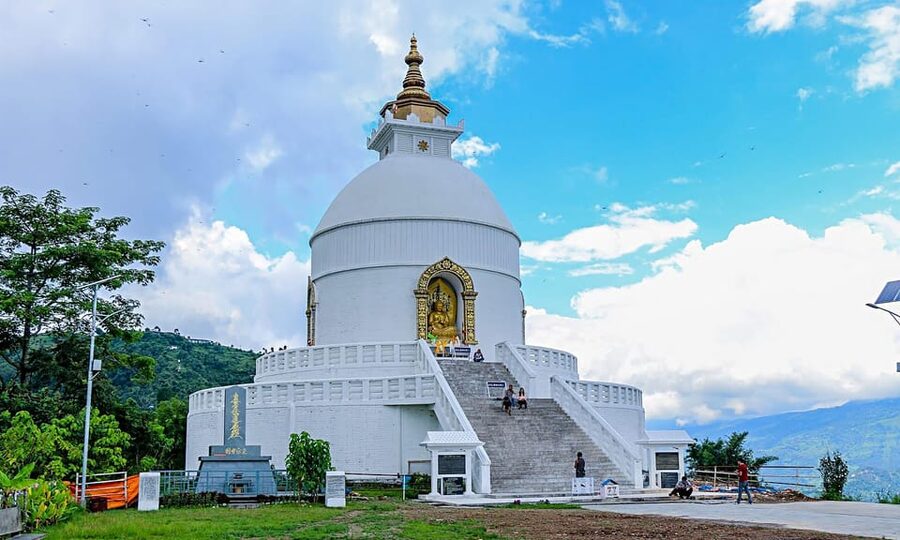
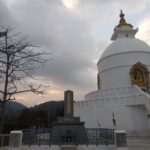
- Peace Stupa: calm views, spiritual energy, and a good pause
- Devi Falls: a famous natural feature that pulls you in
- Gupteshwor Mahadev Cave: where the religious and the natural meet
- Fewa Lake time: why the day ends with the lake feel
- Price and what you should budget beyond the $19
- What the shared bus style means for you
- Getting the most out of caves and viewpoints
- What to bring and what to leave at home
- Who should book this Pokhara bus day trip
- Should you book it?
- FAQ
- What time do we meet for the Pokhara sightseeing bus day trip?
- Where is the pickup location?
- How long is the tour?
- Is this a group tour or private tour?
- Are meals included?
- Are entrance fees included?
- Is there a guide on the tour?
- What language is available?
- What should I bring?
- Is the tour suitable for wheelchair users?
Key things to know before you go
- Lakeside pickup puts you close to where most people stay in Pokhara
- 7-hour shared bus day means see more, move quicker, and plan for a long sit
- Peace Stupa, Devi Falls, and Seti Gorge are the big natural and spiritual anchor stops
- Some stops may feel more self-guided than lecture-style, so come curious
- Entrance fees and monuments are extra, plan roughly $10 USD per person
- No drones, no alcohol or drugs, plus it is not suitable for wheelchair users
Other slow days along the Phewa shore
The value of a Pokhara Valley sightseeing bus day
Pokhara is gorgeous, but getting around can quietly get expensive. This bus-based full-day route is built for people who want momentum without spending a fortune. For about $19 per person, you are buying convenience: transportation between several famous sights, plus organization that keeps you from cobbling together multiple rides.
And the best part is that the day is not only about views. It also includes caves and temples, which means you get variety in what you are actually doing: walking around viewpoint areas, stepping into cave spaces, and standing at famous water features. If you like travel days that feel active but not exhausting, this pacing works well.
Your 9:40 AM start from Lakeside
You meet at 9:40 AM with the tour guide at your hotel, and the day starts early from Lakeside. That matters more than you might think. Morning in Pokhara typically gives you better light for photos and a calmer start before crowds build at the most popular stops.
This is scheduled for about 7 hours, so treat it like a real day out, not a quick tour. You will be seated most of the time, then you will have short windows to look, photograph, and move on. If you get frustrated by bus timing in other cities, prepare yourself for that rhythm here.
Tip: wear shoes you can walk in comfortably. Even when a stop sounds quick, you want good footing for temple areas and uneven paths that are common around caves and viewpoints.
Pumdikot Mahadev View Point: where the day’s first views usually land
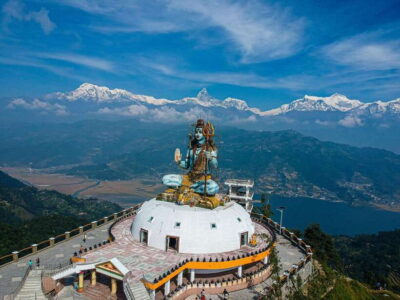
The route kicks off with Pumdikot Mahadev View Point. Viewpoints in Pokhara are not just for postcard shots. They are also for context. When you see the valley from above early in the day, the rest of your sightseeing makes more sense. You can start mentally mapping where the lake, caves, and gorge features might be in relation to each other.
This stop also sets the tone: a Hindu site tied to a viewpoint, so you get a blend of scenery and spirituality. If you are respectful in how you dress and move, it is usually an easy stop to enjoy without feeling rushed.
What to watch for: the time you spend here can feel short, because the bus has more ground to cover. I recommend you get your main photo right away, then take a second moment to look around before the group starts moving.
Bindyabashini Temple: a quick cultural stop that changes the feel
Next comes Bindyabashini Temple. Temples on a sightseeing day do more than add variety. They shift the atmosphere from sightseeing-only to local life. You are seeing the place the valley communities use for worship, not just a curated attraction.
Practical advice: treat this like a respectful visit. Comfortable but modest clothing helps, especially since temple areas often have rules about how people should behave and where they should walk.
This stop can be a good reset point in the schedule. If the bus ride has you feeling a bit stuck, stepping into a temple environment gives your brain something different to focus on.
Other Pokhara trips done inside a day
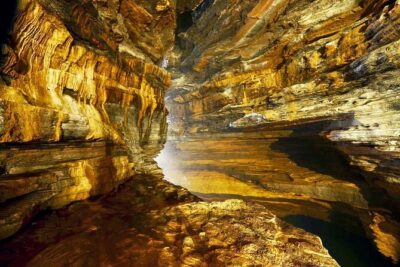
Mahendra Cave: cool, dark, and worth your attention
Mahendra Cave is on the route, which gives you a break from outdoor viewpoints. Caves can be surprisingly memorable because they are one of the few places where the temperature and lighting change quickly.
What you should expect, practically: more enclosed spaces and potentially uneven ground. Bring your camera, but also save some time to simply experience the cave rather than photographing everything. The best memories are often the ones you do not try to capture perfectly.
If you do not like enclosed spaces, this might be the toughest stop on the day. It is still typically manageable, but it is the only part of the itinerary that clearly pushes you indoors.
Seti River Gorge: the dramatic water and rock story
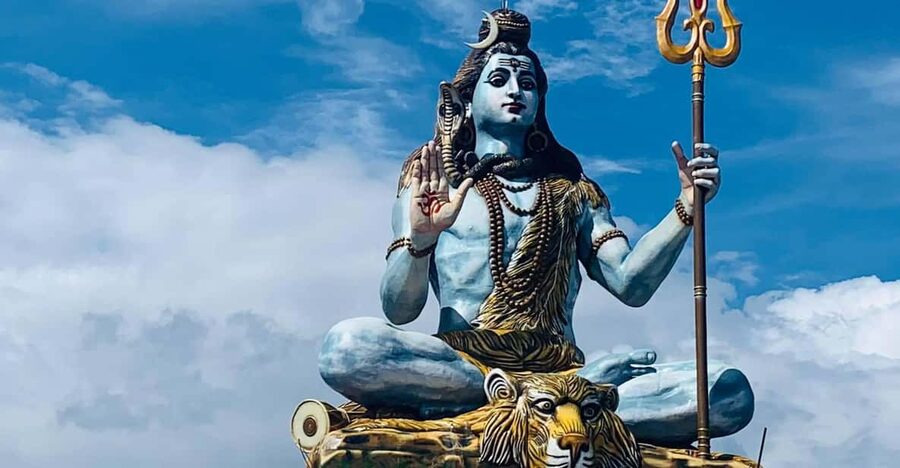
One of the standout natural stops is Seti River Gorge. The Seti area is known for dramatic river action cut into the terrain, and that kind of geography makes Pokhara feel more than just lakes and hills.
This stop is usually a highlight because it is visually strong. You do not need a long lecture to understand why it attracts people: you stand there and the place does the talking.
Consideration: gorge viewpoints can be photo-friendly but also a little tricky underfoot, depending on what access points are open at the time you visit. Keep your footing careful and do not rush if the group is moving quickly.
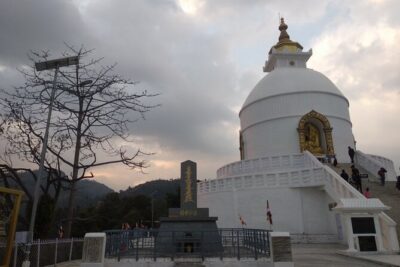
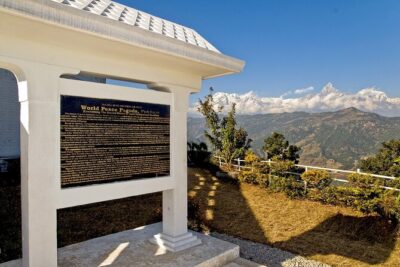
Peace Stupa: calm views, spiritual energy, and a good pause
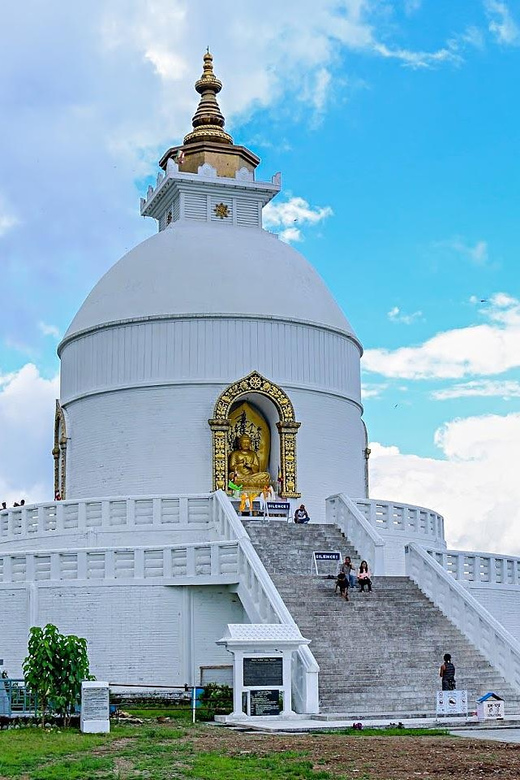
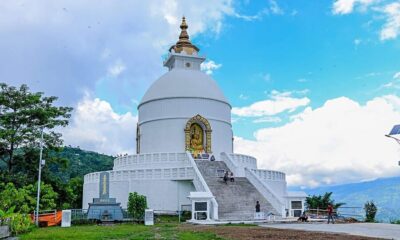
The tour includes Peace Stupa. In a day that is mostly transport and quick stops, Peace Stupa is a valuable anchor because it feels slower. Even if you only spend a limited time there, it gives you a calmer moment to take in the valley and reset.
This is also a great stop for people who want a spiritual sight without turning the day into a museum crawl. The location and purpose help, and it tends to leave you feeling like you saw something meaningful, not only famous.
Practical tip: if you are sensitive to sun or wind, plan for it. Viewpoints can feel exposed, especially if clouds clear.
Devi Falls: a famous natural feature that pulls you in
Devi Falls is one of Pokhara’s big draws, and it is included for a reason. Natural sights like this are the kind of stops that make a budget tour feel worth it, because it is not just getting from A to B. It is experiencing a centerpiece attraction.
You will likely take photos, but I suggest you also watch the area carefully for how the water behaves across the feature. Natural water has a rhythm, and you can often see something new even in a short visit.
Consideration: it is a popular stop, so expect the group to keep moving. If you want time for photos without stress, position yourself early, take a few angles, then linger as long as your group schedule allows.
Gupteshwor Mahadev Cave: where the religious and the natural meet
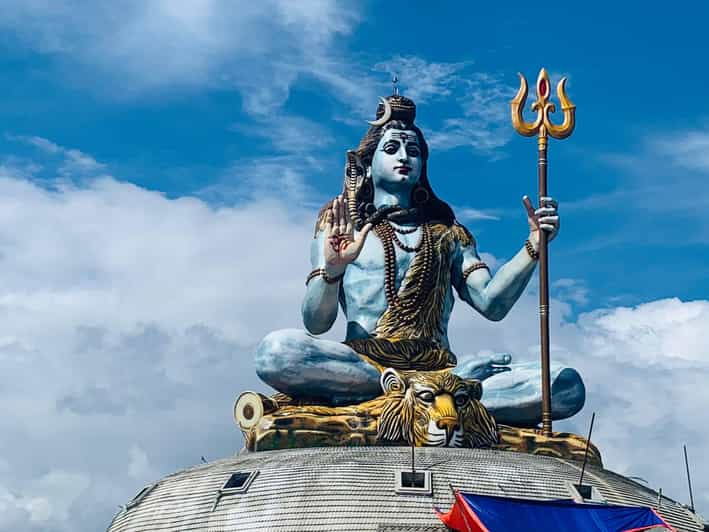
The itinerary includes Gupteshwor Mahadev Cave, another cave stop tied to the Mahadev tradition. This is where Pokhara’s sightseeing mix becomes more than variety. You get a blend of cave space plus religious meaning, which creates a different atmosphere than a purely natural cave visit.
What I like about stops like this is that you are not just looking at geology. You are seeing a living place, used by locals and visitors with different intentions.
Be ready for the cave environment. If you are planning lots of photos, remember that lighting inside caves can be challenging. Sometimes the best photos come from stepping back and using natural light when it is available, rather than trying to force the camera in dark corners.
Fewa Lake time: why the day ends with the lake feel
The route wraps up with Fewa Lake. Ending near the lake is a smart move, because it gives you an easy transition back into the pace of Pokhara life. Lakeside is where many people want to be for dinner plans, evening walks, and boat options.
Even if your time on the lake is not long, it helps you close the day with something iconic and relaxing. After a day of moving from cave to gorge to temple, a calm, scenic finish does wonders.
Tip: if you still want a little extra time outside your tour, plan for a meal nearby right after you get back from the last sightseeing stop. That way you do not lose energy trying to find transport.
Price and what you should budget beyond the $19
At $19 per person, this is one of the more budget-friendly ways to do a Pokhara Valley day. But you should budget for the extras that almost always appear on a day like this.
From the tour info, monument and entrance fees are not included, and they are approximately $10 USD per person. Meals are also not included, so you will buy food during the day. That means your real all-in cost will be closer to roughly the bus price plus about $10 for site fees, then whatever you spend on lunch and snacks.
Is it still good value? Yes, if you would otherwise be paying for multiple separate rides or hiring a private guide plus transport. This tour bundles the logistics for you, and in a region with lots of stops, that kind of bundling is what saves money.
What the shared bus style means for you
This is a sharing reserve bus tour. Translation: you are in a group, you are on local transport rhythms, and you are not getting a private guide for every minute.
The tour includes a guide, and a local assistant accompanies you on the bus, so you can ask questions. Still, based on common real-world experiences with shared bus sightseeing in Pokhara, do not count on a continuous stop-by-stop English briefing.
How to make it work:
- Come with a few specific questions you can ask at the bus or meeting point
- Use your phone to look up each place quickly while you are on the move
- Be okay with learning by doing, not by narration
The upside of this style is social. You get a bus ride that mixes people from different places, and that can make a long day feel shorter.
Getting the most out of caves and viewpoints
A bus tour like this is about efficiency, but you can still have a satisfying experience. Here is how I’d handle the more physical stops.
For caves (Mahendra Cave and Gupteshwor Mahadev Cave), you want:
- comfy shoes you can trust on uneven surfaces
- patience for slower movement inside
- your camera ready, but not your whole plan
For viewpoints (like Pumdikot Mahadev View Point) you want:
- a quick photo plan first, then slow looking
- sun protection and water if you run hot
- respect for temple areas, especially in how you dress and where you stand
For Seti River Gorge and Devi Falls, you want:
- careful footing
- a few angles for photos
- time to watch the water behavior rather than rushing to the next stop
What to bring and what to leave at home
For what you bring, the tour lists a camera and comfortable clothes. I also strongly suggest comfortable shoes, even if it is not explicitly listed, because caves and temple areas often require some walking on uneven ground.
Do not bring drones. Alcohol and drugs are also not allowed. The tour is not suitable for wheelchair users, so if you need mobility access, you will want a different style of tour.
If you are traveling with valuables, keep them secure. A shared group means more hands around bags and more movement during transfers.
Who should book this Pokhara bus day trip
This is a strong fit if you:
- want a budget-friendly full day with multiple Pokhara Valley highlights
- like mixing natural sights and spiritual stops
- are comfortable with a group schedule and bus timing
- enjoy learning on the spot, using your guide and asking questions when you can
It might be less ideal if you:
- need lots of detailed commentary at every single stop
- hate long seated rides
- need wheelchair-friendly access
Should you book it?
I think you should book this Pokhara sightseeing bus day trip if your priority is value and you want to hit a lot of major Pokhara Valley sites in one shot. The combination of viewpoints, temples, caves, and signature water features makes it more interesting than a “just drive around” day.
Skip it, or consider another option, if you want a deeply narrated, expert-led experience at every location. This tour is practical and budget-focused, so the best results come when you bring curiosity and a flexible attitude about how much explanation you will get on the go.
FAQ
What time do we meet for the Pokhara sightseeing bus day trip?
You meet at 9:40 AM at your hotel to start the tour.
Where is the pickup location?
Pick up is from Lakeside.
How long is the tour?
The duration is 7 hours.
Is this a group tour or private tour?
It is a group tour on a bus.
Are meals included?
No, all meals are not included and you can buy food during the day.
Are entrance fees included?
No. Monument fees and entrance fees are not included, and they are approximately $10 USD per person.
Is there a guide on the tour?
Yes. A normal guide is listed as included. A local assistant also accompanies you on the bus for questions.
What language is available?
The host or greeter is English.
What should I bring?
Bring a camera and comfortable clothes.
Is the tour suitable for wheelchair users?
No, it is not suitable for wheelchair users.
One Day in Pokhara
The Rest of Our Pokhara Write Ups

Pokhara, Lakeside and Above
Everything else we have reviewed around Pokhara
- Pokhara: Cable Car Tour – Bird Eye View of Mountain & Lake
★ 4.4 · 3 reviews - Jomsom Muktinath Tour by 4WD SUV 2 Days
★ 5.0 · 3 reviews - Ghorepani Poonhill Private Trek – 2 nights / 3 days
★ 4.5 · 3 reviews - Pokhara: 30-Minute Paragliding Adventure with pick up/drop off
★ 4.5 · 3 reviews - Pokhara: 7-Day Annapurna Base Camp Trek via Ghandruk
★ 4.3 · 3 reviews - Pokhara Group Joining Sarangkot Sunrise Himalayas Tour
★ 5.0 · 3 reviews
Pokhara City Tours & Lakeside Sights worth a second look.
 ★ 4.1Full-Day Sharing Bus Tour on 7 Iconic DestinationFrom $12179 reviews
 ★ 4.8Full-Day Private Tour on 7 Iconic DestinationFrom $53108 reviews
 ★ 5.0The Best of Pokhara: Full-Day Private Tour with Sarangkot SunriseFrom $6866 reviews
 ★ 5.0Guided Tour to explore the entire Pokhara CityFrom $7051 reviews
 ★ 4.1City Sightseeing Group Bus TourFrom $837 reviews
 ★ 4.5Private Half Day Tour Highlights of Pokhara by CarFrom $8036 reviews
 ★ 5.0Pokhara Valley Mountain Bike Adventure Private TourFrom $18530 reviews
 ★ 5.0Half-Day Private Pokhara TourFrom $6727 reviews
Lists this tour sits in