
REVIEW · ANNAPURNA FOOTHILLS HIKES & SHORT TREKS
From Pokhara: Australian Camp & Dhampus 1, or 2-Day Trek
This short Annapurna escape gives you big views fast, trading Pokhara’s pace for quiet Gurung villages. You can choose a 1-day express climb or a 2-day overnight, and the payoff is the Australian Camp viewpoint at 2,060 m with wide Himalayan panoramas. The main thing to consider is weather, because sunrise and sunset depend on clear skies.
What I like most is the effort-to-view balance: a moderate climb gets you onto a grassy viewpoint with a sweep of peaks. I also like the village walking, where you pass terraced fields and slate-roofed homes in Dhampus and Pothana, not just viewpoints.
The one drawback to plan for is comfort and altitude style. The trekking is short, but it is still real hillside walking, and overnight stays are basic by mountain standards, with limited extras.
In This Review
- Key highlights worth planning around
- From Pokhara to Kande: the easy start that sets the pace
- Australian Camp at 2,060 m: those 180-degree Annapurna views
- Dhampus Village and Pothana: Gurung life between the peaks
- 1-day express vs 2-day overnight: choose your mountain rhythm
- Option A, the 1-day express (about 7 hours)
- Option B, the 2-day overnight with Australian Camp sleeping
- Sunrise, sunset, and the reality of morning skies
- Lodges, food, and what basic mountain comfort really means
- Your guide can make or break a short trek
- Effort to view: why this is a strong beginner trek
- What’s included, and why it lowers stress
- Packing list that stays realistic
- Price and logistics: where the value really lives
- Should you book this Australian Camp and Dhampus trek?
- FAQ
- How long is the trek, 1-day or 2-day?
- What altitude is Australian Camp?
- Are meals included?
- What accommodation is included for the 2-day option?
- What equipment is provided or borrowed?
- Do I need a porter?
Key highlights worth planning around
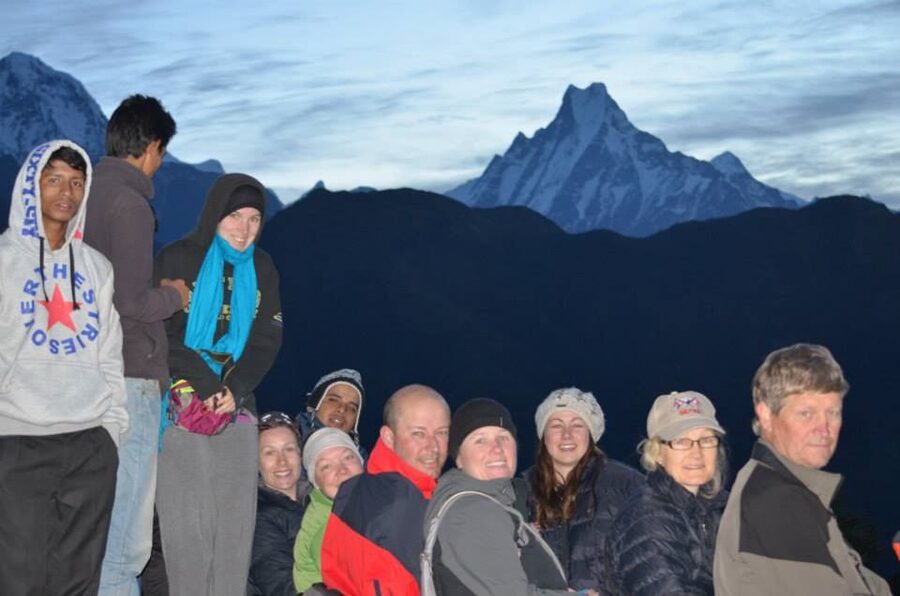
- 180-degree views from Australian Camp (2,060 m), aimed at Annapurna South, Hiunchuli, and Machhapuchhre
- Gurung village route through Dhampus and Pothana, where farming and daily life shape the walk
- Two schedule options: a 1-day express with a quick return, or a 2-day overnight for sunrise and sunset
- Guide support that matters, with guides like Mr Raju, Prakash, and Pratip praised for care, pacing, and answers
- Borrowed cold-weather gear for the trek, including a down jacket, trekking poles, and a sleeping bag
- Full board meals included, plus hotel pickup and drop-off from Pokhara for a low-stress start
Gentler foothill days below the Annapurnas


From Pokhara to Kande: the easy start that sets the pace
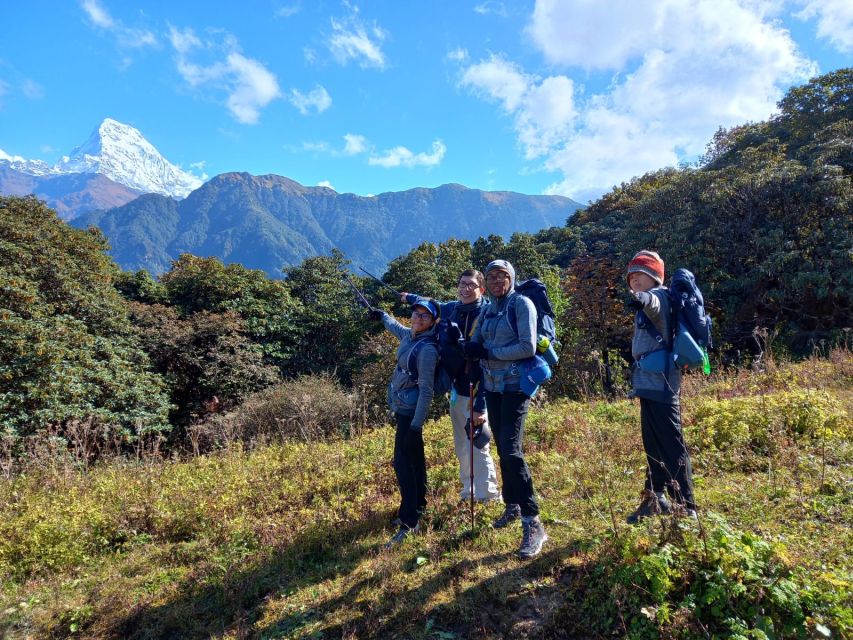
Your day begins in Pokhara, then turns rural quickly. The route starts with a scenic drive to Kande or Phedi, which matters because it keeps your actual hiking time focused and not wasted on long transfers.
From there, you walk uphill through forested trails. The terrain is described as a moderate climb, and that is the sweet spot for this trek: enough effort to feel like you earned the views, not so much that you need a week off work.
If you go with the 1-day express, the schedule is built for a quick start and a return to Phedi later the same day. If you go the 2-day overnight, the extra night is what buys you the best chance to catch the full mountain mood, including sunset and a sunrise wake-up.
Australian Camp at 2,060 m: those 180-degree Annapurna views
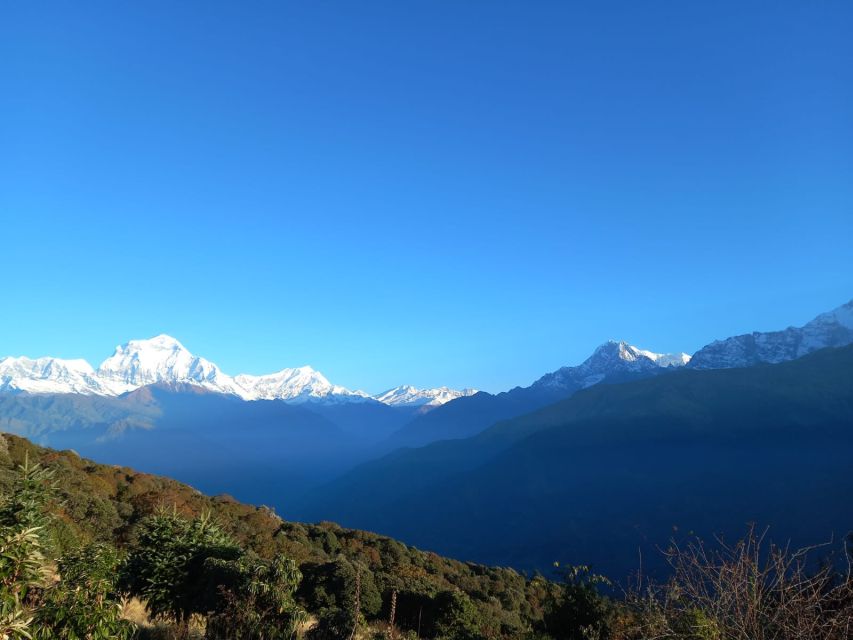
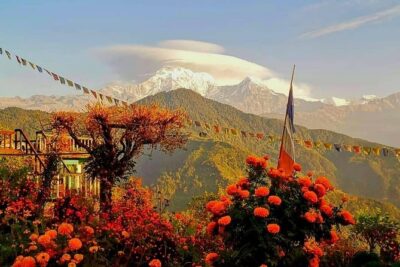
Australian Camp is the star because it is high enough for sky-and-mountain drama, yet close enough for a short hike. At 2,060 m, you get wide open sightlines, the kind that make you stop taking photos and just stand there.
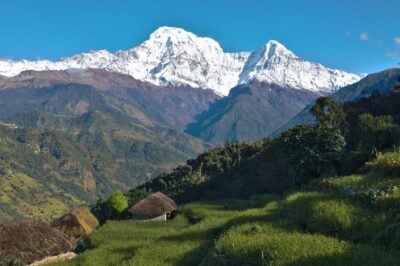
The views are specifically described as sweeping toward Annapurna South, Hiunchuli, and Machhapuchhre, also known as Fishtail. That combination is why this viewpoint is so popular: it is not just one peak, it is a whole wall of mountain geometry laid out in front of you.
The trek ends at a grassy plateau, which is helpful for planning. Grassland viewpoints mean you can usually sit or stand comfortably and adjust for wind, and it is easier to enjoy the panorama without constantly shifting your footing like on rockier platforms.
The only caution is time and weather. Clouds can roll in, and some people do miss sunrise. If clear skies are a big deal for you, pick the 2-day overnight so you are not relying on only one early morning.
Dhampus Village and Pothana: Gurung life between the peaks
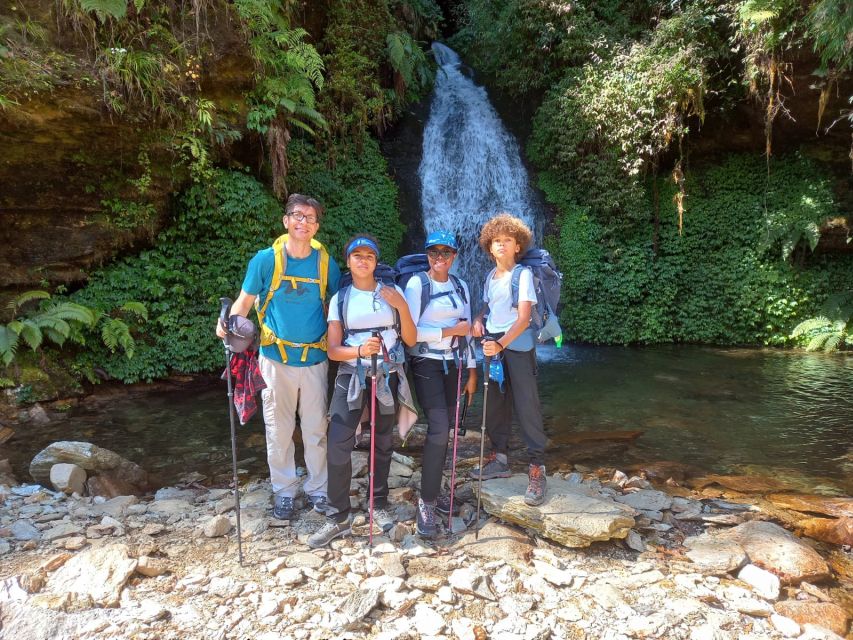
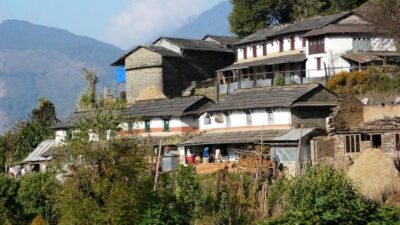
The best part of this trek is not only what you look at, it is what you walk through. The route includes Dhampus Village, described as a traditional Gurung settlement with terraced fields and slate-roofed houses.
That matters because the walk feels human-scale. You are moving through an area where people farm, live, and survive the seasonal rhythms, and it shows in the path and the small roadside moments.
On the way, you also have a stop in Pothana Village for warm Himalayan tea. This is a simple break, but it helps reset you for the final downhill, and it is also a chance to slow down when the views are still pulling your attention in every direction.
For culture and photos, keep your expectations realistic. You are not doing a city museum circuit. You are meeting a living neighborhood while you hike past, so your best results come from respectful pacing and asking your guide what to watch for.
1-day express vs 2-day overnight: choose your mountain rhythm
This is a rare short itinerary where both options make sense, because they each trade something different.
Other lodge to lodge routes near Pokhara
Option A, the 1-day express (about 7 hours)
You start with a pickup in Pokhara around 8:00 AM, then drive to Kande. By about 9:00 AM, you begin a moderate 2-hour climb up to Australian Camp at 2,060 m.
Lunch is timed for the views, so you are not just hiking up and rushing back down. After lunch, you descend to Dhampus Village for a slower look at village life, then continue down toward Phedi for the drive back to Pokhara.
This option is a great fit if you want a mountain morning, a meaningful viewpoint, and you still need your evening back in town. The downside is that your schedule is tighter, so sunrise is not part of the plan.
Option B, the 2-day overnight with Australian Camp sleeping
The 2-day version begins with a pickup around 8:00 AM from Pokhara and a drive to Phedi. Then you hike up through Dhampus Village, taking your time on the way, before reaching Australian Camp at 2,060 m.
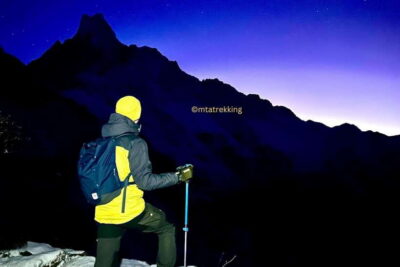
The evening focus shifts to the sky. You have time for sunset over the Annapurna range and then you sleep at a mountain lodge under the stars.
Day 2 starts early for sunrise. You descend toward Kande and then drive back to Pokhara for a mid-day drop-off. This is the better choice if photos and mountain light matter to you, or if you like waking up with purpose instead of rushing.
Sunrise, sunset, and the reality of morning skies
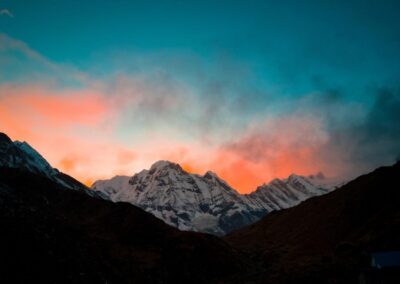
The itinerary builds two moments: sunset on Day 1 for the overnight option, and sunrise on Day 2. Both are powerful because the light changes how peaks look, especially around Annapurna South and Hiunchuli.
Still, plan for the real-world variable: visibility. In at least one case, sunrise was not visible, and that is usually a weather and cloud cover issue rather than a problem with the trek.
My practical advice is to treat the sunrise and sunset as a bonus, not a guarantee. If you go on a cloudy day, you can still enjoy the viewpoint because the camp is not only about one magic minute. You are hiking for a full set of mountain moments: the climb, the plateau, and the village descent.
Also, take your guide’s timing seriously. Early starts are not optional on this kind of route if you want the best chance of clear light.
Lodges, food, and what basic mountain comfort really means
Meals are included as full board on the 2-day option: breakfast, lunch, dinner across the overnight, plus lunch for the 1-day option. This is a value point because it removes one of the biggest decision hassles on short treks, what to eat and where.
The mountain food described as above expectations for a basic area. That does not mean you should expect fine dining, but it does mean the standard is meant to be reliable and satisfying for trekkers.
For overnight comfort, the 2-day option includes 1-night accommodation in a guest house with a private bathroom. That is a big deal on short treks, because it lets you pack less and recover better after a hillside day.
One more practical note from experiences on similar short treks: you may find rooms that are simple. Bring patience and focus on the view and the walking, not on finding luxury in the lodge.
Your guide can make or break a short trek
On a trek this short, the guide’s role gets amplified. You are not out for a week where everyone adjusts automatically. Your pace, comfort, and confidence depend on how your guide handles the route and the little questions.
The guides named in experience feedback include Mr Raju, Prakash, and Pratip. Their strengths show up in how they kept beginners motivated, answered questions, and even helped with photo moments along the way.
If you are new to trekking or you do not love climbing, this matters. A good guide helps you make the climb feel manageable, often by setting a steady pace and checking in so you do not burn energy too early.
I also like that the trek includes a live English guide and trekking guide support, because it helps you understand what you are looking at when the mountains finally open up. The route includes multiple viewpoint and village moments, and having context makes those moments stick.
Effort to view: why this is a strong beginner trek
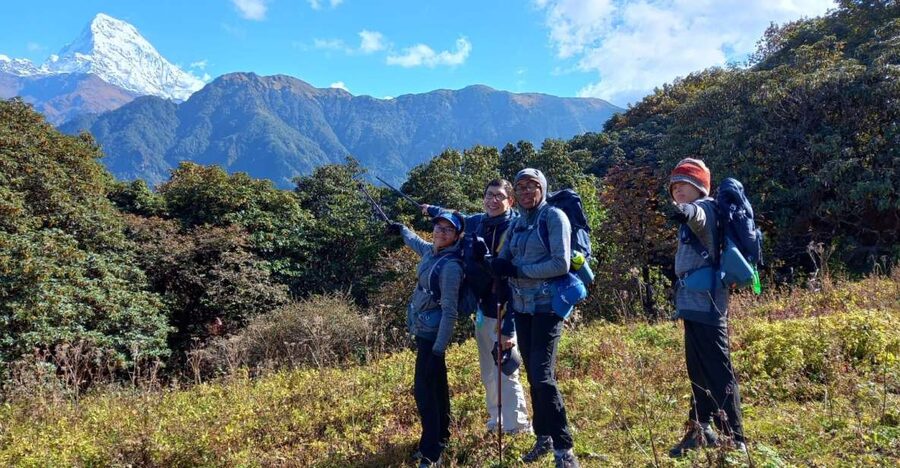
The climb is described as moderate, with the 1-day option featuring a 2-hour ascent to Australian Camp. The downhill is also a real walking segment, and it can take a couple of hours depending on how quickly you move and how often you stop for photos.
That said, the trek is a concentrated dose. You get the Annapurna panorama without committing to a weeks-long route, so it is a smart choice if you want a mountain experience without a full vacation from your life.
What to be realistic about: stairs and uneven paths. Even when the distance is short, the surface can still be demanding. If you want this to feel easy, go slow on the uphill and do not try to set a personal record.
For fitness goals, think of this as a confidence builder. You walk through real villages, you reach a high viewpoint, and you return the same or next day. That is a powerful loop if you want to try trekking without a huge logistics burden.
What’s included, and why it lowers stress
This trek is designed to be simple to execute. You get hotel pickup and drop-off in Pokhara, private vehicle transfers, and all necessary paperwork and travel permits handled for you. That matters because permits and route logistics can turn a short trip into a headache if you do it alone.
You also get water purification tablets as required. This is a practical inclusion since hydration is not optional when you are climbing and then descending, and clean water planning helps you move comfortably.
They also borrow necessary equipment for the trek. That includes a down jacket, trekking poles, and a sleeping bag. This is a value win if you do not own cold-weather gear and you want to travel lighter.
One more point: the group type is private. Private transport and a private group usually means fewer timing surprises. It can also make the pace more personal, especially if you are traveling as a family or if some people in your group move slower.
Packing list that stays realistic
Bring the basics and skip the overpacking. The required bring list includes a camera, hiking shoes, and your passport. Hiking shoes are the big one here because you are walking both uphill and downhill on paths that can be uneven.
The trek also borrows cold-weather and comfort equipment, which means you might be able to travel with one less suitcase item. Still, you should pack layers for changing mountain temperatures.
Two important no-go items are oversize luggage and alcohol and drugs. That is not just a rule, it is also about keeping the trekking day smooth. Oversize items are harder to manage in vehicles and on narrow paths.
If you are deciding whether to add a porter, know that porter service is available as an add-on option. When porter option is used, a duffel bag is part of that setup.
Price and logistics: where the value really lives
There is no single factor that makes this good value. It is the bundle.
You are getting short trekking time with a high view payoff, plus transport, guide support, permits, meals, and equipment borrowing. Those are exactly the items that usually cost time and planning if you book them separately.
The private vehicle transfers help you avoid long, complicated connections from Pokhara to the trail starting points. For a 1-day express, that efficiency is everything. For a 2-day overnight, it also helps you start on schedule so the sunrise and sunset portions have a fighting chance.
You also skip the line through an express security check. That might sound like a small detail, but on tight schedules, time saved adds up.
If you are traveling as a family, this is also a value play. One set of experiences included children aged 12 and 8 enjoying the walk, and the guide style helped keep kids engaged and educated during the trek.
Should you book this Australian Camp and Dhampus trek?
Book it if you want the Annapurna range without the long trek. This is one of those rare itineraries where you can get a high-altitude viewpoint, village walking, and the possibility of sunrise and sunset all within 1 to 2 days.
You should also book it if you like photography, because Australian Camp is built for wide-angle panoramas and sunset and sunrise light. And you should book it if you are a first-time trekker or a lower-motivation walker, because the guide support is specifically praised for keeping people confident and moving steadily.
Do not book it if you want a fully rugged, multi-day wilderness trek with lots of remote trail exposure. This one is short and structured. The trade is time saved and convenience gained, not total isolation.
If you are the kind of traveler who likes short, meaningful experiences, and you want a good day or two with minimal logistics, this is a strong choice. Choose the 2-day overnight if you care about the full mountain light cycle. Choose the 1-day express if your schedule is tight and you still want the core Australian Camp payoff.
FAQ
How long is the trek, 1-day or 2-day?
You can choose a 1-day express option that takes about 7 hours, or a 2-day overnight trek.
What altitude is Australian Camp?
Australian Camp is at 2,060 m.
Are meals included?
Yes. The 1-day option includes 1 lunch. The 2-day overnight option includes breakfast, 2 lunches, and 1 dinner.
What accommodation is included for the 2-day option?
The 2-day option includes 1-night accommodation in a guest house with a private bathroom.
What equipment is provided or borrowed?
You can borrow a down jacket, trekking poles, and a sleeping bag. Water purification tablets are also provided as required.
Do I need a porter?
A porter is not included by default. Porter service is available as an add-on option, and a duffel bag is included with the porter option. The tour does include a guide for the trek.
Lodge to Lodge Around Pokhara
The Rest of Our Pokhara Write Ups

Foothill Days from Pokhara

Everything else we have reviewed around Pokhara
- Pokhara: Cable Car Tour – Bird Eye View of Mountain & Lake
★ 4.4 · 3 reviews - Jomsom Muktinath Tour by 4WD SUV 2 Days
★ 5.0 · 3 reviews - Ghorepani Poonhill Private Trek – 2 nights / 3 days
★ 4.5 · 3 reviews - Pokhara: 30-Minute Paragliding Adventure with pick up/drop off
★ 4.5 · 3 reviews - Pokhara: 7-Day Annapurna Base Camp Trek via Ghandruk
★ 4.3 · 3 reviews - Pokhara Group Joining Sarangkot Sunrise Himalayas Tour
★ 5.0 · 3 reviews
Annapurna Foothills Hikes & Short Treks worth a second look.
 ★ 5.0Annapurna Foothills Day Hike with TransfersFrom $42100 reviews
 ★ 5.02-Day Private Trekking Tour to Australian Camp & DhampusFrom $9942 reviews
 ★ 5.01-Day Private Dhampus Trekking TourFrom $6735 reviews
 ★ 4.91-Day Scenic Australian Camp & Dhampus Guided HikeFrom $4324 reviews
 ★ 5.0Easy Day Hike to Australian Camp & Dhampus VillageFrom $5824 reviews
 ★ 4.8Australian Base Camp Day Hike From PokharaFrom $3919 reviews
 ★ 4.7Day Hike at Annapurna FoothillsFrom $9817 reviews
 ★ 5.0Day Hiking Australian Camp & DhampusFrom $6117 reviews
Lists this tour sits in