
REVIEW · YOGA, MEDITATION & AYURVEDA
10 Days Ayurveda & Yoga Retreat in Kathmandu, Nepal
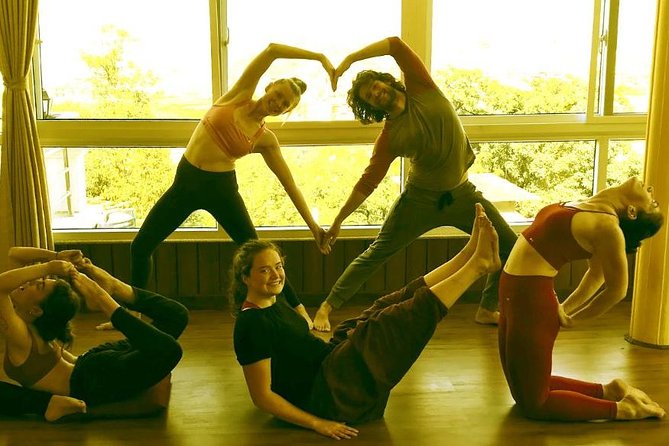
A 10-day reset in Kathmandu feels quietly serious. This retreat focuses on Ayurveda and Yoga together, with all meals and accommodation included, plus daily sessions, meditation, and hands-on therapies. It also has a setting that helps you slow down, and you are not far from major heritage sights around Kathmandu when you want a change of scenery.
What I like most is the dosha-based approach. You get guidance that treats you as an individual, not a cookie-cutter student, including advice for yoga postures and breathing based on whether your body leans Vata, Pitta, or Kapha. I also like the practical inclusion of all meals and lodging, because it removes the constant decision-making that usually drains your energy on a retreat.
One consideration: an Ayurveda detox and related therapies can feel intense. If you want a gentle, purely relaxation-only experience, you may want to ask what your personal detox plan includes before you commit.
In This Review
- Key takeaways
- Entering The Retreat: Where it is, and why the location matters
- The Core Idea: Ayurveda meets Yoga, not just yoga with a label
- Daily Schedule Reality: what you should expect to do each day
- Dosha Coaching: Vata, Pitta, Kapha and the advice you will actually use
- The Therapies Section: massage and Siro-dhara in plain language
- The Detox Plan: what doctor-designed means for your body
- Meals and Accommodation: the underrated part of wellness travel
- Kathmandu Access: staying close to heritage without losing your calm
- Group Size and Solo Travel: who this retreat fits best
- Price and Value: is $1,000 a good deal for ten days?
- Logistics That Matter: timing, weather, and what to pack
- Should You Book Nepal Ayurveda Home’s 10-day Ayurveda and Yoga Retreat?
- FAQ
- What is included in the 10-day Ayurveda and Yoga retreat?
- Where is the meeting point, and where do I end up?
- What time does the retreat start?
- How big is the group?
- Is airfare included?
- Do I get a refund if plans change?
Key takeaways
- Dosha guidance in everyday form: you get food and movement advice tied to your Vata, Pitta, or Kapha nature
- Daily practice rhythm: yoga plus Ayurveda lessons, with meditation, relaxation, and chanting
- Hands-on therapies: therapeutic massage and Siro-dhara (herbal oil or medicine poured on the third-eye area)
- Doctor-designed detox: a doctor creates your detox plan, then therapists follow therapies under that guidance
- Small group feel: max 25 travelers, and it is described as family-run, with Prakash and his team supporting the stay
Rest days: other wellness bookings



Entering The Retreat: Where it is, and why the location matters
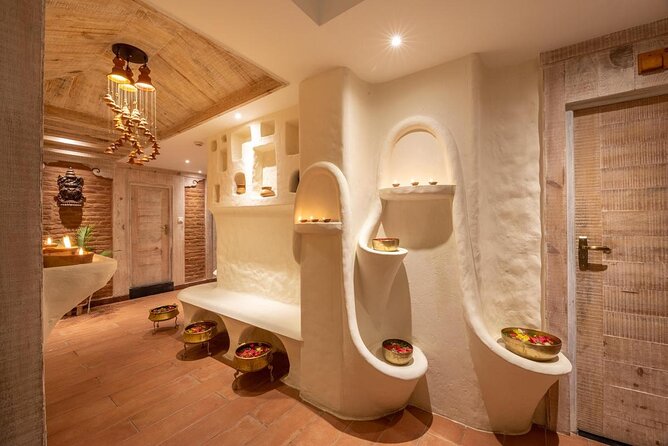
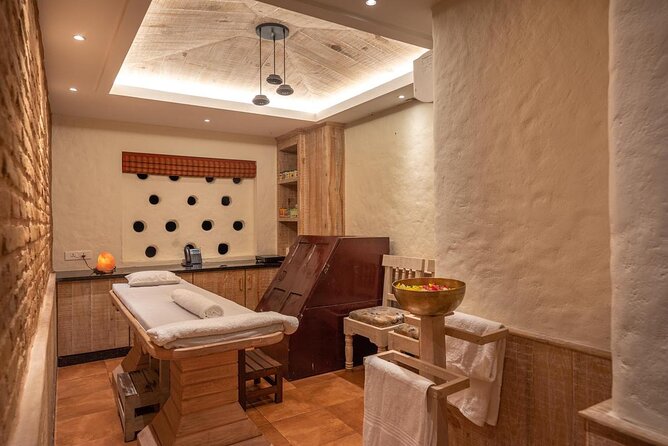
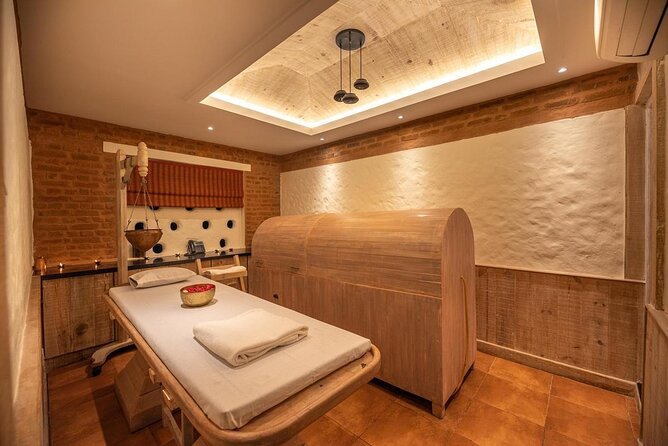
The retreat takes place at Nepal Ayurveda Home in Tarakeshwar, Kathmandu, near public transportation. The start point is the retreat home itself (Road 5, Tarakeshwar 44600), and the retreat ends back there. Start time is listed as 12:15 pm, so plan to arrive around midday and settle in without rushing.
The area matters because it helps you separate your “Kathmandu mode” from your “healing mode.” One review notes the center is on the outskirts, at the foot of the Nagarjun Forest Reserve. Even without an epic view every second, being out of the densest traffic grind helps you keep appointments on your own energy level. You are still in Kathmandu, though, so if you do want a walk or a heritage stop later, you are not trapped in the middle of nowhere.
Also, because the retreat includes accommodation and meals, you can build a consistent routine. Consistency is the secret weapon in wellness travel. It is hard to “detox” if every day becomes a new scramble.
The Core Idea: Ayurveda meets Yoga, not just yoga with a label
This is not presented as a yoga class with a few Ayurveda buzzwords. The structure is Ayurveda plus yoga, built around how your body and mind behave.
You will learn Ayurveda in its true form, including how to identify your dominant dosha: Vata (airy), Pitta (fiery), or Kapha (earthy). Once you can name your nature of body, you can use that to guide food choices and daily habits. The retreat also connects doshas to practice, including advice for yoga postures and breathing based on your dosha.
A key concept is balance across elements. The retreat mentions five elements in the body linked to anger (fire), emotions (water), lethargy (earth), nerves (air), and thoughts (ether). Even if you do not memorize every term, the value is that it gives you a language for what is happening inside you, beyond vague feelings like stressed or tired.
In a practical sense, this approach is useful because you leave with tools you can apply at home. You are not just attending sessions for ten days. You are learning how to interpret your own patterns.
Daily Schedule Reality: what you should expect to do each day
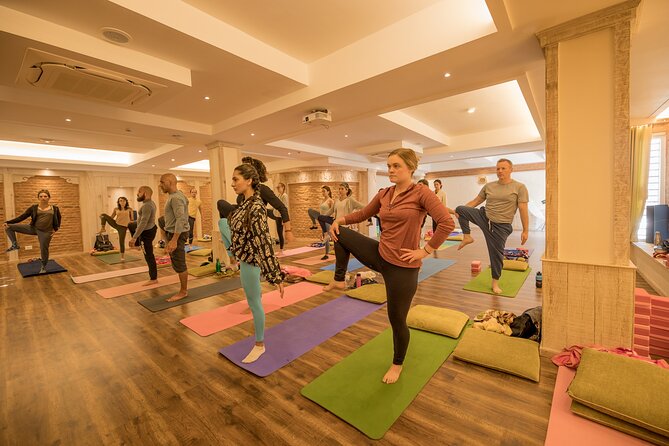
The retreat is organized around daily yoga and Ayurveda sessions, with meditation and relaxation as part of the mental reset. The materials also mention chanting as a stress-reducing practice.
Here is what you can realistically expect in terms of pacing:
- Yoga sessions every day, guided in a way that connects to your dosha
- Ayurveda lesson time focused on diet, lifestyle, and yoga practices that improve health and mindfulness
- Meditation and relaxation practices to reduce stress
- Chanting sessions, used as another route to settle your mind
Because the exact minute-by-minute plan is not provided in the details, do not expect a strict tourist itinerary. Expect something more like a daily wellness workflow. Most retreat success comes from going with the rhythm and not trying to “schedule around” the retreat like it is just another sightseeing day.
One of the most praised parts is that the schedule feels supportive, not random. The vibe described is welcoming and calm, with teachers and therapists guiding you through a steady sequence.
Dosha Coaching: Vata, Pitta, Kapha and the advice you will actually use
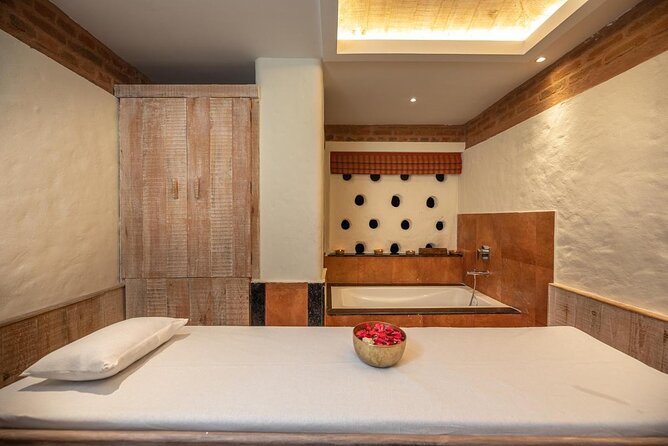
The retreat does more than classify you. It connects dosha to the way you move, breathe, and eat.
You will receive advice to do yoga posture and breathing based on your dosha nature of body. That is big because breath and posture are not just physical. They are how you train your nervous system to respond differently.
The retreat also provides therapeutic massage according to your nature of body and problems. In other words, your body is treated as a system with patterns, not as a set of unrelated complaints.
Why this matters for you: if you have ever tried wellness plans that made you feel worse, the dosha approach can help you understand why. Some people need more grounding and warmth. Others need less intensity. The retreat’s goal is to match your plan to your baseline.
A useful thing to consider before you arrive is that dosha frameworks can feel new. If you are skeptical, you can still benefit from the practical component, like breathing guidance, movement recommendations, and consistent detox support. You do not have to fully buy the philosophy on day one.
The Therapies Section: massage and Siro-dhara in plain language
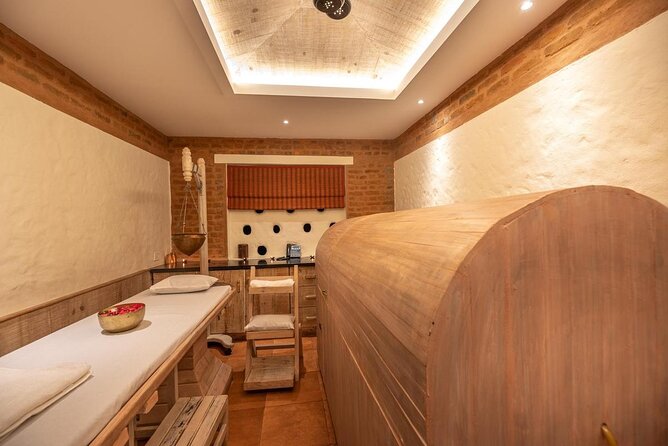
Hands-on treatments are a major part of the experience. The retreat mentions:
- therapeutic massage tailored to your dosha and problems
- Siro-dhara, described as dropping herbal oil and medicine in the third-eye area
Siro-dhara is the kind of therapy that people remember, mostly because it is specific and focused. The sensation is not the point. The aim is calming and balancing through a targeted practice tied to Ayurveda methods.
You should also know that a doctor designs your Ayurveda detox, and then therapists follow different therapies under medical advice. That combination is what makes this feel more structured than a spa vacation. You are not just getting a massage because it feels good. The retreat is trying to connect treatment choices to a detox plan.
One more detail: at least one description includes panchakarma treatments, and names like Rinita appear in that context. That suggests the therapy menu may be deeper than simple relaxation massage, depending on your personal plan.
The Detox Plan: what doctor-designed means for your body
Detox is always a tricky word. It can mean anything from “drink more water” to “significant medical-style purification.” Here, the retreat is explicit that a doctor will design an Ayurveda detox according to your problem, and therapists will follow different therapies under that advice.
So think of this as a medical-style wellness program, even if it is still a retreat setting. You will likely have a structured routine and you may have diet guidance that matches your detox plan.
The retreat also teaches that knowing your individual dosha and the balance of body elements gives essential knowledge for improving life and longevity. You may not feel “longevity” on day three, but you can feel the practical effects of better breathing, better rest, and less mental noise.
If you have medical conditions, are pregnant, or take regular medication, you should treat the detox component as a serious matter and ask direct questions before booking. The materials emphasize doctor involvement, which is reassuring, but you still need to make sure your plan is safe for your situation.
Meals and Accommodation: the underrated part of wellness travel
All meals and accommodation are included. That is not just a convenience. It changes how the retreat works.
When food is handled, you stop bargaining with yourself. You do not have to wonder what to eat during the detox. You also do not spend your energy tracking down the “right” meal while you are already focusing on healing.
This matters even more because the retreat’s Ayurveda model ties diet and lifestyle to dosha and balance. If you are trying to follow those recommendations, it helps when the kitchen is part of the system.
In the center environment, the food is described as tasty, and the overall stay is described as homely and accepting. That aligns with the family-run feel, including Prakash and the people around him supporting the group.
On lodging, the details do not specify room types, but you can expect you will be sleeping on-site for the duration, since accommodation is included. That makes it easier to keep your schedule consistent, and consistent schedules are where retreats tend to deliver.
Kathmandu Access: staying close to heritage without losing your calm
You are in Kathmandu, near several top heritage attractions. That does not mean you will be on a bus all day. Instead, it gives you an option.
If you want to see a heritage site, you can. If you want quiet, you can do that too. This is one of the biggest advantages of a retreat that includes accommodation and meals. You can spend your limited energy where it matters to you.
Also, being near public transportation means you are not completely dependent on someone else for every movement. That gives solo travelers more control. You can go back to your routine when you feel tired, without waiting for an organized sightseeing block.
And because the retreat is on the outskirts near Nagarjun, it gives you a subtle shift of pace. You are not trying to decompress while also dodging Kathmandu’s busiest streets every time you need tea.
Group Size and Solo Travel: who this retreat fits best
This retreat is designed for solo travelers who want to focus on wellbeing. It is also capped at a maximum of 25 travelers, which keeps the learning space from turning into a loud classroom.
Solo travel has a specific challenge: you can feel isolated, even when you are surrounded by people. A retreat like this helps because your days have structure, so you naturally interact with teachers and therapists, and you are doing the same activities together at a predictable time.
The experience also reads as welcoming and family-run. Reviews mention Prakash and his family, and teachers and spa therapists who guide the process. Names such as Rinita appear in relation to panchakarma treatments, which suggests there are skilled practitioners with recurring roles.
So if you are the type who likes a plan, and you want someone to guide you through Ayurveda and yoga without you having to research everything yourself, this makes a lot of sense.
Price and Value: is $1,000 a good deal for ten days?
At $1,000 per person for about 10 days, this sits in the “serious retreat” category, but you should judge value by what is included.
Included:
- breakfast, lunch, dinner
- yoga and Ayurveda lessons
- accommodation
Not included:
- airfare
- day trips
- sightseeing
- laundry
- extra expenses
When food and lodging are included for the full stay, the comparison changes. A lot of wellness travel costs balloon because you pay for meals and rooms yourself on top of the program fee. Here, the daily basics are covered, so your money goes more directly toward instruction and therapies.
Also, the program includes doctor-designed detox planning, therapeutic massage, and a specific treatment like Siro-dhara. That kind of specialized care usually costs extra if you try to book it separately.
Realistically, the biggest variable is how intense your personal detox plan is. If you end up with more comprehensive therapies, the value tends to feel higher. If you end up with a lighter plan, it may feel more like an extended lesson and relaxation schedule.
So treat the price as a package deal for guided wellness, not a low-cost yoga retreat.
Logistics That Matter: timing, weather, and what to pack
Start time is 12:15 pm. That means you will want to plan arrival so you can check in and get oriented without arriving exhausted. The retreat ends back at the meeting point, so you are finishing where you started.
The experience requires good weather. If it is canceled because of poor weather, you will be offered a different date or a full refund. This matters because Ayurveda and yoga retreats often include some outdoor or semi-outdoor movement, and the center is in an area described near a forest reserve.
What to pack is not spelled out in the details, so use common sense:
- comfortable clothing for yoga
- something soft and warm enough for evening cooldowns
- any personal toiletries, since laundry is not included
If you are doing a detox plan, you might also want to plan for a different diet routine and feel-good hydration habits. The center provides meals, but your body may respond differently than usual.
Should You Book Nepal Ayurveda Home’s 10-day Ayurveda and Yoga Retreat?
If you want a retreat that takes Ayurveda seriously, and you want yoga tied to your dosha, I think this is a strong fit. The big wins are the included meals and accommodation, the daily learning and practice, and the structured therapies guided by a doctor’s detox plan.
I would also book if you are traveling solo and you want a calm environment with a small group size, plus real human support from the staff, including people named like Prakash and Rinita in the care network.
Hold off or ask extra questions if you want only gentle relaxation, because the detox and therapies can be more intense than you expect. Also, if you have medical needs or concerns, get clarity on your detox suitability before you arrive.
For most people who want a focused wellbeing reset in Kathmandu, with less decision fatigue and more guided care, this is the kind of trip that can actually change your routine when you go home.
FAQ
What is included in the 10-day Ayurveda and Yoga retreat?
The retreat includes breakfast, lunch, dinner, yoga and Ayurveda lessons, and accommodation.
Where is the meeting point, and where do I end up?
You start at Nepal Ayurveda Home, Road 5, Tarakeshwar 44600, Nepal, and the experience ends back at the same meeting point.
What time does the retreat start?
The start time is 12:15 pm.
How big is the group?
The maximum group size is 25 travelers.
Is airfare included?
No, airfare is not included.
Do I get a refund if plans change?
You can cancel for a full refund if you cancel at least 24 hours in advance. If you cancel less than 24 hours before the experience’s start time, the amount you paid will not be refunded.
The Rest of Our Kathmandu Write Ups

A Slower Day in Nepal
Everything else we have reviewed around Kathmandu
- 12 Days Everest Base Camp Trekking
★ 5.0 · 3 reviews - 1 Night 2 Days Chitwan Jungle Safari Tour from Pokhara or Kathmandu
★ 3.0 · 3 reviews - Thamel Rickshaw tour
★ 4.7 · 3 reviews - Kathmandu: Momo Making Class with a Local Chef
★ 5.0 · 3 reviews - Kathmandu: Full-Day Yoga, Body Massage and Pedicure Package
★ 5.0 · 3 reviews - From Kathmandu / Pokhara / Chitwan: River Rafting – 1 Day
★ 4.6 · 3 reviews
Yoga, Meditation & Ayurveda worth a second look.
 ★ 5.0200 Hours Yoga Teacher Training at Nepal Yoga Home (starts on 1st of everymonth)From $2,000125 reviews
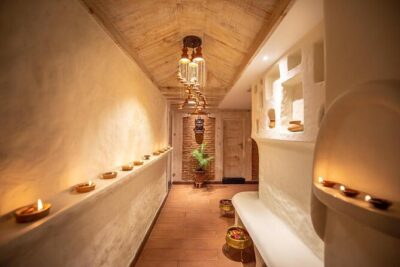 ★ 5.0Whole Day Massage & Spa With LunchFrom $10154 reviews
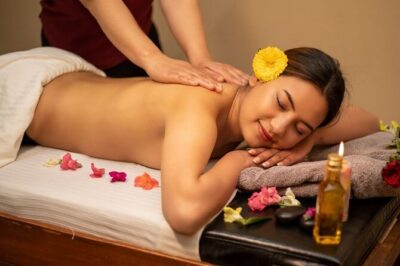 ★ 5.0Shirodhara and Sound Healing Spa Experience in KathmanduFrom $14052 reviews
 ★ 5.06 Hours Spa Package in Kathmandu (Massage, Sauna, Steam, Jacuzzi)From $9543 reviews
 ★ 5.03 night 4 Day Yoga & Ayurveda Retreat to Detox the Body & Mind, NepalFrom $30037 reviews
 ★ 5.021 Day Ayurveda & Yoga Retreat in the Himalayan country, NepalFrom $2,10019 reviews
 ★ 5.014 Day Ayurveda + Yoga Detox Retreat in NepalFrom $1,40018 reviews
 ★ 4.5One to One Shaman consultation in NepalFrom $4016 reviews
Lists this tour sits in