
REVIEW · POON HILL & GHOREPANI TREKS
2 Days Very Short Poon Hill Trek from Pokhara
Two days, one big sunrise. This short trek in Nepal’s Annapurna region is built for people who want high-impact Himalayan views without a long time away. You also get time in Gurung villages and through rhododendron forests, which keeps it from feeling like a single viewpoint day.
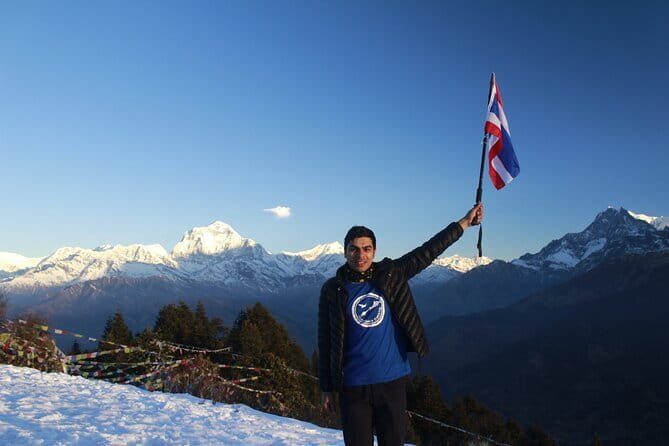
What I like most is the way the day is shaped around the real highlight: Poon Hill sunrise views over the Annapurna range and Dhaulagiri. I also really value the human side, like how guides such as Amrit and Biru are described as supportive, attentive, and even funny, with clear explanations about the mountains and local culture.
One thing to consider: if weather rolls in, sunrise can be hit-or-miss. In rainy season, clouds can block the show, though you may still catch mountain moments between breaks.
In This Review
- Key takeaways
- Why this 2-day Poon Hill trek is such a smart pick from Pokhara
- The Pokhara to Nayapul drive and the push toward Ghorepani
- Ghorepani overnight: where the trail turns into village life
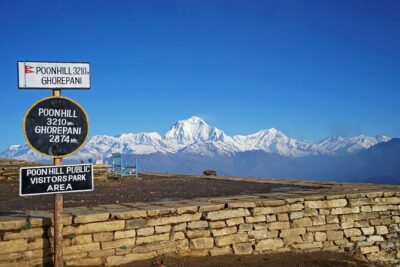
- The Poon Hill morning climb and the Annapurna and Dhaulagiri view
- What’s included (and why it’s worth something on a short trek)
- Day 1 versus Day 2: how the pacing actually feels
- Price and logistics: what your $220 is really buying you
- Weather reality: how rainy season changes the experience
- Who should book this Poon Hill trek, and who should choose something longer
- Should you book this 2-day Poon Hill trek from Pokhara?
- FAQ
- How long is the 2-day Poon Hill trek?
- What is the price per person?
- What does the tour include?
- Are meals included?
- Will I have trekking poles?
- Is the trek guide English speaking?
- Is there free cancellation?
Key takeaways
- Sunrise timing that fits a tight schedule, with a full viewpoint climb on Day 2
- A licensed English-speaking trekking guide, including named guides Amrit and Biru in real trips
- Guesthouse accommodation included for an easy overnight in Ghorepani
- Rhododendron forests and Gurung villages along the route, not just stairs to a view
- Pickup, transfers, and key fees covered, so you can focus on the walk
Shorter Ghorepani options worth weighing
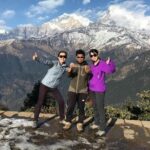
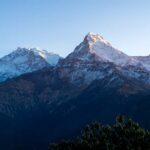
Why this 2-day Poon Hill trek is such a smart pick from Pokhara
Pokhara is your launching pad, and this route is designed to keep the trek short while still delivering a classic Annapurna payoff. You’re not spending days on the trail just to reach the “good spot.” Instead, you get a structured two-day plan with roughly 7 hours on Day 1 and about 8 hours on Day 2, with the main event on the second morning.
This is the kind of trekking plan that works for a “weekend but make it mountains” mindset. I like that it’s aimed at moderate physical fitness and doesn’t demand a long-distance hiking commitment. The itinerary also includes official paperwork and practical support, so you’re not fumbling around while your altitude and daylight clocks are doing their own thing.
You’ll also appreciate the rhythm: a scenic start from Pokhara, a trek day that gets you moving and climbing, an overnight in a village base, then an early push for the viewpoint. If you’re the type who wants to spend money on experiences that feel efficient, this is one of those where most of what you pay for translates directly into time saved and stress reduced.
The Pokhara to Nayapul drive and the push toward Ghorepani
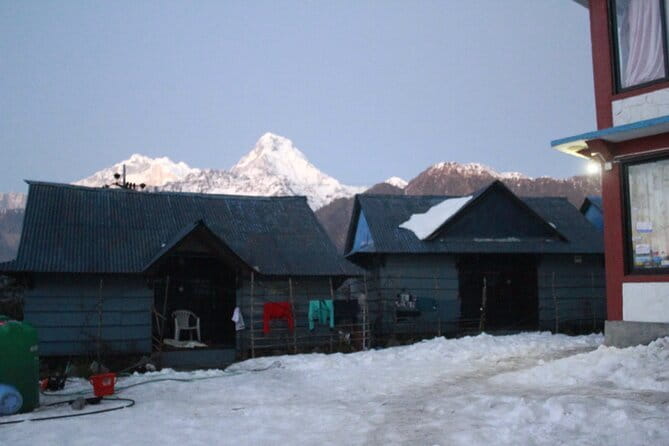
Day 1 starts with one of the most scenic parts of the whole trip: a drive from Pokhara to Nayapul. The road itself is described as more than just transportation, with views of mountains, rivers, green fields, and forests. It’s a good way to “warm up” to the region before you’re even on the trail.
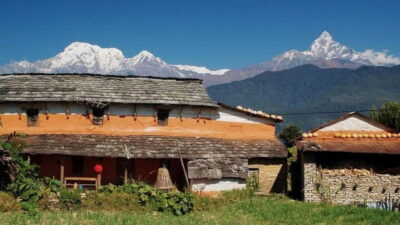
After that, you shift into trekking mode and head toward Ghorepani, which is your first big stop. Day 1 is long enough to feel like a real trek, but it stays short enough that you’re not wiped out before the night. Ghorepani is also where you get to experience village trekking life in the Annapurna foothills, including Gurung village culture and the kind of forest walking that helps keep the trail interesting.
A practical drawback on Day 1 is that it is two days of effort in a compact package. Even if you’re in moderate shape, you’re doing a full day of movement, then planning for an early second morning. If you hate rushing, you’ll want to treat this as an “energy management” trip, not a lazy stroll.
Ghorepani overnight: where the trail turns into village life
The overnight plan matters on a short trek, because it affects how you feel when you wake up. Here, guesthouse accommodation is included, which keeps the logistics simple. You’re not hunting for lodging, and you can focus on recharging and preparing for the sunrise climb.
This is also where the cultural side becomes more than a bullet point. Ghorepani sits in the Annapurna region where you’ll run into local hospitality, and your guide’s job is more than safety. In real trips with Amrit and Biru, the guides are specifically described as explaining culture, nature, and mountain views, which is exactly what turns an overnight stop into something you remember.
Another small but important point: because Poon Hill sunrise is the main event on Day 2, the quality of your sleep and your ability to stay calm matter. Ghorepani helps here. It’s a trekking base where the trip is geared toward getting you ready for the viewpoint push, not sending you off into the unknown.
If you go during rainy season, this is one place where you may still enjoy the experience even when sunrise is less reliable. One trip note described fewer people, plus greener mountain scenery. That’s a useful trade-off mindset: you might not always get a perfect sunrise, but you can still get meaningful mountain time.
The Poon Hill morning climb and the Annapurna and Dhaulagiri view
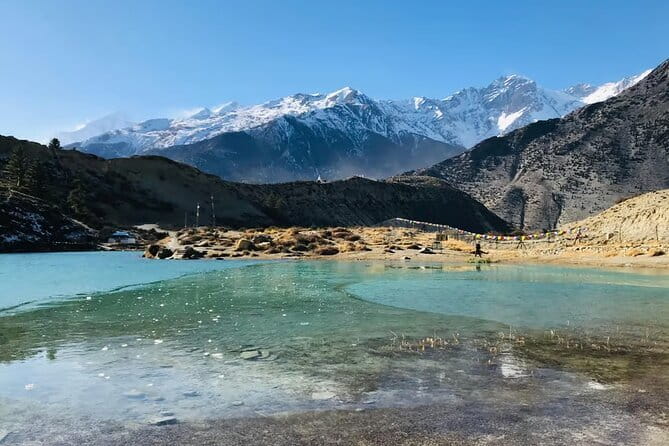
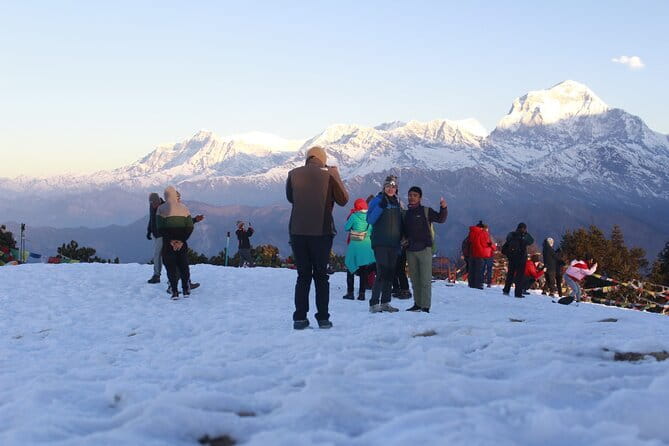
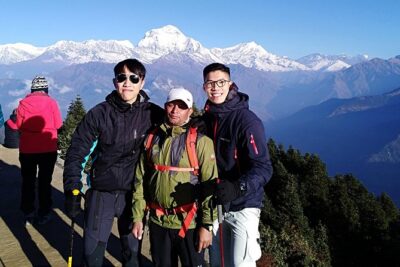
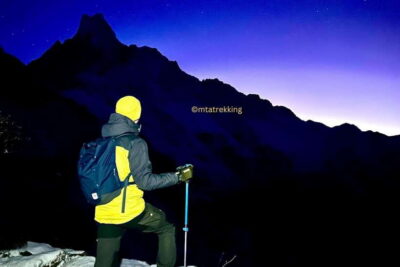
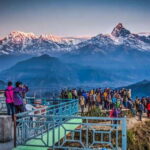
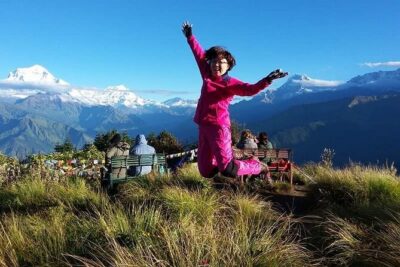
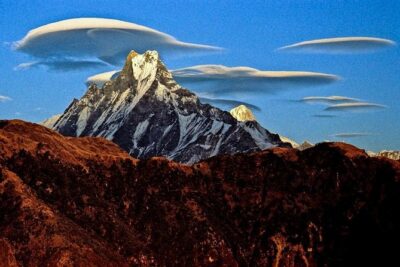
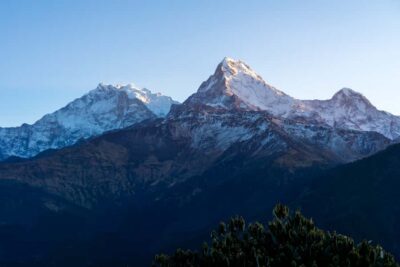
Day 2 is the highlight day. You climb up to Poon Hill with the goal of witnessing sunrise over the Himalayas. The reward is described as a panoramic sweep of the Annapurna range, including Dhaulagiri and views of nearby iconic peaks like Machapuchare.
This is one of those places where the viewpoint entrance fee is included, which is a small detail that still matters. When the viewpoint cost is covered, you avoid last-minute friction and keep the morning simple.
Let’s talk realism for a second, because this is where you’ll either feel “wow” or feel mildly disappointed. The tour notes reflect that sunrise depends on conditions. In rainy season, clouds can prevent a clear sunrise, as one trip mentioned. The silver lining in that same experience was still strong: even without sunrise, Dhaulagiri and Annapurna peaks showed up between cloud breaks, which can be just as memorable if you’re flexible.
So what should you do with this information? Plan to treat the sunrise as the headline, not the only possible outcome. If the sky cooperates, it’s a golden-ray moment. If it doesn’t, you’re still going to be in the right place to see dramatic mountain changes.
Other lodge to lodge routes near Pokhara

What’s included (and why it’s worth something on a short trek)
At $220 per person for an approximately two-day outing, value comes from what’s bundled. For short treks, the hidden time costs are usually transportation, permits, and guide coordination. This one covers a lot of that.
Here’s what you’re getting:
- Hotel pick up and drop off in Pokhara
- Trekking permit and official documents
- A government-licensed English-speaking trekking guide
- Guesthouse accommodation during the trek
- Trekking pole per person
- A normal emergency first aid kit with the guide
- Entrance fees at Poon Hill
- Round trip transfer by sharing jeep or bus between Pokhara and Ulleri
- Private tour setup (just your group)
That last part, private tour, is especially meaningful on a sunrise-focused trek. You’re not competing with other schedules in a way that makes the experience feel rushed. It can also make the guide’s explanations feel more personal, which is exactly what comes through in the way Amrit and Biru are described: attentive, supportive, and making sure people are comfortable and safe.
You do not get food and drinks included. That’s not a flaw, it’s just budgeting. The good news is food and drinks are available to purchase along the route, but you’ll want to plan for your meals rather than assuming they’re rolled into the fee.
There’s also the trekking pole. That’s a practical inclusion on a short trek because it can reduce stress on your knees during descents. Even if you prefer your own poles, having a set provided removes one more gear decision.
Day 1 versus Day 2: how the pacing actually feels
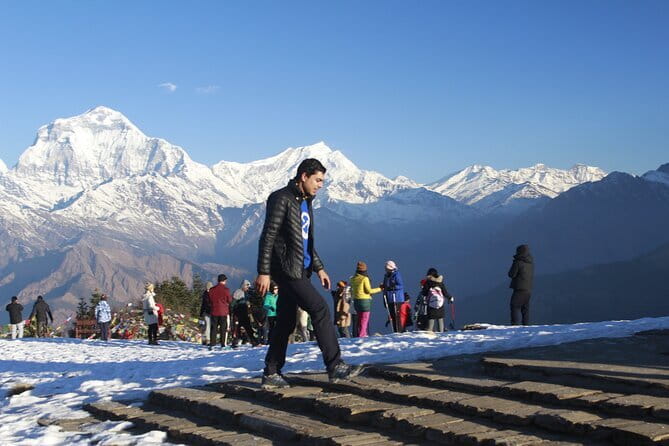
Because this is a fast trek, pace is less about “slow and steady for a week” and more about managing a two-day rhythm. Day 1 is long at about 7 hours, with the scenic drive portion plus trekking time toward Ghorepani. Day 2 stretches to about 8 hours, with the viewpoint climb and sunrise timing being the core focus.
Here’s the practical takeaway: you’ll likely feel your legs more on the second day than you expect. The uphill effort for sunrise is a bit of a mental game. You’re going from sleep mode into climbing mode, and that can be surprisingly intense even when the trek itself is short.
That’s also why a supportive guide matters. In real trips, Amrit is described as professional and attentive, making sure people are comfortable and safe. Biru is described as funny and kind while explaining what you’re seeing. On a trek this short, you’ll feel the difference between a guide who just follows a route and one who helps you stay steady through the harder moments.
Price and logistics: what your $220 is really buying you
This trip is $220 per person, and it’s booked on average around 58 days in advance. That timing detail matters because it hints at demand. If you’re traveling in a popular season or on a weekend, you’ll want to plan ahead rather than waiting until the last week.
As for what you pay for, I like that the price covers the things that usually create travel stress:
- permits and official documents
- an English-speaking licensed guide
- guesthouse accommodation
- transport coordination between Pokhara and the trekking start point area
- trekking poles and a basic emergency first aid kit
- entrance fees at the main viewpoint
Food and drinks are not included, and that’s the main thing you’ll pay extra for on your own. If you’re budgeting carefully, this is manageable. Just don’t arrive thinking every meal is part of the deal.
Also note the trip includes mobile ticketing and confirmation at booking. The point for you is simplicity. On a short trek, simple planning is a big part of “good value.”
Weather reality: how rainy season changes the experience
One of the most useful insights from real trip notes is what happens when the weather is not perfect. In rainy season, there may be fewer people on the trail, and you can get more greenery and a slower, quieter vibe.
But rain can also mean lower clouds during sunrise. In one example, sunrise could not be seen clearly. Still, Dhaulagiri and the Annapurna range appeared in gaps between clouds, which can feel like the mountains are teasing you, then rewarding you anyway.
So your decision comes down to your goal:
- If you want the classic sunrise fireworks, aim for days when skies are more likely to clear.
- If you’re more focused on mountain time and views in general, the rainy season might still work beautifully.
Who should book this Poon Hill trek, and who should choose something longer
This trek is best for you if:
- you have limited time in Nepal
- you want a major Himalayan viewpoint experience without a long trek
- you like guided cultural context, not just empty “look up at the mountain” moments
- you prefer a plan with permits, transport coordination, and guesthouse lodging handled
You might want a longer trek instead if:
- you want more days to spread out climbing and reduce daily fatigue
- you’re chasing the exact sunrise outcome so hard that any cloud risk would feel like a deal-breaker
- you want deeper village-to-village immersion without the schedule being tight
Because your route includes a private tour setup, it can also be a good match for couples or small groups who want a shared experience with an attentive guide.
Should you book this 2-day Poon Hill trek from Pokhara?
If you want a compact Himalayan hit, I think this one makes sense. The combination of short duration, Poon Hill sunrise focus, and practical inclusions like permits, licensed English guide, guesthouse stay, poles, and the Poon Hill entrance fee is what makes it feel like real value instead of just a “price tag.”
You should book if you’re okay with weather uncertainty and you can roll with a sunrise that might be partially obscured. Even then, you can still get mountain views, and the village and forest sections keep it from being only a viewpoint climb.
Skip it, or consider a different plan, if you need a guaranteed sunrise with no chance of clouds. For everyone else, this is a smart, efficient way to see why the Annapurna region is famous in the first place.
FAQ
How long is the 2-day Poon Hill trek?
The experience is approximately 2 days, with Day 1 taking about 7 hours and Day 2 taking about 8 hours.
What is the price per person?
The price is $220.00 per person.
What does the tour include?
It includes hotel pickup and drop off, trekking permits and official documents, a government-licensed English-speaking trekking guide, guesthouse accommodation during the trek, private tour setup, trekking pole per person, emergency first aid kit with the guide, entrance fees at Poon Hill, and round trip transfer between Pokhara and Ulleri by sharing jeep or bus.
Are meals included?
No. Food and drinks are not included, but they are available to purchase.
Will I have trekking poles?
Yes. Trekking poles are included, one per person.
Is the trek guide English speaking?
Yes. The tour provides a government-licensed English-speaking trekking guide.
Is there free cancellation?
Yes. You can cancel for a full refund if you cancel up to 24 hours in advance of the experience’s start time. If you cancel less than 24 hours before the start time, no refund is provided.
Lodge to Lodge Around Pokhara
The Rest of Our Pokhara Write Ups


Ghorepani and the Poon Hill Ridge
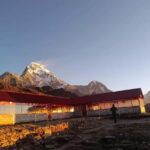
Everything else we have reviewed around Pokhara
- Pokhara: Cable Car Tour – Bird Eye View of Mountain & Lake
★ 4.4 · 3 reviews - Jomsom Muktinath Tour by 4WD SUV 2 Days
★ 5.0 · 3 reviews - Ghorepani Poonhill Private Trek – 2 nights / 3 days
★ 4.5 · 3 reviews - Pokhara: 30-Minute Paragliding Adventure with pick up/drop off
★ 4.5 · 3 reviews - Pokhara: 7-Day Annapurna Base Camp Trek via Ghandruk
★ 4.3 · 3 reviews - Pokhara Group Joining Sarangkot Sunrise Himalayas Tour
★ 5.0 · 3 reviews
Poon Hill & Ghorepani Treks worth a second look.
 ★ 5.0Poon hill Trek 3 daysFrom $230176 reviews
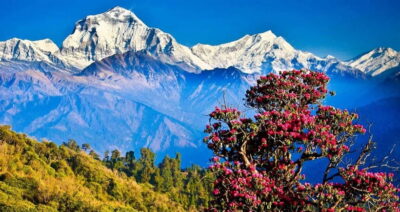 ★ 5.04-Day Ghorepani, Poonhill & Ghandruk Mountain TrekFrom $181132 reviews
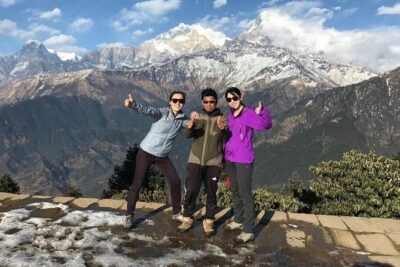 ★ 5.0Ghorepani – Poon Hill Trek 3N-4DFrom $321125 reviews
 ★ 5.04 Days Poon Hill TrekFrom $40594 reviews
 ★ 5.0Ghorepani(Poonhill Trek)From $60081 reviews
 ★ 5.04-day Poon Hill TrekFrom $40074 reviews
 ★ 4.93-Day Ghorepani Poon Hill Trek with GuideFrom $16268 reviews
 ★ 5.0Ghorepani Poon Hill TrekFrom $39961 reviews
Lists this tour sits in