
REVIEW · POKHARA CITY TOURS & LAKESIDE SIGHTS
4-Days Amazing Short Trekking of Pokhara Valley
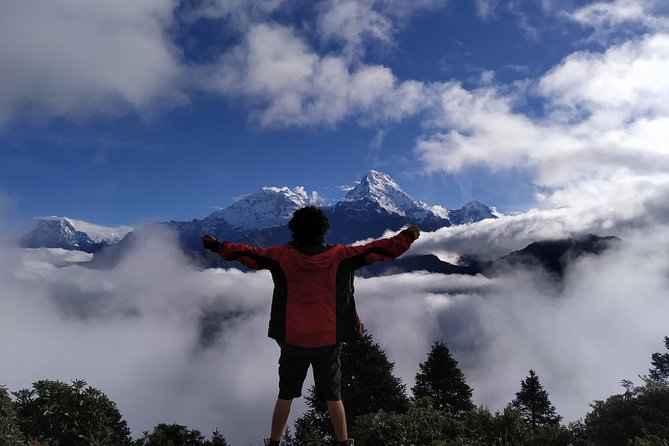
Sunrise at Poon Hill is unreal. This 4-day Annapurna short trek from Pokhara mixes village walking with jungle paths and mountain panoramas, all with a guide handling the details. You’ll ride in when you’re not trekking, then hike toward classic viewpoints that open up huge views of the Annapurna region.
Two things I really liked: the small group size (capped at 15) keeps the pace more human and the experience feel personal, and the included guide plus hotel pickup and drop-off makes it much easier to just show up and go. One thing to consider, though: you’ll be trekking with a moderate fitness level requirement and you should expect an early start for the sunrise day, plus your food is not included.
In This Review
- Key things I’d plan around
- Poon Hill Trek From Pokhara: The Big Deal in 4 Days
- Day 1 Lakeside to Nayapul: Settling In Before the Climb
- Day 2 Ulleri at 2070m, Magar Villages, and Those Iconic Peaks
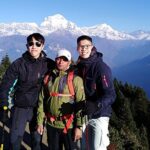
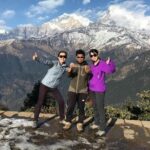
- Day 3 Poon Hill Sunrise: The 3210m Moment You’re Really Here For
- Day 4 Ghandruk, Old Gurung Museum, and the Rhododendron Forest Descent
- Why the 15-Person Cap Matters on a Trek
- Price and Logistics: Is $260 Good Value?
- Packing and Fitness Tips for This Short Annapurna Hike
- Weather Reality: When the Mountains Show Up
- Who This Trek Is Perfect For
- Should You Book This Poon Hill Short Trek?
- FAQ
- What is the duration of the 4-day trek?
- Where does the tour start?
- Is hotel pickup and drop-off included?
- How big is the group?
- What transport is included?
- Is accommodation included?
- Are meals included?
- Do I need rescue coverage included in the price?
- What are the fitness requirements?
- Does the trek run in bad weather?
- What is the cancellation policy?
Key things I’d plan around
- Small group cap of 15 people for a more personal trek feel
- Hotel pickup and private vehicle transfers when you’re not walking
- Day 3 ascent to Poon Hill (3210m) for sunrise panoramic views
- Ulleri at 2070m and Magar village passing for real village-life trekking
- Rhododendron forest descent toward Birethanti for a scenic end to the trek
- Accommodation included so you can focus on hiking instead of logistics
Other slow days along the Phewa shore
Poon Hill Trek From Pokhara: The Big Deal in 4 Days
If you want the Annapurna feel without committing to a long trek, this is a smart way to do it. In four days, you get a taste of the region’s main ingredients: steep footpaths, terraced villages, forested sections, and then those famous high viewpoint moments when the mountains finally reveal themselves.
What makes this short trek especially worthwhile is the pacing. You’re not wandering on your own schedule. Your guide takes care of the plan, and you only carry what you need for the hike days. When the route turns into vehicle transfer segments, you’re riding instead of walking. That matters because it keeps your energy where it counts: climbing on the trek days rather than burning it on unnecessary transfers.
You’ll also get the advantage of having a private setup for your group. The tour is private, meaning only your group participates, and the guide is focused on you and your small team rather than a big crowd.
The tradeoff is the classic one for shorter treks: there’s less “easy hiking time” to spread out the effort. Expect some uphill days and plan your stamina accordingly.
Day 1 Lakeside to Nayapul: Settling In Before the Climb
Your trek experience starts in Pokhara, meeting your guide around 8 to 8:30 am in the hotel lobby area. Then you’ll drive to Nayapul by private vehicle, using the scenic highway route that gives you early Himalayan and Pokhara valley views. It’s a nice warm-up because you get the landscape context before your legs have any say in the matter.
Once you reach the trail start area, you begin the trek phase. Day 1 is about getting into rhythm: walking steadily, checking how your body feels with the day’s elevation change, and adjusting your layers because weather can shift quickly in the foothills.
One practical upside of day 1 being a guided setup is that you avoid the common early-trek headache, not knowing what’s next. Even if you’ve trekked before, it helps to have someone local manage timing and route flow.
What to watch: after a morning start, your energy can swing. If you start too fast just because you feel good, you can pay for it later. Aim for steady, controlled effort. Save your big push for the viewpoint days.
Day 2 Ulleri at 2070m, Magar Villages, and Those Iconic Peaks
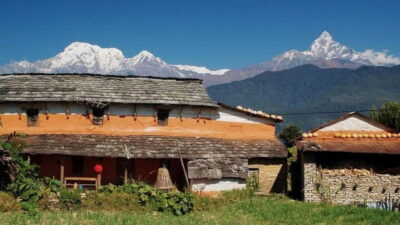
Day 2 is where the trek starts feeling clearly like Annapurna. You’ll hike for about 2 hours up to Ulleri, at 2070m. That climb is enough to make you feel it, but it’s not so long that you’re completely wrecked before you even reach the viewpoint region.
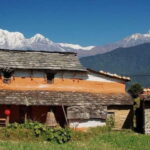
What I like about this segment is the village context. You cross through the Magar village of Banthanti. That matters because it’s not just a corridor of stairs and rocks. It’s a living community you pass through, with a sense of scale you don’t get when everything is limited to viewpoint time.
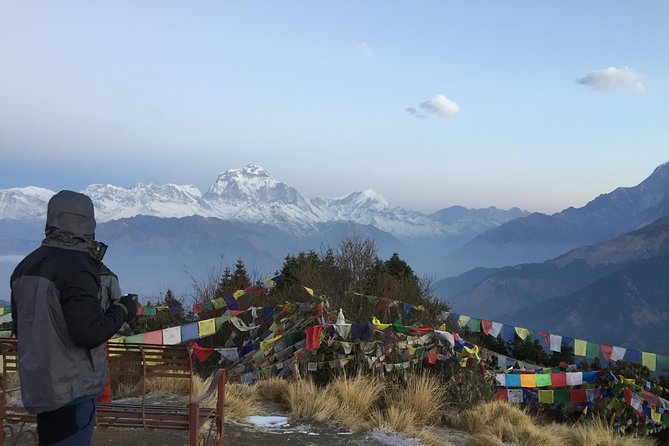
You’ll also pick up big mountain name moments along the way. From the route area, you can get views of key peaks in the Annapurna region, including Machhapuchhre (6997m) and Hiunchuli (6441m). Seeing those peaks while you’re still in the middle of a working day makes the trek feel connected, not staged.
A possible drawback is that day 2’s hike time can feel “steeper than expected” if you’re not used to trekking uphill for sustained blocks. I’d treat it as your main conditioning day. If you pace early and drink water consistently, the rest of the trek tends to feel easier.
Day 3 Poon Hill Sunrise: The 3210m Moment You’re Really Here For
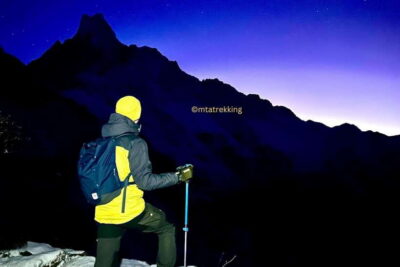
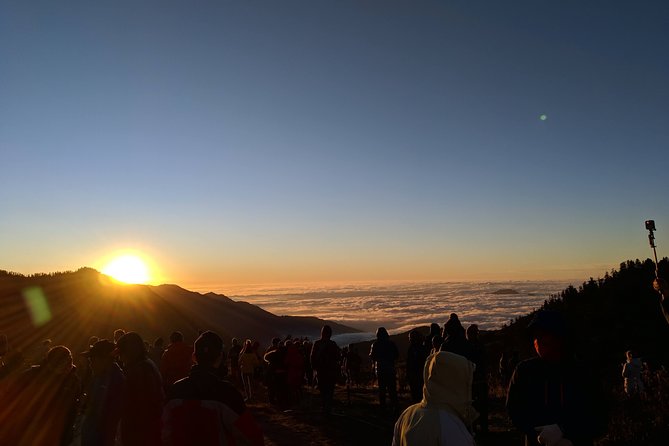
This is the day people talk about for a reason. You’ll get up very early, reach the base area for Poon Hill, and climb for about an hour to the viewpoint at 3210m.
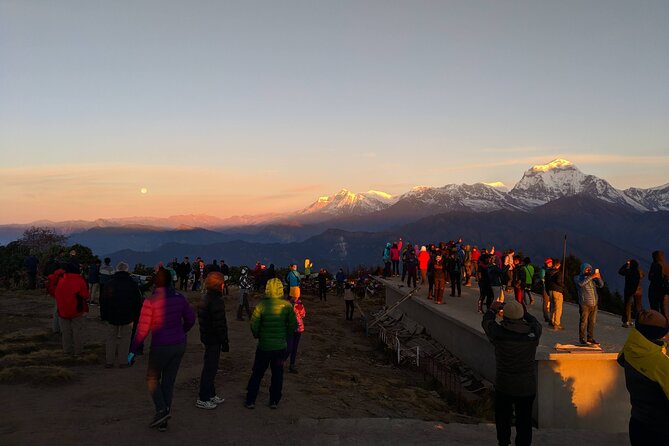
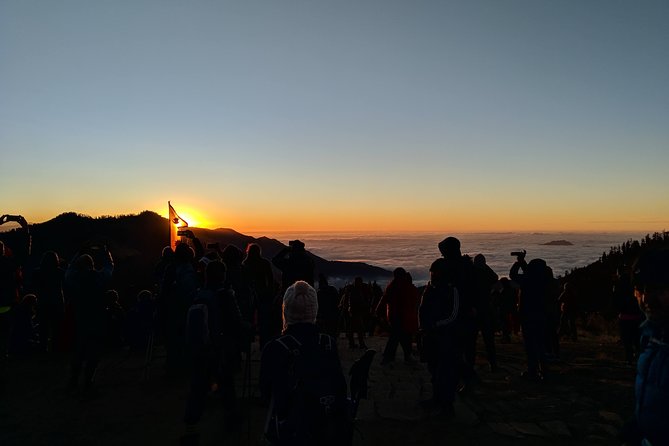
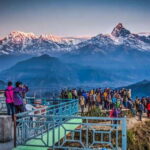
Then comes the payoff: sunrise views across a wide chunk of the Himalayan skyline. You’re looking for clear sightlines and a sky that cooperates, and when conditions are good, the range can feel like it stretches in every direction. On the view list for this stop, you can expect sights of major peaks such as Dhaulagiri (8167m) and Annapurna I (8091m).
I like that the ascent to the viewpoint isn’t overly long. You’re not spending half a day climbing just to see a small slice. It’s a focused effort, then you’re there. That helps a lot if you’re traveling for a short trek and you don’t want to burn the whole day just getting to altitude.
What to do to make this day work smoothly:
- Dress for cold early-morning air, even if daytime later warms up.
- Bring a warm layer you can keep on during the early climb.
- Plan your camera battery, cold drains power faster.
A note on practical rhythm: sunrise hikes can feel hard just because of timing, not because of extreme altitude. If you can handle an early start and a moderate climb, this day is usually the highlight.
From what I’ve learned about this trek type and from the experiences people report, weather can surprise you in a good way. Clear skies happen often enough to make the early start feel worth it, and when the views open up, you get a rare sense of perspective over both snowy and greener slopes.
Other lodge to lodge routes near Pokhara
Day 4 Ghandruk, Old Gurung Museum, and the Rhododendron Forest Descent
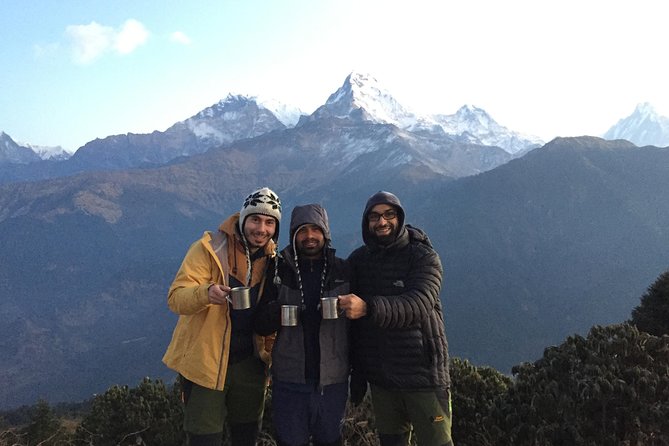
Day 4 shifts from altitude viewpoint goals to a more scenic downhill journey. The route starts around Ghandruk and then moves lower through a scenic section with wide mountain views. You can catch sights of several major peaks in the region, including Annapurna South, Hiunchuli, Fishtail, and Gangapurna.
There’s also a culture stop: the Old Gurung Museum. It’s listed as a short stop, so treat it as a quick, meaningful pause rather than a long museum visit. You’ll get a taste of local heritage in the middle of a trekking day, which helps break up the physical focus.
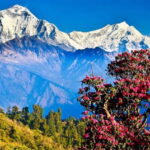
Then the trail leans into vegetation. You’ll cross a forest of blooming rhododendron, heading toward Birethanti. The rhododendron element is one of those details that can make a short trek feel like more than just viewpoints. When the forest is in bloom, the colors and the changing light inside the trees add a softness to the journey.
The practical reality for day 4: descents can be tough on knees even when the overall distance feels manageable. Go slow on downhill sections. Your guide can help set that pace, and this is where the small-group setup helps, because you’re not always forced to match someone else’s sprint.
By the end, you’re moving out of the trek corridor, and the tour’s vehicle logistics take over so you’re not scrambling to connect your next steps.
Why the 15-Person Cap Matters on a Trek
A small group is not a luxury detail here. It directly affects how the day feels.
With a group cap of 15, you’re more likely to:
- Keep a steadier pace without constant regrouping
- Get more attention from the guide when someone needs a slower moment
- Move as a unit through narrow or busier trail segments
It also changes how you experience the viewpoints. In a larger crowd, sunrise can turn into a traffic jam. In a smaller group, you can typically find space, take photos without stress, and enjoy the mountain views without feeling like you’re being herded.
And because this tour is set up as private for your group, you get a guide who can adjust based on how people are feeling. That matters when weather shifts. This activity also operates in all weather conditions, so your guide’s decision-making is part of the value you’re paying for.
Price and Logistics: Is $260 Good Value?
At $260 per person, this trek is priced for a “guided short trek with infrastructure” model. You’re not just paying for the guide’s time. You’re paying for the whole package that makes the trek smoother: accommodation that’s included, professional guidance, and pickup and drop-off with transport by private vehicle when walking isn’t happening.
Here’s what you get for the cost:
- Accommodation included as per the itinerary
- Professional guide included
- Hotel pickup and drop-off included
- Transport by private vehicle included
- Taxes, fees, and handling charges included
- Private tour setup for your group
And here’s what you do need to budget separately:
- Food and drinks are not included, though they are available for purchase
- Rescue cost in an emergency is not included
The value angle is pretty clear. If you tried to piece together a guided trek on your own without local routing, accommodation coordination, and transport timing, costs usually rise quickly. Even if you find a cheaper guide, you still have the friction of managing the rest.
My practical take: this is good value if you want the Annapurna short-trek experience without the planning burden. If you already love managing everything yourself and can easily handle logistics, the guide value might feel less necessary. But for most people, removing the planning stress is the whole point.
Packing and Fitness Tips for This Short Annapurna Hike
This trek is described as needing moderate physical fitness, which is exactly the right warning label. You don’t need to be a mountain athlete, but you do need to be comfortable walking uphill and stepping down on uneven trails.
Also, since it runs in all weather conditions, your clothing matters. The tour guidance is to bring seasonal clothing and dress appropriately.
What I recommend you pack with this specific trek in mind:
- Layers for early mornings and later warming days
- A warm layer for sunrise at the Poon Hill viewpoint
- Rain protection suitable for trekking days (weather can change)
- Comfortable trekking shoes with grip for uphill and downhill
- A small daypack for water and essentials
If you’re someone who hates being cold at dawn, consider it a priority to prepare for the sunrise climb. That one detail can make the difference between enjoying the view and just surviving the hours to reach it.
Weather Reality: When the Mountains Show Up
One reason people get excited about Poon Hill is that it can deliver big panorama moments even on a short trek. But you’re still dealing with Himalayan weather. The good news is that this tour runs in all weather conditions, which means the experience is designed to keep moving rather than canceling at the first cloud.
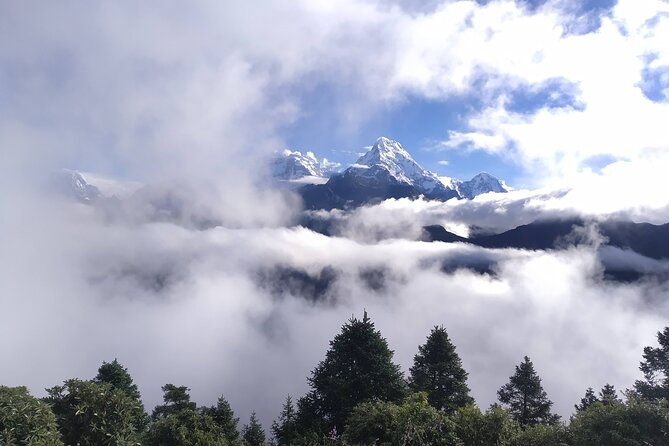
A real-life lesson from people who’ve done this style of trek is that conditions can be better than expected. You may walk through warmer village air, then wake up early and find clear visibility that lets you see a wide swath of the range, including the big names like Dhaulagiri and Annapurna I.
Still, you should plan like the mountain might be moody. Keep your expectations realistic, but keep your excitement ready.
Who This Trek Is Perfect For
This is a great fit if you want:
- A classic Annapurna experience without a long multi-week commitment
- A guided route that handles navigation and timing
- Small group trekking, not a crowded parade
- Comfortable included accommodation, not just floor sleeping
- Sunrise mountain views you can reach without a multi-hour high-altitude climb
It may be less ideal if:
- You cannot do early starts
- You struggle with moderate uphill trekking
- You have a tight budget for meals, since food and drinks are not included
If you’re traveling with kids, note that children must be accompanied by an adult. Beyond that, the tour data doesn’t state a minimum age, so you’ll want to confirm suitability for your child’s pace and comfort.
Should You Book This Poon Hill Short Trek?
I’d book it if you want maximum payoff for your time in Nepal: sunrise at Poon Hill, village trekking in the Annapurna foothills, rhododendron forest walking, and a guided structure that keeps logistics from eating your energy. The combination of included accommodation, a professional guide, and private vehicle transfers when you’re not walking is the core reason the trek feels manageable.
I’d skip it or look for another option if you’re not comfortable with moderate fitness hiking, or if the idea of paying extra for food and drinks during the trek makes you uneasy.
One more practical point: this kind of trek is typically in demand, and the average booking lead time is about 60 days. If your dates are fixed, don’t wait too long.
FAQ
What is the duration of the 4-day trek?
It runs for about 4 days.
Where does the tour start?
You start in Pokhara and meet your guide in the hotel lobby area, with the start time listed as 8:30 am.
Is hotel pickup and drop-off included?
Yes. Hotel pickup and drop-off are included.
How big is the group?
The group is capped at 15 people, and your tour is private for your group.
What transport is included?
You get transport by private vehicle as part of the itinerary, specifically when you are not walking.
Is accommodation included?
Yes. Accommodation as per the itinerary is included.
Are meals included?
No. Food and drinks are not included, but they are available for purchase.
Do I need rescue coverage included in the price?
No. Rescue cost in case of an emergency is not included.
What are the fitness requirements?
The tour is for people with a moderate physical fitness level.
Does the trek run in bad weather?
Yes. It operates in all weather conditions, so you should dress appropriately and bring seasonal clothing.
What is the cancellation policy?
You can cancel for a full refund up to 24 hours in advance. If you cancel less than 24 hours before the start time, the amount paid is not refunded.
Lodge to Lodge Around Pokhara
The Rest of Our Pokhara Write Ups


Pokhara, Lakeside and Above
Everything else we have reviewed around Pokhara
- Pokhara: Cable Car Tour – Bird Eye View of Mountain & Lake
★ 4.4 · 3 reviews - Jomsom Muktinath Tour by 4WD SUV 2 Days
★ 5.0 · 3 reviews - Ghorepani Poonhill Private Trek – 2 nights / 3 days
★ 4.5 · 3 reviews - Pokhara: 30-Minute Paragliding Adventure with pick up/drop off
★ 4.5 · 3 reviews - Pokhara: 7-Day Annapurna Base Camp Trek via Ghandruk
★ 4.3 · 3 reviews - Pokhara Group Joining Sarangkot Sunrise Himalayas Tour
★ 5.0 · 3 reviews
Pokhara City Tours & Lakeside Sights worth a second look.
 ★ 4.1Full-Day Sharing Bus Tour on 7 Iconic DestinationFrom $12179 reviews
 ★ 4.8Full-Day Private Tour on 7 Iconic DestinationFrom $53108 reviews
 ★ 5.0The Best of Pokhara: Full-Day Private Tour with Sarangkot SunriseFrom $6866 reviews
 ★ 5.0Guided Tour to explore the entire Pokhara CityFrom $7051 reviews
 ★ 4.1City Sightseeing Group Bus TourFrom $837 reviews
 ★ 4.5Private Half Day Tour Highlights of Pokhara by CarFrom $8036 reviews
 ★ 5.0Pokhara Valley Mountain Bike Adventure Private TourFrom $18530 reviews
 ★ 5.0Half-Day Private Pokhara TourFrom $6727 reviews
Lists this tour sits in