
REVIEW · EVEREST SCENIC FLIGHTS
Guaranteed window seat for Everest Scenic Flight Pickup & Drop
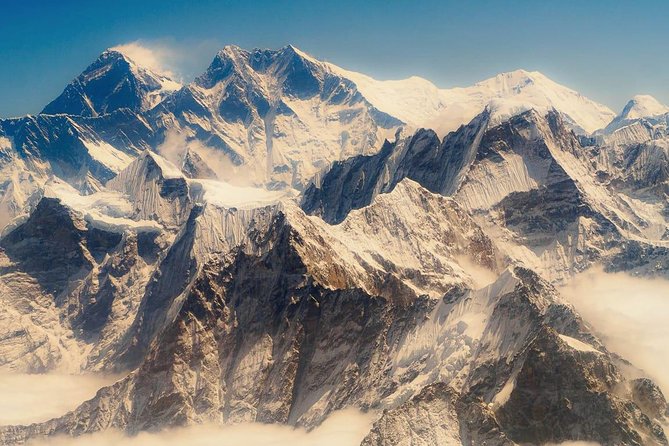
Everest looks close, in one morning flight. This Everest scenic flight experience turns Kathmandu into a front-row seat, with a guaranteed window seat plus hotel pickup and drop-off that gets you airborne without a headache.
I really like how the flight is built around peak-spotting, including a loop that takes you past Langtang Lirung, then toward Mt. Everest, and onward to Chamlang, with a second look on the way back. I also liked the human touch in the way the operation communicates, with owner Buddhi Bhatta singled out in reviews for early, careful care and clear contact.
One consideration: it starts very early (around 5:15 am), and because Himalayan visibility depends on conditions, your best views are the tradeoff for that perfect morning timing.
In This Review
- Key things to know before you go
- From your hotel to the airport, what the early start really means
- The flight route: Langtang Lirung, Everest, then Chamlang, with a return pass
- What you will actually see in 50 to 60 minutes
- Aircraft comfort and how the crew helps you make sense of peaks
- The value of a guaranteed window seat
- Weather expectations, and why winter matters
- Price and value: is $300 really worth a one-hour flight?
- Who this is best for, and who should think twice
- The people behind it: quick, clear communication matters
- Should you book the Everest Experience with HHS?
- FAQ
- How long is the Everest scenic flight?
- What time do they pick you up in Kathmandu?
- Where does the flight depart from?
- What peaks will I see during the flight?
- Is hotel pickup and drop-off included?
- Do I get a window seat?
- Is the flight dependent on weather?
- Can I cancel for a full refund?
Key things to know before you go
- Guaranteed window seat for the best views on both the outbound and return passes
- Hotel pickup and drop-off to keep the early start manageable
- A route designed for spotting peaks, including Langtang Lirung, Mt. Everest, and Chamlang
- About 50 minutes to 1 hour in the air, so it is a quick hit of high drama
- Operated by Himalaya Holiday service Pvt. Ltd. (HHS) with group sizes capped at 46 travelers
More one hour runs along the Everest line


From your hotel to the airport, what the early start really means
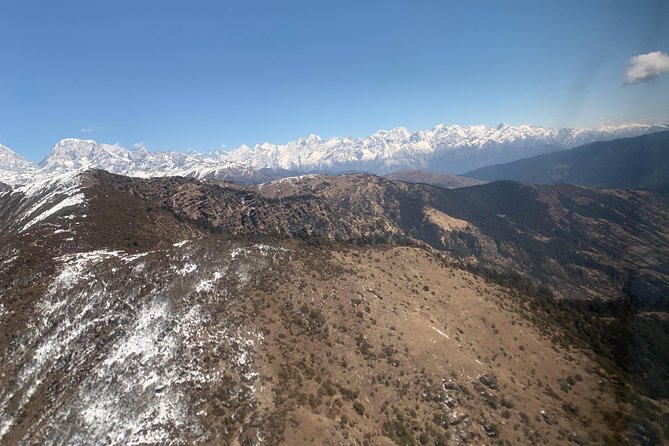
This is an early-day experience by design. The start time is listed as 5:15 am, and the day’s plan is simple: you are picked up, taken to Tribhuvan International Airport (TIA) in Kathmandu, then you fly out on a morning route aimed at clear views.
That early timing matters more than it sounds. In the Himalaya region, the best visibility often lines up with morning calm and winter clarity, which is why the company highlights the ideal winter months of September to April. If your Kathmandu days are already packed, this flight is one of the few ways to get real Everest context without committing to weeks of trekking.
I also like the practical side of hotel pickup. You do not need to sort taxis in the dark or guess arrival times at the airport. The operation includes pickup and drop-off, and you also get a mobile ticket, which cuts down on the classic paperwork friction.
One more thing: group size. The experience is capped at a maximum of 46 travelers, so it should feel organized rather than chaotic. You are not waiting in a giant crowd for hours, but you should still be ready to move quickly through check-in and boarding once you arrive.
The flight route: Langtang Lirung, Everest, then Chamlang, with a return pass
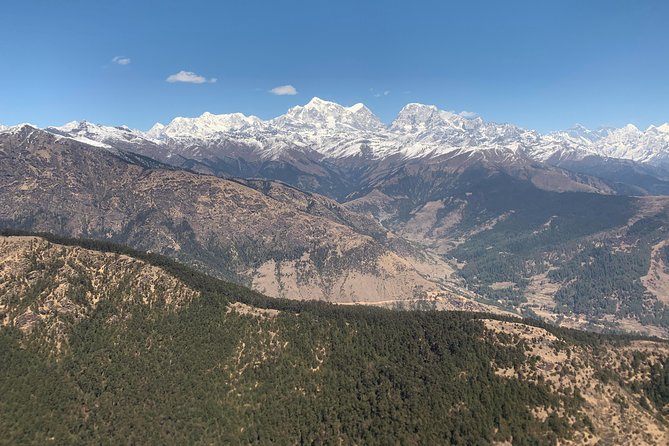
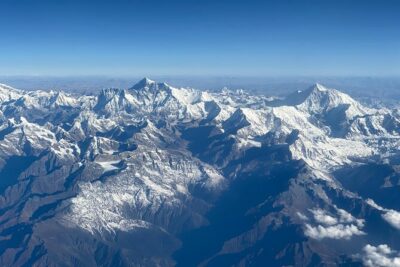
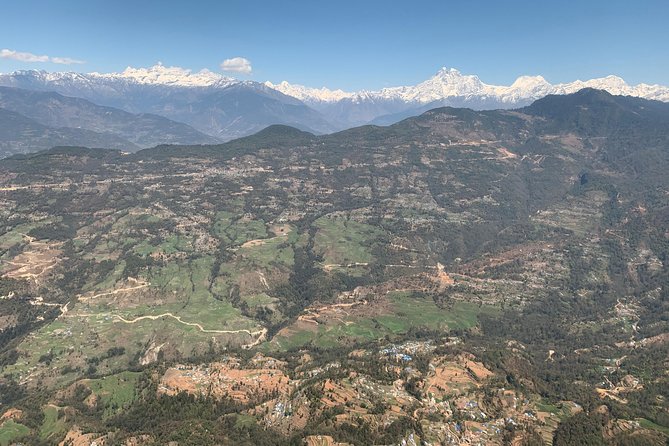
The core of this tour is the route itself. After takeoff from TIA, Kathmandu, the plane heads east of Nepal and aims to show you about 20 of the highest peaks along the way.
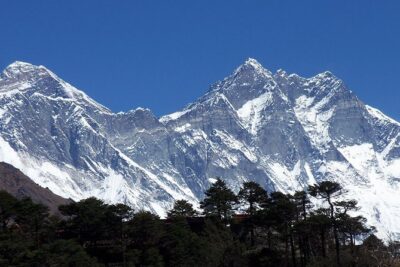
It starts with Langtang Lirung, called out as the closest peak to Kathmandu in the route description. Seeing it first is useful because it gives your eyes a foothold, then you can gradually follow the mountain chain farther east. As the flight continues, you shift your attention toward Mt. Everest.
Then you finish at Chamlang. Chamlang is far enough along the route that you get a sense of scale, not just a single highlight photo. And then the plane turns back, giving you a second look before returning to Kathmandu.
That “second look” part is where you benefit most. When you are spotting peaks from the air, your first pass is often you trying to match what you see with what you heard in the pre-flight context. The return pass gives you a second chance to confirm shapes, positions, and skyline order.
A couple of reviews also mention the crew calling out peaks during the flight, which is exactly what you want on a scenic route like this. When the crew points out what you are looking at, the experience turns from sightseeing into quick geographic orientation.
What you will actually see in 50 to 60 minutes
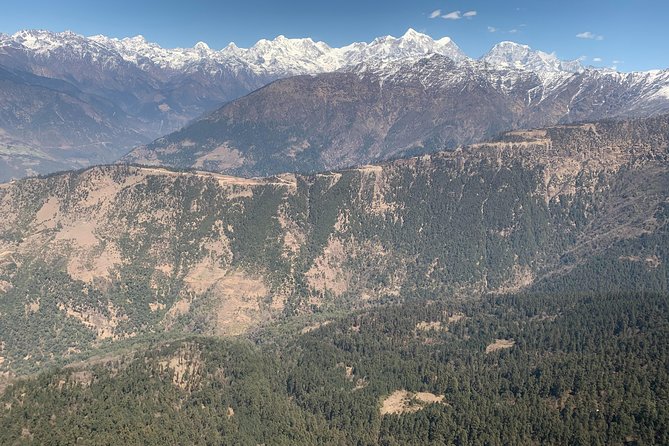
The flight duration is listed as roughly 45 minutes to 1 hour, and the route description puts it closer to 50 minutes up to an hour. Either way, you are not “flying to the top” in the way you might imagine from a base camp trek. This is about proximity of view and the ability to scan a wide section of the Himalaya in a short time.
From a practical standpoint, your best results come from lowering your expectations about perfect angles and increasing your expectations about pattern recognition. From the air, you might see snow and glaciers clearly, but you will also notice cloud bands, mountain ridgelines, and how valleys slice between massifs.
The winter-season note in the info is important here. The company says the best time to catch a glimpse of sparkling peaks is in winter, from September to April, when snow can look bright against the sky and glaciers and lakes may look especially clear. In other months, you can still get views, but you should plan for more variation in visibility.
If you are hoping for a “clear Everest, photo perfect every minute” fantasy, you might get frustrated. But if you want the bigger win, which is an honest view of how massive the Himalaya look when you are flying over them, this timing works well.
Aircraft comfort and how the crew helps you make sense of peaks
One review specifically calls out the CRJ200 as comfortable, and it mentions there were two airplane options you could choose from. The details given here are limited, so I cannot promise you which aircraft you will get. But I do like that the operation seems to offer options, and that the CRJ200 experience is described positively.
In flights like this, comfort matters because your job is to look out. Even if the plane is comfortable, you will naturally spend a lot of the flight scanning the horizon and trying to identify peaks. A comfortable cabin makes it easier to stay alert during the viewing windows.
What really helps is how the crew handles spotting. One review notes the crew pointed out different peaks during the flight, which makes the route more meaningful. Without that guidance, you might recognize Everest as a label but still miss the “why this peak next to that peak” geography lesson. With crew help, you leave with a mental map instead of just a memory of clouds and mountains.
The value of a guaranteed window seat
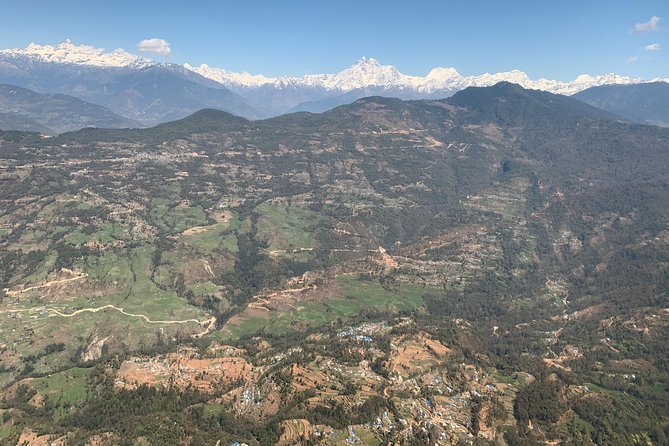
This tour is sold with a guaranteed window seat for the Everest scenic flight pickup and drop. In plain terms, that is the best upgrade you can ask for on a flight like this.
Why? Because scenic flights punish indecision. If you end up in the middle seats, you spend half the flight blocked by shoulders and arms, and you end up holding your phone up at awkward angles. A window seat changes everything. You can lean, adjust your frame, and keep a steady scan of the ridge line as the plane follows the route.
Also, window-seat viewers tend to capture more than just one “hero mountain.” With the second viewing pass on the return, you want both passes to be usable. The guarantee removes the uncertainty.
If you are the kind of person who enjoys photos, you will likely appreciate this. If you are not, you will still appreciate it because the window view is also how you feel the scale and spacing of peaks.
Weather expectations, and why winter matters
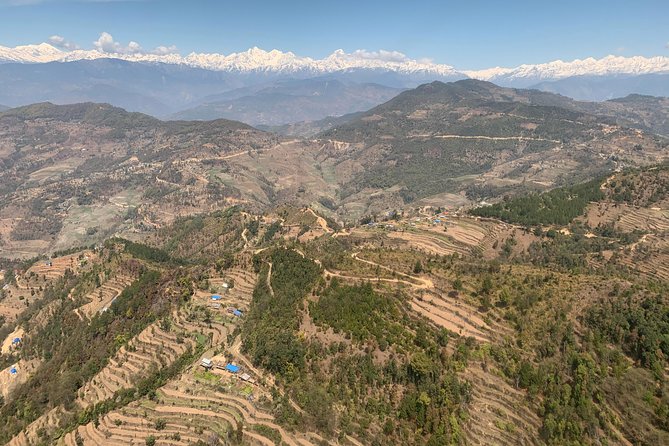
The operation says it operates in all weather conditions, and you are told to dress appropriately. At the same time, the cancellation policy notes that if the experience is canceled due to poor weather, you will be offered a different date or a full refund.
That sounds contradictory until you think about aviation reality. “All weather conditions” probably means you may still fly in light cloud, wind, or mixed conditions, but the safety and visibility thresholds can still lead to cancellations. Translation: bring flexible expectations.
For planning, you have one strong clue: the company calls out September to April as the best time for clear views. Winter in the Himalaya region often lines up with crisper skies, and snow can stand out more dramatically. If your trip dates are flexible, aim for those months.
What should you do in practice? Dress for a mountain cold morning. Even if Kathmandu is warm later in the day, a sunrise flight can feel chilly before you are properly awake. And keep your schedule calm the rest of the day, in case you need to adjust based on flight timing.
Price and value: is $300 really worth a one-hour flight?
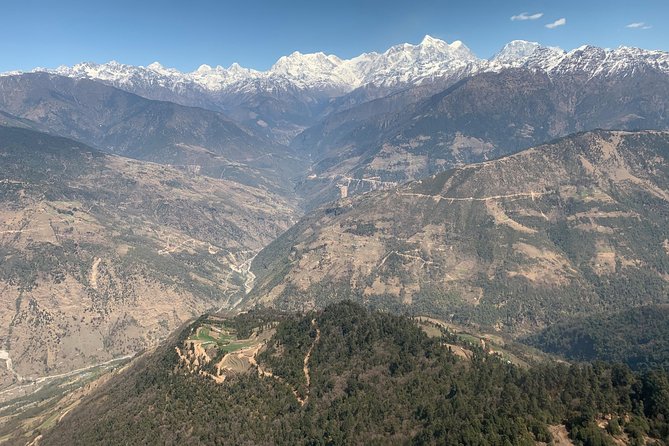
At $300 per person, this is not a bargain. But it is also not a random sightseeing flight. The price includes the things that usually cost time and headaches in Kathmandu: hotel pickup and drop-off, plus the plane flight itself.
Here is the value logic I would use:
- If you are short on time, it replaces a long day of moving around the city.
- If you want Everest context without trekking, it gives you a rapid geography lesson in under an hour.
- A window seat guarantee helps you get usable views instead of settling for “nice from the plane.”
What is not included is also clear: personal expenses, travel insurance and evacuation insurance, and tipping. That means you should budget for your own airport snacks, drinks, and any extra costs that pop up when a flight is early and you are moving straight from hotel to airport.
Also, consider the group size cap of 46 travelers and the mention of group discounts. If you can travel with friends or in a small group booking, the economics improve quickly. You might pay less per person when you can stack a group discount.
If you are an experienced traveler, you might compare this to other Everest alternatives like helicopter flights or longer day tours. This one’s strongest argument is simplicity and speed, with the added benefit of a structured route and a second viewing pass.
Who this is best for, and who should think twice
This experience is a great match for:
- People on a tight Kathmandu schedule who still want an Everest-level wow
- First-time visitors who want mountain orientation fast
- Anyone who hates early mornings but understands the payoff is real, because the start time is part of the deal
- Photographers who know a window seat makes or breaks the whole flight
It is less ideal if:
- You expect the kind of closeness you get on multi-day treks
- You are sensitive to early wake-ups and airport mornings
- You get easily disappointed by variable weather, because visibility can change
One more practical point: this is described as a close-encounter scenic flight-seeing tour, but “close” here means in-flight viewing proximity, not walking on Everest. Keep that in your mental model and you will enjoy it more.
The people behind it: quick, clear communication matters
In the reviews, the operation’s service shows up again and again. Several comments praise early pickup, smooth first contact, and kind, careful handling from start to finish. One review highlights that Buddhi Bhatta communicated well and took care of them from the early pickup all the way to the airport for a sunrise flight.
That personal follow-through is not just nice branding. For a flight that starts at 5:15 am, clarity reduces stress. When someone reliably coordinates you, you show up ready instead of scrambling, and you lose less time.
If you are the type who likes to know what is happening, take comfort in the fact that the provider names their point person in feedback, and several reviews specifically call out that human communication.
Should you book the Everest Experience with HHS?
Book it if you want the fastest, most structured way to see Everest area peaks from Kathmandu, and you care about getting a window seat without gambling. The combo of hotel pickup, a route that includes Langtang Lirung, Mt. Everest, and Chamlang, plus a return pass for a second look is a strong formula for first-time Everest wonder.
Skip it or think twice if you hate early mornings or you need guaranteed, crystal-clear Everest visuals no matter what. Weather can affect what you see, and the operation acknowledges that poor conditions can lead to an alternate date or refund.
My “yes” checklist is simple:
- You can handle a very early start.
- You want quick mountain geography, not a trek.
- You appreciate a guaranteed window seat and crew guidance.
If those match your style, this is a smart use of time in Kathmandu, and it can add a whole new layer to your understanding of Nepal’s mountains.
FAQ
How long is the Everest scenic flight?
The flight is listed at about 45 minutes to 1 hour. The route description also says it usually lasts 50 minutes up to an hour.
What time do they pick you up in Kathmandu?
The start time is listed as 5:15 am, and pickup is included.
Where does the flight depart from?
The plane takes off from TIA, Kathmandu.
What peaks will I see during the flight?
You will get a glimpse of about 20 of the highest peaks to the east of Nepal, including Langtang Lirung, Mt. Everest, and Chamlang peak.
Is hotel pickup and drop-off included?
Yes. Hotel pick up and drop off are included.
Do I get a window seat?
Yes. The experience is described as having a guaranteed window seat.
Is the flight dependent on weather?
The information says it operates in all weather conditions, but the cancellation policy also says that if it is canceled due to poor weather, you will be offered a different date or a full refund.
Can I cancel for a full refund?
Yes. You can cancel up to 24 hours in advance for a full refund.
The Rest of Our Kathmandu Write Ups

Sixty Minutes Beside the Everest Ridge

Everything else we have reviewed around Kathmandu
- 12 Days Everest Base Camp Trekking
★ 5.0 · 3 reviews - 1 Night 2 Days Chitwan Jungle Safari Tour from Pokhara or Kathmandu
★ 3.0 · 3 reviews - Thamel Rickshaw tour
★ 4.7 · 3 reviews - Kathmandu: Momo Making Class with a Local Chef
★ 5.0 · 3 reviews - Kathmandu: Full-Day Yoga, Body Massage and Pedicure Package
★ 5.0 · 3 reviews - From Kathmandu / Pokhara / Chitwan: River Rafting – 1 Day
★ 4.6 · 3 reviews
Everest Scenic Flights worth a second look.
 ★ 4.41 hour Panoramic Everest FlightFrom $215175 reviews
 ★ 5.01 Hour Mount Everest flight from Kathmandu With Hotel Pick UpFrom $160161 reviews
 ★ 4.71-Hour Mount Everest Flight with Private TransferFrom $18998 reviews
 ★ 4.81-Hour Scenic Flight Over Mount EverestFrom $14054 reviews
 ★ 4.7Everest Flight with Window Seat and TransferFrom $7533 reviews
 ★ 5.0Mount Everest Scenic Flight by Shree Airlines with Free TransfersFrom $14030 reviews
 ★ 4.5Everest Flights from KathmanduFrom $23026 reviews
 ★ 5.0Everest Flight , Mountain Flight in Nepal , Everest ExperienceFrom $15025 reviews
Lists this tour sits in