
REVIEW · POON HILL & GHOREPANI TREKS
Pokhara: 4-Day Beautiful Ghorepani Poon Hill & Ghandruk Trek
Poon Hill makes you earn every sunrise. On this 4-day trek, I love the Poon Hill sunrise payoff and the chance to walk through real mountain village life on the Annapurna trail toward Ghandruk. One heads-up, the views can get weather-capped, and the uphill stone steps mean this is a real endurance test, not a casual stroll.
What makes it feel smoother is the English-speaking guide who can match your pace and keep things organized from Pokhara pickup to lodge nights. Guides such as Tanka (often praised for clear English and mountain knowledge), and other team members with names like Padam and Jagan show up as the kind of people who pay attention to comfort, food, and timing.
Value also comes down to what is included versus what you cover yourself. You get guide support, permits and taxes, hotel pickup and drop-off, plus water purification tabs, but trekking meals and drinks are not included, so plan your budget accordingly.
In This Review
- Key highlights at a glance
- Entering the Annapurna corridor from Pokhara
- Day 1: Birethanti to Ulleri, teahouses and Magar village life
- Day 2: Ulleri steps to Ghorepani, Annapurna and Machhapuchhre views
- Night in Ghorepani: where the air gets still and the views wait
- Day 3: Poon Hill sunrise, then rhododendron ridges to Tadapani
- Day 4: Tadapani down to Ghandruk, slate roofs and terraced fields
- The real reason this trek feels good: pace and guidance
- Price and value: what $200 covers, and what you should budget for
- What to bring so the mountains do not bully you
- Lodges, water, and comfort on a teahouse trek
- Who should do this trek, and who should skip it
- Should you book the Ghorepani and Ghandruk 4-day trek?
- FAQ
- Where does the trek start and finish?
- How long is the trek?
- Is the guide included, and what language do they speak?
- What is included in the price?
- What is not included?
- What are the key sights along the route?
- What is the pickup timing like in Pokhara?
- What do I need to bring?
- Is this trek suitable for everyone?
Key highlights at a glance
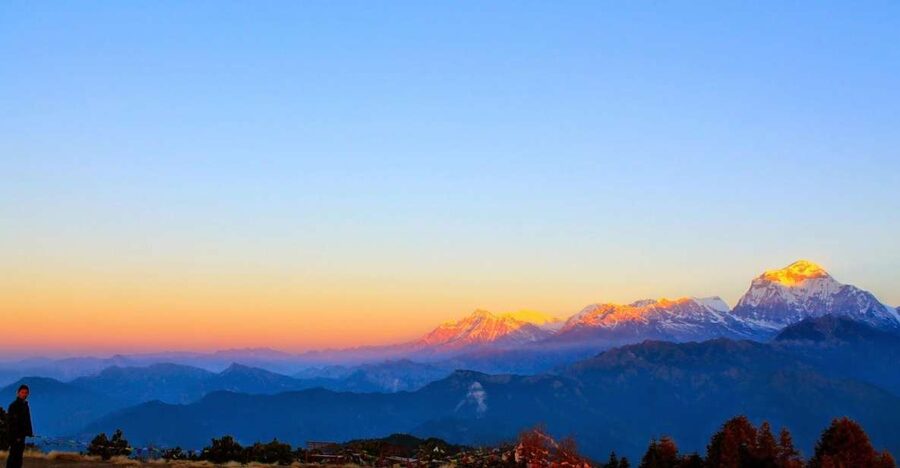
- Sunrise over Poon Hill, with views spanning 15 mountain peaks when skies cooperate
- Village trekking through Ulleri, including a Magar village stop for rural rhythm and teahouses
- Ghorepani viewpoints, including the feeling of standing above a deep valley
- Rhododendron forest walking on the route to Tadapani
- Ghandruk village descent, with thatch and slate roof houses and farming terraces
- Lunch with major Annapurna views, including Annapurna South and Huinchuli from a viewpoint stop
Shorter Ghorepani options worth weighing
Entering the Annapurna corridor from Pokhara
This trek starts in Pokhara, and that matters. You get picked up from your hotel and then drive about one hour to Birethanti, where the hiking begins. That short transfer window helps you get into the rhythm fast, without losing half a day to logistics.
Pokhara also sets expectations. You are about to go from lake-town comfort into cold mornings, narrow trails, and basic (but cozy) mountain lodges. If you like knowing what is coming next, this route is nice because each day has a clear “up and settle” pattern, then you wake up and go again.
A practical note: the pickup happens 5 to 10 minutes before your scheduled time, so be ready in the hotel lobby or at your apartment entrance.
Day 1: Birethanti to Ulleri, teahouses and Magar village life
Day 1 is your on-ramp. You start at Birethanti and climb for roughly two hours up through teahouses and scenic stretches. You are not just chasing altitude, you are walking the Annapurna trail way of life, where hospitality and simple trail food keep the mountains connected.
After that climb, you reach Ulleri, specifically noted as a Magar village area. This stop is a good reminder that trekking here is not only about summits. It is about people: where you sleep, eat, and watch daily routines unfold around you.
What to look for on this day:
- Teahouses along the way, which usually means frequent chances to pause, drink, and adjust layers
- The transition from lower trail vibes to thinner air and cooler evening temperatures
The main drawback on Day 1 is effort, not complexity. You will be ascending, and if you go out too fast you can pay for it later.
Day 2: Ulleri steps to Ghorepani, Annapurna and Machhapuchhre views
Day 2 is where the trail starts doing what stone steps do best, it tests your legs. The morning includes about two hours of stone steps, and you keep climbing into an alpine forest.
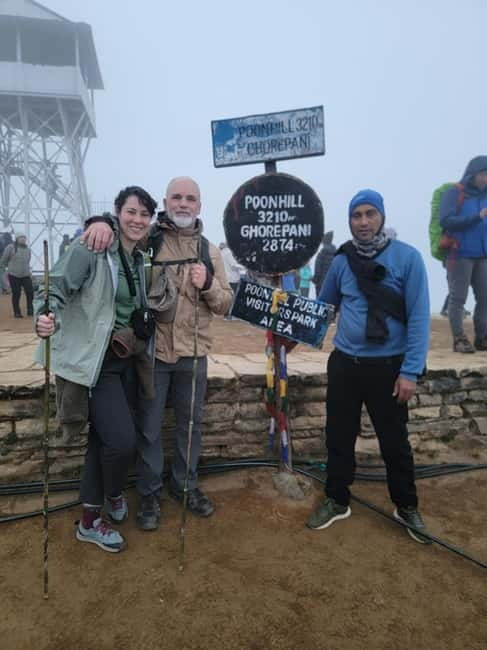
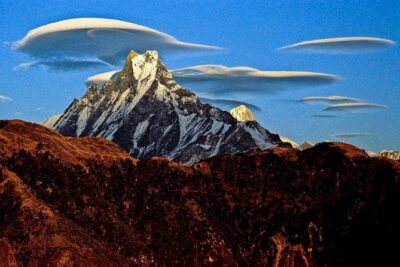
During the ascent, you are treated to some of the classic views in this area, including Annapurna and Mt. Fishtail (Machhapuchhre). Even when you cannot see the far peaks clearly, the walking is still worthwhile because the forest and ridge approach give you a sense of how this region funnels hikers into view after view.
You also reach Ghorepani after about six hours of trekking total. That timing is useful because it tells you the plan is realistic for a multi-day itinerary, not a “hike all day no matter what” schedule.
Teahouse breaks matter here. You get built-in pauses, and that helps keep energy steady. A lot of people appreciate this structure on their first trek. One first-timer specifically said the guide kept checking in so she always had enough to eat and drink.
Night in Ghorepani: where the air gets still and the views wait
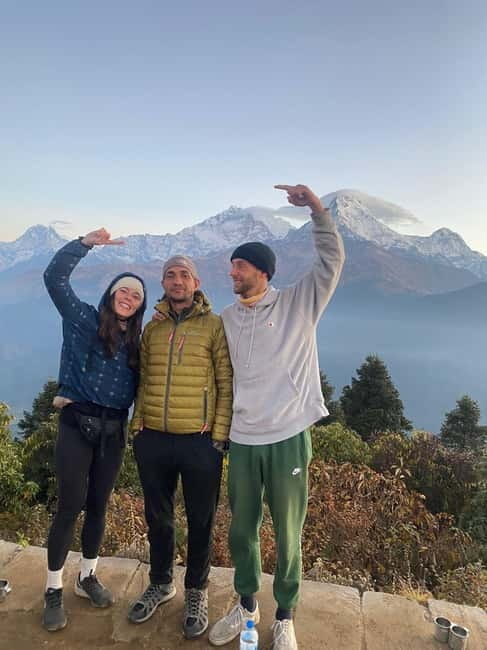
Ghorepani is one of the reasons this trek works. It is positioned as a base for sunrise viewing, and it gives you a place to reset for the early morning.
You will likely sleep in a teahouse lodge. Lodges can be basic, but warm water is often mentioned as a welcome comfort. The bigger benefit is location. If you want the sunrise experience to feel intentional instead of rushed, Ghorepani gives you time to wake up and step out.
Other lodge to lodge routes near Pokhara
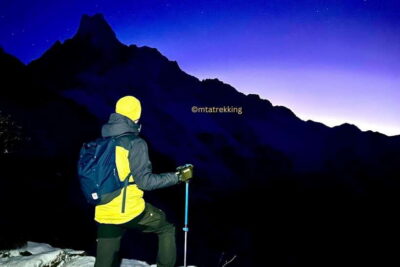
Day 3: Poon Hill sunrise, then rhododendron ridges to Tadapani
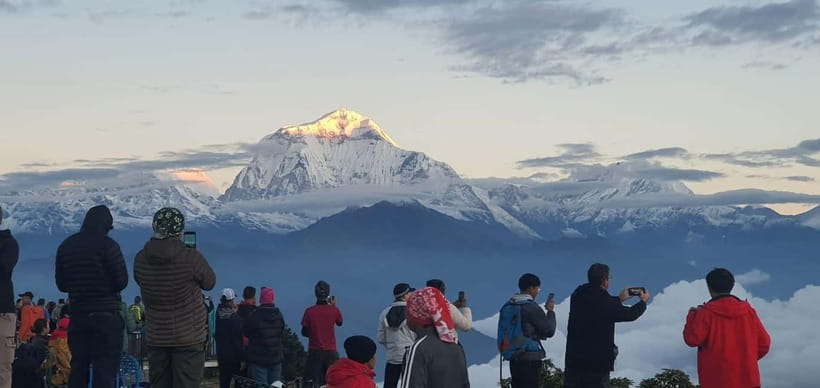
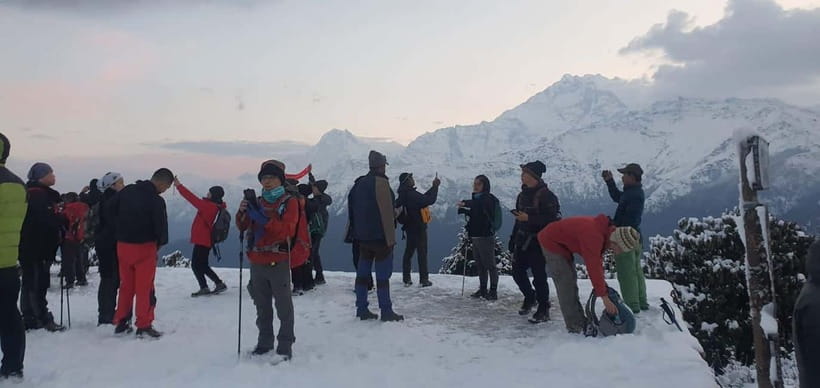
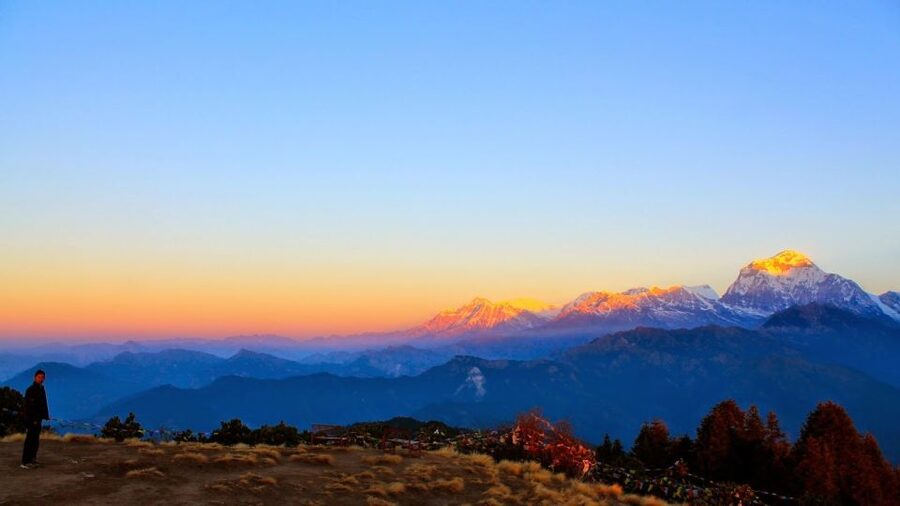
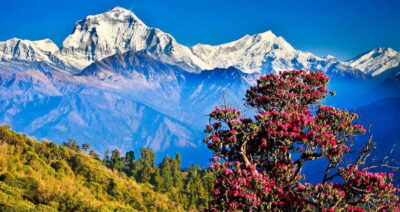
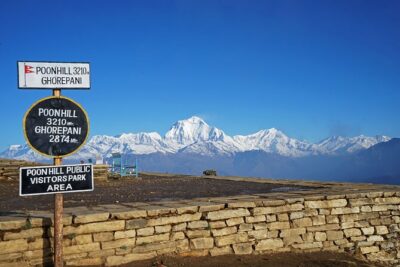
Day 3 starts with a quick wake-up for sunrise at Poon Hill. This is the moment most people plan for, and it is genuinely one of the best uses of time you can make in the Annapurna area. When visibility is good, you can see sunrise over 15 mountain peaks.
Here is why I think this is so satisfying: you are not just looking at one icon peak. The view spreads out, and the lighting changes quickly. You also get to feel the mountain scale in a way that flat photos do not capture.
A weather reality check is worth saying out loud. One group had views only sporadically because weather rolled in. The fix is simple mindset: go early, stay flexible, and assume clouds can clear in bursts.
After sunrise, you descend back toward Ghorepani, then continue onto the next leg. The route takes you through a rhododendron forest, over ridges, and then you reach Tadapani for the night.
Tadapani is a nice contrast day. You go from the peak-view scramble energy into a calmer hiking feel through forest and ridge sections.
Day 4: Tadapani down to Ghandruk, slate roofs and terraced fields
Day 4 is the “slow down and look around” day. You get a short descent to Ghandruk, and the village atmosphere is part of the payoff.
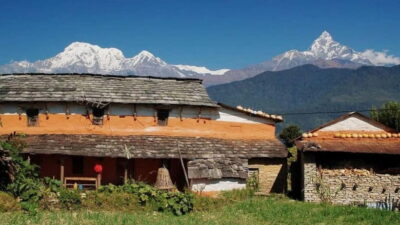
Ghandruk is described with detail that helps you picture it: streets lined with thatch and slate roof houses and farming terraces stepping down the hillside. This is where the trek becomes more than scenery. You can actually spend time watching how people work and live in a mountain setting that feels both remote and well connected.
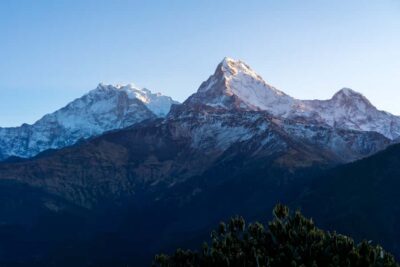
Lunch includes a viewpoint stop, where you can admire Annapurna South and Huinchuli. This is timed well because it breaks the day into manageable chunks before the final walk.
After lunch, you continue for about one more hour and then catch the ride back to Pokhara, dropping you off at your hotel.
The real reason this trek feels good: pace and guidance
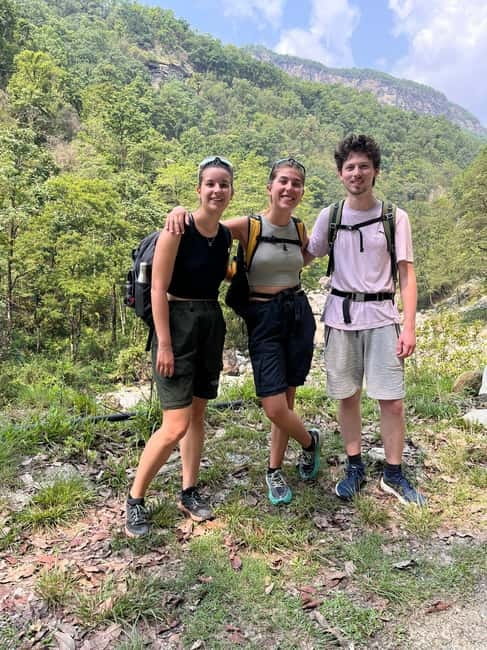
The included English-speaking guide is a big deal here, especially if you are new to trekking. People often highlight two things: the ability to adapt pace and the ability to answer mountain questions.
In the guide feedback, names like Tanka and also Tonka show up as examples of guides who explain the region with enthusiasm and strong English. Another set of feedback praises Padam and Jagan as helpful, accommodating, and attentive to comfort needs.
Why this matters practically:
- If you move fast, you risk feeling wrecked by Day 2 stone steps
- If you move too slow, you can feel pressure at sunrise time
- A guide helps you find the workable middle
Also, a good guide reduces stress in small ways that add up. One first-timer noted the guide made sure she had time for photos, while still keeping the schedule sane.
Price and value: what $200 covers, and what you should budget for
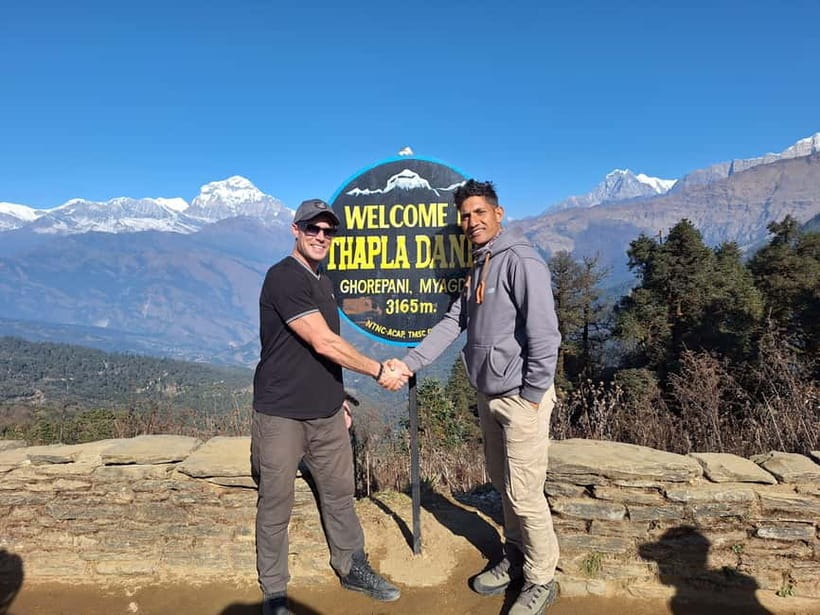
The price listed is $200 per person for 4 days. That includes pickup and drop-off, three nights during the trek, all ground transportation, and all permits and taxes, plus a guide. You also get a first-aid kit and water purification tabs.
That set of inclusions is what makes this good value for many people. In Nepal, arranging permits, transport, and lodge coordination is part of the cost of having a smooth trek.
What you should budget separately:
- Trekking meals and drinks, since meals are not included
- Travel insurance, since it is not included
- Porter service, since it is not included
If you like traveling light, you might skip a porter. If you already know your back will hate you by Day 2, it is worth considering porter help even if it is not included in the base package.
What to bring so the mountains do not bully you
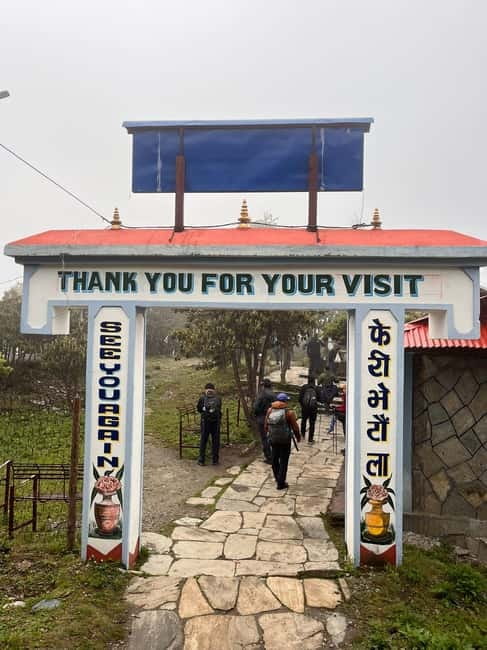
You have a short trek compared to longer Annapurna routes, but you still need real trekking gear. Here is what the trip asks you to bring, and why each item matters:
- Passport or ID card: required for identity and permits paperwork
- Comfortable trekking shoes and socks: protects you from blister chaos on stone steps
- Sun hat, sunglasses, sunscreen: sunrise and ridge time can hit hard
- A jacket: nights can feel cold, especially around Poon Hill morning
- Change of clothes and toiletries: you will appreciate feeling human after a long day
- Daypack and towel: keep your day essentials easy to grab
Also, you are asked to bring:
- A scanned copy of your passport and a passport-sized photo
A long list can feel annoying, but the point is simple. You will be moving for hours, and when you have the right basics, the trek feels like walking through a mountain story instead of fighting discomfort.
Lodges, water, and comfort on a teahouse trek
This route uses teahouse lodges for sleeping each night. That means simple rooms, shared dining areas, and menus that are mostly designed for hikers who need fuel fast.
Water purification tabs are included. Use them. It is one of those travel safety items you will not regret.
Comfort varies by lodge, but warm water is mentioned as a welcome feature in guide-and-lodge feedback. Even if it is not consistent, you can expect the lodges to do what they can for trekking guests.
Who should do this trek, and who should skip it
This trek is a strong match if:
- You want a classic Annapurna intro without a huge time commitment
- You like sunrise experiences and village walking
- You want guided support, especially for first-time trekking
It is not suitable for:
- Pregnant women
- People with heart problems
Even if you are healthy, think about endurance. This is not described as gentle. Day 2 includes heavy step climbing, and the early morning on Day 3 requires real wake-up discipline.
Should you book the Ghorepani and Ghandruk 4-day trek?
I would book it if you want a concentrated Annapurna experience where the time is used well. Poon Hill sunrise plus a village-focused finish in Ghandruk is a satisfying combination, and the guide support makes the whole thing feel manageable.
I would reconsider if you know your body struggles with steep stone steps or early starts, or if you are not comfortable with weather uncertainty in the mountains. Also, since meals and drinks are not included and porter service is not included, do a quick budget check before you commit.
If you want to try Nepal trekking with a strong chance of a memorable sunrise and a rewarding village ending, this is a solid choice. Just pack for cold mornings, keep your expectations flexible about visibility, and let the pace be guided, not forced.
FAQ
Where does the trek start and finish?
It starts in Pokhara, with pickup from your hotel, then a drive to Birethanti. It finishes with a trek down to Ghandruk and then a ride back to Pokhara, where you are dropped off at your hotel.
How long is the trek?
The total duration is 4 days.
Is the guide included, and what language do they speak?
Yes, a live tour guide is included, and the guide speaks English.
What is included in the price?
Hotel pickup and drop-off, 3-nights accommodation during the trek, all ground transportation, all permits and taxes, a guide, a first-aid kit, and water purification tabs.
What is not included?
Meals and drink during the trekking, travel insurance, and porter service.
What are the key sights along the route?
Poon Hill sunrise is a top highlight. You also trek through Ulleri and Ghorepani village areas, then walk through rhododendron forest to Tadapani, and finish in Ghandruk. There are viewpoint stops for Annapurna-related panoramas, including Annapurna South and Huinchuli.
What is the pickup timing like in Pokhara?
You should wait for the guide at your hotel lobby or at the entrance of your residential apartment 5 to 10 minutes prior to the pick-up time.
What do I need to bring?
Bring a passport or ID card, comfortable shoes, sunglasses, a sun hat, change of clothes, towel, sunscreen, comfortable clothes, toiletries, and a daypack. You are also asked to bring a jacket, mosquito repellent, trekking shoes and socks, toilet paper, and a passport scan plus a passport-sized photo.
Is this trek suitable for everyone?
It is not suitable for pregnant women or people with heart problems.
Lodge to Lodge Around Pokhara
The Rest of Our Pokhara Write Ups
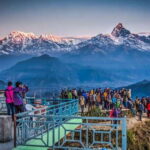


Ghorepani and the Poon Hill Ridge
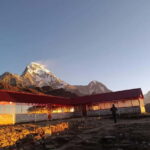
Everything else we have reviewed around Pokhara
- Pokhara: Cable Car Tour – Bird Eye View of Mountain & Lake
★ 4.4 · 3 reviews - Jomsom Muktinath Tour by 4WD SUV 2 Days
★ 5.0 · 3 reviews - Ghorepani Poonhill Private Trek – 2 nights / 3 days
★ 4.5 · 3 reviews - Pokhara: 30-Minute Paragliding Adventure with pick up/drop off
★ 4.5 · 3 reviews - Pokhara: 7-Day Annapurna Base Camp Trek via Ghandruk
★ 4.3 · 3 reviews - Pokhara Group Joining Sarangkot Sunrise Himalayas Tour
★ 5.0 · 3 reviews
Poon Hill & Ghorepani Treks worth a second look.
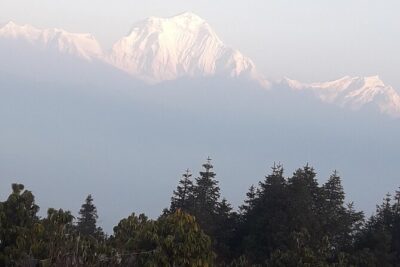 ★ 5.0Poon hill Trek 3 daysFrom $230176 reviews
 ★ 5.04-Day Ghorepani, Poonhill & Ghandruk Mountain TrekFrom $181132 reviews
 ★ 5.0Ghorepani – Poon Hill Trek 3N-4DFrom $321125 reviews
 ★ 5.04 Days Poon Hill TrekFrom $40594 reviews
 ★ 5.0Ghorepani(Poonhill Trek)From $60081 reviews
 ★ 5.04-day Poon Hill TrekFrom $40074 reviews
 ★ 4.93-Day Ghorepani Poon Hill Trek with GuideFrom $16268 reviews
 ★ 5.0Ghorepani Poon Hill TrekFrom $39961 reviews
Lists this tour sits in