
REVIEW · POON HILL & GHOREPANI TREKS
Private 4 Day Poon Hill Trek from Pokhara
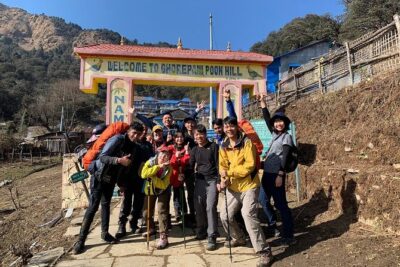
Sunrise at Poon Hill rewires your brain. This private 4-day trek is built for that early-morning magic, with a guided route through rhododendron forests, village trails, and classic Himalayan viewpoints. You also get teahouse nights that put you close to local Gurung and Magar life, not just scenery from behind a fence.
I like two things a lot. First, the Poon Hill sunrise hike is the big hook, and it is timed so you reach the viewpoint early enough for those orange-and-gold peaks. Second, I’m a fan of the teahouse stay format, because you sleep in simple guest houses and spend real time with friendly locals along the way.
One watch-out: the route includes repeated climbs, including steep stone steps on the way up (especially around Ulleri and the early day segments). If your knees or breath get cranky, you’ll want a steady pace and smart breaks.
In This Review
- Quick highlights before you pack
- Why Poon Hill sunrise is the whole reason to go
- Day 1 from Nayapul up to Tikhedhunga: the trek’s warm-up climb
- Day 2: Ulleri and the rhododendron climb into Ghorepani
- Day 3 sunrise at Poon Hill, then the Ghandruk village night
- Day 4 down to Naya Pul, then back to Pokhara lakeside
- What’s actually included, and why it matters on a trek
- Meals and the real cost of comfort
- Price and value: is $240 a good deal?
- Pace and fitness: what moderate really means here
- Who this private trek fits best
- Should you book the Private 4 Day Poon Hill Trek?
Quick highlights before you pack
- The sunrise payoff is the point, with an early morning push to Poon Hill for panoramic views of Annapurna and Dhaulagiri.
- Guest house nights keep it local, and the trek passes through Gurung and Magar communities in traditional teahouses.
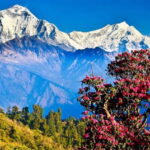
- Rhododendron forests show up on multiple days, including the climb through Ulleri and the forested descent segments.
- Guides handle the hard-to-pronounce logistics, including permits and a TIMS card, plus an English speaking trekking guide.
- You get private transfers, so you’re not wrestling with shared transport after you land in Pokhara.
- Village stops add variety, with Tikhedhunga, Ghorepani, and Ghandruk breaking up the walking rhythm.
Shorter Ghorepani options worth weighing
Why Poon Hill sunrise is the whole reason to go
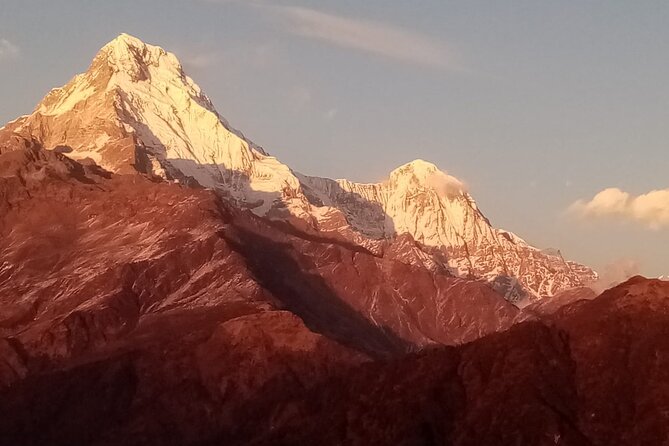
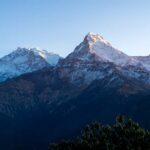
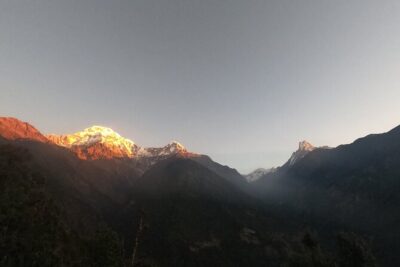
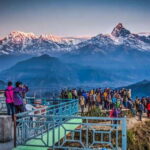
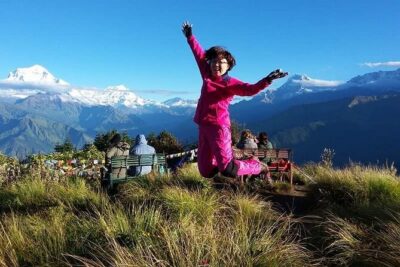
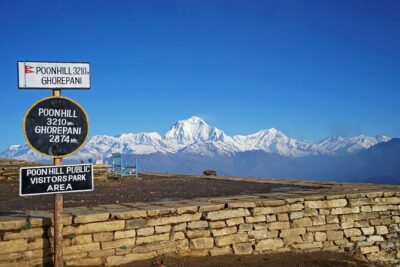
The best part of this trek is also the part that starts early. On day 3, you make an early morning hike to Poon Hill View Point to catch the sunrise over the Himalayas. From up there, you’re looking at big-name ranges, especially Annapurna and Dhaulagiri, framed in that classic dawn light.
Even if you’ve seen photos before, sunrise hikes land differently because your senses are awake before the world becomes spectacular. The walk itself is short, and the payoff is immediate, which makes this trek feel doable. You then hike back down and continue toward the next overnight stop.
There’s also a practical bonus: because the sunrise moment is the main event, the rest of the days have clear purpose. Day 1 and day 2 build you toward that viewpoint, and day 4 is a downhill payoff back toward Pokhara.
Day 1 from Nayapul up to Tikhedhunga: the trek’s warm-up climb
Day 1 starts with travel from Pokhara into the trek zone. You’ll take a drive by public bus from Pokhara to Nayapul, which takes about 1 to 2 hours. Then the walking begins from Nayapul, passing through Birethanti and Hille.
Tikhedhunga is your first overnight. This is the day where you start feeling the rhythm of the trail, including an ascent through the village and the kind of stair stepping that defines early parts of Poon Hill style trekking. It’s not a “go hard” day, but it is a “start moving” day, so you’ll want to pace yourself and keep breaks short and frequent.
If you like the idea of a trek that doesn’t throw you into long back-to-back climbs immediately, this first day is a good match. You get your legs working, but you’re still building up toward the bigger effort later.
Day 2: Ulleri and the rhododendron climb into Ghorepani
Day 2 leans into the classic forests and village-to-village feel. You head toward Ulleri, with a steep stone staircase that can feel like a test early on. After that, the trail transitions into rhododendron and oak forests, which helps the day feel less monotonous.
Your destination is Ghorepani, a village with panoramic mountain views. Ghorepani works well as a base because it sits in a place where you can appreciate how the peaks change as the light shifts. You also get an overnight here, so day 3 doesn’t feel like one long grind with no breathing space.
From a practical standpoint, this day matters because it sets you up for sunrise. Even though the viewpoint hike is short, your body still needs to be warmed up and acclimated to walking steadily on uneven ground.
Day 3 sunrise at Poon Hill, then the Ghandruk village night
This is the day with the headline moment. You do a hike to Poon Hill View Point for sunrise over the Annapurna and Dhaulagiri ranges. The route is early, but the time on the trail is short, about 2 hours according to the itinerary details you’re given. That structure is why this trek is such a good “first Himalayan trek” option.
After the sunrise, you descend to Ghorepani and then continue onward. The big shift on day 3 is that you switch from viewpoint mode to village-hike mode, moving toward Ghandruk.
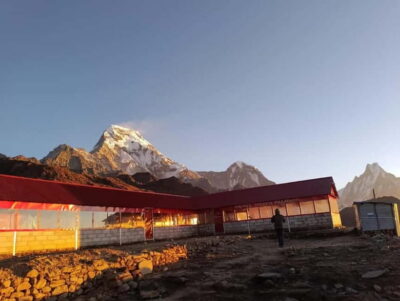
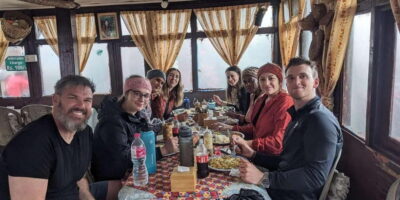
Ghandruk is a Gurung village in Kaski District, and the itinerary notes it for its hospitality. You spend the night in a teahouse there, which is where this trek becomes more than just walking. You’re far more likely to chat, eat simply, and get a sense of how village life looks when you’re not rushing through it.
If you want a trek that mixes big views with actual community time, Ghandruk is a smart middle stop. It also helps break up the walking so day 4 feels more like a graceful exit rather than another major climb.
Private guides for Pokhara, a few more
Day 4 down to Naya Pul, then back to Pokhara lakeside
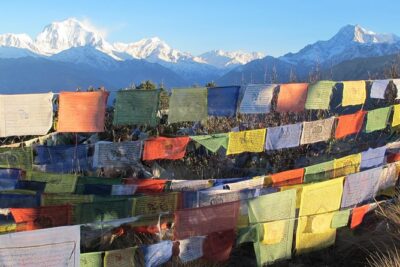
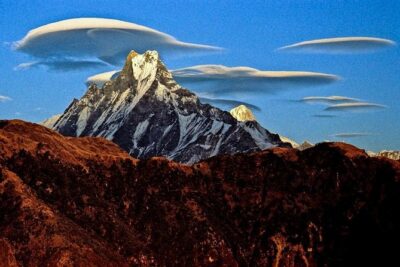
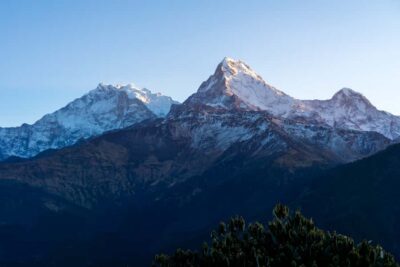
Day 4 is the “say goodbye to the mountains” day. From Ghandruk, you hike downhill via a scenic route, waving farewell to peaks such as Annapurna I, Annapurna South, Dhaulagiri, Fishtail, and Himchuli. That is a lot of name power, but the more important point is that the descent gives you time to look instead of just climb.
The route includes rhododendron forest again, which helps the downhill feel less like a long slide and more like a moving gallery. You end at Naya Pul, then catch a local bus back to Pokhara. Once you arrive in Pokhara, you’re dropped back at your hotel.
This end matters. A trek that lands you back in the city the same day keeps the whole trip from feeling too chopped up. You can wash up, eat a proper meal, and decompress while the memories are still fresh.
What’s actually included, and why it matters on a trek
This trip is private, with only your group. That matters more than it sounds. When you’re trekking, timing is everything, and private support usually means less waiting around and fewer surprises.
You also get a lot of the “paperwork and planning stress” taken care of:
- An English speaking trekking guide
- Trekking permit and TIMS card
- Round trip transfer by private car as per itinerary
- Hotel pickup and drop off
- Accommodation at guest house
In plain terms, you should feel less like you’re organizing a mini expedition and more like you’re following a route with a competent person leading the way. That frees you up to focus on walking and on the actual experience.
Guides get mentioned by name in the stories from past trekkers, including Milan, Biru, Vikram, Amrit, Sham, and Bikram. Across those names, the common thread is that the guides don’t just manage steps, they also talk about what you’re seeing: mountains, culture, and day-to-day trekking life.
Meals and the real cost of comfort
The price is $240 per person, and it’s useful to look at what that covers versus what it doesn’t.
Not included: all meals. The itinerary estimates meals available for purchase at about US$ 28 per person per day. On a 4-day trek, that puts meal spending in the rough neighborhood of US$ 112 total per person, depending on what you order and how many breaks you take.
So your realistic trip cost is closer to:
- $240 for the guided package
- plus about $112 for meals (estimate based on the provided daily figure)
- plus optional gratitude
Why this matters: teahouse trekking can be budget-friendly, but you need to budget for food and drink daily. If you plan like a backpacker, you can keep it lean. If you want more choices, you’ll likely spend more.
Price and value: is $240 a good deal?
For Poon Hill style trekking, $240 is not just paying for walking. You’re paying for a guided route with permits, TIMS card, and private transfers, plus guest house accommodation and pickup and drop off.
The value is strongest if:
- you want to avoid piecing together transport and paperwork
- you’d rather have one English speaking guide than find your way through village logistics
- you prefer the private setup even if you are traveling with a small group
The value gets weaker if you already have everything sorted and you’re comfortable handling permits, transfers, and route timing on your own. For most people leaving Pokhara, this package-style convenience is the point.
Pace and fitness: what moderate really means here
The itinerary is around 6 hours on day 1 and day 2, about 6 hours on day 3 (including the Ghorepani to Ghandruk portion), and about 6 hours on day 4. You also get a short day 3 sunrise segment to Poon Hill, around 2 hours, plus downhill time.
Because this trek includes steep stone stairs (notably on day 2 around Ulleri), moderate fitness is less about speed and more about endurance and leg stamina. Think: can you keep moving on uneven ground for a few hours at a time without needing constant resets?
If you’re okay with climbs, stairs, and occasional soreness later in the day, you should be in good shape. If stairs are a deal-breaker, you might find yourself slowing down more than you expected.
Who this private trek fits best
This setup fits best if you want:
- A classic Poon Hill sunrise experience without turning it into a complicated DIY project
- teahouse nights in villages like Ghorepani and Ghandruk, with cultural interaction as part of the day
- an English speaking guide who can explain what you’re seeing while you walk
It also fits well if you prefer private planning. Since it is a private tour and only your group participates, you’re less likely to feel rushed by strangers’ schedules.
If you’re traveling with a friend or family group, ask about the stated group discount feature. The package is private, but group discounts can still matter if your booking includes more than one trekker.
Should you book the Private 4 Day Poon Hill Trek?
I’d book it if you’re coming to Nepal for that specific sunrise moment and you want the route handled end to end. The combination of Poon Hill morning, teahouse village nights, and guided support (including permits and TIMS card) makes it a strong value for first-time trekkers and for anyone short on time.
I would pause and reconsider if you know you struggle with stair-heavy climbs or you don’t want to manage meals on your own. Since meals are not included, budgeting matters, and day 2 in particular includes steep stone steps.
If you want a trek that is scenic, structured, and culturally grounded, this is a sensible pick. You’ll spend your time moving between villages, chasing sunrise light, and then ending back in Pokhara ready for a real meal and a hot shower.
Pokhara Without the Group Bus
The Rest of Our Pokhara Write Ups


Ghorepani and the Poon Hill Ridge
Everything else we have reviewed around Pokhara
- Pokhara: Cable Car Tour – Bird Eye View of Mountain & Lake
★ 4.4 · 3 reviews - Jomsom Muktinath Tour by 4WD SUV 2 Days
★ 5.0 · 3 reviews - Ghorepani Poonhill Private Trek – 2 nights / 3 days
★ 4.5 · 3 reviews - Pokhara: 30-Minute Paragliding Adventure with pick up/drop off
★ 4.5 · 3 reviews - Pokhara: 7-Day Annapurna Base Camp Trek via Ghandruk
★ 4.3 · 3 reviews - Pokhara Group Joining Sarangkot Sunrise Himalayas Tour
★ 5.0 · 3 reviews
Poon Hill & Ghorepani Treks worth a second look.
 ★ 5.0Poon hill Trek 3 daysFrom $230176 reviews
 ★ 5.04-Day Ghorepani, Poonhill & Ghandruk Mountain TrekFrom $181132 reviews
 ★ 5.0Ghorepani – Poon Hill Trek 3N-4DFrom $321125 reviews
 ★ 5.04 Days Poon Hill TrekFrom $40594 reviews
 ★ 5.0Ghorepani(Poonhill Trek)From $60081 reviews
 ★ 5.04-day Poon Hill TrekFrom $40074 reviews
 ★ 4.93-Day Ghorepani Poon Hill Trek with GuideFrom $16268 reviews
 ★ 5.0Ghorepani Poon Hill TrekFrom $39961 reviews
Lists this tour sits in