
REVIEW · POON HILL & GHOREPANI TREKS
Private Tour Local Culture and The View of Mohare Danda
Sunrise over Himalayas, minus the tourist crush. This private 5-day route in the Annapurna region mixes local life with dramatic viewpoints across Dhaulagiri, Annapurna, and Manaslu ranges, all while staying on quieter trails. I like that the trip is built around community-run lodges, so the money you spend supports education, health, and infrastructure back in the villages.
Two things I especially like: you get a licensed/certified guide plus local professional porters to handle luggage between destinations, and the tour includes real comforts for the trek days, like hot shower, tea or coffee, and a steady lineup of meals. You also get private transportation with an air-conditioned vehicle, which makes the Pokhara to trail connections feel more sane.
One consideration: this is not a stroll. You should plan for a moderate fitness level, because you’ll be hiking several days, including a longer day that centers on sunrise viewpoints.
In This Review
- Quick hits on Mohare Danda culture and mountain views
- A Mohare Danda-style trek where community income is the point
- Price and value: what $315 covers on a private 5-day route
- Day 1: Kali Gandaki River drive to Banskharka village
- Day 2: Dhaulagiri views, traditional houses, and Lokta paper
- Day 3: Annapurna, Dhaulagiri, and Manaslu sunrise with firewood chimney breaks
- Day 4: Kali Daha Lake reflections, rhododendron culture, and the gorge lesson
- Day 5: Holy Kali Gandaki River, rituals, and a meaningful finish
- Guides, safety, and local connections that make the trek feel easier
- What to expect physically, and how weather shapes your plan
- Who should book this private Mohare Danda experience
- Should you book this private tour for Mohare Danda views and local culture?
- FAQ
- How long is the Mohare Danda local culture and views tour?
- Where does the tour take place?
- What does the $315 price include?
- What is not included in the tour price?
- Do I need to be physically fit for this trek?
- Is this a private tour?
- What happens if the weather is poor?
Quick hits on Mohare Danda culture and mountain views
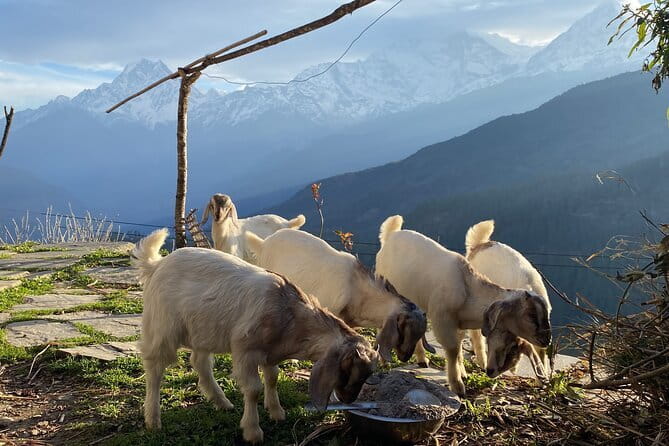
- Community-run lodges: the route is designed so lodge income flows back to local development like education, health, and infrastructure.
- The “big range” sunrise focus: Annapurna, Dhaulagiri, and Manaslu show up in one of the most memorable daily rhythms on the trek.
- Kali Gandaki, the world’s deepest gorge story: you’ll learn how the river forms an extreme valley, including the commonly cited 5.5 km vertical distance from peak to riverbed.
- Lokta paper and handicrafts stop: you can shop for locally made Lokta paper during the Dhaulagiri day.
- Firewood chimney dining and warm breaks: day meals include cozy moments like dining with a firewood chimney.
- Guide connections that solve problems: in at least one real-world case, the guides arranged vehicles down when a descent felt especially hard.
Shorter Ghorepani options worth weighing
A Mohare Danda-style trek where community income is the point
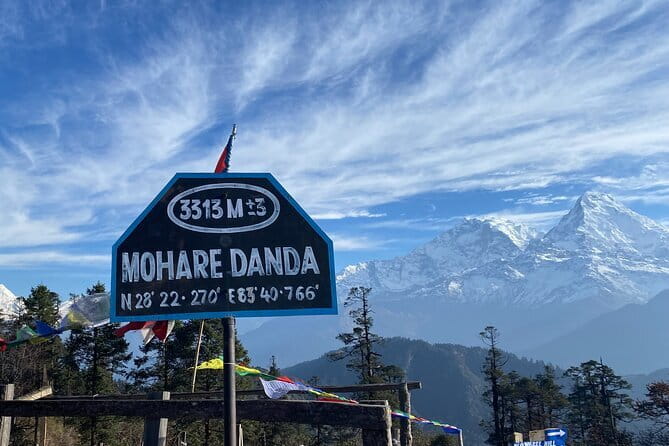
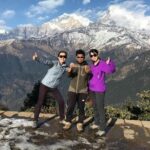
This tour stands out because it is not just about ticking off viewpoints. The route is built around people who live in and near the Annapurna trekking areas, including community-run lodges. That matters because the financial benefits are described as flowing directly toward community development, including education, health, and infrastructure improvements.
I also like the practical side of that model. You are not only consuming scenery, you’re supporting local employment, from lodge staff to local porters. When a tour hires porters who know the trekking corridors and villages, it tends to make the whole day feel smoother. You will still feel the rugged setting, but with fewer random hiccups.
And the setting itself is framed as off the beaten path. That usually means fewer crowds, more time to talk with locals, and a better chance to notice everyday details, like farming land and settlement patterns you pass en route.
Price and value: what $315 covers on a private 5-day route
$315 for a private 5-day trek is not cheap on paper, but it can feel fair once you see what is included. You’re not just paying for a guide and a couple of views. The package includes private transportation in an air-conditioned vehicle, plus local professional porters who move your luggage between destinations.
Food is also handled in a meaningful way. You get tea or coffee, lunch on five days, breakfast on four mornings, and dinner on four evenings. That removes a lot of decision fatigue on trekking days, especially when trail conditions or timing limit your options. On top of that, hot shower is included, which is a big quality-of-life upgrade when you’re spending long hours outside.
You should also factor in the “admission ticket free” structure for the stops. The pricing does not appear to rely on paid viewpoints or entry fees for the core days you travel.
What is not included is important too: wine, alcohol, and soft drinks are excluded. There’s also an optional cultural program fee of USD 48 total if you request the Pun Magar Traditional Cultural Program. If you skip it, your spend stays closer to the main price.
Day 1: Kali Gandaki River drive to Banskharka village
Day 1 starts with a drive from Pokhara to Beni along the Kali Gandaki River. That stretch matters because it sets your expectations for what the trek will feel like: a river system that shapes the valley life, plus constant mountain context around you.
After lunch in Beni, you begin hiking toward Banskharka village. The itinerary mentions glimpses of Brahmans settlement and farming land while passing through Mallaj village. That is a nice early touch because it gives you more than scenery. You’re seeing the human side of how people use the land around the Annapurna region.
The benefit of starting this way is pacing. Instead of jumping straight to the biggest sunrise moment, you build into the rhythm of hiking, walking from village to village, and learning what daily routines look like up close.
A potential drawback is simple: you’ll want to treat Day 1 as a warm-up with a real hike. If your fitness level is only “okay,” go slow, hydrate often, and save energy for the longer sunrise-centered days later.
Day 2: Dhaulagiri views, traditional houses, and Lokta paper
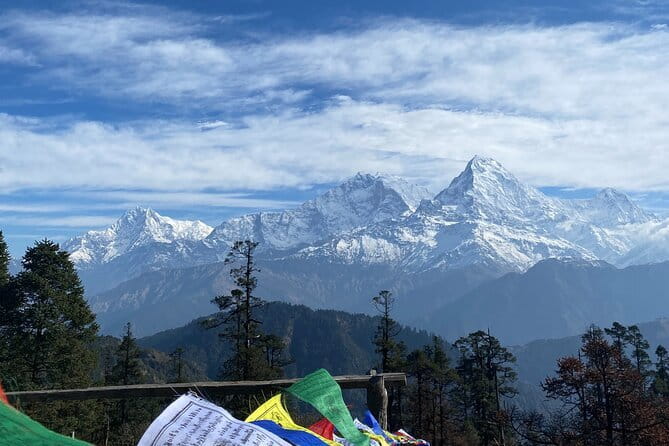
Day 2 is a views-and-culture day anchored by the Dhaulagiri mountain range. You’ll have an outdoor lunch with the mountain in sight, plus opportunities to observe traditional Nepalese houses and farming land in the area.
There’s also a practical souvenir angle. The itinerary notes that you can buy Lokta Paper and related handicrafts. Lokta paper comes from the Lokta plant and is used in many Nepali craft products. If you like bringing home something made locally by people you met on the way, this is the moment to do it, because you will have both the time and the context.
One thing I like about this day: it gives you a strong mountain hit without forcing every hour to be strenuous hiking. That can be a good match if you want memorable views but you still want energy for the sunrise focus later.
Private guides for Pokhara, a few more
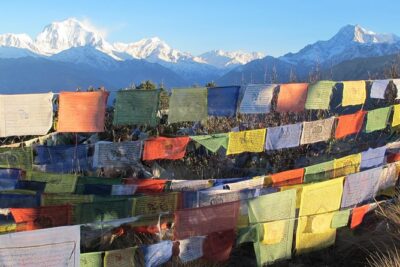
Day 3: Annapurna, Dhaulagiri, and Manaslu sunrise with firewood chimney breaks
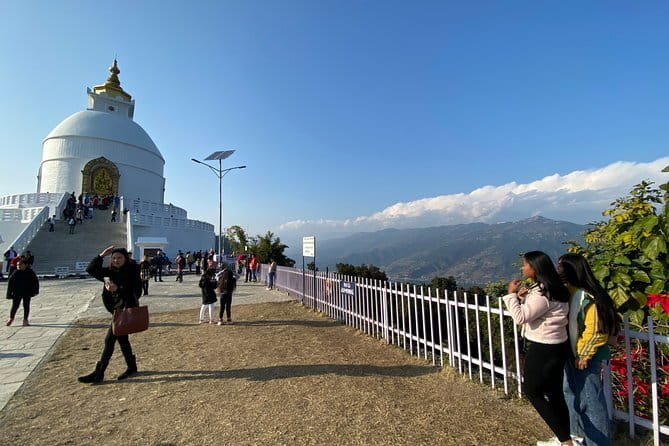
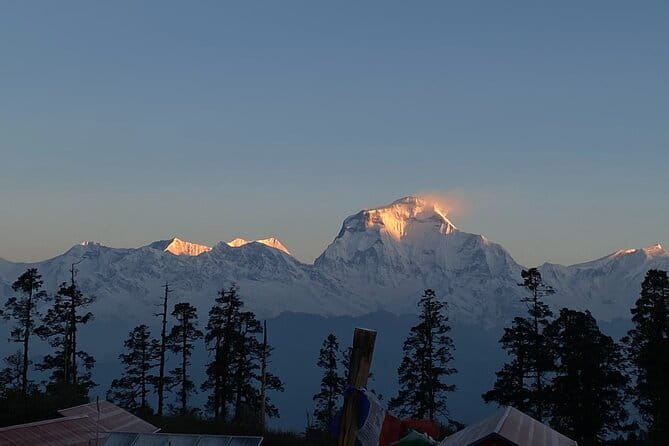
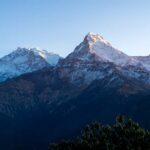
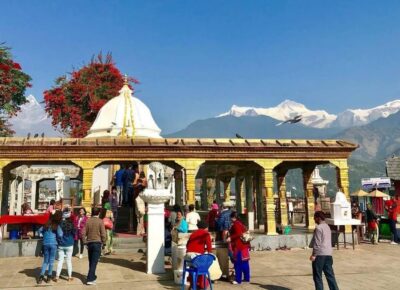
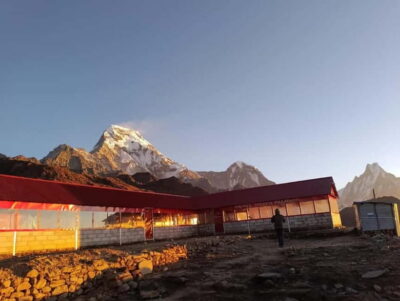
Day 3 is the star day. You’ll witness sunrise over the Annapurna, Dhaulagiri, and Manaslu ranges, which is exactly the kind of triple-range moment people travel to Nepal for. Sunrise in the Himalayas usually means changing light, long shadows, and peaks that look different by the minute.
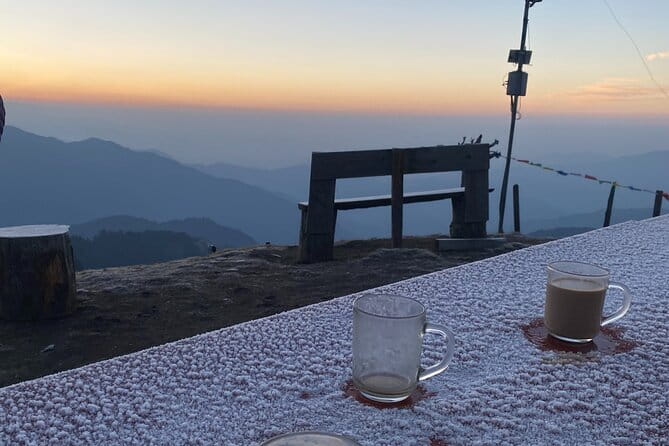
The day is also designed for comfort during the viewing and waiting periods. The itinerary highlights cozy dining with a firewood chimney, plus free internet facility available. That’s a surprisingly useful combo. You can stay warm while still staying connected enough to share what you’re seeing without turning the morning into a total grind.
Mount Manaslu also gets its own highlight. The plan includes time to see Manaslu, listed at 8,163 metres above sea level. Even if you don’t memorize numbers, it helps to have a named target. It turns a big visual day into something you can anchor your attention on.
From the guide side, I pay attention to the human details here. In real trip feedback, guides Chitra and Lukesh were praised for their care and local connections, including making the overall experience feel safe even when weather turned rough. That matters on sunrise days, because timing and conditions can change fast.
Day 4: Kali Daha Lake reflections, rhododendron culture, and the gorge lesson
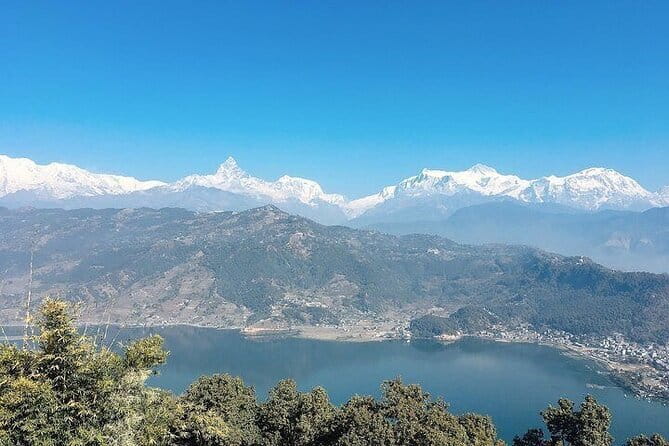
Day 4 mixes peak reflections with a cultural nature walk, plus one of the more interesting “science meets faith” explanations on the whole route.
First, you’ll visit Kali Daha Lake, described as mirror-like. As the sun rises, the lake reflects the Annapurna mountain range, and golden rays play across the scene. If you like photography or just calm moments, this stop gives you a slower, more contemplative rhythm than a straight uphill or a hard ridge scramble.
Next comes a trail walk with rhododendron bushes. Rhododendron is not just a flower here. The itinerary notes it has deep significance in Nepali culture, and your guide can connect that meaning to the plants you’re seeing along the way.
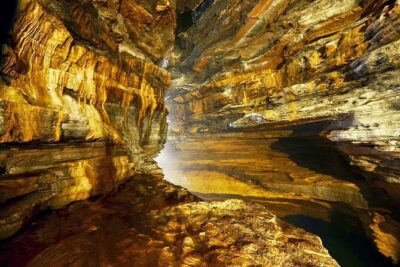
Finally, you get a bigger context lesson about the Kali Gandaki gorge. The route explains that the Kali Gandaki separates two of the world’s 10 highest mountains, and that the vertical distance from Dhaulagiri’s tip to the riverbed is about 5.5 kilometres, often cited as the deepest gorge in the world. I like getting these details while you’re still physically in the valley, because the explanation makes the geography feel real instead of theoretical.
A small caution for Day 4: lake stops and cultural plant walks tend to be great, but they can also be weather-dependent. If cloud cover or rain changes the timing, you’ll still have the day, just with different visibility than you expected.
Day 5: Holy Kali Gandaki River, rituals, and a meaningful finish
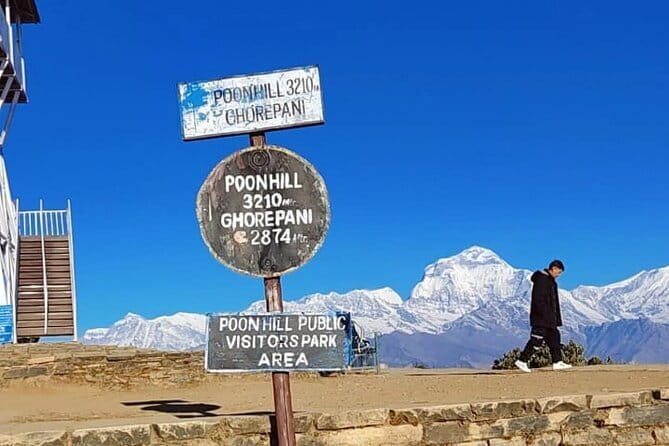
Day 5 brings you back to the Kali Gandaki River for a longer stop. The focus here is sacred meaning. The river is described as holy in Hindu and Buddhist beliefs, with rituals and ceremonies taking place along its banks.
Pilgrims often take dips in the holy water as a form of purification and spiritual cleansing, according to the itinerary notes. Even if you are not participating in rituals, it is worth watching respectfully. It adds depth to the trip, because you started the journey with the river drive, learned about the gorge, and then end with the spiritual role the river plays in local life.
This last day is also a reminder that this tour is not only a viewpoint itinerary. It’s a route that follows how the landscape connects to daily living and belief.
Guides, safety, and local connections that make the trek feel easier
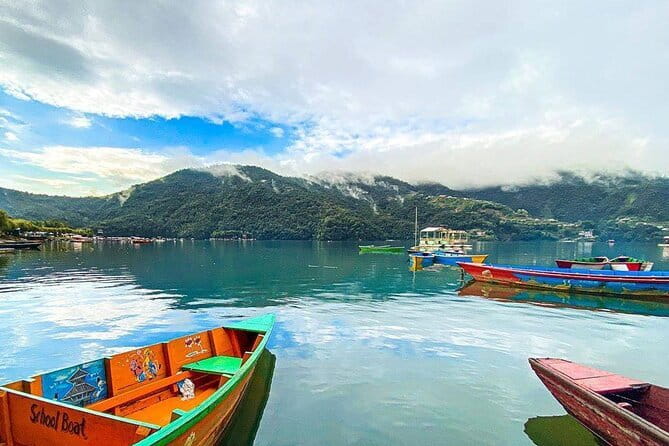
A private tour shines when it means you can ask questions and adjust pacing, not just when it means fewer strangers in your photos. With this route, the “private” part is supported by a licensed or certified in-person guide and local professional porters.
I’m especially drawn to the guide connection angle from real feedback. Chitra and Lukesh were described as having strong relationships with people along the way, and those relationships can matter in the moment. One account notes they arranged cars down the mountain when the hike down Mohare Donda felt especially arduous, saving time and reducing the chance of unnecessary injuries.
To me, that kind of problem-solving is not fluff. It’s the difference between a trek that stays enjoyable when conditions change and one that turns into a stubborn slog.
What to expect physically, and how weather shapes your plan
This is described as requiring moderate physical fitness. That lines up with the way the itinerary is built: you drive in the morning, then hike between village points, and you keep moving across multiple days.
If you’re tempted to treat this like an easy cultural stroll, don’t. The long hiking days, plus sunrise timing on the peak-view day, can be tiring even when the scenery is perfect.
Weather is another real factor. The experience notes it requires good weather, and if it is canceled due to poor weather, you’ll be offered a different date or a full refund. That’s a smart detail to pay attention to because mountain conditions can make safety and visibility tough.
Who should book this private Mohare Danda experience
This trek fits best if you want:
- A quieter Annapurna-region route that prioritizes village life and community-run lodges.
- Big mountain viewpoints across Dhaulagiri, Annapurna, and Manaslu, with a sunrise day built into the plan.
- A tour where guides work as local translators, not just drivers with a schedule.
- Comfortable inclusions for trekking days, like hot shower and multiple meals, wrapped into a private format.
If you are traveling solo or as a small group and you like the idea of a private pace, this is a strong match. If your group wants flexibility and you value local craft like Lokta paper, Day 2 becomes extra appealing.
If your group is very sensitive to hiking effort, or if you want a completely minimal-impact experience, you may want to compare this route to less hiking-forward itineraries.
Should you book this private tour for Mohare Danda views and local culture?
I’d book it if you want a Nepal trek that feels grounded in how people actually live in the Annapurna region, not just a checklist of mountains. The strongest reasons are the community-run lodge concept, the inclusion of real comforts like hot shower and multiple meals, and the sunrise focus that hits more than one major range.
I’d think twice if you do not like hiking or you’re unsure about your moderate fitness level. Also consider that weather matters here, and the tour depends on good conditions for the mountain-view moments.
If you want, tell me your travel month and how many people are in your group, and I can help you sanity-check whether the pacing and sunrise day will feel right for you.
FAQ
How long is the Mohare Danda local culture and views tour?
The tour runs for 5 days (approximately).
Where does the tour take place?
It takes place in Pokhara, Nepal, with trekking around the Annapurna region and viewpoints tied to Dhaulagiri, Annapurna, and Manaslu.
What does the $315 price include?
It includes private transportation in an air-conditioned vehicle, local professional porters for luggage, a licensed or certified in-person guide, tea or coffee, hot shower, and meals (lunch is included 5 times, breakfast 4 times, and dinner 4 times). Dietary needs can be indicated when booking.
What is not included in the tour price?
Wine, alcohol, and soft drinks are not included. There is also an optional fee of USD 48 total for the Pun Magar Traditional Cultural Program if you request it.
Do I need to be physically fit for this trek?
Yes. The tour states you should have a moderate physical fitness level.
Is this a private tour?
Yes. It is a private tour/activity, and only your group will participate.
What happens if the weather is poor?
The experience requires good weather. If it is canceled due to poor weather, you will be offered a different date or a full refund.
Everything Bookable Around Pokhara

The Rest of Our Pokhara Write Ups
Ghorepani and the Poon Hill Ridge
Everything else we have reviewed around Pokhara
- Pokhara: Cable Car Tour – Bird Eye View of Mountain & Lake
★ 4.4 · 3 reviews - Jomsom Muktinath Tour by 4WD SUV 2 Days
★ 5.0 · 3 reviews - Ghorepani Poonhill Private Trek – 2 nights / 3 days
★ 4.5 · 3 reviews - Pokhara: 30-Minute Paragliding Adventure with pick up/drop off
★ 4.5 · 3 reviews - Pokhara: 7-Day Annapurna Base Camp Trek via Ghandruk
★ 4.3 · 3 reviews - Pokhara Group Joining Sarangkot Sunrise Himalayas Tour
★ 5.0 · 3 reviews
Poon Hill & Ghorepani Treks worth a second look.
 ★ 5.0Poon hill Trek 3 daysFrom $230176 reviews
 ★ 5.04-Day Ghorepani, Poonhill & Ghandruk Mountain TrekFrom $181132 reviews
 ★ 5.0Ghorepani – Poon Hill Trek 3N-4DFrom $321125 reviews
 ★ 5.04 Days Poon Hill TrekFrom $40594 reviews
 ★ 5.0Ghorepani(Poonhill Trek)From $60081 reviews
 ★ 5.04-day Poon Hill TrekFrom $40074 reviews
 ★ 4.93-Day Ghorepani Poon Hill Trek with GuideFrom $16268 reviews
 ★ 5.0Ghorepani Poon Hill TrekFrom $39961 reviews
Lists this tour sits in