
REVIEW · NAGARKOT SUNRISE & DAY HIKES
Essence of Nepal: 4-Day Tour Kathmandu, Nagarkot & Pokhara
Sunrise views are the whole point here. This 4-day route strings together UNESCO temple worlds in Kathmandu Valley and Himalayan viewpoints at Nagarkot and Sarangkot, with a scenic flight to Pokhara so you are not spending all day on the road.
I especially like how the pace feels family-friendly, yet you still get big-ticket sights like Swayambhunath, Boudhanath, Bhaktapur Durbar Square, and the Pokhara lake and cave stops. Another standout is the human touch, with Sobit from Bold Himalaya getting named for warmth and insight in past guest experiences.
One consideration: the early-morning hilltop cold is real. Nagarkot, Sarangkot, and even Pumdikot run much colder than Kathmandu, so plan layers, not just a light jacket, and keep your expectations flexible if weather clouds the mountain views.
In This Review
- Key highlights worth planning around
- A 4-day route that hits the big Nepal moments fast
- Kathmandu temples and palace squares, from Monkey Temple to Boudhanath
- Bhaktapur Durbar Square: the royal details that reward slow looking
- Nagarkot sunset and Sarangkot sunrise: when the weather cooperates
- The Pokhara day: lake time, falls, caves, and wide views
- International Mountain Museum and how to make Pokhara more than scenery
- Hotels, transport, and that 3-star reality check
- Price and value: what $416 covers, and what to budget for
- The guide experience, and why it matters more than you think
- Day 4 in Kathmandu: Sarangkot morning, temples, then Thamel time
- Who this tour fits best
- Should you book Essence of Nepal with Bold Himalaya?
- FAQ
- What is included in the tour price?
- Are entry fees included?
- Do I get pickup in Kathmandu or from the airport?
- Is there a flight to Pokhara?
- Where will I stay during the tour?
- What should I pack for Nagarkot and Sarangkot?
Key highlights worth planning around
- UNESCO Kathmandu Valley hits in a tight schedule, including Swayambhunath, Pashupatinath, Boudhanath, and Bhaktapur Durbar Square
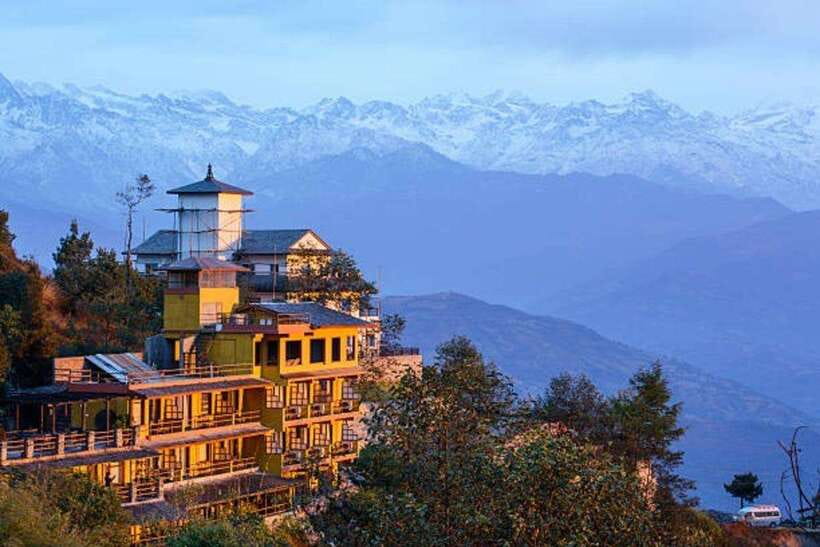
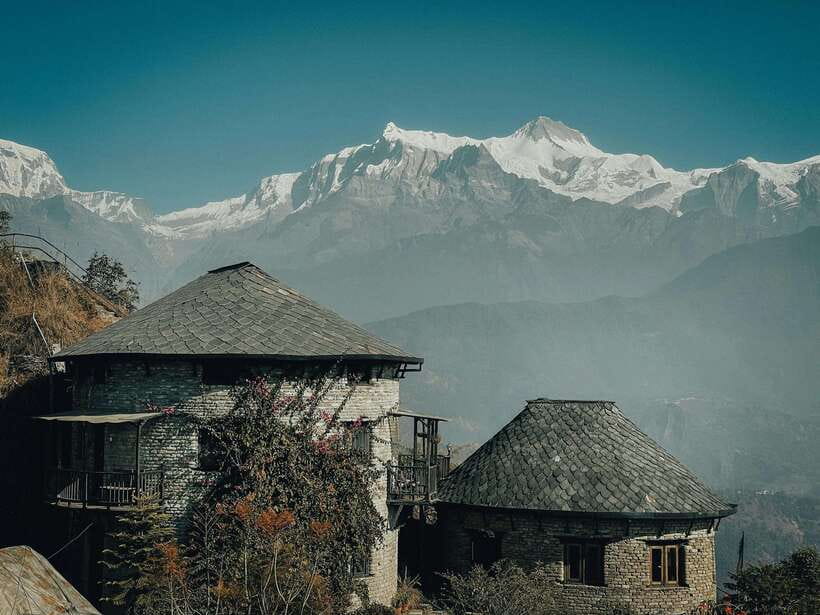
- Himalayan sunrise and sunset from viewpoints in Nagarkot and Sarangkot, with extended sightline chances toward major ranges
- Scenic flight Kathmandu to Pokhara so your time goes to sights, not long overland travel
- Pokhara essentials in one day, Phewa Lake, Davis Falls, and Gupteshwor Cave, plus viewpoint stops
- 3-star comfort, breakfast included, with twin-share rooms in Kathmandu, Nagarkot, and Pokhara
- English live guiding and an English audio guide, helpful when you want context without extra effort
Other early starts up to Nagarkot
A 4-day route that hits the big Nepal moments fast
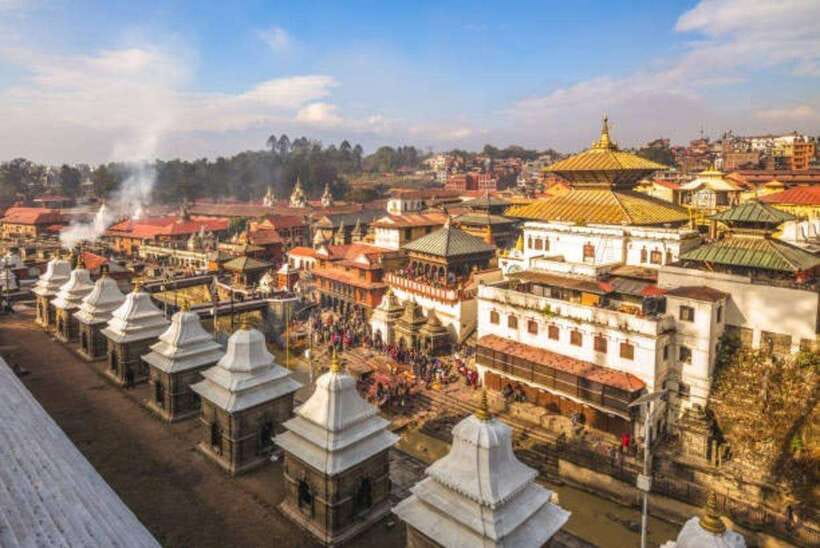
This tour is built for first-timers and groups who want meaning without misery. You cover three bases in four days: Kathmandu for temples and palace squares, Nagarkot for sunset and Himalayan mood, and Pokhara for lakes, falls, caves, and mountain perspectives.
The best part is the shape of the trip. You get major cultural stops in Kathmandu Valley, then you get the mountain payoff from viewpoints, then you switch to Pokhara for slower nature moments. It is a good match if you want variety without long hikes or exhausting transit.
Kathmandu temples and palace squares, from Monkey Temple to Boudhanath
Day 1 is your Kathmandu “greatest hits” day, and it works because the stops are close enough to feel connected. You start with the Chandragiri Hills Cable Car, which gives you panoramic views over the valley and out toward Himalayan scenery on a clear day. It is a simple way to get oriented fast, especially if you have just arrived.
Then you move into the religious heart of Kathmandu:
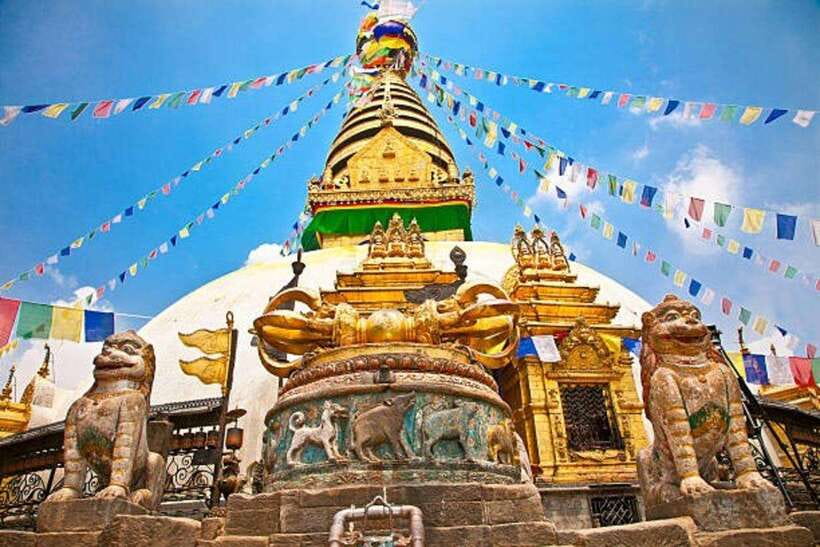
- Swayambhunath (Monkey Temple): an ancient Buddhist stupa complex on a hill, where you will see the layered look of religious life and local routines around it.
- Patan Durbar Square: palace architecture and Newari details, which help you understand why Kathmandu Valley is such a temple-and-royal complex region.
- Pashupatinath Temple: one of the most sacred Hindu sites in the area, so expect strong spiritual atmosphere and important cultural rules around behavior.
- Boudhanath Stupa: a major Buddhist landmark where the scale of the stupa and everyday devotion make the stop feel bigger than a quick photo stop.
Practical note: entry fees are not included, so you should expect extra payments in Nepali rupees for various temple sites. I find it easiest to keep some cash on hand, especially if an entry line or fee window asks for immediate payment.
Also pay attention to photography rules. Some places restrict filming or certain angles, so keep your phone out but be ready to put it away when asked.
Bhaktapur Durbar Square: the royal details that reward slow looking
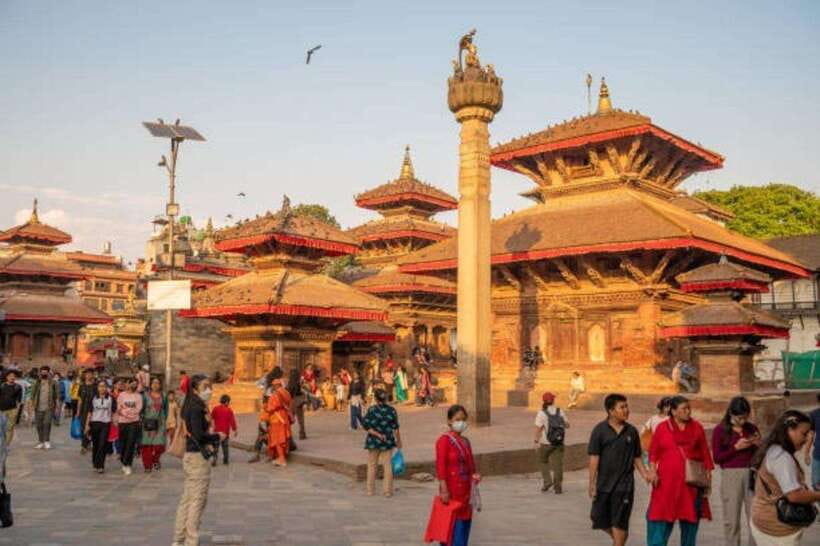
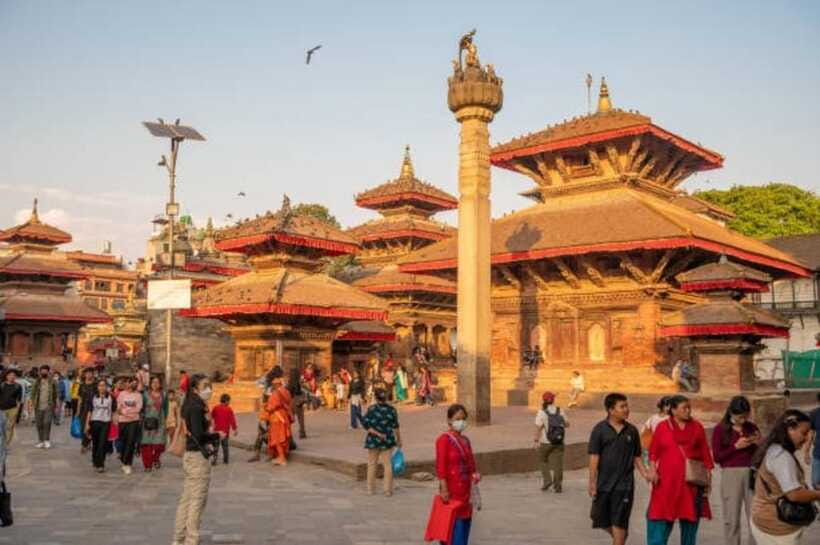
On Day 2 you add Bhaktapur, and this is where Kathmandu’s temple power becomes even more tangible. Bhaktapur Durbar Square is a royal courtyard landscape where fine craftsmanship is the main event, not just the big landmark buildings.
The highlights you get include the 55-Window Palace, the Golden Gate, the Nyatapola Temple, and Dattatreya Square. The value here is that you are not only seeing a stupa or a single temple, you are walking through a concentrated “how a palace city expressed power” set of spaces.
Once you finish Bhaktapur, you drive toward Nagarkot and shift from stone to sky. Even if you are tired, this day sets you up well for the next day’s Himalayan mood because you are already moving into the higher-elevation viewpoint zone.
Nagarkot sunset and Sarangkot sunrise: when the weather cooperates
Nagarkot and Sarangkot are the emotional center of the trip. You are going for the long views, the light changes, and that slow moment when the mountains start to look close enough to touch.
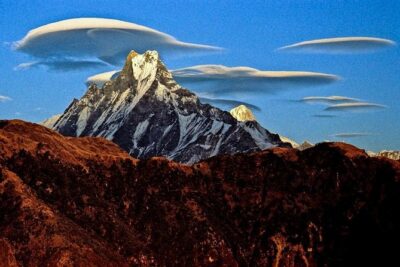
Day 2 ends with Nagarkot sunset stretching in the direction of major Himalayan ranges, and Day 4 begins early for Sarangkot sunrise with views that can include Annapurna region scenery and famous peaks like Machhapuchhre (Fishtail). Even when cloud cover reduces visibility, these mornings and evenings still teach you something. Nepal’s mountains are not just scenery, they are light, weather, and atmosphere changing minute by minute.
The big practical point is clothing. November to February is typically sunny but cold, and the higher viewpoints are much colder than the cities. June to August brings monsoon rain, so rain gear and a backup plan for visibility are smart. Pack layers even if your Kathmandu weather feels mild.
Before the deposit goes down: more Kathmandu to weigh
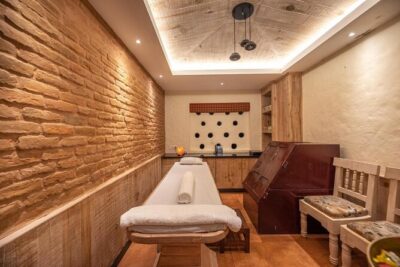
The Pokhara day: lake time, falls, caves, and wide views
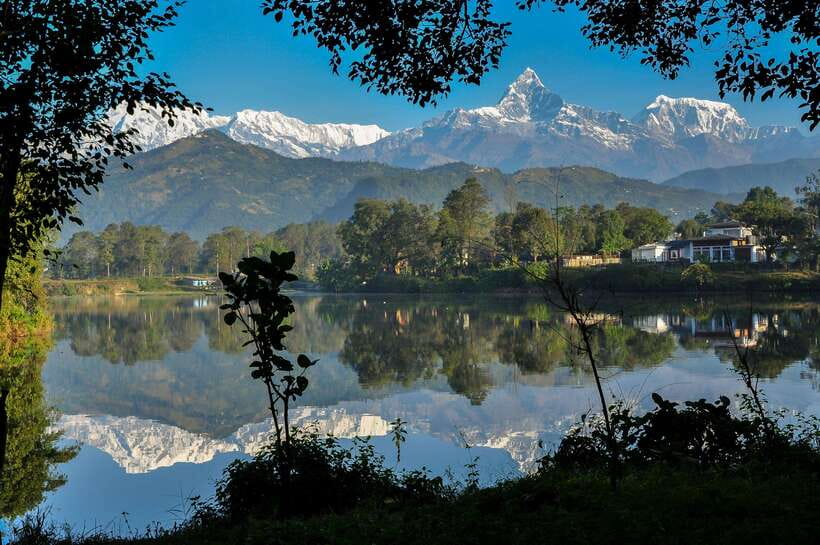
Day 3 is your Pokhara transformation day. The schedule is full but not chaotic, and it is structured so you do the heavier sightseeing before lake time slows everything down.
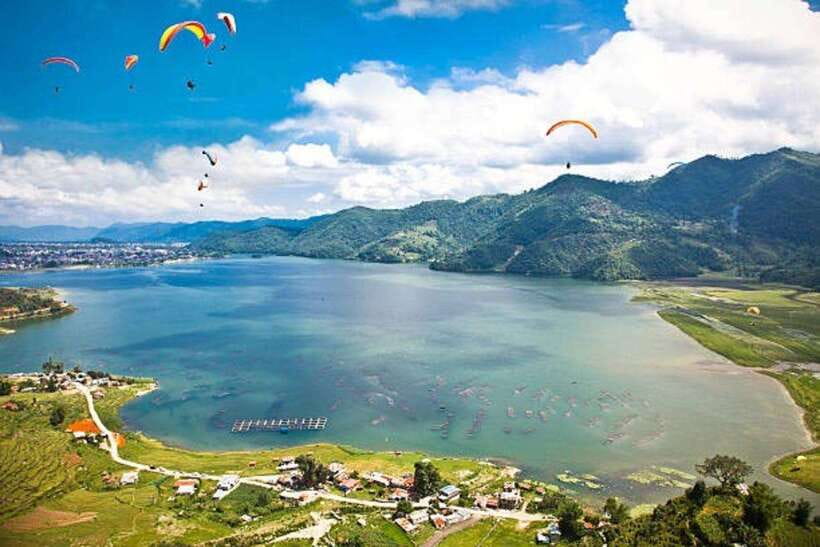
The scenic flight to Pokhara is the shortcut that makes this tour feel premium. You trade some road time for mountain air views, which means more energy for Pokhara itself once you land.
Once you are there, you visit:
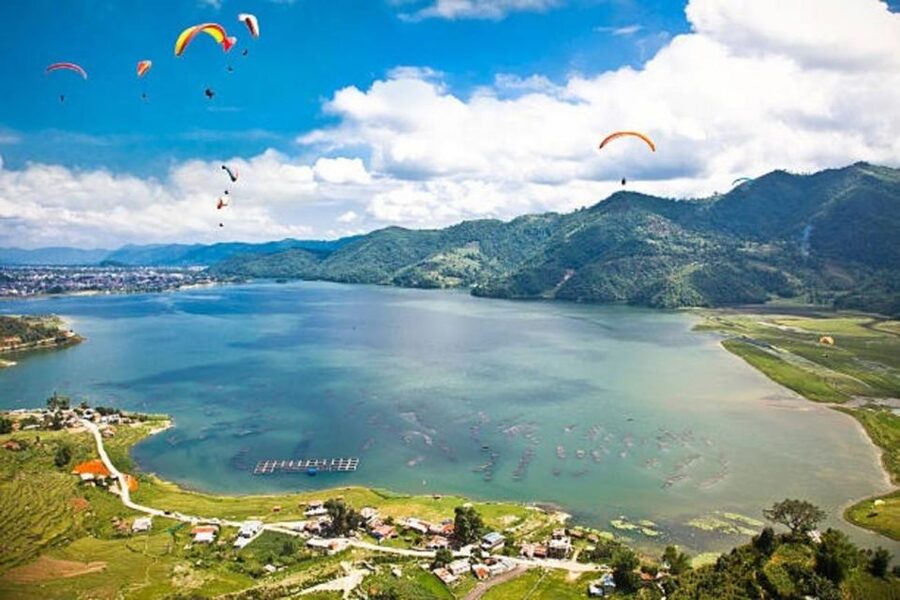
- Phewa Lake, with an optional boat ride. Even if you skip the boat, the lake setting is a reset button after city temples and stairs.
- Davis Falls and Gupteshwor Cave, where water and sacred storytelling meet. It is the kind of sight that looks best when you take your time walking the viewing paths and listening to your guide’s context.
- Pumdikot Shiva Statue, a viewpoint stop where you can look out toward major ranges like Annapurna, Dhaulagiri, and Manaslu (on clear days).
One thoughtful choice here is that the tour mixes “active curiosity” and “quiet watching.” Falls and caves are your physical sights, while Phewa Lake and evening reflections give you the slower, atmospheric payoff.
International Mountain Museum and how to make Pokhara more than scenery
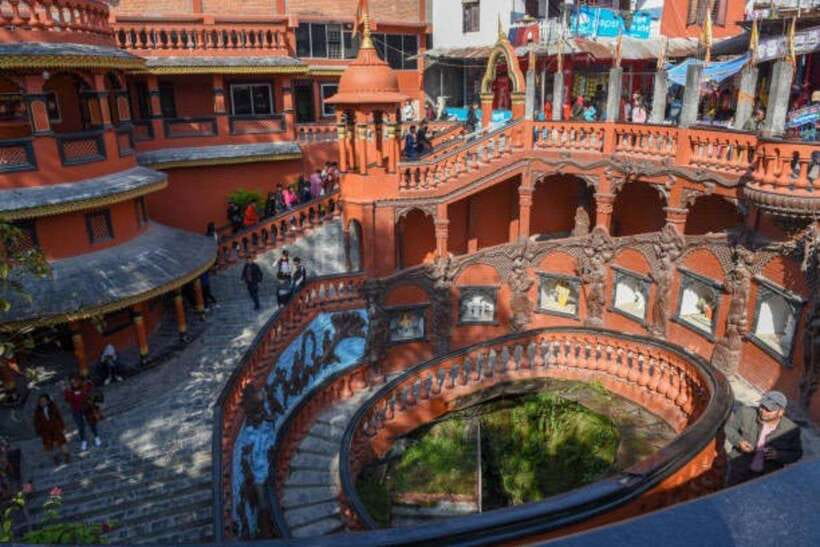
Pokhara often gets sold as a view-and-coffee stop, but this tour adds learning without turning your day into a classroom. You visit the International Mountain Museum, which is built around the story of Himalayan peaks and the human culture linked to them.
I like this stop because it changes how you look at what you see later. When you understand what peaks represent and why people live with the mountain in their lives, the viewpoint moments feel less random and more connected.
The morning includes early Nagarkot views, then the flight, then museums and natural landmarks. If you want to maximize that flow, bring a camera you actually know how to use, since some vantage points and cave-related areas do not lend themselves to complicated phone setups.
Hotels, transport, and that 3-star reality check
This tour uses 3-star hotels with one night each in Kathmandu, Nagarkot, and Pokhara, with breakfast included and twin-sharing rooms. That is a solid baseline for comfort on a route that changes elevations and climates.
Transport is handled by a driver, with transportation tailored to your group size. Since you are moving between cities and viewpoints, this kind of door-to-door arrangement matters. It keeps you from losing time hunting local transport when you really want daylight for views.
A useful detail for planning: the tour includes return by tourist bus from Pokhara to Kathmandu. That is generally straightforward, and it keeps the end of Day 4 from feeling rushed.
Price and value: what $416 covers, and what to budget for
At $416 per person for four days, the value is tied to what is included rather than just the headline price. You get a professional guide (English), a driver, fuel and tolls, airport or hotel pickup, and a scenic flight to Pokhara. You also get three nights in 3-star hotels with breakfast, which is usually one of the bigger cost items on short Nepal trips.
What is not included is just as important for budgeting: entry fees and lunch, dinner, and drinks. Entry fees add up across multiple temple and heritage sites, especially in Kathmandu Valley. If you budget meal costs and entrance tickets in advance, you avoid the end-of-day money math that can distract from the sights.
A small practical tip from real-world timing: some guests have found that the Day 1 voucher may show a time like 6:00, but you still need to communicate with your operator about the exact pickup timing. When you book, confirm your pickup window clearly so your first morning does not start with confusion.
The guide experience, and why it matters more than you think
This is one of those tours where the guide can make a big difference. In past experiences, Sobit from Bold Himalaya has been specifically praised for warmth, insight, and care, and that kind of guiding is more than being friendly. It helps you move through culturally sensitive spaces with fewer awkward moments and more understanding.
You also get an English audio guide. That is useful when you want to pause for a photo or regroup without losing context. It is also handy if you have hearing fatigue after a long travel day.
If a day feels less informative than you hoped, the best move is to ask questions early. You will get more value that way than saving your questions for the final stop.
Day 4 in Kathmandu: Sarangkot morning, temples, then Thamel time
Day 4 starts with an early drive to Sarangkot for sunrise. After that, you visit Bindabasini Temple, then you head back to Kathmandu by tourist bus. The afternoon is flexible, so you can handle shopping in Thamel, relax, or continue independently.
I like this structure because you do not end the trip with a rush of last-minute sightseeing. You get the mountain moment first, then you get the option to decompress or add personal time where you want it.
Who this tour fits best
This one is designed for a wide range of ages and travel styles. You will likely enjoy it if you want a first Nepal trip that mixes culture and nature without long, punishing days.
It is a good choice for:
- Families and mixed-age groups who want a comfortable pace
- Friends or small groups who want shared sightseeing with built-in guidance
- Couples who want scenery plus cultural depth
- Solo first-timers who do not want to plan transport between three different areas
If you are someone who needs total free time or you dislike early mornings, you might find the sunrise structure challenging. But if you accept that early start is part of the payoff, it works well.
Should you book Essence of Nepal with Bold Himalaya?
I would book this tour if you want a smart introduction to Nepal in four days, with real temple concentration in Kathmandu Valley and the best-known viewpoint moments in Nagarkot and Sarangkot. The scenic flight and breakfast-included 3-star lodging make the schedule feel efficient without feeling budget-bare.
Skip or reconsider if you know you will not tolerate cold mornings at higher elevations, or if you want a very slow travel pace with lots of unstructured time. Also remember: entry fees and meals are extra, so go in with a realistic daily budget for those costs.
If you want your Nepal first trip to feel complete, with the big sights handled and your time spent where it matters, this is a strong way to do it.
FAQ
What is included in the tour price?
The price includes a driver, a professional English guide, transportation based on group size, a flight from Kathmandu to Pokhara with mountain views, return by tourist bus from Pokhara to Kathmandu, and three nights in 3-star hotels (Kathmandu, Nagarkot, and Pokhara) on a twin-sharing basis with breakfast included. Fuel, tolls, and parking for all transportation are also included.
Are entry fees included?
No. Entry fees are not included, and they are paid in Nepali rupees (NPR).
Do I get pickup in Kathmandu or from the airport?
Yes. Pickup is included. If you are already in Kathmandu, you will be picked up from your hotel or location. If you arrive on a morning flight, you meet the group at Kathmandu Airport, and the tour begins after or before check-in depending on how rested you feel.
Is there a flight to Pokhara?
Yes. You take a scenic domestic flight from Kathmandu to Pokhara with mountain views.
Where will I stay during the tour?
You stay one night each in Kathmandu, Nagarkot, and Pokhara in 3-star hotels, using twin-sharing rooms. Breakfast is included each morning. On the final day, the tour includes no hotel.
What should I pack for Nagarkot and Sarangkot?
Bring layers and comfortable walking shoes. Mornings and evenings at higher altitudes like Nagarkot and Sarangkot are much colder than in Kathmandu, especially in November to February. If you travel in June to August, carry an umbrella or raincoat due to frequent rain.
Everything Bookable Around Kathmandu
The Rest of Our Kathmandu Write Ups

Sunrise from Nagarkot
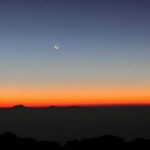
Everything else we have reviewed around Kathmandu
- 12 Days Everest Base Camp Trekking
★ 5.0 · 3 reviews - 1 Night 2 Days Chitwan Jungle Safari Tour from Pokhara or Kathmandu
★ 3.0 · 3 reviews - Thamel Rickshaw tour
★ 4.7 · 3 reviews - Kathmandu: Momo Making Class with a Local Chef
★ 5.0 · 3 reviews - Kathmandu: Full-Day Yoga, Body Massage and Pedicure Package
★ 5.0 · 3 reviews - From Kathmandu / Pokhara / Chitwan: River Rafting – 1 Day
★ 4.6 · 3 reviews
Nagarkot Sunrise & Day Hikes worth a second look.
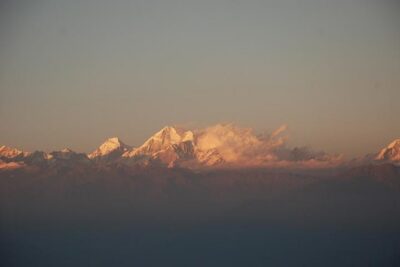 ★ 5.0Nagarkot Sunrise View and Day Hiking from KathmanduFrom $45471 reviews
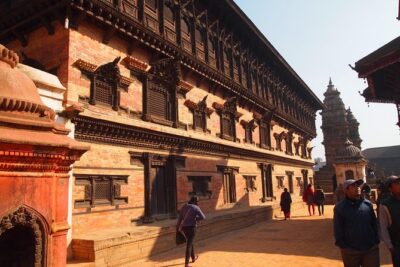 ★ 5.0Private Bhaktapur and Nagarkot Day Tour From KathmanduFrom $20305 reviews
 ★ 4.9Nagarkot Sunrise View & Morning Hike with LunchFrom $5188 reviews
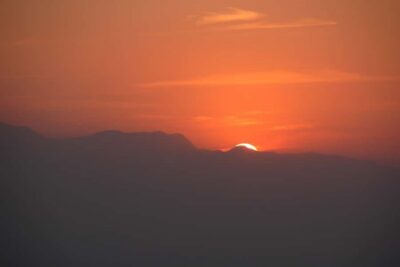 ★ 4.7Nagarkot Sunrise and Hike Tour to Changu NarayanFrom $55151 reviews
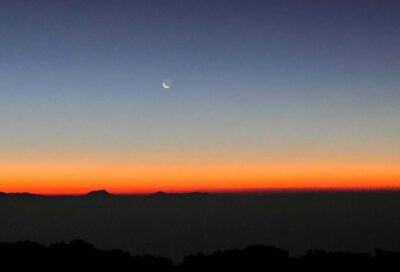 ★ 4.8Everest View from Nagarkot & hike to ChanguFrom $43140 reviews
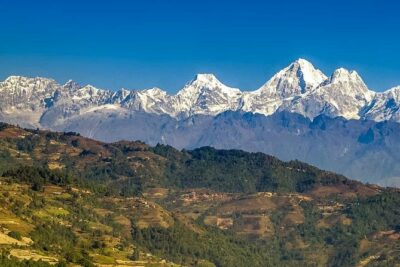 ★ 5.0Nagarkot Sunrise & Hike to Changu Narayan Day Tour from KathmanduFrom $25126 reviews
 ★ 4.9Nagarkot Sunrise & Hike with Lunch -Private/GroupFrom $5122 reviews
 ★ 4.5Nagarkot Sunrise Trip & Day Hike with Lunch from KathmanduFrom $3583 reviews
Lists this tour sits in