
REVIEW · EVEREST BASE CAMP TREKS
Everest Base Camp Trek from Lukla
Lukla to Everest in 12 days is pure altitude drama. I love how the route makes room for Kala Patthar views that really do live up to the hype, and I also love the quiet pause at Tengboche Monastery before things get steeper. You get Sherpa culture along the way, plus classic Khumbu Valley hiking that feels earned, not staged.
The biggest thing to think about is logistics and risk management. Lukla flights can be weather-dependent, and the trek climbs to high elevations fast enough that you’ll want to follow the included acclimatization days and pace yourself.
In This Review
- Key highlights to look for on this Everest trek
- Lukla start: why this trek feels like a real adventure
- Day-by-day breakdown: what each stop does for you
- Day 1: Lukla to Phakding through forest and suspension bridges
- Day 2: Phakding to Namche Bazaar, the Sherpa capital
- Day 3: Namche acclimatization day, markets plus altitude awareness
- Day 4: Namche to Tengboche, rhododendron hills to a monastery payoff
- Day 5: Tengboche to Dingboche, higher, quieter, and more Himalayan
- Day 6: Dingboche acclimatization day, short hikes with a purpose
- Day 7: Dingboche to Lobuche, the terrain turns more barren
- Day 8: Lobuche to Gorakshep, then on to Everest Base Camp
- Day 9: Kala Patthar morning hike, and the sunrise payoff
- Day 10: Pheriche to Namche, retracing with a more relaxed mind
- Day 11: Namche to Lukla, the finish line feels closer
- Day 12: Lukla back to Tenzing-Hillary Airport
- Sherpa culture and Namche Bazaar: more than scenery
- Guides, porters, and the small-group advantage
- Tea houses, meals, and what comfort really means here
- Value and price: is $466 a good deal for Everest Base Camp?
- Who this Everest Base Camp trek from Lukla is best for
- Practical packing and altitude habits that actually help
- Optional add-ons: helicopter time-savers exist
- Should you book this Everest Base Camp trek from Lukla?
- FAQ
- How long is the Everest Base Camp trek from Lukla?
- Where does the trip start?
- What is included in the price?
- Are flights to Lukla included?
- Do I need travel insurance?
- How big is the group?
- What should I pack?
- Is alcohol allowed on the trek?
Key highlights to look for on this Everest trek
- Kala Patthar, for sunrise-grade views: the high point day is aimed at the best vantage over Everest and the surrounding giants.
- Namche Bazaar, for real Sherpa life: markets, cafes, and mountain views that help your head catch up with your body.
- Tengboche Monastery, for a spiritual break: one of the largest monastery hubs in the region, backed by big peaks.
- Acclimatization built in: rest days in Namche and Dingboche so you’re less likely to rush your altitude.
- Tea houses and porter support: basic stays, but with professional English-speaking guide help and a porter for your load.
- Small group feel: limited to 10 participants, which makes trail pacing and logistics easier.
Lukla start: why this trek feels like a real adventure
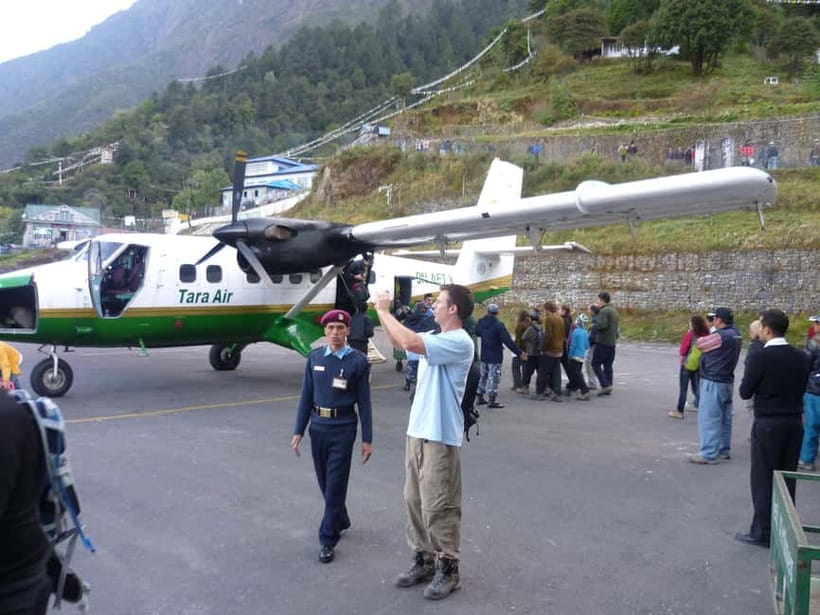
Starting at Tenzing-Hillary Airport and then heading to Lukla sets the tone. Lukla is where the Everest journey stops being a theory and turns into a walking plan. The trek begins in the Khumbu Valley, which is known for dramatic mountains, suspension bridges over fast rivers, and that lived-in Sherpa rhythm you only get once you’re on the trail.
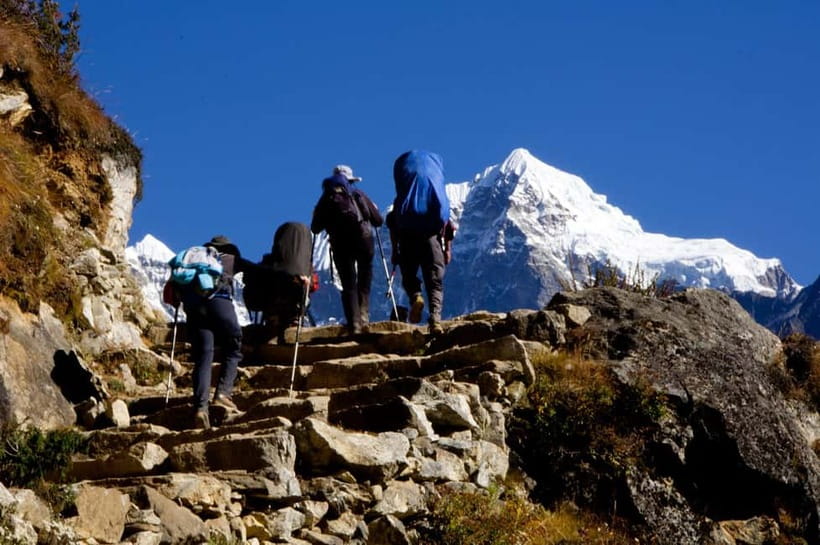
The first day pushes you from the buzz of Lukla toward Phakding, a small riverside village on the Dudh Koshi River. Expect lush forests, crossing bridges, and that slow tightening of your focus as your body adjusts to moving uphill on rougher terrain.
What I like about this opening is that it does not try to turn day one into a summit push. It gets you hiking and acclimating at the same time, which matters because the elevation jump later on is not forgiving.
Day-by-day breakdown: what each stop does for you
Day 1: Lukla to Phakding through forest and suspension bridges
This is your “wake up the legs” day. You’ll start with a guided airport welcome and then trek onward to Phakding. The trail runs along the Dudh Koshi River, with suspension bridges that add a little adrenaline and plenty of classic mountain-trail scenery.
Even if the walking feels manageable, treat it like a warm-up. The best trekkers keep it steady early, so later days feel like progress instead of punishment.
Day 2: Phakding to Namche Bazaar, the Sherpa capital
On day two you climb toward Namche Bazaar, the bustling hub where many Everest trekkers end up resting and resupplying. This is where you’ll feel the human side of the Khumbu.
In Namche, you can take a break, explore markets, and enjoy wide mountain views, including Thamserku and Kongde Ri. For me, the value of Namche is practical: it’s where your supplies, your schedule, and your altitude reality all line up. A good guide helps you pace time so you don’t burn energy you need later.
Day 3: Namche acclimatization day, markets plus altitude awareness
Day three is an acclimatization day in Namche. The point is simple: you’re gaining elevation even when you’re not “climbing” each day, so you need time for your body to catch up.
You’ll have time to explore local markets and take in big views from town. This is also a good day to get a feel for tea houses, hot-water routines, and the little habits that keep you comfortable at altitude.
Day 4: Namche to Tengboche, rhododendron hills to a monastery payoff
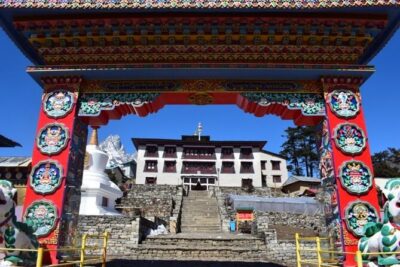
You’ll continue upward through rhododendron and pine forests toward Tengboche. The big draw here is Tengboche Monastery, one of the largest monastery hubs in the region. It’s a spiritual stop that also works as a reset for trekkers, especially once the air starts feeling thinner.
The monastery sits against a striking backdrop, with panoramic views of Ama Dablam, Everest, and Lhotse. This is the kind of stop that makes you slow down without realizing you’re slowing down. It’s not a rushed photo stop. It feels like a breath before the higher, harsher terrain later.
Day 5: Tengboche to Dingboche, higher, quieter, and more Himalayan
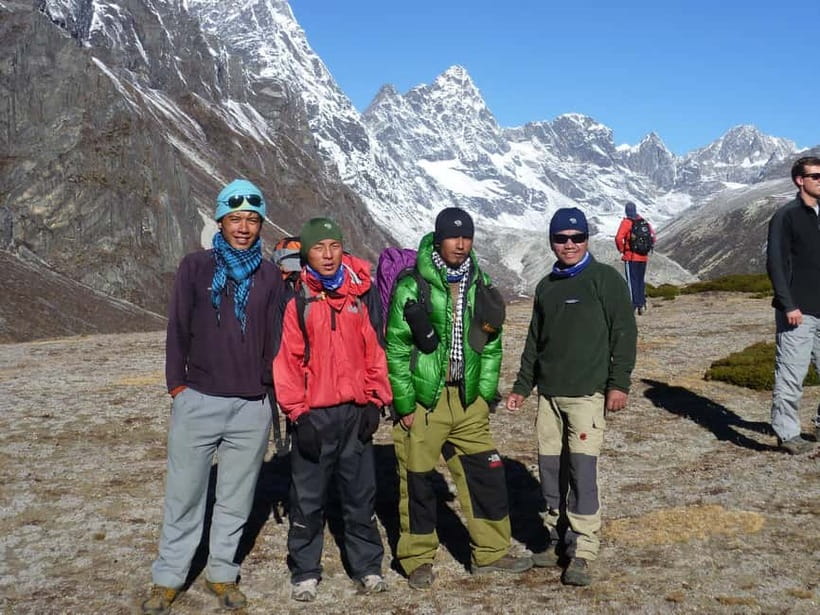
Next up is Dingboche, a village around 4,410 meters. Dingboche feels more remote than Namche and less forested. The air gets sharper, and the mountains begin to look closer, bigger, and more sculpted.
You’ll have views that make the extra altitude feel worth it. The route also sets you up for a pattern you’ll repeat: walk, rest, then let your body process the altitude shift.
Day 6: Dingboche acclimatization day, short hikes with a purpose
Another acclimatization day. This is where short hikes can help, as long as you keep them controlled and don’t treat it like a second main trek day.
Dingboche is known for strong surrounding views, and the idea is to keep moving gently while giving your body time to adjust. If you’re the type who hates sitting still, this day is still worth it, because you’ll feel it pay off in the tougher days after Lobuche.
Day 7: Dingboche to Lobuche, the terrain turns more barren
As you head toward Lobuche, you’ll notice the environment changing. The landscape becomes more barren at higher elevations, with fewer trees and more rocky, exposed ground.
Lobuche is remote and surrounded by tall peaks, and the vibe shifts. The adventure part grows, but so does the need for careful pacing. This is not the day to sprint for views. It’s the day to keep your steps calm and your breathing under control.
Day 8: Lobuche to Gorakshep, then on to Everest Base Camp
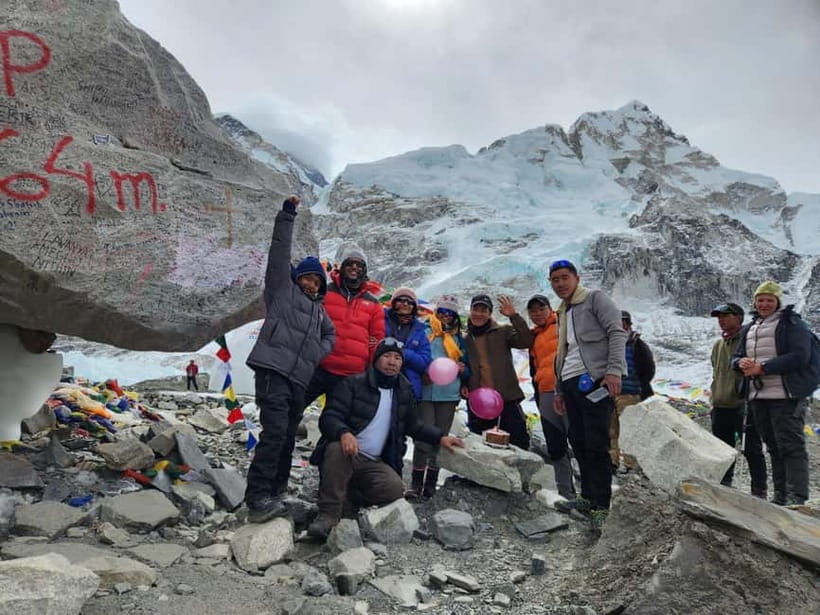
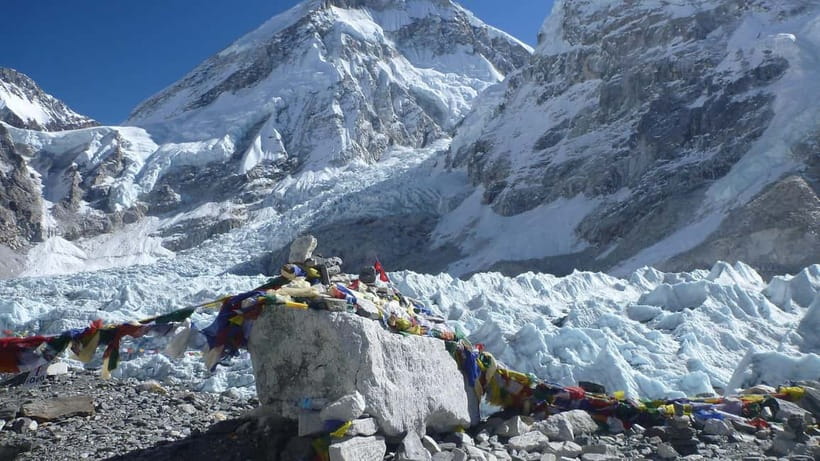
Day eight is where the trek builds toward its headline moment. You reach Gorakshep, and from there you push to Everest Base Camp, sitting at 5,364 meters.
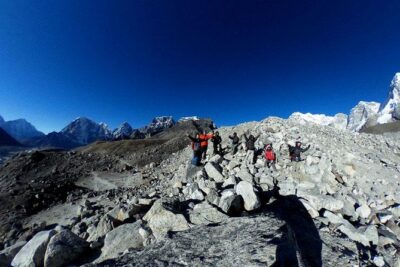
This is the point of triumph the itinerary is built for. You get close-up views of the Khumbu Icefall and the surrounding peaks. Whether you’re a hardcore trekker or doing this for the first time, it’s one of those places that hits you emotionally because it looks both real and unreal at the same time.
For practical comfort, remember you’re high up, and your body may feel different than it did back in Namche. Take time, hydrate, and don’t underestimate how cold it can feel even when you’re moving.
Day 9: Kala Patthar morning hike, and the sunrise payoff
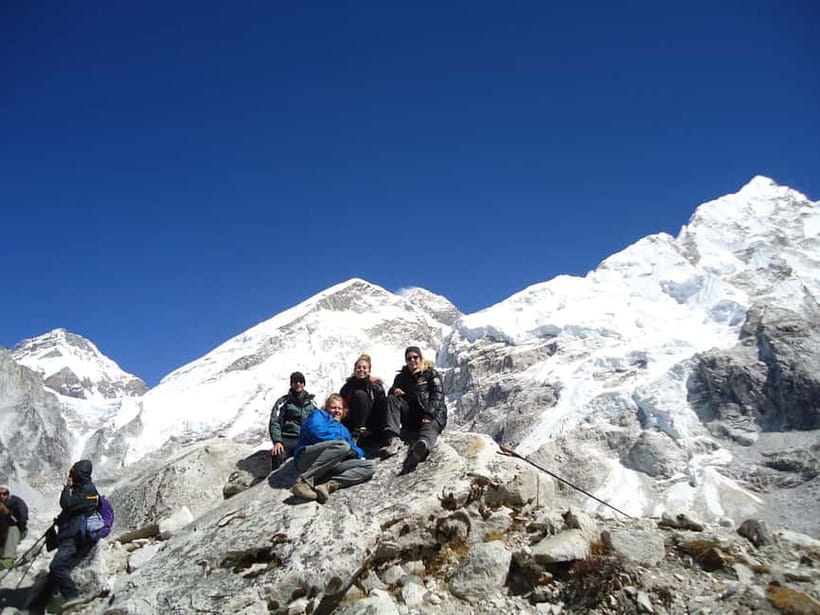
If you want the best “I can’t believe I’m here” view, day nine is built for you. You hike to Kala Patthar at about 5,545 meters, often timed for sunrise views. Golden light on the peaks can be a highlight, and this is one of the most famous vantage points on the entire trek.
After that, you trek back to Pheriche for the night. This matters because the next day is a long return toward Namche, and you’ll feel better if you sleep well after Kala Patthar rather than pushing onward immediately.
Day 10: Pheriche to Namche, retracing with a more relaxed mind
The route back to Namche Bazaar retraces your trail through familiar villages. This is a mental gift day. You get to reflect on what you’ve done, enjoy the scenery again, and watch your confidence climb as you move back downward gradually.
It also helps with fatigue management. Descents are still work, but you’re not chasing new altitude gains, and your body gets a chance to settle.
Day 11: Namche to Lukla, the finish line feels closer
On day eleven you head back to Lukla. This is the day when the trek starts feeling like a completed project. The terrain might not get easier, but your mind is already celebrating, which helps.
Once you reach Lukla, your priority becomes time, comfort, and getting ready for the final transfer.
Day 12: Lukla back to Tenzing-Hillary Airport
The last day is your return. The trek ends and the trip shifts back into travel mode. If you had been saving energy, now is when you want it, because the day is about moving and regrouping, not climbing.
Sherpa culture and Namche Bazaar: more than scenery
The itinerary is built around Sherpa culture in a way that affects your experience, not just your photos. Namche Bazaar isn’t only a viewpoint. It’s where you see how the community operates, shop rhythms, and how people move between daily life and the mountains.
Tengboche Monastery adds another layer. The monastery is described as a major spiritual hub, and the backdrop turns the visit into something special. You’re not just passing through. You’re stepping into a place that matters to Sherpa religious life and to trekkers who come to pay attention.
If you want an authentic feel, spend more time in Namche than you think you need. Walk slowly, sit down, and notice how the tea house economy works. It helps you understand what you’re actually supporting when you trek.
Guides, porters, and the small-group advantage
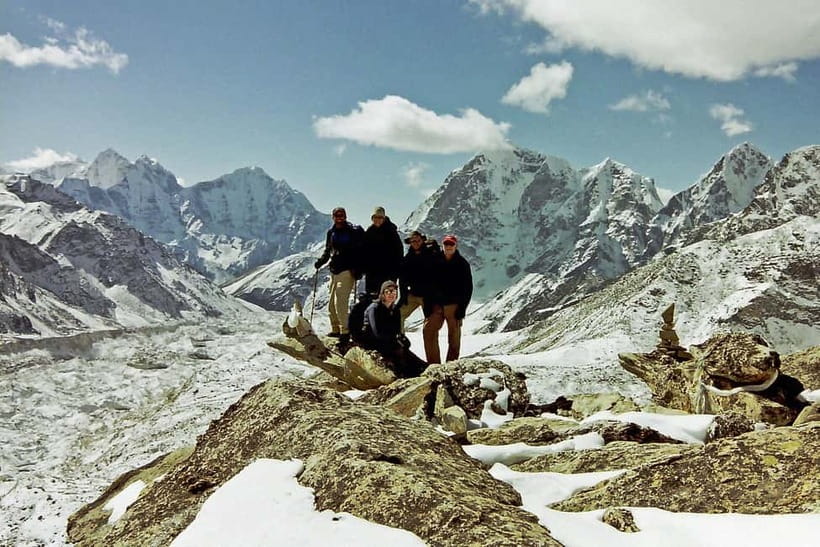
This trip is run with a professional English-speaking guide and a porter service. That porter detail matters more than people think. At altitude, it’s the little savings in energy that let you focus on breathing, footing, and staying calm.
The group is limited to 10 participants, so it’s not a mega-trek. That means better trail pacing and fewer bottlenecks when conditions are tough.
From one recent trip, I learned that the guide was Tirtha, and the support team included Pradip. Another strength you can feel is responsiveness before you go, including WhatsApp-style prep check-ins mentioned in the feedback. That kind of planning reduces stress before your first step.
Tea houses, meals, and what comfort really means here
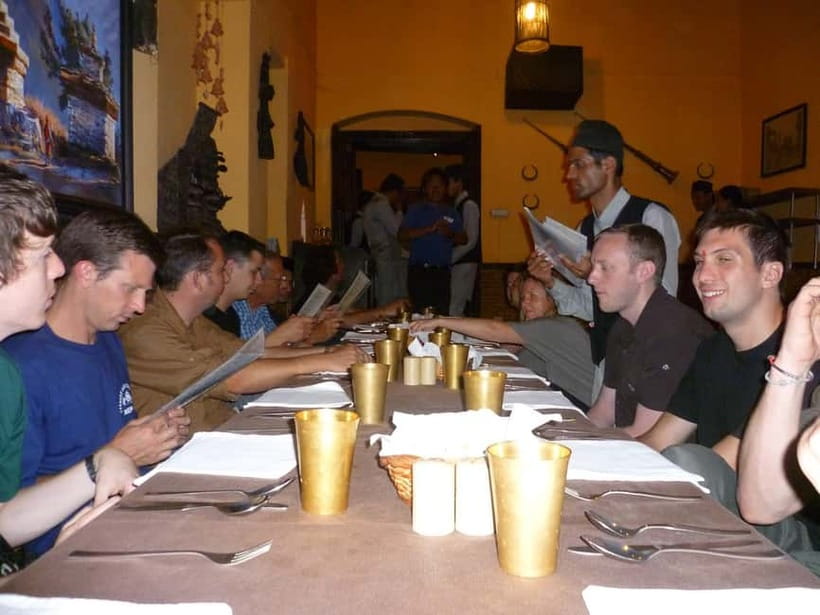
Accommodation is in tea houses. That usually means basic rooms, shared bathrooms in many cases, and hot meals that keep you moving. In the feedback, the stays were described as basic but functional, with food like dal bhat keeping people fueled.
Meals are not listed as included in the package details, but the operator support seems to help sort meal plans during the trek. For you, the practical takeaway is this: plan to budget for meals and keep cash on hand since ATMs are scarce beyond Namche Bazaar.
If you eat well and consistently, you climb better. Don’t treat meals like an optional break at altitude.
Value and price: is $466 a good deal for Everest Base Camp?
At $466 per person for a 12-day trek, the real value comes from what’s included: guide, porter service, tea house accommodation, and permits and entrance fees, plus a first aid kit.
What’s not included is just as important. You’ll need to handle flights, travel insurance, and visa fees. For many people, flights and insurance are the biggest add-ons because you’re dealing with high altitude and a remote airport.
So here’s the honest math in plain terms. If you already have insurance and you can book your flights smoothly, this looks like strong value for a supported trek. If flights and insurance are a big unknown for you, budget extra time and money early, so you do not panic later.
Who this Everest Base Camp trek from Lukla is best for
This trek is designed for active walkers who handle altitude seriously. It’s not suitable for people with mobility impairments, pregnant women, or people with heart problems. It also says people prone to seasickness are not suitable, which is a hint that the overall trip may include some transport where motion sickness could be a problem.
If you’re the kind of traveler who enjoys village life, likes slow steady hiking, and wants iconic Everest scenery without climbing technical routes, this fits well.
You’ll also benefit if you like clear structure. The itinerary includes acclimatization days in Namche and Dingboche, and it keeps the daily rhythm around several hours of walking with rest and recovery built in.
Practical packing and altitude habits that actually help
Bring comfortable shoes, warm clothing, and a hat. You’ll want a camera, sunscreen, and snacks for the days you’re rationing energy. Water matters too, and you’ll also want to follow the operator’s hydration advice when your guide shares it.
Two rules to take seriously are the ones about littering and avoiding alcohol and drugs. Mountain areas don’t forgive careless behavior, and tea house communities rely on basic respect to keep working for everyone.
Also, plan cash early. Carry local currency because ATMs are scarce beyond Namche Bazaar.
Optional add-ons: helicopter time-savers exist
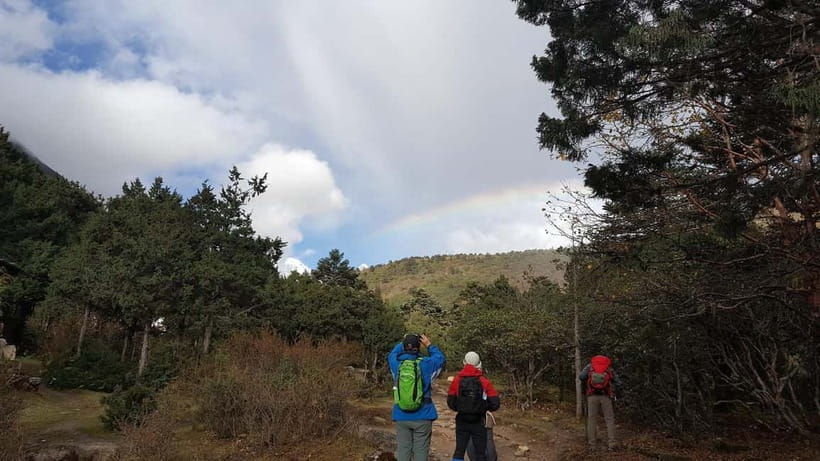
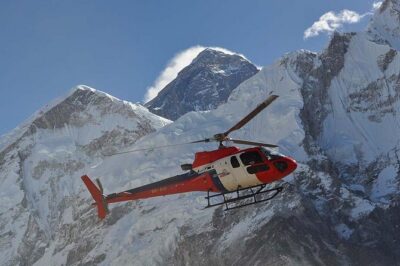
One review mentioned a helicopter ride from Lobuche back to Kathmandu that saved about three days of trekking. That tells you something useful: the trip can be adjusted if time matters or conditions make trekking impractical.
Keep in mind this is not part of the standard package details you listed, so if you want it, ask your operator what options exist for your dates and what costs apply.
Should you book this Everest Base Camp trek from Lukla?
I’d book it if you want the classic Everest Base Camp route with strong support: English guide, porter help, tea house lodging, and acclimatization days that are built into the plan. The itinerary also nails the big emotional beats, Namche, Tengboche, and especially Kala Patthar.
I would hesitate if you’re unsure about the altitude demands. Even with acclimatization days included, you’re still walking at very high elevation. If you have any medical concerns, do not wing it. Check with a clinician first and then match your plans to your health.
If you’re ready for a well-supported trek and you can handle flight timing and insurance, this is a solid way to reach Everest Base Camp while still getting Sherpa culture, monastery calm, and those sunrise-grade Himalayan views.
FAQ
How long is the Everest Base Camp trek from Lukla?
The trek duration is 12 days.
Where does the trip start?
The meeting point is Tenzing-Hillary Airport, and the guide picks you up after you share your flight details.
What is included in the price?
It includes a professional English-speaking guide, tea house accommodation, permits and entrance fees, porter service, a first aid kit, and applicable taxes.
Are flights to Lukla included?
No. Flights are not included, but the operator can assist with guidance for booking.
Do I need travel insurance?
Yes. Travel insurance is not included, and you should make sure your policy covers high-altitude trekking.
How big is the group?
It is a small group with a limit of 10 participants.
What should I pack?
Bring comfortable shoes, warm clothing, a hat, a camera, snacks, sunscreen, and water.
Is alcohol allowed on the trek?
No. Alcohol and drugs are not allowed.
Everest Base Camp Treks worth a second look.
 ★ 5.0Everest Base Camp Trek – 14 DaysFrom $1,8001,499 reviews
 ★ 5.0Everest Base Camp TrekkingFrom $1,350485 reviews
 ★ 5.0Everest Base Camp Trekking – 13 DayFrom $1,399365 reviews
★ 5.0Everest Base Camp Trek -14 DaysFrom $1,420321 reviews
 ★ 5.0Everest Base Camp Trekking – 2025/2026From $1,339199 reviews
 ★ 5.0Everest Base Camp TrekFrom $1,408193 reviews
 ★ 5.0Everest Base Camp Trek with Helicopter Return from Gorakshep to LuklaFrom $3,000161 reviews
14-Days Private Everest Base Camp TrekFrom $1,600152 reviews
Lists this tour sits in