
REVIEW · KATHMANDU CITY TOURS & SIGHTSEEING
Kathmandu Day Tour
Four UNESCO stops in one long Kathmandu day. This full-day circuit is interesting because you move from a royal palace complex to a hilltop Buddhist stupa, then to a famous Hindu riverside cremation setting, and finally to one of the city’s most important Buddhist monuments, all with a professional guide and hotel pickup.
I really like the structure: the day is organized around UNESCO heritage sites and religion, so you get context fast instead of just taking photos. I also appreciate the human factor, the guide name Rajesh comes up again and again, and that matters when you’re trying to understand temple art, ritual meaning, and why each place feels different.
One possible drawback: it runs about 7 to 8 hours, and while transport and guiding are included, entry fees and food are not, so you will want some cash for the one paid site and you should plan a simple lunch.
In This Review
- Key highlights worth knowing
- A one-day Kathmandu route built around meaning, not just sightseeing
- Price and what $55 really covers
- Getting picked up and moving safely through Kathmandu traffic
- Stop 1, Kathmandu Durbar Square: royal palace energy and carved detail
- Stop 2, Swayambhunath: the Buddhist hilltop and the valley view reset
- Stop 3, Pashupatinath: Hindu temple life along the Bagmati River
- Stop 4, Bouddhanath: prayer-wheel focus and old Buddhist roots
- Why the UNESCO mix works for first-time visitors
- What you should bring for an easy 7 to 8 hours
- Who this tour is best for
- A note on your guide experience and why it matters
- Should you book this Kathmandu Day Tour?
- FAQ
- What time does the Kathmandu Day Tour start?
- How long does the tour take?
- Is hotel pickup and drop-off included?
- Are admission tickets included for the sites?
- How big is the group?
- Is there free cancellation?
Key highlights worth knowing
- Small group size (max 12) keeps the pace human, especially for busy temple areas
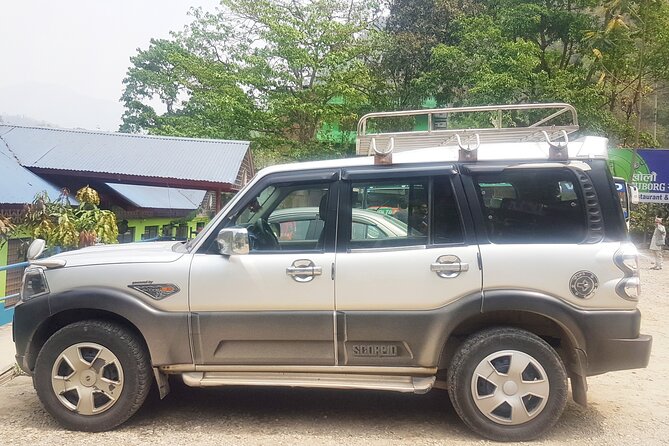
- Private vehicle transport helps you stay focused on the sights, not traffic
- Rajesh-style storytelling turns architecture and ritual into something you can actually follow
- Mix of UNESCO royal + religious sites gives you a real feel for Kathmandu’s layers
- Swayambhunath hilltop viewpoint is a natural reset between heavier spiritual sites
Other one shot sweeps of the Valley

A one-day Kathmandu route built around meaning, not just sightseeing
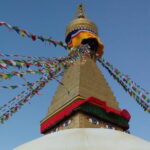
Kathmandu can feel like a photo sprint when you’re on your own. This tour works because it’s built like a story with a beginning, middle, and end. You start at Kathmandu Durbar Square, a royal palace space filled with temple architecture, then you rise toward Swayambhunath for Buddhist focus and big valley views. After that, you shift into Hindu practice at Pashupatinath on the Bagmati River. Then you close the day at Bouddhanath, where the Buddhist community rhythm takes over again.
That sequence matters. Religion in Kathmandu is not just something you see, it’s something you watch and learn to read. A guide is the difference between passing by carved windows and actually understanding why the details matter.
The other practical win is the time design. Starting at 9:30 am and running about 7 to 8 hours means you get a full day’s value without burning multiple mornings and afternoons. For a first visit, it’s a smart way to build a foundation before you wander on your own later.
Price and what $55 really covers
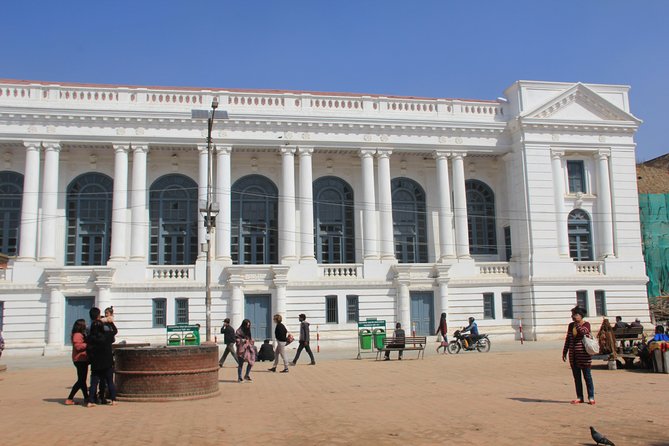
At $55 per person, the value is strongest if you care about having a guide and not wrestling logistics. You get a professional guide, hotel pickup and drop-off, and transport by private vehicle. You also get a mobile ticket, which reduces the usual hassle of figuring out where to meet and how to show up.
What you should factor in: entry fees and food are not included. Admission tickets are not included at Kathmandu Durbar Square, while the other stops listed are free. So the cost hit is likely mostly tied to Durbar Square plus your meals.
Tips for the guide and driver are also not included. That’s normal for a guided day tour, but it’s good to budget so you’re not scrambling at the end of a long day.
Getting picked up and moving safely through Kathmandu traffic
Kathmandu driving can be intense. A big part of why this tour works for many people is that you’re not figuring it out alone. The operator provides pickup and drop-off, and the transport is by private vehicle, which generally keeps your day smoother.
In real-world terms, that means you can spend your energy on the sites. You won’t lose time navigating between temple zones, and you also avoid the mental load of deciding what to take and when. For a 7 to 8 hour day, that matters more than it sounds.
Your start time is 9:30 am, so plan your morning to be calm. If you stay somewhere central, the pickup may be quick, but even then, Kathmandu days run best when you keep your schedule flexible.
Stop 1, Kathmandu Durbar Square: royal palace energy and carved detail
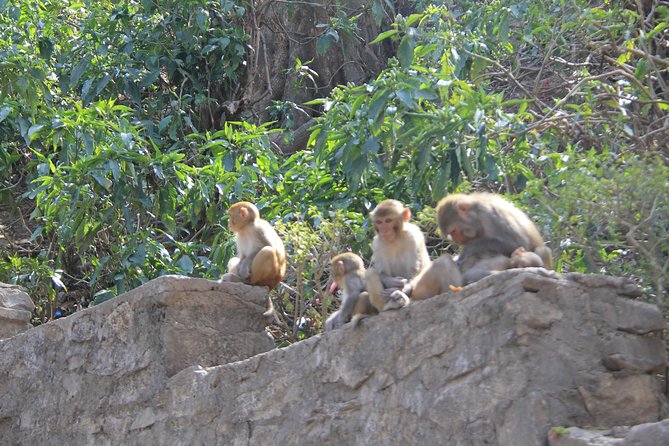
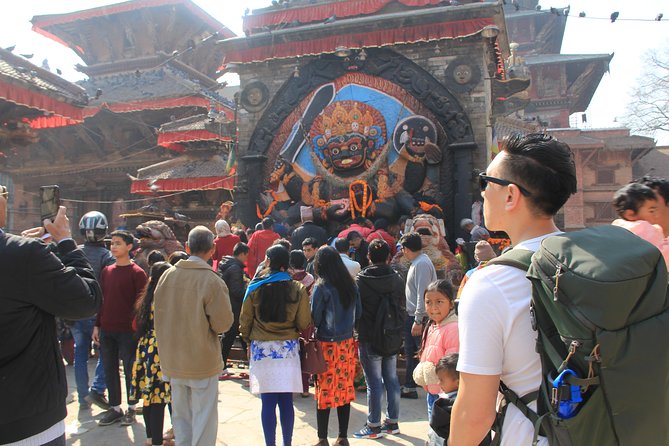
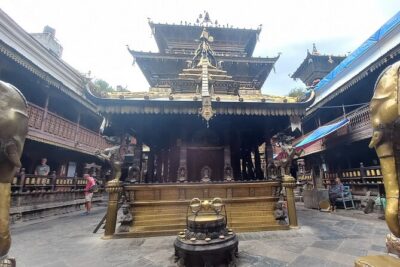
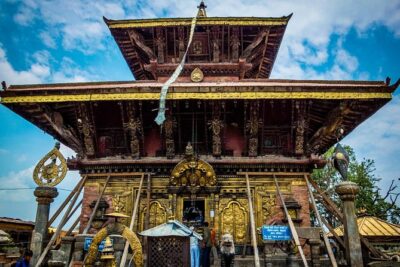
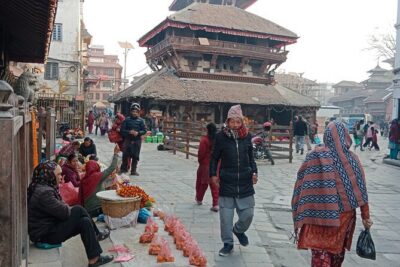
Your first major stop is Kathmandu Durbar Square, an ancient royal palace area. This is where Kathmandu shows its official face. Instead of one big temple, you get a concentration of pagoda-style temples, courtyards, and well-carved window details that reflect royal power mixed with religious devotion.
A guide is especially important here. Durbar Square can look like a cluster of old structures until someone explains how the royal and spiritual roles overlap in the space. The tour typically allows about 2 hours, which is long enough to slow down, not just walk and glance.
One consideration: admission tickets are not included for this stop. If you want the photo time without interruptions, it helps to arrive with a little cash or a payment plan that matches what’s needed on-site.
Stop 2, Swayambhunath: the Buddhist hilltop and the valley view reset
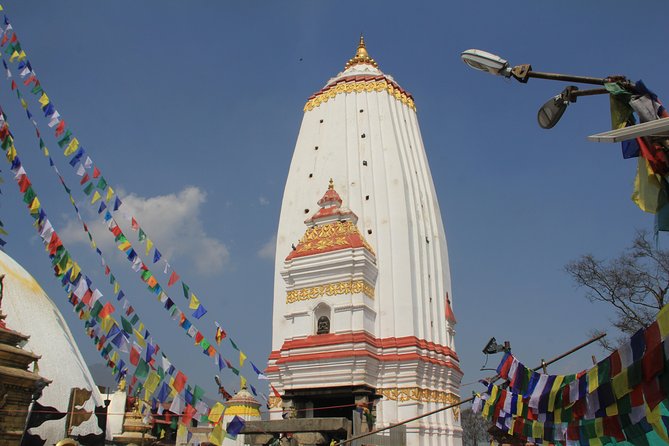
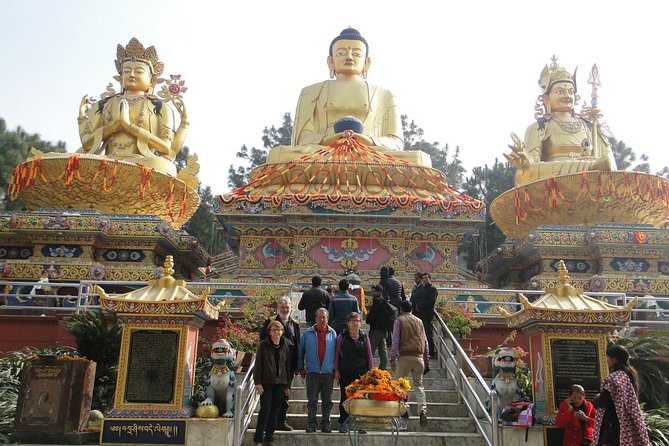
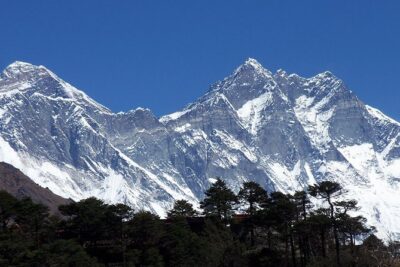
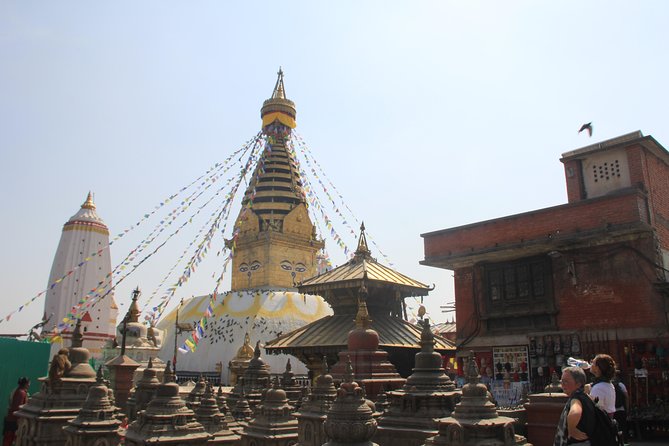
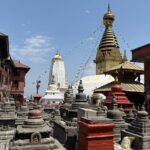
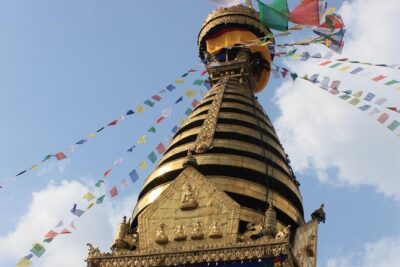
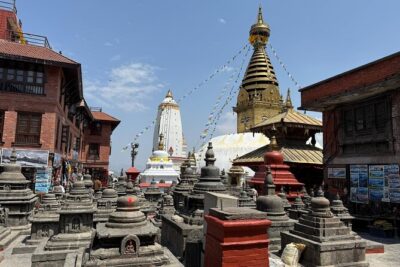
Next you head to Swayambhunath, a Buddhist stupa on a hill station. This stop is holy for Buddhism, and the elevation gives you a built-in break from the flatter city movement.
Your guide’s job here is to help you read the place beyond the main structure. At many stupas, details on design and surrounding elements carry meaning, and those meanings can change how you see what you’re standing in front of. The tour gives you about 1 hour, so the goal is quality over quantity.
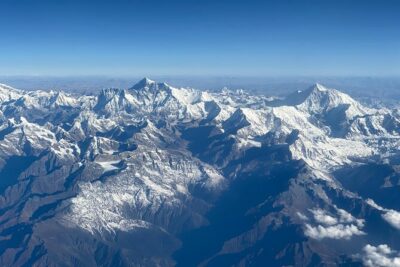
The viewpoint is a real payoff. From Swayambhunath you can see the Kathmandu valley and white mountain views. Even if the sky is hazy, you still get a sense of the scale of the city and how the mountains frame it.
Important practical note: the Swayambhunath hill area often means stairs and uneven paths. If your legs are sensitive, take it slow at the start of the day, not when you’re already tired.
Stop 3, Pashupatinath: Hindu temple life along the Bagmati River
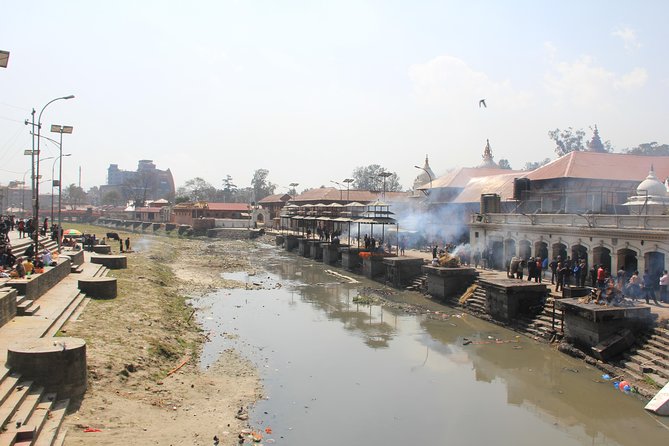
Pashupatinath is one of the most powerful stops on this circuit. It’s a major Hindu site, and your guide takes you there with time to understand what’s happening by the Bagmati River.
The tour describes Hindu cremation being visible from the side of the river. That can be emotionally intense, and it helps to have context for what you’re seeing. Your guide is there to explain cultural ways of death rituals and the site’s religious significance, which turns a shocking moment into something you can interpret instead of just endure.
You get about 1 hour here. That’s enough time to feel the place, ask questions, and then move on without feeling trapped. If you’re the type who likes to stay longer at emotional sites, you might wish for extra time, but the overall schedule balances this stop with the lighter, more visual atmosphere of the next one.
A simple tip: this is the kind of place where quiet matters. You will enjoy it more if you keep your voice low and your movements respectful.
Stop 4, Bouddhanath: prayer-wheel focus and old Buddhist roots
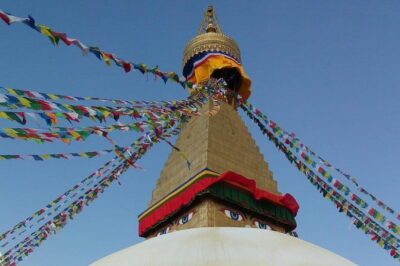
After Pashupatinath, the day moves to Bouddhanath, also spelled Boudhha in some tour descriptions. This is a Buddhist site with roots going back to the 3rd and 4th centuries, and it’s one of the biggest visual anchors for Buddhism in Kathmandu.
You’ll typically spend about 2 hours here, which is a good amount of time because Bouddhanath isn’t just a photo stop. The stupa area has a living, breathing feel. People move around the monument in their own rhythms, and your guide can help you understand what you’re watching.
One reason this final stop lands so well is contrast. After Pashupatinath’s solemn ritual intensity, Bouddhanath brings you back to Buddhist focus. The day ends on a smoother emotional note, and you leave with something visual to remember even after the more intense moments fade.
Since the stop is listed as free for admission, you can spend your full time on the experience rather than thinking about ticket lines.
Why the UNESCO mix works for first-time visitors
This tour’s real strength is the UNESCO lineup. You’re not just seeing temples, you’re seeing how different parts of Kathmandu reflect royal history and two major religious traditions. That matters because Kathmandu’s story isn’t one straight line. It’s a stack of eras, beliefs, and architecture choices that overlap.
Kathmandu Durbar Square adds the royal and artistic dimension. Swayambhunath shifts you into Buddhist symbolism on a hilltop. Pashupatinath anchors the day in Hindu ritual practice by the Bagmati River. Bouddhanath brings you back to Buddhist monument culture that stretches back centuries.
If you’re only going to do one “big day” in Kathmandu, this is a strong candidate because it builds context. After a day like this, you’ll find it easier to connect what you see later with what you learned earlier.
What you should bring for an easy 7 to 8 hours
The tour includes transport, guiding, and hotel pickup, but you still carry your comfort basics. Since food and drinks are not included, plan to eat before you meet, or bring simple snacks if that fits your style.
I’d also pack:
- Water, especially if the morning starts warm
- Comfortable shoes, because you’ll be walking and likely using stairs at hilltop areas
- A light layer, since temple areas can feel cooler in shade
- Modest clothing for temple spaces, meaning shoulders and legs covered if you can manage
You might not need all of this, but it reduces friction when the day runs longer than you expect.
Who this tour is best for
This one-day circuit is for you if:
- You want a structured introduction to Kathmandu’s UNESCO sites
- You prefer a guide who explains what you’re looking at, not just where to stand
- You like smaller groups, with a maximum of 12 people
- You value a day that moves efficiently from site to site with private vehicle transport
It also tends to work for many traveler types. The tour is described as most travelers can participate and it’s recommended for all types of travelers.
If you dislike guided days and prefer total freedom, you might find the schedule a bit tight. But if you’re in Kathmandu for limited time, the pacing is often the point.
A note on your guide experience and why it matters
The guide is not an optional extra here. The sites span royal palace architecture and complex religious ritual. Without context, the day can feel like four stops on a checklist.
The name Rajesh is specifically mentioned in customer praise, and the recurring theme is that the guide makes history, culture, and religious significance easier to grasp at each location. That’s exactly what you want for a day like this, especially when you face something as emotionally and culturally significant as the cremation setting at Pashupatinath.
Also, the overall tone people mention is safety and care during the drive. In Kathmandu, a careful driver is not a luxury. It’s part of how you keep your day enjoyable instead of stressful.
Should you book this Kathmandu Day Tour?
Book this tour if you want a high-value, guided introduction to Kathmandu’s most important UNESCO-linked sites in one day. With hotel pickup, private transport, and a professional guide, it’s a practical way to save time and make the cultural stops actually make sense.
Skip it or choose a different style if you hate scheduled pacing, you want guaranteed meals included, or you’re traveling with someone who finds emotional ritual sites hard to handle.
If you’re planning your first Kathmandu visit, this is a smart anchor day. It gives you a foundation for everything else you’ll see after.
FAQ
What time does the Kathmandu Day Tour start?
The tour starts at 9:30 am.
How long does the tour take?
The duration is about 7 to 8 hours.
Is hotel pickup and drop-off included?
Yes, hotel pickup and drop-off are included.
Are admission tickets included for the sites?
Entry fees are not included. Kathmandu Durbar Square has an admission ticket not included, while the other listed stops are free.
How big is the group?
The group has a maximum of 12 travelers.
Is there free cancellation?
Yes, free cancellation is available up to 24 hours in advance for a full refund. If you cancel less than 24 hours before the start time, you are not refunded.
Everything Bookable Around Kathmandu
The Rest of Our Kathmandu Write Ups


One More Valley Day
Everything else we have reviewed around Kathmandu
- 12 Days Everest Base Camp Trekking
★ 5.0 · 3 reviews - 1 Night 2 Days Chitwan Jungle Safari Tour from Pokhara or Kathmandu
★ 3.0 · 3 reviews - Thamel Rickshaw tour
★ 4.7 · 3 reviews - Kathmandu: Momo Making Class with a Local Chef
★ 5.0 · 3 reviews - Kathmandu: Full-Day Yoga, Body Massage and Pedicure Package
★ 5.0 · 3 reviews - From Kathmandu / Pokhara / Chitwan: River Rafting – 1 Day
★ 4.6 · 3 reviews
Kathmandu City Tours & Sightseeing worth a second look.
 ★ 5.0Kathmandu Private Sightseeing Tour | UNESCO World Heritage SitesFrom $35109 reviews
 ★ 5.0Private tour of Major highlights of Kathmandu top rated placesFrom $4492 reviews
 ★ 5.0Kathmandu Heritage Tour (Full Day)From $3863 reviews
 ★ 5.0Kathmandu Full Day TourFrom $7054 reviews
 ★ 5.0Life and spirituality tour of KathmanduFrom $5554 reviews
 ★ 5.0Kathmandu Highlights: Private UNESCO World Heritage Sites TourFrom $4950 reviews
 ★ 5.0Full Day Private Tour of Kathmandu – UNESCO World Heritage SitesFrom $3542 reviews
 ★ 5.0Kathmandu Valley City Day TourFrom $6040 reviews
Lists this tour sits in