
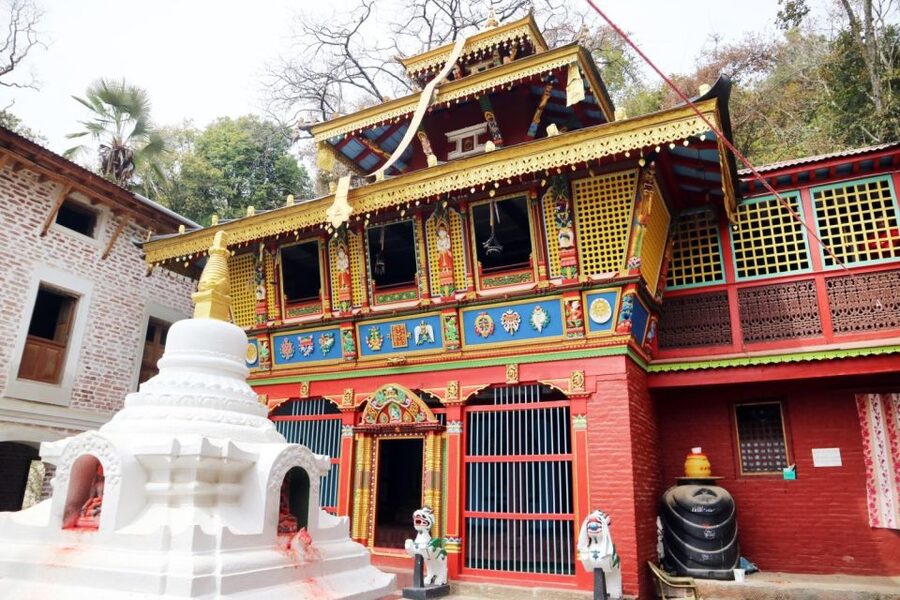
REVIEW · BHAKTAPUR & PATAN TOURS
Kathmandu: Pharping, Dakshinkali and Chobhar Tour with Lunch
Caves and temples, all in one focused loop. This half-day trip around Pharping and Chobhar mixes Buddhist and Hindu sites, with real time to walk, look up at prayer flags, and ask questions. I especially liked the storytelling at Asura Cave and the easy, organized flow between stops, so you spend your energy on the places instead of logistics.
The second win for me is the way the tour handles contrasts: sacred rock space near Pharping, then Kali country and the water-drain history around Chobhar Gorge. One thing to consider: the Dakshinkali area can be emotionally intense, and parts of the program can be adjusted on the day if a site is closed or inaccessible.
In This Review
- Key Highlights Worth Planning Around
- Pharping and Chobhar: why this loop feels efficient
- Price and value: is $83 worth it for 6 hours?
- Getting from Kathmandu: pickup that keeps your morning sane
- Asura Cave above Pharping, and why it matters spiritually
- Shesnarayan Temple: Narayana architecture near Pharping
- Gorakhnath Temple: Nath practice in the middle of the circuit
- Dakshinkali Temple: Kali devotion, stairs, and a note for sensitive visitors
- Lunch that actually fits the day: filling, not rushed
- Taudaha Lake: the valley’s natural pause with bird sanctuary energy
- Chobhar Gorge: where water drained, and caves you can explore
- The guide and vehicle setup: private group comfort, English or Japanese
- What to bring, and how to avoid the common discomforts
- Who this trip suits best (and who should skip it)
- Should you book Kathmandu, Pharping, Dakshinkali and Chobhar with Lunch?
- FAQ
- How long is the Kathmandu, Pharping, Dakshinkali and Chobhar tour with lunch?
- What stops are included in the tour?
- Is lunch included, and when do you eat?
- What is included in the price?
- Which languages are spoken by the guide?
- What should I bring, and what is not allowed?
Key Highlights Worth Planning Around
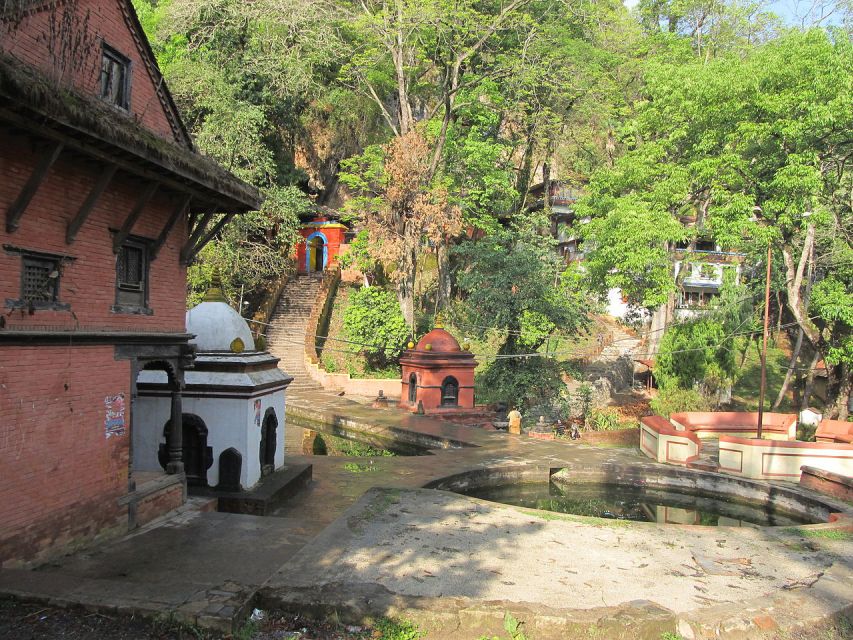
- Asura Cave: a spiritual stop above Pharping tied to Guru Rinpoche’s meditation story
- Shesnarayan Temple: one of the Kathmandu Valley’s Narayana temples, linked to Licchavi king Vishnugupta
- Gorakhnath Temple: Nath tradition vibes, associated with Guru Gorakhnath teachings
- Dakshinkali Temple: a major Kali temple outside Kathmandu, with a note for sensitive visitors
- Taudaha Lake + Chobhar Gorge: largest natural lake in the valley, then the gorge linked to Manjushri’s cutting myth
- Lunch included: you get a real break during the 6-hour run, not just a rushed stop
Old towns beyond Kathmandu, compared
Pharping and Chobhar: why this loop feels efficient
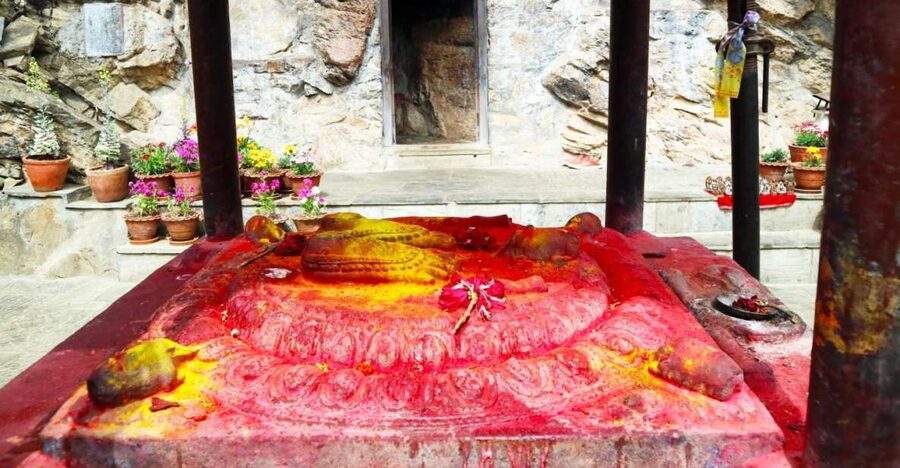
This tour works because it keeps your day tight and intentional. You start from Kathmandu, ride south into Pharping, then continue onward to Dakshinkali, Taudaha Lake, and the Chobhar Gorge area, all within a 6-hour window.
What makes it more than a checklist is the blend of viewpoints and faiths. You move from cave spirituality to temple architecture to the natural theater of the gorge, with the guide connecting the dots as you go. If you like places that explain how Nepal’s religions overlap in real neighborhoods, this route fits.
Price and value: is $83 worth it for 6 hours?
At $83 per person, the value depends on what you want to avoid. You’re paying for a guide, hotel pickup and drop-off inside the Kathmandu ring road, entrance fees, and lunch, plus a luxury vehicle.
If you tried to DIY this route, the cost would likely shift into private transport and last-minute entry fees, and you’d lose the smooth timing. Also, this trip is private, so it’s not a cattle-car experience. The trade-off is you have less flexibility than a fully open day, so you’ll want comfortable shoes and a steady pace for walking and stairs.
Getting from Kathmandu: pickup that keeps your morning sane
Pickup is from hotels inside the Kathmandu city ring road. If your hotel sits outside that ring, you’re told there may be an additional charge. Either way, plan to be ready about 5 minutes before pickup, so the start stays on time.
Because the day is only 6 hours, transportation timing matters. You want fewer delays early, so you can spend the middle of the day in the temples and caves where the payoff is.
Asura Cave above Pharping, and why it matters spiritually
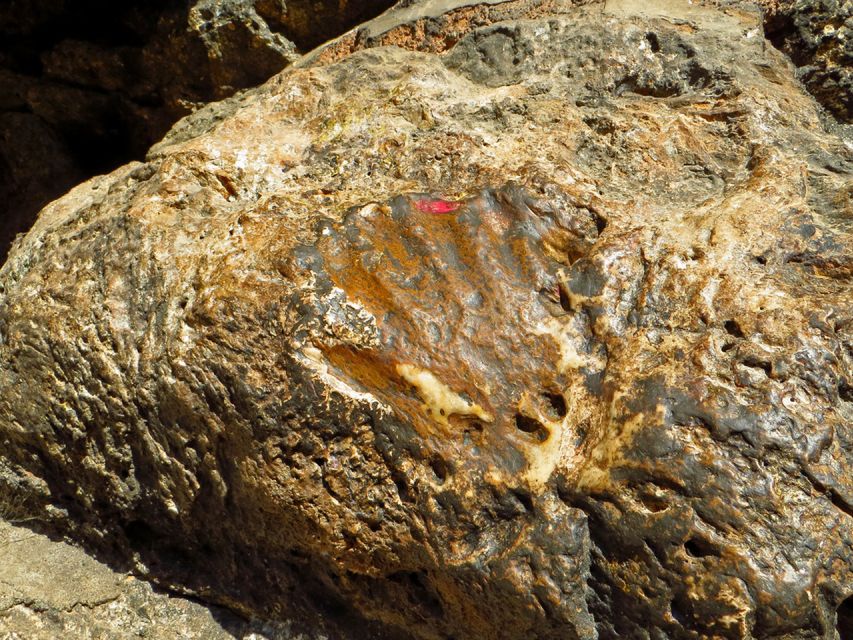
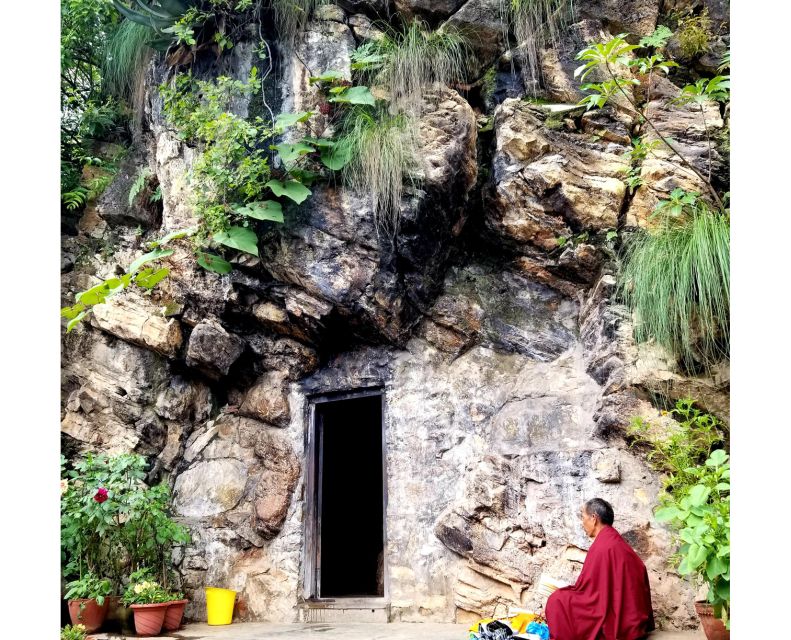
Asura Cave sits above the village of Pharping, and it’s a big reason this tour has heart. The site is sacred in Buddhist tradition, connected to the story of Guru Rinpoche meditating and achieving enlightenment there.
Walking into the cave area is different from looking at a temple from a distance. You feel like you’re stepping into a place that’s meant for quiet, even if there are other visitors around. The guide’s explanations are key here because the cave’s meaning comes through best when you understand the story being honored.
One practical tip: treat this as a slower stop, even if you only have an hour. Give yourself time to notice the atmosphere, not just take photos.
Before the deposit goes down: more Kathmandu to weigh
Shesnarayan Temple: Narayana architecture near Pharping
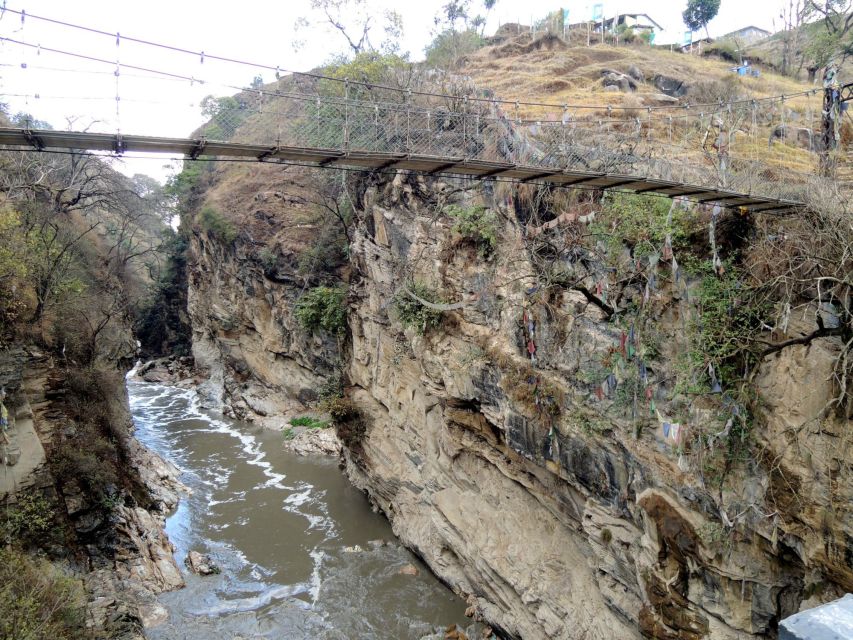
After the cave, Shesnarayan Temple is a short walk away. This ancient Hindu temple complex is known as one of the four Narayana temples of the Kathmandu Valley, and it’s associated with the reign of the Licchavi king Vishnugupta.
What I like about this stop is how it anchors the day in Kathmandu Valley temple tradition without feeling like a far detour. It also helps you compare experiences: the cave is inward and personal, while the temple complex is public and structured.
If you’re the type who enjoys learning how old rulers shaped religious geography, this is a good moment to ask questions. The guide’s information tends to connect the site to what you’ll see later in the day.
Gorakhnath Temple: Nath practice in the middle of the circuit
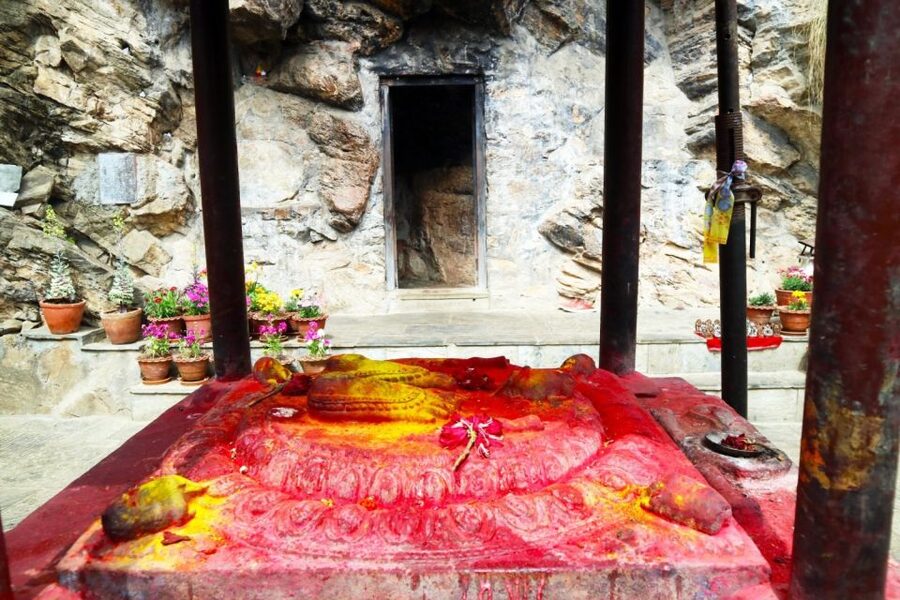
Next up is Gorakhnath Temple. The name can be confusing because Gorakhnath is a major figure in the Nath Sect, and the temple is tied to Guru Gorakhnath’s teachings.
This stop adds another flavor to the morning mix. You’re still in Nepal’s spiritual world, but the focus shifts to yogic tradition and a different kind of reverence. It’s a reminder that faith here is not one lane. It’s layered, and the tour makes that layering visible.
You’ll likely spend about an hour here, so it’s enough time to look around without turning it into a marathon.
Dakshinkali Temple: Kali devotion, stairs, and a note for sensitive visitors
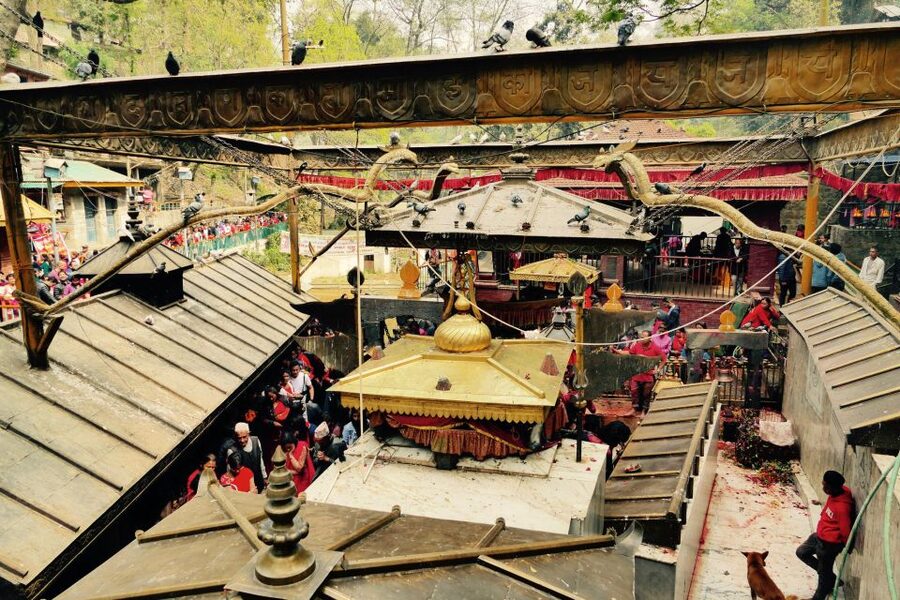
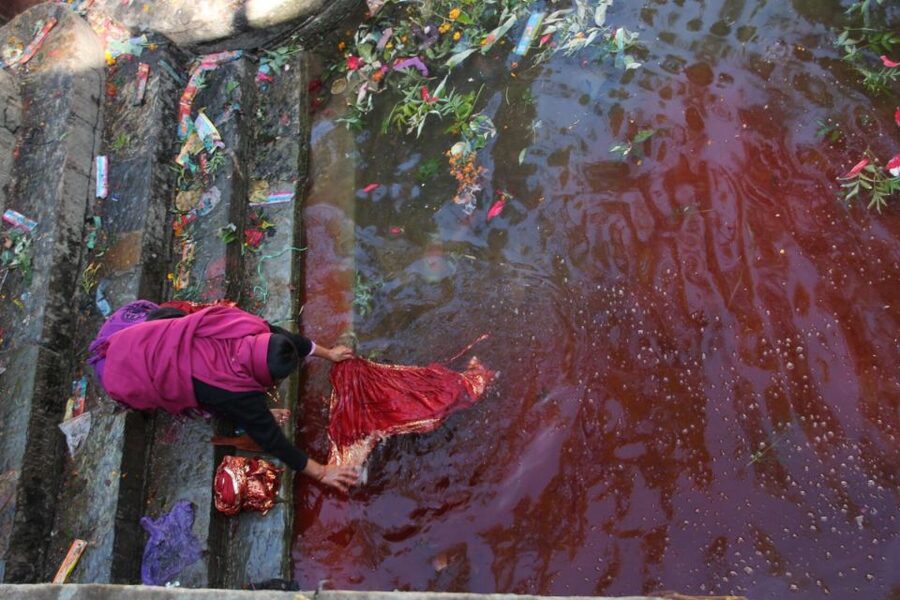
Dakshinkali Temple is one of Nepal’s major Kali temples, located about 22 kilometers outside Kathmandu and roughly 1 kilometer outside the village of Pharping. It’s also one of the most emotionally intense stops on the route.
You should know this before you go: the bloody river and the temple of Goddess Dakshinkali may be distressing to some visitors. If you’re easily unsettled by what you might see or smell near ritual areas, consider preparing yourself mentally or choosing a different itinerary.
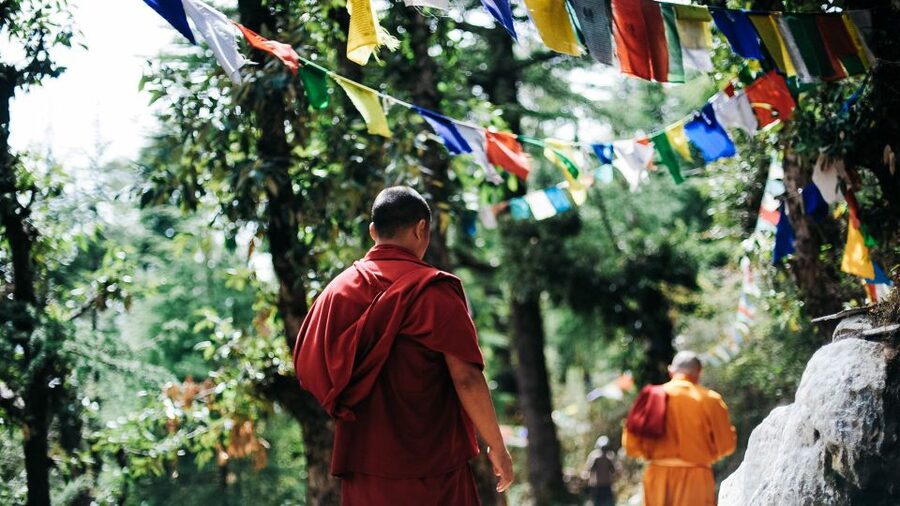
On the practical side, there’s also a clear physical rhythm to this stop. The day includes walking and stairs, and one of the best tips from past guests is to climb up to the top of the hill if you’re able, to experience the prayer flags and the viewpoint near the Hindu temple.
If you do climb, go steady. Take breaks where you can, and keep your camera ready but not your eyes glued to your screen.
Lunch that actually fits the day: filling, not rushed
Lunch is included, and it happens right after the Dakshinkali segment. This matters because it prevents the most common half-day problem: eating too early, then feeling sluggish for the last two stops.
The lunch stop is described as delicious, with some people noting a pleasant rooftop setting. I like that kind of detail because it signals the meal is meant to be part of the experience, not just a pause.
Bring your appetite, and plan to recharge your feet before the lake and gorge.
Taudaha Lake: the valley’s natural pause with bird sanctuary energy
After lunch you head to Taudaha Lake. This is described as the largest natural lake in the Kathmandu Valley, and it’s also known as a bird sanctuary and recreation point.
What makes this stop work in a tight itinerary is that it shifts you from temples and stairs into open air. Even if you only have about an hour, it’s time to slow down, stand back, and look at the water and surroundings without needing to read signage or find a specific entrance.
If you’re into birds, this is one of your stronger chances on this route. And if you’re not, it still gives you a break from dense spiritual architecture.
Chobhar Gorge: where water drained, and caves you can explore
Chobhar Gorge is the point of escape of water from an ancient lake that once existed where Kathmandu sits today. The myth says Manjushri cut the gorge, letting the water drain and creating land that people could occupy.
This is the kind of story that makes geography feel alive. Instead of thinking of Kathmandu as only streets and buildings, you remember it began as a water problem solved by a cutting, draining act in the valley’s mythic past.
From here, you’ll also have time to explore the area and caves. A heads-up though: caves and monuments in this region can sometimes be closed or not accessible on the day. When that happens, a good guide adapts and helps you still get value from the route. In your planning, keep expectations flexible, especially if a specific cave entrance looks off-limits.
The guide and vehicle setup: private group comfort, English or Japanese
This is a private group with an expert guide. The tour language options include English and Japanese, which is great if you want explanations you can follow closely rather than just stand and wait.
The guide style seems to be a major reason people rate this highly. Past guides were described as friendly, informative, and full of useful facts and stories. One guide named Rajat is specifically mentioned, and he’s credited with answering questions and sharing practical explanations that made the sites feel clearer.
The vehicle is described as luxury, which matters in a city where traffic can drag. The ride time is part of the day’s value, because it gets you between clustered destinations without exhausting you.
What to bring, and how to avoid the common discomforts
Plan for walking. Bring comfortable shoes and keep in mind you may deal with stairs, especially around the hilltop temple areas. Pack sunscreen and sunglasses, because daylight can be strong even when the day is short.
For your comfort and safety, the tour also has clear rules:
- No open-toed shoes
- No smoking in the vehicle
- No alcohol or drugs
- No weapons or sharp objects
- No baby strollers
- No pets
- No nudity
- Restrictions also apply around certain medical conditions and body weight
If you have back or heart problems, kidney problems, or you use a wheelchair, this is listed as not suitable. And there are age and weight limits listed as well, including people over 220 lbs (100 kg) and people over 95 years.
Who this trip suits best (and who should skip it)
This is a strong match if you want a spiritual plus nature day without spending hours planning. You’ll enjoy it most if you like temples, cave sites, and stories tied to place, not just views.
It’s also a good pick for first-time Kathmandu visitors who want to go beyond the city ring while still keeping a manageable schedule. The private group format helps if you want to ask more questions or move at your own walking pace.
Skip it if you need wheelchair access, if stairs and uneven steps are a real barrier, or if you know you’ll be distressed by what may be seen at Dakshinkali. In that case, you could still tour Pharping sites, but you’d want a plan that better matches your comfort level.
Should you book Kathmandu, Pharping, Dakshinkali and Chobhar with Lunch?
I’d book this tour if you want a structured 6-hour day that takes you to multiple Buddhist and Hindu touchpoints plus two nature pauses. The included lunch and entrance fees also reduce decision fatigue, which is a real value when you’re operating on a tight schedule.
I’d think twice if Dakshinkali’s ritual area could emotionally hit you hard. I’d also keep your expectations flexible about caves or specific access points, since closure or inaccessibility can happen in this region.
If your ideal day is short, meaningful, and guided, this one fits well. If your ideal day is totally open-ended, you might prefer a longer private day trip where you can change the plan on the fly.
FAQ
How long is the Kathmandu, Pharping, Dakshinkali and Chobhar tour with lunch?
The tour duration is listed as 6 hours.
What stops are included in the tour?
The tour includes Asura Cave, Shesnarayan Temple, Gorakhnath Temple, Dakshinkali Temple, Taudaha Lake, and Chobhar Gorge (with caves).
Is lunch included, and when do you eat?
Yes, lunch is included, and it happens during the day trip after the Dakshinkali area.
What is included in the price?
Included are an expert tour guide, a luxury vehicle, hotel pickup and drop-off for hotels inside the Kathmandu city ring road, entrance fees, and lunch.
Which languages are spoken by the guide?
The live tour guide is available in English and Japanese.
What should I bring, and what is not allowed?
Bring comfortable shoes, sunglasses, a sun hat, and sunscreen. Not allowed includes pets, weapons or sharp objects, baby strollers, smoking in the vehicle, alcohol and drugs, open-toed shoes, alcoholic drinks in the vehicle, and nudity.
Everything Bookable Around Kathmandu
The Rest of Our Kathmandu Write Ups

Bhaktapur and Patan, Brick by Brick
Everything else we have reviewed around Kathmandu
- 12 Days Everest Base Camp Trekking
★ 5.0 · 3 reviews - 1 Night 2 Days Chitwan Jungle Safari Tour from Pokhara or Kathmandu
★ 3.0 · 3 reviews - Thamel Rickshaw tour
★ 4.7 · 3 reviews - Kathmandu: Momo Making Class with a Local Chef
★ 5.0 · 3 reviews - Kathmandu: Full-Day Yoga, Body Massage and Pedicure Package
★ 5.0 · 3 reviews - From Kathmandu / Pokhara / Chitwan: River Rafting – 1 Day
★ 4.6 · 3 reviews
Bhaktapur & Patan Tours worth a second look.
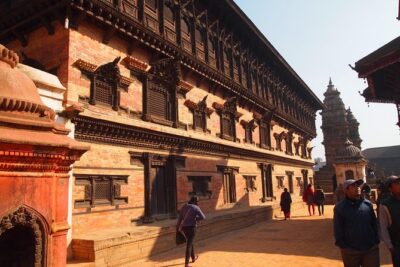 ★ 5.0Private Bhaktapur and Nagarkot Day Tour From KathmanduFrom $20305 reviews
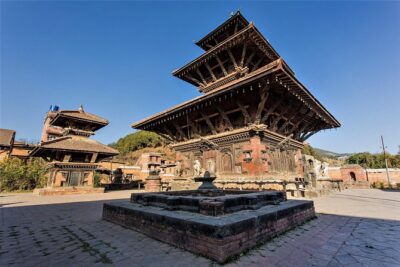 ★ 5.0Day Trip to Bhaktapur and Panauti from KathmanduFrom $34184 reviews
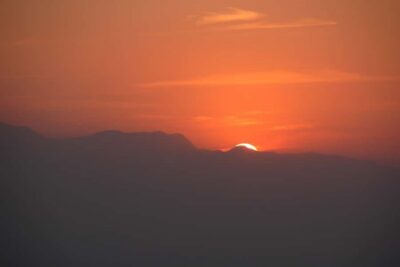 ★ 4.7Nagarkot Sunrise and Hike Tour to Changu NarayanFrom $55151 reviews
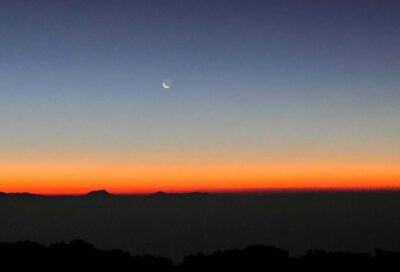 ★ 4.8Everest View from Nagarkot & hike to ChanguFrom $43140 reviews
 ★ 5.0Nagarkot Sunrise & Hike to Changu Narayan Day Tour from KathmanduFrom $25126 reviews
 ★ 5.0Bhaktapur & Patan Durbar Square Day ToursFrom $50122 reviews
 ★ 5.0Nagarkot Sunrise & Bhaktapur UNESCO Heritage Private TourFrom $5066 reviews
 ★ 4.7Private Patan and Bhaktapur Sightseeing TourFrom $4964 reviews
Lists this tour sits in