
REVIEW · ANNAPURNA CIRCUIT TREKS
Kathmandu/Pokhara: Annapurna Circuit Trek 10 days
Chasing Thorong La with a clear forecast can feel wild. This 10-day Annapurna Circuit route mixes high-pass drama with everyday village life along the Marsyangdi River and into the Kali Gandaki Gorge. I like how the scenery changes step by step, and I really value the human side, the way your guide helps you pace the hike and read the mountains.
What I love most is the big finish inside the cloud line, crossing Thorong La Pass at 5,416 meters for panoramic views of Annapurna, Dhaulagiri, and Manaslu. The second standout is the cultural trail through places like Muktinath and small ethnic villages, where tea house stays feel part of the journey, not a break in it.
One drawback to plan for: altitude is real. You hit high sleeping and summit-day elevations, and the trek is not suitable for pregnant women, so you need a sensible fitness base and a serious attitude toward acclimatization.
In This Review
- 6 Key Things That Make This Annapurna Circuit Trek Worth It
- Kathmandu to Dharapani, Then You’re Treading the Marsyangdi Valley
- Day 1: Kathmandu to Dharapani (about 1,860 m)
- Day 2: Dharapani to Chame (to about 2,670 m)
- Chame to Pisang to Manang: Forests, Farms, and That Creeping High-Air Feeling
- Day 3: Chame to Pisang (about 3,300 m)
- Day 4: Pisang to Manang (to about 3,540 m)
- Day 5: Acclimatization day in Manang (about 3,540 m)
- Yak Kharka to Thorong Phedi: Where the Trail Gets Serious
- Day 6: Manang to Yak Kharka (about 4,000 m)
- Day 7: Yak Kharka to Thorong Phedi (about 4,450 m)
- Thorong La Pass and the Descent to Muktinath
- Day 8: Thorong Phedi to Muktinath via Thorong La (5,416 m to about 3,710 m)
- Kali Gandaki Gorge to Jomsom: Deep Valley Drama and End-of-Trek Momentum
- Day 9: Muktinath to Jomsom (about 2,720 m)
- Day 10: Jomsom to Pokhara (drive about 6 to 8 hours)
- Teahouse Living, Food, and the Practical Stuff You’ll Actually Care About
- The Guide Factor: Why People Keep Thanking Kim, Khim, Nir, and Milan
- Price, Value, and What You Still Need to Budget For
- Who This Trek Fits Best, and Who Should Skip It
- Should You Book This 10-Day Annapurna Circuit?
- FAQ
- What is the duration of this Annapurna Circuit trek?
- Where does the trek start and end?
- What is the highest point on the route?
- Are permits included?
- What type of accommodation is provided during the trek?
- Are meals included in the price?
- Is travel insurance included?
- What gear do I need to bring?
- Do teahouses always have hot showers and charging?
- Is this trek suitable for everyone?
6 Key Things That Make This Annapurna Circuit Trek Worth It
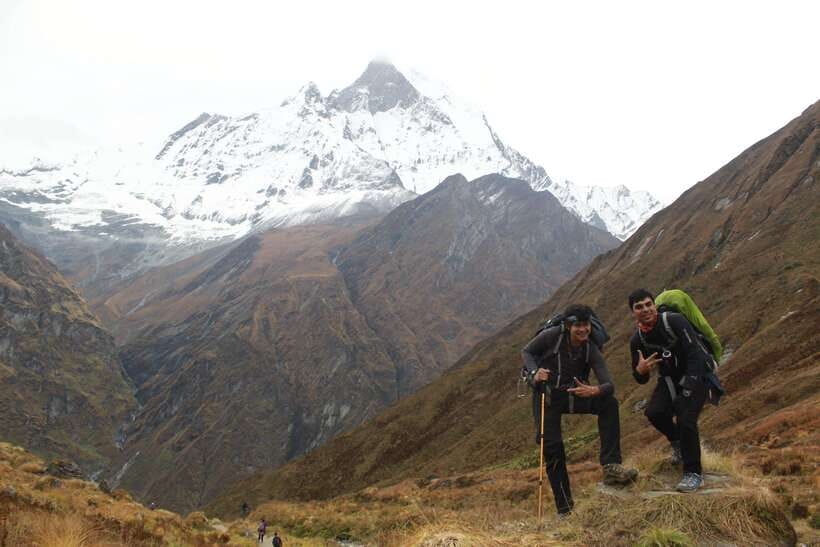
- Thorong La Pass at 5,416 m: the high point that turns effort into epic sightlines
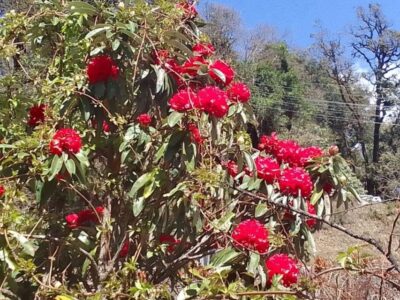
- Annapurna Conservation Area biodiversity: subtropical forests to more arid mountain zones as you climb
- Acclimatization in Manang: you get an extra day at around 3,540 m to steady your breathing
- Muktinath temples and monasteries: a spiritual stop right after the pass day
- Cultural rhythm in teahouses: English-speaking guides and village stays keep the trek personal
- Day-to-day support from guides: previous groups praised guides like Kim, Khim, Nir, and Milan, plus porter support like Dill
Kathmandu to Dharapani, Then You’re Treading the Marsyangdi Valley
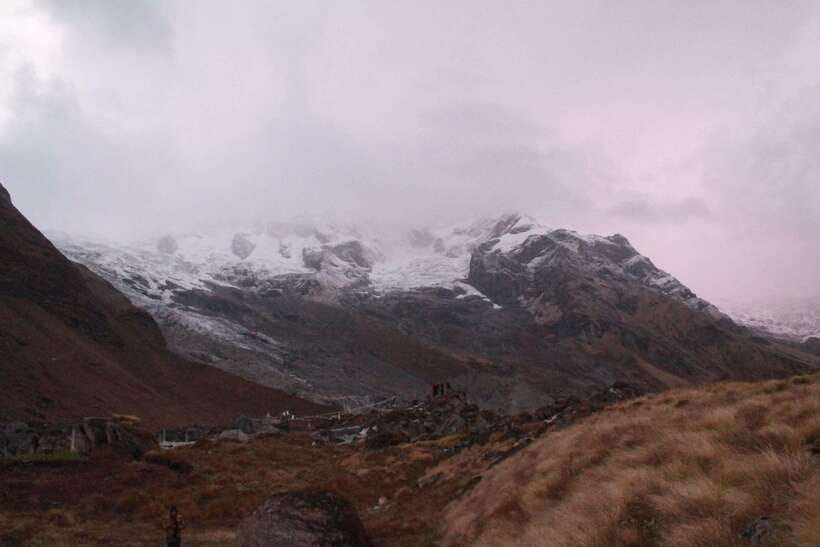
Your trek starts with a drive from Kathmandu toward the trailhead, then the first trekking days settle you into Nepal’s classic rhythm: river valley, terraced fields, and villages that feel like they’ve hosted hikers forever. Even though the official walking begins at Dharapani, you still get that early feeling of going from busy days to a slower pace, with the Marsyangdi River acting like a constant soundtrack.
This is where you learn your trail habits. Pack weight matters, your boots matter, and your water routine matters. In the first days, I like keeping expectations simple: walk steady, eat on time, and stop when you need to. If you rush early, the mountain will collect its payment later.
You’ll be at about 1,860 m on Day 1 in Dharapani. That’s high enough to feel different, but not high enough to panic. Use it to set your breathing pace. The win here is mental, not physical, because once you start moving higher, every choice you made in the valley pays off.
Day 1: Kathmandu to Dharapani (about 1,860 m)
Expect a long day of transit, roughly 6 to 8 hours, before the first short walk day. You’re not climbing yet. You’re switching worlds.
Day 2: Dharapani to Chame (to about 2,670 m)
This day is a solid second step up. It’s usually where hikers start to notice a rhythm shift: you slow down, you take more breaths per minute, and your legs ask you to be patient.
Chame to Pisang to Manang: Forests, Farms, and That Creeping High-Air Feeling
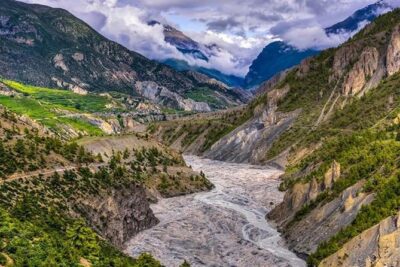
After Chame, the path continues upward to Pisang at about 3,300 m. You’ll keep following the Marsyangdi corridor, but the greenery starts changing. Terraces and cultivated areas give way to more rugged slopes and alpine forest. The trail gets quieter in feel, even if there are other trekkers around.
On Day 4 you reach Manang at around 3,540 m. Manang is one of the best places on this trek to understand altitude. It’s high enough that you feel it, but not so extreme that you’re forced into emergency decisions. This is why the route builds in that acclimatization day.
Day 3: Chame to Pisang (about 3,300 m)
Look for gradual changes in terrain. If the air feels crisp, that’s normal. Your goal is simple: keep it comfortable. Don’t try to prove anything on day three.
Day 4: Pisang to Manang (to about 3,540 m)
Day four often feels like the start of “real trek mode.” You climb, you sweat, and then you cool down at elevation. Plan layers accordingly.
Day 5: Acclimatization day in Manang (about 3,540 m)
This is not dead time. It’s the part that can make Thorong La feel possible instead of scary. You’ll have time to explore and adjust. In practical terms, you’re training your body to work at higher altitude before you’re asked to cross the pass.
Yak Kharka to Thorong Phedi: Where the Trail Gets Serious
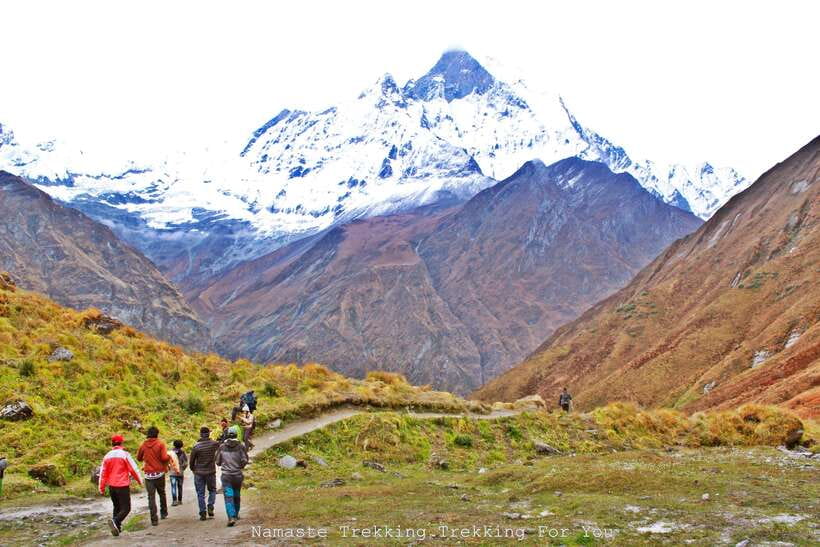
Once you leave Manang, the route moves into higher, more exposed country. You’ll head toward Yak Kharka at about 4,000 m. This is a key point: it’s high enough to bring on breath control, but it also sets you up for the final push.
Then you go to Thorong Phedi around 4,450 m. Thorong Phedi is not the pass, but it’s the staging ground that matters. It’s where hikers often realize that the hard part of the day is not just the walking, it’s managing your energy and your nerves.
Day 6: Manang to Yak Kharka (about 4,000 m)
This day is usually a steady climb with more altitude feel. Expect slower steps and a focus on hydration.
Day 7: Yak Kharka to Thorong Phedi (about 4,450 m)
Go easy. The next day is the headline: Thorong La Pass. If you feel good today, still keep your effort controlled.
Thorong La Pass and the Descent to Muktinath
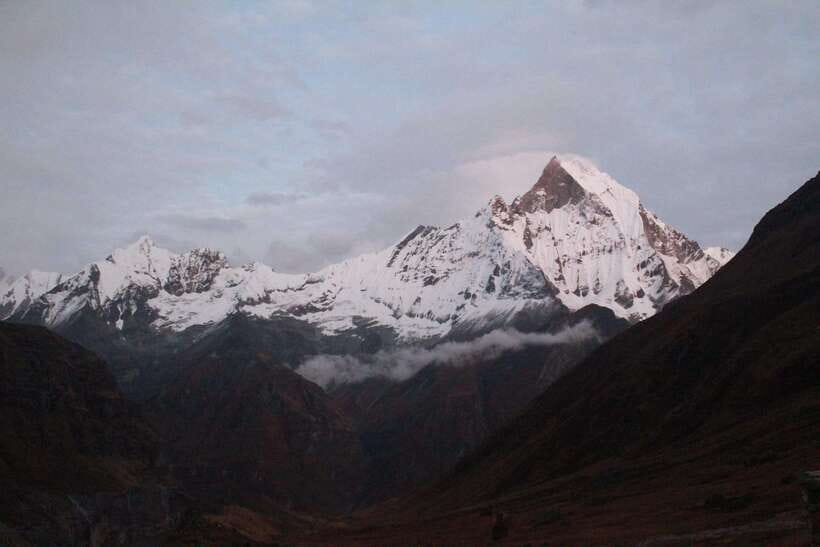
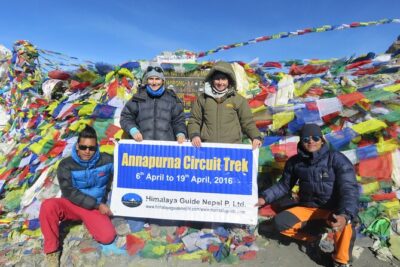
Crossing Thorong La Pass at 5,416 m is the moment this trek earns its reputation. Your body will feel it, even if you’re fit. Your mind will feel it too, because the views are so big that you can’t pretend the mountain is small.
On this route, the pass day also comes with a huge emotional arc. You crest, you look around, you take in panoramas of Annapurna, Dhaulagiri, and Manaslu, and then you shift from climbing mode to descending mode.
After you drop to Muktinath at about 3,710 m, you land in a town tied to temples and monasteries. That cultural reset is smart. After a high-stress day, you’re rewarded with a place that feels meaningful in a different way than a viewpoint.
Day 8: Thorong Phedi to Muktinath via Thorong La (5,416 m to about 3,710 m)
This is a long day, roughly 7 to 9 hours. Expect a mix of steep sections and breath-heavy walking early. If weather is clear, the pass day is a photographer’s dream. If it’s not, the trek still works because the descent brings you back into a more stable feeling, both physically and mentally.
Muktinath adds perspective. The altitude may be lower than the pass, but the spiritual energy is high. It’s a good reminder that this trek is not only about altitude records, it’s about moving through places that matter to local communities.
Kali Gandaki Gorge to Jomsom: Deep Valley Drama and End-of-Trek Momentum
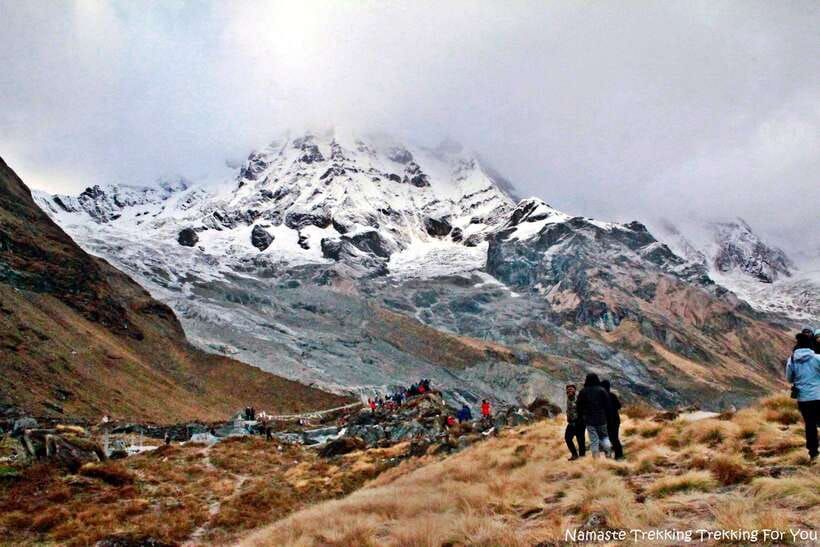
After Muktinath, the trek continues toward Jomsom. Jomsom sits closer to the Kali Gandaki corridor, and that area is known for dramatic terrain. The Kali Gandaki Gorge is considered the world’s deepest gorge, and your route takes you through the kind of tight valley walls that make you feel small in a good way.
Day 9: Muktinath to Jomsom (about 2,720 m)
This day is your transition away from the highest altitudes. The lower elevation should feel like relief, but don’t go too fast. Your legs are still learning how to land after descent fatigue.
You’ll reach Jomsom at about 2,720 m. In many travel styles, this is where trekking ends and the “you made it” feeling kicks in.
Day 10: Jomsom to Pokhara (drive about 6 to 8 hours)
The drive back gives you a real reset. Pokhara is where you can trade trekking boots for normal shoes and do the simple stuff: eat well, rest, sleep, and let your body stop thinking about stairs.
Teahouse Living, Food, and the Practical Stuff You’ll Actually Care About
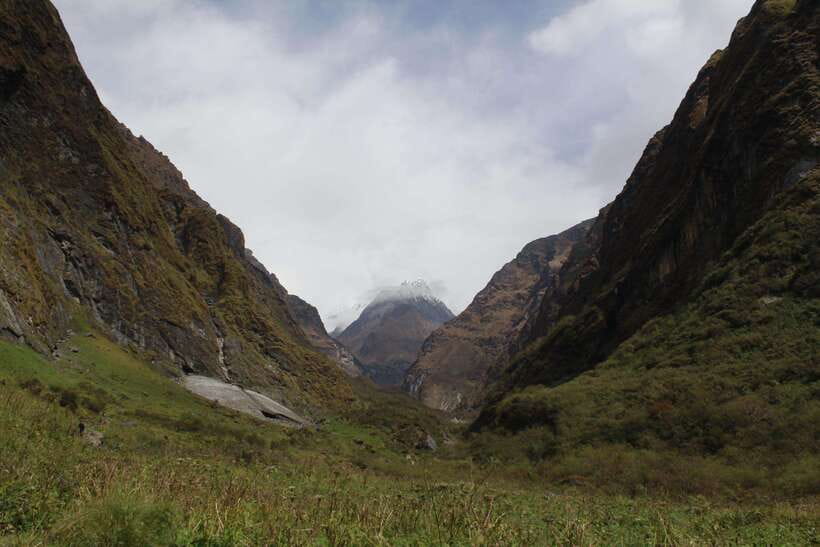
This trek uses teahouse accommodation, meaning you sleep in basic guesthouses run by local families. That matters for value and authenticity. You’re not just buying a tour, you’re helping support trekking tourism in the region. It also shapes the pace: teahouses are usually part of how your day ends.
Food is not included. That’s normal on tea house treks, but it changes how you budget. You’ll want to plan for meals daily, and you’ll want to be flexible. At higher elevation, appetites can be weird. Your best strategy is to eat what you can tolerate and keep it consistent.
Also note the reality of hot water and charging. Hot showers and charging facilities at some teahouses are not included, and they may not be available every day. Bring a plan for power: a charged headlamp, backup battery if you use one, and a willingness to go “off-grid” at least part of the trip.
The Guide Factor: Why People Keep Thanking Kim, Khim, Nir, and Milan
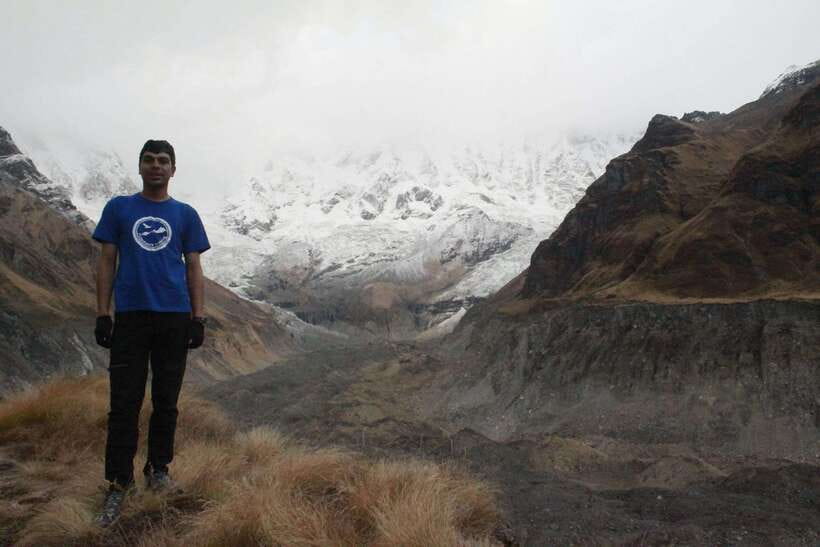
One theme shows up again and again in the best treks: the guide makes the hike feel safe and doable. Here, you’re traveling with an experienced English-speaking guide and the trip is set up as a private group, so the pace and route decisions should be easier to tailor.
Previous groups specifically highlighted guides such as Kim, Khim, Nir, and Milan for professionalism and day-to-day care. One team approach that came up was taking time to discuss how you feel and adjust the plan based on your energy level. That is exactly what you want on altitude weeks, because bodies do not all respond the same way.
If you get a chance to ask questions early, ask these:
- How do we pace today so we’re strong for tomorrow’s higher step?
- What signs should we watch for that mean slower is smarter?
- If the weather shifts, what’s the backup thinking?
A good guide turns mountains into a checklist, and that’s how you feel confident instead of anxious.
Price, Value, and What You Still Need to Budget For
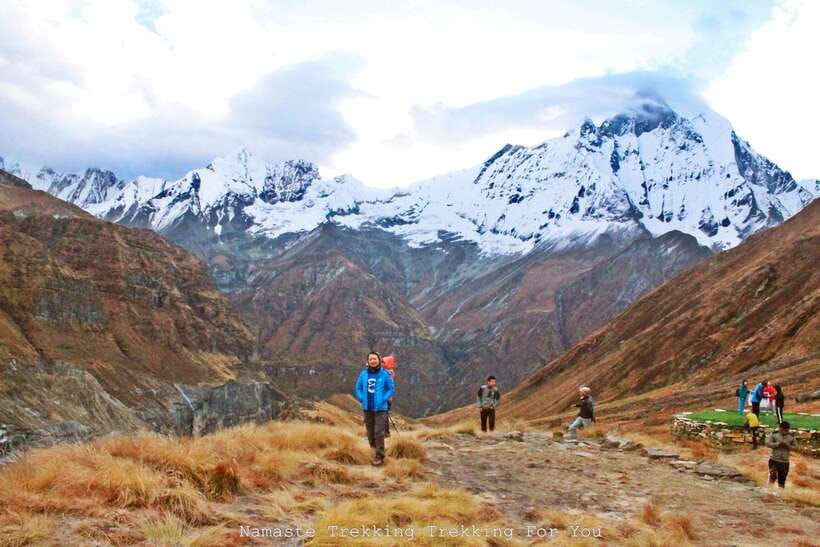
At about $430 per person for 10 days, the value looks strongest if you care about having permits handled and not overthinking logistics. Permits included are ACAP and TIMS. You also get all transportation from Kathmandu or Pokhara to the trailhead. You’ll have teahouse accommodation during the trek, plus an experienced English-speaking guide, a first aid kit, trekking maps, and a farewell dinner.
What’s not included is equally important:
- Meals during the trek
- Travel insurance (mandatory for high-altitude trekking)
- Personal trekking gear like sleeping bags, jackets, and trekking poles
- Hot showers and charging at some teahouses
So the real cost of this trek is not only the listed price. It’s the full package of insurance plus your gear plus meals. If you already own the cold-weather layers and poles, you can keep costs down. If you need to buy most gear in Nepal or at home, it’s smarter to factor that early.
Still, relative to what you get, this plan often feels fair. You’re paying for altitude days, permits, route guidance, and organization. The mountain may not care what you paid, but your comfort does.
Who This Trek Fits Best, and Who Should Skip It
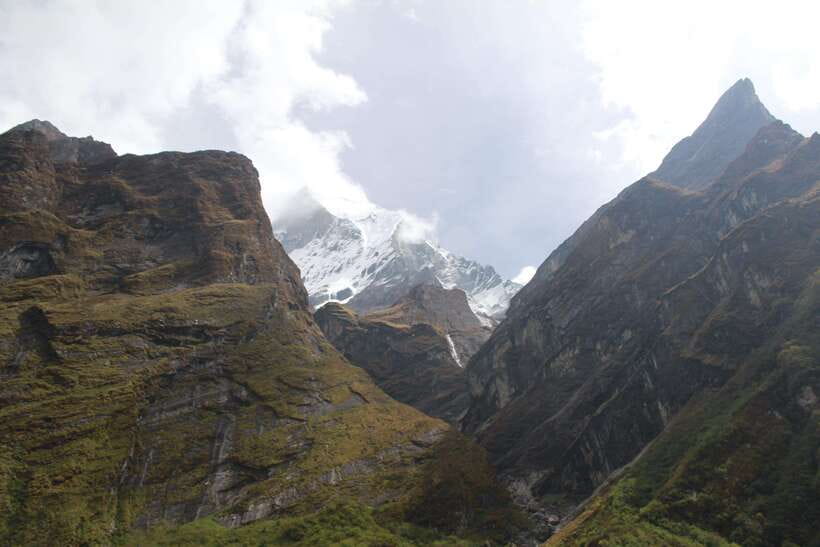
This is a classic choice for active travelers who want both culture and altitude challenge. You’ll get cultural stops in villages and in Muktinath, biodiversity through the Annapurna Conservation Area, and Himalayan views tied directly to the pass crossing.
It may not be the right move if:
- You’re pregnant, since the trek is not suitable
- You’re not comfortable with high-altitude conditions or long walking days
- You need reliable hot showers and charging every night
For most people, the decision comes down to altitude readiness. If you can handle a gradual climb, acclimatization, and long, steady effort, you’ll likely find this trek rewarding beyond the photos.
Should You Book This 10-Day Annapurna Circuit?
Book this trek if you want a route with a clear “peak moment,” Thorong La Pass at 5,416 m, and you’re excited by real village life along the way. The best part is that you’re not just hiking through scenery, you’re moving through communities, sleeping in teahouses, and crossing a landscape that changes fast as you climb.
Skip or reconsider if you know altitude is a weak spot for you, or if you need medical-grade certainty. Also, plan your gear and insurance early. This is one of those trips where preparation is not paperwork, it’s comfort, safety, and a calmer head on the pass day.
If you can, choose dates with good weather windows and take the acclimatization day seriously. Your future self at the top of Thorong La will thank you.
FAQ
What is the duration of this Annapurna Circuit trek?
The trek is listed as 10 days.
Where does the trek start and end?
It starts from the Kathmandu side by driving to the trailhead area and begins trekking at Dharapani. It ends with a drive from Jomsom to Pokhara.
What is the highest point on the route?
The highest point is Thorong La Pass at 5,416 meters.
Are permits included?
Yes. Permits for ACAP and TIMS are included.
What type of accommodation is provided during the trek?
You stay in teahouse accommodation during the trek.
Are meals included in the price?
No. All meals during the trek are not included.
Is travel insurance included?
No. Travel insurance is not included and is mandatory, covering high-altitude trekking.
What gear do I need to bring?
Personal trekking gear is not included, including items like sleeping bags, jackets, and trekking poles.
Do teahouses always have hot showers and charging?
Hot showers and charging facilities are not included, and you may find that they are not available at some teahouses.
Is this trek suitable for everyone?
It is not suitable for pregnant women.
Annapurna Circuit Treks worth a second look.
 ★ 5.0Annapurna Circuit Trek with Tilicho LakeFrom $1,093368 reviews
 ★ 5.0Annapurna Circuit TrekFrom $1,17594 reviews
★ 5.0Annapurna Circuit TrekFrom $1,15035 reviews
★ 5.0Annapurna Circuit TrekFrom $97534 reviews
 ★ 5.0Annapurna Circuit with Tilicho Lake TrekFrom $1,09325 reviews
 ★ 5.010-Day Adventurous Annapurna Circuit TrekFrom $46725 reviews
 ★ 5.015-Day Private Annapurna Circuit Trek from KathmanduFrom $99518 reviews
 ★ 5.09-Day Annapurna Circuit Trek via Thorong La Pass17 reviews
Lists this tour sits in