
REVIEW · ANNAPURNA BASE CAMP TREKS
Pokhara: 7 Day Annapurna Base Camp Trek
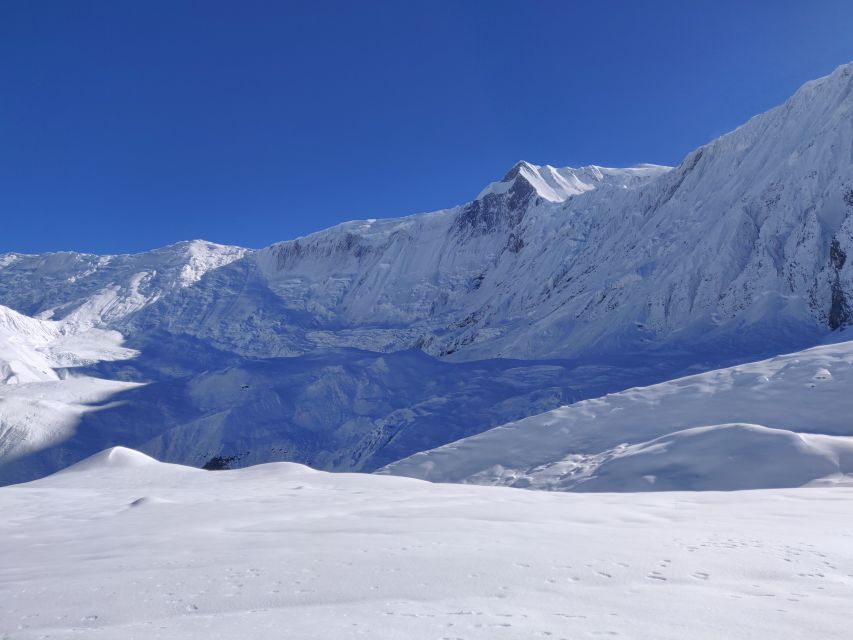
Your feet earn the views fast. This 7-day Annapurna Base Camp trek takes you from Pokhara up into the Annapurna amphitheater, with day-by-day altitude climbs and big Himalayan payoff. You get a route that mixes Gurung village life, suspension bridges, rhododendron and bamboo forests, and a clear shot at iconic peaks like Machhapuchhre and Hiunchuli.
I especially like how the itinerary is paced for real trekkers, not just training plans. You’ll walk through terraced fields and forests, sleep in standard tourist lodges, and reach Annapurna Base Camp at 4,130 m with early-morning sunrise built in.
One consideration: the first days include some steep uphill effort, and altitude can hit harder than expected. In a monsoon or winter snow window, weather can add strain, so go slow, drink water, and tell your guide early if you feel off.
In This Review
- Key highlights that matter on the trail
- The big picture: why this ABC trek structure works
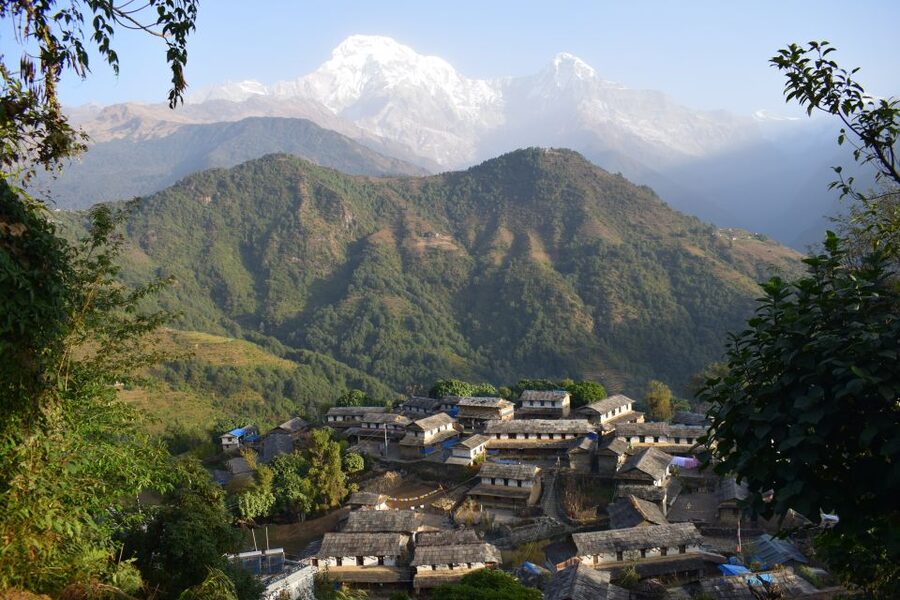
- Pokhara to Nayapool, then Ghandruk’s first huge views
- Ghandruk to Lower Sinuwa: forests, bridges, and suspension-bridge nerves
- Deurali climb day: bamboo and oak, plus the altitude reality check
- The push to Annapurna Base Camp at 4,130 m
- Sunrise, the descent rhythm, and getting back to Sinuwa
- Jhinu Danda hot springs: why the last push feels easier
- Day 7 down to Nayapool and back to Pokhara lakeside
- Guides make this trek, and the guide fit can matter a lot
- Permits, lodges, and what your $215 actually buys you
- Food, tea houses, and why relationships can change your week
- What to pack for altitude, cold, and surprise weather
- Pace, altitude safety, and the smart way to walk this route
- Who should book this trek, and who should think twice
- Should you book the 7-day ABC trek from Pokhara?
- FAQ
- What is the maximum altitude reached on the Annapurna Base Camp trek?
- Does the trek include permits for the Annapurna Conservation Area?
- Are food and drinks included in the price?
- What about guides, and what languages do they speak?
- Is porter service available if I want help carrying my pack?
- What is included for accommodations during the trek?
- What do I need to bring for the tour?
Key highlights that matter on the trail
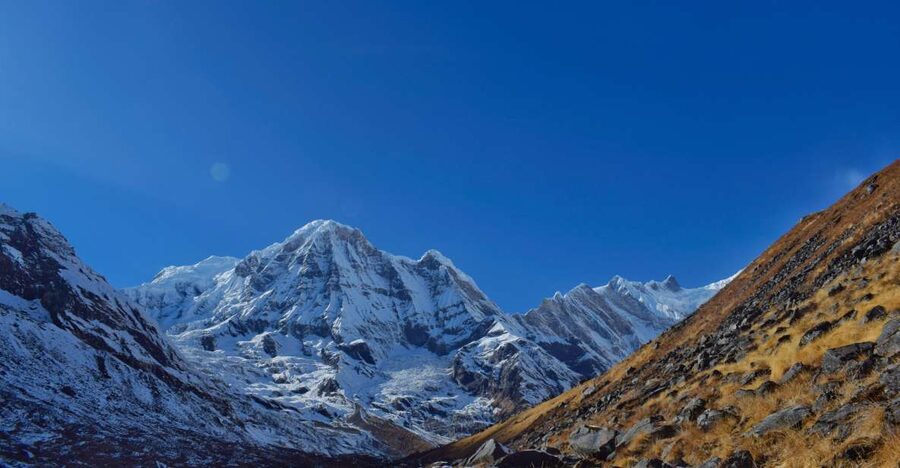
- Ghandruk’s Gurung village views: classic village stonework plus big views of Annapurna South and Machhapuchhre
- Modi Khola corridor hiking: rhododendron and bridge crossings, then bamboo and oak along the gorge
- Deurali climb to 3,230 m: dramatic cliffs and waterfalls, a real “altitude check” day
- Annapurna Base Camp at 4,130 m: the amphitheater effect, plus Machhapuchhre Base Camp views
- Sunrise over Annapurna I: a morning reward before you head back down
- Jhinu Danda hot springs: soaking time after trekking, with a river-side reset
Other approaches to the Sanctuary gate
The big picture: why this ABC trek structure works
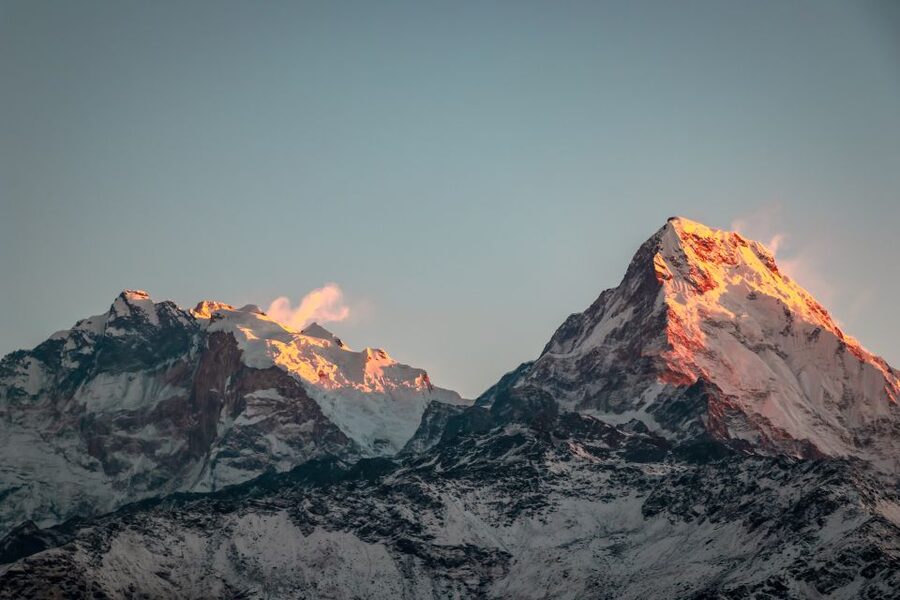
This trek is built around a simple truth: you’re not just hiking distance, you’re managing altitude day by day. The route climbs steadily from Ghandruk through Deurali, then makes the main push into Annapurna Base Camp. After that, the plan gives you a strong reward, then a controlled descent so your body has a chance to recover.
Seven days is a sweet spot for ABC if you want the highlights without a long slog. You still get the full “from villages to high camp” feeling, including the hot springs finish that makes the last two days feel like a reset, not a grind.
It’s also set up well for comfort. You get standard tourist lodges each night, a guide to match your pace, and a first aid kit carried with the group. When the trail steepens, that support matters.
Pokhara to Nayapool, then Ghandruk’s first huge views
Day 1 starts with a drive out of Pokhara, then you begin trekking through villages and terraced fields. This is a great opener because it gives you movement without starting you with a wall of altitude.
You end at Ghandruk, a traditional Gurung village famous for views. From there, you’ll get a first look at Annapurna South and Machhapuchhre (Fishtail). I like this start because it lets your brain grab the “why” early. You feel like you’re already in the Annapurna story, not just commuting uphill for days.
Practical tip: treat Day 1 as your warm-up. Even if you feel good, keep your pace easy. Several trekkers noted the first days can feel tough uphill, and going too fast early is how altitude complaints sneak in.
Ghandruk to Lower Sinuwa: forests, bridges, and suspension-bridge nerves
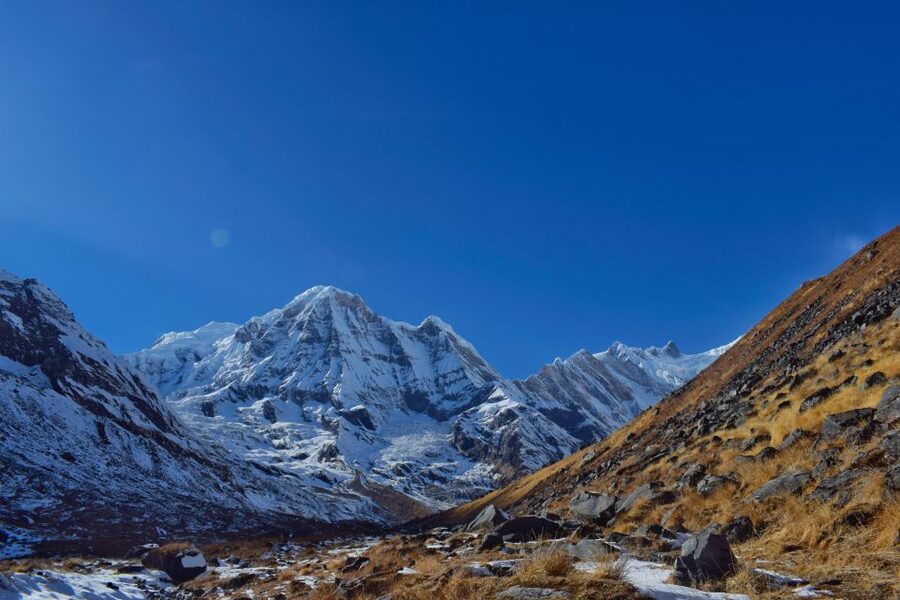
Day 2 hikes uphill and downhill through settlements and rhododendron forest. Then you cross suspension bridges over the Modi Khola. That mix is part of why this route feels alive: you’re not only gaining elevation, you’re also switching scenery constantly.
You’ll reach Lower Sinuwa for the night. At this stage, the trail still feels “human.” It’s a good day to practice your rhythm, steady breathing, and consistent water intake.
One thing I’d plan for mentally: suspension bridges can be unnerving if you dislike heights or you’re tired. If you get shaky, focus on slow foot steps and steady breathing rather than how the bridge sways.
Deurali climb day: bamboo and oak, plus the altitude reality check
Day 3 moves you into higher terrain, ending at Deurali (3,230 m). The day includes dense bamboo and oak forests, and it runs alongside the Modi Khola gorge. You’ll pass through places like Dovan and Himalaya, then keep climbing toward dramatic cliffs and waterfalls around Deurali.
This is the “altitude reality check” day in the itinerary. You’re higher than you’ve been before, and your body will tell you whether you’ve paced well. In the best case, you feel strong. In the other case, you need to slow down and communicate.
Here’s where a good guide earns their pay. In real trips, guides like Deepak and Hari were described as adjusting the rhythm to the trekkers’ needs and levels. That’s not fluff. When the climb gets steeper, having someone who can read your breathing and guide your pace can mean the difference between a smooth day and a rough one.
Other lodge to lodge routes near Ghandruk
The push to Annapurna Base Camp at 4,130 m
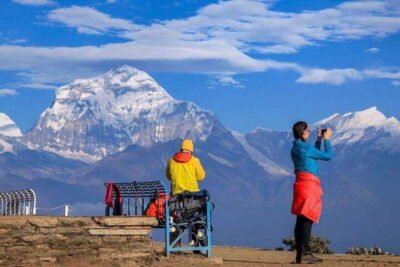
Day 4 is the main climb: Deurali to Annapurna Base Camp at 4,130 m (13,550 ft). You ascend through alpine meadows, and along the way you pass Machhapuchhre Base Camp. This matters because it’s one more viewpoint where the mountains feel close, not just tall.
From base camp, you get the big payoff: the Annapurna massif in an amphitheater-style panorama. This is the kind of view that changes how the week feels. Before base camp, you’re climbing. After base camp, you’re just staring.
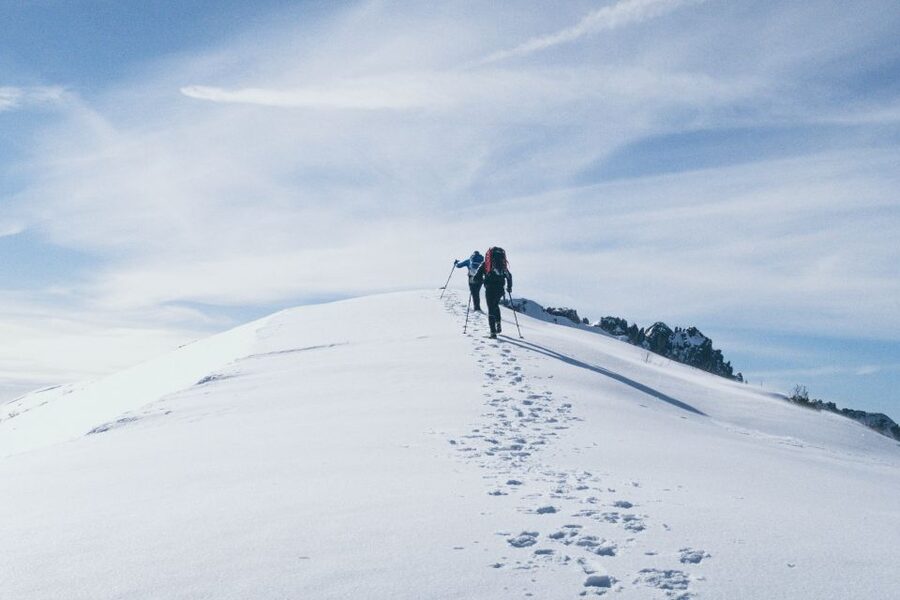
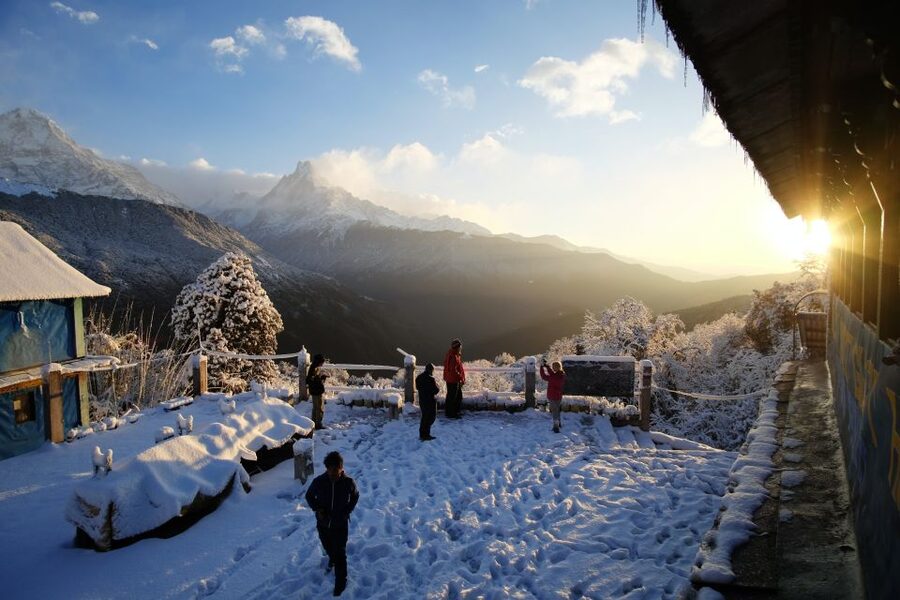
Also, plan for cold. In winter-style conditions, one trekkers’ experience included snow as they approached and as they left base camp. Even if you’re not expecting snow, bring warm layers and protect hands and feet. Wind plus altitude can feel sharper than you expect.
Sunrise, the descent rhythm, and getting back to Sinuwa
Day 5 starts with a magical sunrise over Annapurna I, then breakfast before retracing steps downhill. You’ll pass back through bamboo and rhododendron forests, ending overnight in Sinuwa.
Descending is not always easy, though. Your legs might feel good, but your knees and shins can take the hit. That’s why this day is a mix of relief and careful footwork.
I like that the itinerary doesn’t rush you into a long, brutal day after base camp. It gives you a sunrise moment, then you start building a safe return.
Jhinu Danda hot springs: why the last push feels easier
Day 6 takes you down to Jhinu Danda hot springs (1,760 m). You hike to the river area where you can relax in natural hot springs. This is not just a cute add-on. It’s a recovery strategy built into the itinerary.
One practical note came up in a guide-and-trek context: bring swimming stuff. If you want to actually enjoy the soak, you’ll be glad you did not plan for it last minute.
If the week has included rain or fatigue, this day can feel like the reset button. A monsoon-season trek was described as magical with steady rain, and the pace still allowed enough recovery time to enjoy the experience.
Day 7 down to Nayapool and back to Pokhara lakeside
Day 7 is a gradual descent through farmlands and villages to reach Nayapool. Then you drive back to Pokhara and finish by the lakeside.
I like a finish like this because it gives closure. You’re not ending with another night hike into the dark. You can shower, eat, and process what you just did while your body comes back online.
The drive portion also helps if you had any altitude symptoms during the week. It’s easier than walking out while tired.
Guides make this trek, and the guide fit can matter a lot
This trekking program uses government-certified guides, and the English, Hindi, and Nepali languages are available. You also get a private group setup, so your guide can respond to your pace rather than treating everyone like one speed.
The strongest praise across guides was consistency, flexibility, and safety. Trekkers specifically called out guides like Pratiksha for patience and route knowledge, and Hari for keeping people feeling safe while explaining Nepal and the mountains. Others described Krishna as professional and friendly, with the right balance of guidance and space.
There’s also a key real-world point: plans sometimes need adjusting. One trek included altitude sickness at Deurali, and the guide quickly arranged jeep transport and redirected the trip so the trekkers still got a meaningful alternative hike to Poon Hill. That tells you this is not just a scripted march.
If you’re new to trekking, this matters even more. First-time trekkers in this route were encouraged to go at their own pace, and guides helped with steady encouragement. If you like structure but hate being rushed, this kind of pacing support is exactly what you want.
Permits, lodges, and what your $215 actually buys you
The price listed is $215 per person for 7 days. That cost is not only for trekking days. It includes hotel pickup and drop-off, private roundtrip transportation, the Annapurna Conservation Area permit (ACAP), government permits, and private accommodation in standard tourist lodges.
It also includes the guide, a first aid kit, and trekking extras like a duffel bag and trekking poles if needed. There’s also luggage storage in Pokhara, which is one of those small things that makes travel feel smoother.
What’s not included is food and drinks, which you’ll purchase along the way. That’s normal for trekking, but it affects your real budget. Also, a porter is available for $15 per day if you want help carrying your pack.
My value take: this looks like a solid deal if you want the logistics handled. You’re paying for permits, guide support, transport, and overnight lodge comfort. If you were planning to DIY everything, the permit and guide piece alone is where time and hassle add up.
Food, tea houses, and why relationships can change your week
You’re sleeping in standard tourist lodges, and meals come from what’s available in the tea house network. Food quality varies by location and season, but what makes the experience better is knowing you’ll arrive with a guide who can manage choices.
In real trips, guides were praised for having good relationships with tea houses, which helped trekkers feel comfortable and find good meals. That can mean the difference between rushing for food at the end of a long day and sitting down to eat without stress.
If you’re picky about hydration or you need to watch what you eat, your guide can help you plan stops. Also, eat earlier than you think you need to. When altitude is in the mix, hunger plus exhaustion can create bad decisions.
What to pack for altitude, cold, and surprise weather
The trek reaches 4,130 m, and conditions can change quickly. Based on actual seasonal experiences, snow can happen near base camp, and monsoon rain can be steady enough that the trail feels slippery and wet.
So pack for layers, not one outfit. Plan for cold mornings and warming afternoons. Bring warm gloves and a hat, and protect your feet for long days on uneven stone and dirt.
What’s explicitly required: passport or an ID card. If you didn’t pack it, you’ll wish you had.
Also consider this practical gap: at least one trekker wished a season-specific packing list had been provided. I’d treat that as a sign to check your travel dates and prep accordingly. Cold-season clothing and rain gear are very different, even if the route is the same.
Pace, altitude safety, and the smart way to walk this route
Your itinerary includes climbs to Deurali and then a major push to base camp, then you descend pretty quickly with the hot springs stop. That structure helps you, but only if you treat your body like it matters.
Here are the pacing habits that match the way guides describe helping trekkers:
- Start slower than your ego wants
- Take breaks before you feel wrecked
- Watch for symptoms and tell your guide early
- Drink water consistently, not only when you feel thirsty
If you get altitude sickness, you need an action plan fast. One trip included a quick change using jeep transport when reaching base camp became impossible. That’s rare, but it shows the system is able to adapt when safety comes first.
Who should book this trek, and who should think twice
I think this is a great fit if you want a classic ABC experience in a tight 7-day format and you like having a guide who can adjust pace. It’s especially good if you enjoy village walking, forest sections, and big viewpoint moments like base camp and sunrise over Annapurna I.
You might think twice if you’re aiming for a very light stroll. Even with lodges and guides, this is still a high-altitude trek with real climbs. If you have mobility limits or you’re not comfortable with steep uphill days early on, you should discuss options before committing.
It also helps if you’re willing to carry a pack that fits your comfort level. If you’d rather hike with less weight, the porter option ($15 per day) is a straightforward way to reduce strain.
Should you book the 7-day ABC trek from Pokhara?
If you want a well-organized trek with a certified guide, standard lodge comfort, permits handled, and a finish that includes Jhinu hot springs, then yes, this one is a strong choice. The $215 price makes sense when you factor in transport, ACAP permits, government permits, lodging, and the guided route support.
Book it if you’re excited by the mix of Gurung villages, Modi Khola gorge hiking, and the big moment at Annapurna Base Camp. If you’re sensitive to altitude or unsure about weather, I’d still book, but be honest with your guide about your pace and symptoms from day one.
If you want, tell me your travel month and current fitness level, and I can suggest a season-friendly packing and pacing plan for this exact route.
FAQ
What is the maximum altitude reached on the Annapurna Base Camp trek?
The itinerary reaches Annapurna Base Camp at 4,130 meters (13,550 ft).
Does the trek include permits for the Annapurna Conservation Area?
Yes. The Annapurna Conservation Area (ACAP) permit and government permits are included.
Are food and drinks included in the price?
No. Food and drinks are not included, and you can purchase them along the way.
What about guides, and what languages do they speak?
You’ll have a government-certified guide. The guide language options are English, Hindi, and Nepali.
Is porter service available if I want help carrying my pack?
Yes. A porter is available for $15 per day, but it is not included in the base price.
What is included for accommodations during the trek?
You get private accommodation in standard tourist lodges for the trekking nights.
What do I need to bring for the tour?
You should bring a passport or ID card. Trekking poles and a duffel bag may be provided if needed.
Lodge to Lodge Around Ghandruk
The Rest of Our Ghandruk Write Ups
Through the Sanctuary Gate
Everything else we have reviewed around Ghandruk
- Pokhara: 3 days Trek to Poon hill
★ 5.0 · 3 reviews - Pokhara: Hike To Australian Base Camp
★ 3.5 · 4 reviews - Pkr/Kathmandu: 5-Day Annapurna Base Camp & Hot spring Trek
★ 5.0 · 6 reviews - From Pokhara: 10-Day Poon Hill and Annapurna Base Camp Trek
★ 5.0 · 7 reviews
Annapurna Base Camp Treks worth a second look.
 ★ 5.0Annapurna base camp trek 5 DaysFrom $699252 reviews
 ★ 5.0Annapurna Base Camp TrekFrom $935111 reviews
 ★ 5.0Kathmandu to Annapurna Base Camp (ABC) 5-Day TrekFrom $99102 reviews
 ★ 5.0Annapurna Base Camp Trek 12 DaysFrom $80085 reviews
★ 5.0Annapurna Base Camp TrekFrom $92580 reviews
★ 5.0Annapurna Base Camp Trek 12 DaysFrom $80085 reviews
★ 5.0Annapurna Base Camp TrekFrom $92580 reviews
 ★ 4.95-Day Annapurna Base Camp (ABC) TrekFrom $9672 reviews
★ 5.0Annapurna Base Camp TrekFrom $69959 reviews
★ 4.95-Day Annapurna Base Camp (ABC) TrekFrom $9672 reviews
★ 5.0Annapurna Base Camp TrekFrom $69959 reviews
 ★ 5.011-Day Hike Tour to Annapurna Base Camp Bliss in KathmanduFrom $1,30052 reviews
Lists this tour sits in