
REVIEW · ANNAPURNA BASE CAMP TREKS
From Pokhara: 10-Day Poon Hill and Annapurna Base Camp Trek
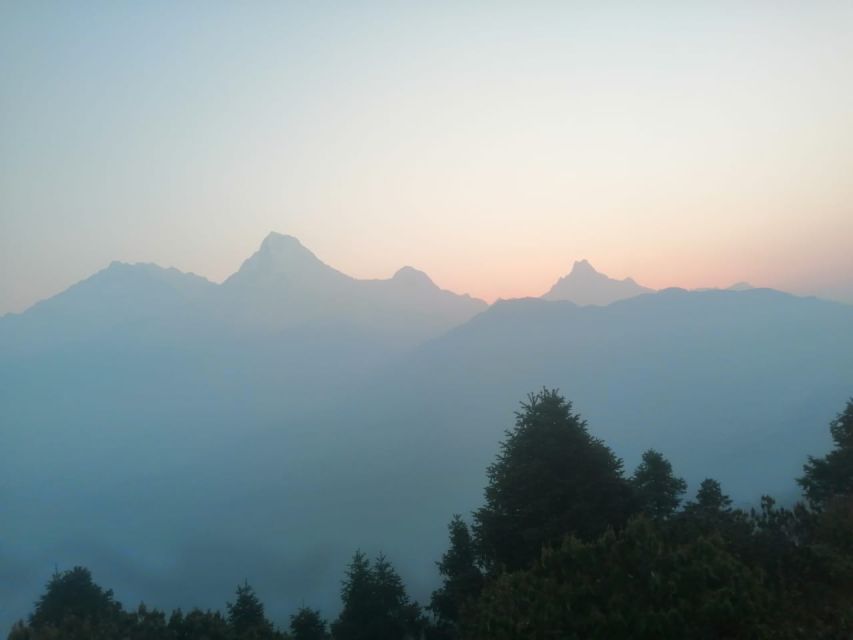
Snow giants at daybreak is the point. This 10-day route from Pokhara brings you from terraced fields and stone steps into the Annapurna region, with big moments like the Poon Hill sunrise and a final arrival at Annapurna Base Camp.
I especially like two things about this trek: the professional English-speaking guide (with an emergency first aid kit included), and the steady rhythm of guesthouse nights in local villages instead of constant hotel shuffling. You also get that private tour feel, so you can keep a pace that matches your legs.
One key consideration is uncertainty, because weather in the mountains can change fast, and some high-altitude comforts (like heater, WiFi, battery charging, and hot shower) may cost extra once you’re higher up. If you want those, plan ahead.
In This Review
- Key things I’d circle before you go
- From Pokhara to Nayapul, then Tikhedhunga’s stone steps
- Ulleri to Ghorepani: the stairs climb, then mountain-range views
- Poon Hill sunrise, then Tadapani’s quieter pace through forests
- Chhomrong: big Machhapuchhre (Fishtail) views and real Gurung village life
- Bamboo to Deurali: bamboo forests, Modi Khola valley, and a steady climb
- Deurali to Annapurna Base Camp at 4,130m: the sanctuary feeling
- Base Camp sunrise, then back down to Bamboo and Jhinu Danda hot springs
- Price and value: what you get for about $310 per person
- Pacing, altitude, and what to pack so the trek feels human
- Who this trek fits best, and who should choose another plan
- Should you book this 10-day Poon Hill and Annapurna Base Camp trek?
Key things I’d circle before you go
- Poon Hill sunrise access: the early hike is built into the trek, not a random detour
- Village-to-peak progression: terraced farms to Ulleri steps to Ghorepani, then deeper into the sanctuary
- Annapurna Base Camp day at altitude: you reach 4,130m and pass Machhapuchhre Base Camp along the way
- Chhomrong as a visual payoff: Gurung village views of Annapurna South and Fishtail (Machhapuchhre)
- Jhinu Danda hot springs finish: a real muscle reset right after the long descent
- Private, guide-led flexibility: if you slow down or struggle, a good guide can adjust your plan
Other approaches to the Sanctuary gate
From Pokhara to Nayapul, then Tikhedhunga’s stone steps
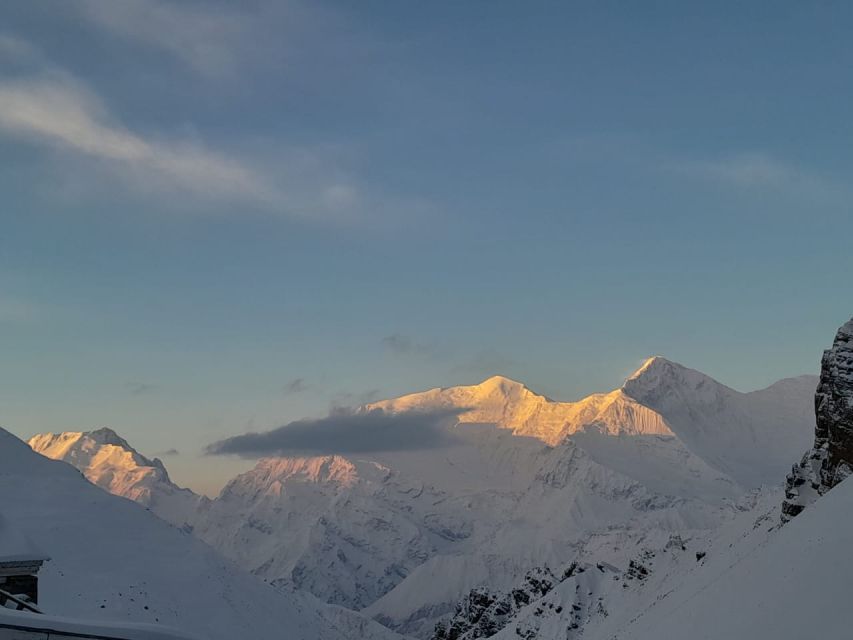
This trek starts with a short drive from Pokhara to Nayapul (about 1.5 hours). Then you drop into the hiking life right away, following the trail along the Modi Khola, passing small villages and terraced fields that make Nepal feel lived-in, not staged.
By Day 1, you reach Tikhedhunga (1,577m) and overnight there. Tikhedhunga matters because it sets your expectations for the next day: lots of stairs. It’s not a “mountain simulator” all day, but you should be mentally ready for effort that comes in short bursts, mostly uphill.
If you’re coming in from sea level or you’re not used to hiking with a pack, this first day is a great baseline. It helps you find your breathing and your stride before you hit Ulleri and Ghorepani the next morning.
Ulleri to Ghorepani: the stairs climb, then mountain-range views
Day 2 is the one many people remember, because it starts with Ulleri, the famous steep stone steps. It’s not fancy hiking. It’s practical hiking, step after step, with the trail basically asking one thing: keep moving.
After Ulleri, the route shifts into rhododendron forests and charming villages. That mix is important. The forest shade can make a hard climb feel more manageable, and the villages keep you connected to daily life: people living their routines, not just watching tourists pass through.
You end at Ghorepani (2,874m), where you’re positioned for views of the Annapurna and Dhaulagiri mountain ranges. Even if the sky is a little cloudy, being at Ghorepani puts you in the right spot for the big early morning that comes next.
Poon Hill sunrise, then Tadapani’s quieter pace through forests
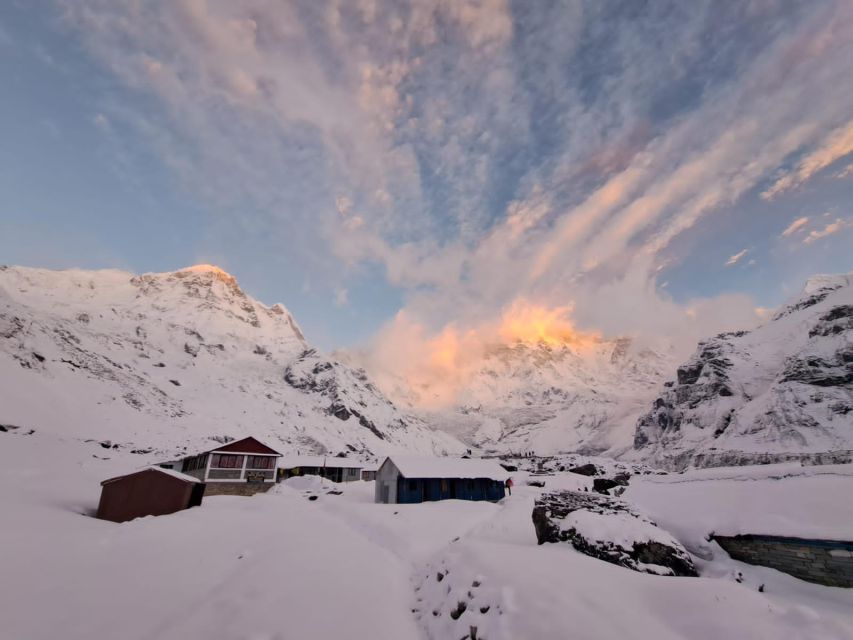
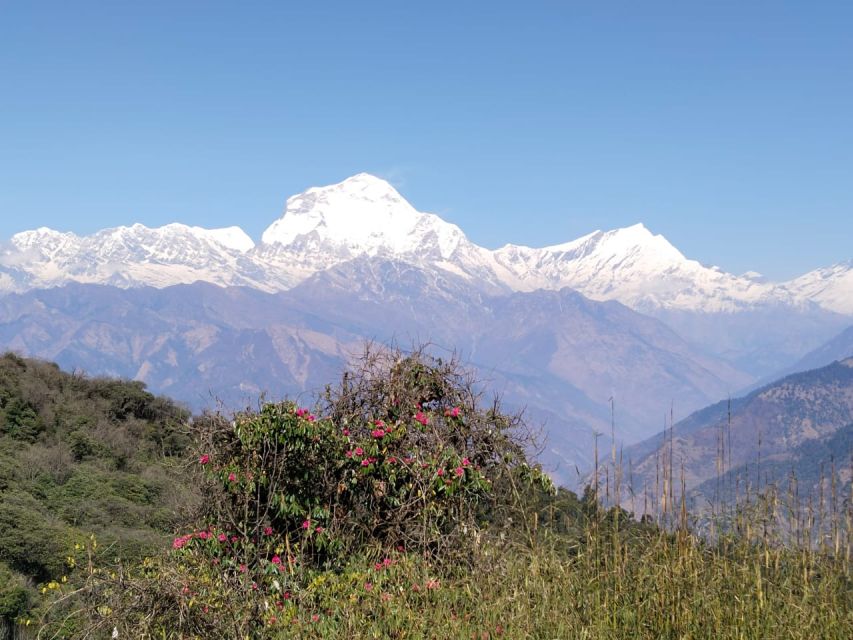
Day 3 is all about timing. You wake early and hike up to Poon Hill (3,210m) for sunrise panoramic views over the Annapurna. The payoff here is simple and strong: you get a clear line of sight across the high country right at first light, when the mountains look most dramatic.
Then you go back down to Ghorepani for breakfast, and that matters more than you might think. Breakfast at Ghorepani gives you a moment to reset before the next push. After that, you continue trekking through rhododendron-filled valleys, ending in Tadapani (2,630m).
Tadapani is often a relief stop. It’s high enough to feel like you’re in the mountains, but it’s not the final slog of Base Camp altitude. If you tend to get tired late in the day, this is where good pacing helps you keep the whole trek enjoyable.
One practical tip: if you’re sensitive to cold mornings, layer up before you start the Poon Hill ascent, then plan to shed things as you warm up.
Chhomrong: big Machhapuchhre (Fishtail) views and real Gurung village life
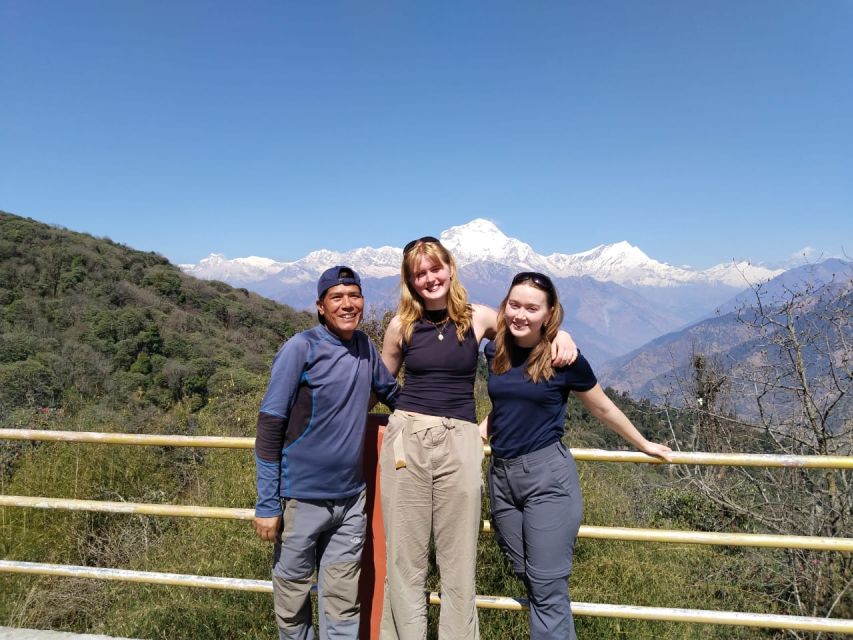
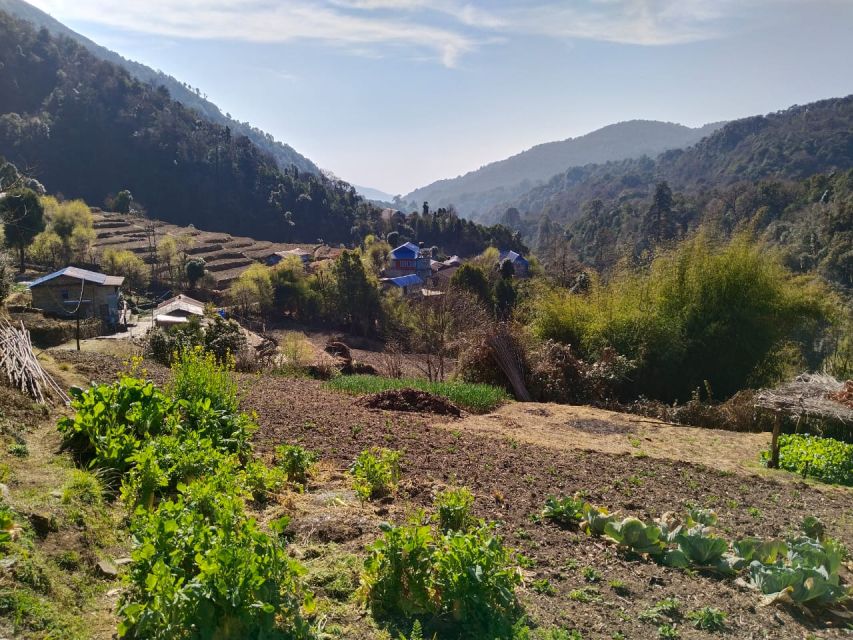
Day 4 takes you from Tadapani down through lush forests, passing Gurjung village, then dropping toward the Kimrong Khola and rising up to Chhomrong (2,170m). This is a classic Annapurna pattern: descent to set up the next climb.
Chhomrong is a large Gurung village with standout views of Annapurna South and Machhapuchhre, also called Fishtail peak. When you reach Chhomrong, you’re not just gaining altitude. You’re gaining a different kind of mountain perspective, one that feels closer and sharper.
You’ll sleep in Chhomrong, and that night matters because the next section moves into bamboo and toward higher, more enclosed valley walking. Chhomrong gives you a solid foothold before the trek tightens up.
Shorter Ghorepani options worth weighing
Bamboo to Deurali: bamboo forests, Modi Khola valley, and a steady climb
Day 5 is about going downhill, crossing the suspension bridge over the Chhomrong Khola, then climbing toward Sinuwa and continuing into thick bamboo and rhododendron forests. You reach Bamboo (2,310m) for the night.
Bamboo is exactly what it sounds like. The feeling changes from village edges to more enclosed walking. That shift is useful if you want something gentler after earlier stair-and-climb days. It also gives your eyes a break from constant “open view” pressure.
Day 6 pushes higher to Deurali (3,230m). You trek through bamboo forests and along the Modi Khola valley, passing landmarks like the Himalayan Hotel and Hinku Cave along the way. Then you steadily ascend to Deurali.
Deurali is where the trek starts to feel more “high altitude trekking” than “day hikes.” The air can get thinner, and the walking can feel slower even when your legs are willing. This is a good day to keep your effort smooth. You’re trying to arrive, not race.
Deurali to Annapurna Base Camp at 4,130m: the sanctuary feeling
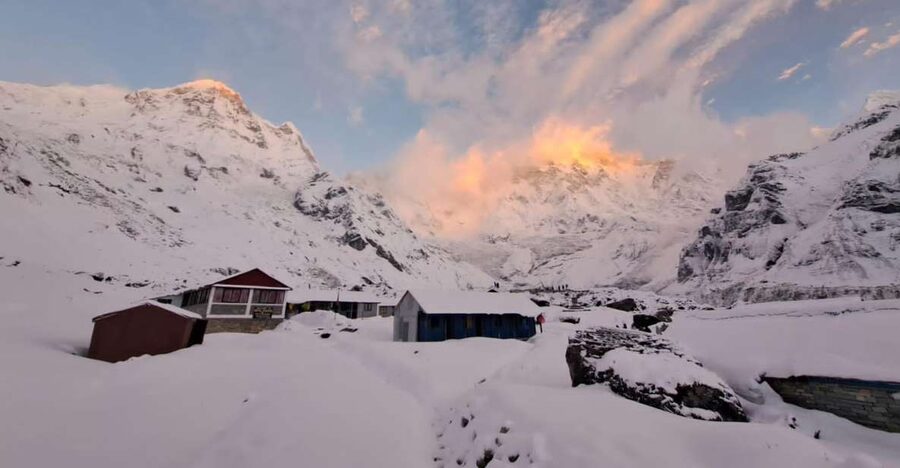
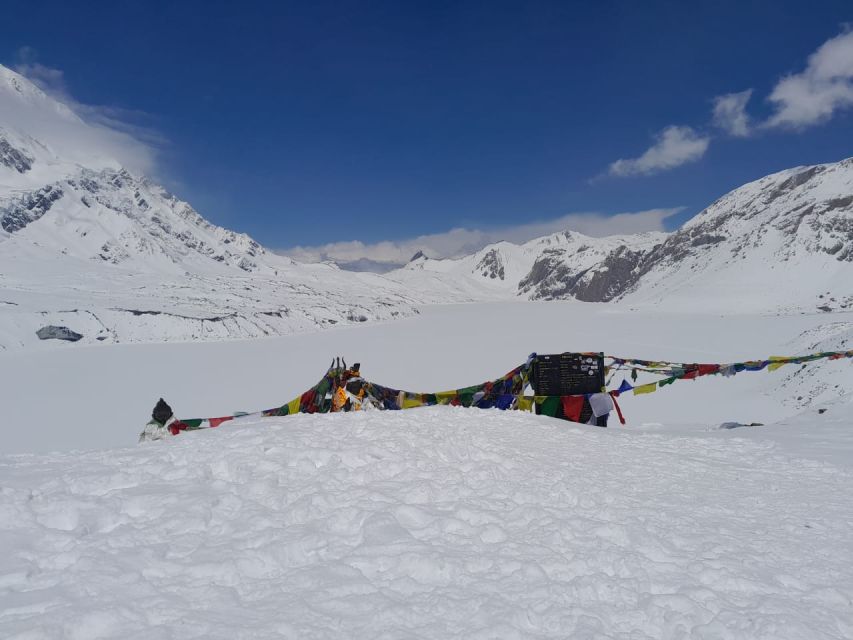
Day 7 is your big peak day. From Deurali you trek through a narrow valley that opens up into the Annapurna Sanctuary. Along the way you pass Machhapuchhre Base Camp (around 3,700m), then continue on until Annapurna Base Camp (4,130m).
This is the moment the entire route has been building toward. You arrive at a basin surrounded by towering peaks, with views that include Annapurna I (8,091m), along with other giants in the area.
Why this day is valuable even if you’re not chasing extremes is simple: you’re at the meeting point between effort and scenery. The trek earns the view. And because the next day is a descent, you can focus on enjoying where you are rather than wondering what’s next.
Practical advice for Base Camp day: keep your layers on hand and don’t spend too long standing still in the cold. Short pauses for photos, then keep moving to stay comfortable.
Base Camp sunrise, then back down to Bamboo and Jhinu Danda hot springs
Day 8 starts early again, with sunrise views from Annapurna Base Camp. Then you descend from 4,130m, heading back through Deurali and Bamboo to Bamboo for the night.
This is an underrated skill test: going down is easier on your lungs, but harder on your knees and ankles. You’ll want careful foot placement, especially on uneven sections and where the trail gets slippery.
Day 9 continues the descent through the forests. You reach Chhomrong for lunch, then go down further to Jhinu Danda (1,780m). And here’s the payoff that makes the hard part feel worthwhile: you can relax in natural hot springs at Jhinu Danda to soothe your muscles.
That hot spring night is your “treat,” but it also helps you recover for the final day. If you’ve been pushing yourself, this is where you feel your body unclench.
Day 10 is the finish. You trek from Jhinu Danda to Nayapul, then drive back to Pokhara. The route closes the loop, and you land back in lakeside comfort with a strong sense of completion.
Price and value: what you get for about $310 per person
At $310 per person for 10 days, this trek is priced in the “serious value” zone for Nepal, mainly because a lot of the friction is removed for you.
Here’s what the money covers, as a bundle:
- Hotel pickup and drop-off within the lakeside area
- Private transfer Pokhara to Nayapoul and back by private car
- A professional English-speaking trekking guide
- Trekking permits and official documents
- Guesthouse accommodation during the trek
- Entrance at Poon Hill
- An emergency first aid kit with your guide
What you pay extra for:
- Food and drinks (available to purchase)
- Travel insurance
- Optional gratitude for your crew
- Any emergency rescue response, handled through your travel insurance
So is it worth it? For most hikers, yes, because the guide and permits are not small details in the Annapurna region. They also reduce the risk of wasted time or confusion on route and lodging.
A couple real-world signals from guides in this area: some have been patient and well-organized, and some have adjusted pacing based on how your body handles altitude. You should value that style. A trek is much more enjoyable when you feel safe and not rushed, even if you move slower.
If you want a specific comfort plan at higher elevations, expect extra daily spending for things like heater, WiFi, charging, and hot showers. One hiker set expectations around having roughly 30 to 40 USD per day available for those items, depending on what you choose to use.
Pacing, altitude, and what to pack so the trek feels human
This trek is not just “walking.” It’s walking plus altitude plus cold mornings plus stairs. The best way to keep it from feeling like a battle is to pace early and take your breaks seriously.
I like how this plan has built-in breathing space through the forests and villages, not just straight-line climbs. You’re still working hard, but you get time to settle. A calm pace is especially useful on the Ulleri stair day and on the Deurali climb toward the Sanctuary.
If altitude makes you slow, tell your guide early. You can end up having adjustments like extending time and changing how you handle the effort, so you can enjoy more of the route instead of pushing through discomfort.
For your pack and gear, use the simple list the trek setup calls for:
- Passport or ID card
- Comfortable shoes
- Travel insurance
- Passport-sized photo
And pay attention to what’s not allowed:
- Pets are not allowed
- Plastic bottles are not allowed
A practical gear note: bring layers for cold dawn starts at Poon Hill and Base Camp. You’re climbing into chill, then cooling down again on descents.
Also, plan your water habits. Since plastic bottles are not allowed, you’ll want a reusable bottle or system you’re comfortable with for refill points.
Who this trek fits best, and who should choose another plan
This itinerary is best for hikers who want a mix:
- Villages and terraced fields early on
- Forest walking through rhododendron and marigold areas
- A sunrise focus at both Poon Hill and Annapurna Base Camp
- A clear final payoff with Jhinu Danda hot springs
It is a private group experience with a professional guide, so it’s a good match if you appreciate a steadier pace and someone watching the details like accommodation bookings.
It is not suitable for pregnant women or wheelchair users, based on the activity’s posted limits.
If you’re a slow hiker, you should still be able to do this, but you’ll want to communicate your pace right away so your guide can keep the day effort realistic.
Should you book this 10-day Poon Hill and Annapurna Base Camp trek?
Book it if you want the “big Himalaya package” without complexity. This trek gives you sunrise views at Poon Hill, real village walking, a Base Camp arrival at 4,130m, and a down-to-earth recovery stop at Jhinu Danda hot springs.
Skip it or rethink your timing if you’re not comfortable with mountain weather changes, early starts, and the idea of extra spending at higher elevations for comfort items. Also, choose a different plan if you fall into the posted non-suitable categories.
If you do book, focus your prep on shoes, layers, and a calm pace. That’s the formula that keeps the mountains breathtaking and the days manageable.
The Rest of Our Ghandruk Write Ups
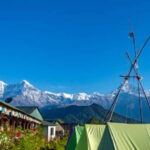
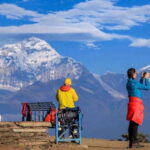
Ghorepani and the Poon Hill Ridge
Through the Sanctuary Gate
Everything else we have reviewed around Ghandruk
- Pokhara: 3 days Trek to Poon hill
★ 5.0 · 3 reviews - Pkr/Kathmandu: 5-Day Annapurna Base Camp & Hot spring Trek
★ 5.0 · 6 reviews - From Pokhara: 10-Day Poon Hill and Annapurna Base Camp Trek
★ 5.0 · 7 reviews - Pokhara: 7 Day Annapurna Base Camp Trek
★ 4.9 · 38 reviews
Annapurna Base Camp Treks worth a second look.
 ★ 5.0Annapurna base camp trek 5 DaysFrom $699252 reviews
 ★ 5.0Annapurna Base Camp TrekFrom $935111 reviews
 ★ 5.0Kathmandu to Annapurna Base Camp (ABC) 5-Day TrekFrom $99102 reviews
 ★ 5.0Annapurna Base Camp Trek 12 DaysFrom $80085 reviews
★ 5.0Annapurna Base Camp TrekFrom $92580 reviews
 ★ 4.95-Day Annapurna Base Camp (ABC) TrekFrom $9672 reviews
★ 5.0Annapurna Base Camp TrekFrom $69959 reviews
 ★ 5.011-Day Hike Tour to Annapurna Base Camp Bliss in KathmanduFrom $1,30052 reviews
Lists this tour sits in