
REVIEW · ANNAPURNA BASE CAMP TREKS
Pkr/Kathmandu: 5-Day Annapurna Base Camp & Hot spring Trek
Annapurna Base Camp in just five days is a bold plan. This trek packs serious altitude, big mountain views, and everyday tea-house trail life into one tight schedule, with stops like Machhapuchhre Base Camp and the optional Jhinu Danda hot springs. I especially like how the route mixes forests, rivers, waterfalls, and small settlements instead of feeling like one long slog.
Two things I really like: the payoff view at Annapurna Base Camp (4130 m), and the way the trek is supported by a private guide plus loaned gear like sleeping bags, duffle bags, and trekking poles. One consideration is that this is listed as moderate to challenging and the climb is fast, so you need to take acclimatization seriously and dress for cold, possible rain, and even snow.
If you want an efficient, well-supported taste of the Annapurna Sanctuary without spending a week in logistics, this is a strong option. Just go in with realistic expectations about effort, weather, and altitude, and you will get a very memorable Himalayan experience.
In This Review
- Key points worth knowing
- A 5-day hit of Annapurna Base Camp from Pokhara or Kathmandu
- How the route climbs, from Simrung to 4130 m
- Day 1: Pokhara or Kathmandu to Simrung, then Sinuwa tea-house living
- Day 2: Sinuwa to Deurali via Himalaya, waterfalls and forest air
- Day 3: Deurali to Annapurna Base Camp through Machhapuchhre Base Camp
- Day 4: The big return, Bamboo or Sinuwa, and why sunrise matters
- Day 5: Jhinu Danda hot springs, Simrung, then back to Pokhara
- Guides and gear, the difference between tough and smooth
- Price and value: what $60 covers and where add-ons start
- Seasons and weather: when your trek plans get tested
- Who should book this trek, and who should skip it
- Should you book the 5-Day Annapurna Base Camp and Hot Spring Trek?
- FAQ
- Where does the trek start, Pokhara or Kathmandu?
- How high do you go on the trek?
- Is the sunrise at Machhapuchhre Base Camp included?
- Are meals included?
- Are trekking poles provided?
- Is the Jhinu Danda hot spring part optional?
- What are the best seasons to go?
Key points worth knowing
- Fast route, big altitude: You reach Annapurna Base Camp at 4130 m in a 5-day window.
- Sunrise factor: The plan includes a sunrise experience at Machhapuchhre Base Camp.
- Tea-house trail rhythm: Daily trekking is paced with overnight guest houses at Sinuwa, Deurali, and Annapurna Base Camp area towns.
- Hot spring unwind: Optional relaxation at Jhinu Danda on Day 5.
- Real village days: You pass through traditional settlements, with chances to see local Gurung village life.
- Support that matters: Private guide, permits, first aid, and loaned trekking basics reduce the guesswork.
Other approaches to the Sanctuary gate
A 5-day hit of Annapurna Base Camp from Pokhara or Kathmandu
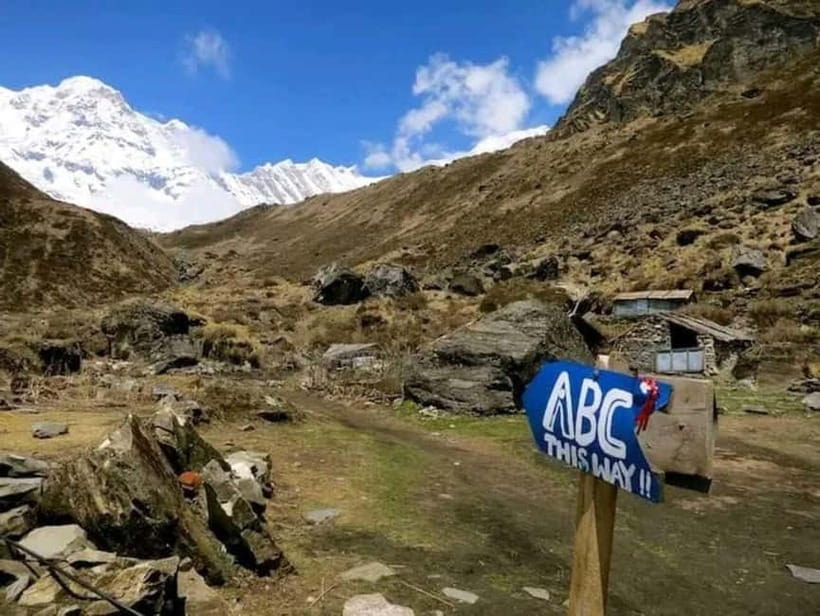
This is the kind of trek where you can feel the mountains pulling you forward from day one. You start with hotel pickup, then you move into the hills quickly enough that the trek feels like a concentrated Annapurna sampler, not a slow-burn hike.
What makes it interesting is the mix. You are not just chasing altitude. You are walking through dense forest sections, following rivers and waterfall-heavy stretches, and passing through small settlements with tea houses along the way.
You also get a very clear sense of why the Annapurna Sanctuary is such a magnet. Standing at the base of a major massif is different from looking at photos, especially when you are aiming for the views of Annapurna I, Machhapuchhre, and Hiunchuli during your short time on the route.
How the route climbs, from Simrung to 4130 m
The trek runs like a steady staircase with rest nights in between. Day 1 peaks at about 2340 m, Day 2 reaches 3230 m, and Day 3 pushes up to 4130 m at Annapurna Base Camp.
That last jump is the big one. Even if you are fit, altitude can hit you faster when the schedule is tight, so the practical move is to follow your guide’s pace and take breaks without heroics. The trip is also labeled moderate to challenging for a reason, so plan your effort like you are saving some fuel for Day 3 and Day 4.
Another thing to know up front: the trail is tea-house based, so your meals are part of the pacing. You will be stopping often enough to keep going, but you should expect long hiking days with cold evenings.
Day 1: Pokhara or Kathmandu to Simrung, then Sinuwa tea-house living
Day 1 starts with the travel-to-trail transition. If you are coming from Pokhara, you drive about 2 to 3 hours to Simrung via Nayapul. If you are coming from Kathmandu, there is a 30-minute flight to Pokhara option before that drive.
Once you start hiking, the trek goes Simrung to Sinuwa for about 4 to 5 hours. This is the day where the trail feels most like Nepal’s everyday mountains. You pass through forest and settlements, settle into guest-house life for the night, and start getting your legs used to the rhythm.
A small practical advantage: the first night is at a manageable max altitude of 2340 m. That makes Sinuwa a good “get your bearings” night before the steeper altitude climb begins.
The drawback to keep in mind is simple: you still have a lot happening on Day 1, with a drive or flight plus hiking. If you are sensitive to long travel days, you will want to sleep early and keep warm clothing ready.
Day 2: Sinuwa to Deurali via Himalaya, waterfalls and forest air
Day 2 is Sinuwa to Deurali via a stop at Himalaya, a small settlement with tea houses. Expect about 5 to 6 hours of trekking, with a dense forest section and plenty of waterfalls along the way.
This is a day I like for two reasons. First, the scenery has variety, so your mind stays engaged even when your legs are doing the work. Second, you are climbing toward 3230 m, which means you are feeling altitude early enough to adjust.
Acclimatization is not optional on this trek plan. The best strategy is to keep a steady pace, drink water regularly, and notice symptoms early rather than waiting. Even with a guide, you still have to manage your own breathing.
The main consideration is weather. At higher elevations, temperature drops quickly and rain or fog can make the forest path slippery. Pack for cold and damp conditions, not just for sunshine.
Other lodge to lodge routes near Ghandruk
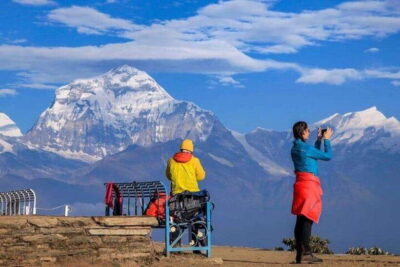
Day 3: Deurali to Annapurna Base Camp through Machhapuchhre Base Camp
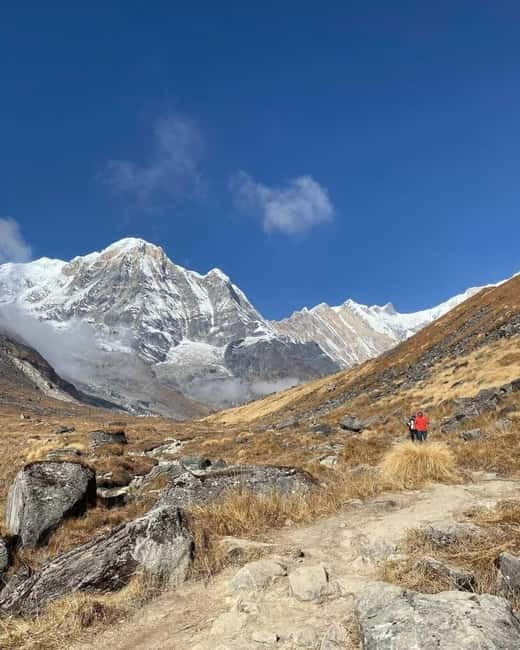
Day 3 is the core event: Deurali to Annapurna Base Camp for about 5 to 6 hours, via Machhapuchhre Base Camp (MBC).
Along the route you go through the MBC valley, and that part is often what people remember when they talk about the day. You get a feeling of being drawn closer to the mountains as the terrain tightens and the air gets thinner.
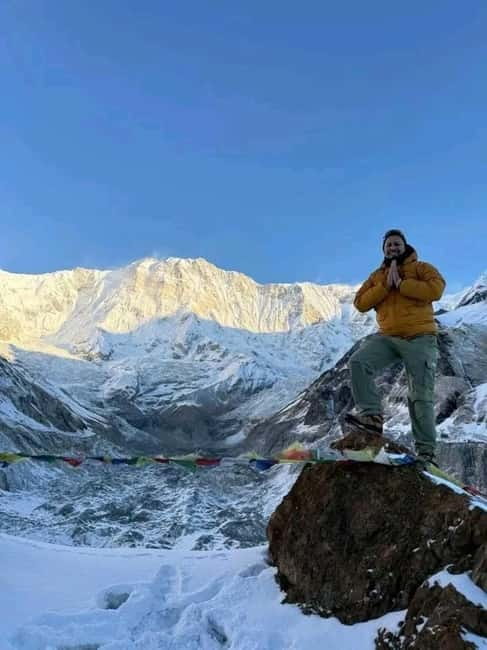
The timing is important here. The trek includes the experience of sunrise at Machhapuchhre Base Camp, which is a big deal because early light changes the whole look of the massif. After that, you continue to Annapurna Base Camp, with guest-house tea-house overnight lodging around 4130 m.
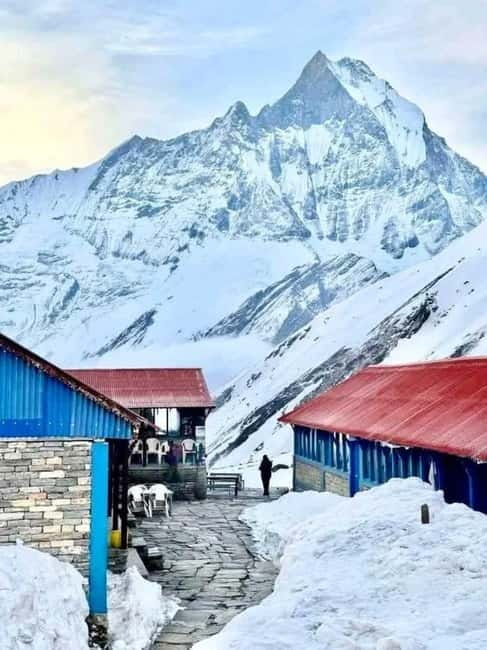
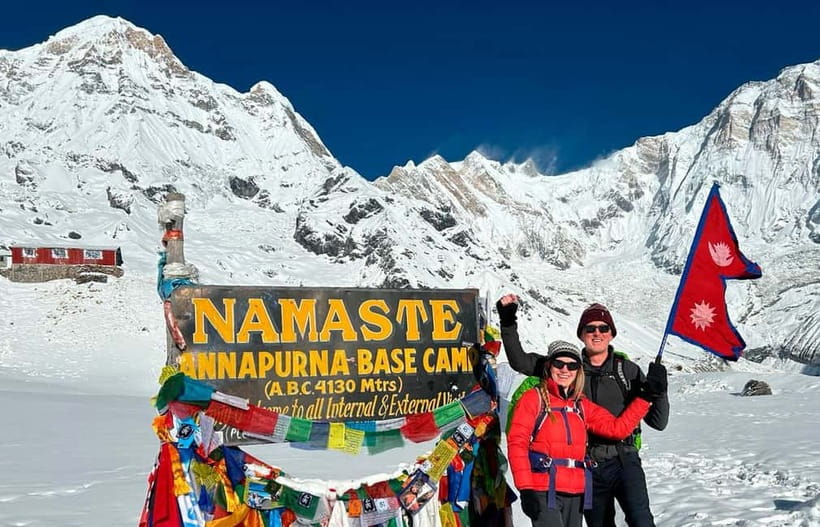
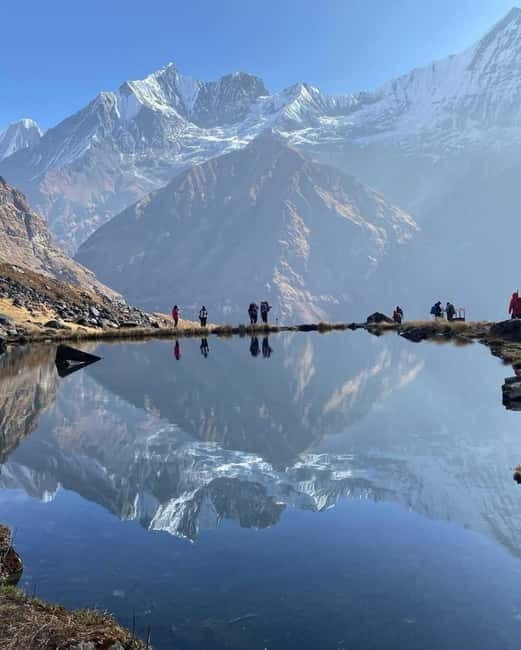
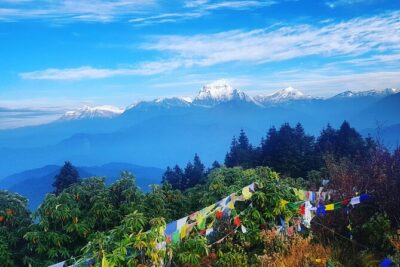
At Annapurna Base Camp, the view payoff includes Annapurna I, Machhapuchhre, and Hiunchuli. This is where you should slow down. Your job at high altitude is not to rush for photos. It is to breathe, take breaks, and let your body adjust while the view does the talking.
Possible drawback: cold nights can be serious at this height. Even if the hike goes well, sleeping can feel uncomfortable if you did not bring warm layers. The trip offers borrowed gear like sleeping bags, but you still need to dress smart for wind and temperature swings.
Day 4: The big return, Bamboo or Sinuwa, and why sunrise matters
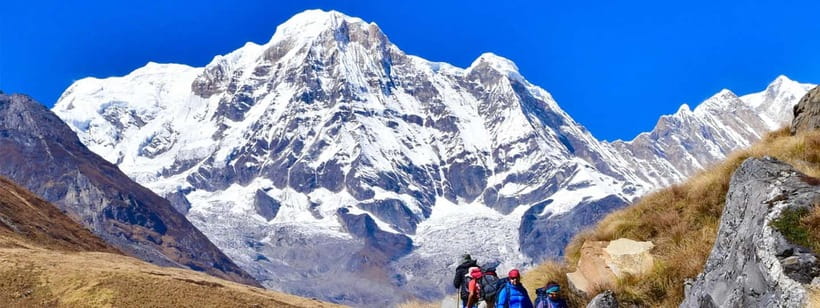
Day 4 is technically “back,” but it is not a free day. It runs about 6 to 7 hours as you trek from Annapurna Base Camp area down to Bamboo or Sinuwa, going via Deurali, Himalaya, and Dobhan.
The plan includes a sunrise experience before you start the descent. That is a good use of time because you get one more taste of the mountains while conditions are usually calmer. Then you shift into downhill focus, where knees and ankles do the talking.
The practical benefit of this Day 4 structure is that you get more altitude recovery without losing momentum. You still end at around 2340 m minimum altitude for the next night range, helping your body reset.
What to watch: downhill is hard on joints even when the altitude is lower. Trekking poles are a real help here, so confirm you have yours from the borrowed equipment set. If you are arriving cold and stiff, start carefully and let your feet adjust for the first hour.
Day 5: Jhinu Danda hot springs, Simrung, then back to Pokhara
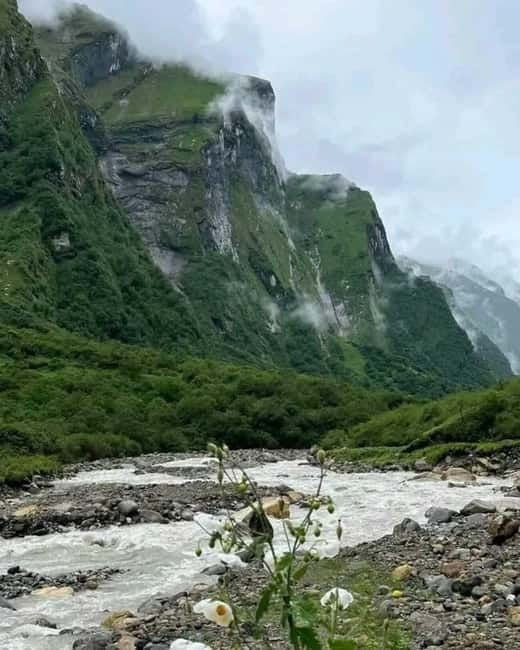
Day 5 is the reset day. You hike about 3 to 4 hours to Simrung via Jhinu Danda, with the hot spring portion optional. Then you drive back to Pokhara for about 2 to 3 hours, with drop-off at your hotel in Pokhara by about 17:00.
This is a smart way to end the trek. After several days of walking on mountain paths, the warm-water soak can make the descent pain feel less permanent. It also gives you a memorable final scene that is not just about altitude.
One caution: hot springs can mean extra time and cold transitions. You will likely start hiking in cooler air, then return to feel chilly again after soaking, so bring a dry layer and keep a towel or quick-dry clothing in mind.
By late afternoon you are back in the city. That makes this trek easier to fit into a travel plan, especially if you want to pair the trek with Pokhara lakeside time.
Guides and gear, the difference between tough and smooth
This trek is run with a private group and a live tour guide. The guide languages listed include English, French, Japanese, and Chinese, so you can choose a communication style that works for you.
A big part of the success on a high-altitude trek is pacing and safety, not just where you go. Guides on this route handle the flow between tea houses, manage accommodations and meals, and help interpret weather conditions. In real life, that kind of calm management matters most when it is cold, rainy, or snowy.
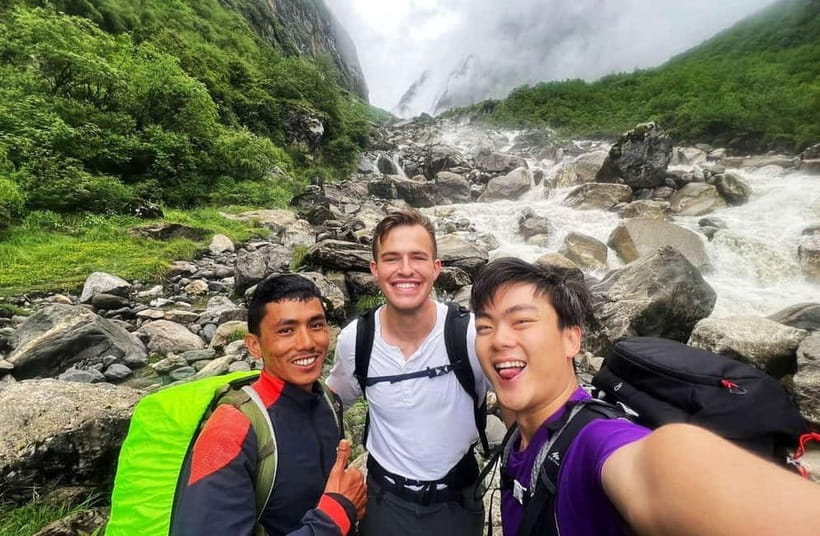
The reviews you provided also highlight specific guides and porters who impressed people with professionalism and attentiveness. Names that came up include Raj with porter Naron, Sagar, Shiva, Anarayan (also written as Nareen), Visnu, Azis, and Bimal. If you have a choice in assignments, ask how your guide typically approaches weather and pacing. You want someone who is proactive, not just reactive.
On equipment: the package says you can borrow key trekking gear such as sleeping bags, duffle bags, and trekking poles. Even so, do a quick personal check before you step onto the trail. In one case, a group noted the poles were not provided as expected and they had to improvise. That is fixable, but it is better to prevent the stress.
Also, this is a gear-light trek in theory, but not gear-free. Bring hiking shoes, warm clothing, sunscreen, water, and a camera if you love mountain light. Travel insurance is not included, so plan that part yourself.
Price and value: what $60 covers and where add-ons start
The listed price is $60 per person, for a 5-day trek with hotel pickup and drop-off in Pokhara. Considering the length and altitude, the value comes from the structure: permits, guide support, accommodation basics, and trekking-day logistics are included.
Included items also cover the essentials that usually cost time to arrange yourself, like necessary trekking permits, first aid, and loaned gear. There is also shared jeep transfer from Pokhara to Simrung and back, which is often the hardest part to handle cleanly.
Where you should expect add-ons depends on your chosen options. Meals are only included if you pick an all-inclusive option. Porter support is also conditional on that same selection. There is an optional add-on for PKR to KTM return flight tickets, and the Kathmandu to Pokhara flight tickets are only included if you select the flight option.
My practical take: if you want the simplest experience, choose the option that includes meals and porter support. It reduces daily decision-making and keeps energy focused on walking and acclimatizing. If you are traveling from Kathmandu and want to save fatigue, select the flight option to Pokhara as well.
Seasons and weather: when your trek plans get tested
The best seasons are listed as March to May and September to November. Those windows usually balance clearer mountain conditions with workable trail temperatures.
Still, weather in the Himalayas can turn fast. One review noted cold, rain, and even snow conditions during their trek, and that guide support made a difference in keeping everyone comfortable and moving safely. That fits the reality of this route: you are high enough that temperatures can drop hard, even if your start day looks fine.
So treat this like a layered-clothing trek. Bring warm clothing even if you think you will only need a light jacket. If you plan to visit in shoulder conditions, expect that you might do extra work mentally on days when visibility drops and you are hiking by effort more than views.
Who should book this trek, and who should skip it
This trek is suitable for people who can handle moderate to challenging hiking and want a shorter route to Annapurna Base Camp. The plan explicitly calls for a good fitness level and highlights the need for acclimatization at altitude.
It is not suitable for people with mobility impairments, heart problems, respiratory issues, altitude sickness, or those with low level of fitness. If any of those apply, do not treat this as a flexible itinerary. Choose a safer alternative tailored to your situation, even if it costs more time.
If you are a solo-minded hiker who still wants structure, the private group format can be great. If you want cultural contact, the route passes through traditional villages, and you may get a sense of Gurung village life, especially in settlement days between forest sections.
Should you book the 5-Day Annapurna Base Camp and Hot Spring Trek?
Yes, you should book it if you want an efficient trek that lands you at Annapurna Base Camp (4130 m) in five days, with sunrise energy at Machhapuchhre Base Camp and an optional hot springs reward at Jhinu Danda. The guide and permit support, plus loaned essentials like sleeping bags and trekking poles, make it much easier to focus on walking and safety.
I would not book it if you want a leisurely pace, because this route climbs quickly and requires real altitude respect. I would also double-check your needs around weather gear and trekking poles so you start the trek confident, not improvising.
If you are fit, warm-layer ready, and altitude-aware, this trek is a strong value way to see the Annapurna Sanctuary up close without turning your vacation into a logistics project.
FAQ
Where does the trek start, Pokhara or Kathmandu?
The trek includes hotel pickup in Pokhara. You can also start from Kathmandu with an option to take a 30-minute flight to Pokhara, then a drive from Pokhara to Simrung before the hiking begins.
How high do you go on the trek?
The highest altitude on this 5-day route is 4130 m at Annapurna Base Camp. The plan also lists max altitude stops at 2340 m and 3230 m on earlier days.
Is the sunrise at Machhapuchhre Base Camp included?
Yes. The itinerary includes an early morning sunrise experience at Machhapuchhre Base Camp before continuing toward Annapurna Base Camp.
Are meals included?
Meals are included only if you choose the all-inclusive option. If you select the budget/from Kathmandu option, meals are not included and you can add them.
Are trekking poles provided?
The package says you can borrow necessary trekking equipment, including trekking poles. If you are relying on poles, it is smart to confirm you will receive them before you start hiking.
Is the Jhinu Danda hot spring part optional?
Yes. The trek goes to Simrung via Jhinu Danda with natural hot springs (optional).
What are the best seasons to go?
The best seasons listed are March to May and September to November.
Lodge to Lodge Around Ghandruk
The Rest of Our Ghandruk Write Ups
Through the Sanctuary Gate
Everything else we have reviewed around Ghandruk
- Pokhara: 3 days Trek to Poon hill
★ 5.0 · 3 reviews - Pkr/Kathmandu: 5-Day Annapurna Base Camp & Hot spring Trek
★ 5.0 · 6 reviews - From Pokhara: 10-Day Poon Hill and Annapurna Base Camp Trek
★ 5.0 · 7 reviews - Pokhara: 7 Day Annapurna Base Camp Trek
★ 4.9 · 38 reviews
Annapurna Base Camp Treks worth a second look.
 ★ 5.0Annapurna base camp trek 5 DaysFrom $699252 reviews
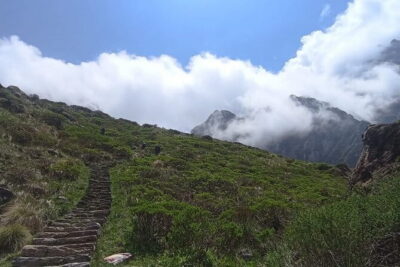 ★ 5.0Annapurna Base Camp TrekFrom $935111 reviews
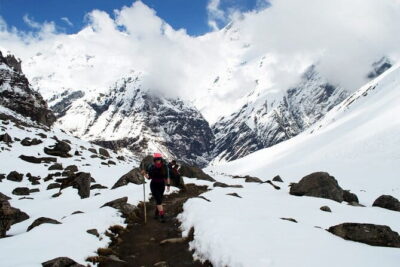 ★ 5.0Kathmandu to Annapurna Base Camp (ABC) 5-Day TrekFrom $99102 reviews
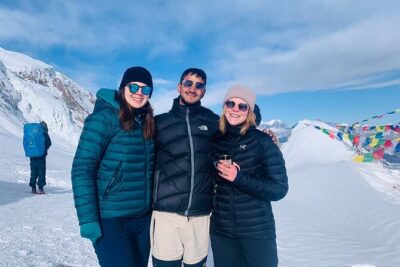 ★ 5.0Annapurna Base Camp Trek 12 DaysFrom $80085 reviews
★ 5.0Annapurna Base Camp TrekFrom $92580 reviews
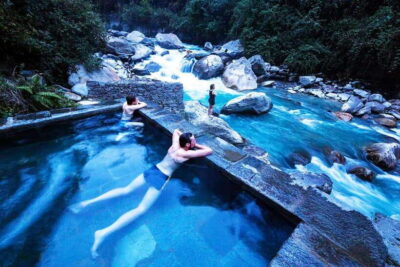 ★ 4.95-Day Annapurna Base Camp (ABC) TrekFrom $9672 reviews
★ 5.0Annapurna Base Camp TrekFrom $69959 reviews
 ★ 5.011-Day Hike Tour to Annapurna Base Camp Bliss in KathmanduFrom $1,30052 reviews
Lists this tour sits in