
REVIEW · POON HILL & GHOREPANI TREKS
Poon Hill Trek from Pokhara 4 Days
Sunrise here feels unfairly beautiful, and the Poon Hill sunrise is the big reason this 4-day trek is so popular. You also get real village life on the route, with Gurung and Magar communities along the way. The main trade-off is the pre-dawn start for sunrise, so plan for an early wake-up and a long day.
What I like most is that the trip is built around a clear rhythm, with an English-speaking trekking guide, guest house nights, and permits handled for you. Guides highlighted in past groups, like Dadhi, Milan Rai, and Bikram, are praised for route knowledge and pointing out cultural details, which is exactly what you want when you are walking in the dark part of the morning.
In This Review
- Key highlights before you set off
- Poon Hill sunrise and Annapurna-Dhaulagiri panoramas in four days
- From Pokhara to Ulleri: getting on the trail with a 1-hour transfer
- Ulleri to Ghorepani via Banthali and Magar village views
- Pre-dawn planning for Poon Hill sunrise, then on toward Ghandruk
- Ghandruk down to Pokhara: rhododendron forest and famous peaks
- Price and value check for $230: what you actually get
- Guides, porters, and what private really means here
- Fitness level, timing, and the one real drawback to think about
- Should you book the Poon Hill Trek from Pokhara?
- FAQ
- How long is the Poon Hill Trek from Pokhara?
- What is included in the tour price?
- Do I need to provide passport details for this trek?
- What fitness level is required?
- Is this trek private or shared?
- Is free cancellation available?
Key highlights before you set off
- Poon Hill sunrise timing: the schedule is designed so you are up before the light hits.
- Village variety: you pass through Gurung and Magar areas, not just teahouse stops.
- Ulleri to Ghorepani pacing: a gradual build over a couple of hiking days.
- Ghandruk adds culture: the trek includes a village finish point with mountain views.
- Permits included: trekking permit and TIMS card are part of the package, with passport details needed upfront.
Shorter Ghorepani options worth weighing
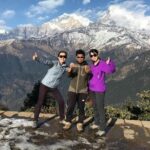
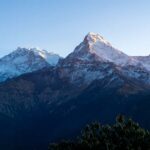
Poon Hill sunrise and Annapurna-Dhaulagiri panoramas in four days
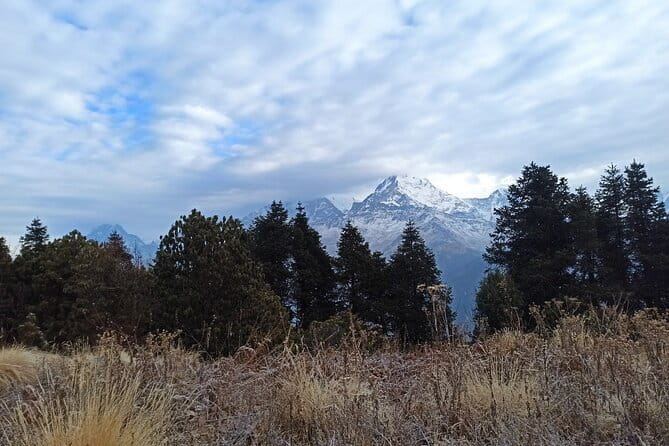
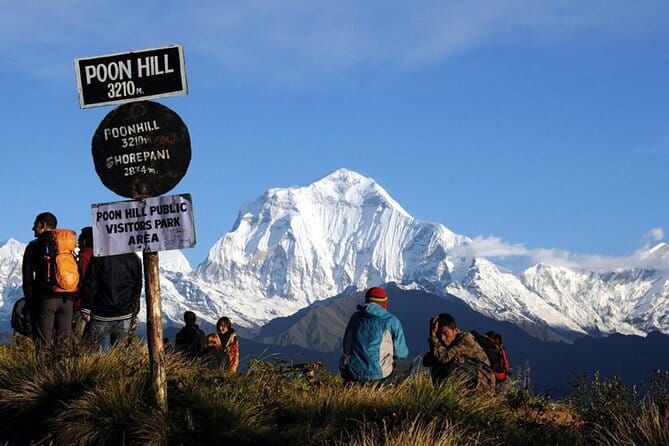
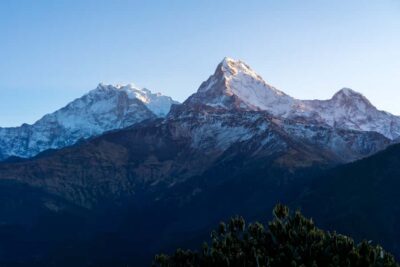
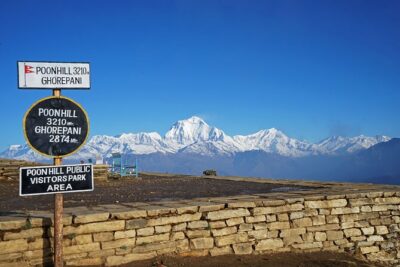
The Poon Hill Trek works because it hits the sweet spot of Nepal trekking: big mountain views without needing weeks on the trail. From the viewpoint area, you are set up to see the first rays of sunrise light up the Annapurna and Dhaulagiri ranges. That sunrise effect is the star of the show, and the whole day around it is planned for timing, not flexibility.
On the trek, you get more than just one photo moment. You move through subtropical forest areas, and then into higher alpine-style scenery as you climb and follow ridgelines. You also pass terraced fields and streams in the valleys, so your eyes are busy even on non-sunrise hours.
The other reason this trek feels rewarding is that it is not only about mountains. Along the route you meet communities such as Gurung and Magar, with day-to-day customs that feel normal to them and eye-opening to you. In practice, that means your guide matters. People who have gone on this trek have emphasized how much they liked hearing route explanations and local culture context, especially from guides like Dadhi and Milan Rai, who are repeatedly mentioned for being helpful and clear.
From Pokhara to Ulleri: getting on the trail with a 1-hour transfer
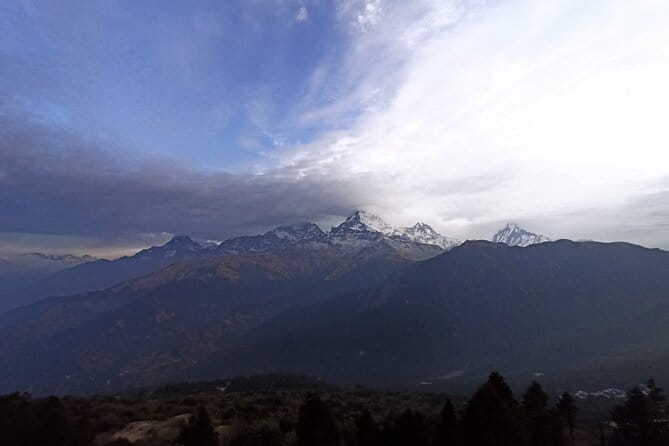
Day one starts in Pokhara, with hotel pickup and drop-off included. You then ride to Nayapul by local bus, and the drive is about one hour. That is a smart way to begin: you save energy on the road, and you still get a quick taste of how the region is set up before the first steep bits.
After you reach Nayapul, you start hiking up to Ulleri at around 2,070 meters. This is not a “flat stroll” kind of warm-up. It is your first exposure to trekking uphill at elevation, even if the overall trek is classed as moderate fitness level.
Why this pacing works for many people: it gives you time to settle into walking rhythm before you commit to the longer ridge day. Also, because this is a guided trek with guest house accommodation included, you are not making decisions about where to sleep. That matters when your legs are fresh and you are learning the trail.
One practical note: this is a private trek for your group, but the transfer is by sharing local bus. So you will still ride with other passengers on the short route segments, even though your trek group itself is private.
Ulleri to Ghorepani via Banthali and Magar village views
On day two, you head from Ulleri to Ghorepani, and the hike time is about six hours. This is a solid trekking day, not a short “leg stretch,” so you should treat it like part of the real work of the trek.
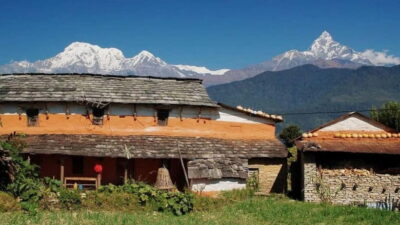
The route includes crossing Banthali, a village inhabited by the Magar community. That detail is more than a dot on a map. It is one of the ways this trek stays grounded in everyday Nepal life instead of feeling like a simple mountain hike with a few buildings along the way.
The Ghorepani stop is also a strategic base. You are positioning yourself for the pre-dawn plan on day three. So even if Ghorepani feels like just another village on paper, think of it as your staging point. Good staging makes sunrise days easier. Bad staging makes them exhausting.
What to watch: because it is popular, you will be walking on a well-used trail. That usually means services exist and the guide can keep things organized. But it also means you should be ready for the crowd vibe on and around viewpoint areas in the early hours.
Pre-dawn planning for Poon Hill sunrise, then on toward Ghandruk
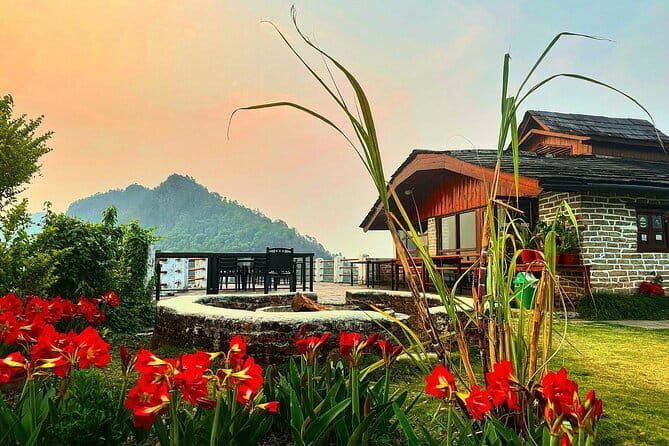
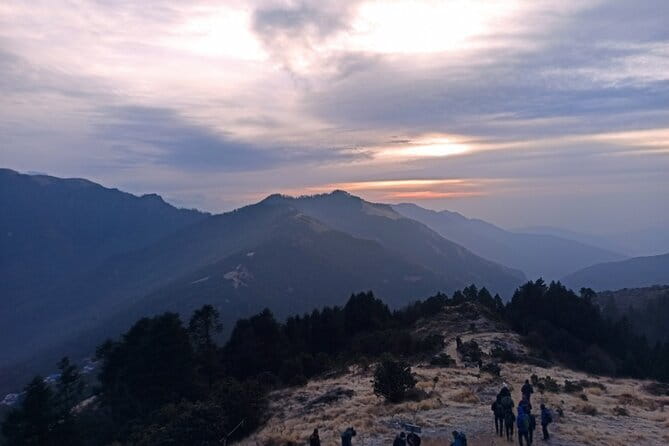
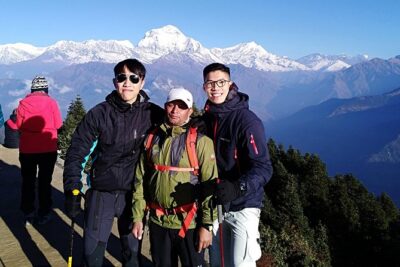
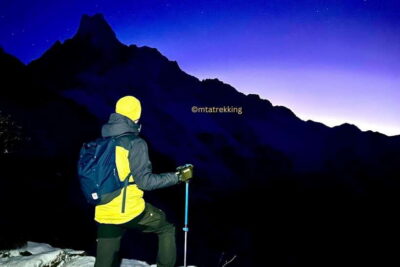
Day three is the one that tests your alarm clock. You start before dawn and hike to the Poon Hill base so you do not miss the sunrise. Once you reach the top area, you wait for the light to rise over the peaks, then enjoy the view.
This “walk first, watch sunrise, then keep going” structure is what makes the trek feel efficient. You are not just rushing up, grabbing a quick look, and running off. You have time to settle and see how the ridgelines change as the sun gets higher. In past groups, sunrise is repeatedly described as amazing, and the timing is clearly a key part of why people rate this trek so highly.
After the sunrise moment, you continue toward Ghandruk. Ghandruk is where the cultural side becomes more visible again. It is listed as the stop for day three, and the overall experience description highlights Gurung and Magar villages, which is exactly the kind of human scale that makes a trek feel more than scenery.
One more practical consideration: starting before dawn can be hard if you are not used to early mornings. If sleep is precious to you, plan your prior night like a normal bedtime matters, because you have a scheduled sunrise mission the next day.
Other lodge to lodge routes near Pokhara
Ghandruk down to Pokhara: rhododendron forest and famous peaks
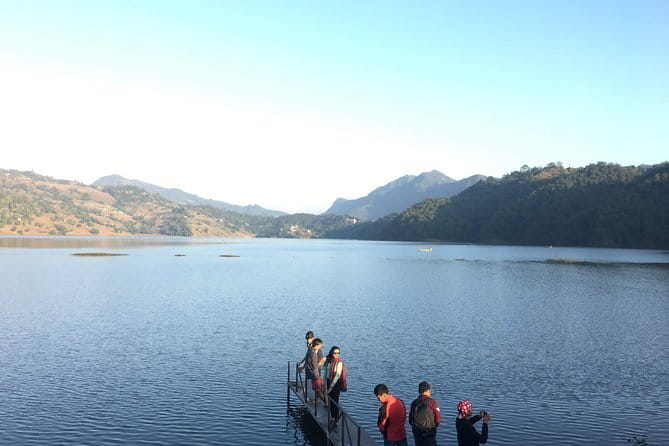
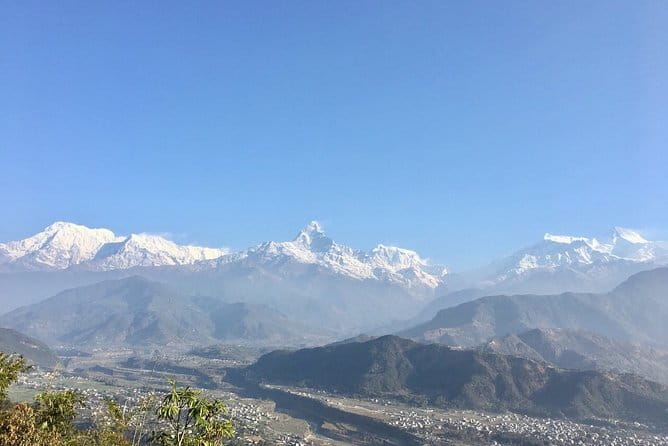
Day four is your big downhill day. You start from Ghandruk and hike down through a scenic route, waving goodbye to well-known peaks including Annapurna I, Annapurna South, Dhaulagiri, Fishtail, and Himchuli. That list tells you the trek is meant to provide viewpoint payoffs even after the sunrise has already happened.
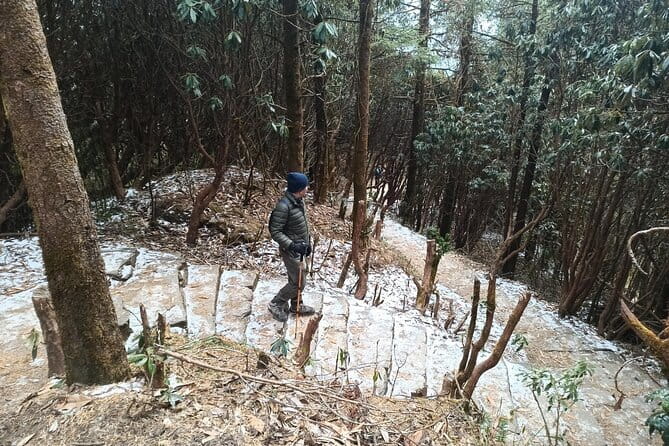
The route includes crossing rhododendron forest, which gives your legs a different kind of walking. Downhill walking is still hard on the body, but the rhythm can feel different when the trail becomes more shaded and tree-covered.
This is also the day you transition back toward Pokhara. The trek ends with reaching Pokhara around six hours of walking time from Ghandruk, based on the provided schedule. From there, the included hotel drop-off takes care of the last step.
What I like about the way day four is framed: it is not just “suffer down and hope for the best.” You get mountain recognition on the way out, and you finish with a clear return to city comfort.
Price and value check for $230: what you actually get
The price is $230 per person for about four days. On paper, that sounds simple. In practice, value depends on whether the essentials are handled so you can focus on hiking and views.
Here is what is included:
- Hotel pickup and drop-off
- Round trip transfer by sharing local bus, matched to the itinerary timing
- English-speaking trekking guide
- Trekking permit and TIMS card
- Guest house accommodation
- Private trek (only your group participates)
That is a lot of “logistics stress” removed. Permits and TIMS are included, but you still must submit passport details and a photo, and self-photo is acceptable. That part is essential, because it is how the trekking paperwork is issued.
The other inclusion that people tend to appreciate is a guide who keeps things moving and explains what you are seeing. In past experiences with this operator, guides such as Dadhi, Milan Rai, and Sagar have been praised for being professional and helpful, and one review specifically mentions Dadhi’s knowledge of the trail and local culture. Another mentions Sham making sure the trip ran smoothly from start to finish.
Not included:
- Personal expenses
So if you plan to buy extra snacks, drinks, or anything beyond basic needs, you should budget for that separately. This also matters if you have a specific comfort standard for teahouse meals or drinks, since those tend to vary from person to person.
Guides, porters, and what private really means here
This trek is set up as a private trek, meaning only your group participates. That is a big quality difference from huge group treks, especially when it comes to pacing. You are still using the same trail network as other hikers, but your guide and plan are not designed to cram everyone into one single pace.
The guide is listed as English speaking, and reviews reinforce that people liked how guides explained the route and shared cultural insight. Names that come up include Dadhi, Milan Rai, and Bikram. Those names show up because people felt their guides added value beyond just walking.
Porters are not listed in the included section you provided, but at least one account mentions a strong porter, Purna Bahadur. That suggests in some cases there may be additional crew support, but you should not assume it is guaranteed unless it is stated for your departure. For planning, stick to what is explicitly included: English-speaking guide and guest houses.
If you like a trip where someone handles the details and you can focus on walking, sunrise timing, and conversation in village settings, this setup fits well.
Fitness level, timing, and the one real drawback to think about
The trek is described as suitable for moderate physical fitness. That does not mean it is effortless. You are hiking multiple days with uphill effort on day one and day two, plus a pre-dawn sunrise day.
The biggest drawback is also the most important feature: the early wake-up for sunrise. You are starting before dawn on day three. That kind of timing can feel fine when you are excited, and miserable when you are not a morning person. If you know you struggle with early starts, take that seriously before booking.
The other consideration is weather. The experience is often sold on sunrise views, and some past trips have called out excellent weather. Still, sunrise visibility depends on cloud cover on the day. This trek gives you the chance to see the sunrise, but nature controls the final outcome.
Should you book the Poon Hill Trek from Pokhara?
You should book if you want:
- A short trek that still delivers a major sunrise viewpoint
- A guided experience with permits and guest houses included
- Cultural stops in Gurung and Magar village areas, not just a mountain photo run
- A plan that includes pickup and a clear route back to Pokhara
You might rethink if:
- You are sensitive to very early mornings and a pre-dawn start
- You expect a completely flexible itinerary day-to-day. This trek runs on timing, especially around sunrise
If your goal is a well-run Himalayan taste test with big views and village life, this one hits that target in four days. And at $230, you are paying for more than hiking, you are paying for the paperwork, guidance, and the basic overnight structure that keeps the trip from becoming a logistics puzzle.
FAQ
How long is the Poon Hill Trek from Pokhara?
It is approximately 4 days.
What is included in the tour price?
The tour includes hotel pickup and drop-off, round trip transfer by sharing local bus as per the itinerary, an English-speaking trekking guide, trekking permit and TIMS card, guest house accommodation, and a private trek for your group.
Do I need to provide passport details for this trek?
Yes. You need to share passport details and a photo (a selfie also works) so the trekking permit can be issued.
What fitness level is required?
You should have a moderate physical fitness level.
Is this trek private or shared?
It is a private trek. Only your group will participate.
Is free cancellation available?
Yes, you can cancel up to 24 hours in advance for a full refund. If you cancel less than 24 hours before the start time, the amount you paid is not refunded.
Lodge to Lodge Around Pokhara
The Rest of Our Pokhara Write Ups
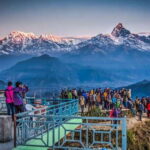


Ghorepani and the Poon Hill Ridge
Everything else we have reviewed around Pokhara
- Pokhara: Cable Car Tour – Bird Eye View of Mountain & Lake
★ 4.4 · 3 reviews - Jomsom Muktinath Tour by 4WD SUV 2 Days
★ 5.0 · 3 reviews - Ghorepani Poonhill Private Trek – 2 nights / 3 days
★ 4.5 · 3 reviews - Pokhara: 30-Minute Paragliding Adventure with pick up/drop off
★ 4.5 · 3 reviews - Pokhara: 7-Day Annapurna Base Camp Trek via Ghandruk
★ 4.3 · 3 reviews - Pokhara Group Joining Sarangkot Sunrise Himalayas Tour
★ 5.0 · 3 reviews
Poon Hill & Ghorepani Treks worth a second look.
 ★ 5.0Poon hill Trek 3 daysFrom $230176 reviews
 ★ 5.04-Day Ghorepani, Poonhill & Ghandruk Mountain TrekFrom $181132 reviews
 ★ 5.0Ghorepani – Poon Hill Trek 3N-4DFrom $321125 reviews
 ★ 5.04 Days Poon Hill TrekFrom $40594 reviews
 ★ 5.0Ghorepani(Poonhill Trek)From $60081 reviews
 ★ 5.04-day Poon Hill TrekFrom $40074 reviews
 ★ 4.93-Day Ghorepani Poon Hill Trek with GuideFrom $16268 reviews
 ★ 5.0Ghorepani Poon Hill TrekFrom $39961 reviews
Lists this tour sits in