
REVIEW · NEPAL MULTI-DAY TOUR PACKAGES
10 Days Nepal Adventure Tour from Kathmandu
Four regions, one tight adventure route. This 10-day Nepal trip strings together Kathmandu UNESCO highlights with whitewater rafting, jungle days, and a short Himalayan trek. You get an English-speaking local guide, set transport, and a small group setup that helps the schedule stay sane.
I especially like the way the tour treats Kathmandu as more than photo stops, with time at Hindu and Buddhist power sites like Pashupatinath, Boudhanath, and Swayambhunath. My second favorite piece is the action in the lowlands, Chitwan National Park with rafting on the Trishuli River, Tharu cultural programming, and full-day safari activities that feel like a real break from city life. One consideration: trekking support and meals are not fully all-inclusive, and some parts can involve extra costs or add-ons like porter help, plus you should be ready for a day-by-day pace that mixes drives with activities.
In This Review
- Key highlights that matter
- The big picture: what this 10-day route is really doing
- Kathmandu Valley UNESCO days: temples and stupas with a purpose
- Trishuli River rafting plus a Tharu welcome in Chitwan
- Chitwan National Park: safari time with canoeing, birds, and elephant bathing
- Pokhara break days: caves, falls, and lakeside decompression
- The Annapurna short trek: Ghandruk to Pothana, village life and big views
- Dhampus to Phedi and back to Pokhara: a circular feeling without the chaos
- Transportation, roads, and pacing: when timing affects comfort
- What the price includes, and where your wallet might still need attention
- Who this tour fits best, and who should think twice
- Should you book this 10-day Nepal Adventure Tour?
Key highlights that matter
- Small group travel (up to 12) keeps conversations easy, especially on temple days and the trek.
- Trishuli River rafting gives you real adrenaline early in the trip, not as a random add-on.
- Chitwan National Park activities include canoeing, birding, and elephant bathing, not just a quick drive-by.
- Annapurna Conservation Area trekking to Ghandruk and onward to Pothana and Phedi gives you village life plus mountain views.
- Local guiding that you can ask questions to, and you may travel with professionals like Pramod Pangeni or an energetic trekking guide like Dharma.
Longer Nepal itineraries, start to finish
The big picture: what this 10-day route is really doing
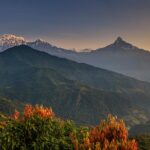
This tour is built like a “taste of everything” circuit, but it is not random. It moves you from Kathmandu’s spiritual core, to rafting on a major river, to wildlife-focused Chitwan, and then up to the Annapurna region for a village trek that ends with mountain scenery and lakeside time.
What makes it work for you is the balance of energy levels. You get one big city day flow, then a fast adrenaline day, then a lowland wildlife day, then a gradual trek with lodge nights. By the end, you’re not just tired, you’re grounded, because you have spent nights in the places you are exploring.
The group size helps here. With a limit of 12 participants, it is easier to coordinate questions, timing, and small details without turning every stop into a herd exercise.
Kathmandu Valley UNESCO days: temples and stupas with a purpose
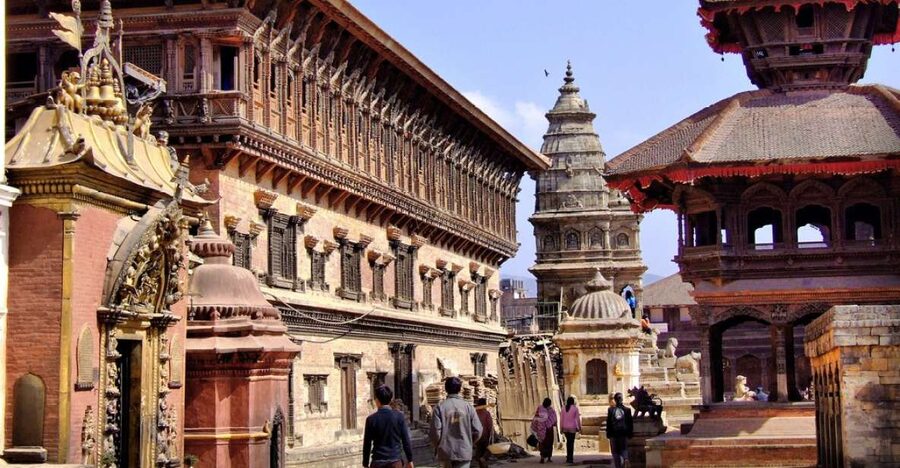
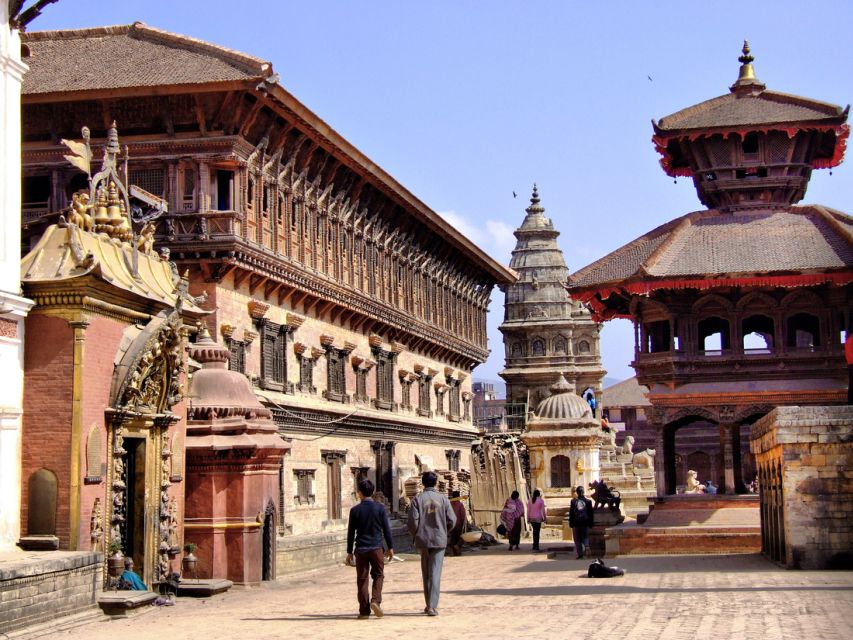
Kathmandu takes you straight into Nepal’s religious geography. On the sightseeing day in the Kathmandu Valley, the stops include Bhaktapur Durbar Square, Pashupatinath Temple, Boudhanath Stupa, and Swayambhunath.
Here’s what you should pay attention to. These aren’t just landmark names on a list. They are different forms of belief in the same region. At Pashupatinath, the focus is Hindu ritual life. At Boudhanath and Swayambhunath, you feel Buddhist practice through stupa-centered movement and constant activity.
Bhaktapur Durbar Square adds a different flavor, with the atmosphere of an older city core. Even if you don’t want to memorize dates, I think you’ll like how you can “read” the culture by how people move, pray, and carry on daily life.
Practical tip: keep your questions ready for your guide. One traveler experience flagged that some guides can be less proactive, and that some tours may include time at shops where you may feel pressure. You can protect your day by being direct early, like asking what matters most to see at each site and how long you’ll have before moving on.
Trishuli River rafting plus a Tharu welcome in Chitwan
The trip gets serious about adventure on the drive to Chitwan. You’ll travel from Kathmandu to Chitwan, and the day includes whitewater rafting on the Trishuli River.
This is a smart way to start the adventure portion. You get adrenaline and teamwork energy while your body is still fresh from the city days. Rafting also forces you to be present, which is a nice change after temple walking.
Once you arrive in Chitwan, the evening includes a cultural display by the Tharu people. That matters because it ties the region together. Chitwan isn’t only animals and boats, it is also ethnic culture and living traditions in the area.
If you care about authentic cultural contact, I’d suggest you watch with curiosity, then ask your guide what the performance represents. Small explanations can turn an evening program into a real learning moment.
Chitwan National Park: safari time with canoeing, birds, and elephant bathing
Chitwan is where this tour earns its “adventure” label. You spend a full day inside Chitwan National Park with a mix of activities, including jungle safari time, canoeing, birding, and bathing with elephants.
That activity list is important. A lot of tours do one thing well and call it a day. Here, you get multiple lenses on the same ecosystem. Canoeing changes your perspective from land to water. Birding asks you to slow down and notice. Safari time brings you closer to wildlife movement and trackable patterns.
One review highlighted animal spotting with a guide who could find lots of wildlife. That is exactly the kind of value you want in Chitwan. Your time is limited, so having someone who can read the environment matters more than any extra sightseeing stop.
Two practical notes for your comfort:
- You might get muddy or wet depending on water and animal activity routines, so wear shoes that can handle it.
- Bring a small dry bag for anything that can’t get soaked, especially if you’re the type who carries a phone for photos.
Pokhara break days: caves, falls, and lakeside decompression
After Chitwan, the route brings you to Pokhara. On the way, you visit Davis Falls, Gupteshwor Caves, and the Tibetan Refugee Camp.
This is a good use of travel time. Driving in Nepal can eat hours, so the tour compensates by turning the road segment into cultural and scenery stops. Davis Falls gives you water drama and a dramatic pause from jungle. Gupteshwor Caves add a slower pace, where you can explore and cool off. The Tibetan Refugee Camp is a chance to see how refugee communities contribute to local life and culture.
Once you reach Pokhara, you get a lakeside evening. That’s not a throwaway moment. After rafting and wildlife action, Pokhara lets you reset your senses, get a proper meal rhythm, and start thinking about the trek ahead.
Your Pokhara lodging is for two nights with breakfast included, which helps you keep mornings predictable. If you’re planning photos, time near Phewa Lake is also a low-stress way to settle into the region.
The Annapurna short trek: Ghandruk to Pothana, village life and big views
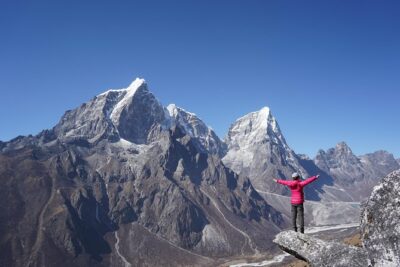
The trekking portion is the heart of the “Himalaya” part of the trip. You’ll trek to Ghandruk village inside the Annapurna Conservation Area, then continue onward to Pothana, and later to Phedi via Dhampus.
Ghandruk is a Gurung village, and that group identity shows in the rhythm of daily life. This is not a hike that feels like walking through empty scenery. You’re moving through real homes, farms, and local routines. You’ll also get mountain views that make the effort feel worthwhile.
What I like about this trek plan is that it scales the challenge to most reasonably fit travelers. The tour notes that you do not need mountaineering-level strength. If you can handle steady uphill walking for multiple days, you should be fine, especially with lodge stops and a trekking guide.
If you want the trek to feel easier, pack smart for traction and comfort. The route uses stairs and uneven ground, and shoes matter more than fancy gear lists. Also plan for altitude awareness. Even with a short trek, you should move at a steady pace and take breaks when your body asks for them.
One more detail from the experience: you can travel with trekking guides like Dharma, described as kind and energetic, checking on participants and even carrying a backpack at times. That kind of support makes a difference on day two and day three of trekking, when fatigue starts to creep in.
Dhampus to Phedi and back to Pokhara: a circular feeling without the chaos
From Ghandruk to Pothana you go through forests and local villages, staying in lodge overnight. Then the next trekking day brings you to Phedi via Dhampus. After that, the tour switches back to driving to Pokhara.
This sequence helps you avoid the hardest “all-day slog” problem. You get village scenes, mountain views, and a change of scenery without needing a complex multi-week trekking system. It also means you’re not constantly transferring beds. You trek, sleep, then transition back into road travel.
The tour also includes an evening walk around Phewa Lake after returning to Pokhara. That’s a small but meaningful finish. Your legs work hard on the trail, and a gentle walk later helps you loosen up instead of collapsing into sleep.
Transportation, roads, and pacing: when timing affects comfort
Nepal driving can be an adventure of its own, and this itinerary admits that. The Kathmandu to Chitwan journey takes about 5 to 7 hours. Construction can create bumps around the Malekhu and Benighat areas, but the rest of the route includes smoother blacktop.
The Pokhara to Kathmandu leg is trickier. You get some smooth new road early, but later there are dusty and narrow sections, plus widening work near Kathmandu. The good news is the routes are passable, and the views can distract you from the dust.
For you, the practical takeaway is to travel with comfort in mind:
- Hydrate during drives.
- Expect some dust and plan your eye protection.
- Build a flexible mindset, because road conditions can affect exact timing.
Also remember the schedule mix. This is not a sit-and-sip itinerary. You’ll do sightseeing days, then a rafting day, then safari activities, then trekking days. If you like variety, you’ll love it. If you only want one type of activity, you may feel stretched.
What the price includes, and where your wallet might still need attention
At $1,080 per person for 10 days, you’re paying for a lot of structure: airport pickup and drop-off by private vehicle, hotel nights in Kathmandu and Pokhara with breakfast, lodge nights at Chitwan with 3 meals, and lodging during the trek blocks.
The tour also includes guides. You get a tour guide in English and a trekking guide, plus an English audio guide. It includes the rafting activity, sightseeing, trekking permit, and Chitwan jungle activities.
Where you should budget extra is clearly spelled out:
- All meals are not included overall. Lunch and dinner in Kathmandu and Pokhara are not included.
- Mountain lodge and meals while you’re trekking are not included.
- Trekking gear is not included, and travel insurance is not included.
- A porter is not included.
That porter detail matters more than people think. If you carry your own pack and you’re not used to trekking, your days can feel harder than the route suggests. If you want a more relaxed experience, consider arranging porter support when you can.
One more practical cost note from the experience: tips are not included. Even if tips are optional in principle, it’s smart to plan for them as part of real-world service.
Who this tour fits best, and who should think twice
This tour is a strong match if you want a true cross-section of Nepal in 10 days. You’ll get city culture, river adrenaline, wildlife time, and a real trekking experience without needing weeks on the trail.
You might feel less satisfied if you prefer deep specialization. If your dream is only trekking, you may want a longer route. If you want only wildlife, you might prefer more days in Chitwan and less time on drives.
It’s also not suitable for wheelchair users, and it’s not meant for people over 95 years. The combination of road travel, walking, and trekking makes that necessary.
Fitness-wise, you do not need mountaineering skills. The key is a spirit for walking and reasonable fitness for a multi-day trek.
Should you book this 10-day Nepal Adventure Tour?
If you want variety with good structure, I’d say yes, with eyes open. The strengths are clear: small group energy, a mix of Kathmandu heritage, serious activities in Chitwan, and an Annapurna trek that doesn’t demand mountaineer training.
Before booking, check your plan for trekking meals and mountain lodge costs, and decide if you want porter help since that isn’t included. Also go in expecting some shopping-time friction, and protect your experience by asking your guide for clear site priorities early.
Do that, and you’ll end with a trip that covers city culture, jungle thrills, and mountain village life in one cohesive loop.
Everything Bookable Around Kathmandu
The Rest of Our Kathmandu Write Ups

Nepal Front to Back
Everything else we have reviewed around Kathmandu
- 12 Days Everest Base Camp Trekking
★ 5.0 · 3 reviews - 1 Night 2 Days Chitwan Jungle Safari Tour from Pokhara or Kathmandu
★ 3.0 · 3 reviews - Thamel Rickshaw tour
★ 4.7 · 3 reviews - Kathmandu: Momo Making Class with a Local Chef
★ 5.0 · 3 reviews - Kathmandu: Full-Day Yoga, Body Massage and Pedicure Package
★ 5.0 · 3 reviews - From Kathmandu / Pokhara / Chitwan: River Rafting – 1 Day
★ 4.6 · 3 reviews
Nepal Multi-Day Tour Packages worth a second look.
 ★ 5.08 Days Tour in Nepal (3 Star Accommodation)From $860113 reviews
 ★ 5.0Best Nepal Tour PackageFrom $70045 reviews
 ★ 4.5Shamanism Tour in Nepal – One-to-one Consultation with SharmansFrom $4042 reviews
 ★ 5.0Nepal Cultural Highlights Tour in 10 DaysFrom $1,69940 reviews
 ★ 5.0Buddhist Pilgrimage Tour In NepalFrom $15027 reviews
 ★ 5.0Nepal Classic Tour -12 DaysFrom $1,45027 reviews
 ★ 5.012-Day Nepal Adventure Trek with Jungle SafariFrom $95026 reviews
 ★ 5.0All Nepal TourFrom $1,29026 reviews
Lists this tour sits in