
REVIEW · YOGA, MEDITATION & AYURVEDA
5 Days Hiking, Tour, Meditation and Yoga Retreat in Kathmandu, Nepal
Temple days, calm breaths, and a little hiking. This 5-day retreat in Kathmandu blends daily yoga and meditation with guided visits to major spiritual sights, and the small-group max of 15 keeps the pace human. I like that you also get 4 nights of hotel lodging plus most meals, so you can spend your energy on practice instead of logistics. One drawback to consider up front: the program requires good weather, and the days include plenty of walking and sightseeing time.
You start at Nepal Yoga Home in Tarkeshwor-5, Kathmandu, and you end back there. The schedule has a clear rhythm, with morning yoga sessions and evening breathing or meditation time, then a set block for sightseeing around the Kathmandu Valley. From past participants, I also picked up a helpful pattern: experienced guides and instructors explain what you are seeing and what you are doing, so the day feels less like sightseeing and more like understanding.
In This Review
- Key highlights you will feel in your day
- Temple quiet time: how the yoga-meditation rhythm shapes Kathmandu
- Day-to-day calm and clarity at Nepal Yoga Home
- Pashupatinath Temple and Boudhanath Stupa: a powerful spiritual double feature
- Swayambhunath and Buddhanilkhantha: mixing sky views with stillness
- Patan and Bhaktapur: craftsmanship and street-level temple life
- The hiking factor: how movement fits into a yoga retreat
- Price and what you actually get for $586.67
- Where you stay, eat, and regroup between temple days
- Timing, weather, and what to pack for calm success
- Should you book this Kathmandu yoga and meditation retreat?
- FAQ
- How many nights of accommodation are included?
- What meals are included during the 5 days?
- What yoga and meditation sessions are included?
- Which major sites does the tour visit?
- Is airport transfer included?
- What is the maximum group size?
Key highlights you will feel in your day
- Small-group size (max 15) for more personal attention and less waiting around
- Morning yoga and evening breathing/meditation that give your sightseeing a calm anchor
- UNESCO-listed Pashupatinath Temple and Boudhanath Stupa included in the culture mix
- Kathmandu Valley heritage stops that cover several different styles of temple and city life
- Hiking time around the Kathmandu area to balance sitting practice with movement
- All meals are not the full package, but breakfast is included every morning, with lunch and dinner most days
Rest days: other wellness bookings

Temple quiet time: how the yoga-meditation rhythm shapes Kathmandu
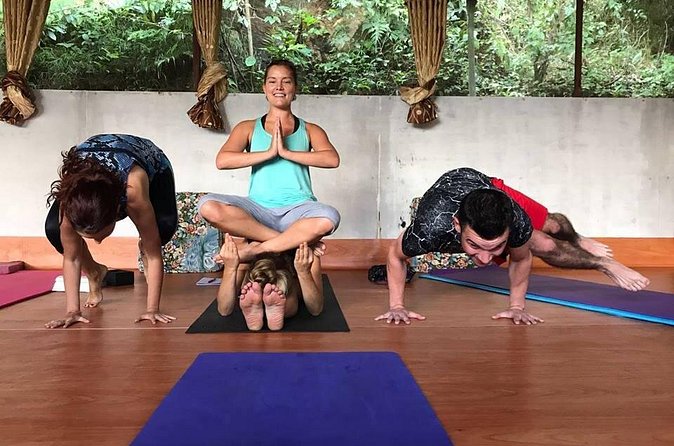
Kathmandu can feel intense, fast, and loud. What I like about this retreat format is that it gives you a built-in pause. You are not just traveling from place to place, you are working through a daily rhythm that starts in your body and ends in your mind.
Morning yoga sessions are scheduled for the early hours (for example, 07:30 to 08:30 on key sightseeing days). That timing matters because you get to start the day before the city fully wakes up. It also means you can show up at temples with more steadiness, rather than arriving already tired from a chaotic commute.
Then you get evening recovery time with breathing and meditation. On the days with the structured schedule, that breathing and meditation block runs roughly 17:00 to 18:00. It is a useful counterweight to the long sightseeing window in the middle of the day. Even if you are not a super experienced meditator, the structure helps. You do not have to invent your own plan.
The vibe you should expect is practical and grounded, not overly mystical. The retreat is also designed for first-time visitors to Nepal, which usually means the pacing is less punishing than the typical do-everything-in-one-day style tours. You still see a lot, but you get breaks built in, including scheduled rest time between meals and sightseeing blocks.
Day-to-day calm and clarity at Nepal Yoga Home
Your home base is Nepal Yoga Home in Tarkeshwor-5. That matters because you do not spend your days constantly transferring hotels or meeting points. The retreat loops you back to the same place at the end.
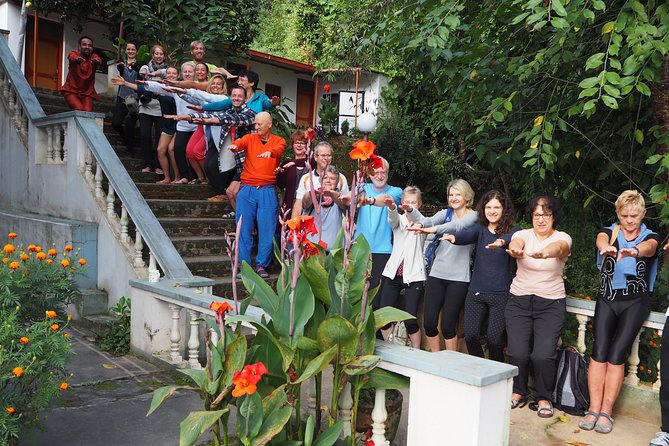
The retreat format is built around classes with an experienced instructor, and it is set up for personal attention in a small group. That is not just a marketing line. In real life, it means you can ask a question, adjust your pace, and avoid feeling lost when you do not know the background of a temple, a chant, or a posture.
From past participants, I saw a pattern of praise for the people running the show. Manager Tirtha comes up often, and instructors such as Manoj are mentioned as being helpful. Guides like Mynos are also named, with notes that they explain things well. Even if you end up with a different pairing, the takeaway for you is clear: this is the kind of retreat where your guides are there to support you, not just to move a group along.
If you like routines, this is a win. The retreat includes morning yoga and evening breathing/meditation sessions, plus sightseeing windows. It also includes rest blocks, so you can reset when you need it. That may sound minor, but it changes the whole trip experience. You are not constantly pushing through.
Pashupatinath Temple and Boudhanath Stupa: a powerful spiritual double feature
One of the best parts of this retreat is that it teaches you to look with intention. Instead of jumping between unrelated stops, you start with two huge spiritual anchors: Pashupatinath Temple and Boudhanath Stupa.
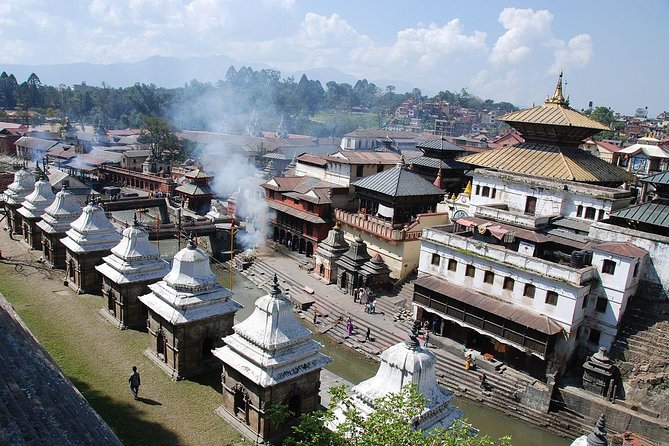
Pashupatinath is UNESCO-listed, and it is the kind of place where you immediately understand you are seeing something more than scenery. Your sightseeing block for these highlights is set for the middle of the day, after morning yoga and breakfast, which helps. You can bring a calmer mind to a site that can feel emotionally and visually intense.
Boudhanath Stupa is also UNESCO-listed and gives you a different mood shift. The stupa setting encourages a slower, more focused way of watching. It is a great contrast to the temple atmosphere, and together they form a useful snapshot of Kathmandu Valley spiritual life.
A practical tip: if you plan to visit sacred sites, keep your mindset simple. Dress respectfully. Move at a careful pace. And give yourself time to look without trying to photograph everything. The retreat’s structure helps with that, because you already had yoga and a steadier start earlier.
Swayambhunath and Buddhanilkhantha: mixing sky views with stillness
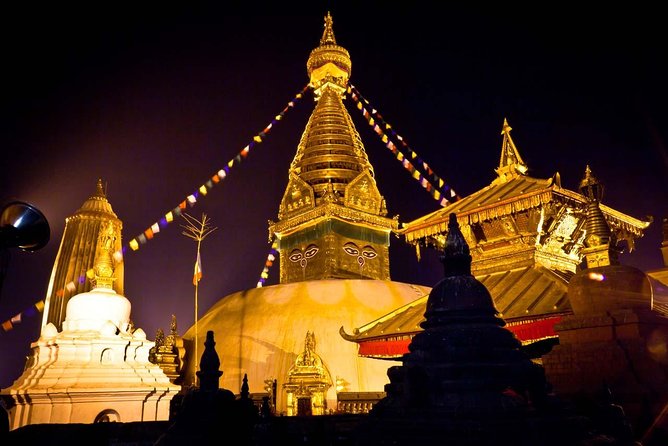
On the next big sightseeing day, the retreat shifts you to two very different kinds of spiritual landmarks. You visit Swayambhunath and Buddhanilkhantha, sometimes described with the parenthetical reference to (s ying vishnu). This pairing works because one stop tends to feel elevated and view-filled, while the other offers a more statuesque, fixed point to focus on.
You also get a full morning yoga session before the sightseeing block. That helps for a simple reason: Swayambhunath often means stairs and walking, and your body feels better when you start with mobility and breath rather than stiff legs and a frantic pace.
Then the retreat includes another late-afternoon breathing and meditation block. That timing is thoughtful. After being up and moving through viewpoints and temple areas, you have a guided wind-down period. If you are the type who gets mentally full after sightseeing, this is the moment your nervous system gets a say.
One more thing: the schedule includes rest time before the sightseeing window. Use it. Eat slowly if you have a snack or water. Give your brain a few minutes to stop spinning. You will enjoy the cultural stops more when you are not rushing.
Other lodge to lodge routes near Kathmandu
Patan and Bhaktapur: craftsmanship and street-level temple life
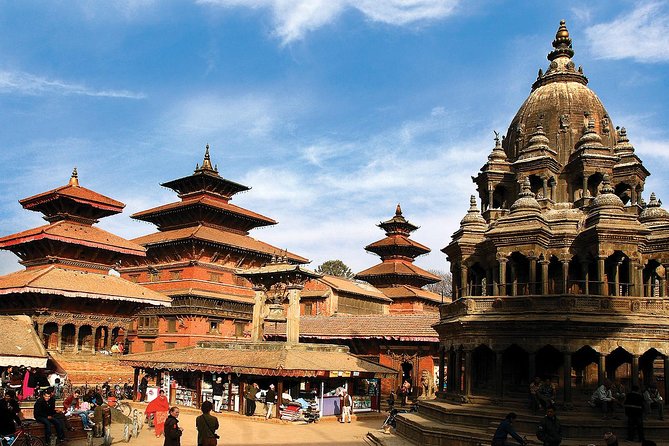
On the following day, the retreat covers two major parts of the Kathmandu Valley heritage story: Patan and Bhaktapur. Patan is known for arts and older city textures, while Bhaktapur often feels like you are stepping into a living museum of everyday rhythms, not just monuments.
The sightseeing block is scheduled around midday, and it is preceded by your morning yoga session and breakfast. That timing matters because it keeps the day balanced. You are not starting with a long ride and ending with exhausted body chaos. Instead, you begin with practice, then you add culture.
If you like learning through walking, this is a solid day. The retreat format gives you enough time on foot to take in details like temple shapes, courtyard spaces, and the way people move through the city. You are not stuck only at a single viewpoint. You get a sense of how these places function as communities.
The day also includes breathing and meditation again in the late afternoon. That gives you a chance to digest what you saw. It is easy to miss that on standard city tours, because there is no structured decompression. Here, there is.
The hiking factor: how movement fits into a yoga retreat
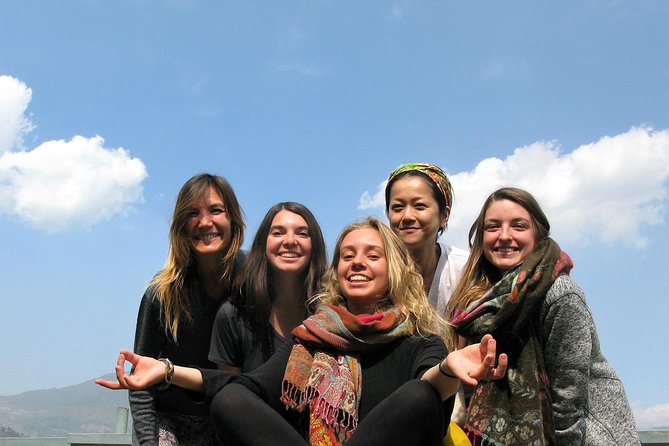
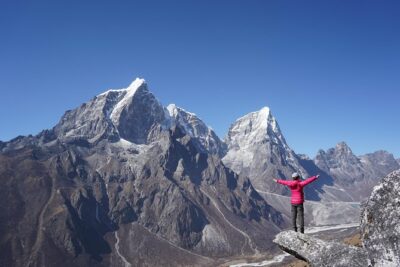
This is a yoga and meditation retreat with hiking included, which is the right combo for most people. Yoga alone can make you feel like your body is only meant to stay still. Hiking helps you balance that with real movement, even if you are not aiming for a hardcore trek.
The retreat’s schedule includes rest blocks, which suggests the hiking component is likely designed to be manageable within a sightseeing-day structure. Still, you should treat hiking and temple walking as the main physical load. Wear shoes with grip. Bring a light layer for mornings and evenings, since Kathmandu can feel cooler when the sun is not on you.
From past participants, a specific route comes up as a favorite: a hike between Changunarayan and Telkot. If that segment is part of your dates, it is exactly the kind of day that makes the retreat feel more alive. It also tends to give you a good story to tell because you experience the area on foot, not only through temple doors.
After hiking, some people also report getting extra care like a complimentary massage. That is not guaranteed in the core tour details, but it is consistent with what a wellness-focused retreat sometimes includes. If you want that kind of recovery, it is worth asking your host what is possible during your dates.
Price and what you actually get for $586.67
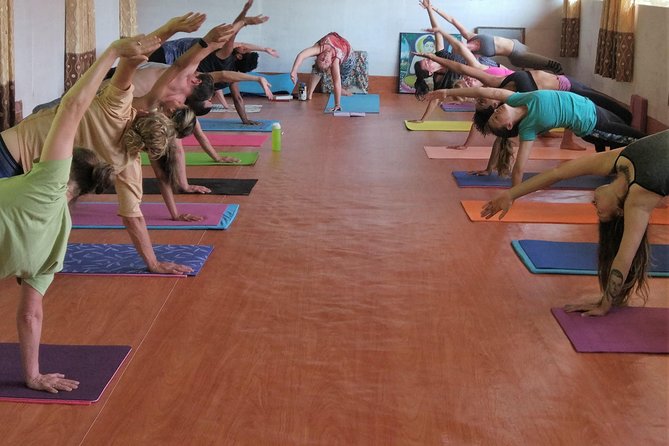
At $586.67 per person, this retreat is priced like a mid-range wellness-and-culture package. It is not a barebones walking tour. You are paying for four nights of accommodation in a 2- or 3-star hotel category, plus a lot of built-in support.
The included meals are a big part of the value. You get breakfast 5 times, plus lunch 4 times and dinner 4 times. That is practical, because Kathmandu meals can add up fast if you are buying something every time. It also keeps your day timed with yoga and sightseeing blocks, which means less mental load.
Yoga and meditation classes are included with an experienced instructor. That is not just a one-time class. The schedule includes morning sessions and additional breathing or meditation time later in the day.
You also get sightseeing to multiple Kathmandu Valley highlights. That matters because you are not doing the temples solo with uncertain timing. Having someone coordinate the day can be the difference between a stressful visit and a calm one.
What is not included is also important:
- Airport transfers are extra at $20 per person.
- Day trips are extra at $100 per person.
- Laundry is extra, listed as $2 per kg.
If you are trying to budget tightly, the airport transfer fee is something to plan for early. If you are planning extra day trips beyond the included valley visits, those can raise your total cost quickly.
Overall, I see this as good value if you want two things at once: cultural clarity and wellness structure. If you only want temples and you dislike group schedules, you might find a cheaper option elsewhere. But if you want your trip to feel like a reset, this one makes sense.
Where you stay, eat, and regroup between temple days
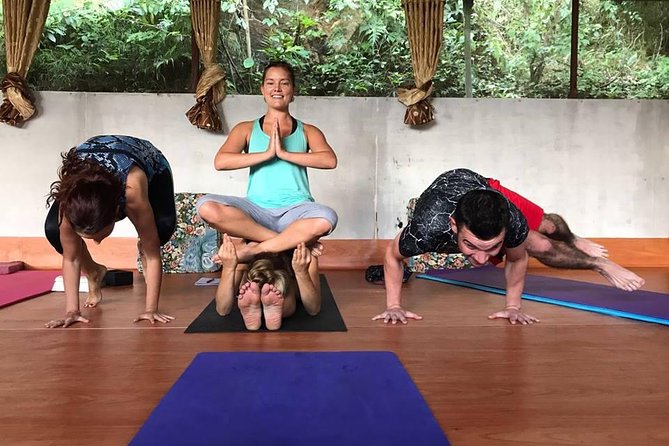
You get 4 nights of accommodation across a 5-day experience. Your hotel is in the 2- or 3-star category. That usually means you should expect clean, simple comfort, not luxury. The real point is function. You have a consistent place to sleep and reset, which makes the yoga sessions and meditation time feel real, not forced.
The tour includes lunch and dinner on most days, and it also includes breakfast every morning. For me, that is key. When meals are included, you can build a steady routine. You can also avoid the problem where you are hungry right before a class or exhausted after a long day.
One small scheduling detail you should notice: the program includes rest time blocks between sightseeing and meals on key days. For example, there is a rest period after breakfast and another rest block in the mid-afternoon before the evening meditation. Use that time. If you do not, the day will still be busy, just with less of your own control.
On the final day, you have a morning yoga class and check out at 12:00 noon. That means you will not have a late-day temple marathon. It is a graceful way to end, especially if you are flying out later that afternoon or evening.
Timing, weather, and what to pack for calm success
This retreat requires good weather. That is not a small footnote. In Kathmandu, rain can change temple walking comfort and hiking enjoyment fast. If your dates are flexible, try to choose days when conditions are more likely to be stable.
The retreat’s day structure also matters. You are usually active in the morning, sightseeing in the middle of the day, then breathing and meditation later. That means you need to be ready for both movement and sitting.
Here is what I would pack based on the schedule style:
- Comfy walking shoes with grip for temple stairs and uneven sidewalks
- A light layer for early mornings and evening meditation time
- A small day bag for water and essentials
- A respectful outfit for temple areas
Also, your meeting point is near public transportation. That is useful if you arrive early or need to get around on your own before the retreat starts. The tour also ends back at the meeting point, which keeps things simple.
Finally, keep your expectations realistic. This is not a silent retreat where you do nothing but sit. It is a mixed program with yoga and meditation classes, temple and city sightseeing, plus hiking time. If you like a balanced pace, you will probably feel good throughout.
Should you book this Kathmandu yoga and meditation retreat?
Book it if you want a Kathmandu trip that feels guided and grounded. You get structured yoga and meditation, plus serious cultural stops like UNESCO-listed Pashupatinath Temple and Boudhanath Stupa. The small group size is a real quality of life upgrade, and the meal inclusions reduce day-to-day stress.
Skip it or consider alternatives if you only want independent sightseeing and dislike scheduled blocks. Also, if your travel dates are tied to a forecast-sensitive window, remember the retreat requires good weather.
My take: this is a smart fit for first-time visitors who want to see the major spiritual highlights, but do it with a wellness spine. You are not just checking boxes. You are building a calmer way to experience Kathmandu, one breath and one heritage stop at a time.
FAQ
How many nights of accommodation are included?
The retreat includes 4 nights of accommodation.
What meals are included during the 5 days?
You get 5 breakfasts, 4 lunches, and 4 dinners included.
What yoga and meditation sessions are included?
The schedule includes morning yoga sessions and breathing and meditation sessions in the late afternoon on the sightseeing days, plus a morning yoga class on the final day.
Which major sites does the tour visit?
The tour includes sightseeing to Pashupatinath Temple, Boudhanath Stupa, Swayambhunath, Buddhanilkhantha, Patan, and Bhaktapur.
Is airport transfer included?
No. Airport transfers cost $20.00 per person and are not included.
What is the maximum group size?
This small-group tour has a maximum of 15 travelers.
Everything Bookable Around Kathmandu
The Rest of Our Kathmandu Write Ups

A Slower Day in Nepal
Everything else we have reviewed around Kathmandu
- 12 Days Everest Base Camp Trekking
★ 5.0 · 3 reviews - 1 Night 2 Days Chitwan Jungle Safari Tour from Pokhara or Kathmandu
★ 3.0 · 3 reviews - Thamel Rickshaw tour
★ 4.7 · 3 reviews - Kathmandu: Momo Making Class with a Local Chef
★ 5.0 · 3 reviews - Kathmandu: Full-Day Yoga, Body Massage and Pedicure Package
★ 5.0 · 3 reviews - From Kathmandu / Pokhara / Chitwan: River Rafting – 1 Day
★ 4.6 · 3 reviews
Yoga, Meditation & Ayurveda worth a second look.
 ★ 5.0200 Hours Yoga Teacher Training at Nepal Yoga Home (starts on 1st of everymonth)From $2,000125 reviews
 ★ 5.0Whole Day Massage & Spa With LunchFrom $10154 reviews
 ★ 5.0Shirodhara and Sound Healing Spa Experience in KathmanduFrom $14052 reviews
 ★ 5.06 Hours Spa Package in Kathmandu (Massage, Sauna, Steam, Jacuzzi)From $9543 reviews
 ★ 5.03 night 4 Day Yoga & Ayurveda Retreat to Detox the Body & Mind, NepalFrom $30037 reviews
 ★ 5.010 Days Ayurveda & Yoga Retreat in Kathmandu, NepalFrom $1,00024 reviews
 ★ 5.021 Day Ayurveda & Yoga Retreat in the Himalayan country, NepalFrom $2,10019 reviews
 ★ 5.014 Day Ayurveda + Yoga Detox Retreat in NepalFrom $1,40018 reviews
Lists this tour sits in