
REVIEW · NEPAL MULTI-DAY TOUR PACKAGES
Experiential Career Break trip to Nepal for Gap year and Sabbatical travelers
Nine days in Nepal, and you feel it. This private career break style trip is built for people with time, moving from Kathmandu’s spiritual sites to hill viewpoints and monk-led moments, with a gentle rhythm that fits gap year and sabbatical travelers. You’ll cover world famous places like Swayambhunath and Boudha, plus quieter stops like Bajrayogini and Panauti, all tied together with local guidance and plenty of time on foot.
I especially love two things: the focus on monastery culture, not just sightseeing, and the way the hike days add real scenery and breathing room. Expect time at Namobuddha with monks, plus community life in the Ghimire Gaun village area, which turns the day from photos into human moments. The second thing I like is how private transportation plus included meals makes the trip feel organized, so you can spend energy on the experience instead of logistics.
One possible drawback to consider: this is active. You have multiple hiking segments, and the day includes several temple and market stops. Also, if English support matters a lot for you, you should confirm the guide’s communication level before you go, since past travelers have had mixed experiences there.
In This Review
- Key highlights worth knowing before you go
- Why this 9-day Nepal break fits gap years and sabbaticals
- Value check: what $980 includes in real-world terms
- Day 1 in Kathmandu: temples, Kumari Chowk, and markets with a local nose
- Day 2: Boudha, Bajrayogini, and a viewpoint hike that feels like a reset
- Day 3: Nagarkot panoramas and Ghimire Gaun village life
- Day 4: Tukucha Nala monasteries and the Dhulikhel hike with mountain backdrops
- Day 5 and Day 6: Namobuddha monastery time, monks, and meditation practice
- Day 7: Panauti village, 15th-century temples, and a museum inside Indreshwor Temple
- Day 8: Bhaktapur, Newari culture, and Nyatapola at Bhaktapur Durbar Square
- Day 9 in Kathmandu: leave room for your own Nepal
- Who this trip suits best, and who should think twice
- What to watch for on the ground
- Should you book this Nepal experience?
- FAQ
- How long is the tour?
- Where does the tour take place?
- Is pickup included?
- Is it a private tour?
- What meals are included?
- Are entrance fees included?
- What is not included in the price?
- Is there free cancellation?
- When will I receive confirmation after booking?
Key highlights worth knowing before you go
- Private group time with your own vehicle and coordinated stops, so the pace stays yours
- Namobuddha monk time twice, including meditation and learning daily monastery routines
- Nagarkot and village hikes with panoramic views and a lived-in community visit at Ghimire Gaun
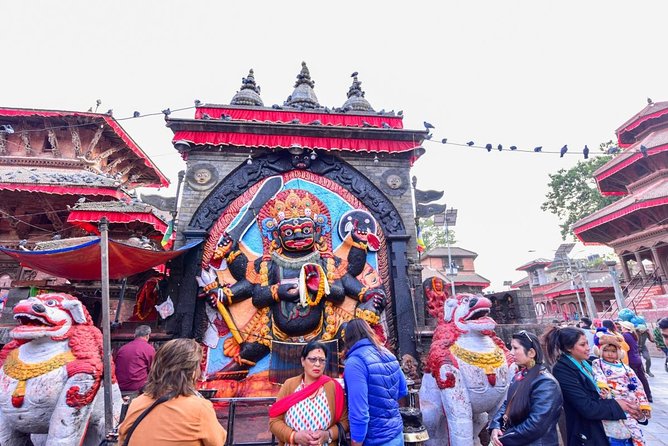
- Kathmandu heritage on foot, including Kathmandu Durbar Square and Kumari Chowk
- Bhaktapur and Durbar Square architecture, including Nyatapola temple
Longer Nepal itineraries, start to finish
Why this 9-day Nepal break fits gap years and sabbaticals
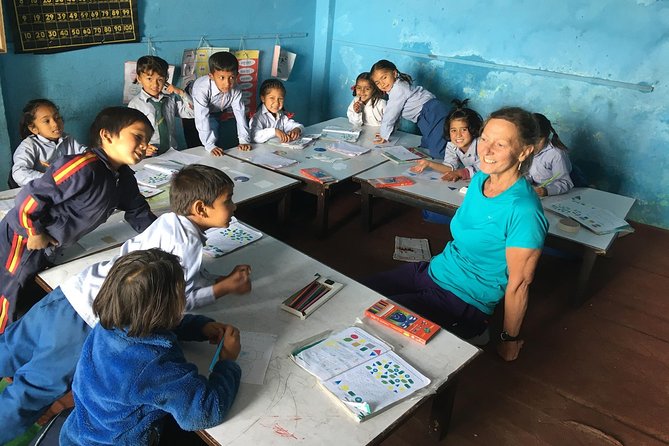
If your travel style is more reset than checklist, this kind of Nepal trip makes sense. You’re not just rushing through famous landmarks. The route is designed around contact points, places where you slow down naturally: a stupa round, a guided temple explanation, a monastery routine you can observe, and a village day where you’re not the center of attention.
What makes it feel different is the mix of spiritual and physical moments. In one stretch you’re at high-profile Buddhist and Hindu sites, then you’re hiking toward viewpoints and descending into village life. That combination tends to work well for people who have taken time off work, or who are in that in-between stage where you want meaning and movement at the same time.
The trip also keeps the base consistent. It’s anchored in Kathmandu and the Kathmandu Valley region plus nearby hills like Nagarkot, Dhulikhel, and the Namo Buddha area. That matters because you spend less time in transit fatigue and more time absorbing local rhythm.
Value check: what $980 includes in real-world terms
At $980 for about 9 days, the big value is that many travel basics are handled for you. The tour includes private transportation, all fees and taxes, and meals on most days. You get breakfast on 7 days, lunch on 6 days, and dinner on 6 days. For many travelers, that alone knocks down the daily decision fatigue and makes budgeting easier.
You also get guidance for a lot of the day. Several stops include local expert direction, including less visited places like Bajrayogini and the monastery-temple areas around Tukucha Nala. That kind of help can save you from wandering around confused, especially in places where names, traditions, and etiquette matter.
One more value angle: several attractions are listed as admission ticket free, but some are not. For example, Kathmandu Durbar Square is listed as admission ticket not included, while Hanuman Dhoka museum, Panauti Museum, and Bhaktapur Durbar Square are listed as included or admission ticket included. If you care about exact museum access, this mix is worth keeping in mind when you plan spending.
Day 1 in Kathmandu: temples, Kumari Chowk, and markets with a local nose
Day one is a full Kathmandu welcome. You start at Swayambhunath, the Monkey Temple, perched on a hill with a stupa tradition that dates back to the early centuries and has been renovated repeatedly. Even if you’re not a history nerd, this place has a strong practical pull. It’s one of those sites that gives you orientation fast, both visually and culturally, because you can see the wider valley while you move through the religious space.
Next comes Shobha Bhagawati Bridge, a pagoda-style shrine dedicated to the Hindu goddess Bhagawati, with an important Dashain celebration. You’ll also visit smaller but meaningful stops, like Bijayashwari, Nardevi, and then Kathmandu Durbar Square, the UNESCO-listed palace square of old Kathmandu.
Kumari Chowk is another highlight. Kumari is the living goddess, and depending on timing you may be able to see her house. Even if you cannot meet her, the experience is still about understanding how Nepal mixes devotion with daily public space.
Then you move into Hanuman Dhoka, a historical museum area tied to the kingdom of Katntipur. This is a nice balance after so many open-air shrines. It gives you context.
Finally, the day ends with what I’d call Kathmandu’s real-world flavor: markets. Asan is a walking street where you can see everyday trading, including fruits and vegetables, pickles, meats, fish, and more. It’s also where you learn that a city can be spiritual and practical in the same block.
Practical note: you’ll be doing a lot of short walking segments. Wear shoes you can trust, because stone steps and market sidewalks can be uneven.
Day 2: Boudha, Bajrayogini, and a viewpoint hike that feels like a reset
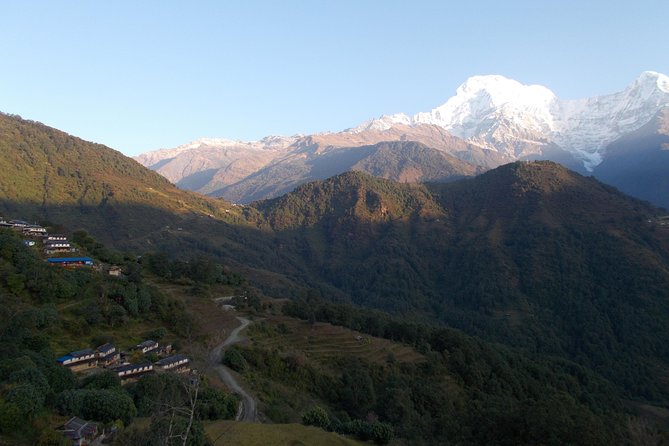
Day two starts at Boudha, described as the world’s largest Tibetan stupa, surrounded by monasteries and a thangka painting school. The stupa itself is the showpiece, but what makes it work is the social layer around it. You’ll notice the texture of practice through the prayer flags and the way people move around the stupa, using repeated ritual as a calming rhythm.
Then you go to Bajrayogini, which is explained through the meaning of its name, Bajra as strong and Yogini as female yogi. What I appreciate here is that this isn’t framed as a generic stop. The experience includes a story connected to the locality and your guide’s explanation, including proofs shown during the visit. That makes the temple more than architecture.
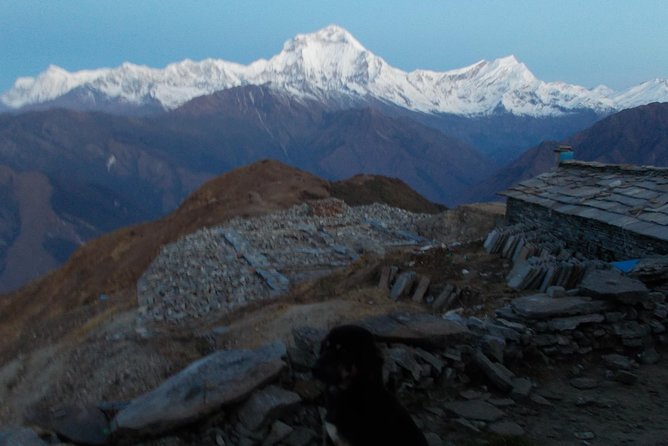
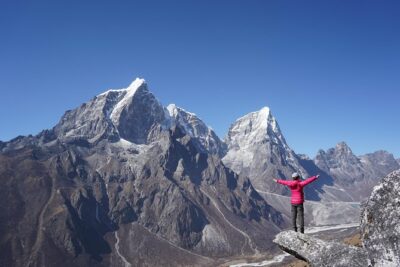
Later, you hike to Jarsing Pauwa View Point. This is a classic Nepal trade-off: you spend energy to earn a view. You get panorama over the Himalayas and nearby landscapes, and because it’s a viewpoint hike near Kathmandu, it feels doable even if you are not training for a big trek.
Tip: for viewpoint days, light can change quickly. Bring a layer even if the morning feels warm.
Day 3: Nagarkot panoramas and Ghimire Gaun village life
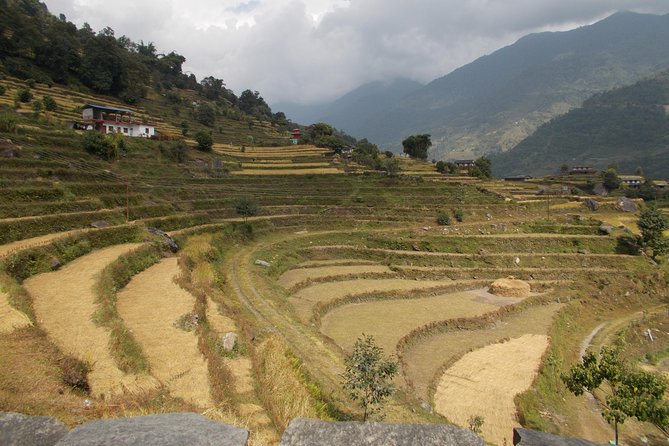
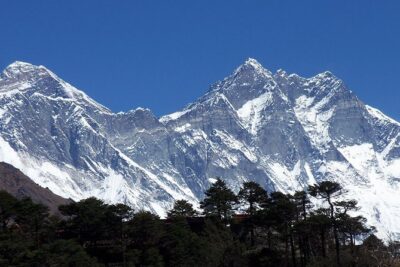
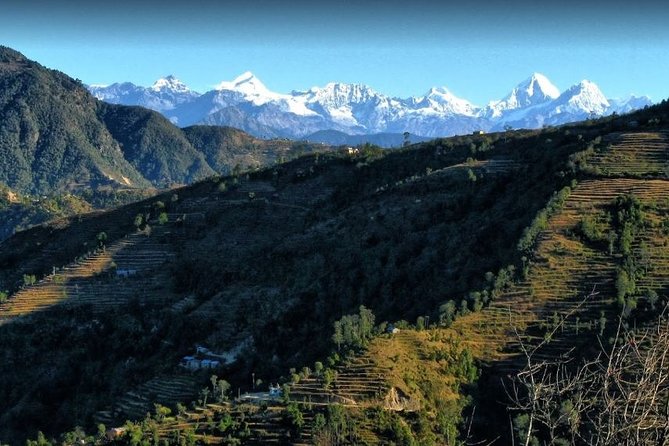
Day three is where the trip starts giving you that hill-country feeling. You hike toward Nagarkot on a panoramic trail, passing villages, terrace fields, and woods. This is the kind of route that helps you see how people live between the hills and the valley floor.
Once you reach Nagarkot, you get sunset views, then the day keeps moving as you hike onward to Ghimire Gaun, a local village in the foothills. Here’s the value: you’re not just looking at a place, you’re spending time living village life with the locals. That kind of community stay experience is often what people remember most on a career break, because it shifts you from consumer to participant.
Potential drawback: village days can include uneven surfaces, and the schedule may feel less controlled than city days. If you like plans down to the minute, you may need a little patience.
Day 4: Tukucha Nala monasteries and the Dhulikhel hike with mountain backdrops
Day four begins at Tukucha Nala, with a monastery and several historical local temples. What matters here is the local guidance. You’re taken around places with explanation, then you wander to virgin and hidden areas near the village. That combo, guided first and then exploratory second, tends to make you feel like you’re learning the area instead of just being transported through it.
After that, you move to an evening hike to Dhulikhel. The route goes via villages and greenery, and on a clear day you can see mountains in the background. Dhulikhel is a popular hill destination for a reason, but what makes your day special is that you get there by foot, not just by car.
If you get even a short clearing in the weather, the mountain views make the effort feel worth it. If skies stay cloudy, the village-to-hill hike still delivers because you’re walking through lived scenery.
Day 5 and Day 6: Namobuddha monastery time, monks, and meditation practice
This is the spiritual core of the trip.
On day five, you hike to Namo Buddha from the Dhulikhel area. Namo Buddha is described as the home of Thrangu Tashi Yangtse Monastery. You spend tranquil time at the monastery with monks, and the experience is centered on learning how monks live.
Day six repeats and expands that theme. You enjoy mountain panorama in the morning, then descend for a morning hike with the monks. You return to the monastery to learn their daily lifestyle, including meditation.
From a traveler perspective, this double visit is smart. One day would feel like a one-off. Two days lets you notice routines, not just ceremonies. It also gives you a chance to ask questions and connect the dots between what you saw outside and what happens inside daily monastery life.
Practical consideration: monastery spaces often involve quiet behavior and respectful dress. Plan for a day where you’ll likely want shoulders and knees covered.
Day 7: Panauti village, 15th-century temples, and a museum inside Indreshwor Temple
Day seven slows things down in a good way. You explore Panauti, a historical town with temples dating back to the 15th century. The town is described as having 40 iconic temples dedicated to different deities. That number matters because it signals variety. You’re not seeing one main temple, you’re walking through a dense network of sacred space.
You also visit Panauti Museum, located inside the Indreshwor Temple. The museum experience is tied to craft and community skill, including stone and wooden arts developed in the community. I like museum stops when they explain local workmanship, not just big facts. This one fits that approach.
If you enjoy cultural repetition, day seven is a good fit. You get multiple temples in a smaller, less frantic setting than Kathmandu’s busiest areas.
Day 8: Bhaktapur, Newari culture, and Nyatapola at Bhaktapur Durbar Square
Day eight moves you to Bhaktapur, described as City of Devotees. Bhaktapur is also tied to Newari town life, so you’re not only seeing monuments, you’re surrounded by the food and culture of the area.
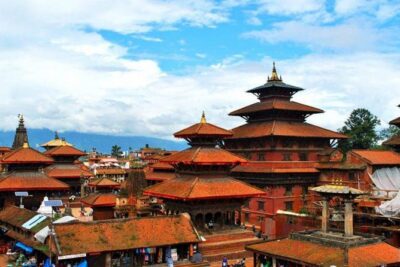
You then visit Bhaktapur Durbar Square, a UNESCO World Heritage Site with impressive temples and architecture. Nyatapola temple is listed as a major highlight. It’s a five-storied temple and a strong visual reference point for the whole square.
This is a day for people who like architecture and street-level atmosphere. If you’re into photography, there are plenty of angles, but you’ll also get value from simply walking, because the square rewards slow attention.
Day 9 in Kathmandu: leave room for your own Nepal
By day nine, the trip gives you freedom. You spend the day in Kathmandu as you wish, with a couple of hours set for your own choice. That matters because Nepal is full of places you might want to return to, or small shops you discover and then want to revisit without rushing.
I recommend keeping this final day flexible. If you fell in love with a particular neighborhood earlier, use day nine to return. If you want one last spiritual stop, this is your moment.
Who this trip suits best, and who should think twice
This experience is a great fit if you want a structured Nepal trip but not a hard-driving one. It’s especially suited to:
- You’re traveling on a gap year or sabbatical and want meaning, not just stamps.
- You like a blend of city heritage and hill hiking.
- You’re interested in Buddhist and Hindu religious culture, including monastery life.
It might be less ideal if:
- You have very limited mobility or dislike hiking days. The schedule includes multiple hikes from 1 hour up to about 6 hours depending on the day.
- You need highly reliable English interpretation. The tour includes local expert guides, but language quality can be an issue on the ground, so confirm your guide communication level before you book.
What to watch for on the ground
A few practical notes that will help your experience go smoother:
- Admission tickets vary. Kathmandu Durbar Square is listed as not included, while other sites like Hanuman Dhoka and the museum stops are listed as included.
- Expect a lot of time on foot. Even when a stop lists a short duration, city lanes and stairways add up.
- For viewpoint hikes and early monastery days, pack layers. Weather changes near hills and early mornings can surprise you.
Should you book this Nepal experience?
If your goal is a thoughtful Nepal break that combines Kathmandu’s sacred heritage with real hill walking and monk-led experiences, I think this is a strong choice. The price feels reasonable for a private group with transportation and meals built in, and the inclusion of multiple days tied to monastery routine and a community stay makes it more than a tour of famous sites.
I would book if you can handle active days and you value cultural explanation from local guides. I would pause and ask extra questions before booking if English communication is essential for you, or if you know you will struggle with hiking segments in uneven terrain.
If that sounds like you, then yes, this is the kind of trip that can work as a reset. It’s not just Nepal you see, it’s Nepal you notice.
FAQ
How long is the tour?
The tour is about 9 days.
Where does the tour take place?
It takes place in Kathmandu, Nepal, with day trips to places in the Kathmandu Valley region and nearby hills.
Is pickup included?
Pickup is offered.
Is it a private tour?
Yes. It is a private tour/activity, with only your group participating.
What meals are included?
Breakfast is included on 7 days, lunch on 6 days, and dinner on 6 days.
Are entrance fees included?
All fees and taxes are listed as included. Some sites are listed as admission ticket free, some are listed as admission ticket included, and Kathmandu Durbar Square is listed as admission ticket not included.
What is not included in the price?
Travel insurance and personal expenses are not included.
Is there free cancellation?
Yes, free cancellation is offered. You can cancel up to 24 hours in advance for a full refund.
When will I receive confirmation after booking?
Confirmation is received at the time of booking.
The Rest of Our Kathmandu Write Ups





Nepal Front to Back
Everything else we have reviewed around Kathmandu
- 12 Days Everest Base Camp Trekking
★ 5.0 · 3 reviews - 1 Night 2 Days Chitwan Jungle Safari Tour from Pokhara or Kathmandu
★ 3.0 · 3 reviews - Thamel Rickshaw tour
★ 4.7 · 3 reviews - Kathmandu: Momo Making Class with a Local Chef
★ 5.0 · 3 reviews - Kathmandu: Full-Day Yoga, Body Massage and Pedicure Package
★ 5.0 · 3 reviews - From Kathmandu / Pokhara / Chitwan: River Rafting – 1 Day
★ 4.6 · 3 reviews
Nepal Multi-Day Tour Packages worth a second look.
 ★ 5.08 Days Tour in Nepal (3 Star Accommodation)From $860113 reviews
 ★ 5.0Best Nepal Tour PackageFrom $70045 reviews
 ★ 4.5Shamanism Tour in Nepal – One-to-one Consultation with SharmansFrom $4042 reviews
 ★ 5.0Nepal Cultural Highlights Tour in 10 DaysFrom $1,69940 reviews
 ★ 5.0Nepal Classic Tour -12 DaysFrom $1,45027 reviews
 ★ 5.0Buddhist Pilgrimage Tour In NepalFrom $15027 reviews
 ★ 5.012-Day Nepal Adventure Trek with Jungle SafariFrom $95026 reviews
 ★ 5.0All Nepal TourFrom $1,29026 reviews
Lists this tour sits in