
REVIEW · KATHMANDU UNESCO HERITAGE TOURS
Explore Kathmandu in 2 Days: UNESCO Sites & Nagarkot Sunrise Tour
Two days, three UNESCO worlds, one big sunrise payoff. This Kathmandu plan mixes major Hindu and Buddhist landmarks with Newar craftsmanship, then cashes in early on Nagarkot sunrise views. I like the clean flow from Patan’s Durbar Square details to the calm hilltop feel of Swayambhunath, all with a guide to connect the dots. One drawback to plan for, the big one is cost on top of the $100 price, because UNESCO entrance fees are not included.
You also get a true “do it right” start, with pickup and drop by tourist car and a tight schedule that fits a short visit. If you end up with Prakash as your guide, his name shows up in ways that match what you want on a tour like this, making the day feel organized and genuinely enjoyable.
In This Review
- Key Things To Know Before You Go
- A Two-Day Route That Hits Kathmandu Valley, Then the High Ground
- Day One: Pashupatinath, Boudhanath, Swayambhunath, and Patan’s Temple Details
- Golden Temple to Thanka Painting, How This Day Feels Like More Than Sightseeing
- Day Two: Nagarkot Sunrise from 4am, Then Bhaktapur’s Four Squares and Temples
- Timing, Tickets, and the Real Cost of This UNESCO Bundle
- Comfort and Logistics: Pickup by Tourist Car and a Schedule You Can Actually Use
- The Guide Factor: Why Prakash Gets Mentioned
- Who Should Book This Kathmandu and Nagarkot UNESCO Tour
- Should You Book This Tour?
- FAQ
- What is the price for this Kathmandu and Nagarkot tour?
- How long is the tour, and what does it cover?
- What is included in the tour price?
- Are UNESCO entrance fees included?
- Are meals included?
- What time do you leave for Nagarkot sunrise?
- Is the tour private?
- Is the cancellation free?
Key Things To Know Before You Go
- UNESCO fees are extra: budget about NPR 4600 or USD 35 per person for five UNESCO World Heritage Sites.
- Early start is real: Nagarkot is run from about 4am, with a roughly 1 hour 30 minute drive from Kathmandu.
- Expect stairs and old streets: Swayambhunath includes a long stair climb, so comfy shoes matter.
- You get more than temples: there are culture stops like Thanka painting plus a singing and healing bowl center.
- You stay with your group: it is private in the sense that it is only your group participating.
- Meals are on you: the tour does not include food, so bring a flexible plan for lunch and dinner.
Other one shot sweeps of the Valley

A Two-Day Route That Hits Kathmandu Valley, Then the High Ground
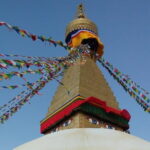
This is the kind of tour I recommend when you have limited time but still want the real Kathmandu story told through sites. Day one leans into UNESCO Kathmandu Valley landmarks: Pashupatinath, Boudhanath, Swayambhunath, and the Patan Durbar Square cluster of temples and craft. Day two swaps in the wider-than-city perspective with Nagarkot sunrise, then finishes in Bhaktapur, often called a living museum vibe because the layout and temples feel so intact.
What makes it work is pacing plus variety. You are not only bouncing between one temple and another. You move between sacred sites, then into craft and hands-on culture, then into a viewpoint morning where the city and surrounding hills show up in the same frame. That mix is exactly why this style of tour is good value for a first-time visitor.
A small practical note: not every stop includes an admission ticket, and some parts are listed as free or paid. The tour also provides a bottle of water per person, which helps on long walking stretches between sites.
Day One: Pashupatinath, Boudhanath, Swayambhunath, and Patan’s Temple Details
Day one is where Kathmandu turns from city noise into sacred geography. You start at Pashupatinath Temple, a major Shiva site on the Bagmati River. It is especially famous for the open cremation ceremonies along the riverbank. If you want to understand why Buddhism and Hinduism feel so present here, this stop gives that context fast. Plan to watch respectfully, keep your distance where needed, and be ready for emotion, because this is not a staged site.
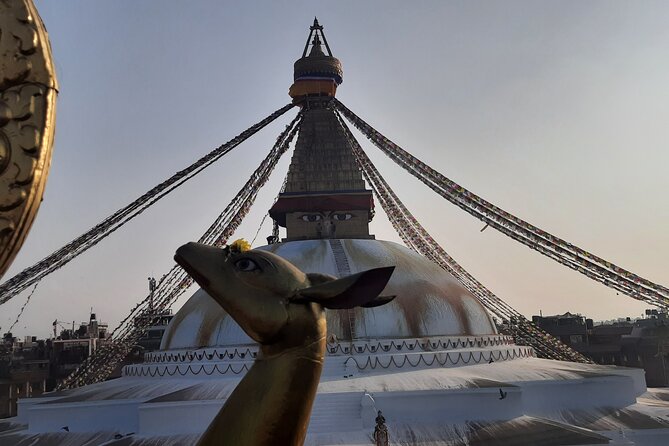
Next comes Boudhanath Stupa. This is one of the landmarks where Tibetan culture influence shows clearly, with monasteries around the main stupa creating a quieter, more ceremonial mood. If you like watching worship rituals and people settling into a steady rhythm, this is a strong mid-day anchor.
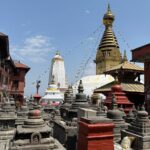
After that, you head to Swayambhunath, also known as Monkey Temple. The stupa sits up on a hill, and you climb long stairs to reach it. I like this part because it shifts you physically and mentally, you earn the view and the air feels different at the top. The tradeoff is simple: you need shoes with grip and you should pace yourself on the climb.
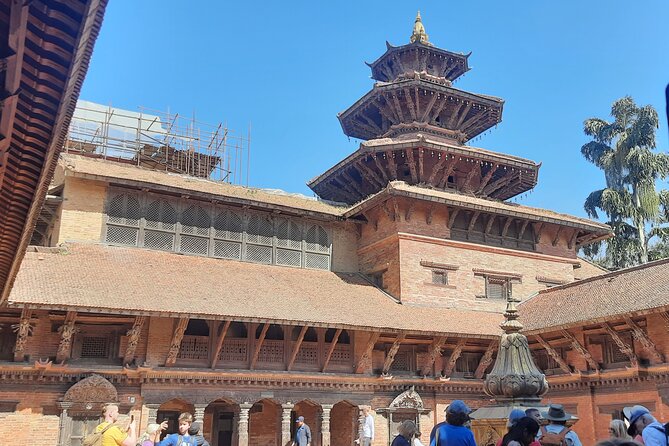
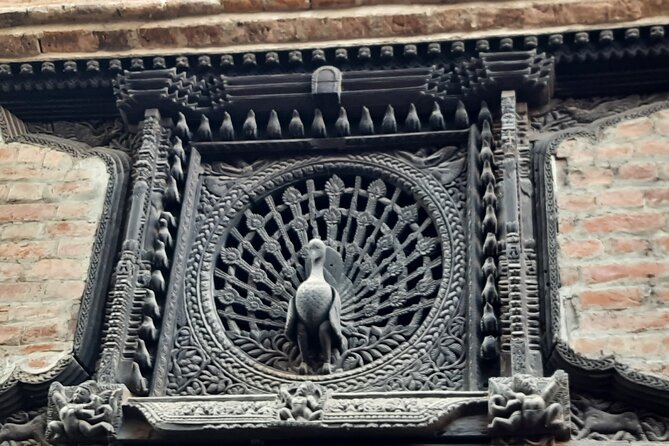
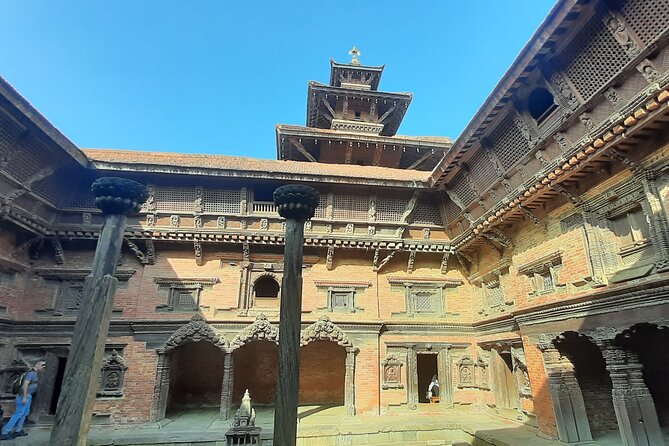
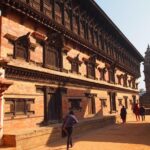
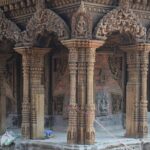
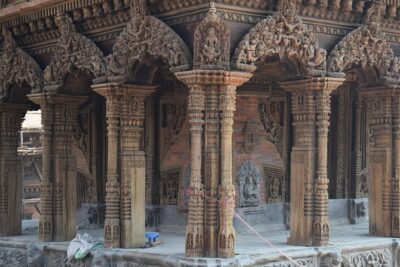
Then you land in Patan Durbar Square, in Lalitpur, where Newar architecture shows at full scale. Patan’s Durbar Square is the craft highlight day brings to life, with wood and stone carvings and temple structures reflecting the Malla kings era. Among the standouts is the Golden Temple, also known by its real name Hiranya Varna Mahavihar. The front plated in gold color is why people remember it, but the deeper point is the craftsmanship of the temple complex in Patan, which feels like it was designed for careful looking.
You end the day with a culture add-on that is not just photo stops: a Thanka Panting art school visit. You are shown painting on cotton cloth using natural colors, with designs like mandala style work and other themes connected to Buddhist and Buddha life story ideas. It is short, but it gives you a new way to see the symbols on the temples.
There is also a singing and healing bowl center stop. This is a different kind of Kathmandu experience. Instead of architecture, you are focusing on sound and ritual style practice, which can be calming after a day of walking and crowds.
Golden Temple to Thanka Painting, How This Day Feels Like More Than Sightseeing
A guided route through sacred sites can sometimes feel like a race, but this one has built-in variety. The temple chain works because each site has a different “style of sacred.” Pashupatinath is riverbank ritual and Shiva devotion. Boudhanath is stupa-centered Tibetan-influenced atmosphere. Swayambhunath is hilltop stupa with the climb as part of the experience. Patan Durbar Square then returns you to design, carving, and temple architecture.
The Thanka stop is the bridge between looking and understanding. When you learn that natural colors and specific symbol designs exist, you notice more details on the temple surfaces and in the way people interpret sacred art. You do not need to be an art expert to get value here, just someone curious about how religious symbolism turns into physical design.
My practical takeaway: bring a small amount of patience with you. Some temple areas can have strong visual focus and movement, so it helps if your guide keeps the group organized. If your guide happens to be Prakash, the vibe you want is exactly the one described in the positive feedback tied to him, fun plus structure, without feeling rushed.
Day Two: Nagarkot Sunrise from 4am, Then Bhaktapur’s Four Squares and Temples
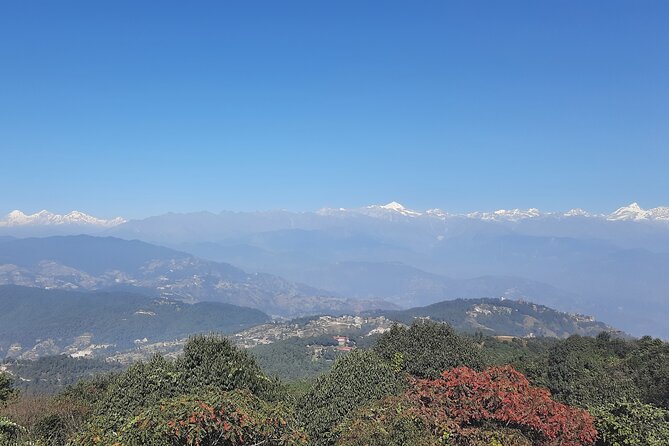
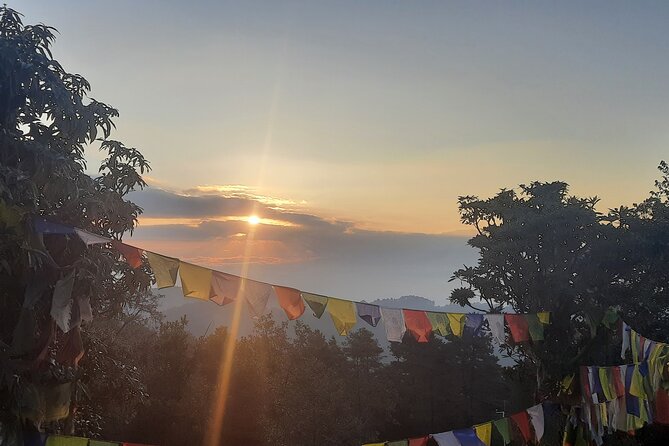
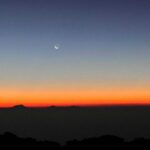
Day two begins with Nagarkot. You are picked up early, about 4am, and driven roughly 1 hour 30 minutes to the hill station (around 35 km). The goal is sunrise plus Himalayan views. The tour specifically calls out views that can include Mount Everest and other mountains, and it also notes big-picture views of Kathmandu Valley plus the Bhaktapur city area.
This is the moment you will feel in your legs. Even if you do not love mornings, sunrise is the reason tours like this exist. The key is to show up with the right mindset: you are trading sleep for the possibility of seeing a wide panorama, and you are doing it on a tight schedule.
After breakfast back in the rhythm of the day, you go to Bhaktapur Durbar Square. Bhaktapur is described as a city of devotees and a live museum feel, with four major squares to observe. This is where you start seeing a different Kathmandu personality, less like a stop-and-go city, more like a place where old streets and temples still shape daily life.
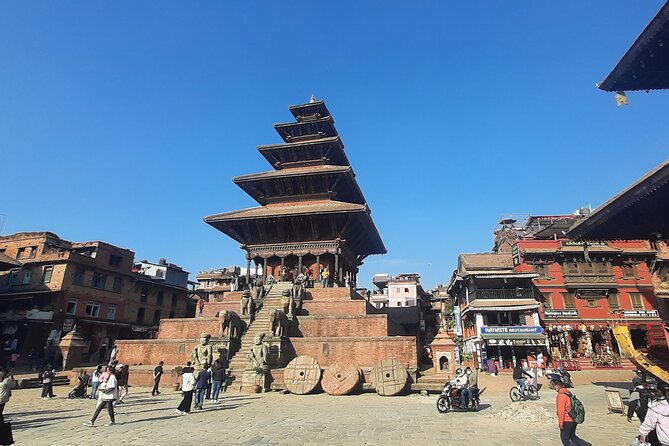
In Bhaktapur, Nyatapola Temple is one of the featured stops. It is described as the tallest temple in the city and dedicated to Goddess Siddhi Laxmi. It is also highlighted as an example of Nepali or pagoda-style temple design. Nearby is the Bhairab Temple, which makes it easy to pair details while you are in the neighborhood.
You also visit Dattatreya Temple, dedicated to God Dattatreya, described as a mixed incarnation of Brahma, Vishnu, and Shiva. That detail matters because it helps you see why the temple design and the iconography can feel layered rather than strictly single-theme.
To round it out, you stop at the Pottery Square for hand-made pottery and small souvenirs. Even if you are not shopping, it is a useful moment to slow down. You see the human work behind the objects, and it gives you a tangible souvenir that feels more connected than a generic trinket.
Other seven site heritage runs
Timing, Tickets, and the Real Cost of This UNESCO Bundle
The tour price is listed as $100.00 per person for a 2-day experience. That price covers the core logistics, pickup and drop by tourist car, a professional guide, and the included cultural stops like Thanka art school and the singing and healing bowl center. It also includes a bottle of water per person, which sounds small but adds up on two busy days.
Then comes the budget item you must not ignore: UNESCO entrance fees. The tour notes entrance fees for five UNESCO World Heritage Sites as NPR 4600, or USD 35 per person. Since those fees are not included in the $100, your total spend depends on whether you want the full UNESCO package. If you are doing Kathmandu UNESCO in a short window, those fees are usually the unavoidable part of the deal, and this tour spells it out clearly.
Meals are not included, so you will pay for food and drinks on your own. Tipping is expected in Nepal, and that means you should leave some budget for it even if you are not sure how much.
If you like planning with clarity, this tour is good because it distinguishes what is included versus what you pay separately. That is what makes it easier to compare value with other Kathmandu options, especially if you are budgeting tightly.
Comfort and Logistics: Pickup by Tourist Car and a Schedule You Can Actually Use
Pickup and drop by tourist car is one of the smartest parts of this plan. Kathmandu driving can be chaotic, and you do not want to spend your limited time figuring out transport after a long day of walking. With pickup, you can focus on sites instead of logistics.
Because it is a private tour/activity, it is built around your group rather than random joining and detours. That usually helps the schedule stay on track and reduces waiting around for strangers.
The one consideration, again, is that early starts and stair climbs make this more physical than a pure city walk. Swayambhunath involves a long stair climb, and Nagarkot begins around 4am. That is fine for most people, but if you are sensitive to early mornings or steep steps, you should be honest about your comfort level.
The Guide Factor: Why Prakash Gets Mentioned
A big difference between a decent tour and a great one is whether your guide helps you see what you are looking at. In the feedback tied to this tour, Prakash is specifically called out for turning temple hopping into something fun and interesting, with strong city understanding and good communication.
Even without special background, a good guide helps you focus on the right details. In Kathmandu, details are everything, carvings, temple forms, sacred practices, and how the sites connect into a bigger cultural picture. If you want your day to feel coherent instead of a checklist, choose a tour like this where the guide is part of the value.
Who Should Book This Kathmandu and Nagarkot UNESCO Tour
I think this tour is best for you if:
- You want two tight days and you still care about UNESCO-level sites.
- You like a mix of Hindu and Buddhist sacred places, not just one tradition.
- You want a sunrise viewpoint morning without spending extra time planning transport and timing.
- You enjoy cultural extras like Thanka painting and a short ritual-style bowl session.
I might steer you elsewhere if:
- You hate early starts, because Nagarkot is set for around 4am.
- You want meals fully included, since food and drinks are on you.
- You would rather avoid paying UNESCO entrance fees on top of the tour price.
Should You Book This Tour?
If you are coming to Kathmandu for the first time and you want a clear, efficient route that covers the big UNESCO names plus Nagarkot sunrise, I would book it. The value is strongest when you count what is included, guide support, pickup and drop, Thanka art, and the bowl center, and then accept the separate UNESCO entrance fees as part of doing UNESCO properly.
My advice is simple: budget for the entrance fees, wear shoes for stairs, and treat the 4am start as the main event. If you do that, these two days give you exactly the mix you came for, sacred Kathmandu details by day and wide Himalayan views when the world is still quiet.
FAQ
What is the price for this Kathmandu and Nagarkot tour?
The price is listed as $100.00 per person.
How long is the tour, and what does it cover?
It is about 2 days and includes Kathmandu Valley UNESCO sites on day one and Nagarkot sunrise plus Bhaktapur Durbar Square on day two.
What is included in the tour price?
Included items are hotel pickup and drop by tourist car, a professional guide, a traditional Thanka art school visit, a singing and healing bowl center, and a bottle of water per person.
Are UNESCO entrance fees included?
No. UNESCO entrance fees for five UNESCO World Heritage Sites are listed as NPR 4600 or USD 35 per person.
Are meals included?
No. Meals are not included, so you will pay for food and drinks yourself.
What time do you leave for Nagarkot sunrise?
You depart early, about 4am, and drive from Kathmandu to Nagarkot in about 1 hour 30 minutes (around 35 KM).
Is the tour private?
Yes. It is described as private, and only your group participates.
Is the cancellation free?
Yes. Free cancellation is offered if you cancel up to 24 hours in advance for a full refund.
Sunrise from Nagarkot

Seven Sites, Other Routes
One More Valley Day
Everything else we have reviewed around Kathmandu
- 12 Days Everest Base Camp Trekking
★ 5.0 · 3 reviews - 1 Night 2 Days Chitwan Jungle Safari Tour from Pokhara or Kathmandu
★ 3.0 · 3 reviews - Thamel Rickshaw tour
★ 4.7 · 3 reviews - Kathmandu: Momo Making Class with a Local Chef
★ 5.0 · 3 reviews - Kathmandu: Full-Day Yoga, Body Massage and Pedicure Package
★ 5.0 · 3 reviews - From Kathmandu / Pokhara / Chitwan: River Rafting – 1 Day
★ 4.6 · 3 reviews
Kathmandu UNESCO Heritage Tours worth a second look.
 ★ 5.0Full Day 7 UNESCO Tour with Lunch – Private/GroupFrom $10415 reviews
 ★ 5.0Full Day Top 4 UNESCO Tour with Lunch – Private/GroupFrom $10269 reviews
 ★ 5.0UNESCO Seven World Heritage Tour in KathmanduFrom $180253 reviews
★ 4.9Full-Day 7 UNESCO Tour with Lunch – Private/GroupFrom $5247 reviews
★ 5.0UNESCO Seven World Heritage Tour in KathmanduFrom $180253 reviews
★ 4.9Full-Day 7 UNESCO Tour with Lunch – Private/GroupFrom $5247 reviews
 ★ 4.97 UNESCO Sites Tour in 1 Day (Private Tour)From $4204 reviews
 ★ 4.9Top 4 UNESCO Tour with Lunch – Private/GroupFrom $5181 reviews
 ★ 5.0Bhaktapur & Patan Durbar Square Day ToursFrom $50122 reviews
 ★ 5.0Kathmandu Private Sightseeing Tour | UNESCO World Heritage SitesFrom $35109 reviews