
REVIEW · GUIDED
Independent Trekking Guide in Pokhara
A good trek starts with the right guide. This one is built around matching you to the best Annapurna-region trek for your ability, then letting you move at your group’s pace with real support. I like the private group flexibility, because you are not stuck in someone else’s schedule.
The one thing to keep in mind is that your price depends on what you book. The listed day rate is for the guide, while permits, transport, and your own food and lodging are only included if you choose a full package.
In This Review
- Key things to know before you go
- Independent guide in Pokhara: control without chaos
- Picking the right Annapurna trek: ability, desire, and a plan that fits
- Your 5-day flow out of Pokhara, minus the guesswork
- What the guide actually handles: permits, tea houses, food, and transport
- Gear and safety basics that make day one easier
- Photo-minded trekking with Roshan: learn as you walk
- Price and logistics: what $50 per group per day really means
- Who this trek suits best, and who should think twice
- Should you book this Pokhara independent trekking guide?
- FAQ
- What is the meeting time for this trek?
- Is this a private tour?
- Where do they arrange treks from, Pokhara or Kathmandu?
- What gear is provided?
- What is included in the price?
- Is trekking insurance included?
Key things to know before you go
- You choose the trek length and daily rhythm, the guide helps you make it realistic for your fitness
- The guide organizes permits, transport, lodging, and meals, often including tea-house stays along the trail
- Gear is handled upfront, with trekking poles, a sleeping bag, rain ponchos, and a head lamp included
- Photography support is part of the job, with scenery-photo guidance and educational context on nature and culture
- Private means you stay together as a group (up to 8), not with strangers
- Porters are optional but extra, at USD 20 per porter per day (helping up to 20 kg)
Other Pokhara plans with a guide already on the ticket
Independent guide in Pokhara: control without chaos
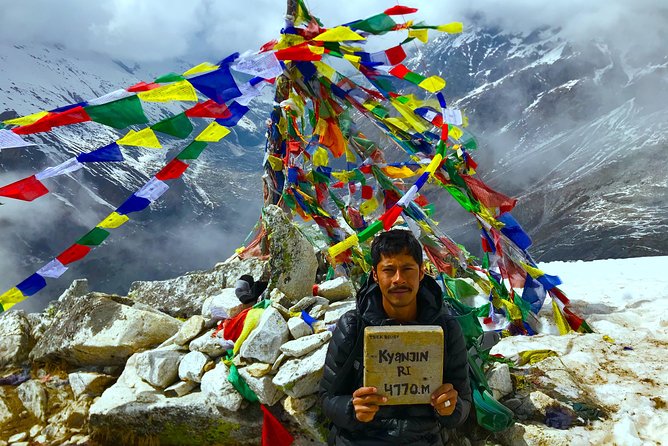
If you have ever tried to plan a trek in Nepal, you already know the pain points. You ask ten questions and get ten different answers. Trails change, weather changes, and suddenly your “simple plan” needs permits, transport, tea-house availability, and a backup option. What I like here is the approach: an experienced guide helps you decide what trek makes sense, then handles the logistics so your job stays simple, show up, trek, and enjoy the mountains.
This is a private trekking experience in Pokhara with a group size up to 8. That matters because trekking is not just about distance, it is about how you feel on the day. With a private guide, you can slow down when you need to, shorten a day if conditions are rough, or shift plans if your group is more tired than expected. You get a custom feel without you having to become a trip planner.
A second big plus is that the guide is set up to reduce friction on the trail. They organize permits and transport, arrange lodging and food at tea houses, and they prepare for safety with trekking gear provided to you. That is a practical kind of comfort. It does not remove the adventure, it removes the avoidable stress.
Picking the right Annapurna trek: ability, desire, and a plan that fits
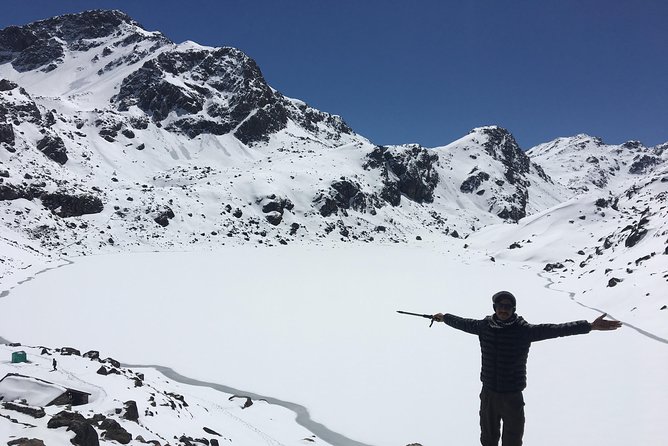
The core promise of this experience is straightforward: an experienced guide will help you choose the right trek for your group. You share your details first, like your fitness level and what you want out of the trip, and then the guide recommends the best match. That flexibility is especially valuable in the Annapurna region, where the “right trek” can vary a lot based on weather patterns, your comfort with uphill days, and how much time you want to spend on the trail.
Here is what you should think about when you are deciding your trek. First, be honest about your hiking base. This experience is aimed at people with at least moderate physical fitness. If your group is stronger, you can choose a longer or more demanding option. If your group is newer to trekking, your guide can steer you toward something with fewer hard days and more manageable pacing.
Second, think about what you want your days to feel like. Do you want frequent scenic stops and photo time? Or do you want fewer moves with more rest? The guide is set up to let trekking days be your choice. That means you are not only picking a route, you are picking a rhythm.
Third, if you are coming from Kathmandu for certain routes, the setup can shift. The guide notes that for Annapurna Circuit, Langtang, and Gosaikunda treks, they will pick you up from Kathmandu. Other treks start from Pokhara. So you should clarify where you are staying and which trek you plan to do, so your transport matches your timeline.
Your 5-day flow out of Pokhara, minus the guesswork
The experience is listed as 5 days on average, with the exact duration shaped by what you choose. Even without a fixed checklist of specific village names, you can understand the structure of what a well-run private trek day typically looks like with this kind of guide.
Day 1 usually begins with a morning meet-up at 8:00 am in Pokhara. You meet your guide, confirm the plan, and then you move toward the trailhead using organized transport. Your first hiking day is often about getting your legs working, settling into the pace, and arriving at a tea house for the night. The practical win is that lodging and food on the trail are arranged for you, in the tea houses along the way.
Mid-trek days are where the guide’s planning shows up most. You will keep trekking through the Annapurna region, and the guide decides daily adjustments based on conditions and group energy. If weather turns, that could mean a modified day. If the group is feeling great, it could mean keeping the plan and adding steady forward progress. You are not on autopilot.
Near the end of a 5-day trek, the pacing usually shifts to focus on finishing well rather than pushing beyond comfort. On a private trek, that means you can talk through your goals with your guide, like whether you want a longer final walk for views or a more relaxed finish. Tea houses remain part of the rhythm of the trek, since the guide is organizing accommodation and meals.
One drawback to consider is weather dependency. This experience requires good weather, and if it is canceled due to poor conditions, you are offered another date or a full refund. That is not unique to this operator, but it is a key reality for trekking in Nepal. If you only have a single day window, you might feel stuck. If you have flexibility, the guide’s ability to adjust planning becomes a real advantage.
What the guide actually handles: permits, tea houses, food, and transport
People often say they want a guide for safety, but logistics are the bigger stress reducer. Here you hand over the pieces that usually eat up your time.
The guide will organize:
- Permits needed for trekking
- Transport to get you from your starting point to the trail area
- Lodging and food at tea houses along the trails
- A route recommendation based on your details and goals
The tea-house angle is important. Tea houses are where most trekkers eat and sleep in the Annapurna region, so choosing the right places matters for comfort and energy. Your guide is choosing lodging and food options on each trail day, so you are not constantly searching while tired.
Now, about what is included versus optional. If you book a full package booking, food, accommodation, trekking permits, transport, and your guide and support team are included as part of that package approach. If you do not choose the full package, your own food and lodging may not be included. The same goes for permits and transport. So when you compare options, do not just look at the headline price, check what your package covers.
Porters are another piece to clarify. Porters are available for an extra USD 20 per porter per day, and they can help with up to 20 kg of luggage. If you plan to bring heavier items or want to travel lighter, this can help you enjoy the trek more because your legs carry less.
A small practical note: trekking is not just physical, it is also about gear readiness. This operator provides key items to help you show up prepared, including rain protection and a head lamp.
Other lodge to lodge routes near Pokhara
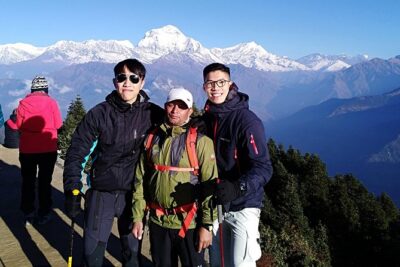
Gear and safety basics that make day one easier
What surprised me in a good way is that you are not left guessing what you need. The guide provides gear that directly affects your comfort on the trail.
Included gear:
- Trekking poles
- Sleeping bag
- Rain ponchos (pair)
- Head lamp
- A strong safety mindset, with preparation up to the highest extent possible for your safety
That matters because weather in the Himalaya can be unpredictable. A rain poncho and head lamp are not glamorous, but they keep you functioning if daylight fades or conditions get wet. Trekking poles also reduce strain on knees on uphill and downhill sections. The sleeping bag coverage helps you avoid last-minute gear purchases.
You should still pack smart. This experience provides key gear, but your personal items still matter. Bring layers for cold and rain, and make sure your footwear is broken in before you reach the trail.
Also, you are joining a private group, so you can often move with shared expectations. That reduces the common “everyone has different gear and different fitness” problem that creates friction.
Photo-minded trekking with Roshan: learn as you walk
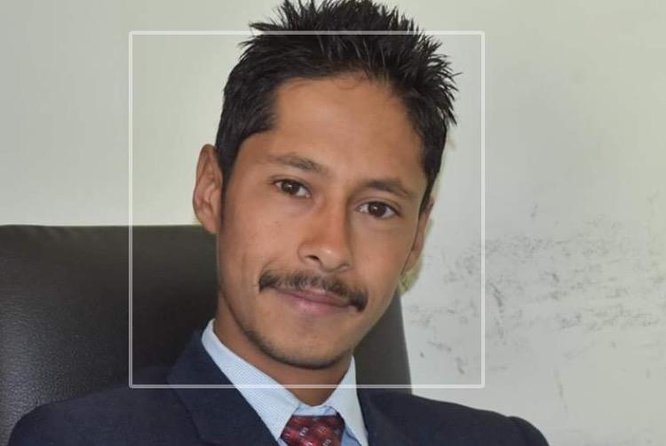
One of the more unique features here is how the guide blends trekking with photography and learning. The guide is described as both a landscape photographer and a trekking guide trainer from the Ministry of Tourism, Nepal, and they offer scenery-photo support during the trek, with explanations you can match to your interests.
You get:
- Photo guidance tied to what you are seeing
- Explanations about natural, cultural, socio economic, and geographical aspects of Nepal
- A practical focus that can help you frame shots and understand the environment beyond just taking pictures
If you care about photos, this is a real value add. You are not only getting views, you are learning how to see. Even if you are not a serious photographer, the cultural and geographical context can make conversations and stops feel more meaningful.
There is also some serious hardware in the setup. The included items list includes 8×21 Bushnell binoculars and a Canon 5D Mark IV DSLR with a landscape lens, carried by the guide. Even if you never hold the camera, the binoculars and the photo experience can help you notice details on the ridgelines and mountain scenery that you might otherwise miss.
If you are on a tight schedule, this could be a consideration. Photo instruction can add small pauses, though a good guide usually keeps those pauses from turning into a slow trip. Ask what kind of pace they will keep for your group.
Price and logistics: what $50 per group per day really means
Let’s talk value plainly. The price is listed as $50.00 per group (up to 8). On average, it is booked about 93 days in advance, which suggests most people plan carefully for Nepal trekking timing.
But here is the most important financial detail: the price mentioned is payment for 1 day only, not the whole trek. That is easy to misunderstand if you are comparing to standard “one price for five days” tours.
So what are you paying $50 for? Based on the included items, that daily payment is for the guide service within a private group context. The guide then organizes everything else, but those extra costs may not be included unless you pick the full package.
What can add to your total cost depending on your choices:
- Trekking permits, tickets, and transport (can be included in a full package)
- Your own food and accommodation (can be included in a full package)
- Visa fees and your trekking insurance (not included)
- Porters, if you add them (USD 20 per porter per day)
Is it still good value? For a private group up to 8, paying a day rate for an experienced guide can be cost-effective, especially if you would otherwise spend time arranging permits and tea-house logistics yourself. The real value is that the guide can match you to the right trek, handle the planning workload, and supply practical gear.
To decide if it fits your budget, do a quick checklist:
- Are you choosing the full package so food, lodging, permits, and transport are handled?
- Do you already have trekking insurance?
- Will you likely need a porter?
- Are you okay with weather-based plan changes?
Who this trek suits best, and who should think twice
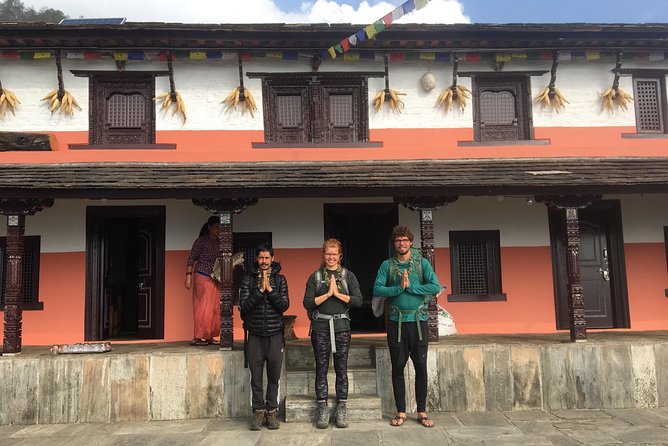
This is best for travelers who want a tailored trek without the stress of planning every permit and tea house connection. It is also a great fit for groups that want to move together and avoid the “tour bus” feeling of big group departures.
You will probably enjoy it if you:
- Are comfortable with moderate fitness
- Like the idea of a guide who can adjust the plan based on your group
- Want more than just walking, and you like learning about nature and Nepal culture
- Appreciate practical gear support like ponchos, poles, and a head lamp
You should think twice if you:
- Have zero weather flexibility and only one possible day window
- Expect all costs to be included automatically without choosing a package option
- Want a totally fixed itinerary with no ability to shift days
One encouraging sign is how strongly people rate this experience. It has a 4.8 rating from 46 reviews, with 96% recommending it. A guide response included in the record, from Roshan, also points to a service style focused on looking after the group and going beyond basics.
Should you book this Pokhara independent trekking guide?
I’d book this if you want your Annapurna trek organized by a guide who can tailor the route and daily pace to your group, and you also want the trip to feel less like project management. The best part is the combination of practical logistics (permits, tea houses, transport) plus safety-minded preparation (gear and planning). If photography and learning interest you, that adds extra value.
I would not book it if you are shopping only for the lowest possible cost and you assume the $50 covers everything for five days. The day rate is real, but your total depends on choosing a full package, and on permits, transport, your food and lodging, and trekking insurance.
If you decide to go, do one thing that makes a huge difference: be clear with your guide about your fitness level and what you want from the trek. That is the foundation for picking the right trek in the first place.
FAQ
What is the meeting time for this trek?
The meeting start time is 8:00 am in Pokhara.
Is this a private tour?
Yes. It is private, and only your group will participate.
Where do they arrange treks from, Pokhara or Kathmandu?
For Annapurna Circuit, Langtang, and Gosaikunda treks, the guide says they will pick you up from Kathmandu. Other treks start from Pokhara.
What gear is provided?
The guide provides trekking poles, a sleeping bag, rain ponchos, and a head lamp.
What is included in the price?
The day price you see is for one day of guide service for a group up to 8. The guide also notes that a full package can include guide, porters, food, accommodation, transport, and trekking permits.
Is trekking insurance included?
No. Trekking insurance is not included, and you should plan to arrange it yourself.
Lodge to Lodge Around Pokhara
Pokhara, Someone Setting the Pace
The Rest of Our Pokhara Write Ups
Everything else we have reviewed around Pokhara
- Pokhara: Cable Car Tour – Bird Eye View of Mountain & Lake
★ 4.4 · 3 reviews - Jomsom Muktinath Tour by 4WD SUV 2 Days
★ 5.0 · 3 reviews - Ghorepani Poonhill Private Trek – 2 nights / 3 days
★ 4.5 · 3 reviews - Pokhara: 30-Minute Paragliding Adventure with pick up/drop off
★ 4.5 · 3 reviews - Pokhara: 7-Day Annapurna Base Camp Trek via Ghandruk
★ 4.3 · 3 reviews - Pokhara Group Joining Sarangkot Sunrise Himalayas Tour
★ 5.0 · 3 reviews
Guided worth a second look.
 ★ 4.9Private City Guided TourFrom $40174 reviews
 ★ 4.93-Day Ghorepani Poon Hill Trek with GuideFrom $16268 reviews
 ★ 5.0Full Day Guided Tour in KathmanduFrom $561 reviews
 ★ 5.0Guided Tour to explore the entire Pokhara CityFrom $7051 reviews
 ★ 5.0Kathmandu and Bhaktapur Cities Guided TourFrom $7034 reviews
 ★ 5.0Kathmandu Heritage Day Tour with Guide.From $7030 reviews
 ★ 5.0Everest Base Camp Trek 15 days | Local Guide | Flexible ItineraryFrom $1,89027 reviews
 ★ 4.92 & 3 Days Ghorepani Poon Hill Private Guided TrekFrom $11827 reviews
Lists this tour sits in