
REVIEW · KATHMANDU CITY TOURS & SIGHTSEEING
Kathmandu Valley Trek
Sunrises over the Himalaya start your morning. This short trek from Kathmandu brings you from Sundarijal up toward Chisapani and then on to Nagarkot, with classic views across the valley and the big peaks. You get the kind of trek that feels active, but not complicated, because the route, timing, and overnight stays are handled for you.
I especially love how the trip pairs forest walking with those big payoff viewpoints. First, you get sunrise views from Chisapani, which sets the tone for a full day on the trails. Second, the guide experience matters here, and the name that comes up again and again is Bhumi, praised for being easy to talk to, patient, and confident in guiding people along the way.
The main drawback to consider is the early wake-up for the sunrise moment. If you dislike early mornings, you might find the schedule a little demanding, even though the daily trek time is described as around four hours.
In This Review
- Key highlights you should care about
- Chisapani to Nagarkot, the trek that pays you back fast
- Getting from Kathmandu to Sundarijal without the headache
- Day 1: Sundarijal climb to Chisapani and the first taste of quiet
- Day 2: Early wake-up for the sunrise, then down through Shivapuri toward Nagarkot
- Day 3: Changunarayan trek, lunch, then back to Kathmandu comfort
- Nagarkot hotel night: where the views meet the real break
- Lodging and breakfasts: the included comfort you should notice
- Price and value: $283 for a guided, supported short trek
- Guide Bhumi and why good guidance changes everything
- What to pack for Chisapani and Nagarkot weather swings
- Who this trek is best for
- Should you book the Chisapani to Nagarkot trek?
- FAQ
- How long is the Kathmandu Valley Trek?
- What does the trek cost?
- Is pickup provided and do I get a ticket on my phone?
- What is included in the tour price?
- What is not included?
- Where do you stay during the trek?
- Do I need to buy admission tickets for the park stops?
- Can I cancel and get a full refund?
- Is this trek private?
Key highlights you should care about
- Chisapani sunrise views before the trail work starts
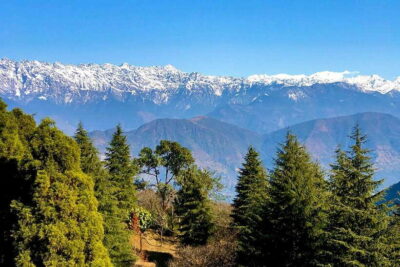
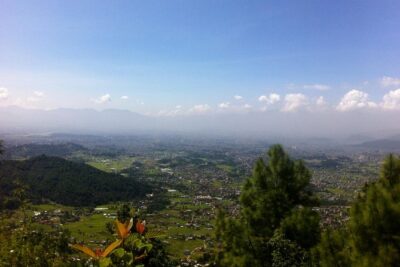
- Nagarkot hilltop panorama over the snow-capped peaks and Kathmandu Valley
- Guide support from Bhumi, described as patient and confidence-building
- Teahouse in Chisapani and hotel in Nagarkot, so you are not guessing lodging
- Private tour setup, so your group stays together
- Included breakfasts and local logistics, including the Kathmandu to Sundarijal drive and return
Other one shot sweeps of the Valley

Chisapani to Nagarkot, the trek that pays you back fast
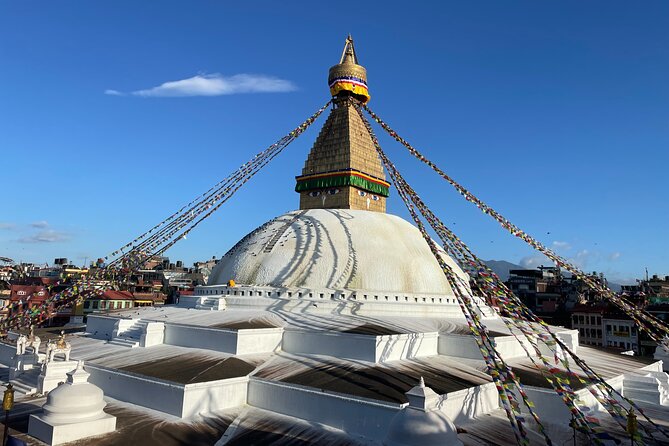
This trek works because it compresses the best of Nepal’s hill-view magic into a short timeline. You are not spending a week in transit or waiting around for the scenery to show up. Instead, the days are built around a simple rhythm: walk through greenery and villages, then hit viewpoints where the Himalaya does what it does.
In practical terms, the route gives you a strong sense of getting higher, without pretending you are doing a grueling mountain expedition. You start with a scenic drive out of Kathmandu toward Sundarijal, then you switch to trail walking with steady climbs and stone steps. By the time you reach the hill stations, the effort feels worth it.
If you like authentic Nepal without turning it into a complicated logistics project, this is a good fit. You also get private-tour treatment, so your experience stays consistent from pick-up to the final return to Kathmandu.
Getting from Kathmandu to Sundarijal without the headache
Your trip begins in Kathmandu, with pickup offered and a mobile ticket. That matters because it reduces the usual start-of-trip confusion, especially if you are new to Nepal or just tired after arrival.
From there, you take a scenic drive to Sundarijal. This is not just transportation, it is part of the day’s transition. You ease out of the city context and into the hills, then you are ready to prep and start walking.
You should plan to use the first day’s time wisely. When a trip includes a gear check, it is usually there for a reason. A quick check helps you avoid silly problems later, like walking without something you thought you had. If you are the type who packs early, double-check anyway.
Day 1: Sundarijal climb to Chisapani and the first taste of quiet
Day 1 is about the climb and the switch from city noise to trail pace. After a hotel breakfast and check-out, you get taken out toward Sundarijal. Once you arrive, you do final trek prep and a gear check, then the hike begins toward the Shivapuri National Park entrance.
From there, you follow stone steps upward to Chisapani through forested areas. You can expect a mix of vegetation typical of the middle hills, including rhododendron forests described for this route. The walking is steady, and the steps mean your legs get used to elevation gradually instead of all at once.
A key thing I like about Chisapani as a first main stop is the feeling of settling in. This is not a place where you rush through. You reach a calmer pocket in the hills, which makes the next day’s sunrise feel special rather than forced.
Two practical notes for you:
- Wear shoes that handle stone steps. Your feet will thank you.
- Bring layers. Even a short trek can swing in temperature when you climb and then sit around for sunrise later.
Day 2: Early wake-up for the sunrise, then down through Shivapuri toward Nagarkot
Day 2 is the showpiece morning. You get an early wake-up call so you can enjoy sunrise views from Chisapani. If you want a big Nepal moment without spending all night on a mountain trail, this is where it happens.
After breakfast and check-out, the trek continues through the Shivapuri National Park area. Then you head down toward Chauki Bhanjyang. This kind of route is useful because it changes the muscle focus. Day 1 feels more like climbing. Day 2 adds variation, which keeps the hike from feeling monotonous.
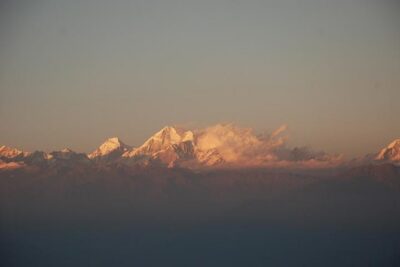
From a value standpoint, this day is also efficient. The plan is built around viewpoints and a clear end goal, Nagarkot. Once you reach Nagarkot, you are in a place known for panoramic views across the Kathmandu Valley and the snow-capped peaks.
Here is a consideration for you: sunrise mornings are always weather-dependent. If clouds roll in, your view may be limited. Still, the timing itself is worth it because it gets you out when the air is calmer and the hills feel at their most peaceful.
Other ridge walks ringing the Valley
Day 3: Changunarayan trek, lunch, then back to Kathmandu comfort
On Day 3, you start with breakfast and check-out, then trek toward Changunarayan. You also have lunch at Changunarayan before returning to Kathmandu by drive.
This final day is a smart way to end. Instead of making your last hours another hard push, it gives you a shorter, more relaxed trek segment with a scheduled meal. Lunch in Changunarayan also breaks up the day so your energy does not disappear before you even reach Kathmandu again.
Once back in Kathmandu, you do hotel check-in and you stay overnight at your own hotel. That is important for comfort. After two nights on the trek route, you get a normal bed routine again.
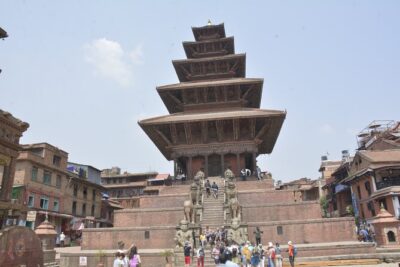
If you enjoy wrapping travel with a cultural touch, this ending is a good pattern. You get nature, viewpoints, then a final on-the-ground stop that feels grounded before you shift back to the city.
Nagarkot hotel night: where the views meet the real break
Nagarkot is where the trek’s payoff becomes visible. Even without getting fancy, the idea is clear: you are going to sleep in the hills so you can wake up to big views over the valley and peaks.
The tour includes hotel lodging in Nagarkot. That is a practical benefit, because you are not relying on finding a room on the fly. It also means you can focus on the view window instead of the stress of late-day decisions.
You also get breakfast on this route day cycle, so mornings are not a scavenger hunt. For a short trek, that matters. It keeps you from spending precious time thinking about food when you could be planning your route and enjoying the morning air.
Lodging and breakfasts: the included comfort you should notice
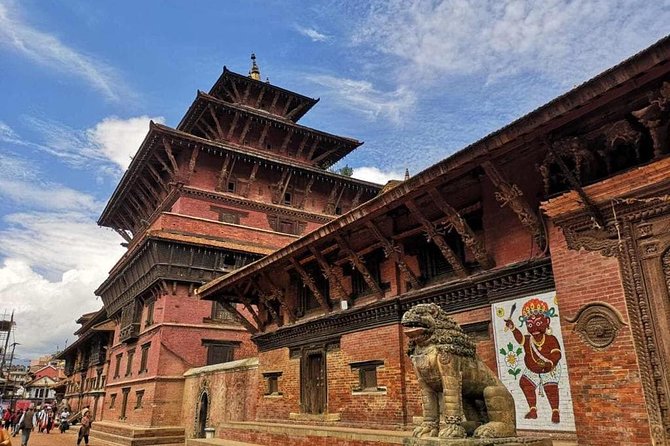
This trip includes hotel in Nagarkot and a teahouse in Chisapani. That combo is a nice balance. Teahouses are typically simpler and more atmospheric, while a hotel night at the destination adds comfort.
Breakfast is included three times. This is one of those “quiet quality” inclusions that makes a trek feel smoother. When breakfast is handled, you can pack and move without waiting for someone to translate menus or negotiate timing.
It is also a clue about how the itinerary is managed. When a tour includes lodging and breakfast, it usually means your days follow a plan that protects you from delays.
Price and value: $283 for a guided, supported short trek
At $283 per person for a 3-day trek, the price sits in the “mid-value” zone for Nepal. The reason it can be worth it for you is what is bundled.
Your cost includes:
- Fuel surcharge
- A tour guide
- All official expenses and government taxes
- Hotel in Nagarkot and teahouse in Chisapani
- Breakfasts (3)
On top of that, the tour offers pickup and uses a mobile ticket. Those two details are not glamorous, but they reduce friction. In real life, friction is what turns a great plan into a frustrating one.
What is not included is also clearly stated: Nepal visa fee, travel insurance, and tips. You should budget for those in advance. If you skip insurance, at least make sure you have a plan for medical coverage on your own, especially because mountain trekking always carries some risk of falls, sprains, or altitude-related discomfort.
Net-net, the value is strongest if you want a guided experience with lodging and breakfasts handled, and you do not want to spend your days coordinating transport and finding places to sleep.
Guide Bhumi and why good guidance changes everything
A good guide can turn a trek from okay to confidence-building. In the feedback shared, Bhumi is praised for being easy to talk to, extremely competent, patient, and genuinely nice. That kind of description tells me the guide role here is not just logistics, it is also how safe and comfortable you feel as the trail gets steeper or when mornings start very early.
Bhumi also gets specific credit for putting a traveler at ease from the start and encouraging them along the way. That matters, because a lot of people decide how tough a trek feels within the first hour. When you trust the person leading you, you tend to pace better and worry less.
If you are someone who wants guidance but still prefers an independent pace, this setup sounds like it respects both.
What to pack for Chisapani and Nagarkot weather swings
The provided information does not list a packing list, so I will keep this practical and conservative. For this type of short hill trek with sunrise timing, you should plan for cool mornings and warmer afternoons.
Bring layers you can adjust quickly. Expect temperature changes between walking time and viewpoint time. Wear shoes with grip for stone steps and uneven trails.
Also, think about your sunrise viewing comfort. Even if the trek itself is around four hours per day, you will pause for views early on Day 2. Your comfort in those minutes depends on what you wear.
Finally, since your tour includes gear check, make sure the basics are easy to find. If you arrive scrambling for items, you will waste energy that should go toward the hike.
Who this trek is best for
This is a strong choice if you want:
- A short trek that still delivers major Himalayan viewpoints
- A guided route through Shivapuri National Park area
- Teahouse atmosphere for one night, plus hotel comfort for one night
- A private-group feel with pickup and mobile ticket support
It also fits people who want to explore hills around Kathmandu without booking multiple separate tours. The pacing is built for you to see key places across three days, not to stretch the schedule into a long, tiring slog.
If you hate early starts or you want lots of free time to explore on your own with no structure, you might find the itinerary slightly tight. But if you like clear plans with a big view payoff, you will probably enjoy this.
Should you book the Chisapani to Nagarkot trek?
I would book it if you want a well-supported short Nepal trek with a view-focused schedule. The included lodging choices, the guide support, and the early sunrise plan are the heart of it. And the praise for Bhumi is exactly what you hope for in a trekking guide, calm, competent, and patient.
You should skip or at least think twice if you dislike early mornings or you are looking for a long, deep trekking route. This is not that kind of trip. It is a focused sampler that goes from forest paths and village energy to hilltop panoramas.
If your goal is to experience Chisapani and Nagarkot properly in just a few days, this one makes a lot of sense.
FAQ
How long is the Kathmandu Valley Trek?
The trek runs about 3 days.
What does the trek cost?
It is priced at $283.00 per person.
Is pickup provided and do I get a ticket on my phone?
Pickup is offered, and a mobile ticket is included.
What is included in the tour price?
Included items are fuel surcharge, a tour guide, all official expenses and government taxes, hotel in Nagarkot, teahouse in Chisapani, and breakfast for three days.
What is not included?
The Nepal visa fee, travel insurance, and tips are not included.
Where do you stay during the trek?
You stay in a teahouse in Chisapani and in a hotel in Nagarkot. Your Day 3 night after returning is at your own hotel.
Do I need to buy admission tickets for the park stops?
The itinerary shows admission ticket free for the trek stops listed.
Can I cancel and get a full refund?
Yes. You can cancel up to 24 hours in advance for a full refund.
Is this trek private?
Yes. It is a private tour or activity, so only your group participates.
The Rest of Our Kathmandu Write Ups

Walking the Valley Rim
One More Valley Day
Everything else we have reviewed around Kathmandu
- 12 Days Everest Base Camp Trekking
★ 5.0 · 3 reviews - 1 Night 2 Days Chitwan Jungle Safari Tour from Pokhara or Kathmandu
★ 3.0 · 3 reviews - Thamel Rickshaw tour
★ 4.7 · 3 reviews - Kathmandu: Momo Making Class with a Local Chef
★ 5.0 · 3 reviews - Kathmandu: Full-Day Yoga, Body Massage and Pedicure Package
★ 5.0 · 3 reviews - From Kathmandu / Pokhara / Chitwan: River Rafting – 1 Day
★ 4.6 · 3 reviews
Kathmandu City Tours & Sightseeing worth a second look.
 ★ 5.0Kathmandu Private Sightseeing Tour | UNESCO World Heritage SitesFrom $35109 reviews
 ★ 5.0Private tour of Major highlights of Kathmandu top rated placesFrom $4492 reviews
 ★ 5.0Kathmandu Heritage Tour (Full Day)From $3863 reviews
 ★ 5.0Kathmandu Full Day TourFrom $7054 reviews
 ★ 5.0Life and spirituality tour of KathmanduFrom $5554 reviews
 ★ 5.0Kathmandu Highlights: Private UNESCO World Heritage Sites TourFrom $4950 reviews
 ★ 5.0Full Day Private Tour of Kathmandu – UNESCO World Heritage SitesFrom $3542 reviews
 ★ 5.0Kathmandu Valley City Day TourFrom $6040 reviews
Lists this tour sits in