
REVIEW · KATHMANDU CITY TOURS & SIGHTSEEING
Pick 2-Wonders of Kathmandu: A 3-Hour Heritage Hop
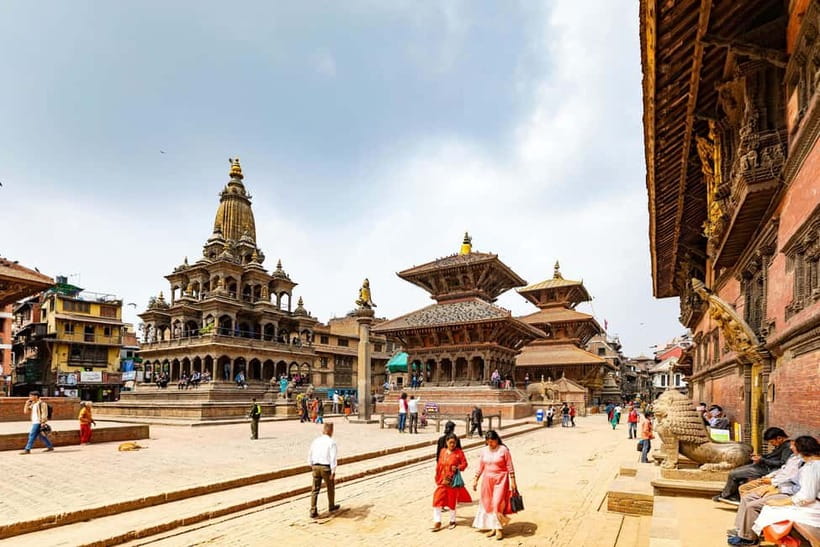
Three hours is enough for Kathmandu’s highlights. This private heritage hop lets you choose two of six UNESCO World Heritage stops, with an English-speaking guide and air-conditioned car from Thamel. I especially love the chance to see the Kumari living goddess if you pick the Durbar Square and Monkey Temple route.
My other favorite part is the pace with real time to look closely, from Newari details on the Durbar Squares to the 360-degree viewpoints from Swayambhunath. The only catch: you choose only two sites up front, and monument entrance fees may be extra depending on what you select.
In This Review
- Key things I’d bank on before you book
- What a 3-hour Kathmandu UNESCO hop is really like
- Pick your 2 UNESCO sites, and how to choose well
- Option 1: Kathmandu Durbar Square plus Swayambhunath (Monkey Temple)
- Option 2: Pashupatinath Temple plus Boudhanath Stupa
- Option 3: Patan Durbar Square plus Kathmandu Durbar Square
- Option 4: Bhaktapur Durbar Square (the “small district, big square” pick)
- Entering Durbar Square and Swayambhunath without losing your day
- Pashupatinath plus Boudhanath: a strong contrast in faith and space
- Patan and Kathmandu Durbar Squares: the Newari craft angle
- Bhaktapur Durbar Square: why this stop fits in 3 hours
- How the guide shapes your experience in a short window
- Price and value: what $3.94 per person really means
- Practical notes that will save you time at the curb
- Who should book this tour, and who should consider other plans
- Should you book this Kathmandu Pick 2-Wonders tour?
- FAQ
- How long is the Pick 2-Wonders of Kathmandu tour?
- Where does pickup and drop-off happen?
- Is this a private group tour?
- Can I choose which sites I visit?
- Are entrance fees included?
- Does the tour include a guide?
- Is there skip-the-line service?
- What should I bring, and what is not allowed?
- What are the cancellation and refund terms?
Key things I’d bank on before you book
- You get to choose exactly 2 sites from 6 UNESCO World Heritage options in just 3 hours
- Kumari sighting is on the table (if you pick the Durbar Square route)
- 360-degree views are part of the plan with Swayambhunath option
- Skip the ticket line for included stops
- Hotel pickup and drop in Thamel plus a private air-conditioned vehicle
- Guides like Nilakantha Acharya and Prakash steer the visit by matching the pace to your interests
Other one shot sweeps of the Valley

What a 3-hour Kathmandu UNESCO hop is really like
This is not a long, slow, one-month-in-the-city kind of tour. It’s a focused sprint with a good finish, designed for people who want meaningful Kathmandu culture without burning a whole day in traffic and lines.
You’ll do two heritage stops in one outing, plus private hotel pickup and drop-off from Thamel. That logistics piece matters more than it sounds, because in Kathmandu Valley you can lose time fast just getting across town. With an air-conditioned car and bottled water included, you start your sightseeing with energy, not fumes.
Also, this kind of tour works because Kathmandu Valley heritage is dense. You’re not chasing a single monument in isolation, you’re sampling a set of places that connect to each other through architecture, ritual, and city life.
Pick your 2 UNESCO sites, and how to choose well
The tour is built around options, and you select one option that includes two of the heritage sites. Here’s how I’d decide, based on the experience you want.
Option 1: Kathmandu Durbar Square plus Swayambhunath (Monkey Temple)
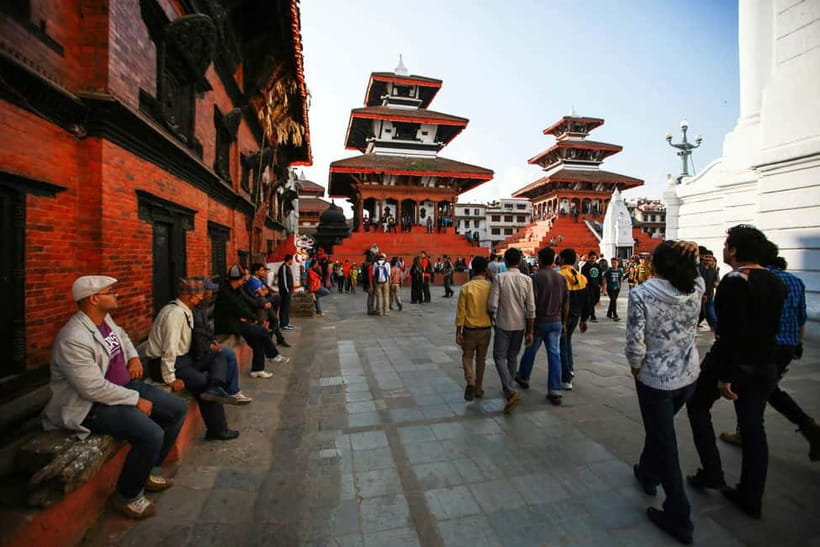
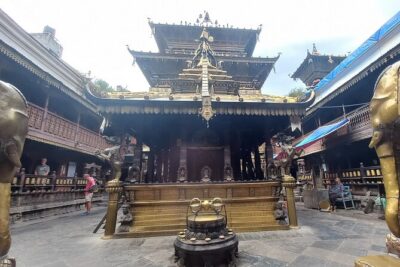
Kathmandu Durbar Square is the “royal seat” feeling you came for. You’ll move through the palace area associated with Malla and Shah dynasty history and see the nine-storied Nautale Durbar. If you’re interested in how the city governed itself, this is the place to start.
The signature cultural moment here is the Kumari, the living goddess, who resides in her temple. If you want a direct look at Kathmandu’s living tradition, this option is the strongest.
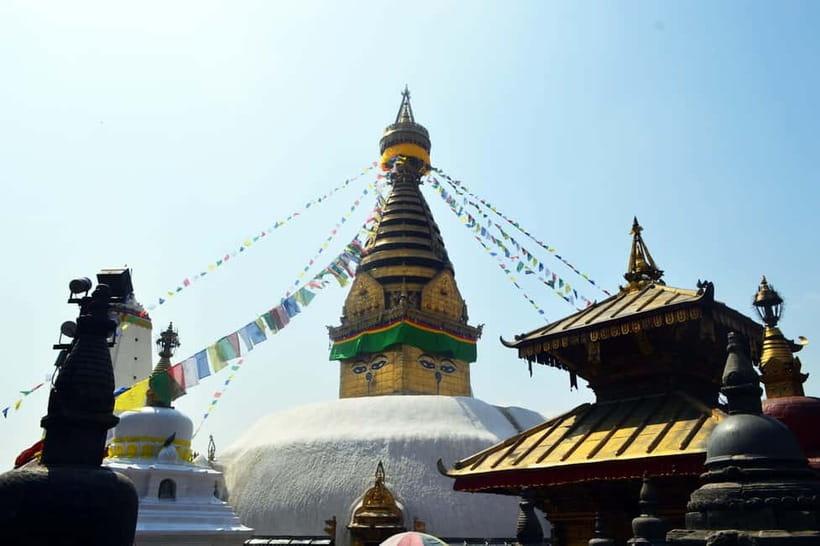
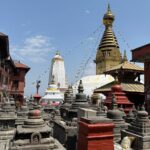
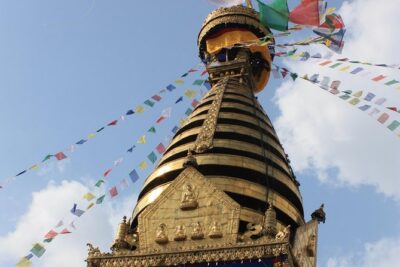
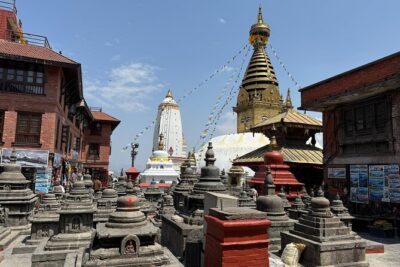
Then you head to Swayambhunath, a hilltop stupa with UNESCO status and famous monkey activity. The best part for many people is the viewpoint. From the hill, you can take in broad, high-angle views over the Kathmandu Valley, including that classic wide “you can see forever” feeling.
What to watch for: Swayambhunath involves steps and time outdoors. If your legs are not great, keep that in mind when you choose this combo.
Option 2: Pashupatinath Temple plus Boudhanath Stupa
If you want a spiritual double-feature, this is it. Pashupatinath Temple is one of Hinduism’s holiest sites dedicated to Lord Shiva, and it sits on the Bagmati River. You might see traditional cremation rituals along the riverbanks, which is intense and deeply cultural.
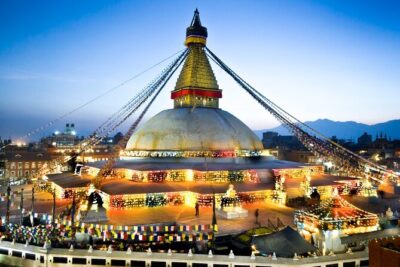
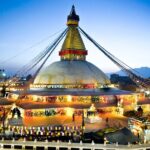
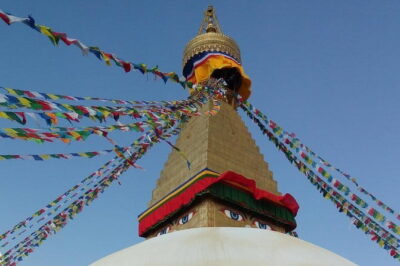
Then you shift into Buddhist atmosphere at Boudhanath Stupa, a massive stupa that’s part of the UNESCO World Heritage story. It’s also described as the largest mandala in Nepal, and it carries history tied to the ancient trade route to Tibet. In practice, it often feels quieter and more meditative than the temple zone.
What to watch for: Pashupatinath has strong religious focus. You should be ready for rules, respectful behavior, and the reality that you are seeing real ritual spaces, not staged tourist theater.
More old stones and living temples
Option 3: Patan Durbar Square plus Kathmandu Durbar Square
This is a great choice if you want to compare two Durbar Square settings without spending all day commuting. Patan Durbar Square, in Lalitpur, spotlights Newari architecture in a dense, walkable setting.
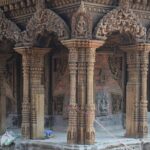
You’ll see the medieval royal palace area and lots of temples and statues. The square is known for red brick pavement, and you’ll feel how the craft and design guide your walking path. If you like details, this option can deliver more texture per minute.
You then pair it with Kathmandu Durbar Square. You’re essentially getting a tighter version of the Durbar Square story, with palace-history focus plus the living goddess moment if your timing aligns.
What to watch for: It’s still two large sites. If you prefer broad viewpoints over architectural focus, the Monkey Temple option might feel better.
Option 4: Bhaktapur Durbar Square (the “small district, big square” pick)
Bhaktapur Durbar Square is described as the smallest district yet home to the largest Durbar Square in Nepal. That’s a catchy line, but the real meaning is scale and layout. You’re not just looking at one courtyard, you’re moving through four smaller squares inside the broader Durbar Square area.
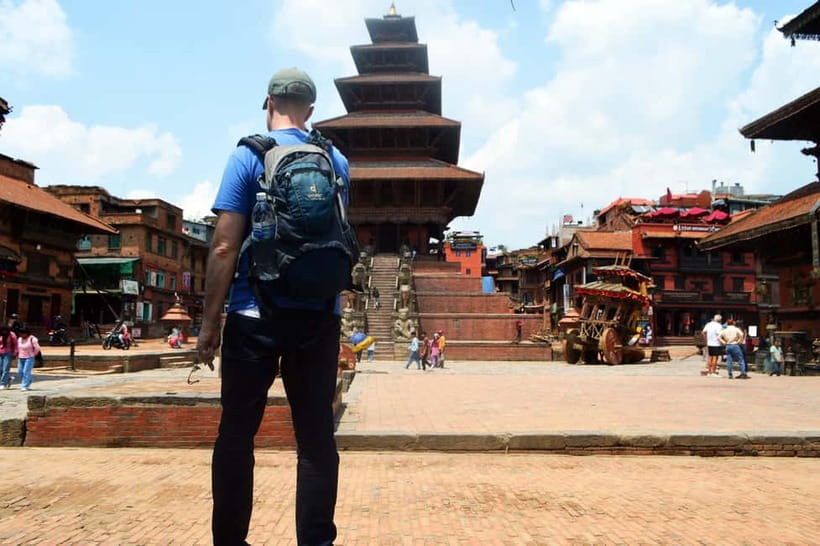
Don’t miss the five-storied Nyatapola Temple, called the tallest in Nepal. This stop is often the one people remember for its dramatic vertical presence and how quickly you can feel transported into old-city geometry.
What to watch for: This option is best when you want a “time-travel feeling” more than a viewpoint. You’ll get less of the wide sky views you might from Swayambhunath.
Entering Durbar Square and Swayambhunath without losing your day
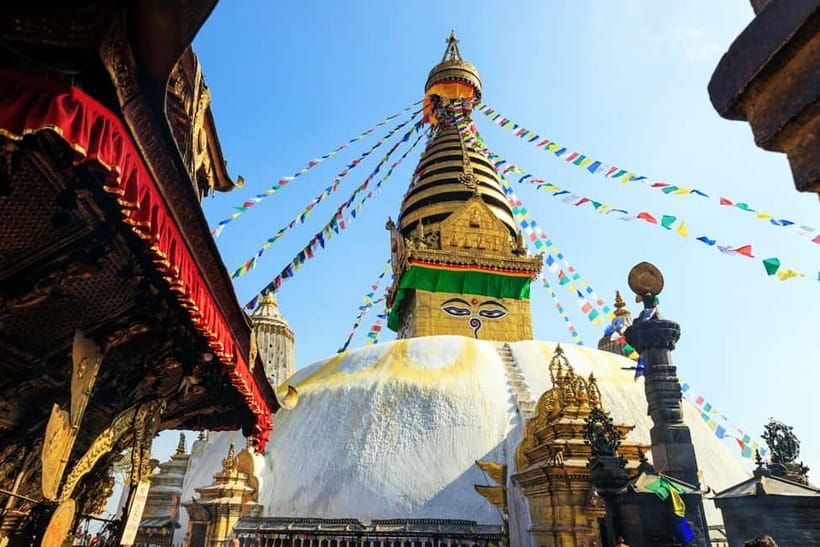
If you pick the Durbar Square plus Monkey Temple option, you’ll get two very different kinds of Kathmandu in one go.
At Kathmandu Durbar Square, you’re surrounded by layers of dynastic history and palace design. You can focus your attention on how different buildings relate to one another in the complex, and how the space supports ceremonies and public gatherings. The tour also gives you a living moment: the Kumari residing in her temple. Even if you’re not religious, it’s a rare chance to witness a tradition that is still part of city life.
Then you climb up to Swayambhunath. Here the tour shifts from palace-space to hill-space. Mahachaitya and the whole stupa zone create a different tempo, with your eyes drawn outward as well as inward. And yes, the monkeys can be chaotic, but that’s part of the place’s personality.
The 360-degree viewpoint is the big payoff. You’ll likely spend a few minutes just standing and scanning the city. This is where the tour becomes more than “see places,” because you start to understand Kathmandu Valley as one connected bowl of neighborhoods rather than isolated stops.
Tip for your photo habits: If you’re the type who takes a million pictures, tell your guide you want time for photos up front. In a few firsthand examples, guides adjusted pacing around photography and questions instead of forcing a hard script.
Pashupatinath plus Boudhanath: a strong contrast in faith and space
This option feels like you’re switching channels from Hindu ritual to Buddhist monument culture, and that contrast can be the whole point of choosing only two stops.
At Pashupatinath, you’re entering a high-attention spiritual site dedicated to Lord Shiva. It’s by the Bagmati River, and the riverbank area can include traditional cremation rituals depending on timing. If that scene is something that might be hard for you emotionally, go in with your expectations set. For many people, it’s also a powerful reminder that religion here is not just about buildings, it’s about real life.
Then you move to Boudhanath Stupa, which offers a different kind of experience. The stupa is colossal, and the atmosphere is often quieter, more focused on the monument and its ritual circles. Since it connects to the ancient trade route to Tibet, it also has that historical “this route mattered” feeling. When you walk around the mandala layout, you get a sense of continuity, like people have been circling this place for a long time.
In one of the best-reviewed outings, Nilakantha Acharya and guide teams explained rituals and symbols in a way that helped visitors understand what they were seeing during a festival day. The takeaway for you: ask questions while you’re there. This isn’t a tour where silence is the goal.
Patan and Kathmandu Durbar Squares: the Newari craft angle
If your travel style is architecture and artisan details, the Patan plus Kathmandu Durbar Squares pairing can be a satisfying choice. It keeps you in the “Durbar Square universe,” but the sites don’t feel identical.
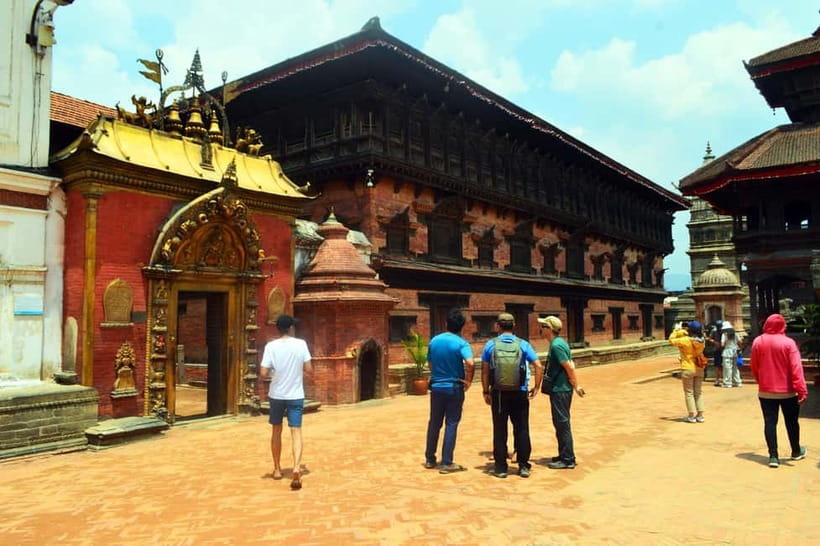
Patan Durbar Square is known for its red brick pavement and for the way Newari architecture organizes the space. You’ll see a dense cluster of temples and statues around the medieval royal palace area. This is the kind of stop where you may want to slow down and look at how forms repeat: carvings, window patterns, and the arrangement of structures.
Then you head to Kathmandu Durbar Square for the royal-history framing. This is where the tour can feel especially efficient, because once you understand the Durbar Square layout in general, you can “read” the second one faster.
One of the practical reasons I like this option is that it can give you a more consistent sightseeing style. Instead of alternating between a temple zone and a stupa viewpoint, you stay focused on palace-square storytelling and the craft that goes with it.
Bhaktapur Durbar Square: why this stop fits in 3 hours
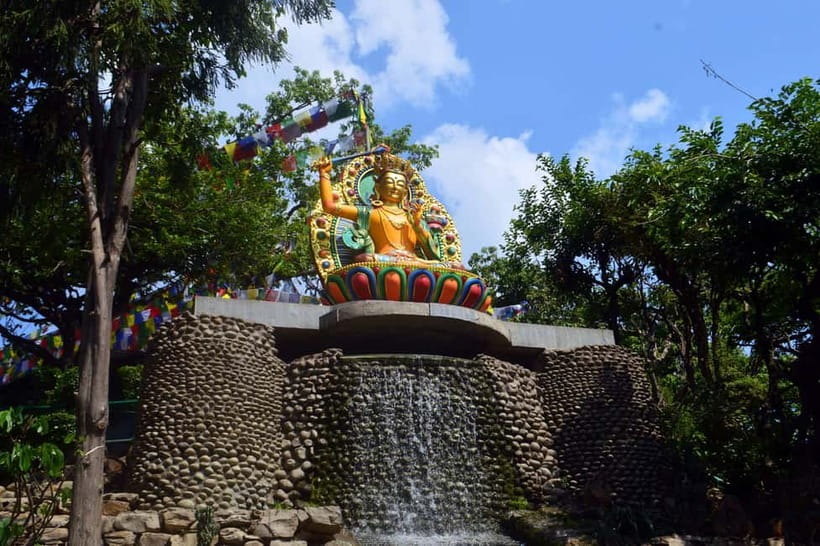
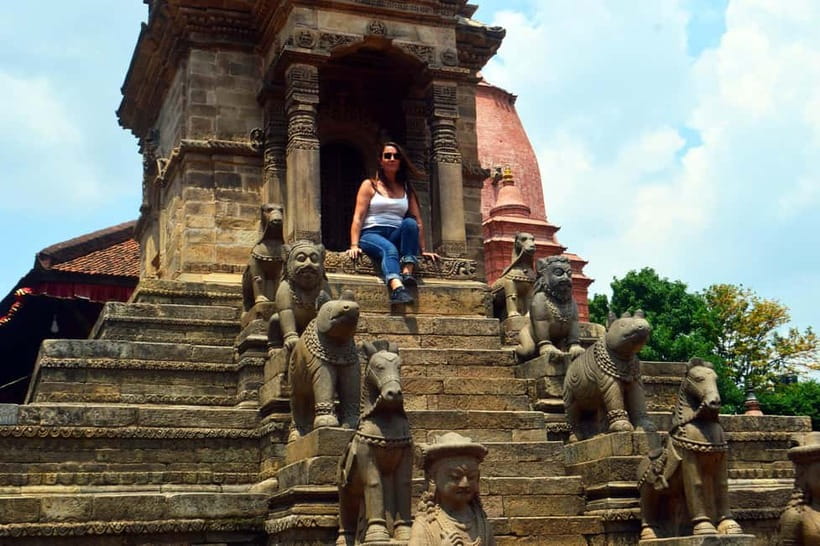
Bhaktapur can feel like the most “old city” mood of all the options listed. Bhaktapur Durbar Square is described as the largest durbar square in Nepal, and that matters because you’ll move through multiple smaller squares inside the complex. Four smaller squares sounds technical, but it usually means you get several micro-areas to focus on rather than one long, exhausting corridor.
Then there’s the Nyatapola Temple, five stories high. This temple’s vertical presence makes your eyes keep traveling upward, even when you’re not trying. It’s also easy to understand why people remember it after the tour ends, because it creates a clear landmark memory.
If you only have a half day, I think this option works best when you want density of detail and a strong sense of place, not necessarily a wide city-scape viewpoint.
How the guide shapes your experience in a short window
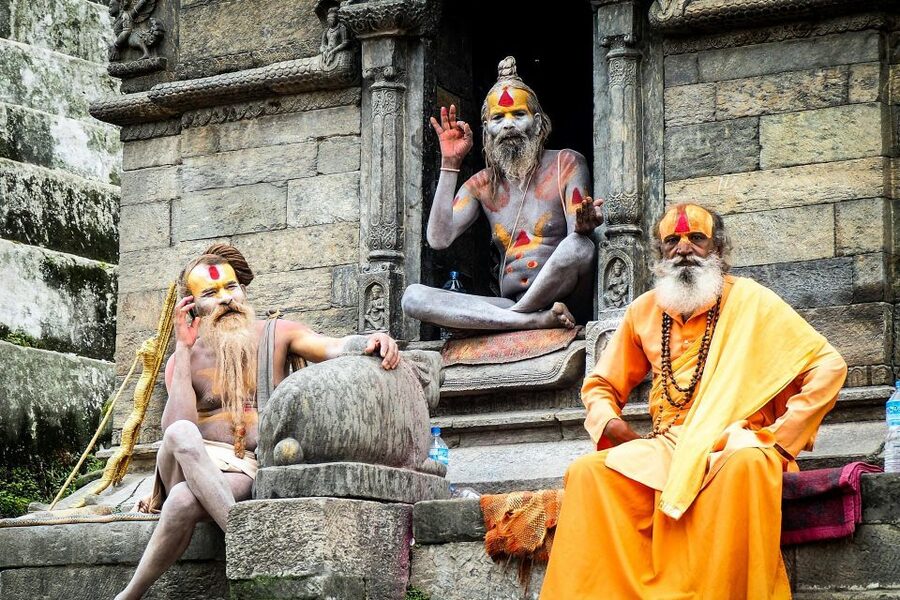
In a short tour like this, the guide is not a bonus. It’s the difference between seeing buildings and understanding what they mean.
In the strongest examples from real outings, guides such as Nilakantha Acharya and Prakash were praised for explaining history and symbols in a way that matched what visitors cared about. One guide even adjusted timing based on your attention and questions. That is exactly what you want on a 3-hour schedule.
You’ll also work with a live English and Hindi speaking guide, and you’ll be in a private group. A private group matters because you can set the pace. If you want to slow down for a question about the Kumari tradition, or you want more time near the viewpoints, you have a better chance of getting it without feeling rushed.
Also, bottled water and a private vehicle help you stay comfortable enough to focus. When your body is okay, your brain pays attention.
Price and value: what $3.94 per person really means
The price listed is $3.94 per person, and on first glance it looks almost unbelievable for hotel pickup, a guide, and a private air-conditioned vehicle. I can’t promise how pricing will vary by date or booking conditions, but I can tell you what the value structure is in the inclusions you get.
You’re paying for:
- Private hotel pickup and drop-off in Kathmandu
- An experienced tour guide
- A private, air-conditioned vehicle
- Bottled drinking water
- Touring two heritage sites
- Skip the ticket line
Where cost can shift: monument entrance fees are not included, but there is an add-on option available. So your real “all-in” cost depends on which stops you pick and what entry fees apply.
My practical advice: treat the listed price as a strong baseline for the guiding and transport. Before you go, check how entrance fees are handled for your exact two-site choice, so you don’t hit surprise totals on the day.
Practical notes that will save you time at the curb
You’ll pick up from Thamel and return to Thamel. You should wait in the hotel lobby or at your residential apartment entrance about 05 to 10 minutes before pickup time.
Bring passport and cash. That’s not just a formality here. It lines up with the reality of small expenses and possible add-ons like entrance fees.
A few restrictions are important:
- No luggage or large bags
- Alcohol and drugs are not allowed
Also, this tour is not suitable for wheelchair users, babies under 1 year, and people over 95 years. It’s a good idea to consider comfort with uneven walking and stairs, especially if you choose Swayambhunath or Durbar Square areas.
Who should book this tour, and who should consider other plans
This tour is a good match if:
- You have only a half day
- You want a tight introduction to Kathmandu Valley UNESCO sites
- You like having a guide help you make sense of symbols, rituals, and architecture
- You prefer private pacing over group herding
It’s not ideal if:
- You want to go deep into one site for most of the day
- You dislike intense religious scenes, especially if you choose Pashupatinath and your timing overlaps with cremation rituals
- You need wheelchair accessibility
Should you book this Kathmandu Pick 2-Wonders tour?
If your goal is a smart, time-saving hit of Kathmandu Valley UNESCO sites, I think this is an easy yes, especially because you get hotel pickup, private transport, and a live guide in just 3 hours. The ability to pick your two stops lets you tailor the mood, from Kumari and viewpoints to Hindu-Buddhist contrasts.
My main “maybe” is the same as the main strength. You only get two sites. If you feel torn, choose based on what you can’t easily get elsewhere in Kathmandu: the Kumari option, the 360-degree views, or the specific durbar square atmosphere you want most.
FAQ
How long is the Pick 2-Wonders of Kathmandu tour?
The tour lasts 3 hours.
Where does pickup and drop-off happen?
Pickup and drop-off are in Thamel.
Is this a private group tour?
Yes, it is listed as a private group.
Can I choose which sites I visit?
Yes. You select your preferred tour option before confirming your booking, and it takes you to any two of the 6 World Heritage sites.
Are entrance fees included?
Monument entrance fees are not included, but an add-on option is available.
Does the tour include a guide?
Yes. You get a live tour guide, listed for English and Hindi.
Is there skip-the-line service?
Yes, it includes skip-the-ticket-line for the tour experience.
What should I bring, and what is not allowed?
Bring your passport and cash. Luggage or large bags are not allowed, and alcohol and drugs are not allowed.
What are the cancellation and refund terms?
You can cancel up to 24 hours in advance for a full refund.
Old Stones and Living Temples
The Rest of Our Kathmandu Write Ups

One More Valley Day
Everything else we have reviewed around Kathmandu
- 12 Days Everest Base Camp Trekking
★ 5.0 · 3 reviews - 1 Night 2 Days Chitwan Jungle Safari Tour from Pokhara or Kathmandu
★ 3.0 · 3 reviews - Thamel Rickshaw tour
★ 4.7 · 3 reviews - Kathmandu: Momo Making Class with a Local Chef
★ 5.0 · 3 reviews - Kathmandu: Full-Day Yoga, Body Massage and Pedicure Package
★ 5.0 · 3 reviews - From Kathmandu / Pokhara / Chitwan: River Rafting – 1 Day
★ 4.6 · 3 reviews
Kathmandu City Tours & Sightseeing worth a second look.
 ★ 5.0Kathmandu Private Sightseeing Tour | UNESCO World Heritage SitesFrom $35109 reviews
 ★ 5.0Private tour of Major highlights of Kathmandu top rated placesFrom $4492 reviews
 ★ 5.0Kathmandu Heritage Tour (Full Day)From $3863 reviews
 ★ 5.0Kathmandu Full Day TourFrom $7054 reviews
 ★ 5.0Life and spirituality tour of KathmanduFrom $5554 reviews
 ★ 5.0Kathmandu Highlights: Private UNESCO World Heritage Sites TourFrom $4950 reviews
 ★ 5.0Full Day Private Tour of Kathmandu – UNESCO World Heritage SitesFrom $3542 reviews
 ★ 5.0Kathmandu Valley City Day TourFrom $6040 reviews
Lists this tour sits in