
REVIEW · NEPAL MULTI-DAY TOUR PACKAGES
Spiritual Nepal: Expert insight into Multifaith Journey
Prayer wheels and cremations in one afternoon. This half-day Kathmandu tour connects Boudhanath and Pashupatinath with a hands-on feel for both Buddhist and Hindu practice, including prayer-wheel rotation and an Arati light ceremony. I also love the small-group setup, it keeps the pace human and makes it easier to ask questions about what you’re seeing. One drawback to consider, traffic can make the day feel a bit tight.
The tour runs about 4 hours, starts and ends at Hotel Marshyangdi, and is designed as a private group capped at 12. You do get some walking, roughly 2 km total, but you’ll also switch to a short drive between the two main sites when needed. Guides are English-speaking Nepali leaders, and past groups have praised guide Rozit, Bini, Bidhya, and Subash for clear explanations and real patience.
In This Review
- Key things to know before you go
- Why this multifaith loop works in four hours
- Boudhanath Stupa and the prayer-wheel kora at Buddhist Kathmandu
- The walk or short drive to Pashupatinath Temple
- Pashupatinath: sadhus, cremations on the Bagmati River, and Arati lights
- Etiquette that actually helps you have a good day
- Price and value: what $150 covers and what costs extra
- Logistics that can shape your experience
- Who should book this spiritual Nepal journey
- Should you book it? My take
- FAQ
- How long is the tour, and what time frame should I plan for?
- Where does the tour start and end?
- Is this a small group tour?
- What’s included in the $150 per person price?
- What costs are not included?
- What should I wear when visiting Boudhanath and Pashupatinath?
- Is this tour family-friendly, and can I cancel?
Key things to know before you go
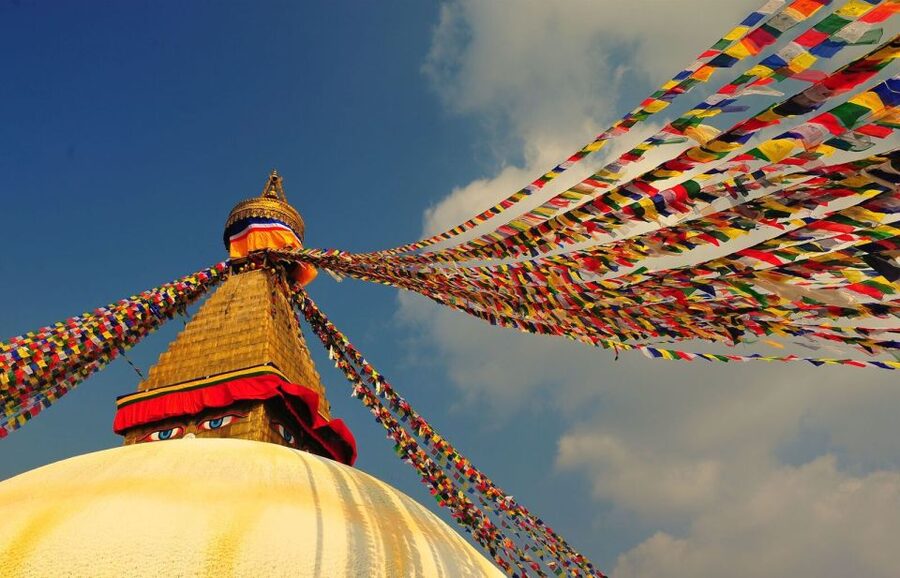
- Two UNESCO sites, one tight route: Boudhanath’s stupa and Pashupatinath’s riverfront rituals in the same morning or afternoon.
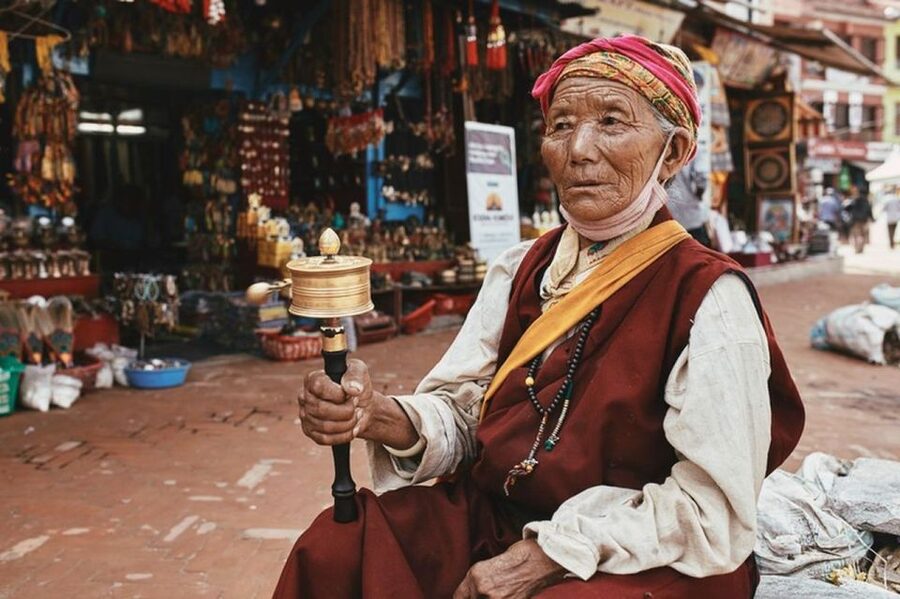
- Join the locals with the prayer wheels: you rotate the wheels during the kora around the white stupa.
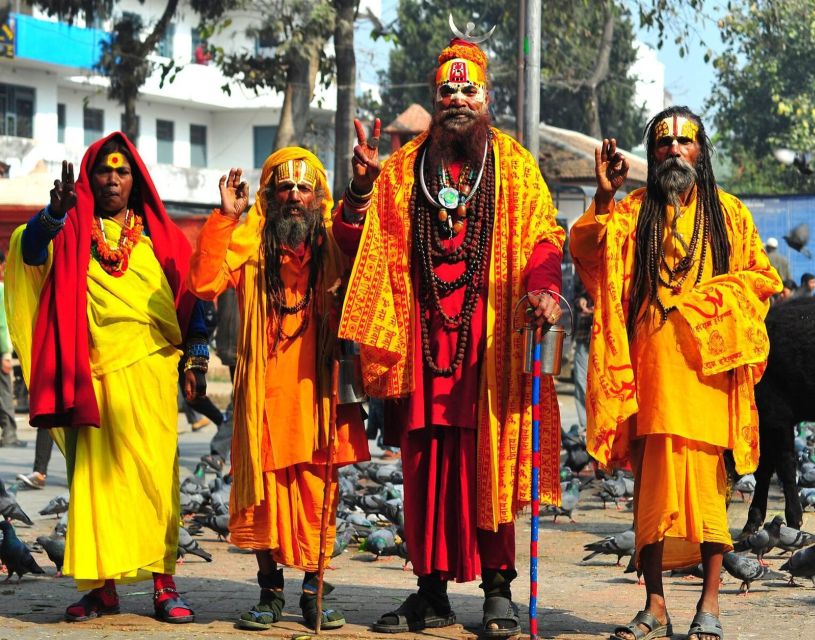
- Sadhus and cremation viewing from the guide-led vantage: you get a glimpse of sadhu life and the Bagmati River cremation ceremony.
- Arati, the light offering at Pashupatinath: you’ll witness the divine light ritual where the action is right by the temple riverbank.
- Optional extras with local support: offerings and palm-reading are not required, but they’re set up so you can participate if you choose.
- Small-group attention: a private group size of just 12 helps keep questions and navigation manageable.
Longer Nepal itineraries, start to finish
Why this multifaith loop works in four hours
If you only do one half-day cultural plan in Kathmandu, this is the kind that gives you context fast. You see two major spiritual centers back to back, and you watch how everyday people, pilgrims, and religious figures move through the same city, with very different traditions.
I like that the experience is structured but not scripted to death. You’re guided through the big moments, then you have space to choose what you want to engage with, like offering alms, doing optional palm reading, or simply watching respectfully.
Also, the spirit of the tour is practical. It’s not about turning you into a scholar. It’s about helping you understand what’s going on right in front of you, from prayer-wheel rituals to cremation ceremonies and the Arati.
Boudhanath Stupa and the prayer-wheel kora at Buddhist Kathmandu
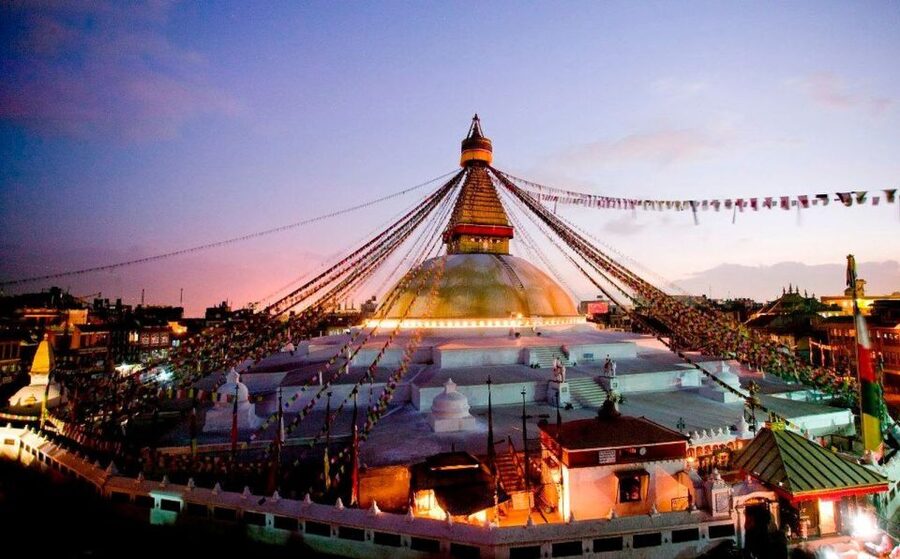
Boudhanath is the sort of place where you feel the scale even before you understand it. The stupa is Nepal’s largest Buddhist stupa, and the signature white dome gives the whole area a calm, focused atmosphere.
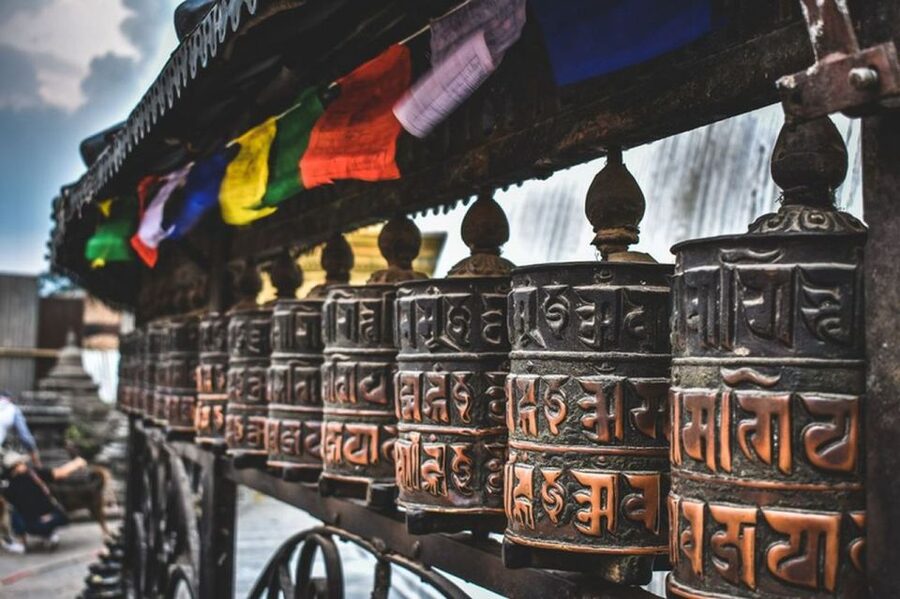
On this tour, you don’t just look. You join the prayer-wheel rotation and complete the kora around the stupa with local Buddhists. That matters because it’s one thing to read about ritual motion, and another to do it yourself. Your body figures out the rhythm, and your eyes start noticing how people relate to the stupa, not just how it looks.
What to expect in real life:
- You’ll spend about 2 hours at Boudhanath, enough time to see the area without feeling like you’re racing.
- The guide helps translate what you’re seeing in plain language, so you don’t feel lost.
- If you want to add participation, there’s an option to offer butter lamps at Boudhanath, and the tour can include other local interactions if you choose them.
Practical note: you’ll be in a shared space with active religious practice. Keep your voice down, move at the pace of the crowd, and follow your guide’s positioning.
The walk or short drive to Pashupatinath Temple
After Boudhanath, you’ll either walk for around 15 minutes or take a short drive to Pashupatinath. That flexibility is useful because Kathmandu traffic can be unpredictable, and the day stays workable either way.
This transition also helps you mentally reset. Boudhanath is Buddhist ritual space centered on the stupa. Pashupatinath shifts you into Hindu pilgrimage mode, right by the Bagmati River, where daily life and deep ceremony live next to each other.
If you get motion-sick in crowds, keep that in mind during the busier parts of the route. The tour is designed as a short day, so your best tool is staying close to your group, especially when you hit the busiest temple sections.
Pashupatinath: sadhus, cremations on the Bagmati River, and Arati lights
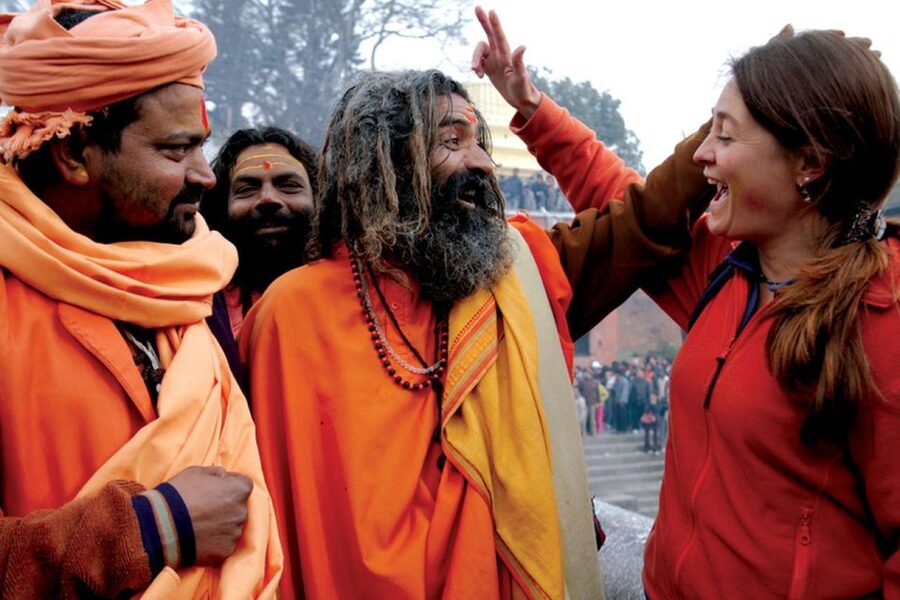
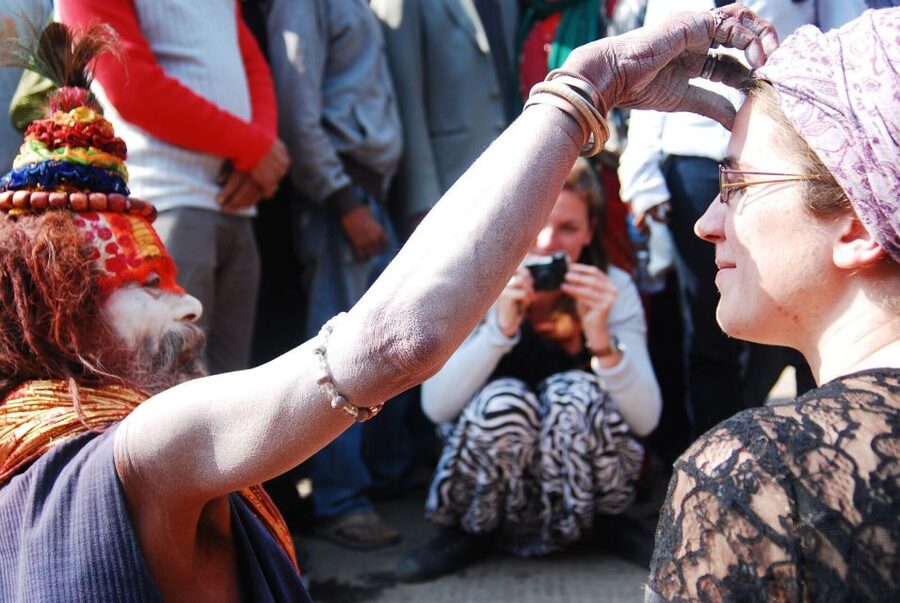
Pashupatinath is Nepal’s largest Hindu pilgrimage site, and it can feel intense in the best way. You’ll get glimpses of sadhu life, and you can offer alms if you want to understand the stories people carry, even if you only ask a few careful questions.
Then comes the part that many people remember most: the cremation ceremony along the banks of the Bagmati River. This isn’t staged for tourists. It’s a real religious rite, carried out solemnly, and you’ll see it as part of the flow of the riverside area.
Right after that, you’ll also attend Arati, where lights are offered as a divine offering at Pashupatinath Temple. Seeing it in person helps you understand why the ritual is so central. It’s both spiritual focus and public expression, and you notice how people gather, watch, and move when the light offering starts.
A key reality check: crowd control matters here. The temple grounds can be packed, and it helps to keep close to your guide so you don’t get separated. Your guide is also the person best positioned to help you navigate what’s appropriate and where you’ll get the clearest view.
Etiquette that actually helps you have a good day
This tour asks you to step into active religious spaces, so a little etiquette goes a long way. The dress code is conservative throughout Asia, and it’s strongly recommended you cover shoulders and knees. For men, long trousers are usually expected. For women, a long skirt or sarong works best.
Bring this mindset: you are not there to “win” a photo. You’re there to observe, learn, and participate only if you choose. If you decide to do optional interactions, remember they are part of local livelihoods, not just add-on souvenirs.
Also, there’s a health and comfort angle worth mentioning. One prior group flagged that a guide’s coughing behavior felt inconsiderate. That’s not a reason to avoid the tour, but it is a reminder to pack simple protection like a mask if you get sensitive around close indoor or crowded spaces.
Price and value: what $150 covers and what costs extra
At $150 per person for a 4-hour small-group tour, the value comes from what’s included. Your price covers:
- An English-speaking Nepali guide
- Entrance fees for both Boudhanath and Pashupatinath
- Transportation costs from the meeting point to Boudhanath and from Pashupatinath back to the endpoint
Not included:
- Food and drinks
- Alms to sadhu and monks
- Palm reader’s fees (and any optional participation costs you choose on the day)
This matters because you avoid the common Kathmandu pitfall: paying for entry tickets and then still spending time figuring out how to link sites efficiently. Here, the route and core expenses are handled, which makes the half-day feel less like logistics work and more like learning time.
One more value note: the guide helps you negotiate and interact appropriately for optional paid experiences, like palm reading and sadhu-related offerings. Palm reading prices mentioned run about 7.5$ to 9$/pp, and sadhu interaction is listed at 7.5$.
If you want the pure observational version, you can treat those as optional. If you want more personal interaction, you should set aside some cash for alms and add-ons.
Logistics that can shape your experience
The tour is about 4 hours, and walking is roughly 2 km total. That’s not much for most people, but it does add up when you’re moving through temples, riverfront areas, and crowd bottlenecks.
Timing sensitivity is real. One prior experience noted it felt a bit rushed due to traffic. You can’t fully control Kathmandu traffic, but you can control how you plan the rest of your day. I’d keep your next appointment flexible and avoid stacking anything tight right after the tour.
Photography and interaction rules can be situational, especially around active ritual moments. The tour information notes taking pictures or interacting with sadhus can come with an additional cost, and your guide will assist with negotiating accordingly. So if you care about photos, plan to ask your guide what to expect in each spot.
Finally, the tour is child-friendly. Children under 6 can join free of charge, and the overall pacing is short enough that many families find it doable.
Who should book this spiritual Nepal journey
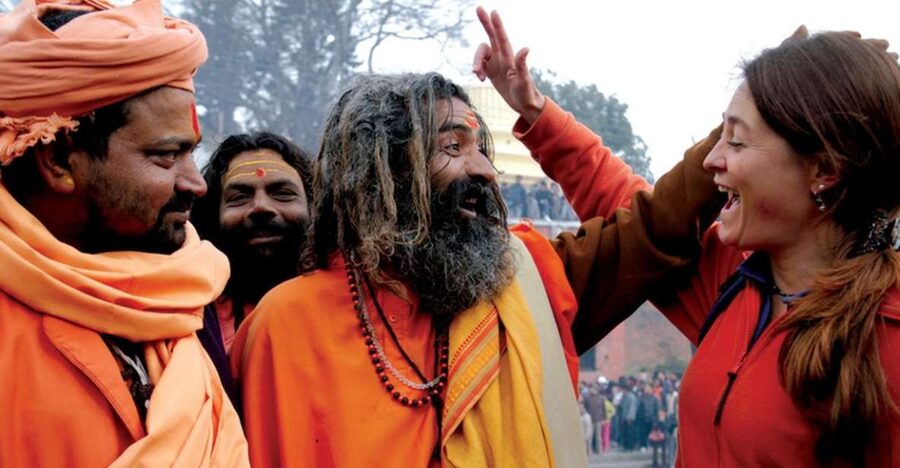
This is a great fit if you want a guided, respectful introduction to both Buddhism and Hinduism in Kathmandu without spending days piecing together two major sites.
You’ll likely enjoy it most if:
- You like hands-on participation, like rotating prayer wheels with locals
- You’re comfortable observing serious religious practices, including cremations
- You want explanations you can ask questions about, not just a lecture
- You value a small group size that keeps navigation manageable
If you want a purely light, cheerful sightseeing day with minimal cultural intensity, you might find the cremation viewing emotionally heavy. In that case, you might still enjoy the Boudhanath portion, but go in with realistic expectations about the river rituals at Pashupatinath.
Should you book it? My take
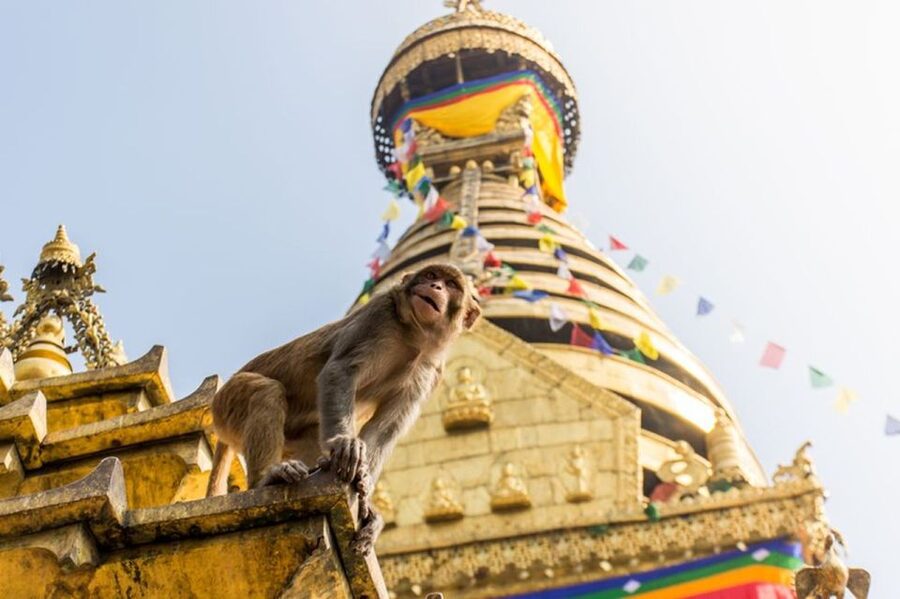
I’d book this tour if your goal is a short, meaningful Kathmandu sampler with expert guidance and a clear route between two UNESCO-listed spiritual giants. The small group cap of 12 helps you feel less like a spectator and more like a participant in the day’s rhythm, and the included entrance fees and transport make it good value for a half-day plan.
Skip it only if you know you want to avoid intense sights, or if you strongly dislike crowded religious spaces. Otherwise, dress conservatively, keep close to your guide, and let the rituals teach you what words can’t.
FAQ
How long is the tour, and what time frame should I plan for?
It lasts 4 hours. You’ll start at the meeting point and return to the same endpoint after visiting both sites.
Where does the tour start and end?
The tour starts at Hotel Marshyangdi and returns to Hotel Marshyangdi.
Is this a small group tour?
Yes. It’s a private group walking tour with personalized attention for a small group size of 12 people.
What’s included in the $150 per person price?
Included are an English-speaking Nepali guide, entrance fees to Boudhanath and Pashupatinath (UNESCO Heritage Sights), and transportation costs from the meeting point to Boudhanath and from Pashupatinath to the endpoint.
What costs are not included?
Food and drinks are not included. Also not included are alms to sadhu and monks and the palm reader’s fees.
What should I wear when visiting Boudhanath and Pashupatinath?
Dress standards are conservative. It’s strongly recommended to cover shoulders and knees. Men are usually expected to wear long trousers, and women a long skirt or sarong.
Is this tour family-friendly, and can I cancel?
Yes. Children under age 6 can join free of charge. You can cancel up to 24 hours in advance for a full refund.
The Rest of Our Kathmandu Write Ups

Nepal Front to Back
Everything else we have reviewed around Kathmandu
- 12 Days Everest Base Camp Trekking
★ 5.0 · 3 reviews - 1 Night 2 Days Chitwan Jungle Safari Tour from Pokhara or Kathmandu
★ 3.0 · 3 reviews - Thamel Rickshaw tour
★ 4.7 · 3 reviews - Kathmandu: Momo Making Class with a Local Chef
★ 5.0 · 3 reviews - Kathmandu: Full-Day Yoga, Body Massage and Pedicure Package
★ 5.0 · 3 reviews - From Kathmandu / Pokhara / Chitwan: River Rafting – 1 Day
★ 4.6 · 3 reviews
Nepal Multi-Day Tour Packages worth a second look.
 ★ 5.08 Days Tour in Nepal (3 Star Accommodation)From $860113 reviews
 ★ 5.0Best Nepal Tour PackageFrom $70045 reviews
 ★ 4.5Shamanism Tour in Nepal – One-to-one Consultation with SharmansFrom $4042 reviews
 ★ 5.0Nepal Cultural Highlights Tour in 10 DaysFrom $1,69940 reviews
 ★ 5.0Buddhist Pilgrimage Tour In NepalFrom $15027 reviews
 ★ 5.0Nepal Classic Tour -12 DaysFrom $1,45027 reviews
 ★ 5.0All Nepal TourFrom $1,29026 reviews
 ★ 5.012-Day Nepal Adventure Trek with Jungle SafariFrom $95026 reviews
Lists this tour sits in