
REVIEW · EVEREST BASE CAMP TREKS
Everest Base Camp Trek: A short EBC Trek to Iconic Himalaya
Lukla first, and then Everest calls. This short 9-day Everest Base Camp trek puts you in the Khumbu fast, with famous Everest Base Camp scenery and the dramatic Khumbu Icefall in reach. You’ll also pass through classic Sherpa towns and monastery views, not just steep trail stress.
I really like the mix of altitude work and culture here. You get built-in time in places like Namche Bazaar and Dingboche to help your body adjust, plus a visit to Tengboche Monastery for that spiritual pause between climbs. I also like that the team keeps things moving with strong on-the-ground support, including guides such as Ramesh or Palden and a coordinator like Sobit handling Kathmandu logistics.
One thing to think about up front: Lukla flight weather and timing can change. The itinerary depends on getting into Lukla, and in some cases flights route via Ramechhap, with a drive of about 4 hours beforehand, so you need a little patience for mountain travel.
In This Review
- Quick hits before you go
- 9 days in the Khumbu, what makes this short EBC tick
- Getting to Lukla, and why timing can change
- Day-by-day: from Phakding trails to Everest Base Camp
- Day 1: Lukla to Phakding, settling into altitude (2,610m)
- Day 2: Phakding to Namche Bazaar, the long day with a view reward (3,440m)
- Day 3: Namche acclimatization day, you’re buying time for your body
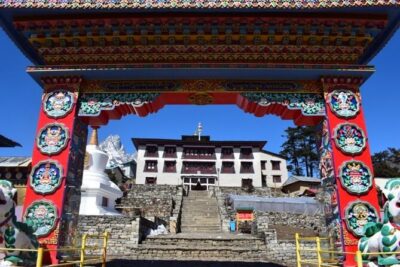
- Day 4: Namche to Tengboche, monastery calm with mountain drama (3,860m)
- Day 5: Tengboche to Dingboche, another ascent into higher oxygen scarcity (4,410m)
- Day 6: Dingboche to Lobuche, pushing toward the glacier zone (4,910m)
- Day 6 (continuation) and Day 6 end: Lobuche to Gorak Shep, then Base Camp (5,140m and 5,364m)
- Day 7: Kala Patthar sunrise, then down to Pheriche (5,545m then 4,371m)
- Day 8: Pheriche to Namche Bazaar, the road back feels fast and long (about 6 to 7 hours)
- Day 9: Namche to Lukla, then back to Kathmandu
- Khumbu Icefall and the Base Camp approach, what you’ll actually notice
- Kala Patthar sunrise, why early mornings matter
- Food, lodges, and Sherpa hospitality you can count on
- Pace and altitude, the real fitness test
- Gear help: what’s included, what you still must bring
- Price and value: what $681 buys you, and what to check
- Who should book this short EBC trek, and who should slow down
- Should you book Bold Himalaya’s short Everest Base Camp trek?
- FAQ
- What is the maximum altitude on this Everest Base Camp trek?
- How long is the trek and how much walking route is it?
- Is the Kathmandu to Lukla flight included in the price?
- What meals and drinks are included?
- What trekking gear is included, and what should I bring myself?
- Are there languages available for the tour?
Quick hits before you go
- A true short EBC format that reaches Everest Base Camp and adds Kala Patthar for sunrise timing.
- Two acclimatization stops built into the route, in Namche Bazaar and Dingboche, rather than racing nonstop.
- Tengboche Monastery visit for a cultural rhythm break while you’re surrounded by big peaks.
- Khumbu Icefall views on the final stretch near Everest Base Camp.
- Gear help included like a sleeping bag, down jacket, and trekking pole if you need it for the return.
- Multiple guide language options including English, Chinese, Korean, Russian, Traditional Chinese, and Japanese.
Other routes to Base Camp, side by side
9 days in the Khumbu, what makes this short EBC tick
The Everest Base Camp Trek is famous for a reason. It’s the cleanest way to reach the foot of the highest mountain on Earth without turning it into a technical climbing project. In this short 9-day version, you’ll still hit the core moments most people dream about: the Lukla start, the Sherpa villages, the big glacial scenery, and the payoff at Everest Base Camp plus a Kala Patthar sunrise hike.
What makes this schedule workable is that it doesn’t pretend altitude is optional. You walk enough each day to feel the trek, but the plan includes acclimatization days in Namche Bazaar and Dingboche. That matters because the Khumbu doesn’t care about your itinerary, it cares about oxygen levels and how your body adapts.
You’ll also notice this trek is very practical in the way it’s organized. You’re in guesthouses and trekking lodges, not camping with a huge setup. Food is included, and your guide travels with you every day, which helps keep logistics smooth when weather shifts.
The main tradeoff with a “short” EBC is that the trip is tighter than the longest versions you might see online. If you want a slower pace, or if you know altitude hits you hard, you may want to add 1 or 2 extra acclimatization days, which is something the itinerary can be customized to include.
Getting to Lukla, and why timing can change
Your trek begins with an early flight from Kathmandu to Lukla. From there, you start trekking and gradually build altitude over the 9 days. One detail worth taking seriously: sometimes, due to high air traffic, the flight may depart from Ramechhap instead of Kathmandu. In that case, you’ll drive about 4 hours from Kathmandu to Ramechhap before the flight to Lukla.
That means your pre-trek day in Kathmandu matters. You’ll want buffer time, because mountain flights can be unpredictable. The trek also ends back in Lukla. You’ll need to plan your return flight from Lukla to Kathmandu, and it’s strongly smart to keep at least one buffer day before your international departure.
If you’re the kind of traveler who likes clean schedules and tight connections, this trek can still work, but you’ll need to build in flexibility. In the Khumbu, the sky runs the show more often than you do.
Day-by-day: from Phakding trails to Everest Base Camp
Here’s how the trek unfolds, and what each day feels like in real terms.
Day 1: Lukla to Phakding, settling into altitude (2,610m)
You fly into Lukla and then trek to Phakding in about 3 hours. This first day is usually your body’s first real meeting with the altitude. It’s not a long walk, so you can focus on pacing, hydration, and getting your legs comfortable on packed dirt paths and typical mountain trail conditions.
What to watch for: don’t treat Day 1 as “easy mode.” Even short days at the start help you adjust, and going too hard early can make later days tougher.
Day 2: Phakding to Namche Bazaar, the long day with a view reward (3,440m)
Day 2 is about 6 to 7 hours of trekking to Namche Bazaar. This is where the journey turns into the classic Khumbu rhythm. You’ll gain altitude steadily and move through terrain that often includes rhododendron forests and suspension bridge crossings, the kinds of moments that feel exciting while you’re still fresh.
Namche Bazaar is also where the altitude conversation begins in earnest. It’s one of the main hubs in the Khumbu, and the lodge stays here help break up the climb.
Day 3: Namche acclimatization day, you’re buying time for your body
Instead of forcing another ascent, Day 3 is an acclimatization day in Namche Bazaar. That’s a big deal on a short itinerary. You’re giving your body time to adapt, which makes the rest of the trek feel less like a nonstop altitude test.
The practical benefit: after this day, you’ll likely feel stronger on the trails to Tengboche and onward.
Day 4: Namche to Tengboche, monastery calm with mountain drama (3,860m)
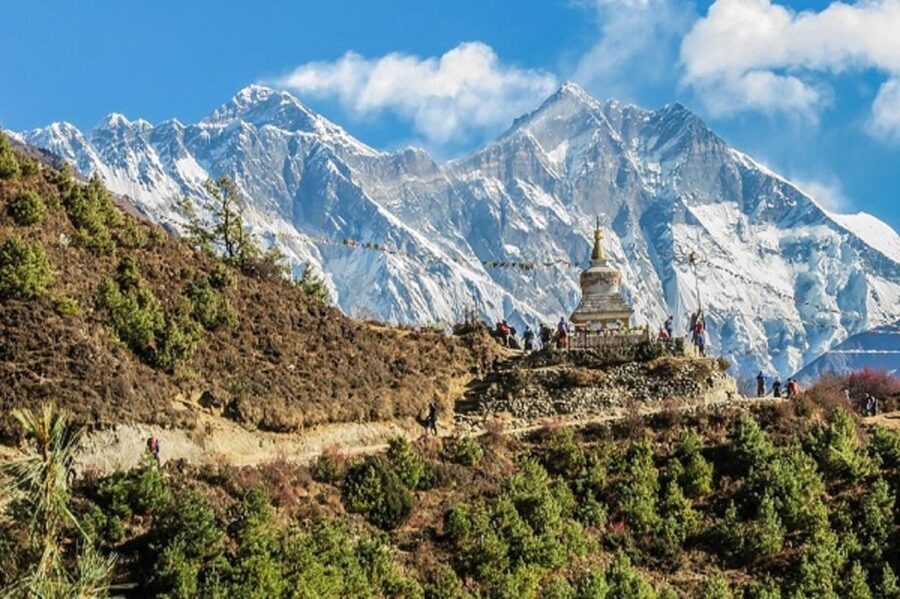
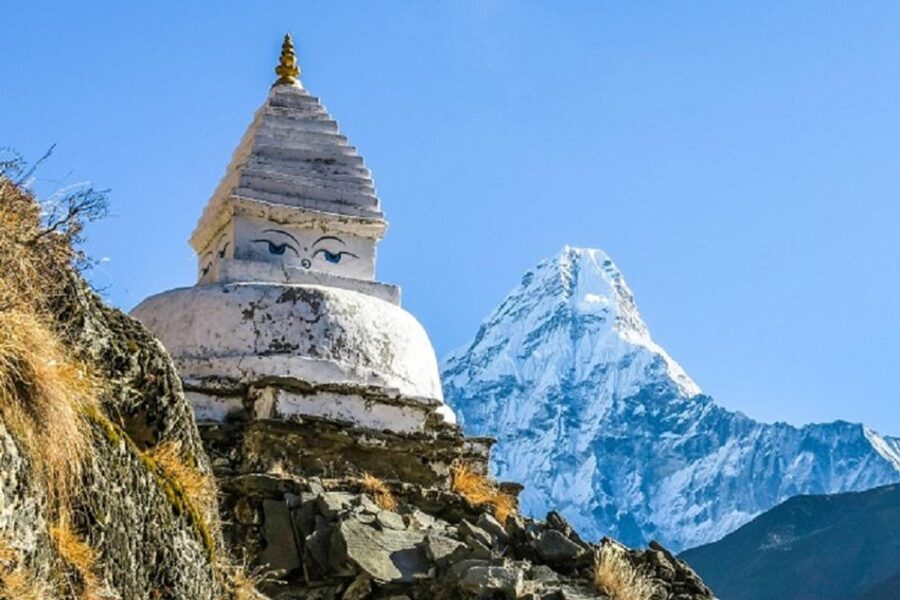
This day takes about 5 to 6 hours to Tengboche. You’ll reach Tengboche at 3,860m and visit Tengboche Monastery. Even if you’re not a “temple person,” this stop works. It breaks the physical grind with a quieter moment, and it puts you in the middle of Sherpa spiritual life.
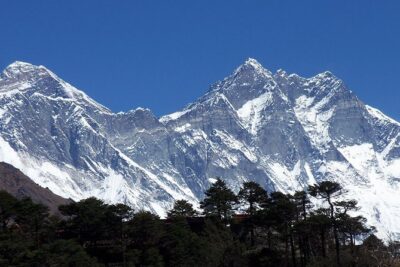
Tengboche is also famous because the views can be jaw-dropping when visibility is good, with iconic peaks in the background.
Watch-outs: you might feel restless after a couple of busy days. Use this day to rest your feet, not just your lungs.
Day 5: Tengboche to Dingboche, another ascent into higher oxygen scarcity (4,410m)
About 5 to 6 hours to Dingboche. The elevation jumps again, and the trail keeps asking for steady effort. Dingboche sits at 4,410m and functions like another acclimatization checkpoint.
Day 6: Dingboche to Lobuche, pushing toward the glacier zone (4,910m)
Another about 5 to 6 hours to Lobuche (4,910m). By now, you’re in the higher Khumbu stretches where the air feels thinner and the days can start to feel longer.
This part of the trek is often where motivation needs structure. Your guide helps with that by keeping your pace reasonable and checking in on how you’re feeling.
Day 6 (continuation) and Day 6 end: Lobuche to Gorak Shep, then Base Camp (5,140m and 5,364m)
Day 6 covers the jump to Gorak Shep (5,140m) and then continues to Everest Base Camp at 5,364m. Expect about 7 to 8 hours total for that big push, with an overnight back in Gorak Shep.
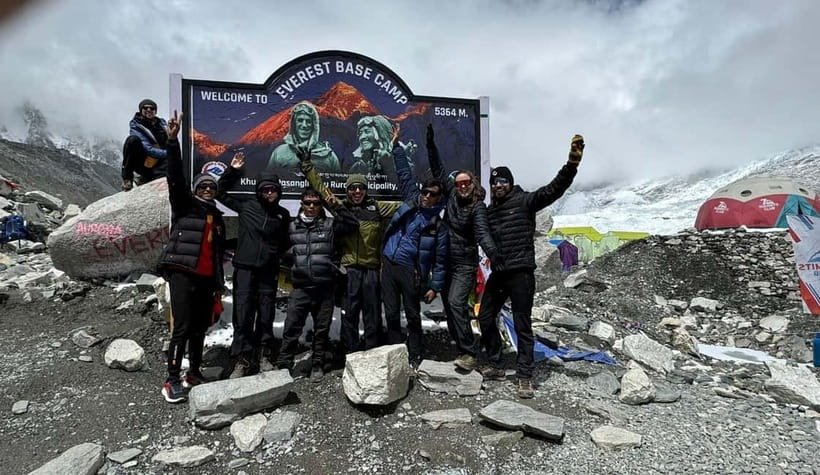
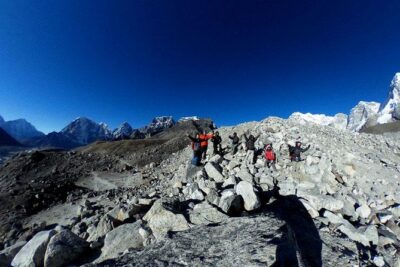
This is the day you’ve been building toward. You’ll follow the approach alongside the Khumbu Glacier and get the famous Khumbu Icefall visuals as you near Base Camp. Seeing it in person changes the way you think about glaciers. It looks alive and chaotic, even though it’s pure frozen ice work.
Possible drawback to plan for: Day 6 is long. If you tend to run hot or you’re slow to recover, that longer walking day can feel demanding.
Day 7: Kala Patthar sunrise, then down to Pheriche (5,545m then 4,371m)
You’ll hike to Kala Patthar early for sunrise, reaching 5,545m. This is typically one of the most memorable moments of the whole trek. After sunrise, you descend to Pheriche (about 7 to 8 hours).
Kala Patthar gives you a panorama view of Mount Everest when conditions cooperate. Even when clouds roll in, you’ll still learn something about mountain weather. You’ll also feel the benefit of descending after a high day.
Tip for the day: the early start is not just a tradition. It’s how you get the best chance at clear views.
Day 8: Pheriche to Namche Bazaar, the road back feels fast and long (about 6 to 7 hours)
About 6 to 7 hours to return to Namche Bazaar. This day can feel like a mix of relief and fatigue. You’ve already “done the hard part,” but you still have real descending and re-walking in the altitude zone.
Day 9: Namche to Lukla, then back to Kathmandu
About 6 to 7 hours to trek back to Lukla, followed by the flight to Kathmandu. Since your international flight can’t wait for weather, plan a buffer. One missed day in the Himalaya can ripple into your departure schedule.
Khumbu Icefall and the Base Camp approach, what you’ll actually notice
You’ll hear the phrase Khumbu Icefall tossed around like it’s just scenery. In real life, it’s a moving system of ice blocks and crevasses, seen through your own small scale as a trekker.
As you approach Everest Base Camp, the trail brings you alongside the Khumbu Glacier and toward those icefall views. You might not have the technical vocabulary, but your eyes get it fast. The terrain looks layered and fractured, like a giant frozen construction site.
At Everest Base Camp itself, you’re at an altitude where your breathing changes even if you’re not pushing your body hard. The moment is about standing in the place the mountain world orbits, but it also comes with a reality check. You’ll feel how thin the air gets at around 5,364m.
This trek is designed for physically fit travelers who can walk 4 to 5 hours a day even at altitude. If you meet that baseline, you’ll get more out of Base Camp. If you don’t, you’ll likely feel like you’re surviving rather than experiencing.
Kala Patthar sunrise, why early mornings matter
Kala Patthar is the kind of hike that makes people forget the alarm clock. You go early, you climb to 5,545m, and then you look out at the Everest panorama at a time of day when visibility often helps.
What I like about including Kala Patthar in a short EBC is that it turns the trip from a “reach Base Camp” checklist into a “make meaning from the altitude” experience. Sunrise also creates a different pacing for the day. You’re not just walking, you’re waiting for light, and that shifts your mind.
Reality check: sunrise isn’t guaranteed, because mountain weather isn’t a contract. But the early start gives you the best shot, and even a partially clear morning can still be unforgettable.
Food, lodges, and Sherpa hospitality you can count on
This is a guesthouse and trekking lodge trek, so your daily life is consistent: you’ll sleep in basic accommodations and eat included meals. The package includes breakfast, lunch, and dinner, with each meal listing one item included. Some seasonal fruit items are also part of the trekking.
That matters because with altitude trekking, your body needs fuel on schedule. When meals are included, you spend less time hunting and negotiating, and more time focusing on walking and recovery.
You’ll also spend time in Sherpa communities like Namche Bazaar and Tengboche. Sherpa hospitality is a major part of the reason this trek feels human. Even when the weather is cold, you’ll usually find warm, busy lodge energy and people who understand the rhythm of high-altitude trekking.
One more cultural note: there’s a special cultural show and farewell dinner program in Kathmandu. That’s a nice way to wrap the trip with a sense of place and community, rather than treating Nepal like a one-way ticket to altitude.
Pace and altitude, the real fitness test
The trek is designed for physically fit travelers. You should be able to walk 4 to 5 hours per day, even at high altitudes. That doesn’t mean you need to be a mountain athlete. It does mean you need steady legs and patience with breathing changes.
The schedule includes acclimatization days in Namche Bazaar and Dingboche, which helps you avoid the most common mistake people make on short treks: climbing faster than their bodies adapt. If you’re concerned about altitude, you can add 1 to 2 extra days for acclimatization in those areas. It’s a smart option if you know you run into trouble above 3,000m or you tend to feel nauseous or wiped out during climbs.
If you’re a beginner, you can still sometimes do it, but the data is clear that you may need extra time. In plain terms, don’t show up expecting a casual hike. This trek is built as a structured mountain challenge.
Gear help: what’s included, what you still must bring
The package includes key cold-weather and trek support items: a sleeping bag, down jacket, and a duffle bag. It also includes trekking poles if you need them returned after the trek.
That lowers the big pre-trip burden for travelers who don’t want to buy gear just for one mountain.
Still, you must bring the basics listed for the trek:
- Warm clothing
- Hiking shoes
- A jacket
- Gloves and socks
- Hiking pants
- Thermal clothing
If you’ve never layered for cold altitude before, practice at home with your real clothing. A good layering system is often the difference between enjoying the wind on a ridge and constantly fighting chills.
Also remember: drinks, bars, beverages, tea or coffee, and water are listed as not included. So even though meals are covered, you’ll want cash and a plan for staying hydrated and warm.
Price and value: what $681 buys you, and what to check
At $681 per person for 9 days, the value is mostly in three areas: planning support, on-trail logistics, and altitude safety basics.
Here’s what’s included that tends to matter on an EBC trek:
- Accommodation in standard guesthouses and trekking lodges
- All food during the trek (breakfast, lunch, dinner, each time one item) plus some seasonal fruit items
- A well-experienced trekking guide throughout the trek
- Permits and fees like Sagarmatha National Park entrance fee, Pasang Lhamu Rural Municipality Entrance fee, and TIMS
- Cold-weather gear help like a sleeping bag and down jacket
- A trip certificate, plus a t-shirt or cap
- Airport pickup and departure related to trekking trips
What you should double-check before you decide the price fits you:
- Hotel in Kathmandu before and after the trek is not included.
- Drinks, tea or coffee, and water are not included.
- Personal gear and items not listed in included are on you.
- Flights are a tricky line in the details. The information says Kathmandu to Lukla to Kathmandu flight is not included, but it also says the service can arrange the airplane or helicopter ticket upon your request. So you’ll want to confirm what your specific quote includes for the Lukla flights.
This trek can be a good value if you want less friction and more support. It may be a poor value for you if you already own most gear, don’t need guided logistics, and have strong flight flexibility. For most people, though, the included guide time and permit handling are the parts that actually prevent wasted days and stressed mornings.
Who should book this short EBC trek, and who should slow down
This is a strong fit for you if:
- You’re comfortable walking 4 to 5 hours a day and handling a steady climb.
- You want the iconic Everest Base Camp goal plus Kala Patthar sunrise.
- You like Sherpa culture and want the route to include Tengboche and monastery time.
It’s not for you if:
- You use a wheelchair.
- You’re over 95 years old.
- You’re traveling with a baby under 1 year.
If you’re a beginner, the data recommends adding days. The trek can be customized by adding 1 or 2 extra acclimatization days in Namche Bazaar and Dingboche. That’s often the difference between a painful trip and a memorable one.
Should you book Bold Himalaya’s short Everest Base Camp trek?
If you want a classic Everest Base Camp experience in 9 days, with the key cultural stop at Tengboche and the sunrise push at Kala Patthar, this style of trek is a practical choice. You also get a solid base of support, including permits, a guide, lodge stays, included meals, and helpful cold-weather gear.
I’d book it if you’re physically ready for steady walking and you’re okay building flexibility around Lukla flights. I wouldn’t book it if you need guaranteed perfect flight timing, dislike early mornings, or you already know altitude knocks you flat. In those cases, add acclimatization days, ask detailed questions about flight coverage, and plan extra buffer time in Kathmandu.
FAQ
What is the maximum altitude on this Everest Base Camp trek?
The trek reaches a maximum elevation of 5,364 meters at Everest Base Camp, and Kala Patthar reaches 5,545 meters during the sunrise hike.
How long is the trek and how much walking route is it?
The duration is 9 days, and the trek distance is approximately 130 kilometers round trip.
Is the Kathmandu to Lukla flight included in the price?
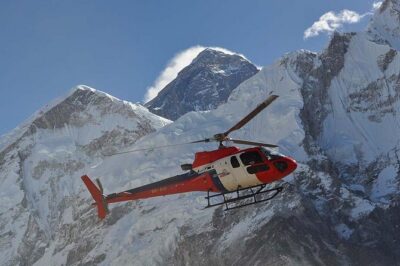
The information states that the Kathmandu to Lukla to Kathmandu flight is not included, but flights can be arranged by airplane (or helicopter) ticket upon your request. You should confirm what’s included in your specific quote.
What meals and drinks are included?
All meals during the trek are included, including breakfast, lunch, and dinner, with one item per meal included. Drinks, bars, beverages, tea or coffee, and water are listed as not included.
What trekking gear is included, and what should I bring myself?
Included gear includes a sleeping bag, down jacket, duffle bag, and trekking pole if you need to return after trekking. You still need to bring warm clothing, hiking shoes, a jacket, gloves, socks, hiking pants, and thermal clothing.
Are there languages available for the tour?
Yes. The live tour guide language options include English, Chinese, Korean, Russian, Traditional Chinese, and Japanese.
Lodge to Lodge Around Pheriche
The Rest of Our Pheriche Write Ups
Base Camp, Three More Ways
Everything else we have reviewed around Pheriche
- Everest Base Camp Trek: A short EBC Trek to Iconic Himalaya
★ 5.0 · 3 reviews
Everest Base Camp Treks worth a second look.
 ★ 5.0Everest Base Camp Trek – 14 DaysFrom $1,8001,499 reviews
 ★ 5.0Everest Base Camp TrekkingFrom $1,350485 reviews
 ★ 5.0Everest Base Camp Trekking – 13 DayFrom $1,399365 reviews
★ 5.0Everest Base Camp Trek -14 DaysFrom $1,420321 reviews
 ★ 5.0Everest Base Camp Trekking – 2025/2026From $1,339199 reviews
 ★ 5.0Everest Base Camp TrekFrom $1,408193 reviews
 ★ 5.0Everest Base Camp Trek with Helicopter Return from Gorakshep to LuklaFrom $3,000161 reviews
14-Days Private Everest Base Camp TrekFrom $1,600152 reviews
Lists this tour sits in