
REVIEW · POON HILL & GHOREPANI TREKS
Ghorepani Ghandruk Wellness Yoga Trek
Nepal yoga trekking feels like a reset. This 9-day route pairs daily yoga and meditation with major mountain-view moments in the Annapurna and Dhaulagiri regions, plus some real cultural sight time in Kathmandu.
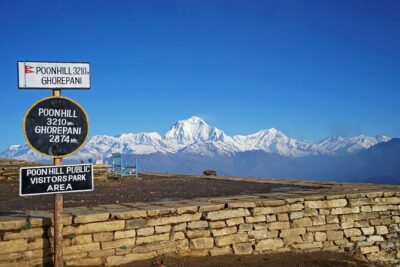
I like two things a lot: the way the schedule keeps yoga personalized through daily sessions, and how the early climb to Poon Hill (3210 m) is built around sunrise views of multiple peaks.
One possible drawback to think about up front is the pace. The trek includes a day that’s described as the hardest, and your mornings start early with prayer, stretching, sun salutations, and breathing work, which can feel like a lot if you’re not used to altitude routines.
In This Review
- Key things that make this trek worth a look
- Nepal yoga trekking: what the wellness part really means
- Value for your money: what’s actually included at $1,979
- Day 1 Kathmandu: quick orientation, then you settle in
- Day 2 Kathmandu UNESCO circuit: Durbar Square, Monkey Temple, Boudha, Pashupatinath
- Day 3 Pokhara: breathing exercises and a gentle launch
- Day 4 Ghorepani start: morning prayers, yoga, then the tougher push
- Day 5 Poon Hill sunrise at 3210 m: the view you came for
- Day 6 Ghandruk: prayers, rest, and village contact
- Day 7 back toward Pokhara: Jeep transport and a different pace
- Day 8 Kathmandu again: one more yoga day plus shopping time
- Day 9 departure: airport transfer and optional extra time
- What the included yoga and meditation adds to the trek
- Massage and natural hot springs: recovery built into the schedule
- Transportation and comfort: the logistics load is managed
- Who this trek is best for
- Pace and altitude reality check (without the panic)
- Practical tips before you go
- Should you book the Ghorepani Ghandruk Wellness Yoga Trek?
Key things that make this trek worth a look
- Yoga tailored to your needs, with a yoga expert running sessions daily
- Poon Hill sunrise hike at 3210 m, including wide mountain-peak views
- Trusted local guidance, since you travel with a local licensed guide throughout the trek
- Recovery tools included, including a Pokhara Ayurvedic massage and time for natural relaxation options
- Support that reduces logistics stress, with airport transfers, domestic flight, ground transport, trekking permits, and most meals handled
Shorter Ghorepani options worth weighing
Nepal yoga trekking: what the wellness part really means
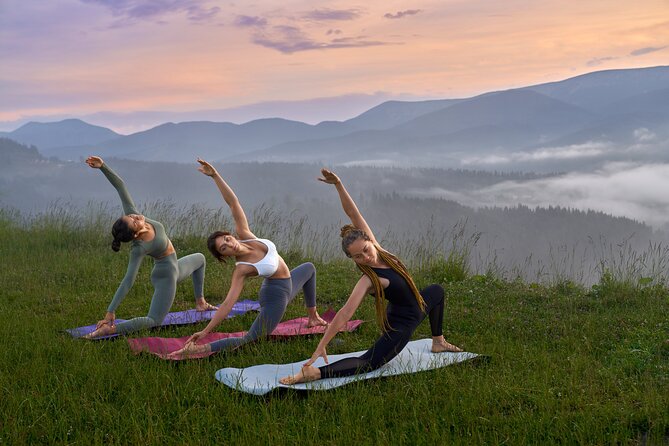
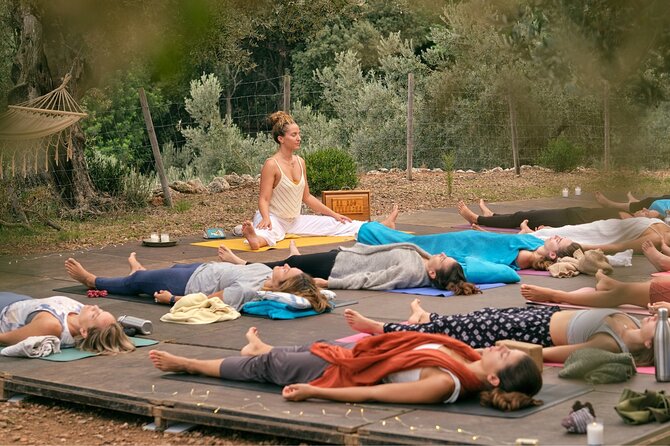
This isn’t a normal “trek and stretch later” kind of trip. The wellness focus is woven into the day, not tacked on as an extra. You start with yoga-style warmups and breathing, then you head out on foot with that same calm-in-your-body mindset.
What I like about this approach is that it can make the hiking feel less like punishment. Even if you’re not a yoga person, the format is practical: you do sun salutations, poses, pranayama, and a peace mantra as a routine. Over several days, it trains your breathing and helps you move more steadily when the trail starts to feel steep.
Value for your money: what’s actually included at $1,979
At $1,979 per person, this isn’t a budget weekend, and you should judge value by the “avoided hassle” as much as by the views. Here’s what you’re getting that would be annoying to piece together yourself:
- Flights and transport: one-way domestic flight to Pokhara plus ground transportation and airport pickup and drop-off
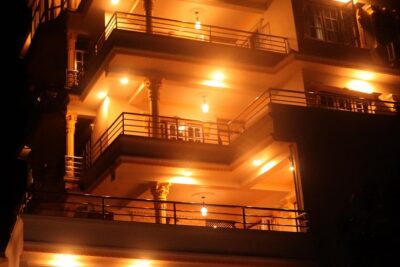
- Lodging: one night in Pokhara and two nights in a 4-star hotel in Kathmandu, with guesthouse-style stays along the trail
- Guides and gear basics: a yoga expert plus a local licensed guide, and yoga mats and a blanket (to be returned)
- Food support: trekking meals are covered (breakfast, lunch, dinner on trek days)
- Permits and admissions: trekking permits plus entry costs to sightseeing stops
- Altitude check tool: an oximeter for monitoring oxygen level during the experience
- Recovery extras: a Pokhara Ayurvedic Massage plus time built around relaxation
In plain terms: the money buys you a smooth machine. You spend less time figuring out schedules, tickets, permits, and day-to-day coordination, and more time on the two main reasons to come, the mountains and the wellness rhythm.
Day 1 Kathmandu: quick orientation, then you settle in
Your first day starts with pickup and the team guiding you to your hotel. Before you check in, you get a rundown of what’s coming next. It’s a small thing, but it matters, because Nepal travel feels easiest when you know what your next step is.
The trip also includes admission-free time and standard included coverage to keep your first day from turning into a scramble.
Day 2 Kathmandu UNESCO circuit: Durbar Square, Monkey Temple, Boudha, Pashupatinath
Day 2 is temple and square time, and it’s a smart move before you start climbing days.
You’ll visit Kathmandu Durbar Square, a UNESCO World Heritage site. This is the kind of place where stonework and old palace layouts help you understand why Kathmandu feels so spiritually dense.
Then it moves to Swayambhunath, also known as the Monkey Temple. You’re doing this not just for the stupa, but for the city views it gives you when you look out over Kathmandu.
Next up is Boudhanath Stupa, one of the biggest stupas in the world. Boudha has a devotional atmosphere that slows the pace in a good way.
Finally you end at Pashupatinath Temple, with views of traditional rituals. The day ends with last-minute shopping, which is helpful because you’ll want small essentials for the trek phase.
If you care about culture, this day gives you variety without feeling like you’re stuck in one neighborhood all day.
Rest days: other wellness bookings
Day 3 Pokhara: breathing exercises and a gentle launch
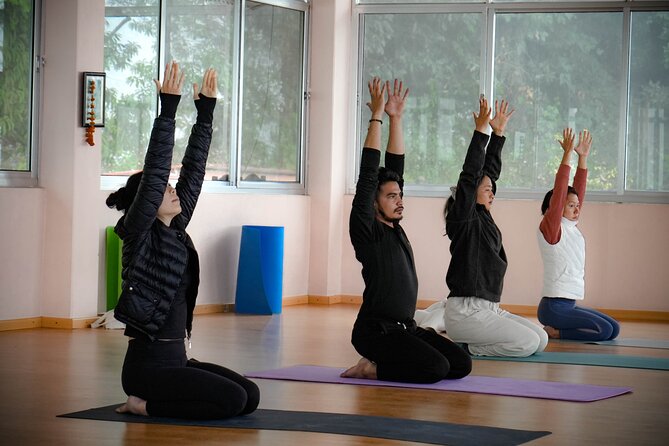
Day 3 shifts to Pokhara with a calmer schedule. It starts with stretching and breathing exercises, followed by sun salutations, then more breathing techniques to settle the mind.
This day acts like a transition between city walking and high-energy trekking days. It also helps your body adjust to a rhythm that repeats daily during the trek.
Admission is listed as free for this block, which is another way the trip keeps costs predictable during sightseeing phases.
Day 4 Ghorepani start: morning prayers, yoga, then the tougher push
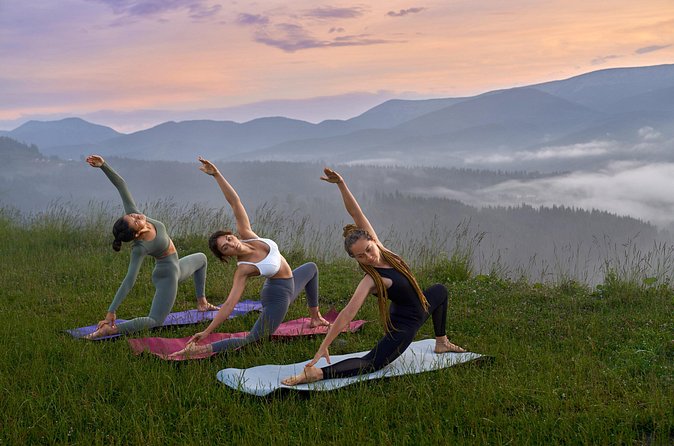
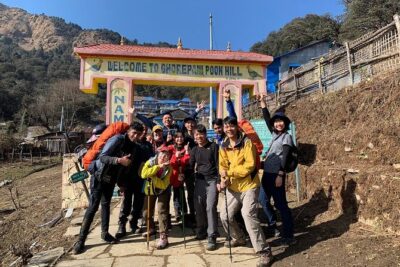
Ghorepani is where the trekking begins in earnest, and Day 4 is marked as likely the hardest day of the trek. That’s not a scare tactic, it’s a useful heads-up so you pace smartly and don’t show up overconfident.
You start with morning prayers, stretching, sun salutations, yoga poses, breathing exercises, and a peace mantra. This matters because it sets up how you’ll move later. When you’re breathing steadily, uphill feels less chaotic.
After breakfast, you start trekking. You’re on foot toward the Ghorepani side of the Annapurna region, where villages and tea house culture shape the experience.
Practical note: “hardest day” usually means steeper or longer effort, not that it’s impossible. Just plan to take breaks, sip water, and let the yoga routine help you slow your breathing.
Day 5 Poon Hill sunrise at 3210 m: the view you came for
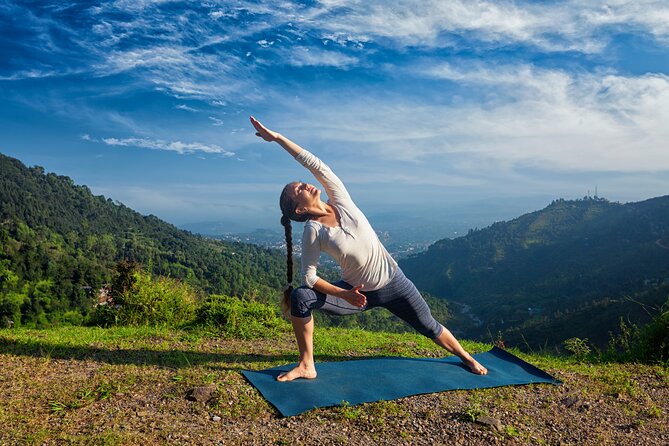
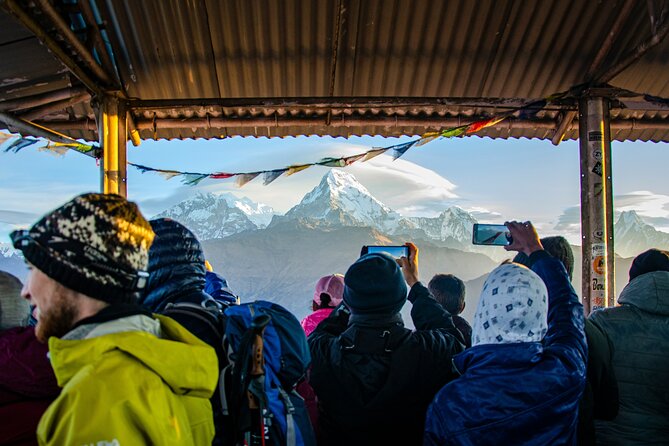
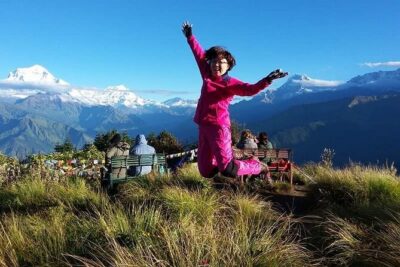
Day 5 is built around an early hike to Poon Hill, at 3210 meters. The hike is about an hour, which is great because it’s long enough to earn the view but not so long that it wipes you out before sunrise.
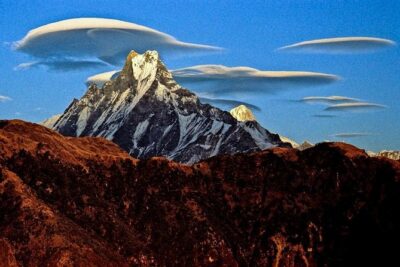
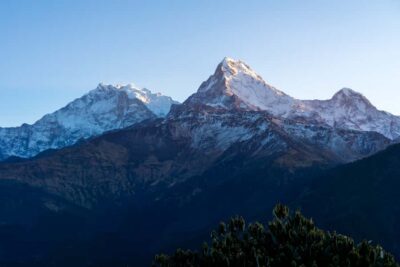
The payoff is described as sunrise plus views of 10 different mountain peaks. Even if you don’t catch every peak name in the haze, the key point is timing and direction: you’re up early so the mountains are visible at their best.
After the Poon Hill morning, you go back down to Ghorepani for a light mountain breakfast. Then the day continues with a trek to Tadapani, where you sleep at around 2700 meters.
This is a classic pattern that makes the trek feel structured: a big highlight early, then a calmer descent and village walking later.
Day 6 Ghandruk: prayers, rest, and village contact
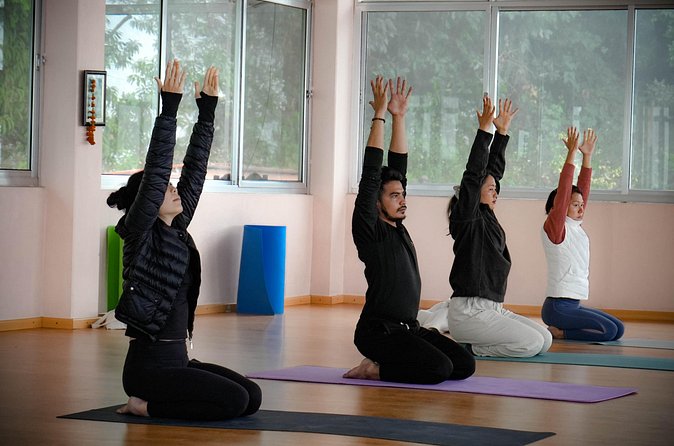
Day 6 keeps the wellness routine, starting again with prayers, stretching, sun salutations, yoga poses, breathing exercises, and the peace mantra. Then you arrive at Ghandruk, take a break to relax, and visit.
This day is valuable because it gives you a different kind of scenery and a stronger sense of local life. Ghandruk is also where the trek stops being only a physical challenge and starts feeling like a place you’re meeting.
I also like that you’re given a rest moment on arrival. Some trips treat arrival as just another checkpoint. Here, you’re encouraged to slow down.
Day 7 back toward Pokhara: Jeep transport and a different pace
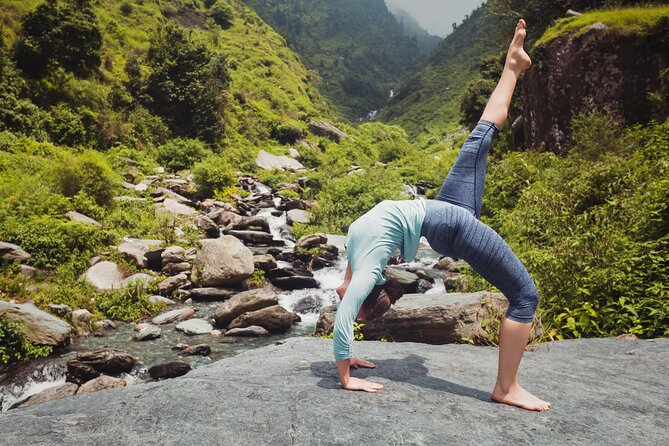
Day 7 turns from trail focus to transport focus. You start with the same morning yoga style routine, then ride by Jeep to Nayapul, followed by another Jeep ride to Pokhara.
This is actually a relief for many people. After days of stepping uphill and downhill, getting a ride portion helps you recover without losing the overall schedule.
Even with the transit, you’re not skipping the wellness morning, which is part of what makes the trip feel like a retreat rather than a standard hike.
Day 8 Kathmandu again: one more yoga day plus shopping time
Day 8 brings you back to Kathmandu. You start with a prayer, warm-up exercises, Suryanamaskar (sun salutation), Yogasana (yoga postures), Pranayama (breathing exercises), and conclude with Shanty Path (peace mantra).
Then you’re back out for the rest of the day, including last-minute shopping time. This is another practical touch, because you can use the final days to grab gifts, small clothing items, and trekking essentials you might have missed.
Day 9 departure: airport transfer and optional extra time
On your last day, an airport representative picks you up from your hotel and transfers you to Tribhuvan International Airport.
The experience also notes you may have an option for an extra activity if you have spare time, like a monastery retreat. That’s the kind of add-on that can fit if you want to extend the calm after the trek.
What the included yoga and meditation adds to the trek
Yoga on a trek can be either a gimmick or a real tool. Here it’s structured like a daily practice, not random classes.
The daily sequence you’re given includes:
- stretching and poses
- sun salutations
- breathing techniques (pranayama)
- a peace mantra (and prayer elements)
That consistency matters when you’re moving at altitude. You’re teaching your body to respond to effort with steadier breathing and more patient movement. Over several days, it can reduce the feeling of being out of control.
Also, because sessions are said to be personalized to your needs, you’re not stuck doing a one-size-fits-all class. Even if you scale poses, you still get the breathing focus.
Massage and natural hot springs: recovery built into the schedule
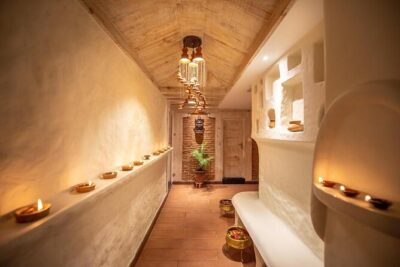
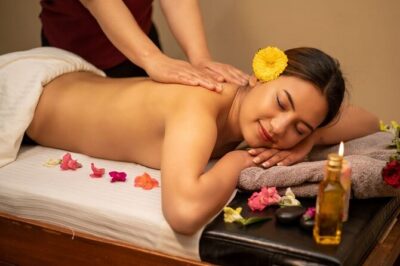
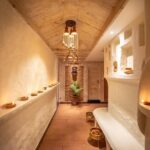
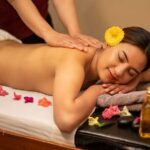
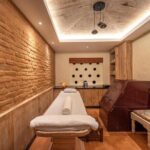
The trip is designed around Ayurvedic massage and natural hot springs. At minimum, you’re told the Pokhara massage is included, and that’s a big deal after hiking days.
If you’ve ever tried to “recover later” after a trek, you know how that goes. Your legs stiffen, your sleep gets weird, and then the next day feels harder. A massage and hot-style relaxation time helps you bounce back sooner and enjoy the following hiking or transit day.
Transportation and comfort: the logistics load is managed
One reason people like organized trekking trips is reduced uncertainty. This one is set up with:
- airport pickup and drop-off
- domestic flight to Pokhara
- ground transportation matched to your route
- trekking permits handled
- standard meals during trek days
You also get a duffle bag, sun cap, T-shirt, and an oximeter for checking oxygen level. That’s not just “free stuff.” It’s a signal that they expect altitude needs and want you equipped without last-minute scrambling.
You’ll be staying in a mix of hotels and guesthouses, with “cozy accommodations” mentioned along the trail. That’s what you want in this region, simple, functional places where you can sleep and refuel.
Who this trek is best for
This experience is labeled as suitable for most travelers, but it also notes it is not recommended for certain dietary needs.
So I’d target it if you:
- want mountain views plus daily wellness
- like guided structure rather than DIY logistics
- enjoy early mornings and can handle a tough day on the trail
- want a cultural component in Kathmandu without missing the hiking core
It’s also set up as a private tour where only your group participates. If you prefer your pace and privacy, that matters.
Pace and altitude reality check (without the panic)
You do sleep at higher elevations during the trek phase, including Tadapani around 2700 meters and the Poon Hill climb to 3210 meters. That means you should respect the rhythm your guide sets and let the routine help you breathe easier.
The tour includes an oximeter to check oxygen level, which can give you extra awareness. But still, you should take it slow on steep sections and avoid treating the hardest day like a race.
If you’re the type who needs firm control over every minute, early yoga mornings and sunrise climbing might feel strict. If you like structure and want your days to follow a clear plan, you’ll probably love it.
Practical tips before you go
I can’t tell you what to pack, but I can tell you what usually matters most on this kind of schedule:
- Plan for early mornings. Sunrise-style hiking means you’ll be up before you feel fully awake.
- Dress for layered weather. Mountain temperatures can swing, even when the sun later feels warm.
- If you’re sensitive to altitude, take the “hardest day” seriously and pace yourself.
- Bring comfortable trekking footwear and expect some uneven trail time between villages.
Most importantly, use the yoga routine as a breathing guide, not a performance. It’s there to help you move steadily.
Should you book the Ghorepani Ghandruk Wellness Yoga Trek?
Book it if you want your trek to feel like a planned wellness retreat with real mountains at the center. The combination of daily yoga, sunrise-focused Poon Hill views, cultural Kathmandu stops, and recovery time like massage makes this a strong choice for people who want both the challenge and the calm.
Skip it or ask tougher questions if you know you have dietary restrictions that don’t match what’s supported. Also, if early mornings and the described hardest trekking day will stress you out, you might feel happier with a gentler route.
If you want a trek where the logistics are handled and the schedule supports your body, this one is a solid fit.
The Rest of Our Kathmandu Write Ups





A Slower Day in Nepal

Ghorepani and the Poon Hill Ridge
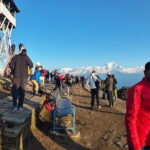
Everything else we have reviewed around Kathmandu
- 12 Days Everest Base Camp Trekking
★ 5.0 · 3 reviews - 1 Night 2 Days Chitwan Jungle Safari Tour from Pokhara or Kathmandu
★ 3.0 · 3 reviews - Thamel Rickshaw tour
★ 4.7 · 3 reviews - Kathmandu: Momo Making Class with a Local Chef
★ 5.0 · 3 reviews - Kathmandu: Full-Day Yoga, Body Massage and Pedicure Package
★ 5.0 · 3 reviews - From Kathmandu / Pokhara / Chitwan: River Rafting – 1 Day
★ 4.6 · 3 reviews
Poon Hill & Ghorepani Treks worth a second look.
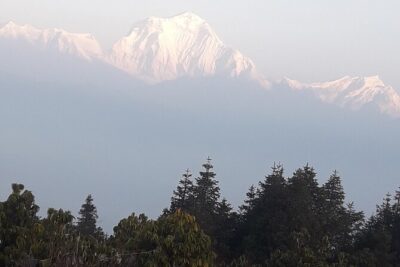 ★ 5.0Poon hill Trek 3 daysFrom $230176 reviews
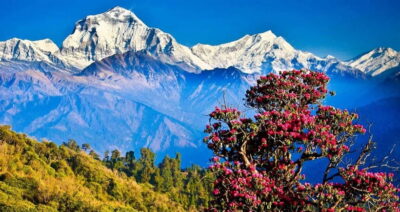 ★ 5.04-Day Ghorepani, Poonhill & Ghandruk Mountain TrekFrom $181132 reviews
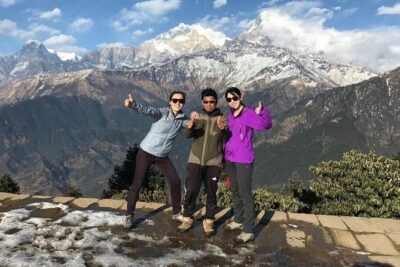 ★ 5.0Ghorepani – Poon Hill Trek 3N-4DFrom $321125 reviews
 ★ 5.04 Days Poon Hill TrekFrom $40594 reviews
 ★ 5.0Ghorepani(Poonhill Trek)From $60081 reviews
 ★ 5.04-day Poon Hill TrekFrom $40074 reviews
 ★ 4.93-Day Ghorepani Poon Hill Trek with GuideFrom $16268 reviews
 ★ 5.0Ghorepani Poon Hill TrekFrom $39961 reviews