
REVIEW · KATHMANDU UNESCO HERITAGE TOURS
Kathmandu 4-Heritage Sites Tour
Kathmandu can feel like a thousand stories at once. This 4 UNESCO World Heritage sites tour strings them together fast, with the Living Goddess Kumari at Kathmandu Durbar Square, big stupa energy at Swayambhunath and Boudhanath, and a moving visit to Pashupatinath on the Bagmati River. I especially like the way the day mixes Newar-world architecture with spiritual landmarks, and you also get panoramic city views from Swayambhunath.
The main drawback is not the route, it is the guide. One review I read flagged that the experience can depend a lot on how your guide explains what you are seeing, so come prepared to ask questions and set expectations.
In This Review
- Key things to know before you go
- A focused 6-hour circuit of Kathmandu’s four UNESCO sites
- Kathmandu Durbar Square and the Kumari Ghar
- Swayambhunath Temple, Monkey Temple energy, and valley views
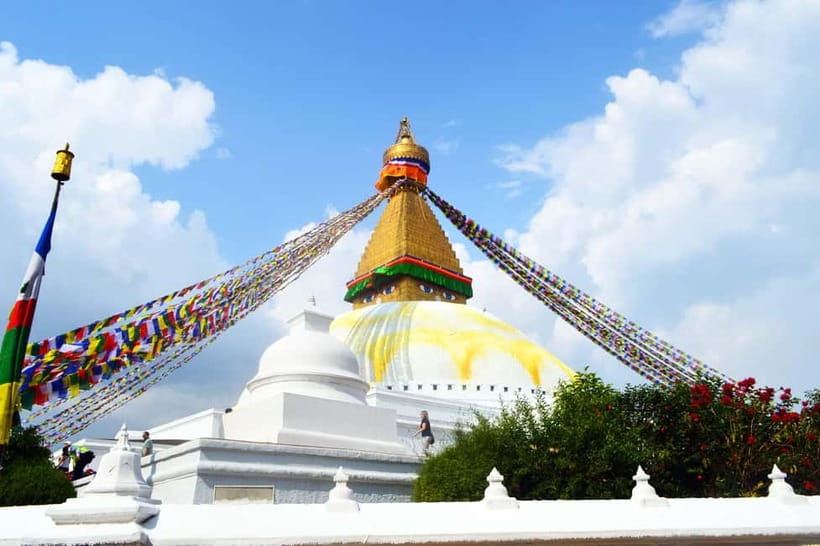
- Boudhanath Stupa: prayer flags, calm moments, and respectful viewing
- Pashupatinath Temple and Bagmati River cremation rituals
- Price and value for a first-time Kathmandu day
- Logistics that actually matter: pickup, timing, and what to bring
- Guide quality can make or break the day
- Who this tour fits best (and who should skip it)
- Should you book the Kathmandu 4-Heritage Sites Tour?
- FAQ
- How long is the Kathmandu 4-Heritage Sites Tour?
- Where does the pickup happen, and where do I get dropped off?
- Is this tour private or shared?
- What is included in the price?
- Are meals included?
- Are entrance fees included for monuments?
- Is the tour suitable for wheelchair users or people with mobility impairments?
Key things to know before you go
- Private, air-conditioned transport for a smooth, stop-to-stop day, with hotel pickup and drop in Thamel or Kathmandu
- Four UNESCO World Heritage stops in about 6 hours, so it is efficient for first-timers
- Living Goddess Kumari in Kathmandu Durbar Square, a rare cultural moment you cannot really recreate on your own
- Swayambhunath viewpoints plus shrine time, useful if you want city views without spending a full day hiking
- Boudhanath for calm between busier sites, with plenty of prayer flags and stupa atmosphere
- Pashupatinath rituals on the Bagmati River, a powerful Hindu setting that asks for respectful attention
Other seven site heritage runs
A focused 6-hour circuit of Kathmandu’s four UNESCO sites
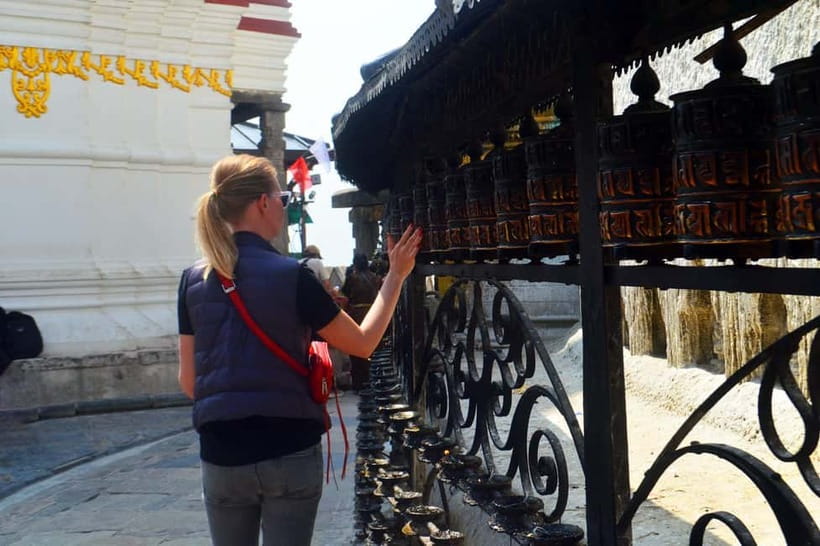
If you have limited time in Kathmandu, this tour is built for getting your bearings quickly. You are not just ticking boxes, you are moving through places that explain how Kathmandu’s spiritual life and historic power centers evolved, from the old palace grounds to the major Hindu and Buddhist landmarks.
The pacing is the big value. At $3.94 per person (as listed), it is hard to ignore the practicality of combining multiple UNESCO sites into one guided run, with a private vehicle and bottled water included. Even if you care mostly about photos, you will likely appreciate that someone handles the logistics so you can focus on people, buildings, and stories.
You also get a private group format, which matters in a city where wandering without context can turn into stop-and-start confusion. Here, the day is guided and timed tightly, so you spend your energy on the sites instead of negotiating your way across town.
One more consideration: this is a 6-hour outing, and it is not suitable for wheelchair users or people with mobility impairments. That is not about comfort only, it is about whether you can handle walking and time outdoors at sacred sites.
Kathmandu Durbar Square and the Kumari Ghar
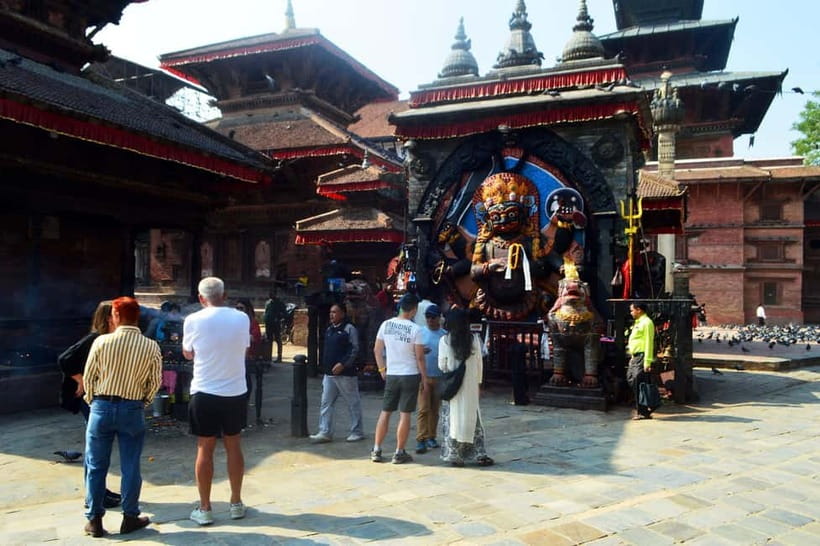
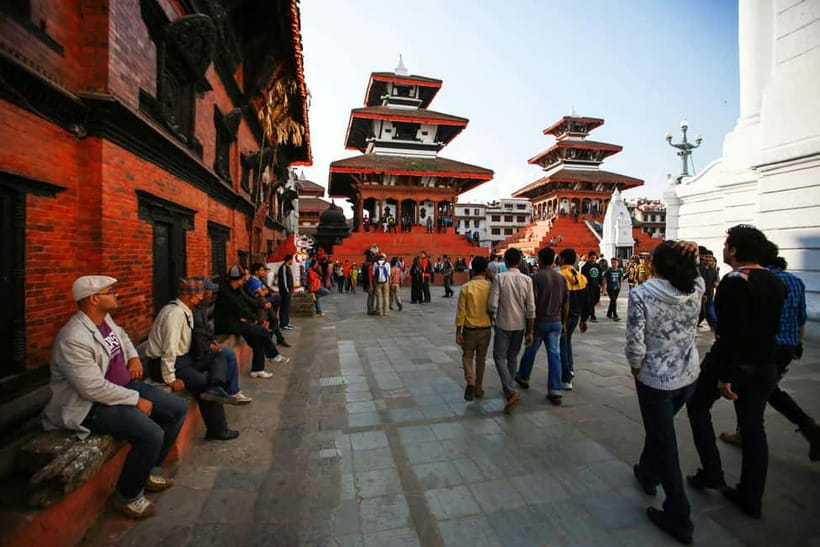
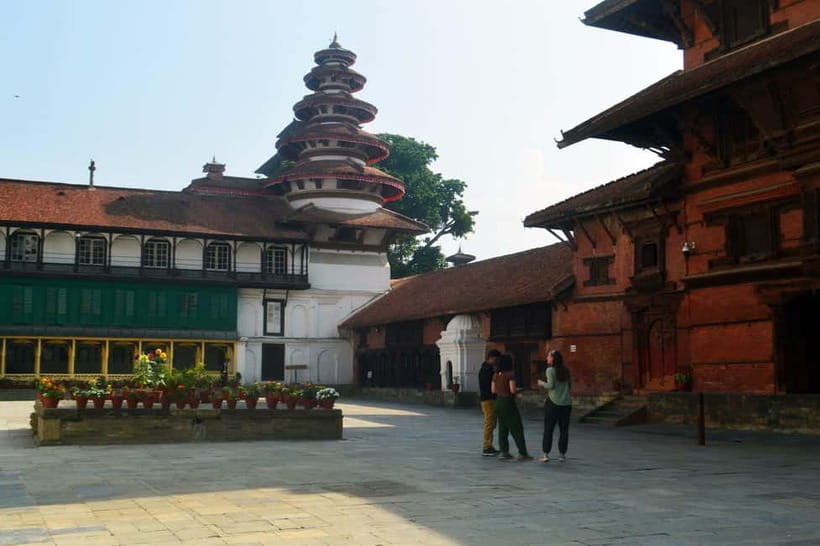
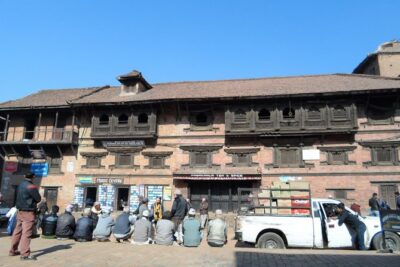
Your day starts at Kathmandu Durbar Square, where the old power center of Kathmandu sits in layers. You get a guided visit for about an hour, which is a smart chunk of time because palace courtyards and temples reward you for slowing down just a little.
This is also where the Kumari Ghar comes into the story. The tour includes a rare opportunity to witness the revered Living Goddess Kumari, a living tradition that is both cultural and deeply spiritual. If you have only seen statues and portraits, seeing the living aspect is a different experience entirely, and it is one of the reasons this stop feels more than just scenic sightseeing.
What I like about Durbar Square is the way it connects art and everyday space. You are not in a museum room, you are in a place people associate with history, authority, and ceremony. A good guide helps you look past the obvious photo angles and notice how the layout and architecture reflect the city’s older Newar civilization.
The main thing to watch for is attention. Sacred cultural moments can feel quick if your guide rushes or if you have your camera out nonstop. Give the moment a minute of quiet, then shoot. That order usually makes the photos better, and it is more respectful in a space like this.
Swayambhunath Temple, Monkey Temple energy, and valley views
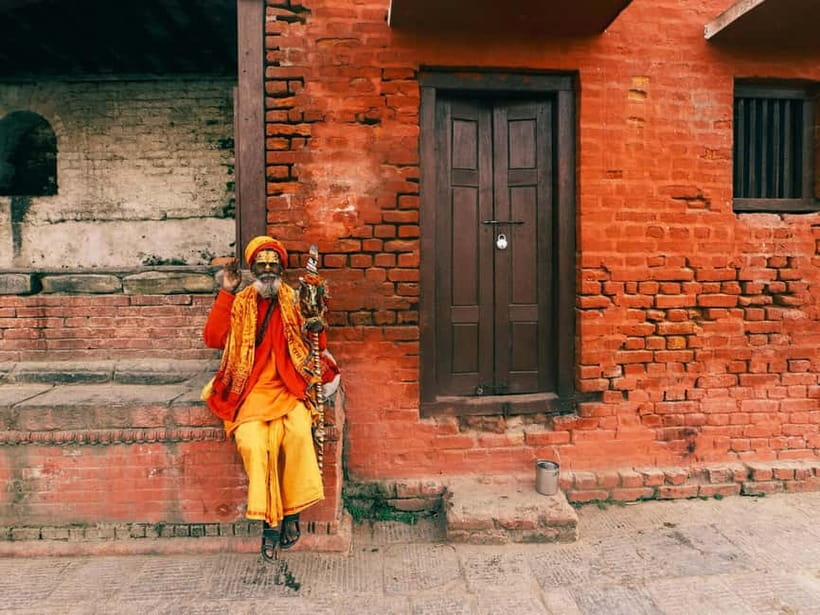
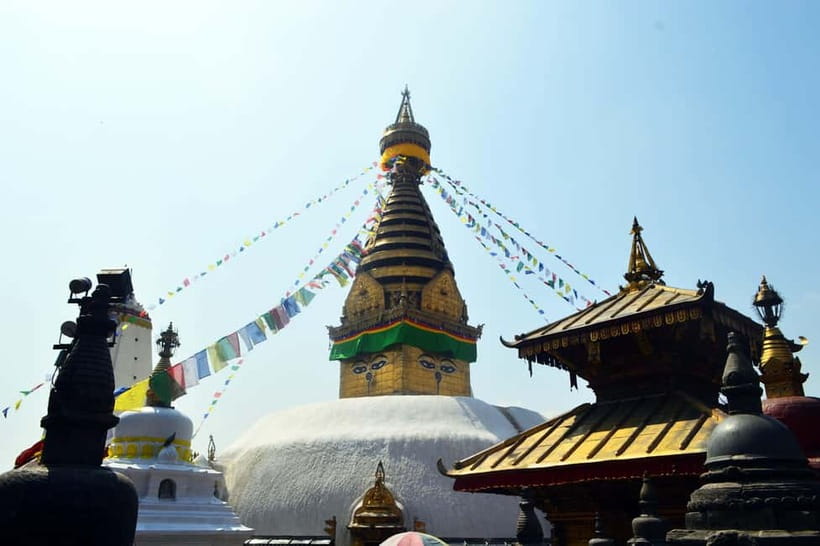
Next up is Swayambhunath, often called the Monkey Temple. Your guided time here is about an hour, and that hour is a good balance between shrine viewing and taking in the views.
What stands out is the combination of spiritual architecture and panoramic city context. Swayambhunath is not only about temples and shrines, it is also about the perspective you get over Kathmandu Valley. If you are trying to understand why people build religious sites in certain high spots, this stop answers that quickly.
And yes, you will notice monkeys. Even if you are not hunting for wildlife, the presence of monkeys is part of the everyday rhythm of the place, and it helps Swayambhunath feel alive rather than staged. Just keep your focus on safety and respect, meaning keep distance and avoid sudden moves near animals.
A solid guide makes a difference here too. In a spiritual setting, the details behind what you are seeing can turn a pretty stupa into something meaningful. One thing to do: if you have questions, ask early. If your guide feels slightly off, as one review suggested, you will still be able to steer the day by requesting key explanations as you go.
Boudhanath Stupa: prayer flags, calm moments, and respectful viewing
After the viewpoint intensity, the tour shifts to a more contemplative rhythm at Boudhanath Stupa. You get guided time for about an hour, and the atmosphere is explicitly described as a serene interlude.
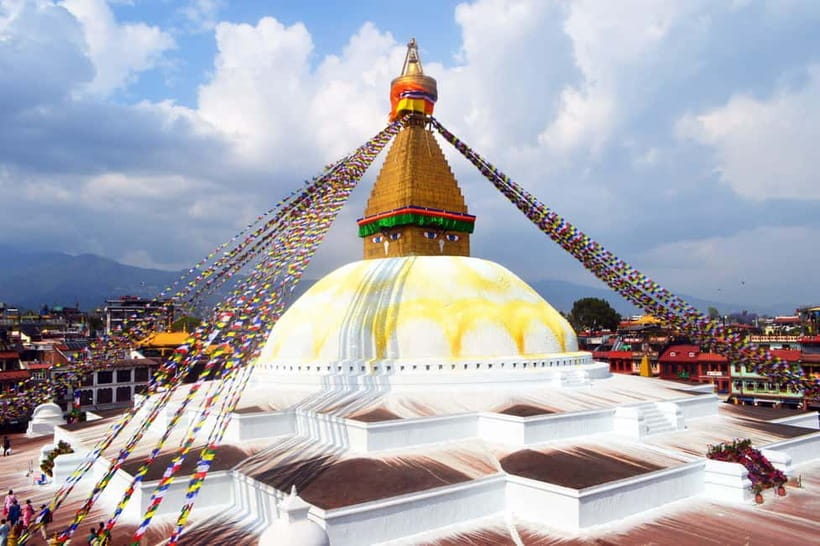
Boudhanath is famous for its monumental presence, and the tour also highlights prayer flags and stupas. That means the site hits both visual and spiritual notes: bold stupa form, lots of color in the surrounding religious textiles, and the steady feeling that people come here to slow down.
I like that this stop is placed in the middle of the day. It prevents the itinerary from turning into a pure sprint of stone and stairs. Think of it as your mental reset before you head to Pashupatinath, where the experience can feel heavier and more emotionally intense.
What you should do in Boudhanath is simple: stand, look up, then look around. The stupa draws your eyes upward, and the prayer flags remind you that this is not a photo backdrop. It is a living religious environment, so act like it matters even if you are only there for an hour.
More old stones and living temples
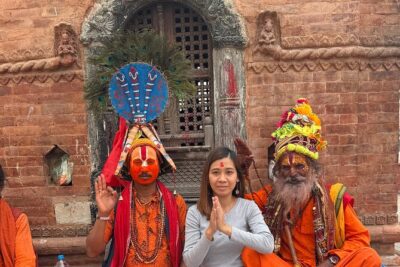
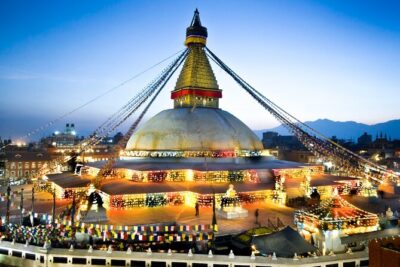
Pashupatinath Temple and Bagmati River cremation rituals
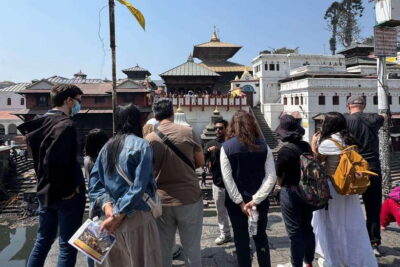
The day ends with Pashupatinath Temple and the sacred Hindu rituals along the Bagmati River. The guided visit is about an hour, and it is described as a deep spiritual experience, including cremation rituals.
This is the stop that usually sticks with people after the tour. It is also the most emotionally and culturally sensitive. A guide helps you understand what you are seeing so you do not treat it like a spectacle.
From a practical point of view, plan to slow your pace here. Your camera can wait. Watch first, then photograph only if your guide indicates it is appropriate in the moment. If you are uncomfortable with the reality of cremation rituals, you can still take in the temple setting from a respectful distance, but do it deliberately rather than rushing through.
This stop also gives you contrast. Earlier you get the stupa symbolism and panoramic viewpoints, then you arrive at a living Hindu sanctuary tied to the river and the cycle of life. It is powerful because it is not an abstract “history” stop. It is a place where religion is happening in real time.
Price and value for a first-time Kathmandu day
Let’s talk money without pretending it is everything. The tour is listed at $3.94 per person, which is unusually low for a private, air-conditioned vehicle plus a live English-speaking guide and four UNESCO site visits in one day.
At that price point, the value is not only convenience. It is also time. Kathmandu traffic and navigation can eat your day quickly, especially if you are trying to do Durbar Square, Swayambhunath, Boudhanath, and Pashupatinath in sequence on your own. This tour bundles them into a single guided route, so you are less likely to waste hours between sites.
The other value factor is what you may miss without a guide. The Kumari tradition, the spiritual meaning of stupa areas, and the context for Pashupatinath rituals are all easier when someone explains them. At the same time, the one review that criticized guide quality is a reminder: you still need to choose a guide experience wisely.
So think of the price as a trade-off. It is great if your guide is engaged and responsive. If you get a guide who seems less focused, you can still get the sites, but the day may feel like mostly visual sightseeing instead of understanding-based travel.
Logistics that actually matter: pickup, timing, and what to bring
This is a hotel pickup and drop tour. Your pickup options include Thamel in Kathmandu, and your drop-offs include Kathmandu and Thamel. You are told to be ready about five minutes before pickup time in your lobby or at your apartment entrance.
The day is designed as a straight run: morning pickup, about an hour at each main site, and then return transfer to your accommodation. With only 6 hours total, you do not want to be stuck buying snacks, running to an ATM, or figuring out what bag you brought.
Bring what the tour asks for: passport, camera, cash, and a daypack. The passport matters because you are in Nepal and tours sometimes need it for identity and security checks. Cash is useful because monuments and small expenses can come up even if meals are not included.
Two more practical notes:
1) Expect crowds in the most popular sites, especially Durbar Square and the stupa areas.
2) If you have mobility limitations, take the not suitable for wheelchair users note seriously. That is a signal that the day involves more physical movement than a fully accessible sightseeing plan would.
Guide quality can make or break the day
I cannot pretend guidance is irrelevant. One of the reviews you provided praises the places and their interesting background but points out that the experience depends heavily on the guide. That lines up with what you should watch for in any UNESCO-heavy day in Kathmandu.
Here is how you can protect yourself:
- Ask one clear question at the first stop, something like what you want visitors to notice in Durbar Square. If your guide answers well, you can relax and let them drive.
- If your guide feels reserved or not fully engaged, stay proactive. Request a bit more context before you move to the next site.
- Use the private format to your advantage. You are not stuck with a one-size-fits-all pace.
Also, remember that a spiritual site is not like a timed museum. A good guide will manage the flow respectfully, keep you informed, and help you avoid the common mistakes like treating sacred ritual areas like casual photo zones.
If your guide is on point, this tour becomes more than a checklist. If they are not, you can still enjoy the beauty of Kathmandu’s UNESCO landmarks, but you will likely wish you had understood more along the way.
Who this tour fits best (and who should skip it)
This is a great fit if you are:
- In Kathmandu for a short stay and want four UNESCO sites in one day
- Interested in both Buddhist and Hindu sacred spaces, not just one tradition
- The kind of traveler who likes context, meaning you want the meaning behind Kumari, stupas, and Bagmati River rituals
It may be a poor fit if you:
- Need wheelchair access or have mobility constraints. The tour is not suitable for wheelchair users.
- Want a relaxed pace with long breaks and no guiding structure. This is a timed 6-hour circuit.
Should you book the Kathmandu 4-Heritage Sites Tour?
I would book it if you want a high-impact Kathmandu day and you are comfortable with a mix of spectacular architecture and serious sacred ritual space. The big wins are straightforward: Kumari Ghar, panoramic views from Swayambhunath, calm time at Boudhanath, and the profound Pashupatinath experience by the Bagmati River.
The only real reason not to book is if you know you will be unhappy with a guide-dependent day. In other words, if you are the type who needs deep explanations to enjoy sites, you should go in ready to ask questions right away and set your expectations early.
If you want an efficient first pass through Kathmandu’s most important UNESCO landmarks, this tour delivers real value, especially given the included private vehicle, live English guidance, bottled water, and hotel pickup and drop.
FAQ
How long is the Kathmandu 4-Heritage Sites Tour?
The tour duration is 6 hours.
Where does the pickup happen, and where do I get dropped off?
Pickup is available from Thamel in Kathmandu. Drop-off is available in Kathmandu and Thamel.
Is this tour private or shared?
It is listed as a private group.
What is included in the price?
Included are hotel pick up and drop, a private air-conditioned vehicle, an experienced tour guide, bottled drinking water, and the 4 UNESCO World Heritage sites tour.
Are meals included?
No, meals are not included.
Are entrance fees included for monuments?
No. Monument entrance fees are not included, and an add-on may be available.
Is the tour suitable for wheelchair users or people with mobility impairments?
No. It is not suitable for people with mobility impairments or wheelchair users.
Everything Bookable Around Kathmandu
The Rest of Our Kathmandu Write Ups

Seven Sites, Other Routes
Everything else we have reviewed around Kathmandu
- 12 Days Everest Base Camp Trekking
★ 5.0 · 3 reviews - 1 Night 2 Days Chitwan Jungle Safari Tour from Pokhara or Kathmandu
★ 3.0 · 3 reviews - Thamel Rickshaw tour
★ 4.7 · 3 reviews - Kathmandu: Momo Making Class with a Local Chef
★ 5.0 · 3 reviews - Kathmandu: Full-Day Yoga, Body Massage and Pedicure Package
★ 5.0 · 3 reviews - From Kathmandu / Pokhara / Chitwan: River Rafting – 1 Day
★ 4.6 · 3 reviews
Kathmandu UNESCO Heritage Tours worth a second look.
 ★ 5.0Full Day 7 UNESCO Tour with Lunch – Private/GroupFrom $10415 reviews
 ★ 5.0Full Day Top 4 UNESCO Tour with Lunch – Private/GroupFrom $10269 reviews
 ★ 5.0UNESCO Seven World Heritage Tour in KathmanduFrom $180253 reviews
★ 4.9Full-Day 7 UNESCO Tour with Lunch – Private/GroupFrom $5247 reviews
 ★ 4.97 UNESCO Sites Tour in 1 Day (Private Tour)From $4204 reviews
 ★ 4.9Top 4 UNESCO Tour with Lunch – Private/GroupFrom $5181 reviews
 ★ 5.0Bhaktapur & Patan Durbar Square Day ToursFrom $50122 reviews
 ★ 5.0Kathmandu Private Sightseeing Tour | UNESCO World Heritage SitesFrom $35109 reviews
Lists this tour sits in