
REVIEW · KATHMANDU UNESCO HERITAGE TOURS
Kathmandu Bhaktapur Patan Authentic Local Tour +7 UNESCO WH Sites
Seven UNESCO stops, and real local food.
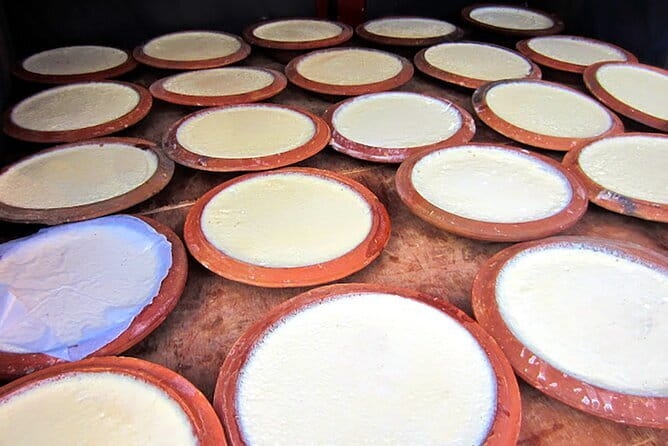
That mix is why I like this 3-day Kathmandu Valley tour: you’re not just ticking temples. You get a Juju Dhau preparation session in Bhaktapur, plus craft and religious art visits across Kathmandu, Bhaktapur, and Patan, with a professionally certified local leader.
Two things I especially value. First, the guide support, including local experts like Nirajan (noted in past departures as originally from Bhaktapur), who can explain what you’re seeing in plain language. Second, the hands-on moments, like pottery time in Bhaktapur and the religious idol hand-carving focus in Patan, which make the UNESCO sights feel connected to daily life.
One consideration: food is not included, and the schedule is packed with multiple stops and temple squares per day, so you’ll want to plan for breaks and smart snacks.
In This Review
- Key things I’d highlight before you go
- What makes this tour feel local, not like a checklist
- Day 1 in Bhaktapur: Juju Dhau, Siddha Pokhari, and Pottery Square
- Bhaktapur temple hopping, plus optional local food time
- Day 2 in Patan: Patan Dhoka, Golden Temple, and Durbar Square
- Patan after the main square: Golden Fountain, Mahaboudha, and old-town crafts
- Day 3 in Kathmandu: Durbar Square, Swayambhunath, Bouddhanath, Pashupatinath
- The Thamel and Jhamsikhel nightlife add-on at the end
- Price and value, what $385 actually buys you
- Logistics that matter in real life
- Who should book this, and who might want a different plan
- Should you book this Kathmandu, Bhaktapur, Patan UNESCO tour?
- FAQ
- What time does the tour start?
- Is transportation included?
- Are UNESCO site entrance fees included?
- Is food included?
- Is the Thamel and nightlife part included?
- What is the cancellation window?
Key things I’d highlight before you go
- Juju Dhau making session in Bhaktapur so you see a famous Newari dish being prepared, not just eaten
- Siddha Pokhari and Pottery Square stops that keep you near Bhaktapur Durbar Square while adding local craft context
- Patan’s monasteries and courtyards including the Golden Temple (Hiranya Varna Mahavihar), Nagbahal Hiti, and more
- Hands-on religious art focus such as the idol hand-carving session in Patan plus Shilpakar woodwork in old-town alleys
- Kathmandu Valley UNESCO coverage in 3 days built around the full set of seven World Heritage sites in the region
- Thamel after the formal tour with an escorted VIP line option for nightlife choices later (not included)
Other seven site heritage runs

What makes this tour feel local, not like a checklist
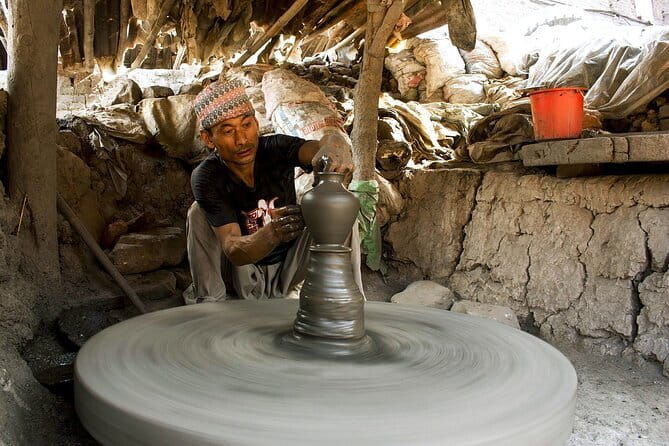
This is a Kathmandu Valley tour built around three ancient cities that still run on traditional rhythms. Kathmandu, Bhaktapur, and Patan are close enough to connect, but different enough that you can feel the change in architecture, street life, and religious practice from one day to the next.
What makes it work for real people is the balance. Yes, you get the major UNESCO sites. But you also get the quieter, slower pieces that often get skipped, like learning how Juju Dhau gets made in Bhaktapur and spending time with craft traditions in pottery areas and old workshop alleys.
I also like that it’s guided by a professionally certified local tour leader. In at least one departure, the tour leader is highlighted as Nirajan, from Bhaktapur, and that kind of local grounding matters. It changes the way you understand what you see, especially in places where temple details and old pathways can feel confusing without context.
Day 1 in Bhaktapur: Juju Dhau, Siddha Pokhari, and Pottery Square
Your day starts with Bhaktapur, and the first stop is a live Juju Dhau preparation session. Juju Dhau is one of those dishes that becomes a souvenir in your head, so having a real making session early helps it click. You’re not just hearing about it later, you’re watching the process as part of the tour flow.
After that, you head to Siddha Pokhari, a historic pond right by Bhaktapur Durbar Square. The tour framing here is smart, because it gets you into Bhaktapur’s sacred geography before the big square. Even if ponds and temple ponds sound similar, this one has a long local belief attached to it, and your guide can connect it to the surrounding religious layout.
Then comes Pottery Square. The tour walks you toward Pottery Square via Barahi Agam Ghar, and you spend time in the middle of active craft work. This is where you start to see how old-world towns keep producing the things visitors want, while also feeding the locals who need daily use objects and art.
Next, you visit Bhaktapur Durbar Square, which is one of the region’s major UNESCO highlights. It’s the kind of place where a quick look can feel like “more temples.” With a good guide, you get a clearer sense of the palace area and the sacred importance behind the stonework and clustered shrines.
Bhaktapur temple hopping, plus optional local food time
After the Durbar Square block, you move through additional Bhaktapur temple areas, including Chandeshori Temple in the Tibukchhen tole area, plus time at Dattatreya Temple via Khacha Pokhari. The tour doesn’t treat these as random add-ons. Each stop is tied to a named shrine and its local legend or historical connection, so the day stays coherent.
You also get Navadurga Temple on the outskirts of the Bhaktapur region. This one matters because Bhaktapur’s protective-temple idea is different from the typical single main temple pattern you might expect. It helps you understand why multiple shrines show up around the city, not just inside one courtyard.
There’s also a chance for food tasting after the Chandeshori area. The tour explicitly frames it as optional, which I like. If you’re hungry, you can join. If you want to save your appetite for later, you can skip and still keep a steady pace without wasting time.
One small practical note: temple areas often mean you’re moving between levels, entrances, and courtyards. Your comfort will depend on how you handle walking in old stone streets and stairways. Nothing here is described as a special fitness challenge, but you should assume a lot of “short movement legs” across a day.
Day 2 in Patan: Patan Dhoka, Golden Temple, and Durbar Square
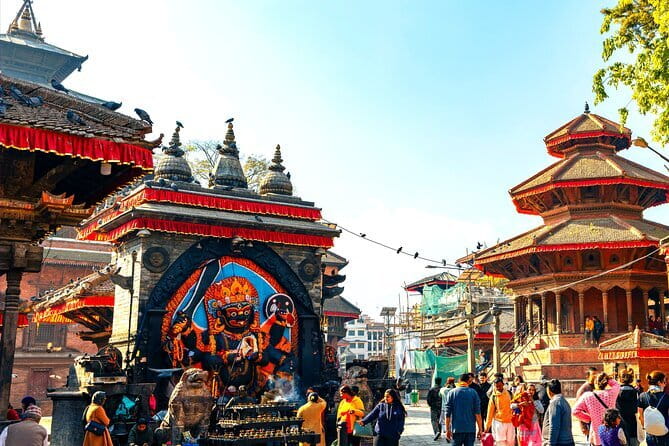
Day 2 starts with Patan Dhoka, described as the gateway to Patan. I like this as a first move because it sets the stage. It’s not yet the big square, so you’re still warming up and orienting yourself, while learning the city’s historical role in the Malla dynasty era.
Then you go to Pimbahal Stupa, with Jagamadu Pond nearby. This is a good reminder that Patan is not only about Hindu temples and palace spaces. Buddhist pilgrimage sites are built into the city’s religious map, and the tour includes them in a way that feels organic rather than forced.
Next is Nagbahal Hiti (Elhānani Hiti), an ancient drinking fountain with roots said to reach back to the 8th century. Even if you don’t memorize the dating, it helps to see how older infrastructure still supports cultural events. It’s one of those stops that makes the city feel lived-in instead of museum-like.
Your main monastery highlight is the Golden Temple (Hiranya Varna Mahavihar). A key detail here is that despite the nickname, it’s not entirely made of gold. That kind of clarification is exactly what a good local guide provides, and it prevents the classic mismatch between expectation and reality.
After that, you head to Kumbheshwor Temple, supported by extensive documentation dating back to the late 14th century. Then comes the big one: Patan Durbar Square. This is the time when the density of temples becomes obvious. If you like architecture, you’ll enjoy taking the square in slowly. If you prefer shorter stops, go with your guide’s pace and don’t try to sprint ahead.
Old towns beyond Kathmandu, compared
Patan after the main square: Golden Fountain, Mahaboudha, and old-town crafts
After Durbar Square, you visit the Golden Fountain, described as being studied by Nepalese art expert Gautama Vajracharya. Even if you’re not an art historian, you’ll appreciate the point: Patan’s art isn’t just decorative. It’s studied, recorded, and treated as part of cultural identity.
Then you go to Mahaboudha Temple, a 14th-century Buddhist structure with terra-cotta work. The tour description emphasizes clay bricks and terra-cotta art, and that’s a smart angle. It helps you look for materials and workmanship, not only for big silhouettes.
Another monastery stop follows: Rudra Varna Mahavihar (Oku Bahal) with its three courtyards. I like courtyards for one simple reason. They give you natural “pause points” where you can look around, notice how space functions, and take photos without the stress of moving constantly.
Finally, you spend time in old-town Patan alleys for woodwork by Shilpakar families. The tour frames this as artisanal families known for long dedication to craft. If you like watching how a small neighborhood supports skilled work, this part is the payoff. It’s also where the tour’s “authentic local life” promise feels most real.
You’ll also find the tour includes a religious idol hand-carving session in Patan as part of the overall experience. Even when you don’t catch every tool detail, seeing the process ties the monasteries and temples back to living artisans, not just stone monuments.
Day 3 in Kathmandu: Durbar Square, Swayambhunath, Bouddhanath, Pashupatinath
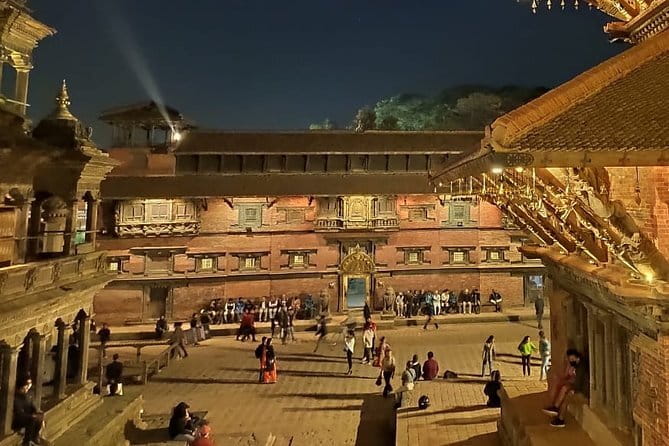
Day 3 is where Kathmandu takes over, and it’s designed to cover the big UNESCO hits efficiently.
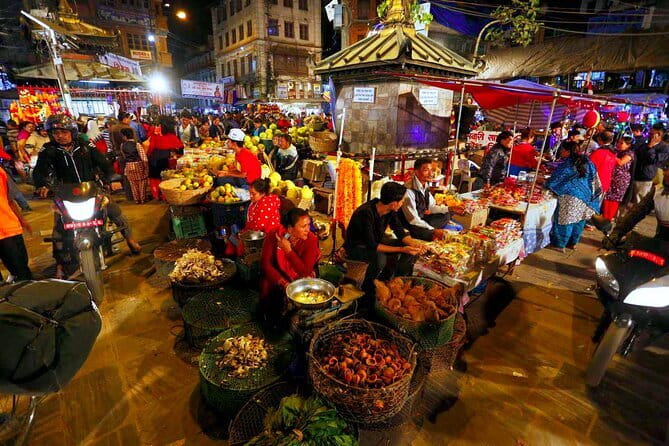
You begin with Kathmandu Durbar Square. The tour also connects this with a walk through Thamel and the narrow alleys of Asan Tole, then links to Newroad Gate. This is practical for you because it helps you orient fast. If you’re staying around Thamel, you’ll get a mental map of how the city’s streets connect to major heritage zones.
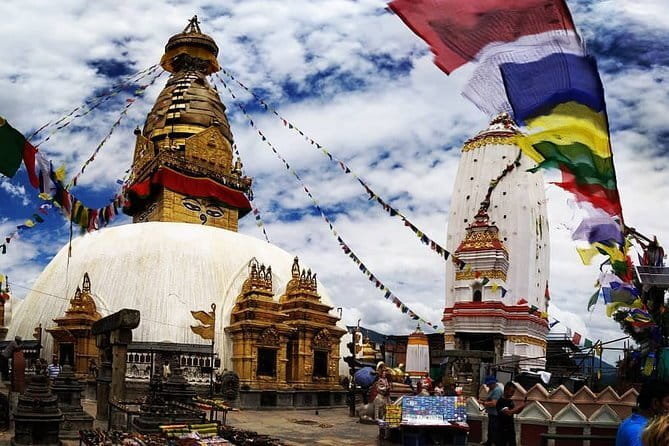
Next is Swayambhunath, reached from Newroad Gate. The guide framing calls it one of the architectural marvels of Kathmandu Valley. Even if you’ve seen photos before, going in with context changes the experience, especially when you understand the stupa’s central role and the reason the viewpoints matter.
Then you visit Budhanilkanth Temple, also called Jal Narayan Temple. It’s positioned as tranquil, and the tour gives it as a cultural and spiritual stop in a calmer corner of the valley.
After that, you drive for Bouddhanath (Buddha Stupa). The tour notes a likely origin after AD 600, connected to Tibetan King Songtsen Gampo’s conversion era. Whether you remember the year or not, this is the kind of detail that makes the stupa feel tied to centuries of cross-regional Buddhist influence.
Finally, you go to Pashupatinath Temple on the Bagmati River. This is one of the most famous religious sites in Nepal. The tour’s positioning is also helpful because it makes you see it after completing a stupa block, so your brain compares sacred space styles across traditions.
The Thamel and Jhamsikhel nightlife add-on at the end
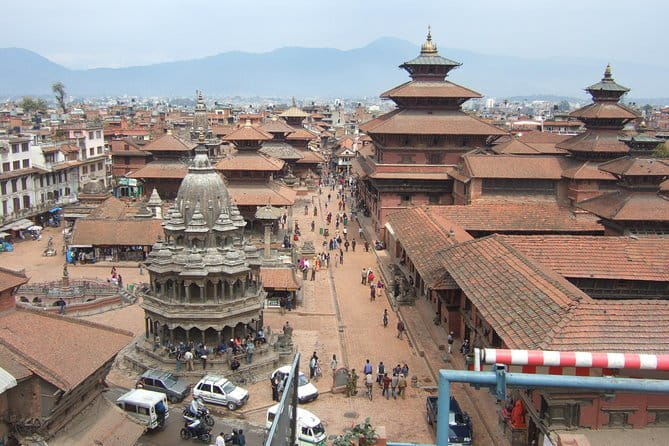
After the heritage day, the tour includes a choice to continue into Thamel and possibly Jhamsikhel. The schedule lists up to 5 hours for this option, and it says escorted VIP line access is provided for restaurants, pubs, clubs, and streets.
This part is separate from the main sights, and it’s not included as part of your entrance fees. If you want a slower evening, you can skip. If you want an easy on-ramp into Kathmandu’s nightlife scene without getting stuck figuring it out alone, it’s a nice perk.
Just remember: the tour does not include food. So for Thamel evening plans, budget for meals and drinks like you would on any trip.
Price and value, what $385 actually buys you
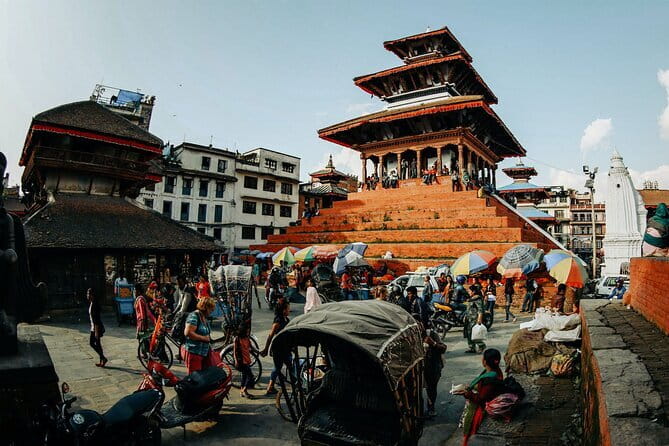
At $385 per person for about 3 days, the real value is less about the sticker price and more about what is wrapped in.
You get private transportation in an air-conditioned vehicle, and you get bottled water each day. You also get all entrance fees and environment management fees for the attractions included in the schedule, plus all fees and taxes.
Where this can feel like a bargain is if you tried to DIY this route. UNESCO entrances, local guides, transport between Bhaktapur, Patan, and Kathmandu, and the extra environmental fees add up quickly. This tour packages them with a certified leader, so you spend less time worrying and more time paying attention.
One more thing: it’s framed as private, meaning it’s only your group. That matters when your guide needs to keep you moving between tightly connected stops without losing the group.
Logistics that matter in real life
The tour starts at 9:15 am, so you’ll want to be ready for an early start mentality. The day timing is structured with short blocks at each site, like 30 minutes at certain stops and around an hour at others. That rhythm can be great if you like variety, because you don’t get stuck waiting around for one place too long.
Pickup is offered, and the tour uses a mobile ticket. Those sound small, but they reduce day-of stress.
Also, it’s not a “food tour.” Food tasting is optional in Bhaktapur, and the main meal costs are not included. You’ll do best if you treat food as a flexible plan and ask your guide for what to order that day.
Who should book this, and who might want a different plan
This tour is a strong match if you want UNESCO sites without sacrificing local culture. You’ll like it if you care about how craft traditions connect to religion, like pottery work in Bhaktapur and idol or craft making in Patan.
It’s also a good fit if you’ve done other Nepal trips and want an easier add-on after a trek or before you head out. Past feedback tied to this operator specifically praised the way local experts like Nirajan handled the Juju Dhau making, pottery lesson, and shopping around areas such as Ason.
Consider a different style if you hate structured days. The schedule is packed with multiple stops each day, and the Thamel nightlife portion is optional. If you want long unplanned wandering time, you might find the tour pace slightly guiding.
Should you book this Kathmandu, Bhaktapur, Patan UNESCO tour?
I’d book it if you want three things in one clean package: major Kathmandu Valley heritage, hands-on local culture moments, and a guide who can explain details without making you feel lost.
If you’re budget-minded, also consider this angle: paying separately for transport and UNESCO entrance fees plus a guide would likely cost you more than the $385 package. Add in the bottled water and the air-conditioned ride, and it becomes easier to justify.
If you’re more of a free-agent who prefers to pick sites one by one with minimal structure, then DIY might fit better. But if you want your time to count, this tour is built to keep your days full and your understanding clearer.
FAQ
What time does the tour start?
The start time is listed as 9:15 am.
Is transportation included?
Yes. The tour includes private transportation in an air-conditioned vehicle, plus pickup is offered.
Are UNESCO site entrance fees included?
Yes. All entrance fees and environment management fees for the attractions mentioned in the schedule are included.
Is food included?
No. Food is not included, though the guide can advise for the best experience.
Is the Thamel and nightlife part included?
Thamel nightlife is listed as an optional 5-hour part with escorted VIP line access, but it is marked as not included, so plan for your own costs there.
What is the cancellation window?
Free cancellation is available up to 24 hours in advance of the experience start time for a full refund.
The Rest of Our Kathmandu Write Ups




Bhaktapur and Patan, Brick by Brick


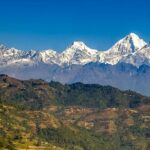
Seven Sites, Other Routes
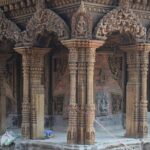
Everything else we have reviewed around Kathmandu
- 12 Days Everest Base Camp Trekking
★ 5.0 · 3 reviews - 1 Night 2 Days Chitwan Jungle Safari Tour from Pokhara or Kathmandu
★ 3.0 · 3 reviews - Thamel Rickshaw tour
★ 4.7 · 3 reviews - Kathmandu: Momo Making Class with a Local Chef
★ 5.0 · 3 reviews - Kathmandu: Full-Day Yoga, Body Massage and Pedicure Package
★ 5.0 · 3 reviews - From Kathmandu / Pokhara / Chitwan: River Rafting – 1 Day
★ 4.6 · 3 reviews
Kathmandu UNESCO Heritage Tours worth a second look.
 ★ 5.0Full Day 7 UNESCO Tour with Lunch – Private/GroupFrom $10415 reviews
 ★ 5.0Full Day Top 4 UNESCO Tour with Lunch – Private/GroupFrom $10269 reviews
 ★ 5.0UNESCO Seven World Heritage Tour in KathmanduFrom $180253 reviews
★ 4.9Full-Day 7 UNESCO Tour with Lunch – Private/GroupFrom $5247 reviews
 ★ 4.97 UNESCO Sites Tour in 1 Day (Private Tour)From $4204 reviews
 ★ 4.9Top 4 UNESCO Tour with Lunch – Private/GroupFrom $5181 reviews
 ★ 5.0Bhaktapur & Patan Durbar Square Day ToursFrom $50122 reviews
 ★ 5.0Kathmandu Private Sightseeing Tour | UNESCO World Heritage SitesFrom $35109 reviews
Lists this tour sits in