
REVIEW · KATHMANDU CITY TOURS & SIGHTSEEING
Kathmandu City Tour: TOP Highlights of the Kathmandu Valley
Big spirits in six hours. This Kathmandu Valley tour strings together three UNESCO-class landmarks, so you can move from Buddhist prayer rituals at Boudhanath Stupa to intense Hindu devotion at Pashupatinath Temple, then finish in the preserved Newari world of Bhaktapur.
I especially like the guide-led feel, where you are not just looking at buildings, you understand why people treat these places like sacred daily stops. One watch-out: you do some real walking, including stairs, and the day can feel longer than you expect when traffic slows down.
In This Review
- Key Highlights You Will Actually Notice
- Three UNESCO Stops, One Practical Half-Day
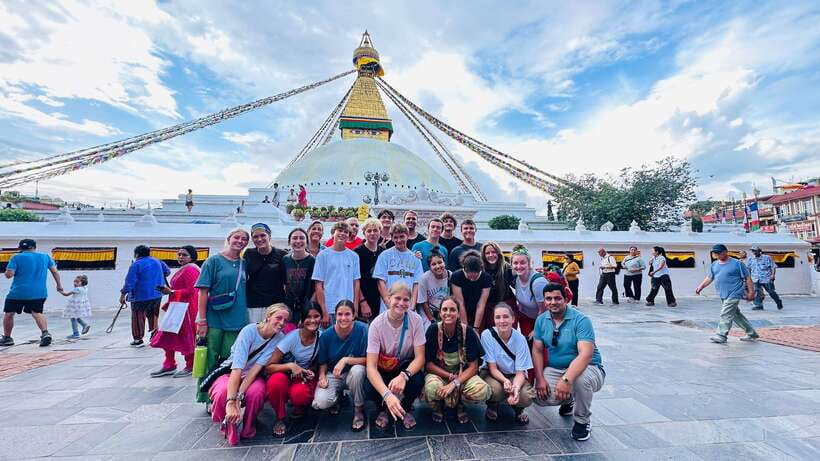
- Boudhanath Stupa: Where the Day Starts With Prayer Wheels
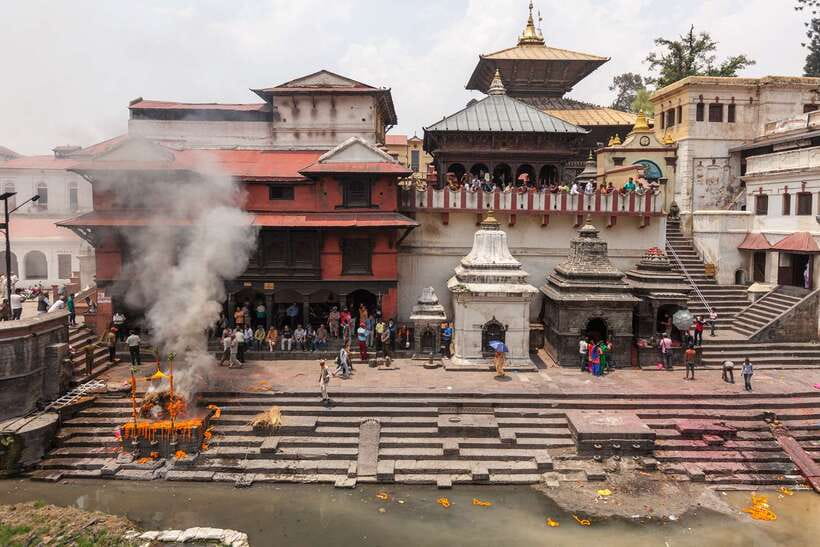
- Pashupatinath Temple: Sacred Shiva, Bagmati River Rituals
- Bhaktapur Durbar Square: Newari Stonework and a Medieval Feeling
- How the 5 to 7 Hour Schedule Works With Kathmandu Traffic
- Price, Entrance Fees, and Whether This Feels Like Good Value
- What to Bring, What to Wear, and Temple Etiquette That Keeps You Comfortable
- Who Should Book This Tour (and Who Should Skip It)
- Final Verdict: Should You Book the Kathmandu Valley Highlights Tour?
- FAQ
- How long is the Kathmandu City Tour?
- What is included in the $39 per person price?
- Are entrance fees included?
- Are meals included?
- Is hotel pickup included, and where does pickup happen?
- What language is the tour guide?
- What should I bring for this tour?
- What should I wear at religious sites?
- Is the tour suitable for everyone?
- FAQ
- Does the tour run in bad weather?
Key Highlights You Will Actually Notice
- Boudhanath Stupa’s full-circle ritual, with monasteries nearby and prayer wheels in motion
- Pashupatinath on the Bagmati River, where daily ceremonies include powerful cremation rituals
- Bhaktapur Durbar Square’s Newari architecture, from the 55-Window Palace to the Vatsala Temple
- Nyatapola Temple, Nepal’s tallest pagoda and a standout example of local craftsmanship
- A relaxed pace with guides like Neeraj, praised for answering questions and not rushing you
Other one shot sweeps of the Valley

Three UNESCO Stops, One Practical Half-Day
If you have limited time in Kathmandu, this is a smart way to get the big cultural beats of the Kathmandu Valley without jumping between buses and scheduling headaches. You are set up with hotel pickup and drop-off and private transport, so you spend energy on people, temples, and details, not logistics.
The tour runs about 6 hours, but the real clock can stretch to 5 to 7 hours depending on traffic. That matters because Kathmandu traffic can be slow, and roads can affect how much time you get at each stop.
This is also the kind of tour where your guide makes or breaks the day. In past groups, the experience got strong marks for being informative and relaxed, with guides such as Neeraj praised for moving at your pace and keeping things friendly.
Boudhanath Stupa: Where the Day Starts With Prayer Wheels
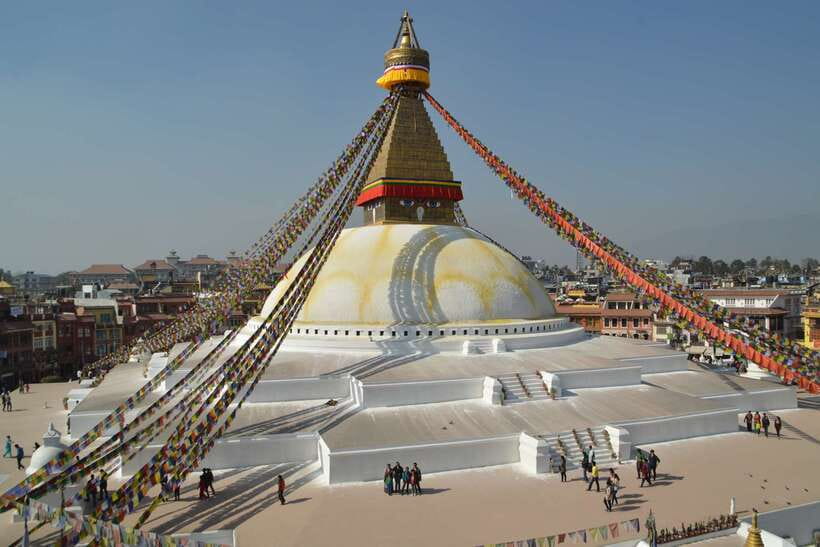
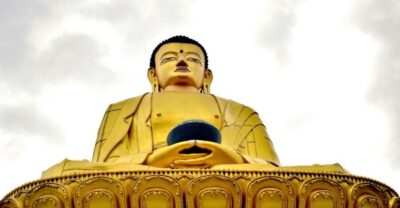
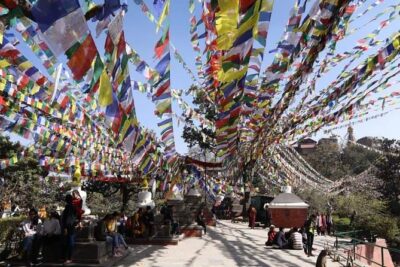
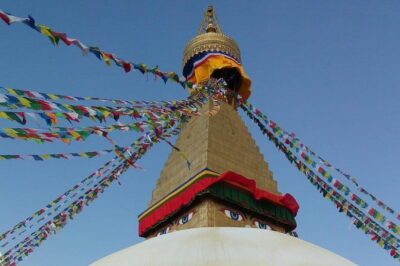
Boudhanath Stupa is one of the world’s largest Buddhist monuments, and the scale hits you quickly. The massive white dome and golden spire create that classic stupa look, but what makes it special is how people use the space all day long.
When you walk around the stupa, you see everyday devotion: people pause, chant, and follow their routine. You will notice prayer wheels, and even if you are not sure what you are watching, your guide can help you understand the symbolism and why the loop matters.
This stop works well for camera lovers too, though you should still ask your guide about where photography is expected and where it is discouraged. Even outside temples, be respectful of worshippers and keep your movement slow near the ceremonial paths.
What to watch for here is not just the architecture, it’s the rhythm. You go from street life outside the stupa to a more focused calm as you get closer, and the contrast gives you an instant sense of place in the valley.
Pashupatinath Temple: Sacred Shiva, Bagmati River Rituals
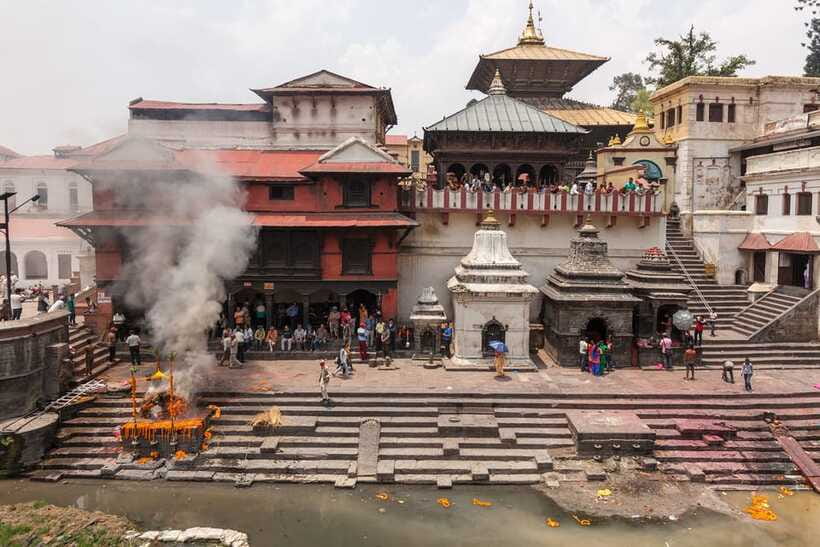
Pashupatinath is Nepal’s most sacred Hindu temple complex dedicated to Lord Shiva. It is also a UNESCO World Heritage Site, and it feels like a living religious center rather than a museum stop.
The architecture gives you plenty to look at. Expect pagoda-style forms, intricate wood carvings, and golden roof details that show off Newari craftsmanship. Even if you are not a “temple architecture” person, you will probably find yourself slowing down here.
The bigger part of the experience is what happens around the river. The Bagmati River setting matters because it frames the ceremonies and daily rituals that take place along the banks. If you want an emotional, human look at Hindu beliefs about life and death, this is the stop that does it.
One note you should plan for: ceremonies can be intense to witness, especially the cremation rituals. Keep a respectful distance, avoid blocking people’s view, and follow your guide’s instructions on conduct. Photos may be restricted inside temple areas, so treat photography like a permission-based activity, not a right.
If your goal is to understand Nepal beyond postcards, this is the place that gives you that real connection.
Bhaktapur Durbar Square: Newari Stonework and a Medieval Feeling
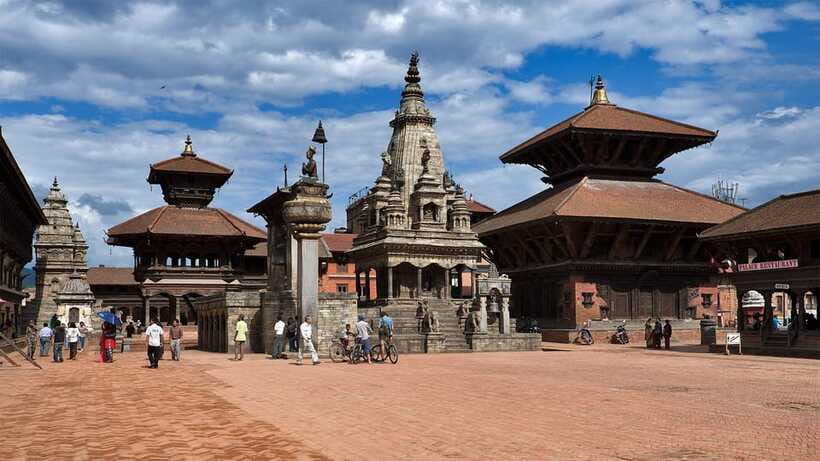
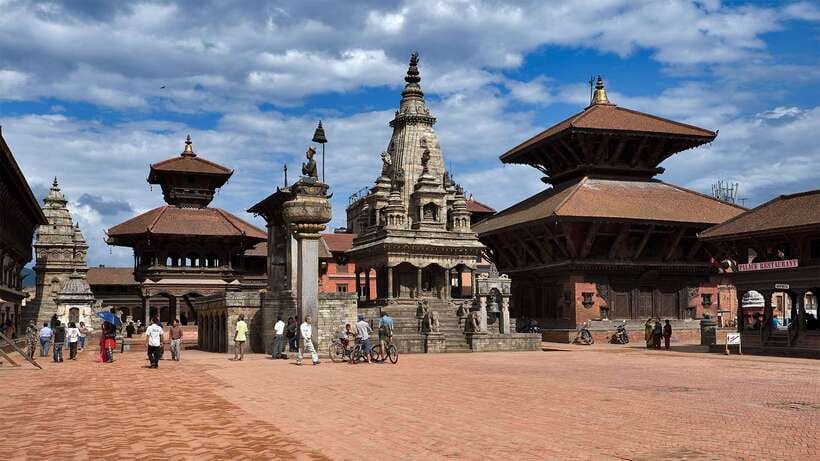
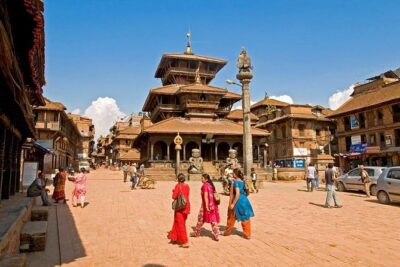
Bhaktapur Durbar Square feels like stepping into a preserved medieval city. The best way to describe it is practical: you walk cobblestone streets, look at historic buildings up close, and you see local crafts and market life mixed into the past.
This stop focuses on Newari architecture, and you will likely recognize a few icons as you get oriented. Three highlights you should keep an eye out for are the 55-Window Palace, the Vatsala Temple, and the tall Nyatapola Temple.
Nyatapola Temple is especially memorable because it is Nepal’s tallest pagoda. It looks tall in photos, but in person the layers, proportions, and craftsmanship stand out more. You do not need to be a scholar to appreciate that level of building detail.
Your guide should help you connect the dots between the city name, the architecture, and how locals continue to live around these monuments. The tone here is more “slow strolling” than “big-photo frenzy,” which is a good change after the intensity of Pashupatinath.
There is also walking involved, plus steps and uneven ground, so comfortable shoes matter more than you think.
Other Kathmandu town days on our list
How the 5 to 7 Hour Schedule Works With Kathmandu Traffic
The stated length is around 6 hours, but the tour can run 5 to 7 hours because timing shifts with traffic. That means you should treat your schedule as flexible, not fixed to the minute.
Your day begins with pickup from your hotel in Kathmandu. Pickup is included, but there is an important condition: the pickup location should be within Kathmandu’s Ring Road. If you are outside it, the provider may charge an additional fee for pickup and drop-off.
Once you are on the road, your driver and guide help smooth the gaps. One reason this tour earns repeat praise is that it does not feel like a strict sprint. Guides have been noted for keeping things relaxed and never rushing you, and that makes a big difference when you are trying to absorb temples and architecture.
Still, plan for the physical side of the day. You will be walking and climbing stairs at certain points, so pack for comfort, not just style.
Price, Entrance Fees, and Whether This Feels Like Good Value
The price is $39 per person, and it includes hotel pickup and drop-off, private transportation, a professional tour guide, and taxes and service charges. For a Kathmandu Valley day that covers multiple major sites, that package structure is what makes the cost feel reasonable.
The key thing is that monument entrance fees are extra. The listed entrance fee is 3,400 Nepali Rupees per person. Meals and drinks are not included either, and tips for the guide are also not included.
So the value question is simple: you are paying for organization. You are paying to avoid self-guiding, avoid negotiating transport between far-flung sites, and get context from a guide who can explain what you are seeing.
If you prefer a hands-on guide, this is often better value than paying for taxis and skipping explanations. If you already know exactly what you want at each site and you are happy to navigate on your own, you might not need a tour. But if your goal is a smooth half-day with meaningful context, the structure here is a good fit.
What to Bring, What to Wear, and Temple Etiquette That Keeps You Comfortable
This is a tour that works in many conditions, because it operates in all weather conditions. That said, the practical advice is clear: bring rain gear and an umbrella.
For clothing, plan on modest dress, especially at Pashupatinath. Cover your shoulders and knees. In temples, that is not just a polite suggestion, it helps you avoid problems at entry points and makes interactions smoother.
Footwear matters. You will encounter walking and stairs, so choose comfortable walking shoes rather than sandals or flexible fashion sneakers that offer no support.
Sun protection is smart even in shorter tours. Bring sunscreen, a hat, and water. You are out for several hours and you will feel Kathmandu’s heat when the sun comes out.
Photography is another practical point. Photos can be restricted inside temples, so ask your guide before you start shooting. This saves hassle and keeps you on good terms with staff and worshippers.
Who Should Book This Tour (and Who Should Skip It)
This is a good match for you if you want a first introduction to the Kathmandu Valley’s spiritual and historic sites, and you like architecture and rituals as much as scenery. It is also ideal if you want a private group with a guide who can answer questions and set a pace that fits your energy level.
If you are traveling solo and want comfort, private transport can feel like a big quality upgrade versus public transit. If you are traveling in a small group, the same logic applies.
One clear limitation: this tour is not suitable for pregnant women, based on the provided information. If you are in that situation, you should look for an alternative itinerary with less walking and a different comfort plan.
Language is English, and guides in other languages are available for an extra cost, so you can request what fits you best.
Final Verdict: Should You Book the Kathmandu Valley Highlights Tour?
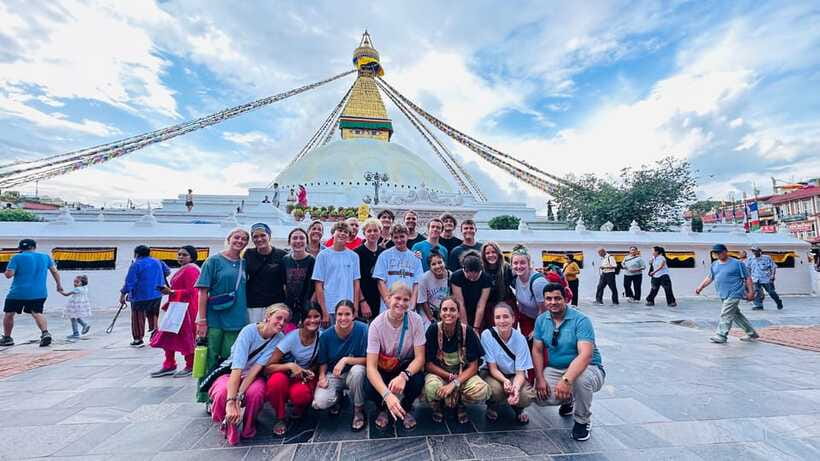
If you want a compact, well-paced way to see Boudhanath, Pashupatinath, and Bhaktapur in one day, I think this tour is a strong booking. The biggest strengths are practical: pickup and private transport, an English-speaking guide, and a format that gives you time to actually notice details instead of sprinting from gate to gate.
The entrance fees are the main extra cost you should plan for, and the day does involve walking and stairs. If that is not a problem for you, this is one of the more efficient ways to connect Nepal’s Buddhist and Hindu worlds to the preserved Newari city of Bhaktapur.
If you hate group rush culture, you will likely appreciate the emphasis on relaxed pacing noted for guides such as Neeraj. Just come with comfortable shoes and a respectful mindset for the river rituals, and you will get much more out of the day.
FAQ
How long is the Kathmandu City Tour?
The tour lasts about 5 to 7 hours, starting with hotel pickup. The timing can vary based on traffic.
What is included in the $39 per person price?
It includes hotel pick-up and drop-off, transportation by car, van, or bus depending on group size, a professional tour guide, and taxes and service charges.
Are entrance fees included?
No. Entrance fees are not included, and the listed monument entrance fee is 3,400 Nepali Rupees per person.
Are meals included?
No. Meals and drinks are not included.
Is hotel pickup included, and where does pickup happen?
Yes, pickup is included from hotels in Kathmandu using a private vehicle. Pickup should be within the Ring Road in Kathmandu, and an additional fee may apply for locations outside that area.
What language is the tour guide?
The tour is offered with a live tour guide in English.
What should I bring for this tour?
Bring an umbrella, a camera, and rain gear. Comfortable walking shoes are also recommended, along with sunscreen, a hat, and water.
What should I wear at religious sites?
Wear modest clothing, especially at Pashupatinath Temple. Cover your shoulders and knees.
Is the tour suitable for everyone?
It is not suitable for pregnant women.
FAQ
Does the tour run in bad weather?
Yes, the tour operates in all weather conditions. If there are extreme weather changes, you will be informed of adjustments.
Everything Bookable Around Kathmandu
The Rest of Our Kathmandu Write Ups

One More Valley Day
Everything else we have reviewed around Kathmandu
- 12 Days Everest Base Camp Trekking
★ 5.0 · 3 reviews - 1 Night 2 Days Chitwan Jungle Safari Tour from Pokhara or Kathmandu
★ 3.0 · 3 reviews - Thamel Rickshaw tour
★ 4.7 · 3 reviews - Kathmandu: Momo Making Class with a Local Chef
★ 5.0 · 3 reviews - Kathmandu: Full-Day Yoga, Body Massage and Pedicure Package
★ 5.0 · 3 reviews - From Kathmandu / Pokhara / Chitwan: River Rafting – 1 Day
★ 4.6 · 3 reviews
Kathmandu City Tours & Sightseeing worth a second look.
 ★ 5.0Kathmandu Private Sightseeing Tour | UNESCO World Heritage SitesFrom $35109 reviews
 ★ 5.0Private tour of Major highlights of Kathmandu top rated placesFrom $4492 reviews
 ★ 5.0Kathmandu Heritage Tour (Full Day)From $3863 reviews
 ★ 5.0Kathmandu Full Day TourFrom $7054 reviews
 ★ 5.0Life and spirituality tour of KathmanduFrom $5554 reviews
 ★ 5.0Kathmandu Highlights: Private UNESCO World Heritage Sites TourFrom $4950 reviews
 ★ 5.0Full Day Private Tour of Kathmandu – UNESCO World Heritage SitesFrom $3542 reviews
 ★ 5.0Kathmandu Valley City Day TourFrom $6040 reviews
Lists this tour sits in