
REVIEW · KATHMANDU UNESCO HERITAGE TOURS
Seven World Heritage Day Tour in Kathmandu Nepal
Seven UNESCO stops in one day, doable. This Kathmandu Valley tour strings together seven UNESCO sites with a private vehicle, so you spend less time figuring out logistics and more time seeing the real places behind Nepal’s famous Newari and temple culture. It also offers multiple morning start times, which helps if you want to build the rest of your day around your sightseeing.
I love the hotel pickup and drop-off inside the Ring road because it makes a long day feel smoother right from the start. I also like that the route adds context between major landmarks, including shorter cultural stops such as Amideva Buddha Park and Kumari Chowk rather than just rushing from one big sign to the next.
The main catch is the long, full-day pace, plus entrance fees are not included for many heritage sites, so you should budget for tickets and stair climbing depending on your comfort level.
In This Review
- Key highlights that make this tour worth your time
- Price and what you actually get for the $65
- Your day plan: how 15 stops can still feel organized
- Starting with Swayambhunath: the pilgrimage hill with two entrances
- Amideva Buddha Park: a short stop with big Buddha statues
- Kathmandu Durbar Square and Kumari Chowk: the city’s living heritage center
- Patan Durbar Square, Krishna Temple details, and the Golden Temple
- Patan Museum: where the artifacts help the temples make sense
- Bhaktapur Durbar Square: the long stop where you slow down naturally
- Changu Narayan: the UNESCO stop that is less crowded for a reason
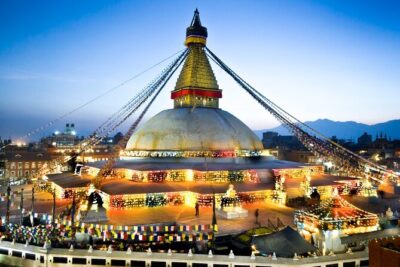
- Pashupatinath and Boudhanath: the day closes with big spiritual energy
- Entrance fees, tickets, and how to budget without surprises
- Comfort tips that make a long temple day easier
- Who this Kathmandu Valley UNESCO day tour is best for
- Should you book this seven-site UNESCO Kathmandu Valley tour?
- FAQ
- How long is the tour?
- What is included in the price?
- Are entrance fees included?
- Do you get picked up from hotels in Kathmandu?
- Are there different start times?
- Can I cancel and get a full refund?
Key highlights that make this tour worth your time
- Full seven-site UNESCO loop across Kathmandu Valley, so you do not have to pick and choose
- Private vehicle transfers that keep the day moving through Kathmandu, Patan, and Bhaktapur
- Guide-driven context, with guides like Shanti Karki and Pankaj praised for explaining what you are seeing
- Flexible pacing for real bodies, including minimizing stair climbing when needed
- Mobile ticket convenience that cuts down on hassle before you start walking
Other seven site heritage runs
Price and what you actually get for the $65
At $65 per person for a day that runs about 10 to 12 hours, the value is mostly in the built-in convenience. You are getting hotel pickup and drop-off (inside the Ring road), travel by private vehicle, and a professional tour guide. Those pieces add up fast in Kathmandu, where traffic, route planning, and changing vehicles can eat your day even when you know where you want to go.
You also get the benefit of grouping the UNESCO heavy hitters into one itinerary. Instead of paying for separate guides or piecing together multiple day tours, you get one organized plan that covers the full Kathmandu Valley World Heritage set.
One budgeting note: the tour price covers the guide and vehicle, but food and drinks are not included, and entrance fees are not included for heritage sites according to choices. Some stops are marked free on the route, which helps you keep costs under control, but you should still expect ticket expenses for several major temples and squares.
Your day plan: how 15 stops can still feel organized
This is an all-day, single-group style tour, and the structure matters. You will be picked up in the morning, travel in a private vehicle between areas, then walk temple courtyards and heritage squares in scheduled blocks. Most stops are short to medium length, which is how you fit so many distinct cultural sites into one day.
The stops are also arranged to reduce backtracking. The day moves through key UNESCO areas in the Kathmandu Valley, then layers in extra places around them, like museum time in Patan and additional Bhaktapur landmarks.
If you are worried about the pace, use the simplest tool you have: talk early. The tour includes a professional guide, and past groups have noted that guides like Pankaj can adjust pace and help minimize stair climbing when needed. That is the kind of flexibility you want for a long heritage day.
Starting with Swayambhunath: the pilgrimage hill with two entrances
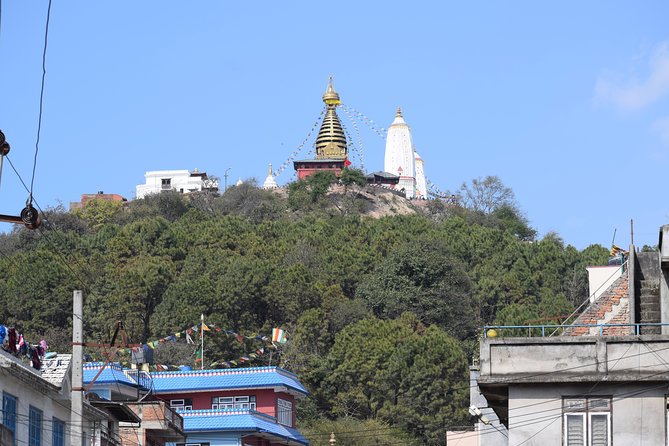
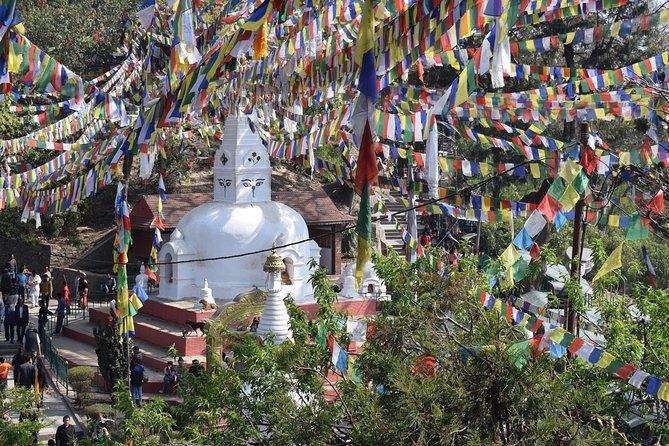
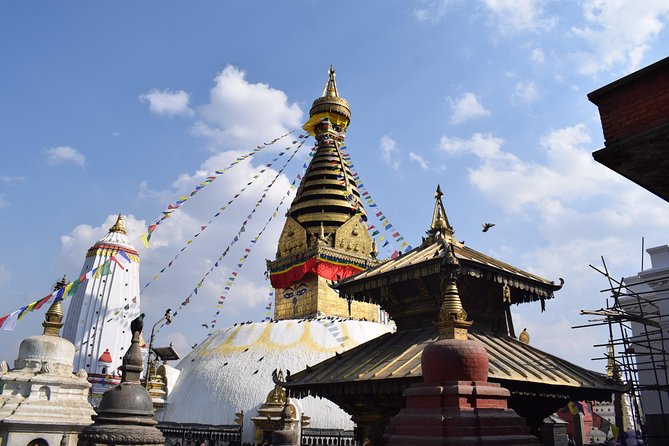
Your tour begins at Swayambhunath, another Buddhist pilgrimage site tied to Nepal’s UNESCO Kathmandu Valley heritage. The route to the top offers two ways up: an inclined walk and a more direct stair option. That detail matters because it gives you choices when you are managing energy, footwear, and knees.
Expect this stop to be a proper start to the day, not a quick photo pull. You will have time to take in the stupa area and surrounding devotional feel, and you will get moving on the cultural theme right away.
One practical tip: go in with respectful timing. Even on a standard tour day, these places are active pilgrimage sites, so keep your pace steady and avoid wandering into restricted areas.
Amideva Buddha Park: a short stop with big Buddha statues
After Swayambhunath, you will stop at Amideva Buddha Park, where the scenery shifts from the hilltop stupa vibe to a calmer park setting. The highlight here is the presence of large statues of Shakyamuni Buddha, plus smaller religious and architectural elements spread through the grounds.
This stop is short, but it is useful. I like the way it breaks the day up before you jump into the heavier urban heritage squares. It also gives you a visual reset, so the later stops do not all blur together.
Good news for budgeting: Amideva Buddha Park is listed as free, which can help offset entrance fees elsewhere.
More old stones and living temples
Kathmandu Durbar Square and Kumari Chowk: the city’s living heritage center
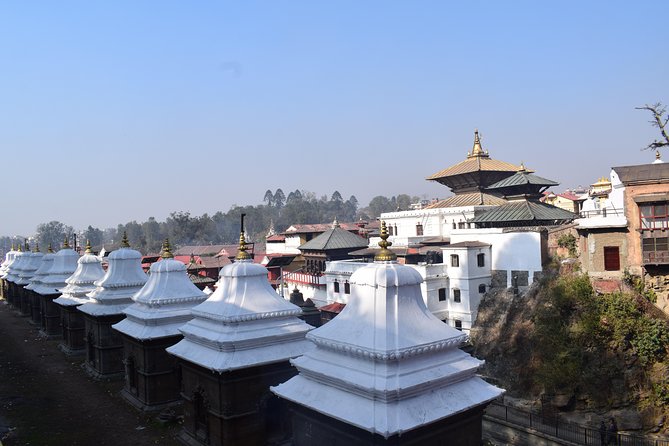
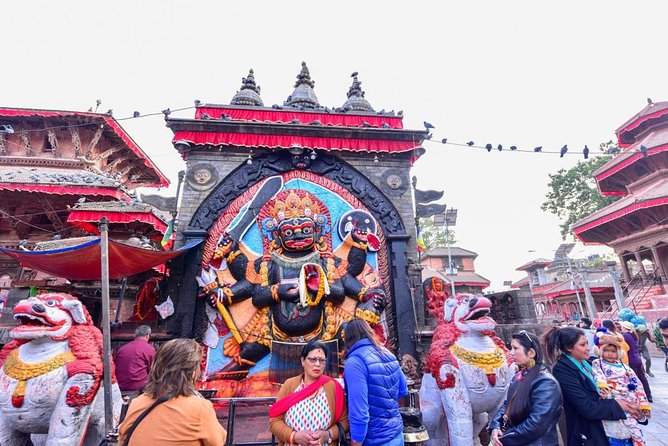
Next comes Kathmandu Durbar Square, a UNESCO-listed area known for historical and architectural buildings. One honest thing to know is that some sections can be under construction, so the square can feel both ancient and actively maintained. That is part of what makes it real, not like a theme park.
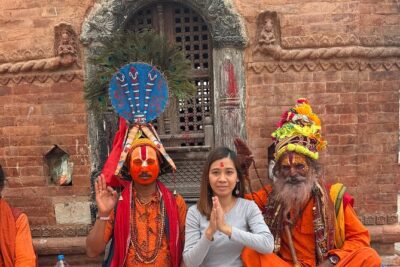
You will also visit Kumari Chowk, the red-bricked courtyard where the living goddess Kumari resides. The tour includes the key detail of what Kumari represents: a Newari girl chosen as the living god until puberty. Admission for this stop is listed as free, and the time here is brief, so focus on your surroundings rather than rushing.
If you want to take photos, do it respectfully and quietly. Courtyards like this are part shrine, part community space, and your best photos often come from simply observing with patience.
Patan Durbar Square, Krishna Temple details, and the Golden Temple
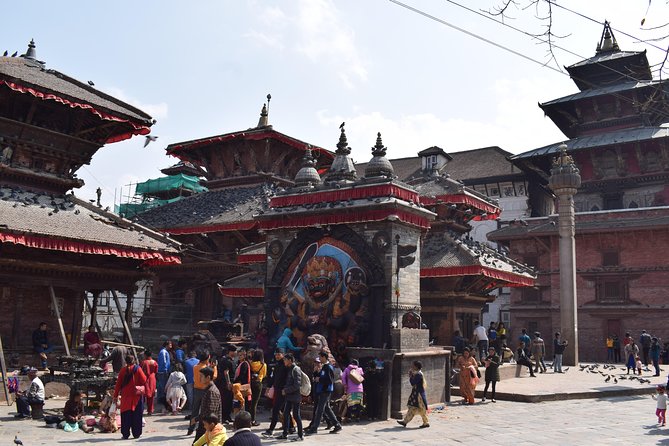
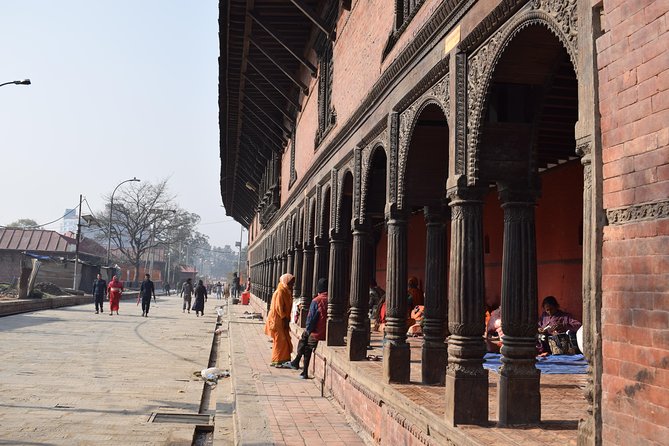
From Kathmandu, the route shifts to Patan Durbar Square in Lalitpur. Patan’s durbar square is described as a treasure of Newari architecture, with layered crimson brick floors and the Malla palace courtyard feel. This stop tends to reward slow looking, especially if you notice carved stonework and the way the square is organized.
Right in this Patan cluster, you will see the Krishna Temple area with details that go beyond a single shrine. The information shared on the tour points to 21 shrines with carvings tied to the Ramayana and Mahabharat, plus a large bell near the temple. Even with a short time window, these specifics help you read the place instead of just walking through it.
Then you head to the Golden Temple (Hiranya Varna Mahavihar), a 12th-century pagoda-style temple. The tour highlights bronze statues and decorative elements with silver and gold. Expect this to feel denser and more ornate than some of the outdoor square time, so it can be a welcome change in texture.
Patan Museum: where the artifacts help the temples make sense
After the Patan Durbar Square area, you will have a stop at Patan Museum. This is listed at about 30 minutes, and it connects directly to what you saw outside: it is described as the museum of Patan Durbar Square, located around Keshav Narayan Chowk.
The museum time can be a smart use of your day because you start matching objects with stories from the squares. Even if you only read a portion of what is on display, it can deepen your sense of Newari life and heritage.
Because the tour is packed, use the museum time strategically. Pick a few sections, then move on. That keeps the day feeling intentional instead of exhausting.
Bhaktapur Durbar Square: the long stop where you slow down naturally
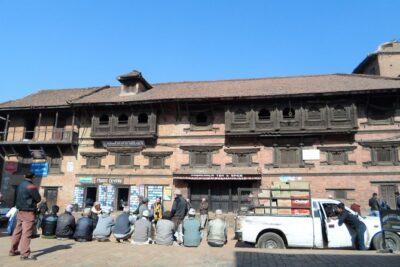
Bhaktapur is where the tour becomes more spacious, more architectural, and more you-will-want-to-look-up. Bhaktapur Durbar Square is described as being in the City of Devotees, with strong indigenous Newari culture and architecture. You will get about 2 hours here, which signals that the time is meant for wandering and noticing.
The day then adds several Bhaktapur landmarks around the same heritage zone. You will see Nyatapola Temple, a five-level pagoda-style temple described as one of the tallest, over 30 meters tall. There is also Dattatraya Temple, where the tour description notes a belief that it was constructed using the stem of a single tree.
Next comes 55 Window Palace, with exactly 55 windows carved into the palace structure. The description focuses on how the palace is built across linked courtyards, which helps you understand it as a living architectural system, not just a single façade.
One more stop in this area is Siddha Pokhari, a human-made pond that is listed as 171 meters long and about 3 meters deep. This is the kind of break you need after temples and courtyards, because it gives you time to sit or simply absorb the local pace. It is also listed as a hangout for local people, which makes it feel less like a tourist photo set and more like a working part of the city.
Changu Narayan: the UNESCO stop that is less crowded for a reason
You will end the heritage mix with Changu Narayan Temple, described as the least visited of the UNESCO World Heritage Sites. The tour calls it a gem waiting to be discovered by the outside world, and focuses on the craft side: you may observe Newari craftsmen doing traditional carvings.
This matters because it changes the rhythm of the day. After intense city squares and major temple complexes, a quieter craftsmanship-focused stop can feel like a reset. You still get UNESCO scale, but the feel is calmer.
Pashupatinath and Boudhanath: the day closes with big spiritual energy
The last stretch gives you two major Nepal spiritual icons: Pashupatinath Temple and Boudhanath Stupa.
At Pashupatinath, the tour description emphasizes scale and complexity, including that it houses over 500 temples and shrines within an area of about 0.64 hectares. It is presented as the greatest temple complex in Nepal and a major devotion destination for Hindu pilgrims. Plan for a longer feel here, because 1 hour is enough to walk the complex, but not enough to do it casually at the speed of a museum.
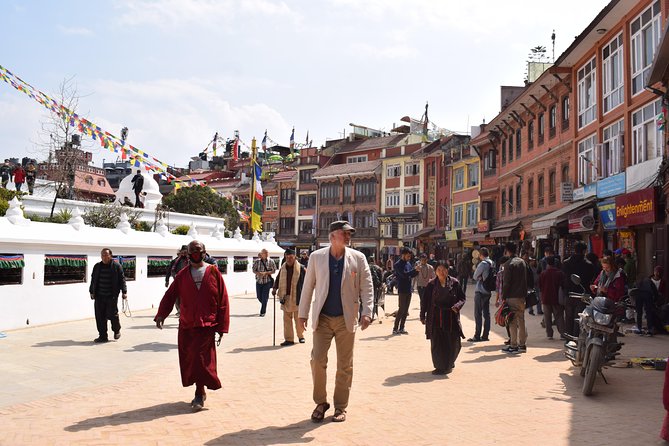
Then you close at Boudhanath Stupa, described as one of the greatest mandalas of Nepal. The stupa is listed as 36 meters tall and surrounded by over 50 gompas. It is also noted as a main Buddhist pilgrimage destination.
This pairing is smart for a one-day UNESCO sweep. You leave with a clearer sense of how Nepal’s religious worlds operate side by side, with different architectural languages but equally serious devotion.
Entrance fees, tickets, and how to budget without surprises
Here is the part I would plan before you leave your hotel: entrance fees are not included for heritage sites according to choices. That means your total spend depends on which areas you enter and what is required at each stop.
The itinerary also marks several stops as free, including places like Amideva Buddha Park, Kumari Chowk, and portions around Nyatapola Temple, Dattatraya Temple, 55 Window Palace, and Siddha Pokhari. Those free elements help, especially when you are trying to keep the day under control.
So how do you budget smartly? Treat the $65 as the transport and guide fee, then add a separate ticket budget for UNESCO-linked monuments and museums that require paid entry. If you prefer to keep costs predictable, ask the guide during the day which stops are paid versus free before you commit.
Comfort tips that make a long temple day easier
This is not a sit-everywhere tour. Even with short scheduled stops, you will do uneven walking, courtyards, and the occasional stairs climb. The good news is you have flexibility built into the day, plus guides can adapt pace.
If you have mobility concerns, say so at the start. Past experience with this tour included a guide who was flexible with minimizing stair climbing, so do not quietly suffer. Bring shoes you can trust on stone surfaces and keep water in mind, since food and drinks are not included and you will buy as you go.
Also watch your timing with Kumari Chowk and temple courtyards. These are active areas, and moving slowly helps you avoid getting stuck behind foot traffic. It also makes the experience feel respectful, not rushed.
Finally, plan your energy. Start with a small breakfast and pack a light layer. Kathmandu weather can shift through the day, and a 10 to 12 hour itinerary means you will be outside for stretches.
Who this Kathmandu Valley UNESCO day tour is best for
This tour is a strong fit if you want the maximum UNESCO payoff with minimal planning. It is also ideal if your time is tight and you do not want to build an itinerary across multiple days.
I also think it suits travelers who like context. The route includes museum time in Patan and short cultural stops that help connect what you see, like Kumari Chowk and the craftsmanship focus at Changu Narayan.
If you are the type who gets overwhelmed by switching vehicles, this format is calmer than independent day trips. You ride in a private vehicle and follow a guide, which reduces decision fatigue.
On the other hand, it may feel like too much if you want a slow day with long stays at one or two sites. This is built for coverage, not lingering.
Should you book this seven-site UNESCO Kathmandu Valley tour?
Book it if your goal is clear: see the seven UNESCO sites of Kathmandu Valley in one day, with hotel pickup, private transport, and a guide who can explain what you are looking at. At $65 per person, the value is strong when you count the convenience and guided time, especially since it is often booked about 67 days in advance, so plan ahead for your dates.
Skip or rethink if you are very sensitive to stairs, long walking, or if you dislike day-long itineraries with multiple stops. In that case, you can still consider a shorter, more focused city plan, but you would likely trade away the full seven-site sweep that makes this tour efficient.
If you do book, set yourself up for success: wear sturdy shoes, budget a separate ticket amount for paid heritage sites, and tell your guide how you want the walking managed. That is how you turn a packed day into a smooth, memorable one.
FAQ
How long is the tour?
The duration is about 10 to 12 hours.
What is included in the price?
Included features are hotel pickup and drop-off (inside the Ring road), transport by private vehicle, and a professional tour guide.
Are entrance fees included?
No. Food and drinks are not included, and entrance fees for heritage sites are not included according to the choices. Some stops are listed as free on the itinerary.
Do you get picked up from hotels in Kathmandu?
Yes, hotel pickup and drop-off are offered inside the Ring road.
Are there different start times?
Yes, there are multiple morning start times so you can choose what works best for your schedule.
Can I cancel and get a full refund?
Yes, you can cancel for free. You must cancel at least 24 hours in advance for a full refund; canceling less than 24 hours before the start time is not refunded.
Everything Bookable Around Kathmandu
The Rest of Our Kathmandu Write Ups

Seven Sites, Other Routes
Everything else we have reviewed around Kathmandu
- 12 Days Everest Base Camp Trekking
★ 5.0 · 3 reviews - 1 Night 2 Days Chitwan Jungle Safari Tour from Pokhara or Kathmandu
★ 3.0 · 3 reviews - Thamel Rickshaw tour
★ 4.7 · 3 reviews - Kathmandu: Momo Making Class with a Local Chef
★ 5.0 · 3 reviews - Kathmandu: Full-Day Yoga, Body Massage and Pedicure Package
★ 5.0 · 3 reviews - From Kathmandu / Pokhara / Chitwan: River Rafting – 1 Day
★ 4.6 · 3 reviews
Kathmandu UNESCO Heritage Tours worth a second look.
 ★ 5.0Full Day 7 UNESCO Tour with Lunch – Private/GroupFrom $10415 reviews
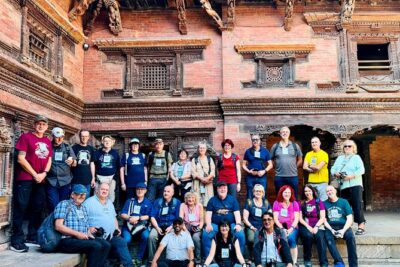 ★ 5.0Full Day Top 4 UNESCO Tour with Lunch – Private/GroupFrom $10269 reviews
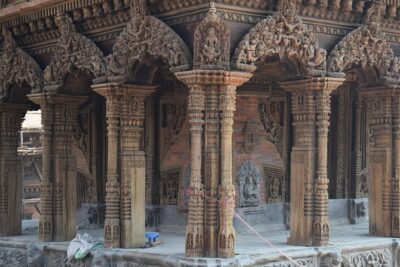 ★ 5.0UNESCO Seven World Heritage Tour in KathmanduFrom $180253 reviews
★ 4.9Full-Day 7 UNESCO Tour with Lunch – Private/GroupFrom $5247 reviews
★ 5.0UNESCO Seven World Heritage Tour in KathmanduFrom $180253 reviews
★ 4.9Full-Day 7 UNESCO Tour with Lunch – Private/GroupFrom $5247 reviews
 ★ 4.97 UNESCO Sites Tour in 1 Day (Private Tour)From $4204 reviews
 ★ 4.9Top 4 UNESCO Tour with Lunch – Private/GroupFrom $5181 reviews
 ★ 5.0Bhaktapur & Patan Durbar Square Day ToursFrom $50122 reviews
 ★ 5.0Kathmandu Private Sightseeing Tour | UNESCO World Heritage SitesFrom $35109 reviews
Lists this tour sits in