
REVIEW · YOGA, MEDITATION & AYURVEDA
Sound Bath (Sound Healing Session Every Evening) in Nepal
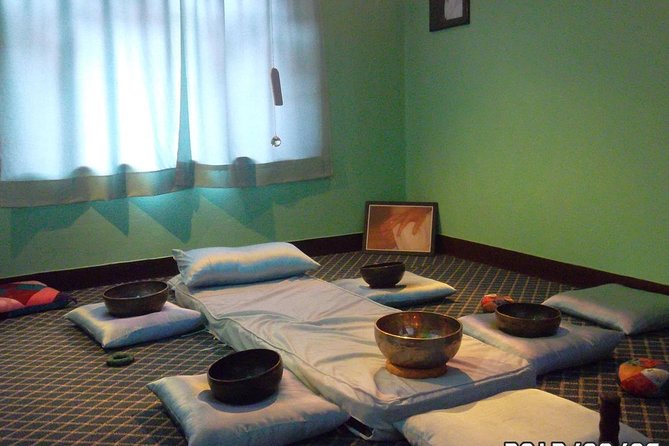
Sound healing in Kathmandu is not just background music, it is a guided session you can actually follow. Each evening at the Golden Temple Singing Bowls and Healing Center in Kawalakhu, you get a one-hour Sound Bath with local singing bowls and explanations that make the experience feel grounded. I like that they focus on singing bowls and their frequencies, not vibes alone.
I also like the human side of this place. In the stories shared, the hosts are welcoming, informative, and generous with their time, even helping sort a taxi for your return. That matters when you are trying to unwind after a busy day.
One consideration: the doorway and entry area can feel tense if street hawkers are active. If you are easily rattled by aggressive street selling, you may want to go with a plan, or approach calmly and quickly.
In This Review
- Key highlights you should know
- Where the session happens in Kathmandu, and how to show up ready
- What a Sound Bath is, and why the “frequencies” part changes everything
- Your one-hour session flow: what to expect during the Sound Bath
- Who guides you, and how the teaching feels in practice
- How the bowls may help stress and trekking aches, with a reality check
- Price and value: is $35.90 per person worth it?
- Timing and logistics: how the 4:15pm start fits your Kathmandu day
- Getting past the hawkers: the one downside you should plan for
- Who this experience is best for
- Should you book this Sound Bath in Kathmandu?
- FAQ
- What time does the Sound Bath session run each day?
- Where is the meeting point?
- How long is the session?
- Is this a private session?
- Do I need a printed ticket?
- Is it near public transportation?
- Will I get confirmation after booking?
- How much does it cost?
- What is the cancellation policy?
Key highlights you should know
- Golden Temple Singing Bowls Center: Easy to find in Kawalakhu, with the session held every evening.
- One guided hour: You get time with the bowls, the sound, and the explanation in a tight, focused session.
- Frequencies explained: The staff talks about frequencies and the bowls’ individual properties, so you know what you are hearing.
- Stress relief and pain soothing (as offered): The session is designed to reduce stress and may help with physical discomfort.
- Warm, supportive staff: People describe friendly care, plus help arranging a return taxi.
Rest days: other wellness bookings
Where the session happens in Kathmandu, and how to show up ready
The Sound Bath takes place at the Golden Temple Singing Bowls and Healing Center in Kawalakhu, Lalitpur 44600, Nepal. The session runs every evening from 4:00pm to 5:00pm, with your start time listed as 4:15pm, so plan to arrive a little early to settle in.
This is easy to slot into a Kathmandu day because it is an indoor reset close to public transportation. You also have a mobile ticket, so you are not digging through paperwork.
When you arrive, your activity ends back at the meeting point. That simple loop matters if you want a calm evening without extra wandering afterward.
What a Sound Bath is, and why the “frequencies” part changes everything
A Sound Bath sounds mysterious until someone explains what you are actually listening to. Here, the session includes an overview of the singing bowls, their frequencies, and each bowl’s individual properties.
That explanation is valuable because sound can feel random if you do not know what you are hearing. When you have a basic framework, the hour feels more intentional, like guided meditation with an instrument. I also like that the session is positioned as rebalancing for both mind and body, not just relaxation.
The center’s message is that the bowl frequencies can decrease stress and may soothe physical pain. I would treat that as “what the session is designed for,” not a guarantee. Still, the format is well suited to anyone who finds breathing and rhythm easier than silence.
Your one-hour session flow: what to expect during the Sound Bath
You should think of this as a structured, sensory session rather than a concert. The overall experience is about one hour, and it is held every evening, so the staff can keep the rhythm consistent.
Most sessions follow a similar arc:
- You start with the introduction to the bowls and what makes them different.
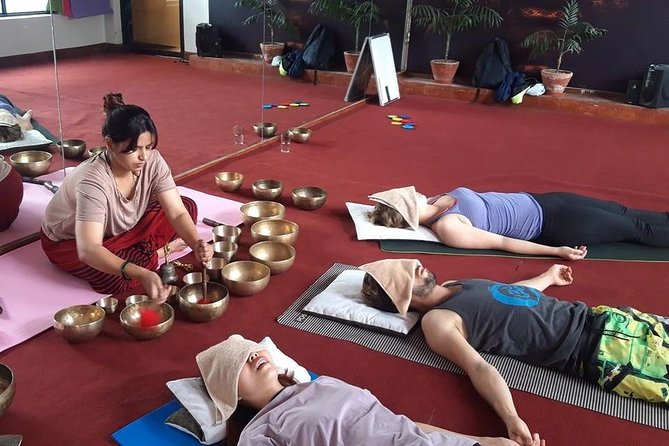
- Then you listen as the bowls are played, layer by layer, using the sounds and vibrations to settle you.
- After the main sound sequence, there is time to process what you felt and what the therapist worked on.
The “private tour/activity” detail is also important. It means only your group participates, so you are not stuck dealing with a large crowd or constant interruptions. If you prefer a quieter healing vibe, that is a real plus.
And in the way people describe the session, the therapists often use the bowls in more physical ways too, not only sound for sound’s sake. That can make the hour feel more like hands-on body work combined with sound.
Who guides you, and how the teaching feels in practice
The center is run by experienced staff, and the tone comes through in how people describe it. Guides named Buddha and a therapist named Swami Chaitanya Krishna are mentioned in session accounts, and both are portrayed as capable, caring, and professional.
That matters because a Sound Bath works best when you understand how to participate. If the guide is patient and clear, you relax faster, and you are more likely to notice the subtle changes in sound, pressure, and how your body responds.
In some accounts, the staff also helps with practical aftermath care, like sorting a taxi for the ride back. That is not healing in the spiritual sense, but it is healing in the real world. When the session ends, you should not have to scramble.
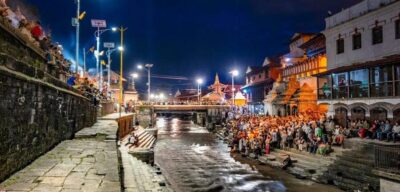
More Kathmandu evenings worth the late finish
How the bowls may help stress and trekking aches, with a reality check
Let’s talk about the two main claims: stress reduction and physical pain soothing.
Sound healing is often described as calming because low, steady tones can slow the nervous system and make it easier to downshift. Even if you do not buy into the full “frequency properties” model, you can still benefit from the hour-long focus. Your attention narrows. Your breathing tends to get slower. Your muscles have time to let go.
For physical discomfort, the offer here goes beyond passive listening. In accounts of the experience, one person described bowl-based physical therapy along with sound therapy, and another described a friend arriving with trekking pains and leaving with that pain gone. I cannot promise results, but the structure sounds designed to combine listening with body-focused work.
If you have sore legs from Kathmandu walking days, tight shoulders from a day of temples, or general stress buildup, this is a reasonable way to spend an evening. You are buying an hour where the goal is lowering tension, not adding more sightseeing.
Just keep your expectations practical. Think of it as a supportive wellness session. If you have specific injuries, you might want to avoid any pushing through pain and just tell the therapist what feels safe for you.
Price and value: is $35.90 per person worth it?
The price is $35.90 per person for about one hour. That is not “cheap” in Kathmandu terms, but it also is not an all-day tour. You are paying for a guided session with singing bowls, an explanation component, and a private format for your group.
Value comes from three things:
- The hour is long enough to feel a shift.
- The session is guided, so it is not just sitting and hoping.
- The staff support can reduce the friction of your evening, especially with help getting a taxi.
Also, this experience is often booked about 23 days in advance on average. That suggests steady demand and a schedule that fills. If you are traveling with limited flexibility, booking earlier can help you lock in your preferred evening.
Timing and logistics: how the 4:15pm start fits your Kathmandu day
A 4:00pm to 5:00pm session is ideal after sightseeing because Kathmandu days can stack up quickly. By mid-afternoon, you already have heat, crowds, stairs, and temple time in your body. A Sound Bath gives you a scheduled stop where your brain knows it is time to slow down.
Your start time is listed as 4:15pm, so you will want to avoid scheduling anything tight right after. Plan a buffer so you do not feel rushed walking in.
Also, the meeting point is fixed, and you return there at the end. That means the session is not adding extra navigation stress late in the day.
Getting past the hawkers: the one downside you should plan for
One of the most important realities here is the street-level feel at the doorway. One negative account described intense street hawker harassment at the entrance that felt intimidating, leading them to leave.
I cannot tell you you will face the same situation every day. But you should treat it as a genuine possibility. If you are sensitive to aggressive selling, come with a calm plan.
A practical approach:
- Walk in with purpose, not hesitation.
- If you notice a lot of activity, move quickly toward the entrance.
- If you feel uncomfortable, trust your instincts and step back.
It is okay to want a healing experience. A calm mind starts before the bowls even begin.
Who this experience is best for
This Sound Bath is a strong match if you:
- Want a low-effort way to recover after a day of walking and temple visits
- Prefer a guided wellness session with explanation, not silence-only meditation
- Like the idea of learning about singing bowls and how frequencies are presented
- Appreciate friendly, hands-on support and practical help after the session
It may be less ideal if:
- Street hawker pressure tends to spike your stress
- You need something physically intense, this is mostly an auditory and vibrational experience
In terms of participation, most travelers can take part, and it is scheduled nightly, so you can choose a day that fits your energy level.
Should you book this Sound Bath in Kathmandu?
If you want a one-hour evening reset that includes singing bowl sound work and an explanation of frequencies, this is a very reasonable booking. The biggest strengths are the calm structure, the welcoming teaching tone, and the fact that the session aims to help both mental stress and physical discomfort.
However, I would only book if you can handle a possible street-entry hassle. If the hawkers at the doorway would ruin your mood, consider scheduling on a day when you feel confident navigating that area, or build in extra time so you do not feel rushed.
My simple decision rule: if your goal is de-stress and you want a guided, sensory hour with caring staff, book it. If you already know you hate confrontation at entrances, plan around that risk before you go.
FAQ
What time does the Sound Bath session run each day?
It is held every evening from 4:00pm to 5:00pm, and your start time is listed as 4:15pm.
Where is the meeting point?
The meeting point is the Golden Temple Singing Bowls and Healing Center in Lalitpur 44600, Nepal.
How long is the session?
The Sound Bath lasts about one hour.
Is this a private session?
Yes. It is a private tour or activity, so only your group participates.
Do I need a printed ticket?
No. A mobile ticket is provided.
Is it near public transportation?
Yes. It is listed as near public transportation.
Will I get confirmation after booking?
Confirmation is received at the time of booking.
How much does it cost?
The price is $35.90 per person.
What is the cancellation policy?
You can cancel for free up to 24 hours in advance for a full refund. If you cancel within 24 hours of the experience start time, the amount paid is not refunded.
Kathmandu After Dark
The Rest of Our Kathmandu Write Ups

A Slower Day in Nepal
Everything else we have reviewed around Kathmandu
- 12 Days Everest Base Camp Trekking
★ 5.0 · 3 reviews - 1 Night 2 Days Chitwan Jungle Safari Tour from Pokhara or Kathmandu
★ 3.0 · 3 reviews - Thamel Rickshaw tour
★ 4.7 · 3 reviews - Kathmandu: Momo Making Class with a Local Chef
★ 5.0 · 3 reviews - Kathmandu: Full-Day Yoga, Body Massage and Pedicure Package
★ 5.0 · 3 reviews - From Kathmandu / Pokhara / Chitwan: River Rafting – 1 Day
★ 4.6 · 3 reviews
Yoga, Meditation & Ayurveda worth a second look.
 ★ 5.0200 Hours Yoga Teacher Training at Nepal Yoga Home (starts on 1st of everymonth)From $2,000125 reviews
 ★ 5.0Whole Day Massage & Spa With LunchFrom $10154 reviews
 ★ 5.0Shirodhara and Sound Healing Spa Experience in KathmanduFrom $14052 reviews
 ★ 5.06 Hours Spa Package in Kathmandu (Massage, Sauna, Steam, Jacuzzi)From $9543 reviews
 ★ 5.03 night 4 Day Yoga & Ayurveda Retreat to Detox the Body & Mind, NepalFrom $30037 reviews
 ★ 5.010 Days Ayurveda & Yoga Retreat in Kathmandu, NepalFrom $1,00024 reviews
 ★ 5.021 Day Ayurveda & Yoga Retreat in the Himalayan country, NepalFrom $2,10019 reviews
 ★ 5.014 Day Ayurveda + Yoga Detox Retreat in NepalFrom $1,40018 reviews
Lists this tour sits in