
REVIEW · PASHUPATINATH & BOUDHANATH TEMPLES
Kathmandu: Pashupatinath Temple Evening Aarati Tour
There is something about night in Kathmandu. This Pashupatinath evening Aarati tour pairs a guided look at one of Nepal’s most important Hindu temple spaces with a moving nighttime worship ceremony on the Bagmati River. I especially liked the clear English explanations from guides like Ramesh and Rajat, and the chance to see the lights, chanting, and music up close. The only real caution is that photography and viewing can be limited depending on where you are in the permitted areas and how crowded the riverbank gets.
You get a simple 3-hour plan that starts late afternoon, so you’re not rushed through the temple. You also get transport handled end to end, plus entry ticket included, which makes it easier to focus on the experience instead of logistics.
One more thing I’d keep in mind: food and drinks are not included, so plan to grab a snack earlier or keep cash for water before pickup.
In This Review
- Key moments worth planning for
- Why Pashupatinath Aarati at Night Feels Different Than Daytime Sightseeing
- Late-Afternoon Pickup and the Ride to the Temple Complex
- Entering Pashupatinath: Guided Temple Walk and a Practical Photo Stop
- The Before-Aarati Window: Independent Time Inside the Complex
- What Happens During the 6 p.m. Aarati on the Bagmati River
- Guides You Can Trust: English Explanations That Make the Ritual Make Sense
- Photography at Pashupatinath and During the Riverbank Ritual
- Duration, Group Style, and How Smooth the Evening Feels
- Price and Value: Is $45 for a Pashupatinath Aarati Tour Worth It?
- Who This Evening Aarati Tour Is Best For
- Should You Book This Pashupatinath Evening Aarati Tour?
- FAQ
- What is the duration of the Kathmandu Pashupatinath Temple evening Aarati tour?
- What time does the Aarati ceremony start?
- Does the tour include hotel pickup and drop-off?
- Is the entry ticket included?
- Are meals included?
- Can I take photos during the tour?
Key moments worth planning for
- Bagmati River riverbank Aarati at night, with oil lamps, incense, bells, and chanting
- Guided temple context at Pashupatinath, so you understand what you are seeing
- English commentary from guides such as Ramesh, Rajat, and Anjan, with room for questions
- Photo stop and photo time in permitted areas, timed around key moments
- Private group experience with hotel pickup and drop-off, plus skip-the-line entry
More temple evenings and stupa walks

Why Pashupatinath Aarati at Night Feels Different Than Daytime Sightseeing
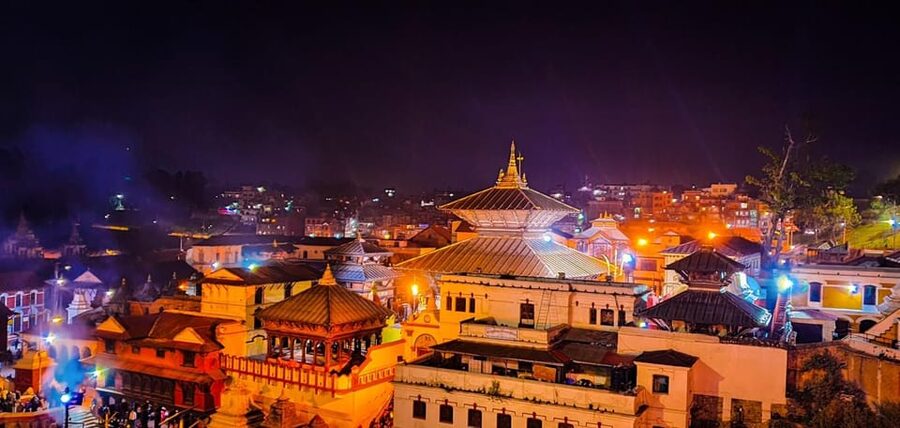
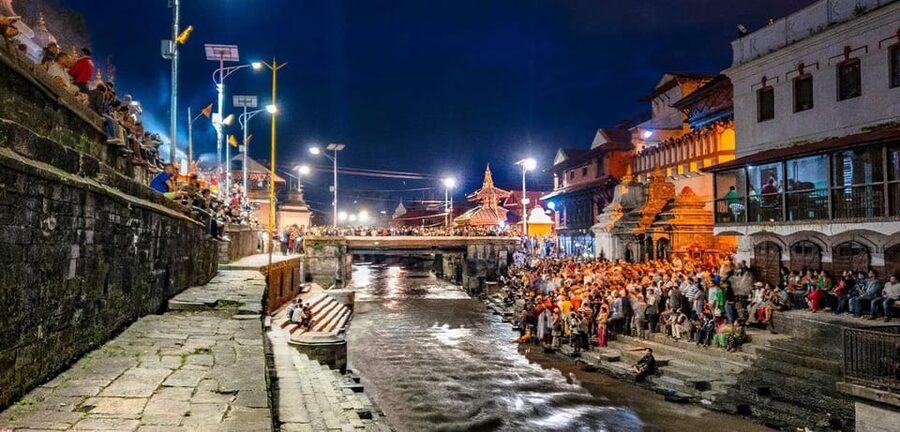
Pashupatinath is famous in daylight for its architecture and atmosphere, but the real emotional weight often arrives after sunset. This tour is built around the nightly Aarati, a light-filled ritual where priests worship Lord Shiva with chanting, lamps, incense, and music.
What makes it special is how the ceremony is both spiritual and public. You are not just watching a performance in a theater sense. You are standing at the place where the ritual is part of daily religious rhythm for many locals.
The Bagmati River adds another layer. The ceremony happens along the temple’s eastern side on the riverbanks, and at night the combination of lamps, faces, and sound creates a scene that feels intensely human and immediate.
Late-Afternoon Pickup and the Ride to the Temple Complex
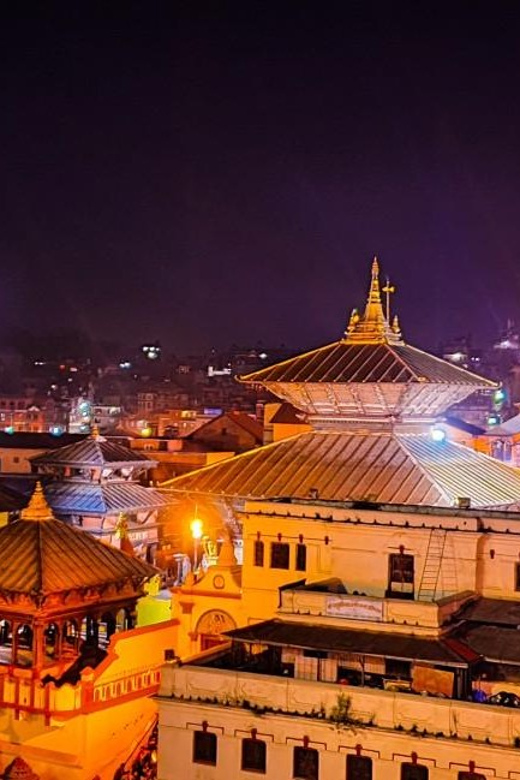
The tour starts with hotel pickup in Kathmandu and then a drive to Pashupatinath, located along the Bagmati River. The timing matters because you arrive with daylight for the guided portion and then transition naturally into nighttime for the Aarati.
That rhythm is helpful if you want both context and atmosphere. You get enough time to orient yourself in the temple complex before the ceremony begins around 6 p.m. Later, you are not scrambling to find your place when the lights and chanting start.
Transport is handled by the provider, and the experience is designed as a smooth, no-hassle outing. In the reviews, drivers like Santosh were described as polite and focused on safe, easy travel, which is a real plus when you are trying to stay present.
Entering Pashupatinath: Guided Temple Walk and a Practical Photo Stop
Once you arrive, your licensed English-speaking guide takes you through the temple complex and explains why it matters historically and religiously. This is not just a quick “see this, then that” loop. The guide’s job is to make the rituals, architecture, and layout feel understandable.
You also get time built in for sightseeing and a photo stop. Since the tour includes an entry ticket to Pashupatinath, you avoid the common headache of hunting for admission or waiting in the wrong place.
A good moment to use your camera is during the guided portion, when you can ask questions and move with the group. Even if you are mainly there for the Aarati on the river, the temple complex is worth seeing clearly first, because it anchors what you’ll witness later.
The Before-Aarati Window: Independent Time Inside the Complex
Before the ceremony starts, you’ll have some time to explore on your own for a bit. I like this part because it lets you choose your pace. Some people want more photos, others want to simply stand and watch how worshipers move through the space.
If you plan to photograph, focus on permitted areas only. The tour is designed with that in mind, and it keeps the experience respectful and trouble-free.
Also, keep an eye on your timing during this window. The Aarati starts around 6 p.m., and once it begins, your attention will naturally narrow to the riverbank and the ritual flow.
More Kathmandu evenings worth the late finish

What Happens During the 6 p.m. Aarati on the Bagmati River
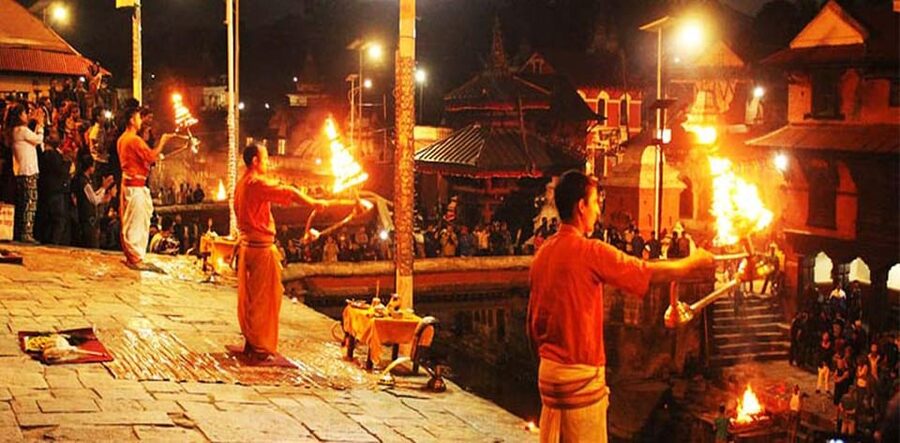
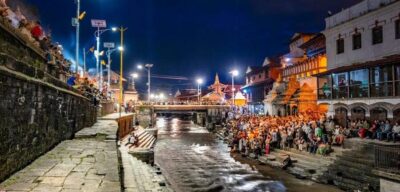
The ceremony itself is the heart of the tour. Around 6 p.m., you move into the riverbank area where people gather for the Aarati, described as a nighttime ritual filled with lights and sound.
Here is what you can expect as it unfolds:
- Priests chant prayers as part of the worship
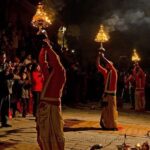
- Oil lamps are waved in front of the idol of Lord Shiva
- Vedic mantras are recited, with bells ringing during parts of the ceremony
- Incense is burned, adding a smoky, ceremonial atmosphere
- A band plays classical instruments and sings hymns
This is why an evening tour works so well. Daytime visits can be about observation and photos. The Aarati asks for something else: listening, noticing, and letting the rhythm take over.
The mood is deeply spiritual, but it is also visually striking. Lamp light reflects off faces and nearby surfaces, and the combination of chanting and music makes it feel bigger than a single moment. Even if you do not know the language, the structure of the ritual is easy to follow once your guide has explained what you are seeing.
Guides You Can Trust: English Explanations That Make the Ritual Make Sense
One of the biggest reasons this tour earns near-perfect ratings is the quality of guidance. Names that came up often include Ramesh, Rajat, and Anjan, and they are praised for being friendly, patient, and genuinely helpful with questions.
This matters because Hindu temple rituals can look complicated if you are seeing them for the first time. A guide turns the experience from pretty sights into real understanding. You start recognizing what each element is for, such as mantras and the role of lamps and incense in the worship sequence.
The reviews also mention guides being able to explain ceremonies in a way that feels accessible, not like a lecture. Ramesh, for example, is noted for being friendly and knowledgeable, and even bilingual, with at least one booking mentioning Spanish and English conversation.
If your goal is cultural understanding, pay attention to your guide’s explanations at the temple and again before the Aarati begins. That short preparation time can change how you experience the ceremony.
Photography at Pashupatinath and During the Riverbank Ritual
Photography is a major reason people choose this evening plan, and it’s built into the experience with a photo stop plus opportunities during permitted areas. Since the ritual is active and the setting is crowded, it helps to think like a guest, not a freelancer.
Here are practical ways to make your photos easier without getting in the way:
- Use the guided portion for establishing shots and temple detail photos
- During the Aarati, prioritize positioning over endless shots
- Keep movement slow and avoid blocking others in the riverbank viewing area
- Stick to permitted areas only, because rules can change with ceremony flow and crowd control
The best photos usually come when you stop chasing a perfect frame and start capturing the mood: hands moving with lamps, flames glowing, and the moment chanting and music peak.
Duration, Group Style, and How Smooth the Evening Feels
This is a 3-hour private group tour with hotel pickup and drop-off. That private format changes the pace. You are not stuck waiting for a large group to round corners or listen to the same explanation on repeat. Instead, you can ask questions and adjust to your comfort level.
The transport also earns praise from many bookings. When a driver is described as safe and welcoming, it reduces stress, and that matters in a city like Kathmandu where traffic can be unpredictable.
If you’re tight on time, a 3-hour outing is a smart way to add meaning to your Kathmandu visit. You get temple context, then the ceremony that people travel for, and you’re back at your hotel afterward.
Price and Value: Is $45 for a Pashupatinath Aarati Tour Worth It?
At $45 per person, this tour sits in a reasonable zone for a guided, transport-supported religious experience in Kathmandu. The value comes from what is included, not just the number.
Your cost includes:
- Hotel pickup and drop-off
- Transportation to and from Pashupatinath
- A licensed English-speaking guide
- Entry ticket to Pashupatinath
- All taxes and service charges
And it also includes a practical time saver: skip the ticket line. That may not sound dramatic, but it can protect your evening schedule so you arrive with enough buffer for temple viewing before the Aarati begins around 6 p.m.
What’s not included is food and drinks. That is the one extra you’ll need to plan for. If you eat lightly beforehand, the evening stays smooth and you won’t feel stuck searching for snacks during the most important part of the day.
Who This Evening Aarati Tour Is Best For
This tour fits best if you want more than photos and short explanations. You’ll likely enjoy it if you:
- Want to understand Hindu rituals, especially the structure and meaning behind Aarati
- Appreciate guided cultural context more than freeform wandering
- Like evening atmospheres and night ceremonies
- Want a calm, organized way to experience a major temple without stress
It may be less ideal if you expected a full meal included, or if you prefer very long tours with lots of downtime. The focus here is tight and clear, and the ceremony is the main event.
Should You Book This Pashupatinath Evening Aarati Tour?
I’d book it if your Kathmandu plans include Pashupatinath and you want the ceremony, not just the building. The combination of temple guidance, transport convenience, and an Aarati on the Bagmati River makes the 3-hour format feel efficient and meaningful.
Choose this tour especially if you care about understanding what you are watching. The repeated praise for guides like Ramesh and Rajat signals that you will not feel lost in the middle of religious ritual. You’ll leave with context, not just images.
If you are the type who wants food handled for you, plan a snack before pickup. Otherwise, the experience is straightforward: arrive in time, learn what matters, watch the lights and chanting, then go back to your hotel with the night still ringing in your head.
FAQ
What is the duration of the Kathmandu Pashupatinath Temple evening Aarati tour?
It lasts about 3 hours, starting with hotel pickup in Kathmandu and including time for a guided temple visit and the Aarati ceremony on the Bagmati River.
What time does the Aarati ceremony start?
The Aarati ceremony begins around 6 p.m., after you arrive and complete the guided temple portion.
Does the tour include hotel pickup and drop-off?
Yes. Your tour includes hotel pickup and drop-off in Kathmandu, along with transportation to and from Pashupatinath Temple.
Is the entry ticket included?
Yes. The tour includes an entry ticket to Pashupatinath, plus all taxes and service charges.
Are meals included?
No. Food and drinks are not included, so you’ll need to plan what you eat beforehand.
Can I take photos during the tour?
You can take photos during permitted times and areas. The tour includes a photo stop at Pashupatinath and time around the ceremony, as long as you follow the rules in the designated spaces.
Everything Bookable Around Kathmandu



The Rest of Our Kathmandu Write Ups



Pashupatinath and Boudha After Dark
Everything else we have reviewed around Kathmandu
- 12 Days Everest Base Camp Trekking
★ 5.0 · 3 reviews - 1 Night 2 Days Chitwan Jungle Safari Tour from Pokhara or Kathmandu
★ 3.0 · 3 reviews - Thamel Rickshaw tour
★ 4.7 · 3 reviews - Kathmandu: Momo Making Class with a Local Chef
★ 5.0 · 3 reviews - Kathmandu: Full-Day Yoga, Body Massage and Pedicure Package
★ 5.0 · 3 reviews - From Kathmandu / Pokhara / Chitwan: River Rafting – 1 Day
★ 4.6 · 3 reviews
Pashupatinath & Boudhanath Temples worth a second look.
 ★ 5.0Kathmandu Spiritual Sites: Bodhnath & Pashupatinath TourFrom $60185 reviews
 ★ 4.8Pashupatinath Temple Aarti Night TourFrom $7129 reviews
 ★ 5.0Pashupatinath Temple, Hindu Crematorium and Aarati in-depth TourFrom $9025 reviews
 ★ 4.5Pashupatinath Evening Aarati: Few Divinely Hours in KathmanduFrom $3523 reviews
 ★ 5.0Sacred Pashupatinath: Aarati,Cremation Rites & Boudha StupaFrom $1118 reviews
 ★ 5.0PashupatiNath and BoudhaNath – Private/Small GroupFrom $1518 reviews
 ★ 4.7Pashupatinath Temple Evening Aarati TourFrom $2211 reviews
 ★ 5.0Kathmandu City in One Day with Bodhnath StupaFrom $9510 reviews
Lists this tour sits in