
REVIEW · PASHUPATINATH & BOUDHANATH TEMPLES
Pashupatinath Evening Aarati: Few Divinely Hours in Kathmandu
Dusk at Pashupatinath feels like a living prayer. This tour focuses on the evening aarti for Lord Shiva, with priests performing the offerings of light, flowers, incense, and other ritual items while devotional songs fill the temple area. I also love that you are not just watching, you are given context for what you are seeing.
The second reason I like this experience is the chance to view the Bagmati River cremation rites from the riverbank as part of your visit. Still, plan for an emotionally intense scene, and if you want a better viewing spot you should think about timing and where you stand.
In This Review
- Key things to know before you go
- Dusk Prayer at Pashupatinath: What the evening aarti is really like
- Bagmati River cremation views: Sacred, intense, and worth preparing for
- Pashupatinath temple compound: Etiquette, sightlines, and what to notice
- Time math in Kathmandu: pickup, aarti hour, and a realistic 2 to 4 hours
- Price and value near $35: what you get, what might cost extra
- Guides who explain what you are seeing: Mahesh Ji, Mani, and Amber
- Who should book this, and who should think twice
- Should you book the Pashupatinath Evening Aarati tour?
- FAQ
- Where does this tour take place?
- What time is the evening aarti?
- How long should I plan to spend on this tour?
- Do you provide hotel pickup?
- What is included in the tour price?
- Is the entry fee to the Pashupati temple premises included?
- What else besides the aarti is included?
- Is it easy to cancel?
- What do I receive after booking?
Key things to know before you go
- Hotel pickup happens before 6 PM, with your guide and driver meeting you between 4:30 and 5:30
- The main aarti is seasonal, typically around 6:00 PM to 7:00 PM and lasts about an hour
- You will also see cremation rites by the river, a sacred and sensitive part of Hindu practice
- Your guide can make or break the experience, with praised guides including Mahesh Ji, Mani, and Amber
- Transport is air-conditioned, but temple-area entry costs may be extra
- Most people can participate, as long as you are comfortable with religious ceremony and ritual life
More temple evenings and stupa walks

Dusk Prayer at Pashupatinath: What the evening aarti is really like
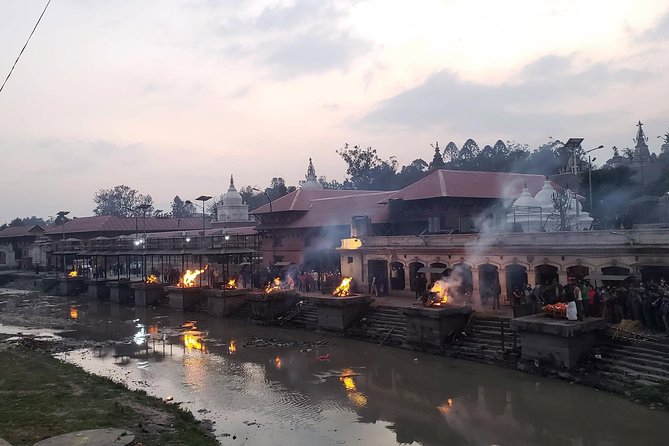
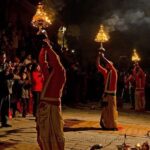
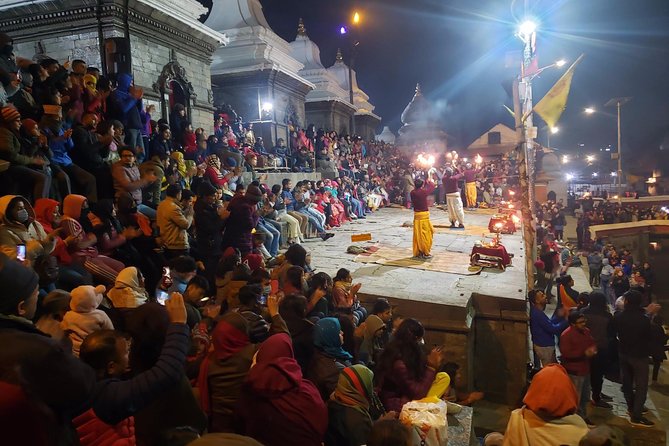
Pashupatinath is one of those Kathmandu landmarks that can feel overwhelming in daylight. At night, it becomes something else: a focused, living ceremony. The evening aarti is a day-closing ritual, offered to Lord Shiva. You will see priests leading the ceremony, while bhajana songs and chanting move through the crowd.
What makes this feel different is the rhythm. The offerings are not random gestures. They follow a set order, and the whole area seems to understand the script. Even if you do not know the language, you can sense the intention behind the light, incense, and flowers as they are presented to the deity.
This is also a good tour if you want a spiritual snapshot of Nepal that is not staged. You are watching Hindu devotion as it happens, with hundreds of devotees involved. You get the sense of a community continuing after the workday ends, which is why the time matters so much.
One practical tip: the ceremony is outdoors in a public, active temple setting. You will likely be moving, shifting your angle, and standing with other people. Wear shoes you can tolerate for a while, and keep your phone ready but not in your hand the whole time. When you hold your device up constantly, you miss the details right in front of you.
Bagmati River cremation views: Sacred, intense, and worth preparing for
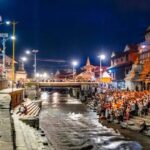
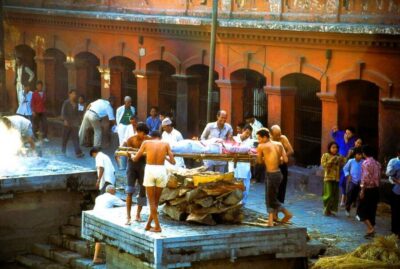
One reason this tour is so memorable is that it does not keep you safely inside a temple room. It brings you to the riverbank of the Bagmati River to observe cremation rites. For some visitors, that part is exactly what they came for, because it shows the real texture of religious life in Kathmandu.
At the same time, this is the part where you need the right mindset. Cremation practices can be emotional and hard to watch. The best advice is simple: do a little reading before you go so you understand the basics of what you are about to see, and how cremation fits into Hindu belief. You do not need to be an expert. You just need enough context to avoid shock.
Another thing I would plan for is your comfort with proximity. You will be close enough to see what is happening, but you are not meant to interfere. You will likely be watching from a respectful distance, and you should follow your guide’s cues on where to stand and when to move.
If you are traveling with someone who becomes distressed by funeral-related scenes, talk about it before you commit. This is not a casual sightseeing detour. It is a ceremony-based evening. If you can handle solemn religious moments with calm respect, you will probably find this part deeply meaningful rather than upsetting.
Pashupatinath temple compound: Etiquette, sightlines, and what to notice
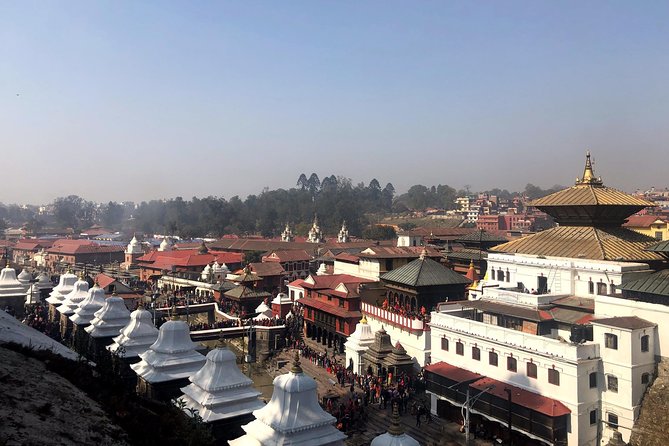
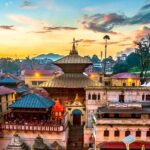
Your main stop is the Pashupatinath temple area, dedicated to Shiva. The tour description keeps the focus on the aarti, but your visit also includes observing the larger temple environment as activities unfold. That matters, because the ceremony is surrounded by worship and movement.
Here is what to notice while you are there, without trying too hard:
You will see offerings being prepared and presented.
You will see devotees gathering in large numbers.
You will hear bhajana songs that help connect the ritual actions to the meaning.
Dress and behavior matter in temple settings. Even though the tour is just a few hours, treat it like a place you respect, not a photo set. Keep your voice down, move when your guide asks you to move, and avoid blocking people who are focused on the ritual.
Sightlines can be tricky at busy times. One review style lesson that applies to you is this: if you want a good view, you need to arrive with enough time to settle. The pickup timing helps, because it puts you in the area well before the ceremony peaks.
Also, keep in mind that not everything inside temple zones is included in the tour price. The information you get may indicate an admission ticket is free, but it also says an entry fee to the Pashupati temple premises is not included. In other words, do not assume you will pay nothing. Budget a little extra so you do not have to scramble at the gate.
Time math in Kathmandu: pickup, aarti hour, and a realistic 2 to 4 hours
The tour is built around the aarti start time. The event typically runs around 6:00 PM to 7:00 PM depending on the season, and the ceremony itself lasts about an hour. That one-hour window is the centerpiece. Everything else is there to get you situated and oriented.
Expect your guide and driver to meet you between 4:30 PM and 5:30 PM at your hotel. That means you are not rolling out at 5:55 and hoping for the best. You are arriving early enough to adjust, get your bearings, and find a spot you can actually watch from.
The overall experience is listed as about 2 to 4 hours. That range makes sense because traffic, crowd flow, and where you end up standing can all shift your timing. If you are the type who likes a packed itinerary, plan to keep your evening flexible around this tour. You will likely be mentally absorbed during the ceremony, and you might not want to rush to dinner right after.
Also, think about energy. Even though this is a short tour, you are going to be standing and watching for long stretches. Bring a light layer if you get cool at night. Kathmandu evenings can feel chilly once you stop moving.
Finally, a small but important mindset: the aarti is time-sensitive. If you arrive late, you may lose the best part of the ritual and the timing will feel off. So take the pickup time seriously. Treat it like an appointment, not a suggestion.
More Kathmandu evenings worth the late finish

Price and value near $35: what you get, what might cost extra
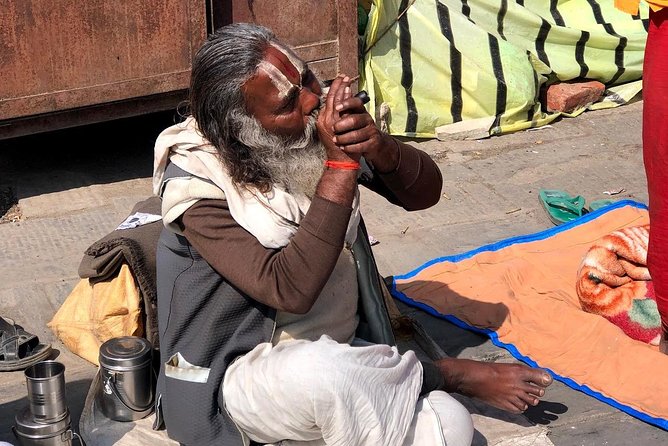
The price is $35.00 per person, which is reasonable for a guided evening outing that includes transport and a structured visit to the temple and riverbank area. You are not paying for a long, all-day tour. You are paying for a focused window with local interpretation and logistics that get you there on time.
What is included is straightforward: an air-conditioned vehicle. That is helpful, because Kathmandu traffic can eat time and patience. Even if you are comfortable with public transport, an A/C car for an evening ceremony tour is a comfort upgrade.
What is not included is also clear: the entry fee to the Pashupati temple premises. Add in the fact that the tour notes an admission ticket is free, and you get a mixed message. The safest approach is to assume you may still face a fee at the temple zone and be ready to pay it.
You also get practical booking tools: mobile ticket and group discounts. Mobile ticket is useful in a busy environment where lines and paperwork can slow you down. Group discounts can make this more attractive if you have a friend traveling with you, but you should ask for the exact discount before you commit.
My value take: this tour makes the best sense when you want the meaning, not just the location. Without context, watching an aarti and a river cremation scene can feel like a blur. With a good guide, it becomes a story you understand.
Guides who explain what you are seeing: Mahesh Ji, Mani, and Amber
A big part of why this experience earns a high rating is the guidance. Several guides get singled out by name for being helpful and for explaining what’s happening in a way that actually sticks.
Mahesh Ji is praised for being knowledgeable and accommodating, with detailed explanations. Mani is praised as an exceptional and communicative guide, especially for keeping the tour running on time. Amber is also mentioned for making sure you see and understand what is going on.
You should not assume every guide will be a star, but the pattern is clear: the best version of this tour is the one where your guide translates ritual actions into understandable meaning. That includes explaining Shiva symbolism, what the offerings mean during the aarti, and why the river area matters for the rites you might observe.
Drivers also matter here, not because you are chasing luxury, but because timing is everything. One of the strengths people mention is that pickup and drop-off work smoothly. If you want a calm, low-stress start, you will likely appreciate that your driver and guide show up on schedule.
If you do book, arrive a few minutes early to your pickup point and confirm where the guide will meet you. The best guides can only do so much if you miss them at the hotel entrance.
Who should book this, and who should think twice
This is a ceremony-focused tour in a sacred area. That means it suits people who enjoy real cultural observation, especially religious rituals. You do not need to be deeply religious. You do need to be respectful and curious.
It is also well suited for first-time visitors to Kathmandu who want something more meaningful than a quick temple photo. Seeing Shiva’s evening worship in action, then understanding the river-side cremation context, gives you a snapshot of how faith shapes public space here.
Most travelers can participate, so the tour is not limited to a niche group. Still, think twice if you know you will be upset by funeral-related scenes. You can prepare, and your guide can help set expectations, but you should be honest about your comfort level before you go.
This is also a good match for travelers who like explanations. If you prefer to wander independently with minimal structure, you might find that the guided context is the whole point. For this experience, that guidance can turn a chaotic crowd into an understandable sequence of events.
If you want a calmer evening with fewer intense moments, consider a different temple-focused plan. This one is not that.
Should you book the Pashupatinath Evening Aarati tour?
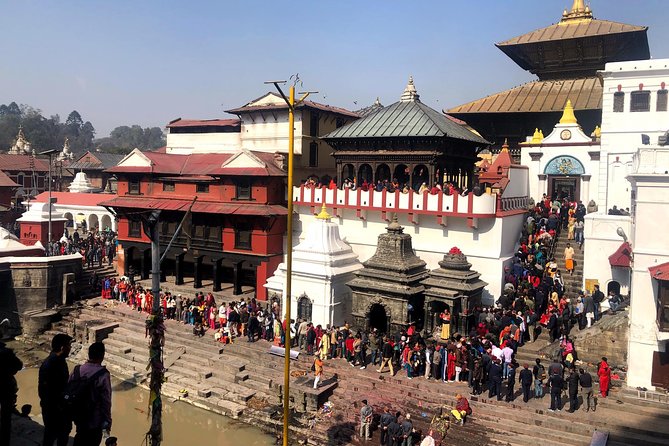
If your goal is to understand Kathmandu after dark, and you are comfortable with solemn religious practice, I think you should book. The combination of the evening aarti for Shiva, the live devotional music atmosphere, and the riverbank cremation observation is exactly the kind of cultural experience that most visitors talk about for a reason. It is not only scenic. It is meaningful.
Book it if:
You want a scheduled, guided visit with pickup so you can arrive in time.
You are curious about Hindu ritual and you like having someone explain what you are seeing.
You can handle an emotional, sensitive scene with respect.
Skip it or choose another option if:
You know you cannot handle funeral-related visuals.
You need a low-intensity evening because you are already emotionally drained.
You strongly prefer to avoid situations where crowds and ceremony activity change your view moment to moment.
One last practical call: go into this with some background reading. It will help you appreciate the ritual, and it will reduce the chance of feeling blindsided. Do that, and this tour has a very strong chance of becoming one of your most talked-about nights in Kathmandu.
FAQ
Where does this tour take place?
It takes place in Kathmandu, Nepal, centered on Pashupatinath Temple and the surrounding area, including views by the Bagmati River.
What time is the evening aarti?
The aarti takes place every evening at around 6:00 PM to 7:00 PM depending on the season.
How long should I plan to spend on this tour?
Plan for about 2 to 4 hours in total.
Do you provide hotel pickup?
Yes. The guide and driver meet you between 4:30 PM and 5:30 PM at your hotel.
What is included in the tour price?
An air-conditioned vehicle is included.
Is the entry fee to the Pashupati temple premises included?
No. The entry fee to the Pashupati Temple premises is not included.
What else besides the aarti is included?
In addition to the aarti and Pashupatinath Temple, you will also observe a cremation ceremony on the bank of the holy Bagmati River and visit other nearby monuments.
Is it easy to cancel?
Yes. You can cancel for a full refund if you cancel up to 24 hours in advance of the experience’s start time.
What do I receive after booking?
You receive confirmation at the time of booking and a mobile ticket. The experience is provided by Three Jewels Adventures.
Kathmandu After Dark


The Rest of Our Kathmandu Write Ups




Pashupatinath and Boudha After Dark
Everything else we have reviewed around Kathmandu
- 12 Days Everest Base Camp Trekking
★ 5.0 · 3 reviews - 1 Night 2 Days Chitwan Jungle Safari Tour from Pokhara or Kathmandu
★ 3.0 · 3 reviews - Thamel Rickshaw tour
★ 4.7 · 3 reviews - Kathmandu: Momo Making Class with a Local Chef
★ 5.0 · 3 reviews - Kathmandu: Full-Day Yoga, Body Massage and Pedicure Package
★ 5.0 · 3 reviews - From Kathmandu / Pokhara / Chitwan: River Rafting – 1 Day
★ 4.6 · 3 reviews
Pashupatinath & Boudhanath Temples worth a second look.
 ★ 5.0Kathmandu Spiritual Sites: Bodhnath & Pashupatinath TourFrom $60185 reviews
 ★ 5.0Pashupatinath Temple Evening Aarati TourFrom $4536 reviews
 ★ 4.8Pashupatinath Temple Aarti Night TourFrom $7129 reviews
 ★ 5.0Pashupatinath Temple, Hindu Crematorium and Aarati in-depth TourFrom $9025 reviews
 ★ 5.0Sacred Pashupatinath: Aarati,Cremation Rites & Boudha StupaFrom $1118 reviews
 ★ 5.0PashupatiNath and BoudhaNath – Private/Small GroupFrom $1518 reviews
★ 4.7Pashupatinath Temple Evening Aarati TourFrom $2211 reviews
★ 5.0PashupatiNath and BoudhaNath – Private/Small GroupFrom $1518 reviews
★ 4.7Pashupatinath Temple Evening Aarati TourFrom $2211 reviews
 ★ 5.0Kathmandu City in One Day with Bodhnath StupaFrom $9510 reviews
Lists this tour sits in