
REVIEW · PASHUPATINATH & BOUDHANATH TEMPLES
Kathmandu: Pashupatinath Temple Evening Aarati Tour
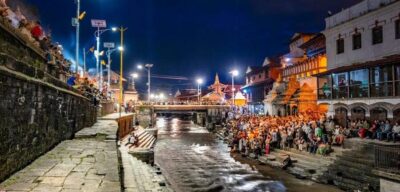
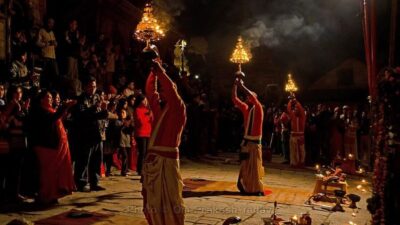
Incense, lamps, and prayers by the river. This Pashupatinath evening Aarati tour centers on the Bagmati River ritual, with priests chanting and moving oil lamps in circular motions while bhajans fill the air. I especially like two things: getting a guide who can explain what you’re seeing, and having someone help you find a decent viewing spot when the area gets packed, like on that busy Saturday night guided by Razz.
One caution: the crowd and the rules. The main temple area is not open to non-Hindus, so you’ll watch from the Bagmati River banks, and expect incense smoke and chanting along with the beautiful ceremony.
In This Review
- Key things to know before you go
- What the 6 pm Pashupati Aarati is really like
- Getting a good view when the riverside crowds roll in
- Priests, chants, and the circular oil-lamp ritual
- Why the Bagmati Aarati is more than a nightly performance
- The context your English guide can add in real time
- How the tour runs, from pickup to drop-off
- Price and value: what $22 covers, and what you should budget
- Dress code, camera rules, and respecting the sacred space
- Who this tour is best for
- A note on shopping pressure, and how to stay in control
- Should you book this Pashupatinath Evening Aarati tour?
- FAQ
- What time does the Pashupatinath Aarati start?
- How long is the tour?
- Where does pickup happen?
- Where will I be dropped off after the tour?
- Is the transport air-conditioned and private?
- Is the monument entry fee included in the price?
- Can non-Hindus enter the main temple?
- Is photography allowed?
- What should I wear?
- Does the tour include an English-speaking guide?
Key things to know before you go
- 6 pm timing matters: the Aarati usually starts around 6:00 to 6:30 PM, so you’re planning your evening around the ritual.
- Oil lamps in circles: the priests’ lamp motions and chanting are the core of the experience, not just a photo stop.
- It’s built for atmosphere: bhajans and incense are part of the deal, not optional extras.
- Your guide shapes the meaning: English explanations can add context beyond what you can catch at a glance.
- Non-Hindus view from the banks: you can still take it in fully, but you will not enter the main temple.
- A small extra cost at the gate: the NPR 1,000 monument entry fee per person is not included.
More temple evenings and stupa walks

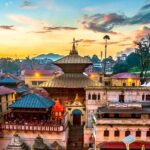
What the 6 pm Pashupati Aarati is really like
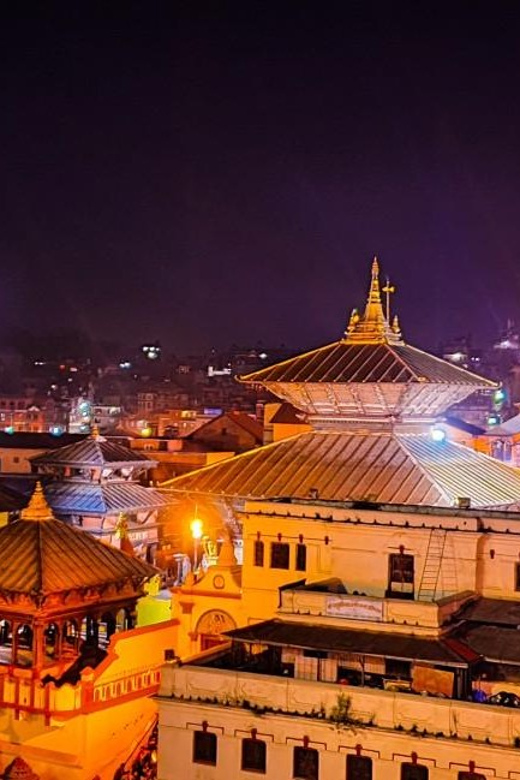
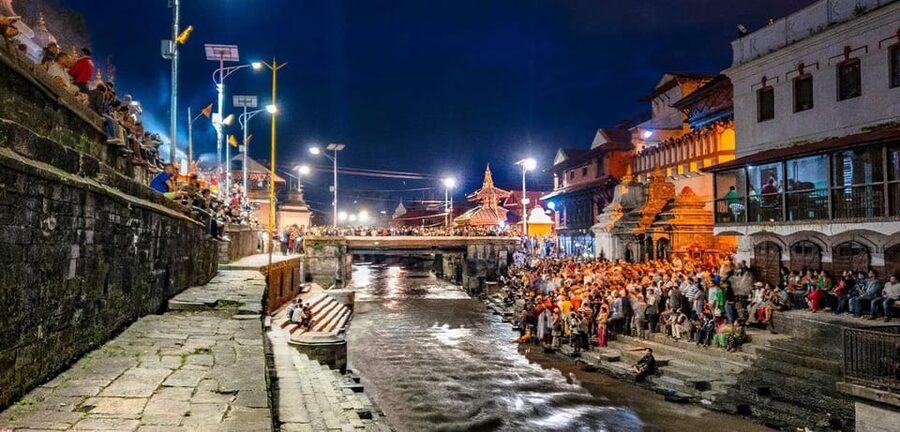
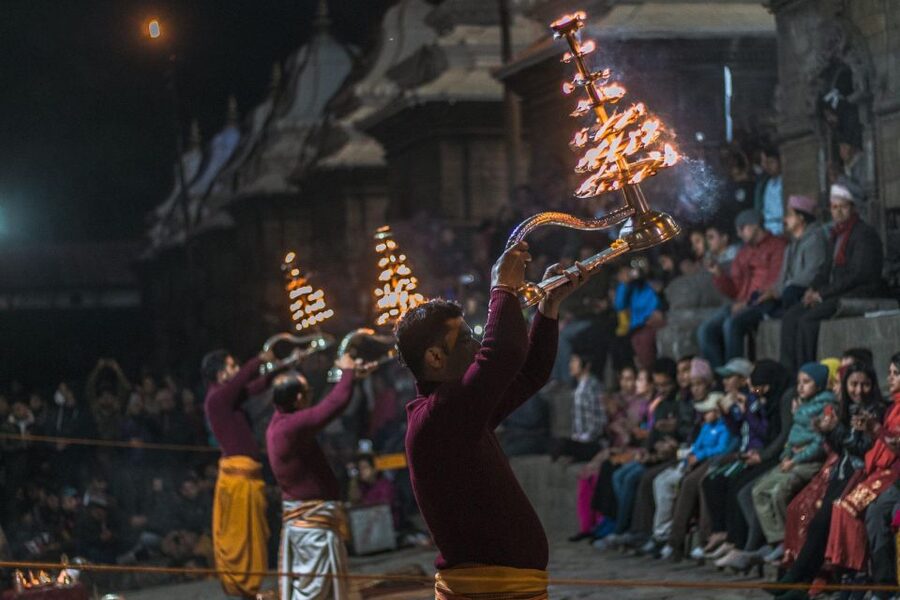
This is an evening ritual at Pashupatinath Temple where worship happens beside the Bagmati River. The belief is that bathing in this river can wash away sins, which helps explain why so many people gather here at night. The Aarati itself is a formal act of devotion, guided by priests using oil lamps and sacred chanting.
The timing is also part of the experience. The ceremony usually starts around 6:00 to 6:30 PM, and the whole tour is paced for you to get there and settle before the main moments begin. If you’re the type who hates rushing, this structure helps, since you’re not trying to find your own way into the flow at the last minute.
Getting a good view when the riverside crowds roll in
Pashupatinath is popular, and the evening can feel especially busy on weekends and during holidays. Even if you don’t love crowds, the good news is that the ritual is visible from the river banks. The practical trick is positioning, and this is where a guide earns their keep.
One review highlighted that Razz helped secure a good place to sit on a very busy Saturday night. That may not sound glamorous, but it can make the difference between watching the ceremony comfortably and spending the whole time craning your neck. Arriving early is your best move if you want space and a clear line of sight.
Priests, chants, and the circular oil-lamp ritual
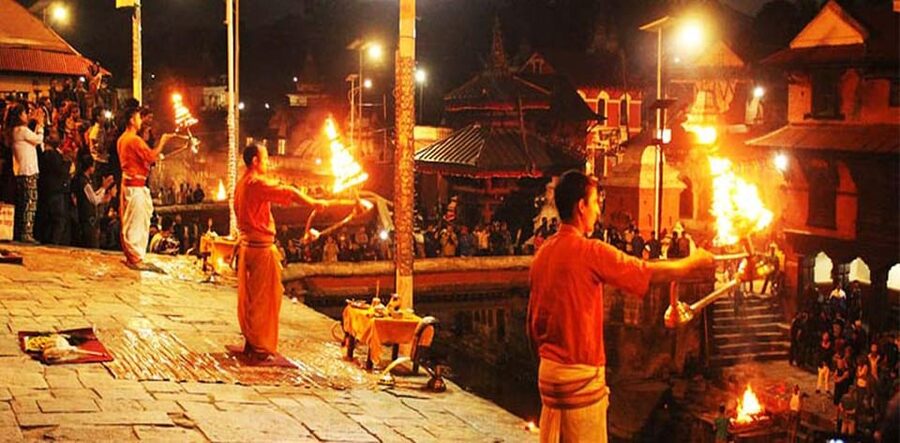
At the heart of the Aarati, priests perform worship with oil lamps. They chant sacred words and move the lamps in circular motions, which symbolizes devotion to the divine. Around them, devotees sing bhajans, and the sound blends with the steady rhythm of the ritual.
This matters because it turns the visit from sightseeing into something more grounded. You’re not just looking at a temple at sunset. You’re witnessing the highest form of prayer in Hindu practice, as the ritual is described, and that changes how you experience the space.
You’ll also notice the atmosphere builds toward the end of the ceremony. The ritual includes prayers for the wellness of all souls and gratitude for God’s kindness. That closing tone can catch you off guard in the best way, especially after you’ve been focused on the action of the lamps and chanting.
Why the Bagmati Aarati is more than a nightly performance
This tradition has structure and meaning. The Bagmati Aarati began in 2000 and became a regular tradition in 2006, and it now draws thousands of people each year. In other words, you’re seeing something that has grown into a consistent part of Kathmandu’s spiritual calendar, not a one-time event.
The tour also frames the ritual’s purpose. The Aarati honors the holy river and temple, and it reflects Hindu beliefs in the presence of God in all living beings. You get a clearer sense that this is a communal act, not only a personal one.
And yes, you’ll hear about the Tandav dance too. At Pashupatinath, followers perform Tandav, paying homage to Lord Shiva. Even if you only catch brief moments, having someone explain what you’re seeing helps you connect the movements and chanting to the broader Shiva devotion.
More Kathmandu evenings worth the late finish
The context your English guide can add in real time
The Aarti is powerful on its own. But a guided explanation can help you connect dots fast, especially if you’re new to Hindu rituals. In reviews, guides like Razz, Shankar, and Ravi were praised for explaining the symbolism and the meaning behind what was happening.
One standout point: Razz was also described as linking Hindu practice with Buddhism, which added extra context for a better sense of Kathmandu’s religious landscape. That’s not about cramming facts. It’s about helping you interpret what you’re watching when you might not know the cultural references yet.
Some guides also talk about cremation activity near the river area. One review mentioned getting a close look at cremations as part of the experience, and another described learning the religious significance tied to cremation. If you are sensitive to that topic, it’s worth mentally preparing. If you’re curious, it can become a powerful reminder that this is a living religious center, not a staged attraction.
How the tour runs, from pickup to drop-off
This tour is designed to be simple logistics with minimal friction. You get hotel pickup by private vehicle, and the transport is air-conditioned. Pickup options include Boudhha, Thamel, and Kathmandu city center, and you’ll be dropped off back in Kathmandu, Thamel, or Boudhha after the tour.
The total time is 3 hours. That’s a good length for an evening ritual. Long enough to settle, watch, and absorb what the guide is pointing out, short enough that you still have energy afterward for dinner or a calm walk.
One practical note: if you’re staying outside Kathmandu city center, there may be an additional fee. If you’re in a farther neighborhood, ask in advance so you’re not surprised at pickup time.
Price and value: what $22 covers, and what you should budget
The advertised price is $22 per person, and it includes hotel pickup and drop-off, a professional English-speaking guide, private air-conditioned transportation, and all taxes. For Kathmandu, that combination can be good value if you want the ritual experience without figuring out transport and timing on your own.
What’s not included is important. There is a monument entry fee of 1000 Rupees per person that you pay on the day of your visit. Meals and drinks are also not included, so plan to eat either before you start or after the tour.
For me, the real value is this: you’re paying for access plus interpretation. Watching an evening ceremony from the river banks is possible on your own, but a guide helps you stand in the right place, understand what the priests are doing, and avoid losing time while the ritual is already underway.
Dress code, camera rules, and respecting the sacred space
Dress matters at Pashupatinath. You’ll want modest clothing that covers your shoulders and knees. This isn’t a vague suggestion. The site is sacred, and dressing appropriately helps you avoid feeling out of place.
Non-Hindus are not permitted inside the main temple. The good news is that the Aarati can be viewed from the Bagmati River banks. So you can still experience the core ritual without being inside the temple complex.
Photography is generally allowed, but you should stay respectful during the ceremony. Practical approach: keep your camera down until the moment is steady, and focus on being present rather than treating it like a quick photo shoot. Incense smoke and chanting are part of the atmosphere, so don’t come expecting a quiet, clean viewing area.
Who this tour is best for
This is a great fit if you want a guided, evening-first look at Kathmandu’s religious life. I think it works particularly well for first-time visitors who feel unsure what they’re looking at, because the guide explanations help you understand the symbolism behind the ritual.
It’s also a good choice if you like structured evenings. The ceremony starts around 6 pm, and the 3-hour format keeps you from burning daylight while still giving you time to settle before the main action.
On the other hand, it may feel like a lot if you dislike crowds, smoke, or loud chanting. And if you are uncomfortable with the possibility of seeing cremation activity from the river area, go in with that awareness.
A note on shopping pressure, and how to stay in control
Most of the feedback here is strongly positive, especially around guides like Razz and Shankar for explanations and good positioning. Still, there is one negative report alleging commission-based shopping pressure, including a claim about an overpaid purchase related to a religious item.
I wouldn’t panic over one outlier, but I would stay smart. If you see your guide encouraging purchases on the spot, slow down and decide for yourself. Set a budget before you arrive, and don’t let the emotion of the setting push you into impulse buying.
Should you book this Pashupatinath Evening Aarati tour?
I’d book it if you want the real nighttime feel of Pashupatinath, with a guide who can explain the ritual while you’re standing in the right place. It’s a solid value when you factor in hotel pickup, an English guide, and private air-conditioned transport, plus the fact that the Aarati is time-sensitive.
I’d think twice if you hate crowds, incense smoke, or chanting. Also, remember the non-Hindu restriction for entering the main temple, and plan to view from the river banks. Finally, budget the NPR 1,000 entry fee per person, since it’s not included.
If you like your Kathmandu experiences spiritual, grounded, and guided, this is one of the better ways to spend an evening.
FAQ
What time does the Pashupatinath Aarati start?
The evening Aarati usually starts around 6:00 to 6:30 PM, but timing can vary by season.
How long is the tour?
The tour lasts about 3 hours.
Where does pickup happen?
Pickup is offered from Boudhha, Thamel, and Kathmandu city centre options.
Where will I be dropped off after the tour?
You’ll be dropped off back in Kathmandu, Thamel, or Boudhha.
Is the transport air-conditioned and private?
Yes, you’ll use private transportation with air conditioning.
Is the monument entry fee included in the price?
No. The monument entry fee is NPR 1,000 per person and is paid on the day of the visit.
Can non-Hindus enter the main temple?
Non-Hindus are not permitted inside the main temple, but the Aarati can be viewed from the Bagmati River banks.
Is photography allowed?
Photography is generally allowed, as long as you remain respectful during the rituals.
What should I wear?
Dress modestly and cover your shoulders and knees.
Does the tour include an English-speaking guide?
Yes. You’ll have a professional English speaking tour guide during the visit.
Everything Bookable Around Kathmandu



The Rest of Our Kathmandu Write Ups



Pashupatinath and Boudha After Dark
Everything else we have reviewed around Kathmandu
- 12 Days Everest Base Camp Trekking
★ 5.0 · 3 reviews - 1 Night 2 Days Chitwan Jungle Safari Tour from Pokhara or Kathmandu
★ 3.0 · 3 reviews - Thamel Rickshaw tour
★ 4.7 · 3 reviews - Kathmandu: Momo Making Class with a Local Chef
★ 5.0 · 3 reviews - Kathmandu: Full-Day Yoga, Body Massage and Pedicure Package
★ 5.0 · 3 reviews - From Kathmandu / Pokhara / Chitwan: River Rafting – 1 Day
★ 4.6 · 3 reviews
Pashupatinath & Boudhanath Temples worth a second look.
 ★ 5.0Kathmandu Spiritual Sites: Bodhnath & Pashupatinath TourFrom $60185 reviews
 ★ 5.0Pashupatinath Temple Evening Aarati TourFrom $4536 reviews
 ★ 4.8Pashupatinath Temple Aarti Night TourFrom $7129 reviews
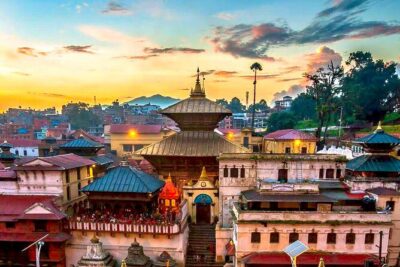 ★ 5.0Pashupatinath Temple, Hindu Crematorium and Aarati in-depth TourFrom $9025 reviews
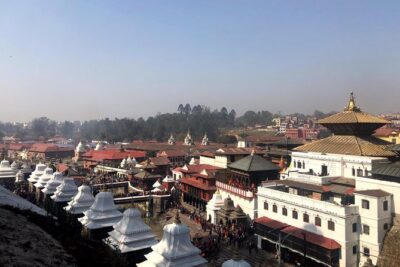 ★ 4.5Pashupatinath Evening Aarati: Few Divinely Hours in KathmanduFrom $3523 reviews
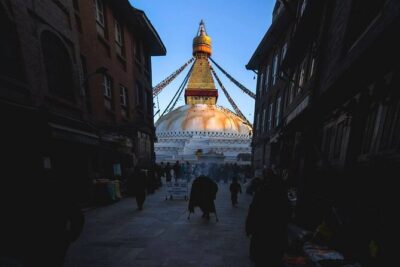 ★ 5.0PashupatiNath and BoudhaNath – Private/Small GroupFrom $1518 reviews
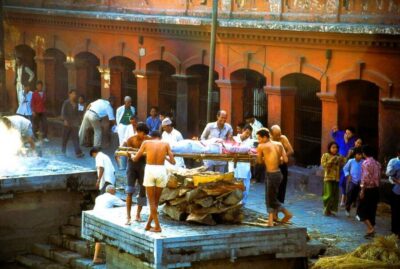 ★ 5.0Sacred Pashupatinath: Aarati,Cremation Rites & Boudha StupaFrom $1118 reviews
 ★ 5.0Kathmandu City in One Day with Bodhnath StupaFrom $9510 reviews
Lists this tour sits in