
REVIEW · PASHUPATINATH & BOUDHANATH TEMPLES
Pashupatinath Temple, Hindu Crematorium and Aarati in-depth Tour
Aarti at dusk hits different. At Pashupatinath Temple, you get a guided look at the sacred sites, including the crematorium, plus the Sandhya Aarati by priests along the Bagmati River. I love the Ph.D.-level heritage explanations (led by guides such as Nabin or Nirajan) that connect myth, culture, and today’s Hindu practice, and I love the on-the-spot cremation context that helps you understand why this place matters.
Do plan for the emotional weight of the cremation stop and some solid walking. It is roughly 4 to 5 hours, and even when it flies by, the subject matter asks for patience and respect.
In This Review
- Key things to know before you go
- Pashupatinath Temple: How to Read a Sacred Place Without Getting Lost
- The Hindu Crematorium Stop: What You’re Really Learning From the Rites
- Sandhya Aarati and Bagmati River Aarti: The Rituals That Bring It All Together
- Timing and Walking: Why 4 to 5 Hours Works at 2:00 pm
- Price and Value: What $90 Buys in Kathmandu for This Kind of Access
- Practical Tips for a Respectful, Smooth Visit
- Who Should Book This Tour (and Who Might Hesitate)
- Should You Book the Pashupatinath Crematorium and Aarati Tour?
- FAQ
- How long is the Pashupatinath Temple, crematorium and Aarati tour?
- What time does the tour start?
- Is pickup offered, and how do you get around?
- What is included in the $90 price?
- Are temple and crematorium admission tickets included?
- Is this a private tour?
- Are service animals allowed?
- Can I cancel and get a full refund?
Key things to know before you go
- Expert heritage guidance from specialists supervised by a Ph.D. focus on Pashupatinath’s tangible and intangible heritage
- Crematorium viewing with context, explained by experts from the Pashupati Area Development Trust
- Sandhya Aarati at the temple end, with priests doing lamp and incense rituals in precise order
- Bagmati River aarti atmosphere, where the spiritual offering feels loud, human, and real
- Time to move through the temple grounds, not just a quick glance at the main buildings
More temple evenings and stupa walks


Pashupatinath Temple: How to Read a Sacred Place Without Getting Lost
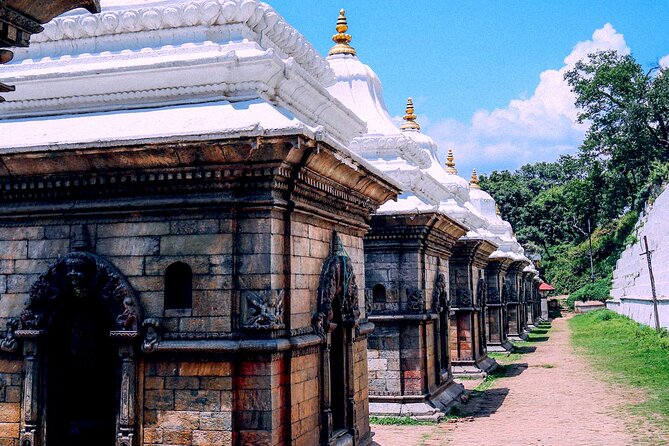
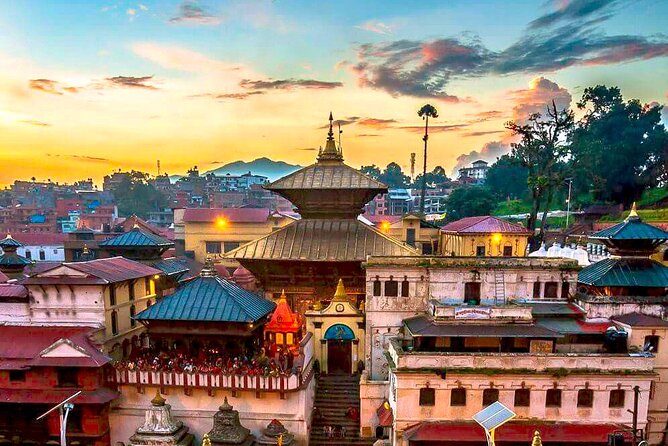
Pashupatinath is one of the most important Hindu temple complexes in the world, and it is old in a way that you feel in your feet as soon as you start walking. This is not a “stand in one spot and admire” stop. You move through the temple area with a guide who helps you make sense of what you see: shrines, rituals, and the meaning behind everyday practices inside the sacred boundaries.
The biggest win here is the way the tour explains the world of Hindu belief in plain, logical terms. The guide structure is built around heritage expertise, and in real life that shows up as clear explanations rather than vague chanting-in-the-background. I like that you are not just told what to believe, you are given the cultural reasons people do what they do, and how those ideas connect to the present day.
You also get help navigating the flow of the grounds. One of the common surprises from people who go is that there are paths and viewpoints they would not naturally find. If you want the “I actually understood what I was looking at” version of Pashupatinath, this kind of guided route is the difference.
A practical note: you will be surrounded by incense, bells, and constant motion from worshippers and priests. That sensory layer can be distracting at first, but your guide helps you slow down and notice details without being overwhelmed.
The Hindu Crematorium Stop: What You’re Really Learning From the Rites
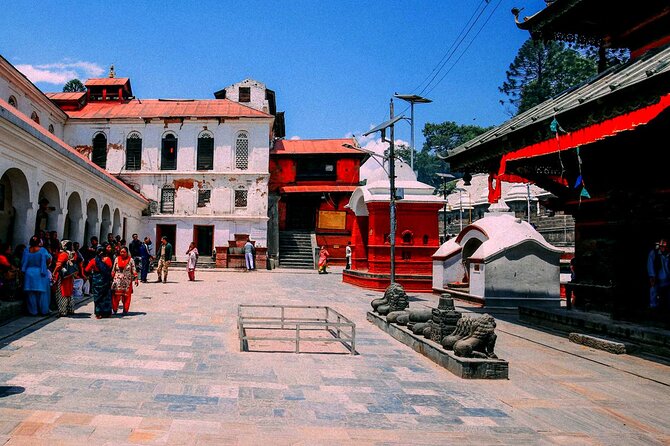
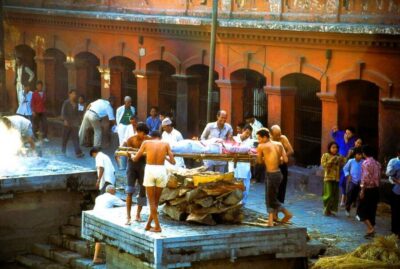
The crematorium section is the part many visitors remember hardest, because it is where the tour stops being about buildings and becomes about life, death, and belief in action. This stop is guided with help from experts associated with the Pashupati Area Development Trust, and the emphasis is on explaining the cultural process of cremating the dead in Hindu tradition.
The key value is framing. Instead of watching something and leaving with a pile of impressions, you get context while you are still there. The tour is described as having a live scenario element, meaning you learn by seeing what is happening and hearing what it means. For many people, that turns discomfort into understanding, and understanding into respect.
This is also where you should be mentally prepared. Even with good guidance, cremation is emotionally intense. If you are the kind of person who needs distance from death-related scenes, you might find this stop challenging. On the other hand, if you are traveling to understand culture from the inside, this is the moment that makes Pashupatinath more than a postcard.
Also, don’t underestimate the time you spend absorbing. The crematorium segment is about 1 hour, but in practice it can feel like it changes your pace for the rest of the tour. People often say it felt longer in the best way, because the meaning lands slowly.
Sandhya Aarati and Bagmati River Aarti: The Rituals That Bring It All Together
The tour ends with the Sandhya Aarati, a ceremony involving lamp and incense offerings done by dedicated priests in precise ritual order. This is not “everyone waves at the same time.” You get to see the deliberate structure of the ceremony and the way the crowd participates as part of a shared spiritual rhythm.
In the reviews and descriptions, I keep seeing the same pattern: incense smells, bells ringing, and the sense that the whole scene is alive. That is exactly what you want if you like real-time culture, the kind you cannot replicate in a museum.
You also get the Bagmati River aarti component, described as an energetic offering to Shree Pashupatinath. The Bagmati River bank becomes more than a backdrop. It becomes a working part of the spiritual setting, and you get to understand how the temple complex and river rituals connect.
If you have only one chance to experience Pashupatinath beyond the main architecture, this timing matters. Going later in the day helps the ceremony energy feel sharper and more meaningful, especially with lamp light and incense in the air.
Timing and Walking: Why 4 to 5 Hours Works at 2:00 pm
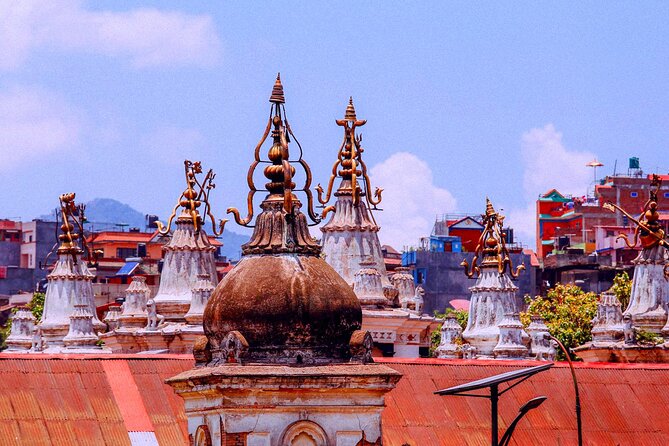
This tour starts at 2:00 pm, which is a smart choice for a temple and river-ritual experience. You get enough daylight for navigating the temple grounds, then you move into the ceremonial part as the day shifts.
The flow is also practical:
- First, you spend about 2 hours at Pashupatinath Temple with your expert guide taking you around the main attractions.
- Next, about 1 hour at the crematoria, with explanations from trusted experts on the cultural process.
- Finally, around 2 hours to experience Sandhya Aarati and the closing rituals with priests and local participation.
I like this structure because it matches how your brain learns. You start with orientation and meaning, then you hit the most emotionally loaded part with context, then you end with ritual order and communal focus. It is a lot, but people frequently say the time moves quickly once the ceremony starts.
Still, plan for standing and walking. The temple complex is not a flat stroll. Wear comfortable footwear and keep water handy. Bottled water is included, which helps you stay grounded while you focus on the spiritual details instead of checking if you are thirsty.



Price and Value: What $90 Buys in Kathmandu for This Kind of Access
At $90 per person, this tour sits in the “serious experience” category, not the budget sightseeing band. The value is in what is bundled and what your guide brings.
Here is what the price includes:
- Bottled water
- Private transportation
- All fees and taxes
- Expert guides
- Admission tickets included for the temple and crematorium stops
- Mobile ticket
That matters because Pashupatinath is not just one attraction. You are covering temple grounds plus a crematorium segment plus ceremonies, and those can be hard to assemble on your own without local interpretation. With a guide like Nabin or Nirajan, you are paying for translation of meaning, navigation through important spaces, and the ability to ask questions in real time.
Also, the tour is a private experience for your group. That is a quiet but important value point. You are not rushing to keep up with a big crowd, and you can ask the questions that actually bother you, like what different practices are for and how people understand them.
Two things to keep in mind about cost:
- Tips for guide and driver are not included.
- Donations and offerings to sadhus or temples are not included.
If you want to participate in offerings respectfully, you should plan a little extra budget for that.
Practical Tips for a Respectful, Smooth Visit
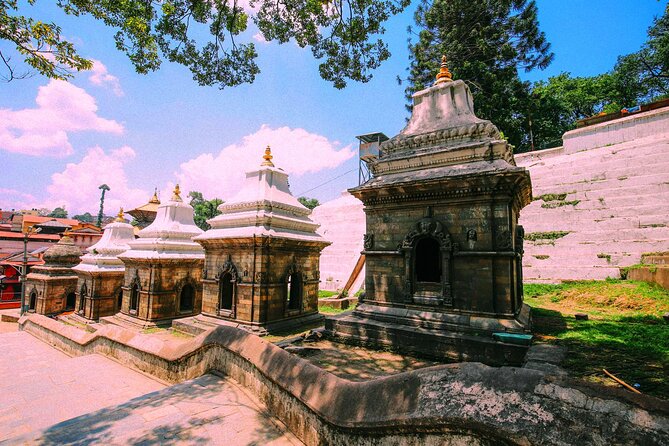
This is a sacred place where people live their faith day to day. Even if you are there as a visitor, act like you understand you are stepping into a serious space.
A few practical ideas based on what you’ll likely notice on-site:
- Expect strong sensory input: incense, bells, and constant movement. Your guide helps you sort what matters, so stay close and follow their timing.
- Be ready for the cremation stop to affect your mood. If you get overwhelmed easily, mentally frame that time as education, not entertainment.
- Comfortable shoes matter. Temple routes and riverbank steps are not designed for dress shoes and long museum-style pauses.
- Bring a curious mindset. The tour is set up to explain religious and cultural practices logically and scientifically in a way that helps you connect dots rather than just absorb vibes.
One more detail I like: guides often respond patiently to visitors’ questions and wishes. That kind of flexibility is useful at Pashupatinath, because the questions you have will not be the same as the person standing next to you.
Who Should Book This Tour (and Who Might Hesitate)
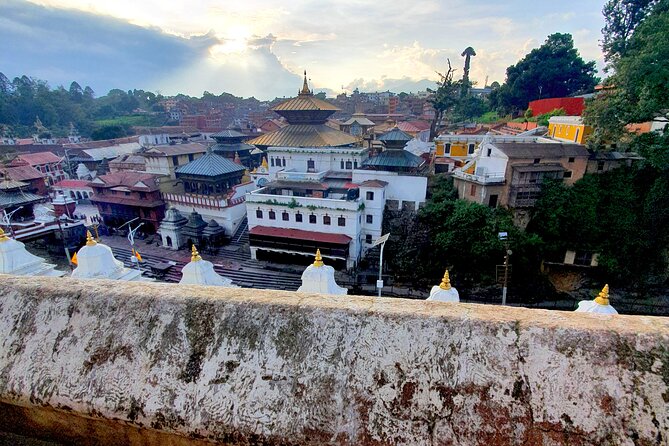
This is a strong fit if you want to understand Hindu culture with guidance, not just observe from the edge. It works well for:
- People who enjoy religious and cultural interpretation
- Travelers who like expert storytelling tied to real sites
- Anyone who wants to see both temple practice and cremation rites with context
- Visitors who value a guided route through complex grounds
It may not be the best choice if:
- You are very uncomfortable with death-related ceremonies and want zero exposure
- You cannot handle emotional intensity, even with explanations
- You are expecting a short, low-stimulation “highlights only” outing
If you fall in the middle, you can still make it work by preparing mentally for the crematorium segment. The guide framing is meant to help you understand, not shock you for attention.
Should You Book the Pashupatinath Crematorium and Aarati Tour?
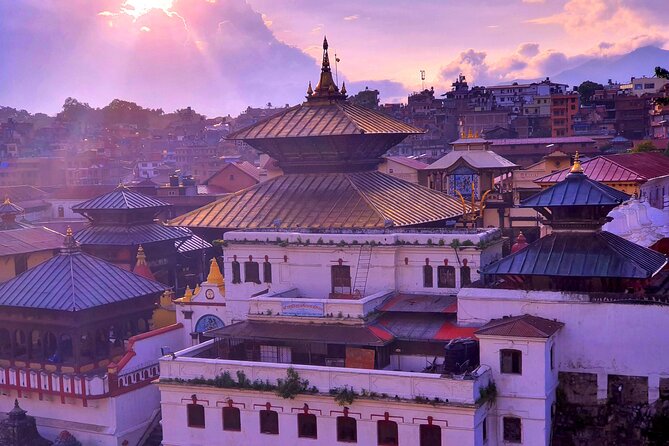
Yes, I would book it if your goal is understanding. The blend of guided temple orientation, a crematorium stop with expert explanations, and the ending Sandhya Aarati and Bagmati River aarti is hard to replicate on your own.
The two biggest reasons to choose this specific experience are the heritage-level guidance and the fact that the most intense part is paired with context, not left to guesswork. If you are the kind of traveler who wants to leave knowing what you saw and why it matters, this is the right direction in Kathmandu.
If you are sensitive about cremation scenes, read that as a signal to prepare, not automatically a stop sign. Plan for respect, take your time, and let the ceremony at the end bring everything back into focus.
FAQ
How long is the Pashupatinath Temple, crematorium and Aarati tour?
It runs about 4 to 5 hours approximately.
What time does the tour start?
The start time is 2:00 pm.
Is pickup offered, and how do you get around?
Pickup is offered, and private transportation is included.
What is included in the $90 price?
The tour includes bottled water, private transportation, all fees and taxes, and expert guides. Admission tickets are also included for the stops.
Are temple and crematorium admission tickets included?
Yes, admission tickets are included for the temple and crematorium portions of the tour.
Is this a private tour?
Yes. It is a private tour/activity, and only your group participates.
Are service animals allowed?
Yes, service animals are allowed.
Can I cancel and get a full refund?
Yes. Cancellation is free, and you can cancel up to 24 hours in advance for a full refund.
Everything Bookable Around Kathmandu




The Rest of Our Kathmandu Write Ups



Pashupatinath and Boudha After Dark
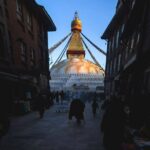
Everything else we have reviewed around Kathmandu
- 12 Days Everest Base Camp Trekking
★ 5.0 · 3 reviews - 1 Night 2 Days Chitwan Jungle Safari Tour from Pokhara or Kathmandu
★ 3.0 · 3 reviews - Thamel Rickshaw tour
★ 4.7 · 3 reviews - Kathmandu: Momo Making Class with a Local Chef
★ 5.0 · 3 reviews - Kathmandu: Full-Day Yoga, Body Massage and Pedicure Package
★ 5.0 · 3 reviews - From Kathmandu / Pokhara / Chitwan: River Rafting – 1 Day
★ 4.6 · 3 reviews
Pashupatinath & Boudhanath Temples worth a second look.
 ★ 5.0Kathmandu Spiritual Sites: Bodhnath & Pashupatinath TourFrom $60185 reviews
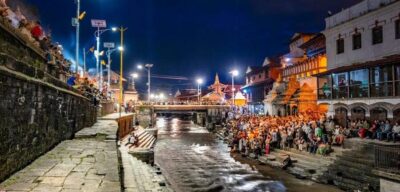 ★ 5.0Pashupatinath Temple Evening Aarati TourFrom $4536 reviews
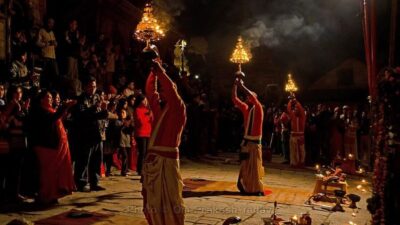 ★ 4.8Pashupatinath Temple Aarti Night TourFrom $7129 reviews
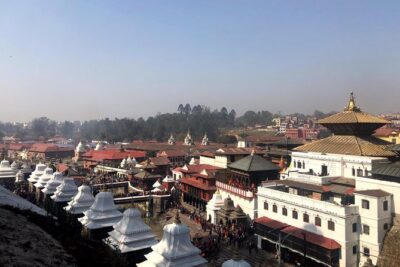 ★ 4.5Pashupatinath Evening Aarati: Few Divinely Hours in KathmanduFrom $3523 reviews
 ★ 5.0PashupatiNath and BoudhaNath – Private/Small GroupFrom $1518 reviews
 ★ 5.0Sacred Pashupatinath: Aarati,Cremation Rites & Boudha StupaFrom $1118 reviews
★ 4.7Pashupatinath Temple Evening Aarati TourFrom $2211 reviews
★ 5.0Sacred Pashupatinath: Aarati,Cremation Rites & Boudha StupaFrom $1118 reviews
★ 4.7Pashupatinath Temple Evening Aarati TourFrom $2211 reviews
 ★ 5.0Kathmandu City in One Day with Bodhnath StupaFrom $9510 reviews
Lists this tour sits in