
REVIEW · LANGTANG & MANASLU TREKS
3 Days Chisapani Nagarkot Trek
Fog clears into Himalayan views fast. This 3-day Chisapani to Nagarkot trek is a great taste-test of Nepal’s hills, with meals included so you can focus on walking and scenery. You’ll also move with an English-speaking trekking guide and a porter, but Day 1 can feel a bit more effort than the 4-5 hour label suggests.
What I like most is the way the days build toward the big moments. A morning start (7:45 am) and private group setup keep things smooth, then Nagarkot delivers the classic sunrise and sunset payoff from a hilltop lookout. If you’re not into early starts or cold waits for light, bring layers and plan to dress warmly.
In This Review
- Key things that make this trek worth your time
- Chisapani to Nagarkot: a smart 3-day route for first-timers
- Day 1: Kathmandu to Sundarijal, then 4-5 hours up to Chisapani (2115m)
- Day 2: Chisapani to Nagarkot, forest paths to villages and the sunset panorama
- Day 3: Nagarkot sunrise, Chagunarayan Temple, then Bhaktapur Durbar Square to Kathmandu
- Meals, guide, and porters: what “supported” really means here
- Price and Logistics: is $320 good value for this trek?
- Who this Chisapani Nagarkot trek suits best
- Practical packing and pacing tips for this route
- Should you book the 3-day Chisapani Nagarkot trek?
- FAQ
- What time does the trek start?
- Where does the trek begin and what’s the first walking day like?
- How many hours do you hike on Day 2 and where do you stop for lunch?
- What is included in the price?
- What is not included?
- Do you get dropped back in Kathmandu after the hike?
Key things that make this trek worth your time
- Meals included on the hike keeps your day simple and lets you pack lighter
- English-speaking guide means you get clear trail help and better context as you walk
- Porter support eases the load, especially on longer stretches
- Private trek for your group feels more personal and less rushed
- Nagarkot viewpoints give you a true morning and evening photo window
The quieter valleys: Langtang and Manaslu
Chisapani to Nagarkot: a smart 3-day route for first-timers
This is the kind of trek I recommend when you want real mountain views without committing to a full multi-week program. You get two nights out of Kathmandu, and the itinerary links forest walking, village paths, and hilltop panoramas in a way that stays doable for most people with reasonable hiking ability.
You’ll start with a drive from Kathmandu to the trailhead, then walk uphill to Chisapani. After that, the big shift happens on Day 2, as you head toward Nagarkot and start stacking up views that feel larger than the hike time would suggest. Day 3 ties it off with a temple stop at Chagunarayan and sightseeing in Bhaktapur, so the trip doesn’t end the moment you reach the summit view.
Day 1: Kathmandu to Sundarijal, then 4-5 hours up to Chisapani (2115m)
Your day begins with an early pickup-style start in Kathmandu at 7:45 am, followed by a drive to Sundarijal. From there, you walk about 4-5 hours to reach Chisapani at 2115m, with the route climbing gradually.
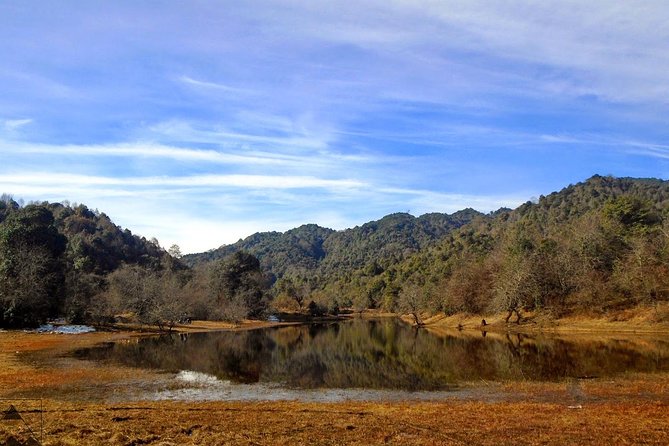
The trail work matters here because you’re not just ticking off distance. You’ll go uphill through pine and oak forest, and this is where you can slow down and actually notice the small stuff, like birdsong and wildlife chances. The Shivapuri National Park area is mentioned as a good spot for bird watching, so if you enjoy quiet nature moments, Day 1 gives you that.
What to watch out for: Day 1 is where some people get surprised. Even if the hike time looks manageable on paper, uphill walking always feels longer when you’re not warmed up yet. Go slow early, take short breaks, and let your body settle before you start chasing pace.
You’ll overnight at a lodge in Chisapani. Dinner and lunch are included, which is a big deal on a short trek because you avoid that stressful question of where your next meal comes from.
Day 2: Chisapani to Nagarkot, forest paths to villages and the sunset panorama
Day 2 is longer, about 6-7 hours of walking, and it has a good mix of terrain. After breakfast, you head out along an unsealed road for roughly 2-3 hours through the forest. This is one of those days where the “quiet hours” can feel as important as the “view hours,” because you get time to settle into rhythm.
As you continue, you move from the forest toward lower points like Jhule and Chauki Bhanjyang, where you stop for lunch. The timing is planned so you can eat and recover before the next push toward Nagarkot.
After lunch, you continue through villages and terraced fields. This is the part where the trek turns from nature-walk to everyday life along the trail. When you’re trekking this close to Kathmandu, you’ll often see how people use these slopes, and you’ll get that sense of village rhythm rather than a fully “wild” trail.
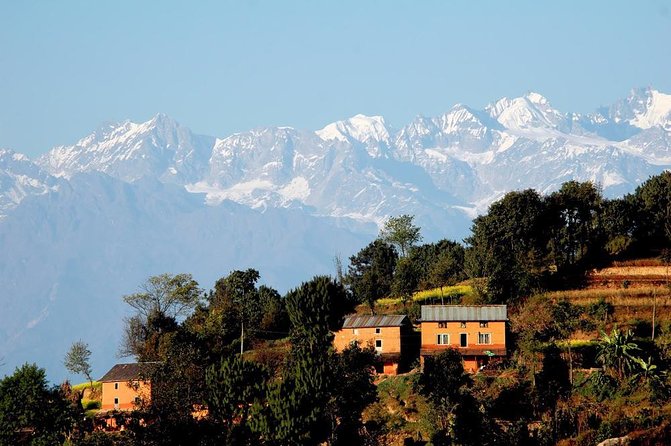
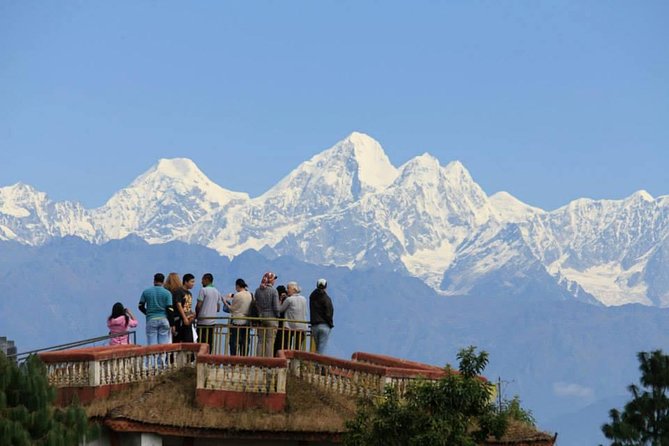
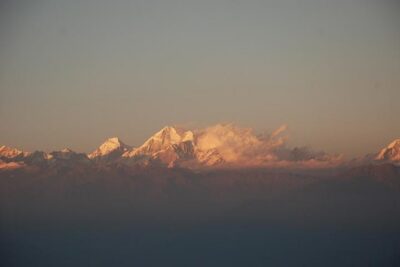
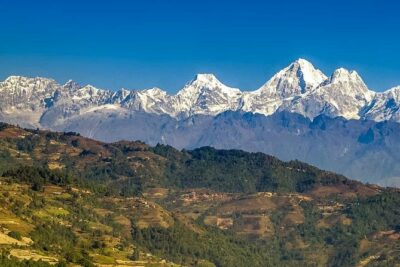
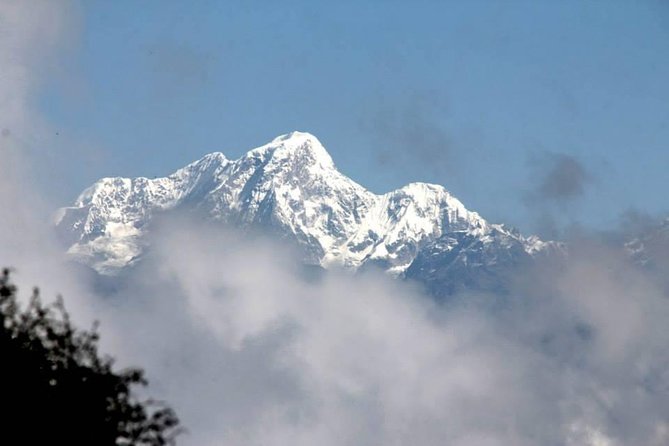
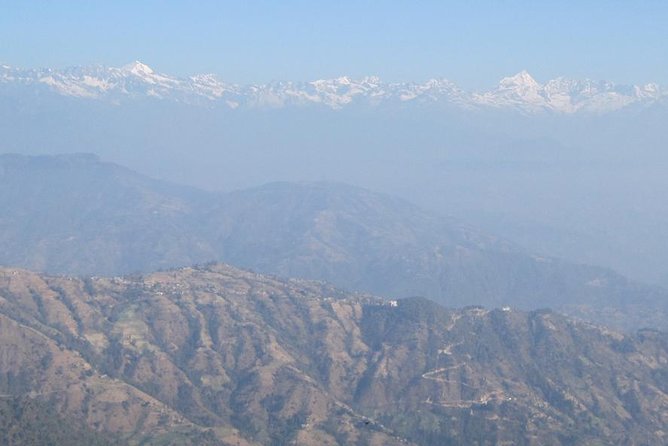
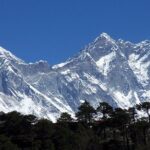
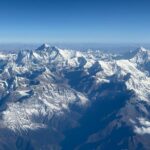
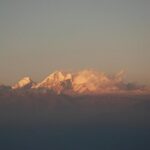
Then comes the key climb: the trail ascends from Kattike Bhanjyang to Nagarkot. From Nagarkot, you can see a wide Himalayan range view that includes Annapurna, Langtang, and Everest on a clear day. The route description also points out that the panorama stretches from Dhaulagiri in the west all the way past Everest to Kanchenjunga in the east.
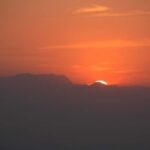
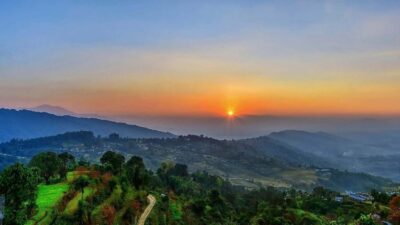
Evening payoff: Nagarkot is famous here for sunset views, and the plan gets you there in time. In practical terms, start thinking about timing early in the day so you’re not arriving when you’re too tired to enjoy the light.
You sleep at a hotel in Nagarkot. Breakfast, lunch, and dinner are included, and the lodge-to-hotel style change is nice on a short itinerary. It also gives you a better chance to rest well for Day 3’s early start.
Day 3: Nagarkot sunrise, Chagunarayan Temple, then Bhaktapur Durbar Square to Kathmandu
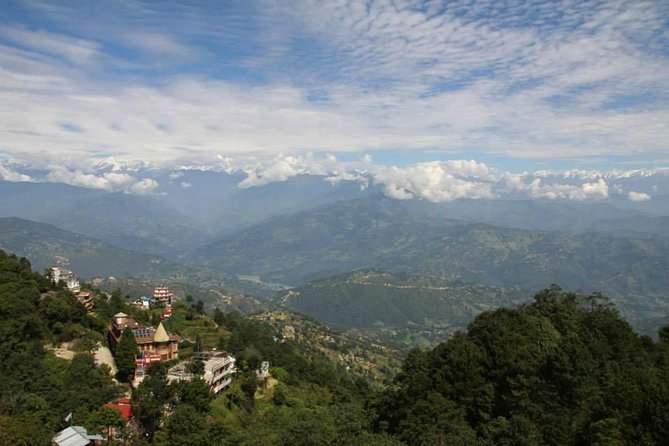
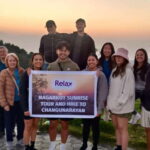
Day 3 starts with the payoff that makes this trek “stick” in your memory: sunrise at Nagarkot. Nagarkot sits on a hilltop, so the whole feel is different early in the day. You’re set up for a Himalayan panorama view through a river valley, which is the kind of scene that feels bigger than your trek distance.
Breakfast comes after sunrise time, then you hike for a couple of hours toward Chagunarayan Temple. The route includes walking down to Telkot, then ascending a small hill to reach the temple.
Chagunarayan is described as an old, artistic temple and listed as a UNESCO World Heritage Site. That matters because it turns a trek morning into a cultural visit with real significance. You get a moment to slow down, look closely, and appreciate craft and architecture rather than only chasing views.
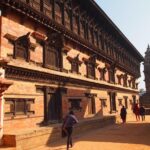
After visiting the temple, you stop at Bhaktapur Durbar Square. Then it’s back to Kathmandu by car, with drop-off at your hotel to end the trip cleanly.
Other early starts up to Nagarkot


Meals, guide, and porters: what “supported” really means here
This trek is built around comfort that still feels like real trekking. All meals while you’re on the hike are provided, which is a huge value win on a short trip. Instead of spending time planning meals, you’re spending energy on walking and enjoying stops.
You’ll also hike with an English-speaking guide, and there’s a porter to help carry luggage (listed as 1 porter for 2 trekkers). The biggest practical benefit is that you can travel with a lighter daypack. That makes it easier to handle longer hours on Day 2.
One of the best signals from prior trip feedback is the human side of the guiding. A solo traveler highlighted guide Ganesh by name and described how he encouraged her to take her time when she felt nervous. That tells me this company puts real care into how the trek feels, not just where it goes.
I’d still call this a hiking trip, not a stroll. You’ll be walking multiple hours each day, and good guidance helps you stay safe and avoid overdoing it.
Price and Logistics: is $320 good value for this trek?
At $320 per person for a 3-day, 2-night trek, this can be good value if you compare what’s included versus what you’d otherwise pay on your own.
Here’s what you’re getting that usually costs extra when you DIY:
- Private transportation to the trail start from Kathmandu and back to Kathmandu after finishing
- National Park permit included
- All meals while hiking
- An English-speaking trekking guide
- A porter to help carry luggage
- Bhaktapur Durbar Square sightseeing on the return day
What’s not included is also clear. Meals in Kathmandu, sightseeing entrance fees, Nepal travel insurance, visa entry fee, personal items (like drinks, laundry), and tips are separate. If you were already planning to spend money on guides, permits, and transport, the price feels more reasonable.
One more detail: this is a private trek for your group only. That usually means a better match to your pace. It can also mean fewer “wait and squeeze” moments, since you are not constantly adjusting to a larger group.
Who this Chisapani Nagarkot trek suits best
This is ideal if you want mountain views with a manageable time commitment. Day 1 runs about 4-5 hours walking, Day 2 is the longest at 6-7 hours, and Day 3 includes a shorter hike plus temple and sightseeing.
It also suits solo hikers who want support. Feedback from a solo woman who was 71 focused on how well organized the trip was and how she felt taken care of, with encouragement from her guide. That doesn’t mean it’s effortless, but it suggests the pace is adjustable.
You might think twice if you:
- hate early mornings, since Nagarkot sunrise is part of the plan
- get cold easily, because hilltops can feel chilly even when daytime is pleasant
- struggle with sustained uphill walking, especially on Day 1
- expect a fully level route, because the trek includes ascents and descents
Practical packing and pacing tips for this route
You don’t need a mountain-climbing kit for this trek, but you do need smart hiking basics.
Bring:
- layers for early mornings and lodge evenings
- a rain shell or packable waterproof (weather in the hills can change fast)
- trekking shoes with grip for uneven dirt and forest sections
- a light daypack for water and snacks you might want between meals (even though meals are provided on hike days)
Then use the simple pacing strategy that keeps you feeling good:
- start slow for the first climb out of Sundarijal
- save your big effort for the Day 2 push toward Nagarkot
- plan to arrive at viewpoints with enough energy to enjoy the light, not just to reach the spot
If you have questions about what to pack or how tough your walking days will feel, ask your guide during the first day. A good guide can adjust breaks and pacing so the trek matches you.
Should you book the 3-day Chisapani Nagarkot trek?
I’d book this if you want a short trek with strong payoffs: Nagarkot sunrise and sunset, forest and village walking, and cultural stops at Chagunarayan Temple and Bhaktapur Durbar Square. The inclusion of meals on the hike, plus an English-speaking guide and porter support, makes it a simpler, lower-stress way to do the hills near Kathmandu.
I would not book it if you’re looking for a no-sweat walk, or if you hate early mornings. If you can handle a few long walking days and you want that hilltop viewpoint experience, this is a solid choice.
FAQ
What time does the trek start?
The start time is 7:45 am.
Where does the trek begin and what’s the first walking day like?
You drive from Kathmandu to Sundarijal and then trek to Chisapani (2115m) on Day 1, with about 4-5 hours of walking after the drive.
How many hours do you hike on Day 2 and where do you stop for lunch?
Day 2 is about 6-7 hours of walking. You follow the route through the forest, then stop for lunch around Chauki Bhanjyang.
What is included in the price?
Included are private transportation from Kathmandu to the trekking start and from the ending point back to Kathmandu, all meals while hiking, the national park permit, meals and accommodation for the guide, sightseeing in Bhaktapur Durbar Square on the return, plus an English-speaking trekking guide and porter support.
What is not included?
Not included are meals while in Kathmandu, entrance fees for sightseeing, Nepal travel insurance, the Nepal entry visa fee, personal expenses like alcoholic drinks or laundry, and expenses caused by unavoidable events.
Do you get dropped back in Kathmandu after the hike?
Yes. On Day 3, after reaching Chagunarayan Temple and visiting Bhaktapur Durbar Square, you travel by car back to Kathmandu and are dropped at your hotel.
The Rest of Our Kathmandu Write Ups

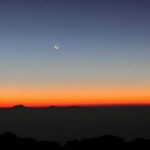
Sunrise from Nagarkot
Langtang and Manaslu, the Quiet Valleys
Everything else we have reviewed around Kathmandu
- 12 Days Everest Base Camp Trekking
★ 5.0 · 3 reviews - 1 Night 2 Days Chitwan Jungle Safari Tour from Pokhara or Kathmandu
★ 3.0 · 3 reviews - Thamel Rickshaw tour
★ 4.7 · 3 reviews - Kathmandu: Momo Making Class with a Local Chef
★ 5.0 · 3 reviews - Kathmandu: Full-Day Yoga, Body Massage and Pedicure Package
★ 5.0 · 3 reviews - From Kathmandu / Pokhara / Chitwan: River Rafting – 1 Day
★ 4.6 · 3 reviews
Langtang & Manaslu Treks worth a second look.
 ★ 5.0Trekking in Annapurna/Langtang/Everest/Upper Mustang regionsFrom $40161 reviews
 ★ 5.0Langtang Valley TrekFrom $555140 reviews
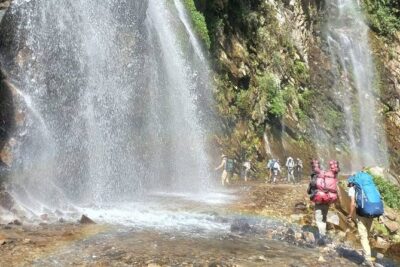 ★ 5.0Manaslu Circuit Trek (15 Days)From $1,65750 reviews
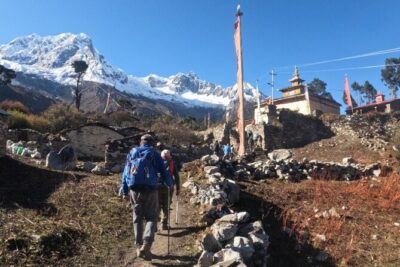 ★ 5.016 Day Private Manaslu Circuit Trek from KathmanduFrom $1,13542 reviews
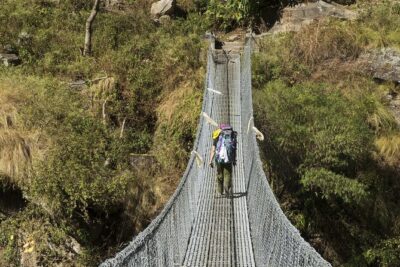 ★ 5.010 Days Manaslu Circuit Trek in Larke La PassFrom $1,04930 reviews
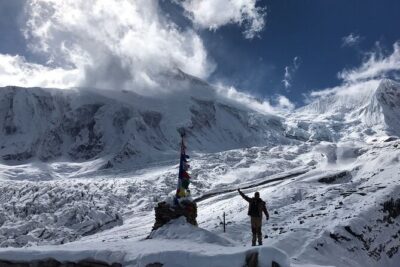 ★ 5.0Manaslu Circuit Trek 13 DaysFrom $1,40030 reviews
 ★ 5.0Private 8 – Day Langtang TrekkingFrom $58429 reviews
 ★ 4.8Chisapani Nagarkot 3-Days 2-Nights TrekFrom $19029 reviews