
REVIEW · EVEREST HELICOPTER TOURS
Everest Base Camp Helicopter Tour
That feeling when Everest shows up close is real. This helicopter tour turns Kathmandu into a quick, high-altitude day that aims for an actual Base Camp landing (or Kalapatthar when conditions allow) instead of only viewing from the air. I like that the route includes multiple viewing moments, not just one quick look.
Two things I’m especially drawn to are the small group size and the way the plan is built around changing viewpoints. You also get a scheduled breakfast stop option at Syangboche Marg, plus the chance for window seats during a group split that targets better views over the Everest zone. The one drawback to plan for is that this is weather-dependent and the biggest landing call can shift based on helipad conditions.
Because the tour starts early and involves cold air at altitude, I’d treat warm layers and motion comfort as part of the trip prep, not an afterthought. If you’re more sensitive to altitude, or you need very predictable timing, you may want to consider whether the “depends on weather” reality is your style.
In This Review
- Key Points You Should Know Before You Fly
- Entering The Sky Route: Kathmandu Pickup and a 7:15 AM Start
- Base Camp Landing vs. Kalapatthar: The Decision That Drives the Day
- Stop 1, Kathmandu: The Takeoff Moment and the View Window
- Stop 2, Lukla: The 10-Minute Fuel Stop That Explains the Route
- Stop 3, Pheriche: The Group Split Plan and Why It Might Help Your Photos
- The Base Camp and Everest Cluster Flyover: What You’ll Actually See
- Stop 4, Syangboche Marg: Possible Landing, Hotel Everest View, and a Breakfast Add-On
- Return to Kathmandu via Tribhuvan Airport: Direct or Lukla Routing
- Sharing vs. Private Tour: Choosing the Right Style for Your Budget
- Price and What You Still Need to Pay
- Comfort Prep: Warm Layers, Weight Rules, and a Moderate Fitness Level
- What the Experience Feels Like: Short Duration, High Impact
- Guides and Service Touchpoints You May Run Into in Kathmandu and on the Route
- Who This Tour Is Best For (and Who Might Hate It)
- Final Call: Should You Book This Everest Base Camp Helicopter Tour?
Key Points You Should Know Before You Fly
- Base Camp landing, not just a flyby: your route is designed to land at Base Camp or Kalapatthar depending on helipad conditions.
- Short flight segments, big scenery payoff: the helicopter ride includes a few staged stops that maximize views.
- Fuel and timing stops are part of the plan: Lukla is a quick fuel stop, then you continue onward.
- Window-seat strategy during a split: if your group is large enough, passengers may be split so some people get better window positioning for key moments.
- Syangboche Marg breakfast option: you may land near Hotel Everest View for up to an hour, with a breakfast add-on if you want it.
- Weight limit matters: the guidance sets a max around 95 kg, and over 100 kg may require extra payment.
Rather fly it? More Everest heli options

Entering The Sky Route: Kathmandu Pickup and a 7:15 AM Start
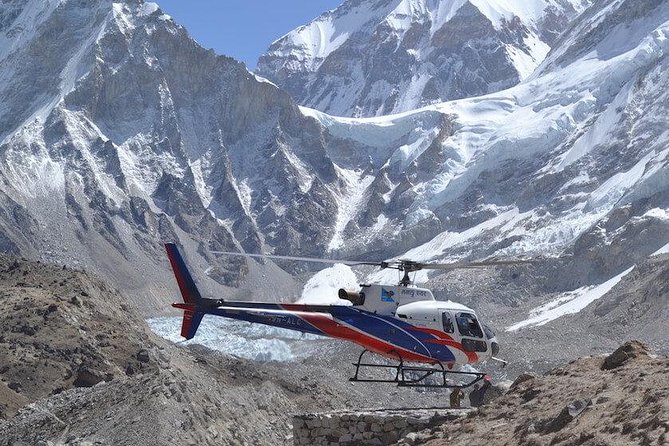
This tour runs from Kathmandu with a start time of 7:15 am, so plan your morning like you’re catching a plane, not a late breakfast. Pickup is offered, and you’ll need to share your hotel name and address so they can set your collection time.
Most of the experience is about how efficiently you can cover distance at altitude. In practice, that means you spend less time trekking uphill and more time aiming your camera at Everest’s surrounding peaks while the helicopter route hops between points.
If you hate early mornings, this is still manageable, but you need to commit to an on-time start. If you’re traveling with the family and want maximum “wow per hour,” the early timing is a big reason this works.
Base Camp Landing vs. Kalapatthar: The Decision That Drives the Day
The big promise here is simple: you’re flying to see Everest in real, and you may even land at Base Camp or Kalapatthar. The operator notes the call depends on helipad conditions, which matters more than you might expect, because the right landing spot can change with weather and operating conditions.
Why that’s valuable: a landing gives you more time to look up close, take photos, and feel like the mountain is not just a picture. A flyover is pretty, but a landing makes the whole day feel grounded.
If your heart is set on Kalapatthar views specifically, keep an open mind. You’re going to be high enough to see the Everest cluster either way, but the “best spot” for a landing is the variable you can’t fully control.
Stop 1, Kathmandu: The Takeoff Moment and the View Window
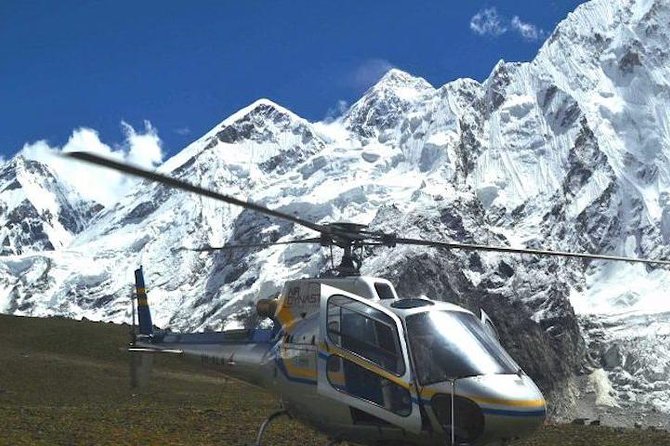
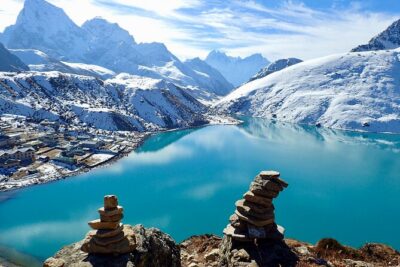
The day begins at Kathmandu airport. From there, the flight follows a route designed to include a flyover around the highest viewpoint area near the Base Camp zone.
Even if your time in the air feels short, this is where you start to map the geography. You want to think about what you’re seeing: Everest is surrounded by peaks like Lhotse, Nuptse, and Pumori, and the value is in recognizing them from above, not just photographing them.
If you’re the type who likes to understand a place, this part sets you up for the rest of the day. If you’re more “just show me the mountain,” you’ll still get that quick hit of awe early on.
Stop 2, Lukla: The 10-Minute Fuel Stop That Explains the Route
You’ll continue from the Kathmandu area to Lukla airport by helicopter, then there’s a brief stop for fuel. This stop is short, around 10 minutes, but it matters because it explains how flights are staged in the Everest region.
Lukla is also the familiar reference point for people who trek the classic Everest Base Camp route. Even though you’re not trekking, seeing Lukla from the air puts the whole Everest system into context fast.
For practical reasons, this stop is also part of your timing and expectations. The day is built around short segments that connect by necessity, not by luck.
More Kathmandu flights with a landing
Stop 3, Pheriche: The Group Split Plan and Why It Might Help Your Photos
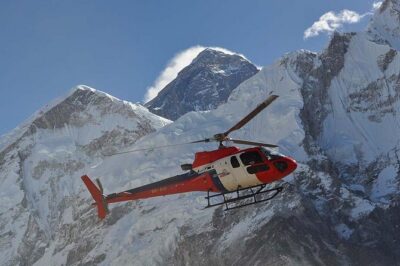
After Lukla, the route includes a stop at Pheriche. The notes say it can be an older splitting point when more than three passengers are flying together, meaning the group might be handled in parts.
Here’s the key detail: the plan says two people may be flown first, then three, so people can get window seats guaranteed for the Everest Base Camp portion only. That’s a real difference-maker, especially if you care about photos that don’t look like a passenger across the aisle is blocking your view.
It also means your experience could feel a bit different depending on group size. If you’re traveling with others and want a “quiet ride with great views,” you can’t assume every seat is equal, but this split strategy is a smart attempt to fix that.
Time-wise, the Pheriche stop is about 25 minutes, so you should expect a short, active stretch rather than a totally static scene.
The Base Camp and Everest Cluster Flyover: What You’ll Actually See
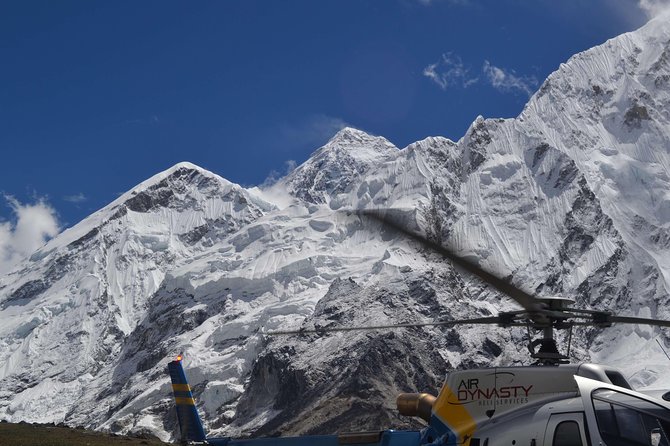
Your “main event” is the Base Camp tour and flyover window where you see Everest and nearby peaks clearly. The notes specifically mention views of Mount Everest, Lhotse, Nuptse, and Mount Pumori.
Why I like this approach: the operator is explicitly describing what you’ll see, not just promising generic mountain scenery. You’re not going to Everest blind here, because the flight path is designed to put the big peaks in your line of sight.
This is also where you should be ready to shoot quickly. Helicopter views can change fast due to the aircraft positioning. Keep your camera accessible, and if you film, do short clips so you can capture multiple angles.
And yes, you’ll want to take a deep breath before you start snapping. Everest looks different from above, and that moment of recognition is part of why people book this.
Stop 4, Syangboche Marg: Possible Landing, Hotel Everest View, and a Breakfast Add-On
Syangboche Marg is listed as a landing breakfast point during the flight. The plan includes a stop at Hotel Everest View, subject to weather, and it usually allows about one hour.
There’s an optional breakfast, listed at USD 31 per person, and it depends on whether weather allows the stop. If you’re hungry, it’s nice to know this isn’t just a “stand and wait” landing. It’s built to give you a usable break at altitude.
Two thoughts for planning: first, a meal at altitude costs extra and depends on conditions, so don’t build your whole day around a guaranteed breakfast. Second, if you do go for it, bring cash or payment method that matches what the hotel expects, since the tour only states the price, not how payment will be handled.
This stop can be a good “reset point” for your body. Even without trekking, you’ll feel the cold and thin-air effect, so having a planned hour helps.
Return to Kathmandu via Tribhuvan Airport: Direct or Lukla Routing
On the way back, you return from the Everest area by helicopter with landing at Tribhuvan International Airport. The notes say the route through Lukla to Kathmandu typically takes about one hour, but the captain may fly either via Lukla or directly depending on fuel situation.
This kind of routing uncertainty is normal in aviation. What you can control is your mindset: expect minor changes while still keeping the overall timing tight for a half-day adventure.
When you’re back in Kathmandu, the tour ends after the airport landing. If you’re planning a dinner reservation, pick something flexible, since weather and fuel routing can shift your exact arrival time a little.
Sharing vs. Private Tour: Choosing the Right Style for Your Budget
The operator states they offer both sharing and private versions, and you can choose based on budget. In sharing, you fly in a group of around 5 to 6 passengers and a pilot, which keeps the cost lower and spreads the aircraft time across multiple people.
Private tends to be a better fit if you want more control over seating and fewer people in your space. But since this tour already includes a seat strategy during a possible group split, sharing can still feel like a good value when you care most about the views.
Price starts at $1,700, so I’d think about value in two layers. First, you’re paying for short, safe aviation time at altitude with multiple air stops. Second, you’re paying for the chance at a real landing experience, which is harder to get than a simple flyover.
If you’re comparing this to a full trek, this tour compresses the experience into a single morning or half-day. You’re trading time and strenuous effort for cost and weather dependence.
Price and What You Still Need to Pay
This tour lists a clear base price of $1,700, but the total cost in Nepal can include a few add-ons you should budget for. Not included items include things like national park fees, airport tax, and Khumbu village development fees, around USD 50.
Also not included is the optional Syangboche breakfast at USD 31 if weather permits the stop. On top of that, there is a weight-related note: maximum body weight limitation is listed around 95 kg, and if you’re more than 100 kg, extra payment may be required.
I’d treat this as your “budget reality check.” Helicopter tours can feel expensive because you’re paying for access. Still, when you’re getting a chance at Base Camp or Kalapatthar plus multiple viewpoints and a structured half-day plan, the price can make sense for the right traveler.
Comfort Prep: Warm Layers, Weight Rules, and a Moderate Fitness Level
Even with a helicopter, altitude and cold are still part of the day. The notes suggest warm dress for expected temperatures like -5 C in summer and -10 C in winter for higher points only.
So pack layers you can handle quickly, like a hat and gloves you can move with. If you’re used to mild weather, the helicopter chill will surprise you.
The tour also says travelers should have moderate physical fitness, even though you’re not hiking. That usually means you should be fine with being on your feet for short periods, getting in and out of transport, and handling a cold airport environment.
And then there’s weight guidance. The total weight per passenger is listed as 209 lbs, and the tour notes 95 kg as the main limitation, with extra steps if you’re above 100 kg. It’s not a detail to ignore, because aircraft load rules are about safety, not flexibility.
What the Experience Feels Like: Short Duration, High Impact
The duration is listed as 4 to 6 hours total, and the flight time is described as about 1 to 2 minutes. That might sound tiny, but the day is built around multiple segments, stops, and viewing moments.
In other words, you’re not paying for a long ride in the air. You’re paying for aviation access plus planned landing and flyover angles that compress a huge region into one half-day.
If you like the idea of Everest but dread multi-day treks, this is the tradeoff you’re making. You’re choosing speed over endurance, and you’re choosing views that are mostly visual and photographic rather than walking-based.
Guides and Service Touchpoints You May Run Into in Kathmandu and on the Route
The operator has worked with guides who add real context, especially in Kathmandu. Names that appear in past experiences include Bishal and Bashu for Kathmandu and Everest context, plus Devendra for planning support and guiding on longer Everest trekking journeys.
There’s also mention of a Himalayan guide Mohan who helped make Kathmandu and Mount Everest feel alive through knowledge and historical detail. Another guide name that comes up is Dipendra, praised for being experienced and knowing places well.
You should treat these as examples, not guarantees. Still, they’re a signal that the company values good guidance rather than just handing you a ticket and waving goodbye.
Who This Tour Is Best For (and Who Might Hate It)
This tour suits you if you want a serious Everest day without trekking for weeks. It’s a strong match for couples, families where adults want the mountain without the grind, and travelers on a tight schedule who are willing to spend for access.
It also fits people who enjoy structure. There are multiple planned stops, a known start time, and clear options like the Syangboche breakfast if weather cooperates.
Where it may not be ideal: if you’re traveling with kids under 10 years old (not recommended), if you’re very sensitive to cold, or if you need a completely predictable landing plan regardless of conditions.
Final Call: Should You Book This Everest Base Camp Helicopter Tour?
I’d book it if your priority is seeing Everest quickly and you want the emotional payoff of a Base Camp landing or Kalapatthar landing when conditions allow. The value depends on what you personally want most, because you’re paying for access and time compression, not bargain logistics.
Do it if you’re comfortable dressing warm, you fit the weight guidance, and you can handle early starts. Skip it if weather variability would ruin your day, or if your budget can’t absorb optional add-ons like the park fees and the possible breakfast.
If you get a good weather window, this is the kind of “one-day Everest” plan that can feel like a life event, not just a sightseeing stop.
Everything Bookable Around Kathmandu

The Rest of Our Kathmandu Write Ups



Everest, Rotors and All
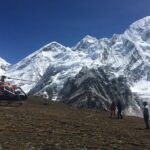
Everything else we have reviewed around Kathmandu
- 12 Days Everest Base Camp Trekking
★ 5.0 · 3 reviews - 1 Night 2 Days Chitwan Jungle Safari Tour from Pokhara or Kathmandu
★ 3.0 · 3 reviews - Thamel Rickshaw tour
★ 4.7 · 3 reviews - Kathmandu: Momo Making Class with a Local Chef
★ 5.0 · 3 reviews - Kathmandu: Full-Day Yoga, Body Massage and Pedicure Package
★ 5.0 · 3 reviews - From Kathmandu / Pokhara / Chitwan: River Rafting – 1 Day
★ 4.6 · 3 reviews
Everest Helicopter Tours worth a second look.
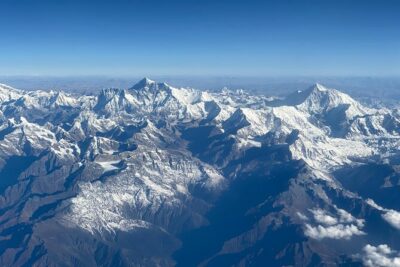 ★ 5.0Everest Base Camp Helicopter Tour landing at Everest View HotelFrom $1,575668 reviews
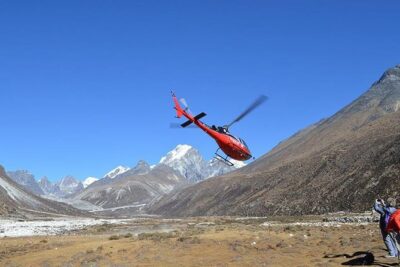 ★ 5.0Everest Base Camp Helicopter Tour landing at Hotel Everest ViewFrom $1,600218 reviews
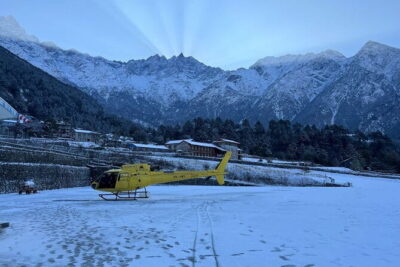 ★ 5.0Everest Base Camp helicopter tour with landingFrom $1,60061 reviews
 ★ 5.0Everest Base Camp Helicopter Tour with Hotel Everest View LandingFrom $1,49052 reviews
 ★ 5.0Guaranteed Landing at Everest Base Camp Kalapathar by HelicopterFrom $3,50038 reviews
★ 5.0Everest Base Camp Helicopter Tour landing at Everest View Hotel.From $1,98534 reviews
 ★ 4.9Everest Base Camp Helicopter TourFrom $1,86330 reviews
 ★ 5.0Everest base camp Helicopter TourFrom $1,70026 reviews
Lists this tour sits in