
REVIEW · EVEREST BASE CAMP TREKS
Everest Base Camp Trek with Helicopter Return to Lukla – 10 Days
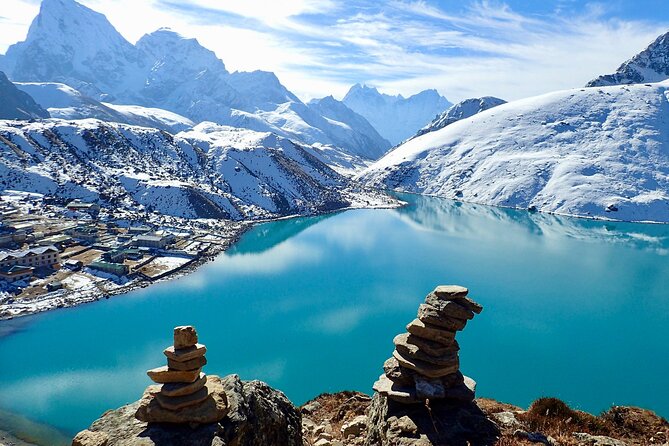
A helicopter changes the Everest math fast. You get a classic Everest Base Camp trek with cozy guesthouse stays, then a Gorakshep to Lukla helicopter return that saves you from a long backtrack.
I also like the way this trip is built around pacing and acclimatization. You hit key Sherpa hubs like Namche Bazaar and Dingboche, plus the monastery stop at Tengboche, so the high altitude feels earned instead of rushed.
One drawback to think about: mountain weather controls everything. Flights and that helicopter ride can be delayed or changed, so you need flexibility, and you should plan on the trek being physically tough.
In This Review
- Key things you’ll notice on this Everest Base Camp trek
- Kathmandu start: your 9:00 am handoff and the easy part
- Flights to Lukla and the first altitude shock
- Tea houses and steady climbing along the Dudh Koshi
- Namche Bazaar and Tengboche: culture with a breathing break
- Dingboche and the slow approach toward higher altitudes
- Everest Base Camp and Kala Patthar: your payoff day
- Gorakshep to Lukla by helicopter: what luxury buys you here
- Kathmandu farewell dinner and getting your body back
- Price and value: is $799 really the deal?
- What to pack and how to protect your altitude progress
- Who this trek fits best, and who might want a different style
- Should you book this Everest Base Camp trek with helicopter return?
- FAQ
- Where is the meeting point and what time does the tour start?
- How long is the Everest Base Camp trek with helicopter return?
- What kind of accommodation is included in Kathmandu and during the trek?
- Are domestic flights and the helicopter ride included?
- Which permits are included in this package?
- Are meals included during the trek?
- Do I need travel insurance?
- What trekking gear is provided?
- How big is the group?
- What happens if bad weather affects the trek?
Key things you’ll notice on this Everest Base Camp trek
- Helicopter return from Gorakshep, so your final days feel less like repetition
- Licensed English-speaking guide plus a medical kit for first-aid support
- Permits handled (Sagarmatha National Park, TIMS, Pasang Lhamu Entry)
- 3-star hotel in Kathmandu with breakfast, then standard guesthouses on the trail
- Small group size (up to 15) for better managing of pace and breaks
- Kala Patthar sunrise for that Everest face moment people dream about
Other routes to Base Camp, side by side
Kathmandu start: your 9:00 am handoff and the easy part
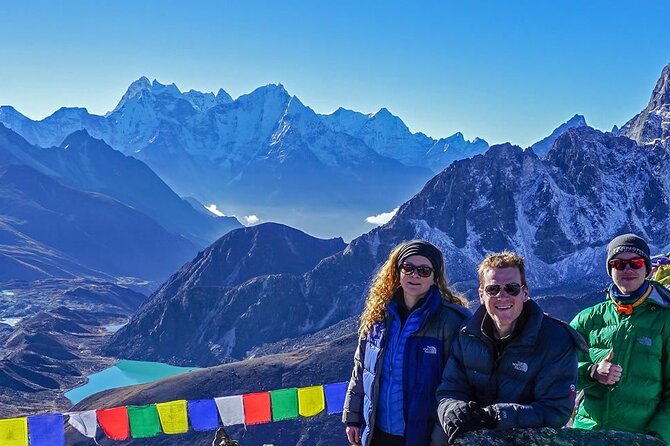
Your trip starts in Kathmandu, with pickup via private vehicle and a 9:00 am meeting time at Tribhuvan Airport. This matters more than it sounds, because on trekking days your brain should be focused on legs and lungs, not finding transport.
You’ll also get 3-star hotel accommodation with breakfast in Kathmandu. That gives you a real bed before you trade paved streets for steep trails. And since this is a small-group style trek (max 15), you can usually get sorted quickly, ask questions early, and get your bearings without a big cattle-call feel.
Permits are also part of the package, including Sagarmatha National Park, TIMS, and Pasang Lhamu Entry. In practice, that saves you the hassle of paperwork timing and helps your group move through checks with less stress.
Flights to Lukla and the first altitude shock
This trip uses domestic flights for the Lukla connection, with routes listed as Kathmandu/Manthali to Lukla round-trip. Lukla is famous for its runway and its wind, so treat flight day as a “show up ready” day. Bring layers and a calm attitude. If you get nervous, you’re not alone.
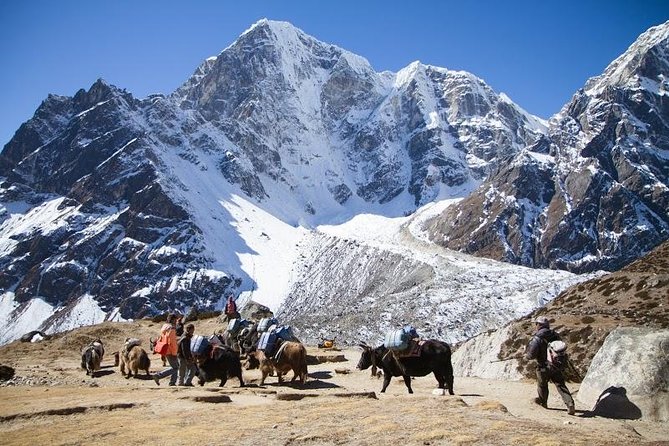
Once you’re on the trail, you’ll start working your way through classic Khumbu scenery: Sherpa villages, forest sections, and time alongside the Dudh Koshi River. It’s a smart early rhythm. You’re not immediately sprinting uphill at maximum altitude. You’re building stamina and letting your body learn the basics.
Also, you’re not doing this with zero support. You have a licensed English-speaking guide, plus a medical kit included for first-aid support. That does not replace common sense, but it does reduce the “what now” moments when you’re tired and high up.
Tea houses and steady climbing along the Dudh Koshi
A big part of Everest Base Camp trekking is living like a slow traveler. Meals and sleep are the fuel. This package keeps that simple by using standard guesthouses on the route, night after night, instead of asking you to figure out where to stay.
On your walking days, expect a mix of downhill comfort and uphill effort. The trail often follows the river valley, so you get long stretches where you can settle into a steady pace. Your job is to keep it slow enough that you can enjoy the air and not just survive the next 30 minutes.
Here’s the practical benefit of having the trek logistics handled: you spend your energy on pacing and water, not on arranging rooms or tracking down route details. In reviews connected to this company’s Everest-style treks, guides like Ram and Rupak show up repeatedly as people who make the experience easier by handling the hard-to-manage stuff, like route timing and group needs. If your guide is that kind of calm professional, you’ll feel it immediately.
Namche Bazaar and Tengboche: culture with a breathing break
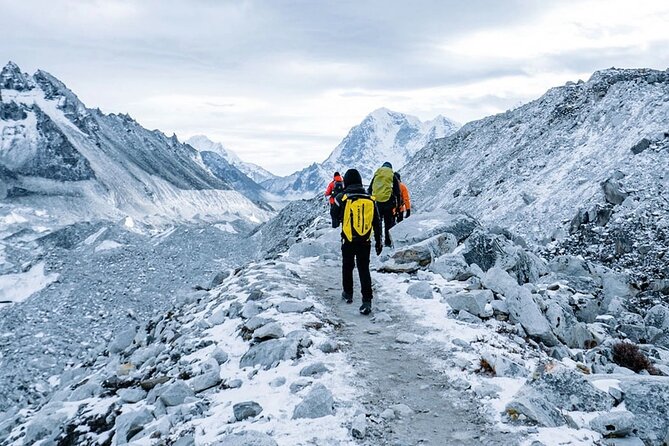
Namche Bazaar is one of those places where your legs get a rest and your mind gets a view. It’s also a key acclimatization stop. In other words, you’re not just visiting, you’re adjusting.
From there, you head toward Tengboche, known for its monastery setting. When the morning light hits the hills around the monastery, you tend to forget the sore-feet math for a minute. These cultural stops matter because they keep the trek from becoming only a physical grind. You’re reminded that this is a living Sherpa region with real traditions, not a set of photo spots.
In practical terms, monastery and market stops give you something important: time. Time to drink, snack, and check your breathing. That’s how you handle altitude responsibly. You might still feel winded. That’s normal. The goal is avoiding the panic spiral of going too fast.
Other lodge to lodge routes near Kathmandu
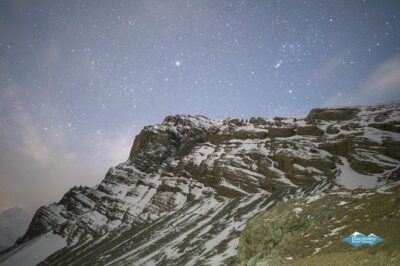
Dingboche and the slow approach toward higher altitudes
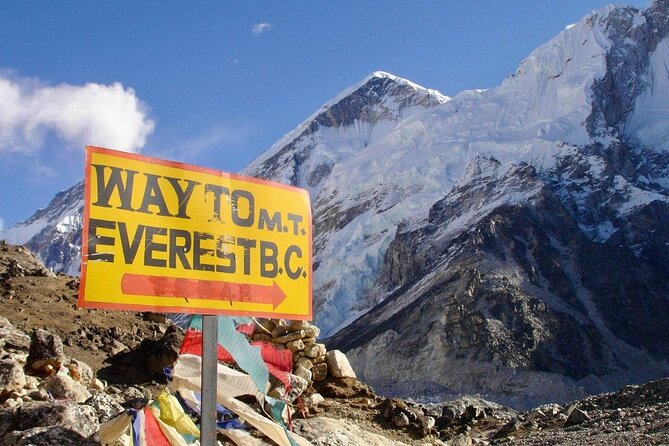
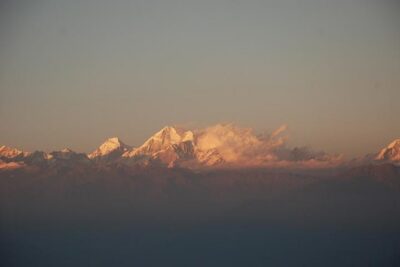
As you move higher, your schedule becomes more about listening than pushing. Dingboche is a major acclimatization base in this route, and it’s there for a reason. Your body needs time to adjust to thinner air.
This is where a good guide earns their pay. You want someone who watches for signs of altitude strain and encourages the slower pace that actually helps. In experiences shared by guests on similar company treks, Ram is specifically praised for patience and for keeping people confident even when the trail gets tough. Again, you can’t assume you’ll get the exact same guide, but the guiding style is clearly part of the value here.
Sleep and hydration matter most in Dingboche and the days around it. Guesthouses can be simple. Warm layers and a good wind layer help more than you’d think. If you’re cold overnight, you may wake up under-recovered. If you’re too warm, you may waste energy sweating. Either way, it affects your next climb.
Everest Base Camp and Kala Patthar: your payoff day
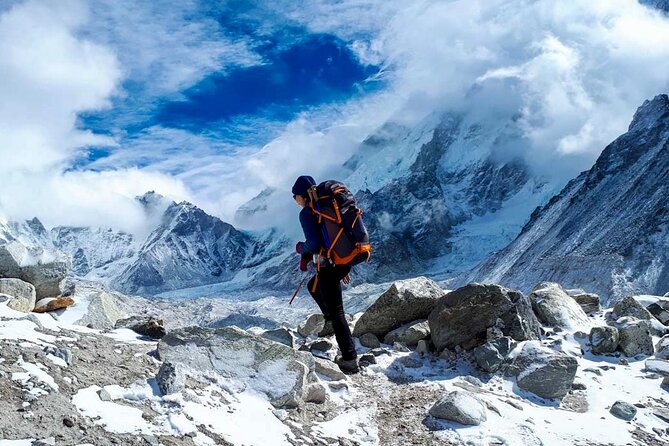
Reaching Everest Base Camp is emotional because it’s the intersection of effort and altitude. Even if you’re not the type who gets teary on hikes, you’ll likely feel something. You’ve walked through Sherpa settlements, crossed river valleys, paused for monasteries, and now you’re in the world people point to on maps.
But the true headliner is Kala Patthar, where sunrise is the prize. If you’ve ever watched a sunrise from sea level, the atmosphere is still different here. Cold air, sharp light, and the ridgelines all combine into a moment that feels like it has volume.
One practical note: sunrise hikes are physically demanding. You’ll likely start very early, and the cold can be intense. This is where the included gear package can help. You receive a sleeping bag and other trekking items, which reduces the number of things you need to bring from home.
Also, remember that altitude views can be hazy or sharp depending on weather. You’re not controlling that. Your job is being ready, bundled, and patient.
Gorakshep to Lukla by helicopter: what luxury buys you here
After Kala Patthar and Base Camp, this trek gives you something many trekkers envy: a helicopter ride from Gorakshep to Lukla. That is a huge difference in fatigue management. Instead of turning around and re-walking sections of the same terrain, you get aerial views and a direct exit from the hardest repetition.
What’s great about this for you: fewer days on tired legs. That can mean you arrive back feeling more human. And the helicopter itself adds a “how did I get up there” perspective. Looking down at valleys and ridges after grinding them on foot is a mind trick that works every time.
What to consider: weather matters. Since flights and the helicopter portion depend on mountain conditions, you should plan with flexibility in mind. If the helicopter timing shifts, the guide and logistics team will adapt, but your personal expectation should be adaptable too.
Kathmandu farewell dinner and getting your body back
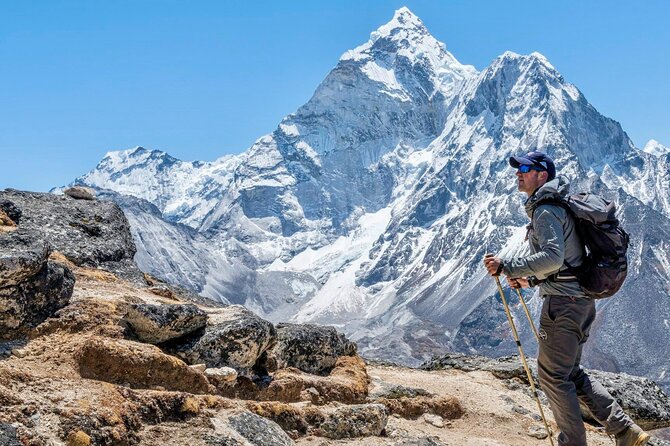
After the trek, you return to Kathmandu for a farewell dinner with Nepali cuisine and a cultural show featuring traditional Nepali dance. It’s a nice capstone. You get a moment to celebrate without rushing to the next activity.
From a practical standpoint, these dinners are also for reflection. You’ll compare notes with your group, and you’ll likely realize how much you changed physically and mentally over 10 days. That social time matters because trekking alone can be quiet, even when it’s shared with guides and porters.
You also get a buffer to reset: Kathmandu feels like the world again. You can stretch, shower, and handle any small admin needs. The package includes help with transfers in both directions, so you’re not left trying to coordinate the last mile while exhausted.
Price and value: is $799 really the deal?
At $799 per person, you’re paying for two big value drivers: the guided trekking system and the high-cost logistics of air and helicopter.
You get domestic flights (Kathmandu/Manthali to Lukla round-trip) plus the helicopter return. That’s not cheap anywhere, and it changes what you get out of the trek. If your main goal is Everest scenery but you want to reduce time on legs after the summit-day effort, this package is built for that.
You’re also paying for reduced decision fatigue. Permits are covered, including Sagarmatha National Park, TIMS, and Pasang Lhamu Entry. Your lodging is handled (3-star in Kathmandu, standard guesthouses on trek). A licensed English-speaking guide reduces risk and helps pacing.
What isn’t included is important for budgeting. Insurance is not included and you must have coverage for medical and high-altitude evacuation. Also, all meals during the trek and lunch and dinner in Kathmandu are not included. If you eat out often, plan for extra spending, because those days add up.
What to pack and how to protect your altitude progress
Even with included trekking gear like a duffel bag, sleeping bag, T-shirt, and a map, you still need your own core comfort kit: warm layers, a wind layer, and good hiking socks. Cold can creep into everything up high. It affects sleep, which affects the next day.
Also, think about clothing strategy. In the Himalayas, you may walk warm and then stop cold. The goal is layers that work on and off the move.
Altitude habits matter more than gear lists. Keep your pace controlled, drink consistently, and don’t treat the first hill as a personal challenge. If you feel unusually rough, tell your guide early. That’s where having a team with a medical kit helps. It doesn’t make altitude safe, but it adds support.
Porters are optional here. The guidance is one porter for two trekkers recommended. If you want to keep energy for acclimatization and long view days, a porter can be a smart trade. Still, you’ll be carrying some essentials, so pack light and purposeful.
Who this trek fits best, and who might want a different style
This is a strong fit if you want classic Everest trekking with less time spent re-walking the same route after you reach the high points. The helicopter return is ideal for you if you want the experience, but you also want to arrive back with enough energy to enjoy the Kathmandu end.
It also works well if you value logistics support. Pickup is included. Permits are included. A licensed guide is included. And the group size cap at 15 helps keep the pace manageable.
This trek may not be ideal if you dislike weather uncertainty. Mountain flying and helicopter operations depend on conditions. You must be prepared for schedule changes. And it’s still a physically demanding high-altitude hike, even with the comfort of guesthouses and guided structure.
If you’re older or you have a slower pace preference, you can still do this trip, but you should be honest about your fitness level and make sure your guide is actively managing acclimatization.
Should you book this Everest Base Camp trek with helicopter return?
I’d book it if your priority is: Everest scenery, Kala Patthar sunrise, and Base Camp, plus a helicopter finish that protects your energy for the final days. The value makes sense because the pricey parts, domestic flights and the Gorakshep helicopter, are included and they change the whole feel of the trek.
I’d pause if you want total schedule certainty or if you cannot handle weather-driven changes. Also budget for meals during the trek and for your travel insurance.
If you’re ready for a 10-day high-altitude adventure with solid structure and a smart way to get back down, this is a practical and exciting way to chase Everest without turning the return into a second punishment.
FAQ
Where is the meeting point and what time does the tour start?
The meeting point is Tribhuvan Airport, Kathmandu, Nepal. The start time is 9:00 am.
How long is the Everest Base Camp trek with helicopter return?
It’s listed as 10 days, approximately.
What kind of accommodation is included in Kathmandu and during the trek?
Kathmandu includes a 3-star hotel with breakfast. During the trek, lodging is in standard guesthouses.
Are domestic flights and the helicopter ride included?
Yes. Domestic flights round-trip from Kathmandu/Manthali to Lukla are included, and the helicopter ride from Gorakshep to Lukla is included.
Which permits are included in this package?
Permits included are Sagarmatha National Park, TIMS, and Pasang Lhamu Entry.
Are meals included during the trek?
No. Lunch and dinner in Kathmandu are not included, and all meals during the trek are also not included.
Do I need travel insurance?
Yes. Insurance is not included, and it must cover medical needs and high-altitude evacuation.
What trekking gear is provided?
The package includes a duffel bag, sleeping bag, T-shirt, and a map.
How big is the group?
The maximum group size is 15 travelers.
What happens if bad weather affects the trek?
This experience requires good weather. If it is canceled due to poor weather, you will be offered a different date or receive a full refund.
Lodge to Lodge Around Kathmandu
The Rest of Our Kathmandu Write Ups
Base Camp, Three More Ways
Everything else we have reviewed around Kathmandu
- 12 Days Everest Base Camp Trekking
★ 5.0 · 3 reviews - 1 Night 2 Days Chitwan Jungle Safari Tour from Pokhara or Kathmandu
★ 3.0 · 3 reviews - Thamel Rickshaw tour
★ 4.7 · 3 reviews - Kathmandu: Momo Making Class with a Local Chef
★ 5.0 · 3 reviews - Kathmandu: Full-Day Yoga, Body Massage and Pedicure Package
★ 5.0 · 3 reviews - From Kathmandu / Pokhara / Chitwan: River Rafting – 1 Day
★ 4.6 · 3 reviews
Everest Base Camp Treks worth a second look.
 ★ 5.0Everest Base Camp Trek – 14 DaysFrom $1,8001,499 reviews
 ★ 5.0Everest Base Camp TrekkingFrom $1,350485 reviews
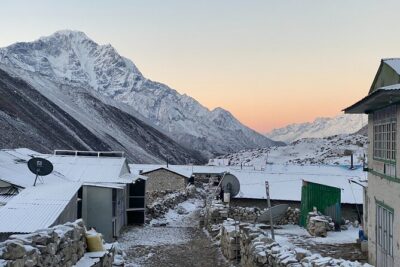 ★ 5.0Everest Base Camp Trekking – 13 DayFrom $1,399365 reviews
★ 5.0Everest Base Camp Trek -14 DaysFrom $1,420321 reviews
★ 5.0Everest Base Camp Trekking – 13 DayFrom $1,399365 reviews
★ 5.0Everest Base Camp Trek -14 DaysFrom $1,420321 reviews
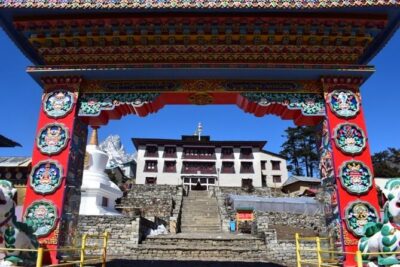 ★ 5.0Everest Base Camp Trekking – 2025/2026From $1,339199 reviews
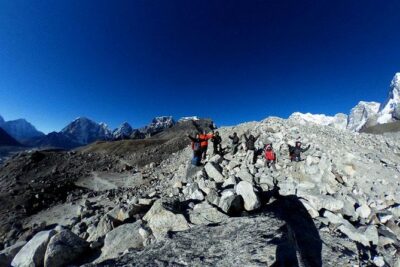 ★ 5.0Everest Base Camp TrekFrom $1,408193 reviews
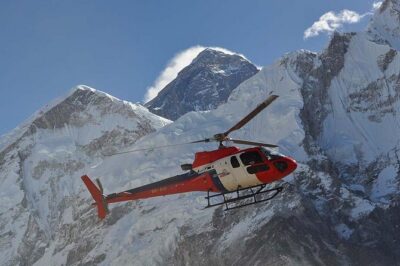 ★ 5.0Everest Base Camp Trek with Helicopter Return from Gorakshep to LuklaFrom $3,000161 reviews
14-Days Private Everest Base Camp TrekFrom $1,600152 reviews
★ 5.0Everest Base Camp Trek with Helicopter Return from Gorakshep to LuklaFrom $3,000161 reviews
14-Days Private Everest Base Camp TrekFrom $1,600152 reviews
Lists this tour sits in