
REVIEW · KATHMANDU UNESCO HERITAGE TOURS
Kathmandu Durbar Square – Private/Small Group
Toothache cures, palace legends, and a living goddess window. This 3-hour small-group tour takes you from Thamel to Kathmandu Durbar Square, with stops that explain how Newar culture weaves religion, art, and everyday belief into the city. You also get the chance to pause at the Kumari window, where the symbolism feels instantly real.
What I like most is the way the guide connects each site to the living culture around it, not just dates and stones. I also like the max 5 people group size, which keeps the pace comfortable and the questions coming.
One thing to consider: key moments around the Kumari window can be unpredictable, so you may need patience if the timing is not perfect that day.
In This Review
- Key highlights in plain terms
- How the Thamel start sets you up for Durbar Square
- Wasya Dyaa, the toothache tree and a very Kathmandu kind of faith
- Seto Machindranath Temple, where Hindu and Buddhist meanings overlap
- Kathmandu Durbar Square and the Kumari window moment
- Hanuman Dhoka, royal power told through a palace complex
- Price and value: $15 plus about $9 in fees for a focused 3-hour tour
- Who should book this Kathmandu Durbar Square small-group tour
- Should you book Kathmandu Durbar Square – Private/Small Group?
- FAQ
- How many people are on this tour?
- How long is the Kathmandu Durbar Square tour?
- What is included in the tour price?
- Are entrance fees included?
- Where do I meet the guide?
- Will I get a ticket on my phone?
- Is there free cancellation?
Key highlights in plain terms
- Small group (up to 5), so your guide can answer real questions instead of rushing you through.
- Thamel to Durbar Square route gives you an easy starting point for first-time orientation.
- Wasya Dyaa toothache tree shows a local belief you will never see the same way from a guidebook.
- Seto Machindranath Temple is a meeting point for Buddhist and Hindu devotion, all in one stop.
- Kumari Ghar moment is the emotional center of the tour, with time set aside for the window.
- Entry fees not included mean you should budget about $9 per person for all fees and taxes.
Other seven site heritage runs

How the Thamel start sets you up for Durbar Square
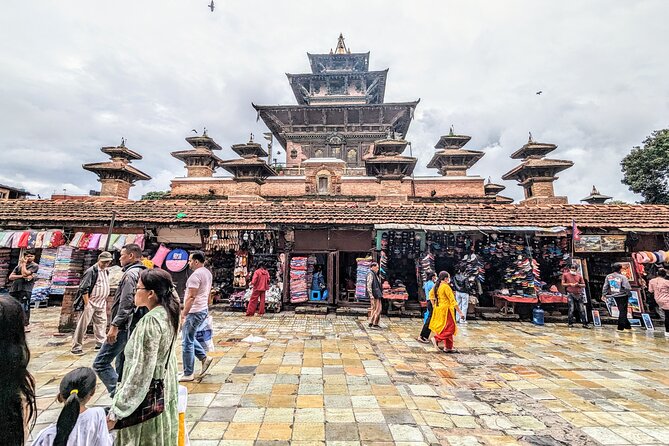
This tour is built for people who want to understand Kathmandu, not just stand in front of impressive buildings. You start in Thamel and walk toward the UNESCO-listed Kathmandu Durbar Square area with a professional guide leading the way. The meeting point is at Pumpernickel Bakery, Paryatan Marg in Kathmandu, and the tour ends back there.
The practical win here is that a guide helps you read the city as you move. Durbar Square can feel like a museum without context, but walking there with someone who can explain what you are seeing makes the place click fast. And since the group is limited to 5 travelers, you are not swallowed by a crowd or competing for attention.
The tour timing is about 3 hours, and the schedule gives roughly 45 minutes at each main stop. That length is important. Too-short tours rush the story. Too-long tours can stall when the crowd and waiting get heavy. Here, you get a steady pace: enough time to understand, not so much that you lose energy.
As for tickets, the guide is included, but admission fees are not included. The tour lists all fees and taxes at $9 per person, so think of the headline price as the guided experience, and plan a little extra for temple entry.
Wasya Dyaa, the toothache tree and a very Kathmandu kind of faith
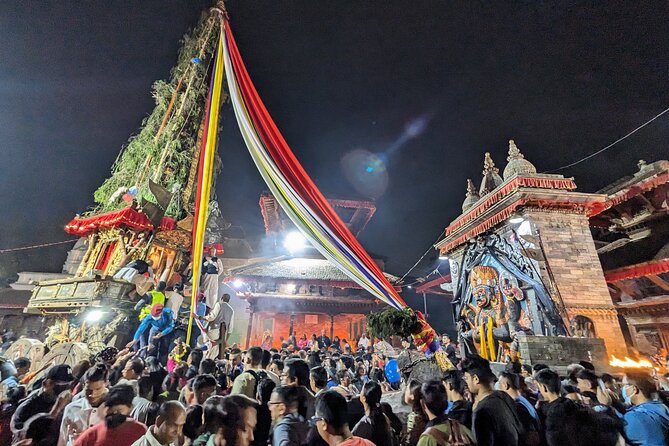
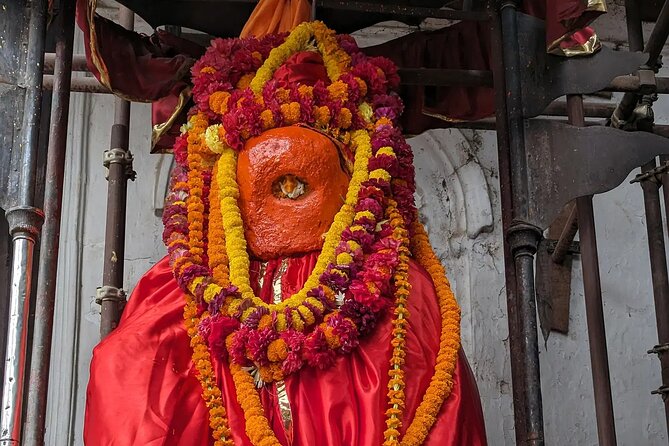
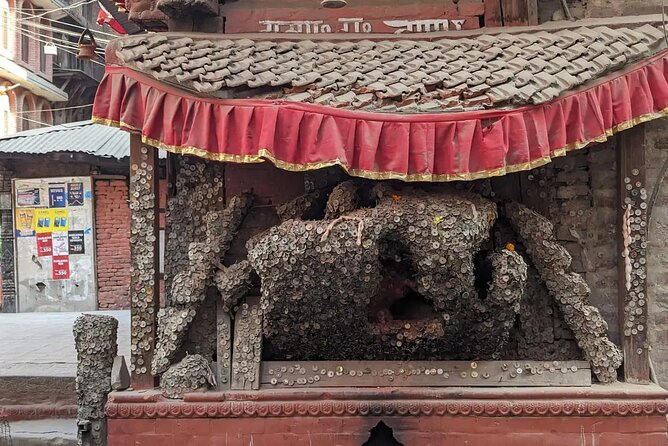
The first stop is Wasya Dyaa, also called Vaisha Devi in some references. You will see it as a wooden idol near Thahiti Tole, and the whole point is its everyday reputation: it is believed to cure toothaches.
What makes this stop meaningful is that it is not an abstract “ancient religion” exhibit. It is tied to a very specific human problem, pain, and the way people try to fix it through faith and ritual. The tradition you may hear explained is that hammering a coin into the tree’s wood is thought to help with dent problems. Even if you treat it as cultural practice rather than medical treatment, it is a fast lesson in how Kathmandu works. People bring their worries to sacred places, and the city answers with symbolism.
This is also a great stop for perspective if you are arriving in Kathmandu curious but unsure how to connect the dots. The toothache tree is small compared with the grand palace complexes, yet it is precisely the kind of detail that makes Durbar Square feel lived-in instead of staged.
One realistic note: the tour schedule allots about 45 minutes here. If you are the type who likes to “see, leave, and move on,” it might feel like time you could spend elsewhere. But if you want the stories, this is often where the tour starts to feel personal.
Seto Machindranath Temple, where Hindu and Buddhist meanings overlap
Next up is Seto Machindranath Temple, located southwest of Asan Tole at the junction of Kel Tole. This temple draws both Buddhists and Hindus, which is one of the most Kathmandu things you can learn.
Here’s what the guide will help you understand: Buddhists view the figure linked with the temple as Avalokiteshvara, and Hindus worship him as an incarnation associated with bringing rain. In other words, you are not looking at one uniform religion. You are looking at the same place holding multiple meanings, based on how different communities interpret it.
That overlap matters because it changes how you walk through religious spaces. Instead of asking, “Which religion is this?” you start asking, “What role does this sacred site play in people’s lives?” Rain, compassion, devotion, local tradition, and community memory all show up in the same setting.
Like the first stop, you get about 45 minutes. You should treat this as time not just to look, but to listen. If you ask questions, you will likely get clearer answers here than anywhere else on the walk, because the guide can explain the dual devotion in plain language.
A small drawback: if you are mostly interested in royal palace history, you might find this stop less dramatic than Hanuman Dhoka. Still, it is exactly the kind of stop that helps you understand why Durbar Square is more than architecture.
Kathmandu Durbar Square and the Kumari window moment
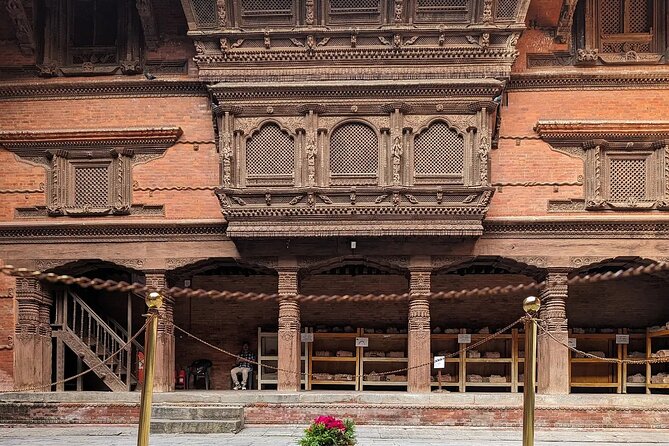
Then comes the main stage: Kathmandu Durbar Square. The tour’s emotional highlight is the Kumari, the living goddess who resides in the Kumari Ghar at Durbar Square. You will be guided to the area associated with her sacred window, where visitors receive blessings in connection with her presence.
This is where the tour earns its keep. Durbar Square is visually stunning, but it can also feel like you are just walking in a layout. The Kumari connection gives the square a pulse. It turns the visit into something closer to a ritual experience, not just sightseeing.
One detail worth planning for is that timing can matter. The schedule sets aside time at the square, and the guide helps you wait for that window moment. In real life, you might not see her at the exact moment you expect, so keep expectations flexible. You are not going to be in control of that part of the experience, and that is normal.
What you will likely enjoy most is the explanation that makes the Kumari role understandable in context: the Kumari is presented as a symbol of power and purity, and the guide ties that symbolism to the Newar cultural world that fills the square. If you like cultural meaning more than photo ops, this stop will land.
Also, there is a practical angle. Because Kumari-related moments can involve waiting, wear comfortable shoes and keep water in mind during the 3-hour window. The tour is only a half-day, but Kathmandu walking adds up.
Private guides for Kathmandu, a few more
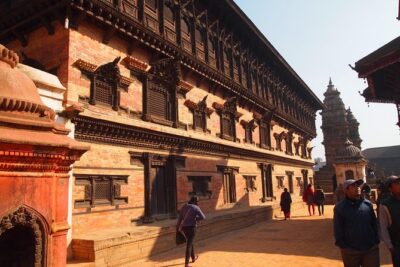
Hanuman Dhoka, royal power told through a palace complex
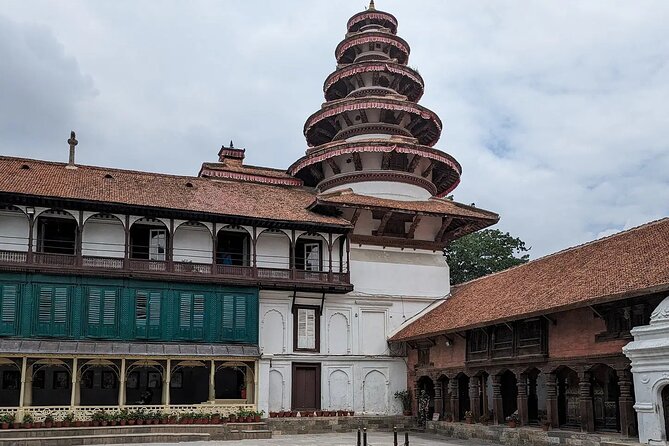
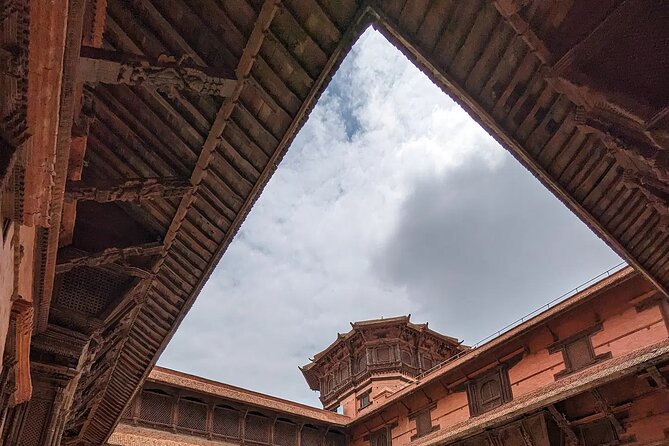
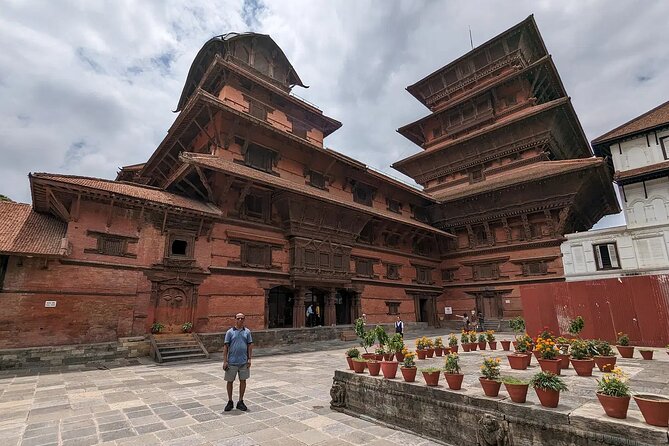
After the Kumari moment, the tour shifts to Hanuman Dhoka, the palace complex at the heart of Durbar Square. This complex has served as the royal seat of the Malla kings and later the Shah dynasty. Its name is linked to the nearby Hanuman figure, and your guide will help connect the palace spaces to the city’s story of power.
Why this stop works, even if you think you already know palace history, is that it adds a second layer. Kumari devotion shows religious symbolism. Hanuman Dhoka adds the political and architectural frame: rulers, dynasties, and how authority shaped the physical center of Kathmandu.
You will spend about 45 minutes here, which is the right amount of time for a palace complex. Long enough for key points to make sense. Short enough that you are not exhausted before you fully get it.
A consideration: palace complexes can be the easiest part to “speed-read” if you are rushing. If you want this stop to feel rewarding, ask the guide what to look for as you move through. The better guides make it feel like the buildings are giving you a guided conversation.
Price and value: $15 plus about $9 in fees for a focused 3-hour tour
The listed price is $15 per person for a 3-hour small-group tour, capped at 5 travelers. The guide is included. What is not included is temple entry and related all fees and taxes of $9 per person.
So what is the real value? For Kathmandu Durbar Square, you are not paying for a long bus ride or a packed itinerary. You are paying for guided meaning, plus enough time at the key emotional center, the Kumari window area, to actually understand what you are seeing.
With a group of up to 5, you also get something money cannot easily buy: conversational clarity. The reviews highlight punctuality and strong storytelling from guides such as Santosh and Sandip, and upbeat, attentive guidance from guides like Shreeya. The consistent thread is that the guides focus on religion, local customs, and the small stories tied to streets and corners around Durbar Square.
If you are a solo traveler, this setup is especially good value. You get a human guide without the awkward feeling of being alone with a big group. If you are traveling as a pair, it can also be smart to compare total cost, since the tour mentions group discounts. The exact discount level is not detailed here, so you will want to check based on your party size.
One more practical point: you will use a mobile ticket. That usually means fewer printed hassles, but still, it is worth having your phone charged and ready.
Who should book this Kathmandu Durbar Square small-group tour
This tour is a strong fit if you:
- Want an intro to Kathmandu centered on Durbar Square, not just a quick photo stop.
- Prefer small-group pacing and direct answers, especially if you are traveling solo.
- Like learning how religion and local belief shape everyday life, from the toothache tree to the Kumari.
It is also a good first-day activity if you want to get your bearings quickly. Several reviews describe guides helping guests with advice and context, including how to understand the city’s customs. Even if you do not follow their broader travel advice, getting that orientation early can save you time later.
If you are the type who wants only major monuments and zero waiting, you may find the Kumari window component requires patience. Still, the tour gives it proper time rather than treating it as a throwaway stop.
Should you book Kathmandu Durbar Square – Private/Small Group?
I think you should book it if you care about meaning as much as scenery. The small-group size, the planned time at Kumari-related areas, and the mix of stops like Wasya Dyaa and Seto Machindranath make it more than a standard Durbar Square walk.
Skip it only if you want a strictly fast, monument-only route, or if you are unwilling to be flexible about the Kumari window timing. In Kathmandu, a few moments can shift, but this tour is designed to help you understand the why, not just chase the moment.
FAQ
How many people are on this tour?
The group size is capped at a maximum of 5 travelers.
How long is the Kathmandu Durbar Square tour?
It runs for about 3 hours.
What is included in the tour price?
A professional guide is included.
Are entrance fees included?
No. All fees and taxes are listed as $9 per person, and the admission ticket is not included.
Where do I meet the guide?
Meet at Pumpernickel Bakery, Paryatan Marg, Kathmandu 44600, Nepal.
Will I get a ticket on my phone?
Yes. The tour uses a mobile ticket, and you should receive confirmation at the time of booking.
Is there free cancellation?
Yes, you can cancel for free up to 24 hours in advance for a full refund.
Kathmandu Without the Group Bus
The Rest of Our Kathmandu Write Ups




Seven Sites, Other Routes
Everything else we have reviewed around Kathmandu
- 12 Days Everest Base Camp Trekking
★ 5.0 · 3 reviews - 1 Night 2 Days Chitwan Jungle Safari Tour from Pokhara or Kathmandu
★ 3.0 · 3 reviews - Thamel Rickshaw tour
★ 4.7 · 3 reviews - Kathmandu: Momo Making Class with a Local Chef
★ 5.0 · 3 reviews - Kathmandu: Full-Day Yoga, Body Massage and Pedicure Package
★ 5.0 · 3 reviews - From Kathmandu / Pokhara / Chitwan: River Rafting – 1 Day
★ 4.6 · 3 reviews
Kathmandu UNESCO Heritage Tours worth a second look.
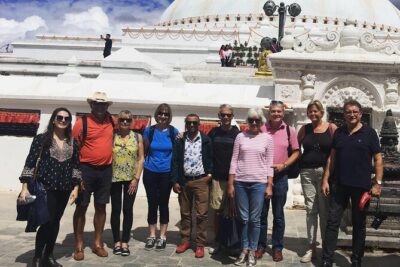 ★ 5.0Full Day 7 UNESCO Tour with Lunch – Private/GroupFrom $10415 reviews
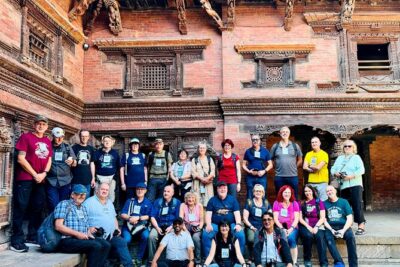 ★ 5.0Full Day Top 4 UNESCO Tour with Lunch – Private/GroupFrom $10269 reviews
 ★ 5.0UNESCO Seven World Heritage Tour in KathmanduFrom $180253 reviews
★ 4.9Full-Day 7 UNESCO Tour with Lunch – Private/GroupFrom $5247 reviews
 ★ 4.97 UNESCO Sites Tour in 1 Day (Private Tour)From $4204 reviews
 ★ 4.9Top 4 UNESCO Tour with Lunch – Private/GroupFrom $5181 reviews
 ★ 5.0Bhaktapur & Patan Durbar Square Day ToursFrom $50122 reviews
 ★ 5.0Kathmandu Private Sightseeing Tour | UNESCO World Heritage SitesFrom $35109 reviews
Lists this tour sits in