
REVIEW · NEPALI FOOD & MARKET TOURS
Kathmandu Food Crawl & Market Tour
Food maps beat blind wandering. In Kathmandu, a short food crawl turns markets and alleyways into real flavor stops, with Newari dishes and street classics you can actually follow. I love the market context as much as the food, and I also like that the tasting quantity can add up fast. One thing to keep in mind, this is sampling pace, not a sit-down, slow meal.
Your guide, Santosh Pandey, keeps the walk friendly and practical, in English, with lots of talk about everyday life in Nepal. You’re not just checking items off a list. You’re hearing how food, religion, and community show up in what people eat and sell in the old lanes.
You’ll meet at the main gate of Chhaya Devi Complex (Chhaya Center), then spend about 2 hours around Kathmandu’s oldest local market, Ason Bazar. The price is $28 per person, and it includes an English-speaking guide plus all foods and beverages, with a minimum of 5 items and drinks.
In This Review
- Key highlights you should care about
- Kathmandu Food Crawl and Market Tour basics, what $28 buys
- Starting at Chhaya Center, how the tour feels in the first 10 minutes
- Ason Bazar and the old-market experience, more than just shopping
- Newari cuisine tastings, Yomari and Samay Baji in plain terms
- Street food lineup, momo, chatamari, and laphing
- How crafts, traditions, and real talk with locals shape the tasting
- What you actually get in 2 hours, timing and quantity
- Value check, why $28 feels fair for this kind of access
- Who should book this tour, and who might want a different plan
- Should you book Kathmandu Food Crawl and Market Tour?
- FAQ
- How long is the Kathmandu Food Crawl & Market Tour?
- Where is the meeting point for the tour?
- How much does the tour cost?
- What’s included in the tour price?
- How many food items and drinks are included?
- Is the tour guided in English?
- Which market do you visit on the tour?
- Are personal expenses included?
- Is there free cancellation?
- Can I reserve now and pay later?
Key highlights you should care about
- Ason Bazar, Kathmandu’s old market: an easy way to see the city through food and everyday commerce.
- Newari tasting focus: you’ll run into classics like Yomari and Samay Baji as part of the Newari food story.
- Street food you can’t easily replicate alone: momo, chatamari, and cold spicy laphing are part of the mix.
- Crafts and traditions in the lanes: Newar culture shows up through what’s sold and how people live.
- A lot of food for a short time: samples can total close to two full meals, not tiny bites.
Other bazaar crawls and tasting walks


Kathmandu Food Crawl and Market Tour basics, what $28 buys
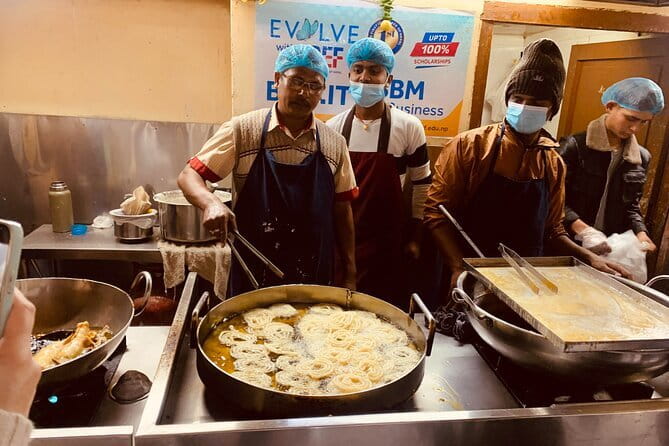
This is a 2-hour guided walk focused on Kathmandu’s local food culture, based around one of the city’s best-known traditional markets, Ason Bazar. If you like food but also like understanding the “why” behind dishes, this format makes sense because the guide ties flavors to places and people.
The price is $28 per person, and it includes your English-speaking guide, government taxes and official expenses, and all foods and beverages. The tasting includes a minimum of 5 items with drinks. That matters because you’re not paying separately for every snack, and you’re not stuck trying to guess what looks good or what’s safe and popular.
One practical note: this is a walk-and-sample experience. You will likely cover a good chunk of market area on foot. Wear shoes you can stand in, and plan to eat lighter before you go.
Starting at Chhaya Center, how the tour feels in the first 10 minutes
Meeting at the main gate of Chhaya Devi Complex (Chhaya Center) is a simple, clear start. It’s close enough to city movement that you can get going quickly, and it keeps the experience from feeling like a long commute before the food starts.
In the first part of the tour, you’ll get oriented to the market rhythm. Markets in Kathmandu move differently than what you might expect back home. You’ll see how vendors set up, how customers pass through, and how food is treated as daily life rather than a special event.
This is also where the guide’s style matters. Santosh’s approach, based on what people describe, is warm and conversation-friendly. You’re not being talked at. You’re being brought along, with explanations that help you understand what you’re tasting and why it shows up in that neighborhood.
Ason Bazar and the old-market experience, more than just shopping
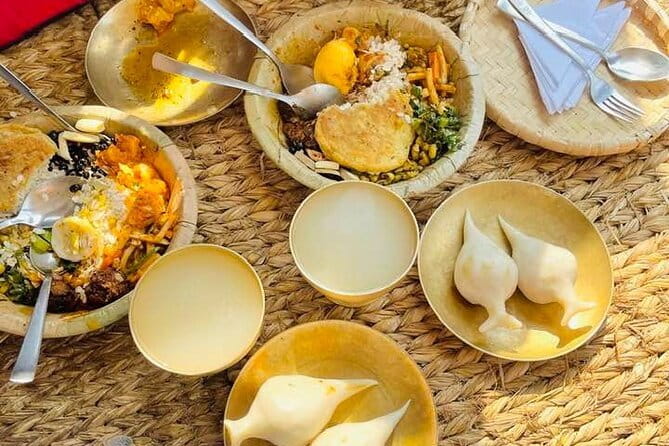
Ason Bazar is the headline stop, and it’s more interesting than just the food counter view. It’s famous as the oldest local market in Kathmandu, so you’re walking through a space that has served local needs for a long time.
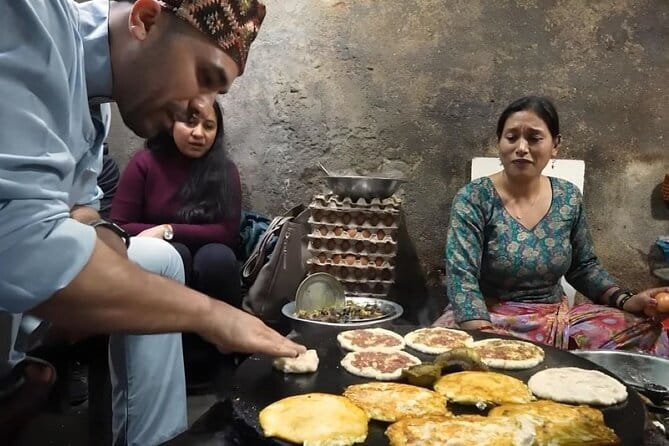
What you’ll notice as you move through Ason Bazar is how the market connects to crafts and community identity. The tour is designed around the idea that food is part of culture, not a separate thing. That’s why you don’t just taste dishes at random stalls. You also get a sense of the Newar and other local traditions behind what’s being sold.
There’s also a “history in motion” feeling here. Even if you’re not reading plaques, the market layout and stall activity give context. You can see how people keep routines going, and how the same place can serve generations of shoppers.
Ason Bazar is a good choice if you want authenticity over convenience. If you prefer modern malls and curated food halls, this might feel more like real-life street commerce. For many people, that is exactly the point.
Newari cuisine tastings, Yomari and Samay Baji in plain terms
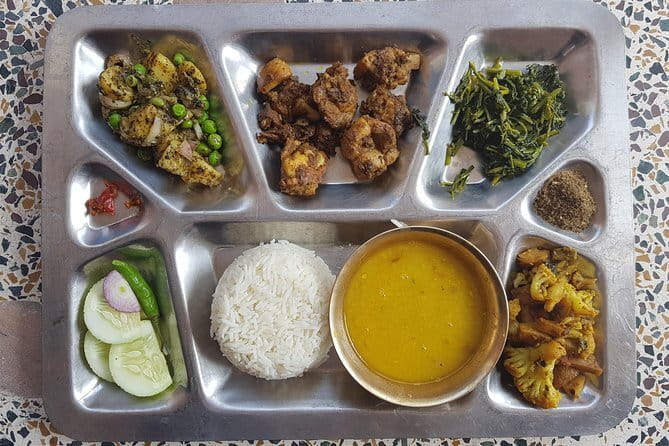
Newari cuisine is one of the biggest reasons this tour exists. The Newar community has its own food identity, and the tour is built to help you experience that without needing a long self-guided research project.
Two dishes you should know going in are Yomari and Samay Baji:
Yomari is a sweet steamed dumpling. It’s filled with molasses and sesame seeds. That combination often surprises people because it’s not overly complicated, but it delivers a warm, sticky sweetness that feels tied to tradition and seasonal comfort.
Samay Baji is more of a ceremonial platter. It’s built around components such as beaten rice, spiced buffalo meat, and a variety of pickles. Think of it as an edible mix of texture and flavor jobs: crunchy, savory, tangy, and rich. You get a chance to taste how Nepali food traditions can be both everyday and ceremonial.
Even if you’re not a “food history” person, this part of the tour helps you read Kathmandu’s cuisine like a language. You start noticing patterns, like how sweets can sit beside savory platters, and how pickles often act as the flavor bridge.
A small consideration: samay baji includes meat in the description, so if you avoid certain foods, make sure you ask your guide how the tasting will work for you.
Other Kathmandu tables and tea stops
Street food lineup, momo, chatamari, and laphing
Street food is where Kathmandu’s influences show themselves. The tour’s street food section isn’t random. It includes popular items people eat because they’re flavorful, portable, and part of daily food culture.
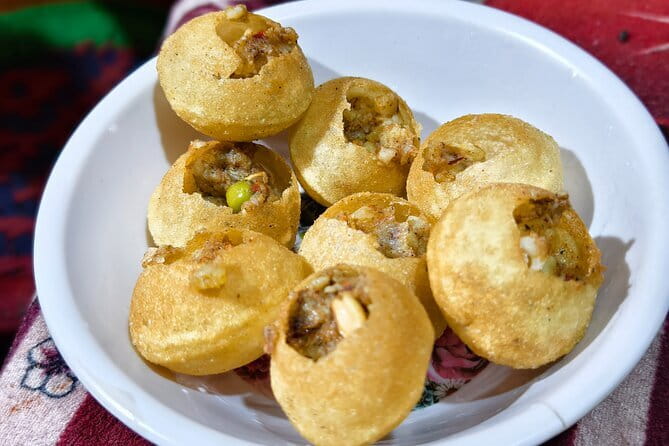
Momo shows up in many forms. In Kathmandu, you’ll see momo treated as a go-to snack. The key point is that you can taste how spices and fillings vary, even when the basic dumpling idea feels familiar.
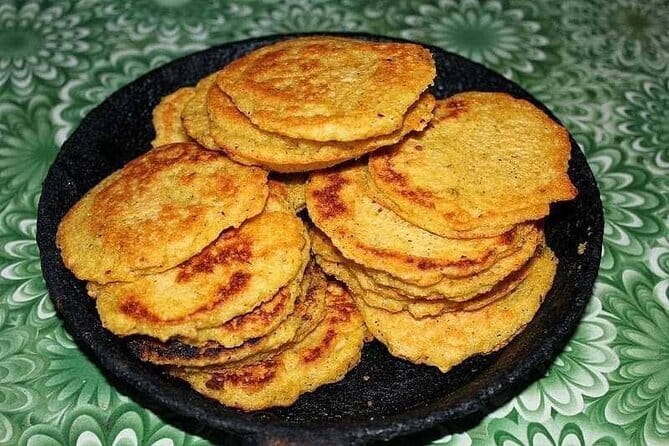
Chatamari gets described like Newari pizza, and that nickname makes sense. It’s a savory preparation with a batter base, typically associated with Newari-style flavors. If you like thin, snackable foods with a distinct local identity, this is a smart pick on a crawl like this.
Then there’s laphing, a cold, spicy mung bean noodle dish that’s popular with locals. Cold noodles might sound like a gimmick if you come from a colder food culture, but in Kathmandu it works as a refreshing, spicy option that feels made for the street.
The value here is that you get multiple items in a short timeframe, rather than picking just one. If you’ve ever tried street food on your own and worried you might choose the wrong stall, a guide helps you avoid that guesswork.
How crafts, traditions, and real talk with locals shape the tasting
One of the most praised parts of this tour is how the guide connects food to daily life. Santosh Pandey is described as friendly and genuinely “real” when discussing life in Nepal, not just facts pulled from a script. That tone makes a difference because it turns the walk into a conversation.
The tour also aims to show crafts and traditions of Newars and other local cultures. Even when you’re only passing storefronts, you start to see that markets are cultural hubs. People sell food, but they also sell objects, textiles, and everyday goods. That’s how you understand why certain ingredients and flavors make sense locally.
When people say this tour feels like being at someone’s place, that’s the vibe you should expect. It’s not stiff. It’s not distant. You’re walking with someone who knows what’s going on and can explain it without making it feel like homework.
You should still bring your own common sense. Markets are busy and streets can be tight. Go with the flow, listen to your guide about where to stand and how to eat, and you’ll have a smoother experience.
What you actually get in 2 hours, timing and quantity
A 2-hour food crawl can sound short, until you realize the structure is built for multiple tastings. The tour includes at least 5 food and beverage items, and people also describe the portions as surprisingly generous. Some say the total amount of sample food can add up to almost two full meals.
That’s the big practical value: you leave with a full stomach without needing a separate dinner plan right away. You also get enough variety that you’re not stuck eating the same style of snack five times.
Because the tour is compact, it’s a good option for days when you want to see part of Kathmandu but you also don’t want to schedule a long attraction. It fits well with a flexible itinerary and a morning or afternoon slot.
The one tradeoff is intensity. Sampling multiple items means you should pace yourself. If you’re a slow eater, tell your guide gently. If you’re hungry, you’ll appreciate the quantity, but you still need to keep your energy up for the walking.
Value check, why $28 feels fair for this kind of access
At $28 for 2 hours, you’re paying for more than food. You’re paying for someone to guide you through Ason Bazar and translate the market into a tasting route.
The included items matter: an English-speaking guide, government taxes, and all foods and beverages (minimum 5 items with drinks). When you compare that to buying separate snacks and drinks one by one, the math often becomes about convenience, time saved, and reduced uncertainty.
What you also get is selection help. Street food is great, but the hard part is knowing what to trust. A guide helps you find places you might not consider on your own, especially when alleys and stall setups look confusing from the outside.
And because the tour includes cultural context, it becomes more than fuel. You taste dishes like Newari sweets and ceremonial platter components, plus street staples like momo and chatamari, then you understand what those foods are doing in the local food system.
Who should book this tour, and who might want a different plan
This tour is a great fit if you want authentic Kathmandu flavors without planning a self-guided food scavenger hunt. It also suits you if you like markets as a travel theme, not just as a place to eat. Ason Bazar gives you that old-market feel in a short, manageable time.
You’ll likely enjoy it if you’re open to Newari cuisine and also curious about street food influences. The combination is the point: Newari dishes like Yomari and Samay Baji plus street favorites such as momo, chatamari, and cold spicy laphing.
You might consider skipping or swapping to a different option if you have strict dietary limits, since the menu described includes items like pickles and spiced buffalo meat in samay baji. If you have any specific restrictions, ask the guide before you book so you know how the tastings will be handled.
Should you book Kathmandu Food Crawl and Market Tour?
If your goal is to eat your way through Kathmandu’s local food identity, this is one of the smarter short tours to choose. The Ason Bazar setting gives you instant market context, and the Newari focus helps you taste flavors you won’t get from a generic street-food sampler.
Book it if you want value that includes guide time, multiple tastings, and enough quantity to feel like an actual meal. Book it too if you care about conversations and cultural context, not just eating quickly and moving on.
Pass if you dislike walking, want a restaurant-style meal course-by-course, or need strict dietary accommodations you are not confident the tour can manage.
FAQ
How long is the Kathmandu Food Crawl & Market Tour?
The tour lasts 2 hours.
Where is the meeting point for the tour?
The meeting point is the main gate of Chhaya Devi Complex, also referred to as Chhaya Center.
How much does the tour cost?
The price is $28 per person.
What’s included in the tour price?
It includes an English-speaking tour guide, all government taxes and official expenses, and all foods and beverages.
How many food items and drinks are included?
The tour includes a minimum of 5 food items with drinks.
Is the tour guided in English?
Yes. The tour has a live English-speaking guide.
Which market do you visit on the tour?
The tour includes a visit to Ason Bazar, described as Kathmandu’s oldest local market.
Are personal expenses included?
No. Personal expenses are not included.
Is there free cancellation?
Yes. You can cancel up to 24 hours in advance for a full refund.
Can I reserve now and pay later?
Yes. The tour offers a reserve now & pay later option so you can book your spot and pay nothing today.
Everything Bookable Around Kathmandu


The Rest of Our Kathmandu Write Ups



Eating Through the Bazaar
Everything else we have reviewed around Kathmandu
- 12 Days Everest Base Camp Trekking
★ 5.0 · 3 reviews - 1 Night 2 Days Chitwan Jungle Safari Tour from Pokhara or Kathmandu
★ 3.0 · 3 reviews - Thamel Rickshaw tour
★ 4.7 · 3 reviews - Kathmandu: Momo Making Class with a Local Chef
★ 5.0 · 3 reviews - Kathmandu: Full-Day Yoga, Body Massage and Pedicure Package
★ 5.0 · 3 reviews - From Kathmandu / Pokhara / Chitwan: River Rafting – 1 Day
★ 4.6 · 3 reviews
Nepali Food & Market Tours worth a second look.
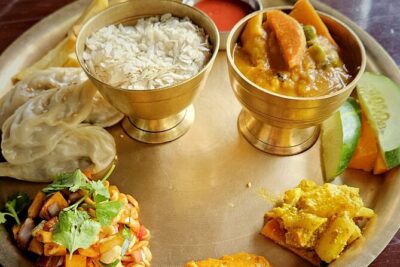 ★ 5.0Kathmandu Food and Drink Walking TourFrom $36266 reviews
★ 4.9Food and Drink Walking TourFrom $28119 reviews
 ★ 5.0Walking Street Food Tour in KathmanduFrom $48111 reviews
 ★ 5.0Secret Food Tour – Food Bites and Sights Kathmandu 14+ TestingsFrom $3582 reviews
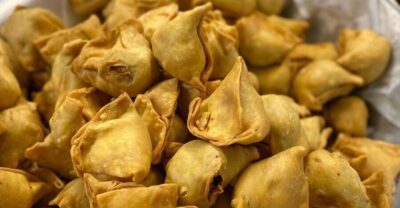 ★ 4.7Kathmandu Secret Food Crawl & Local Market TourFrom $2854 reviews
 ★ 5.0Kathmandu Food & Drink and Shopping Rickshaw TourFrom $2548 reviews
 ★ 5.0Walking Food Tour in Hidden Local Eateries of KathmanduFrom $3640 reviews
 ★ 5.0Kathmandu Food Crawl & Market TourFrom $2526 reviews
Lists this tour sits in